REVIEW · SAPPORO
Hokkaido Seafood Sushi Rolls Experience with Matcha, in Sapporo
Book on Viator →Operated by Tomoko's Japanese Cooking · Bookable on Viator
Sushi lessons in a real home kitchen. This class is a sweet break from busy sightseeing because you get hands-on with Hokkaido seafood sushi rolls and practice making crispy tempura in a cozy, home-style kitchen setup. One thing to plan for: it’s not a meet-you-at-your-hotel experience, and the studio is about 15 minutes by car from Sapporo Station.
After cooking, you sit down and eat your meal together, then transition to a matcha session with traditional Japanese sweets. The whole experience runs in a quiet residential pocket of Sapporo, so it feels more like everyday Japanese life than a show.
In This Review
- Key Highlights (Quick Hits)
- Why This Sapporo Cooking Class Feels Like Local Life
- The 10:00 Start: A Quick Welcome and Hokkaido Food Context
- Making Seafood Sushi Rolls (Plus the Details You’ll Actually Use)
- Tempura Practice: Getting That Light, Crispy Texture
- Matcha and Traditional Japanese Sweets: Tea Culture in Real Life
- Where You Meet in Sapporo (And How to Add Sightseeing)
- Group Size and the Home-Kitchen Atmosphere
- Price and Value: What $97.55 Really Buys You
- What You’ll Leave With (Beyond Full Bellies)
- Who Should Book This Class
- Should You Book This Seafood Sushi Rolls and Matcha Experience?
- FAQ
- What is the duration of the class?
- What time does the experience start?
- How many people are in the class?
- What do I cook and eat during the experience?
- Is matcha included?
- Are aprons and towels provided?
- Where is the meeting point in Sapporo?
- Is there hotel pick-up or drop-off?
- Is this a private activity?
- What happens if the weather is bad?
Key Highlights (Quick Hits)
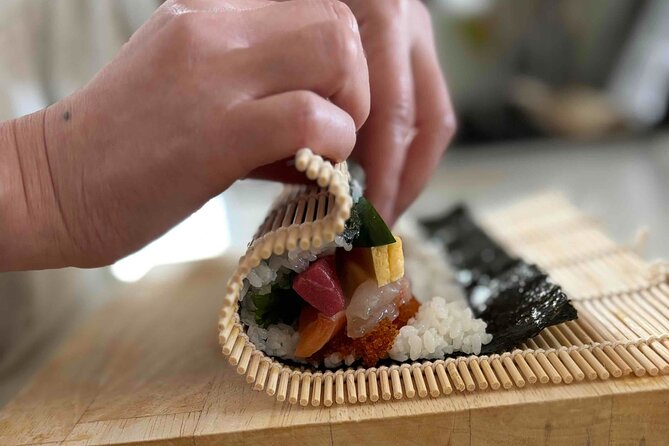
- Small-group class (2 to 3 people), so you’re not watching from the sidelines
- Hokkaido seafood used for your sushi rolls, plus you taste what you make
- Crispy tempura practice, with a focus on getting that light, crunch texture
- Matcha + traditional Japanese sweets and a lesson on tea culture basics
- Residential Sapporo location, near Hokkaido Shrine and Maruyama Zoo for easy add-on sightseeing
Why This Sapporo Cooking Class Feels Like Local Life
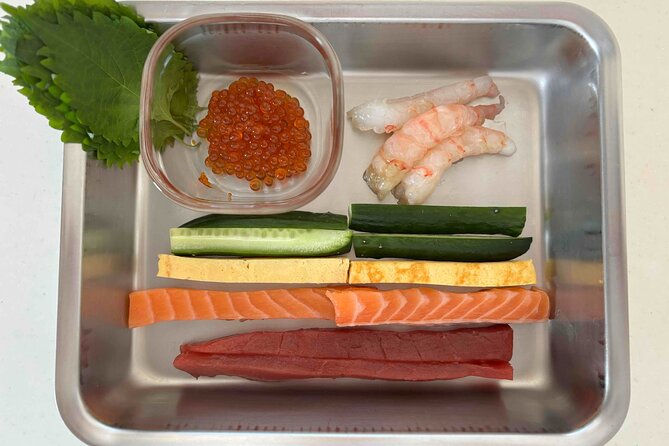
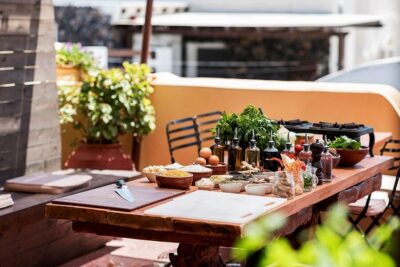
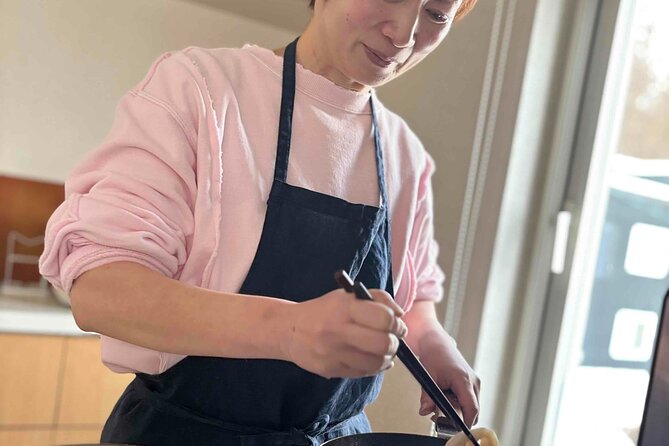
Sapporo is great for day trips and big attractions, but this experience gives you something different: food made close to how people actually eat at home. The class takes place in a quiet residential area, so you’re not stuck in a tourist corridor. Instead, you’re stepping into a warm, home-style kitchen where the rhythm is calm and focused.
What I really like is that the lesson is practical, not just decorative. You’re not collecting photos while someone else does the work—you’re learning techniques you can take home. Also, the small group size (just 2 to 3 people) changes the vibe. You get attention, you can ask questions, and you get to talk with other participants in a natural way while cooking.
A minor heads-up: this is held about 15 minutes by car from Sapporo Station, and it doesn’t list hotel pick-up/drop-off in the provided included details. The experience summary mentions pickup is offered, but the included section says it’s not—so I’d treat pickup as something you need to confirm with the operator before you count on it.
You can also read our reviews of more tours and experiences in Sapporo.
The 10:00 Start: A Quick Welcome and Hokkaido Food Context
The class begins at 10:00 a.m. with a short introduction, the kind of orientation that helps your hands catch up to your brain. You’ll get a quick overview of the class flow and a bit of food culture tied to Hokkaido’s ingredients.
This matters more than it sounds. When you understand what makes Hokkaido seafood special—freshness and the idea of letting flavors stay clean—you cook with more intention. You’re more likely to notice things like texture, seasoning balance, and why certain steps exist in the first place.
Then the session shifts into action.
Making Seafood Sushi Rolls (Plus the Details You’ll Actually Use)
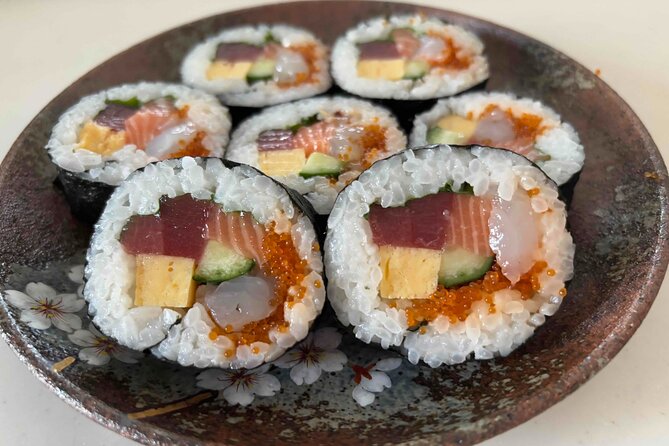
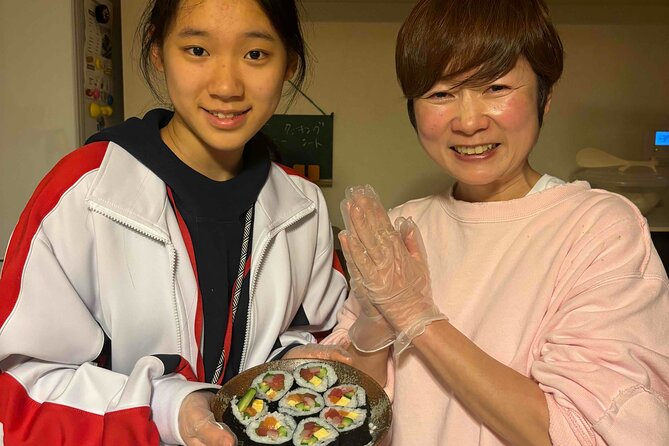
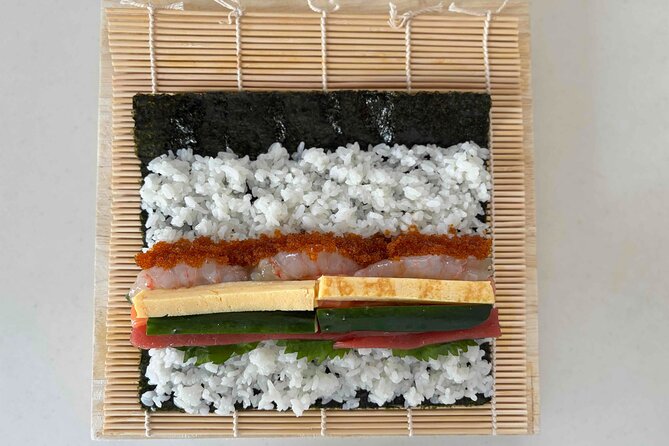
From about 10:15 to 12:00, you’ll do the main hands-on cooking: seafood sushi roll making plus tasting as you go. The core experience here is making beautiful seafood sushi rolls with fresh Hokkaido seafood.
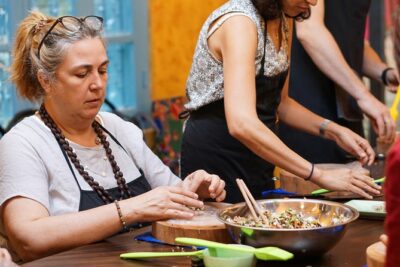
You can expect the process to feel guided and methodical: you’ll be working in the same space as the instructor, not far away behind a counter. Since the class is small, you’re likely to get personalized feedback—useful if your rice handling, roll tightening, or ingredient distribution isn’t yet second nature.
Here’s why this segment is worth your time even if you’ve eaten sushi in lots of places. Most sushi meals tell you what the final product is. This class teaches you the path to it—how to assemble a roll so the bite feels balanced and the look stays neat. That’s the difference between tasting and learning.
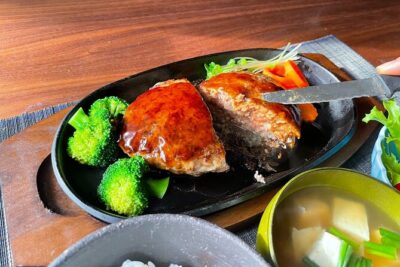
Also, you’ll eat what you make. That turns the whole experience into a feedback loop: you cook, you taste, you understand. It’s satisfying in a very tangible way.
Tempura Practice: Getting That Light, Crispy Texture
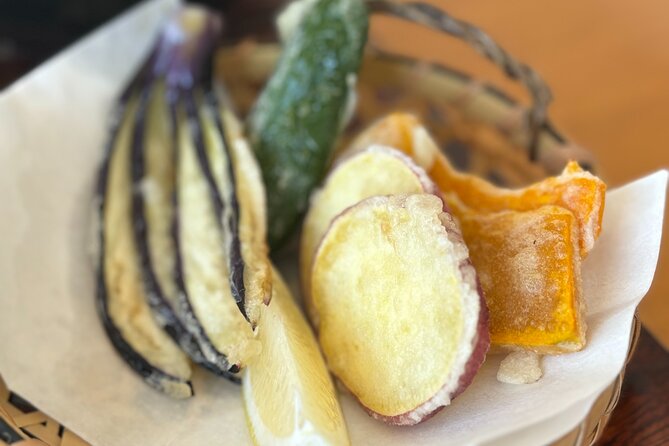
After the sushi-roll work, you also cook light, crispy tempura. Tempura sounds simple—batter, fry, done—but it’s one of those dishes where technique affects everything: texture, crispness, and how long it stays good.
In this class, the focus is on crisp tempura, not just frying something. You’ll learn how to approach the steps so the result lands on the side of delicate and crunchy rather than heavy or greasy. Even if you’ve made tempura at home before, doing it in a structured class environment helps you spot what you might be rushing or skipping.
One more thing I appreciate: tempura complements sushi rolls perfectly for a meal you can build on. If you later recreate a version at home, you’re not just copying a single dish—you’re learning a pairing strategy (seafood sushi rolls + crispy fried tempura) that fits the Japanese home-meal style.
Matcha and Traditional Japanese Sweets: Tea Culture in Real Life
From about 12:00 to 12:30, the class shifts from the stove to matcha. You’ll have a matcha experience with traditional Japanese sweets and learn about the spirit of Japanese tea culture.
This segment is short, so it’s not trying to become a full ceremony lesson. Instead, it gives you the basics and the mindset: matcha as something you slow down for, not something you chug while sprinting to the next photo spot. Pairing it with sweets matters too. It helps you connect bitterness and earthiness to sweetness in a way that feels intentional and easy to remember.
If you like small cultural lessons that don’t steal half your day, this is a good fit. You’ll leave with a clearer idea of what people mean when they talk about tea culture—calm attention, respect for ingredients, and a moment of taste-focused quiet.
Where You Meet in Sapporo (And How to Add Sightseeing)
You meet at 26 Chome-2 Odorinishi, Chuo Ward, Sapporo, Hokkaido 064-0820, Japan. The end of the activity is back at the meeting point.
The location is convenient for planning. The studio is described as about 15 minutes by car from Sapporo Station, and it’s within walking distance of popular nearby sights like Hokkaido Shrine and Maruyama Zoo. It’s also in a stylish, pleasant neighborhood, which makes it easier to tack on extra time before or after class.
Practical tip: with a 10:00 a.m. start, I’d give yourself a buffer for transit and a quick walk around the area. This is the kind of morning activity where arriving calm helps you enjoy the lesson more.
Group Size and the Home-Kitchen Atmosphere
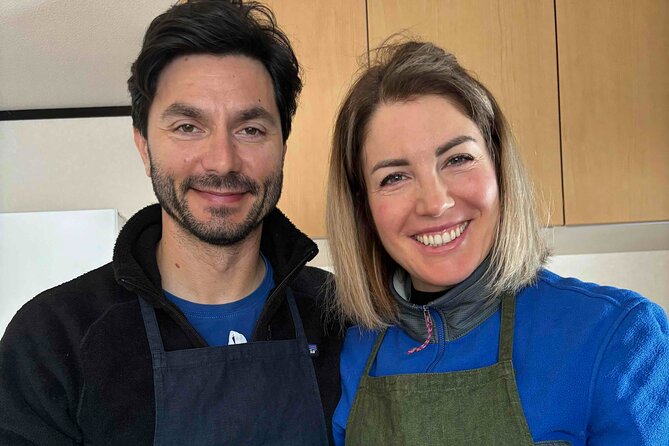
Classes are held in small groups of 2 to 3 people. That’s the big difference-maker for how the experience feels.
In a bigger class, you can easily become a spectator. Here, you’re likely to be actively involved the whole time—handling ingredients, rolling, and learning steps in sequence. The instructor can also course-correct you without rushing. And since it’s intimate, you naturally talk more with your cooking partner(s), which is part of the fun.
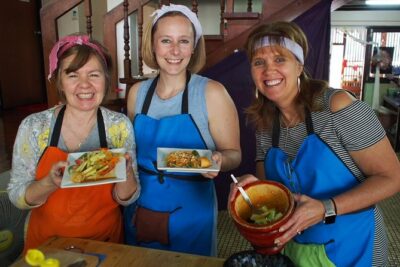
The overall vibe is homely, not staged. You’ll even get something as basic as a rental apron and a hand towel, which signals that this is meant to be a real kitchen session, not a demo.
Price and Value: What $97.55 Really Buys You
The price is $97.55 per person for an experience that runs about 2 hours 30 minutes. On paper, that’s not cheap—but it’s closer to a “you’re paying for instruction + ingredients + meal” price than a “watch someone cook” price.
Here’s what you get included:
- Seafood sushi roll and tempura
- Matcha and Japanese sweets
- Rental apron and hand towel
What’s not included:
- Hotel pick-up and drop-off
So, you’re paying for hands-on cooking time plus the full eating experience. And because the class is small, you get more personal attention than you would in a larger group format. If you care about learning rather than simply consuming, it’s good value.
One more planning note: it’s commonly booked about 16 days in advance on average. If you’re traveling in peak seasons or on a tight schedule, I’d lock it in earlier rather than later.
What You’ll Leave With (Beyond Full Bellies)
This isn’t just about leaving with a meal. You’re also leaving with technique and confidence.
You’ll know:
- How to make beautiful seafood sushi rolls
- How to cook crispy tempura
- The basic ideas behind Japanese tea culture and how matcha fits in
Even if you don’t plan to replicate sushi at home tomorrow, the skills translate into how you appreciate food. Sushi becomes less mysterious. Tempura becomes less intimidating. Tea culture becomes less like trivia and more like something you can understand through taste and calm attention.
And there’s a social side to a small cooking class. With a 2–3 person group, it’s easier to meet people naturally while you work side by side.
Who Should Book This Class
This is a great choice if you want:
- A hands-on food lesson in Sapporo
- To cook with Hokkaido seafood, not just learn about it
- A short, structured experience that still feels personal
- Something cultural without being too long or too formal
It’s also ideal if you’re traveling with another person or a small group and want an activity that’s active the whole way through.
If you’re the type who hates strict schedules, the tight timing may feel a bit structured. But the upside is that everything is clear: you cook, you eat, you learn matcha, and you’re done.
Should You Book This Seafood Sushi Rolls and Matcha Experience?
I’d book it if you want a real cooking class where you do the work, eat what you make, and pick up practical technique. The small group format is a big win, and the mix of seafood sushi rolls, tempura, and matcha with sweets makes it feel complete without dragging on.
I’d think twice if you’re counting on hotel pick-up. The included details don’t list it, and the pickup note seems inconsistent—so confirm first. Also, because it’s about 15 minutes by car from Sapporo Station, plan your morning transit so you arrive without stress.
If you’re in Sapporo for food, culture, and hands-on learning, this one is an easy yes.
FAQ
What is the duration of the class?
It runs for about 2 hours 30 minutes, starting at 10:00 a.m.
What time does the experience start?
The start time is 10:00 a.m.
How many people are in the class?
It’s a small group class with 2 to 3 people.
What do I cook and eat during the experience?
You make seafood sushi rolls and cook light, crispy tempura. After cooking, you enjoy the meal together.
Is matcha included?
Yes. You get a matcha experience with traditional Japanese sweets as part of the class.
Are aprons and towels provided?
Yes. You receive a rental apron and a hand towel.
Where is the meeting point in Sapporo?
The meeting point is 26 Chome-2 Odorinishi, Chuo Ward, Sapporo, Hokkaido 064-0820, Japan.
Is there hotel pick-up or drop-off?
Hotel pick-up and drop-off are not listed as included in the provided details, even though pickup is mentioned in the overview. You should confirm whether any pickup option applies to you.
Is this a private activity?
Yes. It’s described as a private tour/activity, meaning only your group participates.
What happens if the weather is bad?
The experience requires good weather. If it’s canceled due to poor weather, you’ll be offered a different date or a full refund.