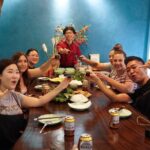
Skip the map stress and get cooking fast. I love the Old Quarter pickup and drop-off, because it makes this feel like a planned experience instead of a search for an address. You start with a market run, then head to a calm French-era villa kitchen where the day turns into hands-on cooking and a real sit-down meal.
I also love the way the class supports all skill levels, from kitchen-shy to home chefs. The teaching feels step-by-step, and names like Chef Kevin and May (Cloud) show up in how guides and chefs lead the room with patience and clear instructions.
One thing to consider: the included pickup and drop-off is within Hanoi’s Old Quarter. If you’re staying farther out, you’ll likely need to get yourself to the meeting area first.
In This Review
- Key things to know before you go
- Old Quarter pickup and the 4.5-hour rhythm that actually works
- The market stop: shopping lessons for real Vietnamese flavor
- A French-era villa kitchen: comfort meets atmosphere
- Hands-on cooking in Hanoi: techniques you can reuse at home
- The meal, the wine, and the drinks that match what you’re eating
- Recipes after the class: the easiest way to turn fun into skill
- Price and value: why $35 can feel like a deal in Hanoi
- Who should book this Hanoi cooking class
- Should you book the Hanoi Cooking Class in the Hidden Villa?
- FAQ
- How long is the Hanoi cooking class?
- Is hotel pickup and drop-off included?
- Do I choose a morning or afternoon session?
- What’s included in the price?
- Are recipes provided after the class?
- How much does it cost?
- Can I get a full refund if I cancel?
Key things to know before you go

- Old Quarter pickup and return keeps your schedule simple for a 4.5-hour block
- Market stop for ingredient picking teaches what to buy and how to recognize quality
- French-era villa setting means air-conditioned comfort plus a garden-meets-class vibe
- Homemade fruit wine tasting starts after a herbal tea welcome drink and continues with your meal
- Full lunch or dinner included depending on the session, plus seasonal fruits afterward
- Recipes are sent after the class, so you can recreate the dishes later
Old Quarter pickup and the 4.5-hour rhythm that actually works
This experience is designed for people who want good food without turning the day into a logistics project. You get hotel pickup and drop-off within Hanoi’s Old Quarter, which is a big deal in a city where traffic, scooters, and tricky turns can eat time fast. The whole thing runs about 4 hours 30 minutes, so you can fit it between sightseeing plans without worrying about a late-night scramble.
You’ll also get practical extras that make the class smoother: free luggage storage during the session and unlimited mineral water. That means you can show up with a full day in your bag, then focus on cooking instead of carrying things around.
Finally, there are two time options: choose a morning or afternoon session. That flexibility matters in Hanoi, where mornings can be perfect for markets and afternoons can be better for a slower pace before dinner plans.
You can also read our reviews of more tours and experiences in Hanoi.
The market stop: shopping lessons for real Vietnamese flavor
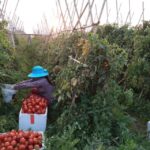
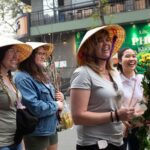
The class begins with a local market journey. This isn’t just a photo stop. It’s the part where you learn how Vietnamese cooks think about ingredients.
Expect to move through a busy market atmosphere, with vendors offering things like fresh herbs, rice noodles, and seasonal produce. The guide is there as an English-speaking local guide and cultural storyteller, which helps you connect what you’re seeing to what you’re going to cook later. In practice, the value is that you learn how to pick ingredients that affect the final dish.
You also get a sense of how Vietnamese cooking is built. Things aren’t random. Herbs, aromatics, and the right texture matter. Even if you only remember a few shopping cues, it makes your at-home attempts more convincing.
Possible drawback: market-style environments can be crowded and noisy. If you’re sensitive to that, go in with a calm mindset. You’re there to learn, not to enjoy quiet.
A French-era villa kitchen: comfort meets atmosphere
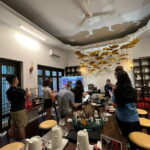
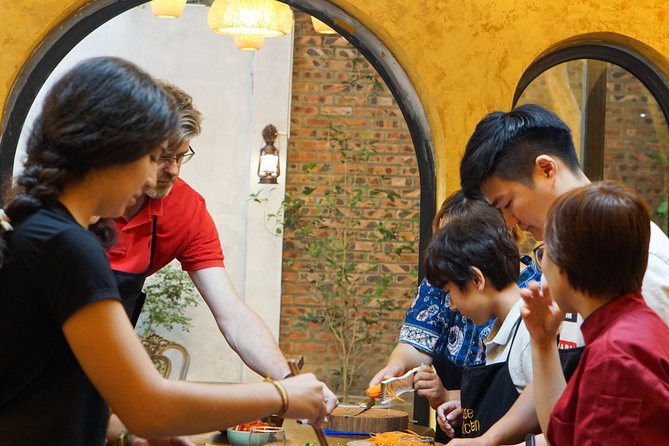
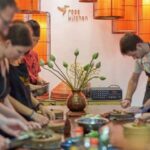
After the market, you head to a serene French-era villa tucked into a lush garden setting. Think old walls, garden plants, and a kitchen space that feels like a proper cooking studio rather than a cramped room.
The cooking and dining area is air-conditioned, which is a relief in Hanoi heat. You also get all the equipment and utensils, so you’re not borrowing a pot or guessing which tool you need. For me, that’s the difference between a demo and a real cooking class. If your woks and tools are ready, you can spend your attention on learning technique and flavor.
There’s also a friendly host and escort for comfort. That matters because Vietnamese cooking involves multiple steps and timing. When everything is organized, you get to focus on the food instead of asking what happens next.
And yes, the setting helps. When you’re cooking in a place that feels designed for guests, you relax. When you relax, you learn faster.
Hands-on cooking in Hanoi: techniques you can reuse at home
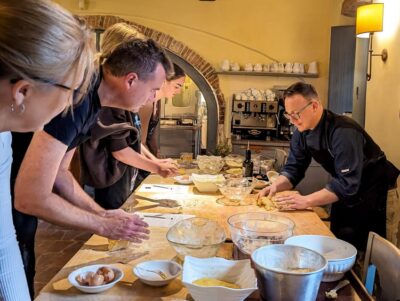
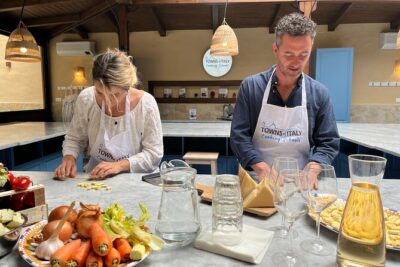
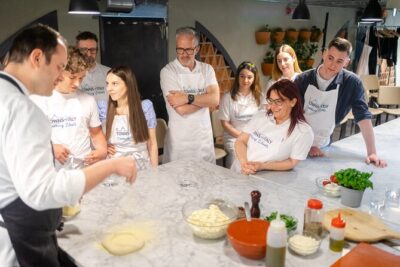
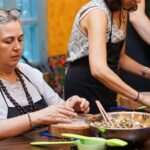
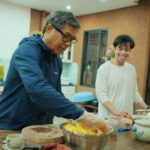
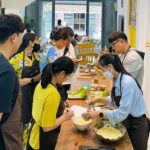
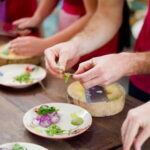
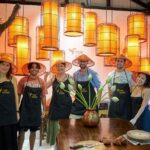
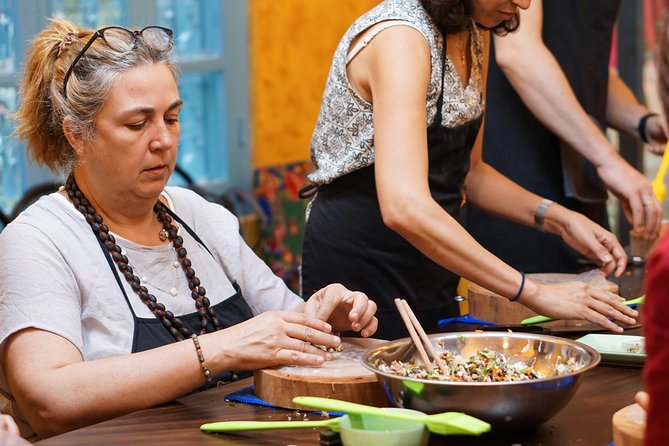
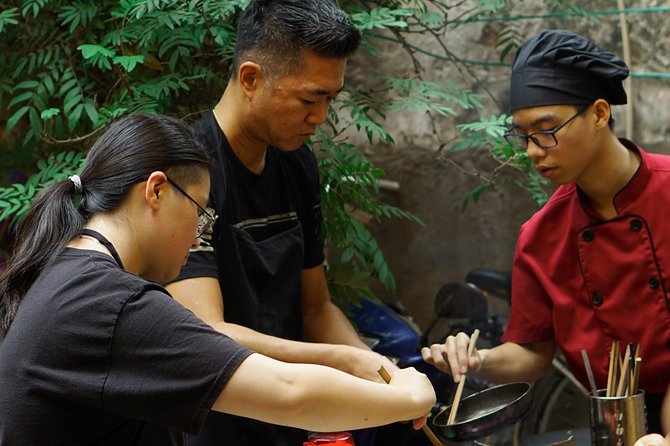
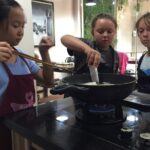
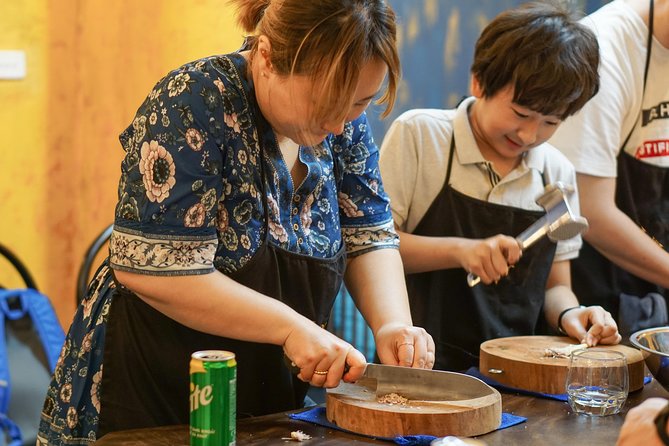
This is a hands-on cooking class. Aprons on. Woks sizzling. You cook, you taste, and you learn the logic behind the flavors.
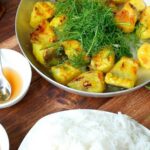
The menu is centered on classic Vietnamese dishes. The class info highlights items like banana blossom salad, phở, spring rolls, and coconut coffee. Other dishes show up across classes and are mentioned in guidance and favorites, including dishes like Bún chả and bánh xèo.
Here’s what I think is the real win: the teaching style is described as interactive and step-by-step. Reviews also point to chefs and guides like Chef Kevin and May leading with patience, which is exactly what you want if you’re not a confident home cook. You’ll get help choosing ingredients at the market, then follow instructions as you cook.
A simple way to judge the quality of a cooking class is this: can you picture yourself making it again? This class supports that goal because it’s not just eating. It’s learning how ingredients work together.
Possible drawback: you’ll likely only cook a set number of dishes during the session (the schedule is fixed). If you’re hoping for a free-form kitchen experiment list, this isn’t that. It’s structured. You get depth on the dishes you cook.
The meal, the wine, and the drinks that match what you’re eating
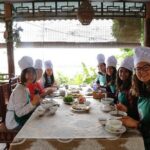
You’ll eat a full Vietnamese lunch or dinner depending on whether you choose the morning or afternoon session. Either way, it’s not a snack situation. It’s a real meal, with the dishes you cooked served in a way that makes sense as a group experience.
The class also includes a welcome drink: herbal tea upon arrival. Then there’s a signature tasting: homemade fruit wine. Reviews mention enjoying local tastes and the extra warmth that comes from sharing something like wine during the meal. You also get fresh seasonal fruits after you eat.
An extra practical note: unlimited mineral water means you can stay hydrated during active cooking and eating. That’s not glamorous, but it matters when you’re mixing heat, herbs, and lots of chopping.
The food and drink pairing also teaches you something subtle. In Vietnam, flavor often comes in layers: fresh herbs, sweet fruit notes, comforting carbs, and drinks that match the mood of the meal. When you taste the homemade fruit wine after you cook, it makes the day’s flavors feel connected instead of random.


Recipes after the class: the easiest way to turn fun into skill
One of the strongest reasons to book is what happens after. You’ll be sent the recipes after the class, so you can recreate what you learned.
This is where many cooking classes fall short. The cooking part is fun. Then you get home, and you have no memory of ratios, steps, or ingredient names. Here, the follow-up recipes are designed to help you keep the momentum.
If you’re planning to cook at home, focus on the recipes for:
- the dishes you already liked most during the meal
- the flavors you struggled with (like balancing herb acidity or sauce depth)
- the shopping cues you learned at the market
Also, since you start by learning how to pick ingredients, the recipes become more useful. They aren’t instructions on paper. They’re a map back to the key ingredients you learned to recognize.
Price and value: why $35 can feel like a deal in Hanoi
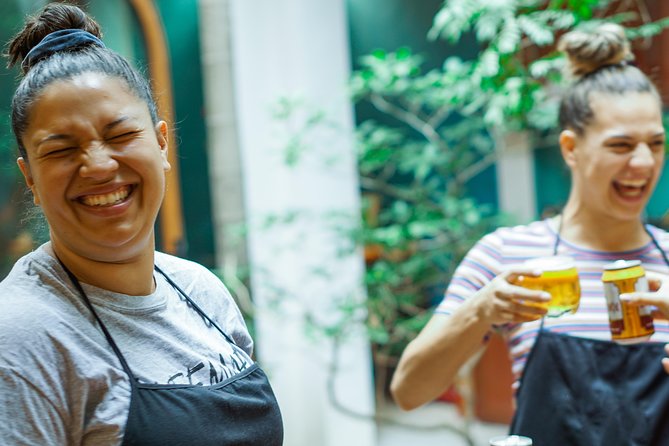
At $35 per person, this isn’t an elite, luxury class. But it’s also not a basic demo. You’re paying for a full package: pickup and drop-off within the Old Quarter, a market stop, an English-speaking local guide, equipment and utensils, a complete lunch or dinner, drinks (herbal tea and homemade fruit wine tasting), unlimited mineral water, and seasonal fruits afterward.
If you’ve ever tried to DIY this in Hanoi, you already know how hard it is to price it fairly. Markets take time. Buying the right ingredients takes experience. Then cooking lessons take staff and coordination. This class bundles those costs into one ticket.
The value also comes from the teaching. The reviews highlight chefs who guide cooking step-by-step and help even people who feel nervous in the kitchen. That kind of support is exactly what you want when you’re paying for an experience, not just ingredients.
Who should book this Hanoi cooking class
This fits best if you want:
- a structured, hands-on food experience without stress
- market ingredient guidance, not just cooking steps
- a comfortable setting with air-conditioning and proper tools
- a meal included, plus drink tasting
It’s also a good option for couples, since you’ll cook and eat together. Families can work too; the class info and reviews mention kids enjoying parts of the market experience and cooking together.
If you’re traveling solo, the format should still feel friendly. You’re not sent off alone. There’s a guide, a host, and a team to keep the flow going.
One more consideration: the experience lists a maximum of 100 travelers. That doesn’t automatically mean you’ll be in a huge group during cooking, but it does mean you should expect an organized, group-based event rather than a private one-on-one class.
Should you book the Hanoi Cooking Class in the Hidden Villa?
If you’re deciding between eating at restaurants and doing something skill-building, I’d lean toward booking this class. You get the “why” behind Vietnamese cooking: market ingredient picking, guided cooking steps, and a meal that includes the drinks and fruits that match the flavors.
Book it if you:
- want Old Quarter pickup so the day stays easy
- like hands-on learning and eating what you cook
- care about taking recipes home, not just taking photos
Skip it (or reconsider) if:
- you need pickup outside the Old Quarter
- you want a totally flexible menu or a super-private format
- you get overwhelmed by a crowded market environment
Overall, this is a solid value way to see Hanoi through food. The French villa setting makes it feel special, but the real payoff is practical: you learn how to buy, cook, and taste Vietnamese dishes in a way that you can repeat later.
FAQ
How long is the Hanoi cooking class?
The class lasts about 4 hours 30 minutes.
Is hotel pickup and drop-off included?
Yes. Hotel pickup and drop-off are included within Hanoi’s Old Quarter.
Do I choose a morning or afternoon session?
Yes. You can choose either a morning or an afternoon class.
What’s included in the price?
Inclusions include the market journey, an English-speaking guide, cooking space and equipment, a full lunch or dinner (depending on session), unlimited mineral water, a herbal tea welcome drink, fruit wine tasting, and seasonal fruits after the meal.
Are recipes provided after the class?
Yes. You’re sent the recipes after the class so you can make the dishes again at home.
How much does it cost?
It costs $35.00 per person.
Can I get a full refund if I cancel?
Yes, free cancellation is available up to 24 hours before the experience start time for a full refund. If you cancel less than 24 hours before, you won’t get a refund.