REVIEW · TOKYO
Ebisu Food Tasting Experience with Japanese Cooking Class
Book on Viator →Operated by HomeTaste JapaneseCookingClass · Bookable on Viator
A Tokyo kitchen, not a tourist lab. This Ebisu cooking experience pairs cooking lessons with a local supermarket ingredient walk, led by Mari and her daughter Ayumi—both guiding the class in English. It’s built like a real home meal, not a staged demo.
I especially like two things. First, the ingredient hunt at the start helps you understand what you’re actually buying and why it matters in Japanese home cooking. Second, the whole vibe feels warm and personal, with Mari and Ayumi sharing local know-how over the meal in a way that feels like joining a small neighborhood family.
One thing to watch: you’ll need to match your appetite and diet to the course. The hamburger steak option has no vegetarian alternative, while the temaki sushi course does.
In This Review
- Key Highlights I’d Put On Your Shortlist
- Ebisu Kitchen Meets English Home Cooking
- Choosing Your Course: Temaki Sushi vs Japanese Hamburger Steak
- Temaki Sushi Course
- Japanese Hamburger Steak Course
- The Start in Ebisu: Meeting Point and Ebisu Garden Place
- Stop 1: The Supermarket Ingredient Hunt That Changes How You Cook
- Back in the Kitchen: Cooking Like It’s Someone’s Home
- Temaki Course Breakdown: From Rice and Egg to Roll-Your-Own
- Hamburger Steak Course Breakdown: Hambāgu with Potato Salad and Miso Soup
- Eating Together: The Real Payoff and the Local Tips
- Drinks, Pace, and Group Size: Small, Friendly, and Not Rushed
- Price and Value: Is $78.04 Worth It?
- Who Should Book This Cooking Class (and Who Should Skip)
- Should You Book HomeTaste JapaneseCookingClass in Ebisu?
- FAQ
- What course options are available?
- Is there a vegetarian option?
- Are the lessons taught in English?
- Do I need cooking experience?
- What’s the first part of the experience before you start cooking?
- Where do I meet for the class?
- How long is the experience?
- How big is the group?
- Are drinks included?
- What’s the cancellation/refund rule?
Key Highlights I’d Put On Your Shortlist
- Mari and Ayumi lead in English so you can follow every step without stress.
- A local supermarket stop helps you learn ingredient basics, not just recipes.
- Two very different menus: temaki sushi vs Japanese hamburger steak.
- Hands-on cooking including rolling your own sushi on the temaki course.
- Small group size (max 4) keeps the pace friendly and questions easy.
- Local tips after eating—including help planning your Tokyo trip.
Ebisu Kitchen Meets English Home Cooking
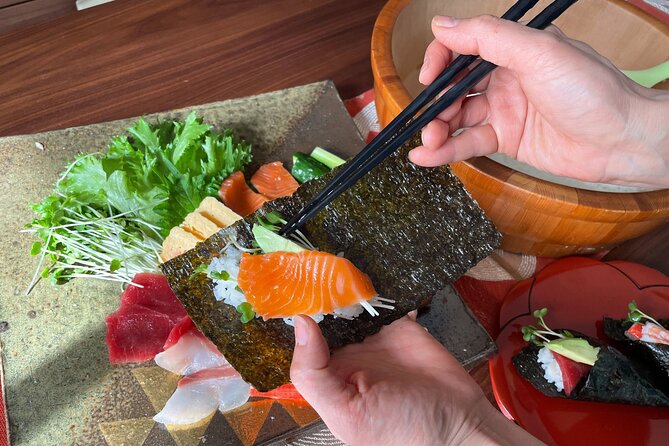
Tokyo has plenty of food tours. This one works differently because you don’t just watch. You cook, you sit down, and you talk with the people running the kitchen.
The class is hosted by Mari and her daughter Ayumi, with Mari as the culinary expert and Ayumi acting as a bilingual interpreter and assistant. The practical magic here is that the teaching is entirely in English, so you’re not stuck guessing at technique or ingredient names. It’s also designed for people with no cooking experience. If you can follow directions and keep an open mind, you’ll be fine.
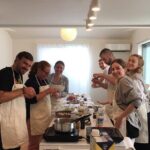
The atmosphere matters too. The feeling described from past participants is very family-like—close enough that the kitchen doesn’t feel like a classroom. That matters in a place like Tokyo, where it can be easy to feel like you’re rushing from one attraction to the next. Here, you slow down and learn how ordinary home cooking works.
You can also read our reviews of more tours and experiences in Tokyo.

Choosing Your Course: Temaki Sushi vs Japanese Hamburger Steak
You basically choose between two menus, and each one teaches different skills.
Temaki Sushi Course
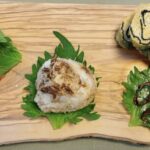
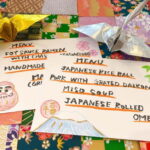
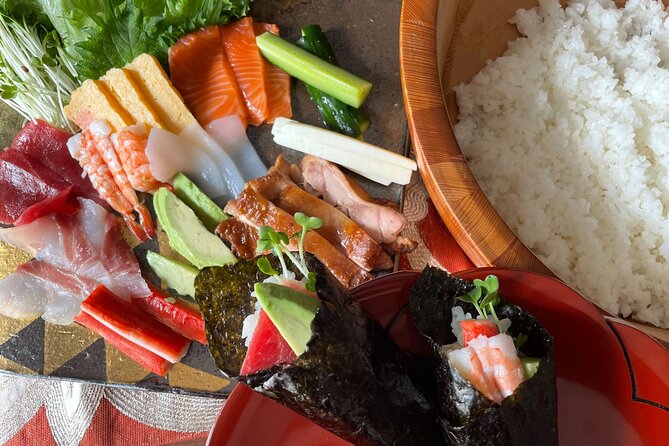
On the temaki sushi course, you work through a set of dishes that cover core Japanese flavors and textures. You’ll make sushi rice, tamagoyaki (Japanese omelet), and teriyaki chicken. Then you roll your own sushi using fresh fish, vegetables, or tofu.
This is the best fit if you want variety and creativity at the table. You’re not just assembling one roll. You learn the building blocks—rice, egg, a sweet-salty chicken element—and then you assemble your own mix-ins.
Vegetarian options are available for this course, which is a big deal if you travel with dietary needs.
Japanese Hamburger Steak Course
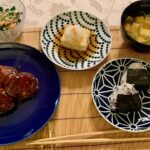
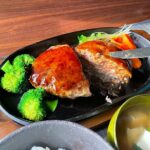
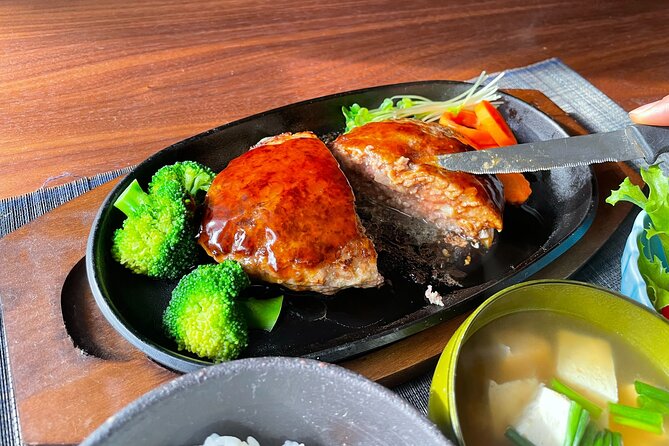
The hamburger steak course is a full set meal built around hambāgu, plus potato salad and miso soup. It’s simpler in variety than the sushi course, but it’s satisfying in a very Japanese “teishoku” way: main dish, sides, soup.
This course is the better choice if you like comfort food and want to learn how Japanese-style hamburger steak is built and served. It’s also usually less assembly-heavy than rolling sushi.
The one drawback is clear: there’s no vegetarian option available for the hamburger steak menu. So if that affects you, pick the temaki course.
The Start in Ebisu: Meeting Point and Ebisu Garden Place
The experience begins near public transportation at the Ebisu Station Police Box, specifically at 1-chōme-5-5 Ebisuminami, Shibuya, Tokyo 150-0022. From there, you’ll move to Ebisu Garden Place as part of the morning setup.
Why I like this start: Ebisu is a solid base area in Tokyo, and meeting near a well-known station landmark makes the experience feel easy to plug into your day. You’re not hunting down an obscure address. It also helps you stay oriented, especially if you’re still figuring out your transit routine in Tokyo.
Ebisu Garden Place is a good contrast to the classic “go to a kitchen somewhere far away” style classes. It keeps the beginning grounded in the city’s rhythm, then you transition from public space to a home cooking setup.

Stop 1: The Supermarket Ingredient Hunt That Changes How You Cook
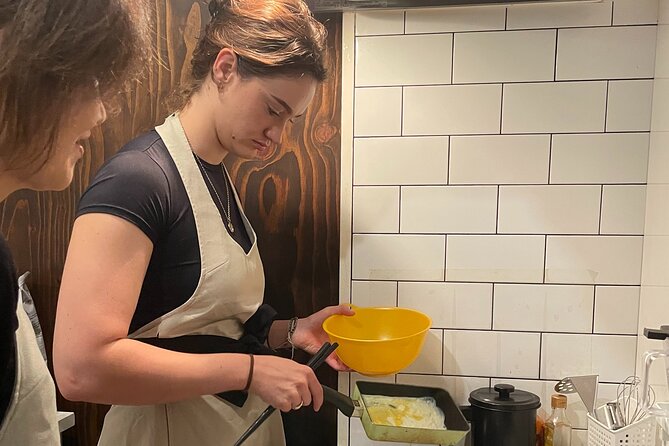
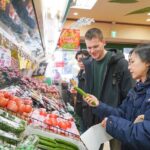
After you meet, one of the most useful parts kicks in: a local Japanese supermarket stop to learn essential ingredients. This isn’t just wandering for photos. The goal is to help you understand what makes Japanese cooking taste right.
In past experiences, Mari and Ayumi have gone beyond the basics—explaining different products people are interested in and even tracking down ingredients at extra stores when needed. That’s the difference between a generic cooking class and one that’s actually practical for you back home.
Here’s what this kind of supermarket stop does for you:
- You learn how ingredient names map to real packages you’ll see in Japan.
- You start recognizing common pantry items that show up repeatedly in Japanese meals.
- You build confidence. When you’re later shopping independently, you aren’t starting from zero.
If you’ve ever bought Japanese ingredients and then wondered what to do with them, this is the antidote. You leave the class understanding how to choose and use what you’ll buy.
Back in the Kitchen: Cooking Like It’s Someone’s Home
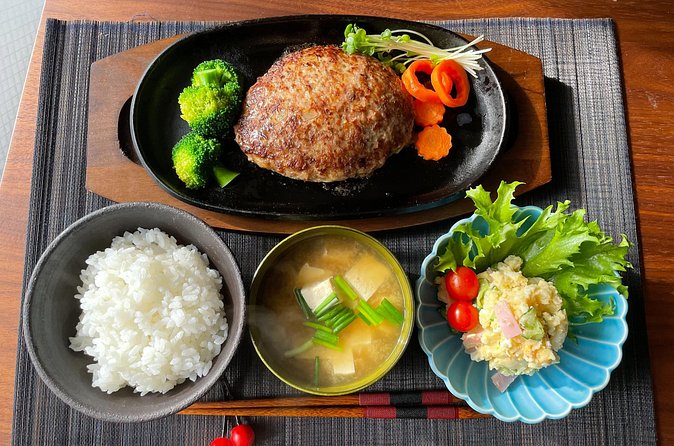
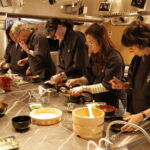
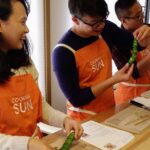
Once you return to the home kitchen, the class shifts into real cooking mode. You’re guided step by step, and the teaching is in English, which keeps the pace comfortable.
The teaching style you want for a class like this is simple instruction plus hands-on practice. And that’s exactly the structure: make dishes together, adjust as you go, and get your questions answered while the food is actually happening.
Even if you’ve never cooked before, you’re not expected to freestyle. The class is built for beginners, so you can focus on technique and taste rather than “will I mess this up?” worries.
Also, there’s something quietly efficient about home-style Japanese cooking. You’ll see how multiple flavors work together—savory, sweet, and umami in different forms—without needing complicated gadgets.
Temaki Course Breakdown: From Rice and Egg to Roll-Your-Own
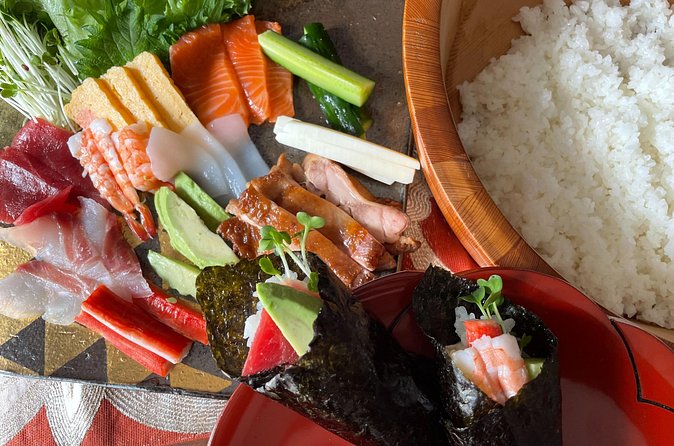
If you pick the temaki sushi course, you’ll learn a set of core components, then finish with customization.
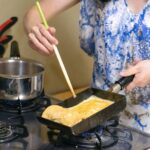
You start by making sushi rice, then move to tamagoyaki—the rolled Japanese omelet that brings a gentle, slightly sweet flavor and a satisfying texture. Teriyaki chicken adds another layer: a sweet-salty glaze that tastes like comfort and predictably works in many sushi styles.
Then comes the fun part. You assemble your own sushi with fresh fish, vegetables, or tofu, depending on what you choose and what’s available for your menu option.
What’s smart for your learning: you get structure first, then freedom. That means you don’t just copy. You understand the building blocks, and that helps you repeat the experience later.
Vegetarian travelers should feel confident choosing this course because vegetarian options are supported. You’ll still get the hands-on rolling experience rather than a separate, sad substitution.
Hamburger Steak Course Breakdown: Hambāgu with Potato Salad and Miso Soup
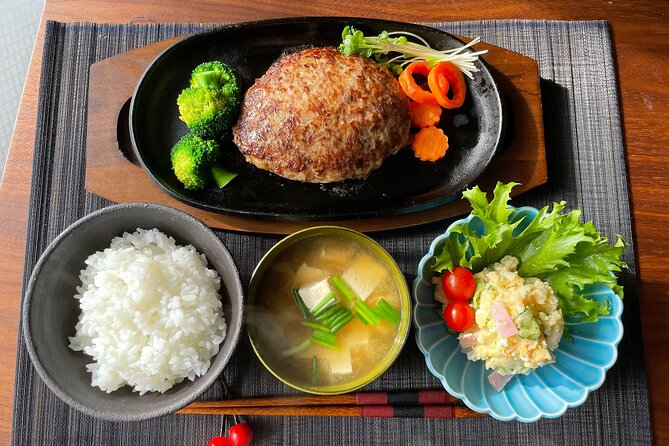
On the hamburger steak menu, you’ll prepare a complete set meal:
- juicy hambāgu (Japanese-style hamburger steak)
- potato salad
- miso soup
This course is a good pick if you want to learn a Japanese comfort dish with clear components and a satisfying plate that feels complete even after one meal.
Hambāgu tends to be approachable because the method has a clear “make it, shape it, cook it” flow. Then the miso soup ties the meal together with a warm, savory finish, while potato salad adds creamy crunch and balance.
Just remember the earlier point: there’s no vegetarian option for this menu. If you don’t eat meat, don’t assume an easy swap will be available here. Choose temaki instead.
Eating Together: The Real Payoff and the Local Tips
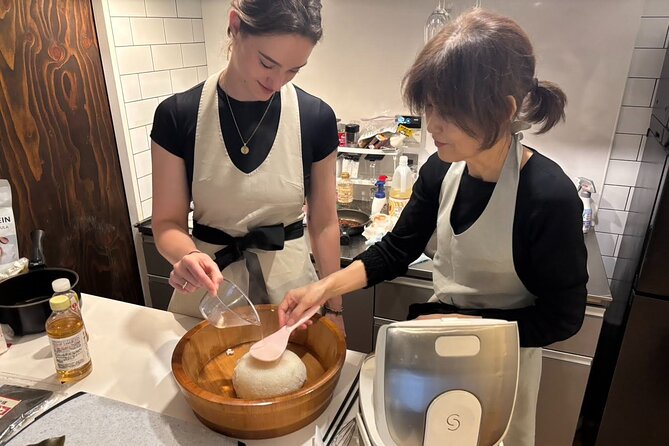
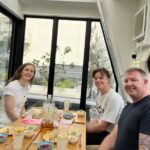
After cooking, you sit down and enjoy the meal together. This is where the class becomes more than just “learn a recipe.”
Mari and Ayumi also share local tips or help you plan your Tokyo trip after you eat. That part is underrated. Tokyo can feel like a giant machine of neighborhoods, transit lines, and food choices. Having hosts who live there and understand how people actually move through the city can save you time and confusion.
Past participants specifically highlighted the warm feeling of being treated like family—an ohana vibe. That comes through when the meal turns into conversation. You’re not just handed food and dismissed. You get context.
So if you like your travel with a human touch—someone telling you what to do next, where to eat, and what’s worth your limited time—this is built for that.
Drinks, Pace, and Group Size: Small, Friendly, and Not Rushed
The class includes optional drinks like sake or craft beer. If you’re curious about pairing a drink with the foods you just made, this is a nice add-on. If you don’t drink, you’re not stuck on that choice.
Group size matters a lot here: the experience has a maximum of 4 travelers. That’s small enough to keep attention on you, and it usually means:
- you can ask questions without waiting
- the class pace stays manageable
- the atmosphere stays personal
In Tokyo, small-group experiences are where you tend to get the most value. You learn more because the teaching isn’t competing with a large crowd.
The experience duration is about 3 hours. That’s long enough to cook, eat, and talk—without turning your day into a half-day commitment.
Price and Value: Is $78.04 Worth It?
At $78.04 per person for about 3 hours, this isn’t the cheapest food activity in Tokyo. But it often makes sense when you look at what you receive.
You’re paying for:
- a taught meal with multiple dishes (course-dependent)
- hands-on instruction in English
- a supermarket ingredient-learning stop
- a hosted meal in a home-style setting
- local tips and trip help from Mari and Ayumi
- a small group size (max 4), which tends to raise the quality of attention
In other words, the price buys time, teaching, and context—not just food. If you’re the kind of traveler who wants to understand what you’re eating (and not just consume it), you’ll likely feel like the value is fair.
If you’re mainly after a quick bite or you don’t want to cook at all, then no, this won’t feel like a bargain. But if you want a real skill—how Japanese dishes are built and why ingredients matter—this price is closer to the right category.
Who Should Book This Cooking Class (and Who Should Skip)
I’d recommend this experience if you:
- want home-style Japanese cooking with English support
- enjoy hands-on food activities more than eating tours
- care about ingredient knowledge, not just recipes
- travel with friends or family and want a small-group setting
- like the idea of getting local Tokyo tips from real residents
It’s especially strong for solo travelers, couples, families, and small groups because the format keeps the tone friendly and personal.
I’d consider skipping (or choosing the temaki course) if:
- you need a vegetarian option and are considering hamburger steak (no vegetarian option is offered there)
- you strongly dislike cooking or sitting through a full meal (this class is built around making and eating)
- you want something that lasts longer than 3 hours
Should You Book HomeTaste JapaneseCookingClass in Ebisu?
Yes—if you want a Tokyo food experience with real instruction and a human welcome. The strongest reason to book is the combination of an English-taught cooking class plus a supermarket ingredient learning start, guided by Mari and Ayumi. That mix makes it easier to connect what you learn here with what you can actually do afterward in Tokyo.
Also, think of the course choice as the decision point. If you’re vegetarian or want the most hands-on rolling experience, go with the temaki sushi course. If you want a comfort-focused, full set meal, choose the hamburger steak course—just be aware of the vegetarian limitation.
If your schedule is tight, the 3-hour format is a win. And if you like getting local advice over dinner, this is one of those experiences where the conversation is part of the product.
FAQ
What course options are available?
You can choose between a Temaki Sushi Course or a Japanese Hamburger Steak Course. The temaki course includes sushi rice, tamagoyaki, teriyaki chicken, and rolling your own sushi. The hamburger steak course includes hambāgu, potato salad, and miso soup.
Is there a vegetarian option?
Vegetarian options are available for the Temaki Sushi Course. There is no vegetarian option for the Japanese Hamburger Steak Course.
Are the lessons taught in English?
Yes. The lessons are taught entirely in English.
Do I need cooking experience?
No cooking experience is required. You’ll be guided through each step.
What’s the first part of the experience before you start cooking?
You start with exploring a local Japanese supermarket to learn about essential ingredients, then you go back to the home kitchen to cook.
Where do I meet for the class?
You start at the Ebisu Station Police Box, 1-chōme-5-5 Ebisuminami, Shibuya, Tokyo 150-0022, Japan. The activity ends back at the meeting point.
How long is the experience?
It’s about 3 hours.
How big is the group?
The class has a maximum of 4 travelers.
Are drinks included?
Drinks like sake or craft beer are available as optional add-ons.
What’s the cancellation/refund rule?
Free cancellation is available up to 24 hours in advance for a full refund. If you cancel less than 24 hours before the start time, the amount paid will not be refunded.