REVIEW · YEREVAN
Private Cooking Class in Yerevan with Transfers
Book on Viator →Operated by Traveling Spoon · Bookable on Viator
Cooking Armenian food feels personal.
What makes this private class special is that it happens in Manya’s real family kitchen, using family recipes, not a staged demo. You also get the comfort of private pickup and drop-off, plus the chance to add a market tour if you want to see ingredients before you cook.
I especially like the hands-on format: in about one hour, you’ll make a starter or side, a main, and a dessert with guidance you can actually use at home. Then you sit down with the family to share what you made, which turns a cooking lesson into a true cultural hangout.
One thing to consider: the home is being finished on the outside, so you may see a slightly rustic look when you arrive, even though the kitchen and hospitality matter most.
In This Review
- Quick hits before you go
- A Yerevan home kitchen beats a studio class
- Hotel pickup and a private vehicle: why it matters
- Optional market tour: learn by shopping first
- What you actually cook: brduj, khashlama, khorovats, and more
- Starter or appetizer: brduj and a simple start
- Main dish options: pick your path
- Dessert: fruits, jam, and pahlava
- Sharing the meal at family time, not a restaurant rush
- Price and value: is $82 a good deal?
- Who should book this cooking class in Yerevan?
- Should you book? My take
- FAQ
- How long is the private cooking class in Yerevan?
- Does the tour include hotel pickup and drop-off?
- Is the experience private or shared?
- Is an English-speaking experience available?
- Can I add a market tour to the experience?
- What dishes will I learn to make?
- Is coffee or tea included?
- Who participates in the experience at the family home?
- How soon will I get confirmation after booking?
- What is the cancellation policy?
Quick hits before you go
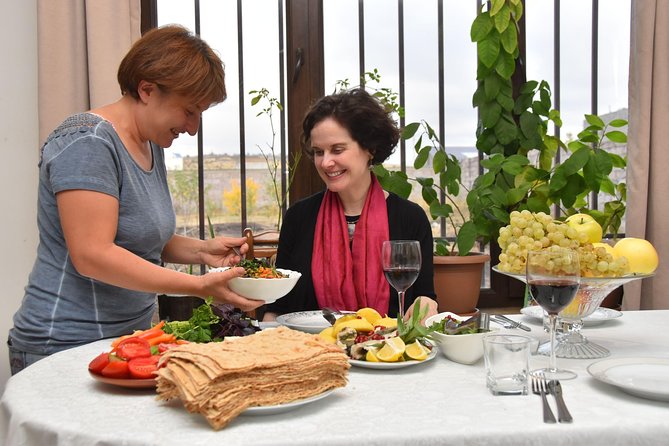
- Family kitchen energy with Manya: you cook with a local family, not just in a classroom.
- Hands-on in about one hour: starter/side, main, dessert—organized and doable.
- Real dish choices from Armenian classics: brduj, khashlama, khorovats, harissa, plus pahlava.
- Optional market tour: shop first, cook second, eat everything.
- Private transfers from your hotel: reduces hassle and keeps the day easy.
A Yerevan home kitchen beats a studio class
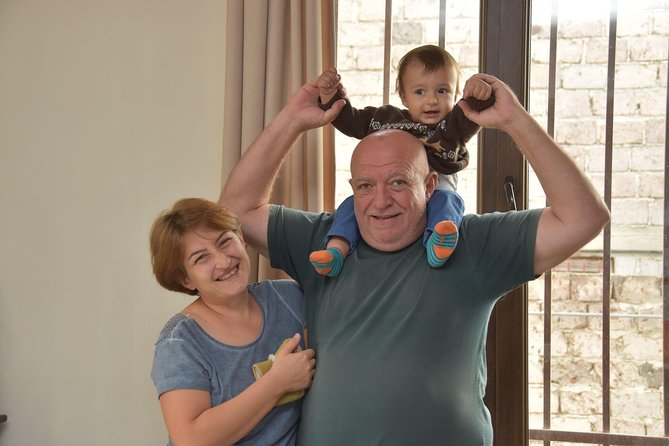
This is the kind of activity that feels different the moment you step into the space. The experience centers on Manya and her family: Eduard, their infant son Vazgen, and Manya’s parents, Saharuni and Larisa. When Saharuni and Larisa are available, they’ll be part of the day, which adds that warm, family-style rhythm to the lesson.
Manya’s home is on the outskirts of Yerevan, and the big visual payoff is the view of Mount Ararat from the property. On top of that, the backyard is planned for a garden with young fruit trees—apricot, peach, plum, apple, and sour cherry. It’s a nice reminder that food here isn’t only something you buy. It’s something people grow, cook, and share.
You should also know the outside may look a bit rustic because they’ve completed construction but are still finishing details. That detail can catch some people off guard if you’re expecting a polished facade. I’d treat it as part of the authenticity: the heart of the experience is the kitchen and the meal, not the curb appeal.
You can also read our reviews of more tours and experiences in Yerevan.
Hotel pickup and a private vehicle: why it matters
Getting to and from a private home on the outskirts is where a lot of experiences either shine or frustrate. Here, you’re picked up from the concierge desk at your Yerevan hotel, then dropped off at the end of the culinary experience. That’s a big deal if you’re trying to protect your day from guesswork.
The private vehicle also keeps the group experience calm. It’s not a crowded hop-on hop-off situation. You’ll have space to settle in, and it’s easier to focus on the plan: cooking first, then eating together.
If you’re the type who doesn’t want logistics to steal your appetite, the transfer setup is one of the best value points of the whole experience.
Optional market tour: learn by shopping first
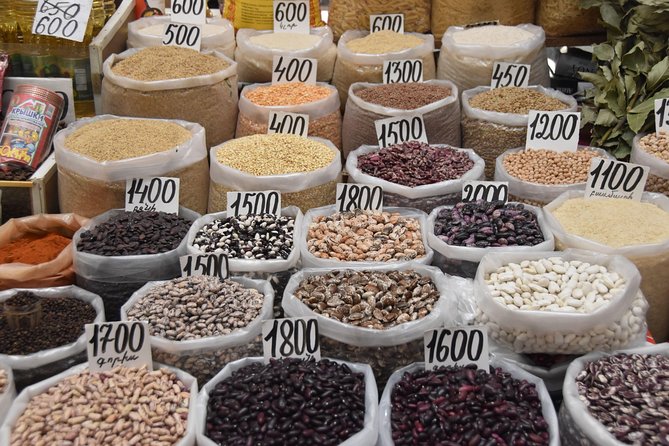
You have the option to include a market tour. I like this add-on because it gives you context for what you’re cooking. Instead of just receiving ingredients and recipes, you get to see them as locals do, and you can connect the dish names to real products.
In a class like this, shopping can also make the cooking phase feel less like following instructions and more like learning patterns—how Armenian cooks select ingredients and build flavor.
If you add the market time, plan to bring a bit of curiosity. Ask simple questions like what’s fresh today, what they use most, and what matters for flavor. Even when you don’t get a long lecture, you’ll usually notice how ingredients are handled and what looks best.
This is also where the cultural exchange tends to feel most natural. The market adds another layer of everyday life, then the kitchen becomes the payoff.
What you actually cook: brduj, khashlama, khorovats, and more
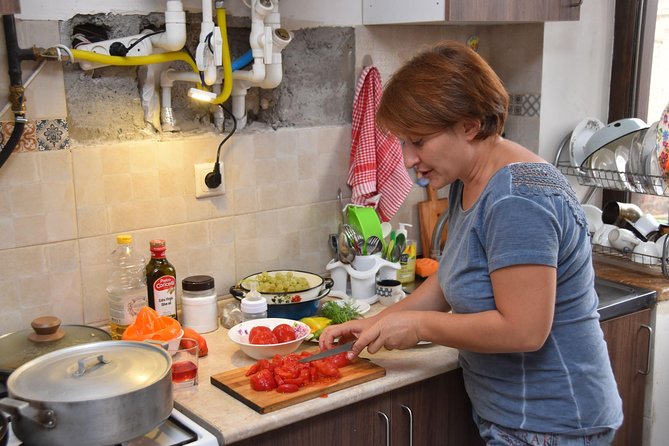
The cooking portion is about one hour, and it’s structured so you’re not stuck in the background. You’ll join Manya in the kitchen and learn to make traditional Armenian dishes from family recipes. The format is clear: a salad or side dish, a main dish, and a dessert.
Starter or appetizer: brduj and a simple start
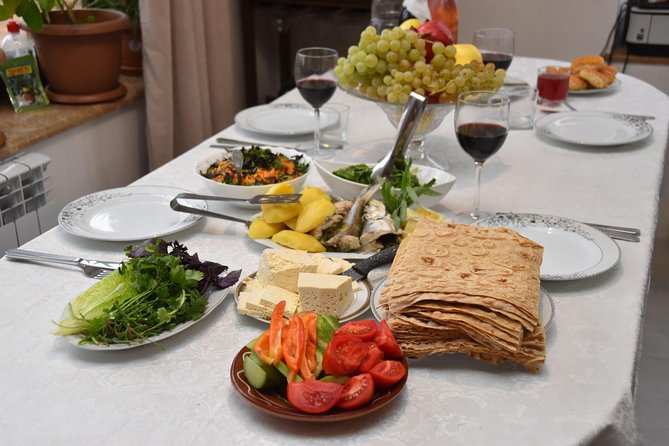
For the starter/appetizer, the sample menu includes brduj—home-made cheese and fresh herbs rolled into lavash. This is a practical dish to learn because it teaches a few key ideas at once: working with lavash, balancing salty cheese with fresh herbs, and rolling something that looks impressive without being complicated.
You may also be offered coffee or tea as the starter. It’s a small touch, but it sets the tone—low-stress, family-style, and ready to cook.
Main dish options: pick your path
Your main dish choice comes from the sample menu. You can have one of these:
- khashlama (lamb stew)
- khorovats (barbecued Armenian meat kebab)
- harissa (wheat mixed with meat and seasoned)
Each option teaches a different kind of cooking logic. Stew-style cooking gives you timing and layering. Khorovats emphasizes grill/barbecue flavor and meat handling. Harissa is a hearty, wheat-forward dish—more about texture and seasoning than quick flash techniques.
You’ll also get a side option alongside the main:
- fried eggs with tomatoes and pepper, or
- barbecued vegetables
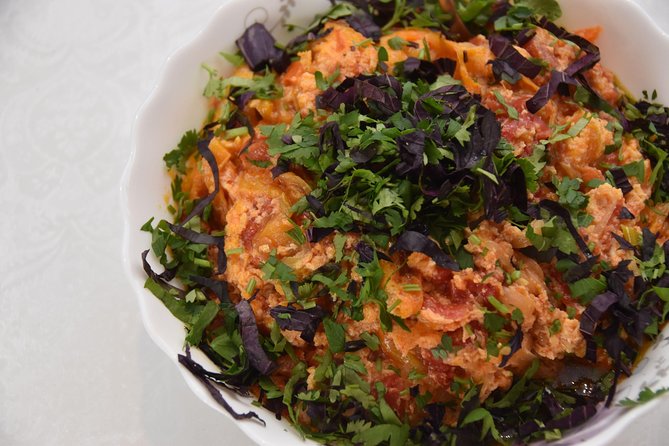
If you want a meal that feels very Armenian and very approachable at home later, eggs with tomatoes and pepper can be the easiest mental bridge to your own kitchen. Barbecued vegetables might be more seasonal-feeling depending on what’s available.
Dessert: fruits, jam, and pahlava
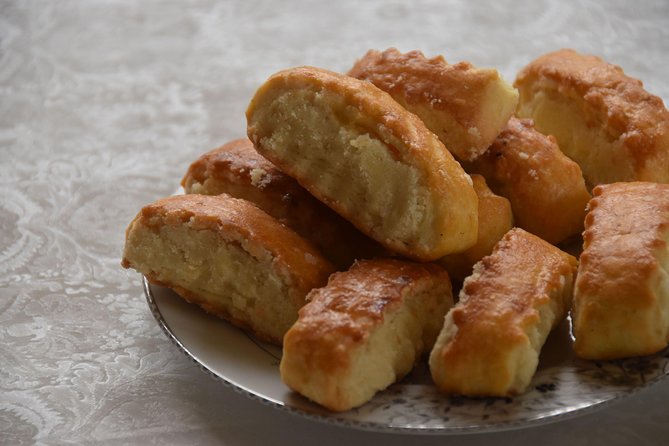
Dessert is where the day ends on a warm, sweet note. The sample dessert plan includes fresh or dried fruits, home-made jam, and pahlava (local puff pastry). Even if you don’t bake in the oven yourself, you’ll learn how these desserts fit into the overall meal—what they taste like together and how families keep things simple and satisfying.
If you like meals that aren’t only savory, pahlava and jam-style sweetness is a perfect finish.
Sharing the meal at family time, not a restaurant rush
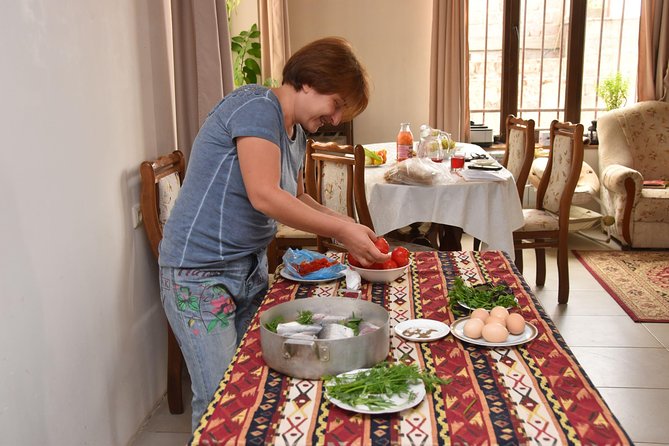
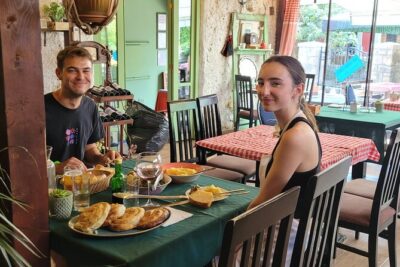
After the one-hour cooking class, you join the family to share the meal you helped prepare. That’s a major difference from a lot of food tours where you cook, taste a bite, then leave.
Here, you actually eat what you made as part of the household rhythm. It also means you’re eating in context—how Armenians talk about dishes, how they plate food, and how the meal becomes a social event.
Manya’s family is living the day you’re experiencing. You’ll likely notice small, everyday details because the household includes Eduard, and their infant son Vazgen. The parents—Saharuni and Larisa—are part of the story too when they’re available. When a family is actively involved, you get more than instruction. You get perspective.
Practical tip: go in hungry and stay flexible. If the family is ready to serve at that moment, you’ll eat then. Food experiences like this run on household time, which is usually faster and warmer than restaurant timing.
Price and value: is $82 a good deal?
At $82 per person for about three hours with private transfers, this pricing can make sense fast—especially if you value more than just a recipe.
Here’s what you’re paying for:
- a private experience (only your group participates)
- hotel pickup and drop-off
- a hands-on class (starter/side + main + dessert)
- and a real shared meal afterward
- plus optional market time if you want extra ingredient context
For many visitors, cooking classes elsewhere can feel like “cook a little, eat a little.” This one is built around producing a full meal and sitting down with the family.
Also, group discounts are available, so if you’re coming with friends, the per-person value can improve.
If you’re traveling solo and you want a personal cultural exchange rather than just sightseeing, this can be a strong use of your time. It’s not a huge investment, but it’s also not the kind of thing you should treat like a quick snack. You want the full three hours.
Who should book this cooking class in Yerevan?
This works best if you want:
- a real family home experience instead of a public workshop
- hands-on cooking with a clear menu structure
- a day that includes both food and culture
- the ease of private transfers from your hotel
- optional market time if you like learning through ingredients
It may not fit if you want a strict schedule with big monuments every hour. This is about slower, human moments: kitchen work, then family eating.
English is offered, which is helpful if you’re traveling without Armenian. And it’s private, so you’re not competing with strangers for attention.
Also, service animals are allowed, so it’s friendly for people traveling with them.
Should you book? My take
I’d book this if you’re craving an authentic Yerevan food day where the main event is hands-on cooking and a shared family meal. The stand-out strength here is Manya as a cultural ambassador—the kind of host who turns a recipe into a story. When you add the market option, it gives you a satisfying arc: see the ingredients, cook them, then eat.
If the idea of a slightly rustic-looking exterior would stress you out, adjust your expectations ahead of time. Focus on what counts: the kitchen session, the meal, and the family connection inside.
If you want, I can help you decide whether to add the market tour based on your travel style and how much time you want to spend shopping versus cooking.
FAQ
How long is the private cooking class in Yerevan?
It’s listed as about 3 hours total.
Does the tour include hotel pickup and drop-off?
Yes. Your host picks you up from the concierge desk of your Yerevan hotel and drops you off at the end of the experience.
Is the experience private or shared?
It’s private. Only your group participates.
Is an English-speaking experience available?
Yes, it’s offered in English.
Can I add a market tour to the experience?
Yes, the market tour is optional.
What dishes will I learn to make?
You’ll learn a salad or side dish, a main dish, and a dessert. The sample menu includes brduj, khashlama or khorovats or harissa, a side such as fried eggs with tomatoes and pepper or barbecued vegetables, and dessert such as fruits, home-made jam, and pahlava.
Is coffee or tea included?
Coffee or tea is listed as part of the starter.
Who participates in the experience at the family home?
The experience is centered on Manya and her husband Eduard, and their family. Manya’s parents, Saharuni and Larisa, will be part of the experience when they are available.
How soon will I get confirmation after booking?
Confirmation is received within 48 hours of booking, subject to availability.
What is the cancellation policy?
Free cancellation is available up to 24 hours in advance for a full refund. Canceling less than 24 hours before the start time is not refundable.