REVIEW · TOKYO
Tokyo: Sushi Cooking Class with Sake Tasting
Book on GetYourGuide →Operated by MagicalTrip · Bookable on GetYourGuide
Knife skills meet sake pairing in Tokyo. I like how the class starts with a guided supermarket ingredient hunt and finishes with your own sushi lunch plus four sake tastings, taught by patient guides such as Tiger, Suzy, and Takahito. One heads-up: they can’t guarantee allergy-free cooking, so if you have serious dietary restrictions, you’ll want to flag them early.
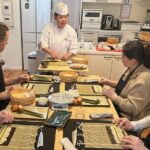
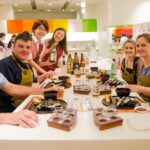
You’ll work in a small group (up to 7) in a professional kitchen studio around Asakusa and Kappabashi, and the pace is designed for real participation, not watching from the sidelines. Kids can join too, with a kids playroom, but some stops on the route aren’t set up for wheelchairs or strollers.
In This Review
- Key Points You’ll Care About
- Tokyo Sushi Cooking Class with Sake Tasting: The Big Picture
- Getting Oriented at Iriya Station (Meeting Point Matters)
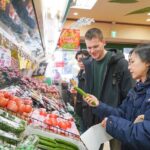
- The Supermarket Ingredient Hunt: Where the Class Actually Starts
- In the Kitchen Studio Near Asakusa and Kappabashi: What You Do Hands-On
- Sushi Rolls and Sushi Rice: The Skills With Real Take-Home Value
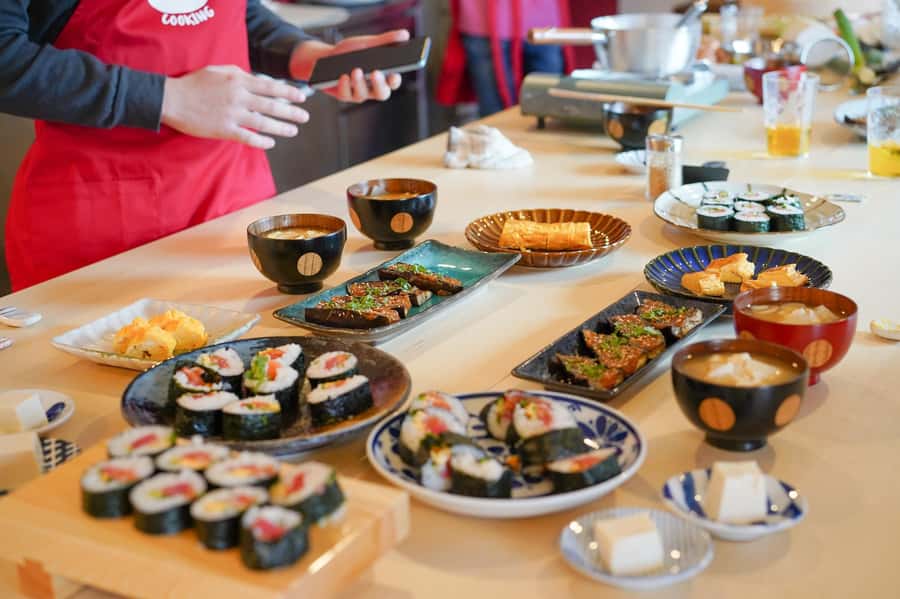
- Beyond Sushi: Miso Soup, Eggplant Dengaku, and Dashimaki Tamago
- Sake Tasting and Japanese Cuisine Pairing: Four Varieties at Lunch
- Lunch, Tea, Photos, and the Recipe Pack You Take Home
- Asakusa Time After Cooking: Use Your New Skills on a Real Neighborhood Walk
- Kids Playroom and All-Ages Participation: A Family-Friendly Setup That Still Works
- Price and Value: What $112 Really Buys You
- Who Should Book This Sushi Cooking Class (and Who Should Think Twice)
- Smart Tips for Japan Summer Heat and a 4-Hour Cooking Day
- Should You Book This Tokyo Sushi Cooking Class?
- FAQ
- How long is the Tokyo Sushi Cooking Class with Sake Tasting?
- Where is the meeting point in Tokyo?
- Is this cooking class beginner-friendly?
- What dishes will I learn to cook?
- Is sake tasting included, and how many kinds?
- Can vegetarians or vegans join?
- Is the tour wheelchair or stroller accessible?
Key Points You’ll Care About
- Supermarket shopping first: You’ll learn how to pick ingredients in a real Tokyo supermarket with a local guide.
- Sushi basics that stick: Sushi rice, dashi for miso soup, and the fundamentals of knife handling.
- More than sushi: Expect miso soup, eggplant dengaku, and dashimaki tamago (rolled egg) plus a few small dishes.
- Four sake varieties: You’ll taste multiple premium sakes and pair them with what you cooked.
- Small group attention: Limited to 7 participants, with a teaching style that includes everyone.
- Family-friendly structure: All ages are welcome, and there’s a kids playroom during the experience.
Tokyo Sushi Cooking Class with Sake Tasting: The Big Picture
This isn’t the kind of cooking class where you stand back and hope you remember the steps later. The format is built around doing. You shop, you cook, you sit down, and then you taste what you made—paired with sake.
I also like that it’s rooted in how Japanese home cooks think: start with good ingredients, build flavor with basics like dashi and vinegar-seasoned sushi rice, and then learn a few dishes you can actually repeat at home. The best part is the pacing. Guides such as Mahori, Fuji, and Sho are repeatedly described as patient and clear, with instructions that help you keep up even if this is your first time holding a knife.
You can also read our reviews of more tours and experiences in Tokyo.
Getting Oriented at Iriya Station (Meeting Point Matters)
Your day starts at a very specific spot: in front of FamilyMart next to the Gindako shop in Iriya Station Exit 2.
There’s a small catch. There are two FamilyMart locations in Iriya Station, so look for the one next to Gindako takoyaki and Doutor Coffee. If you’ve ever lost five minutes in a station maze, you already know why this matters. Arrive early, especially because the tour needs to start on time and late arrivals can miss the group.
Once you find the meeting point, the rest is smooth: you’ll be guided step-by-step through the day, and the activity ends back at the same meeting point.
The Supermarket Ingredient Hunt: Where the Class Actually Starts
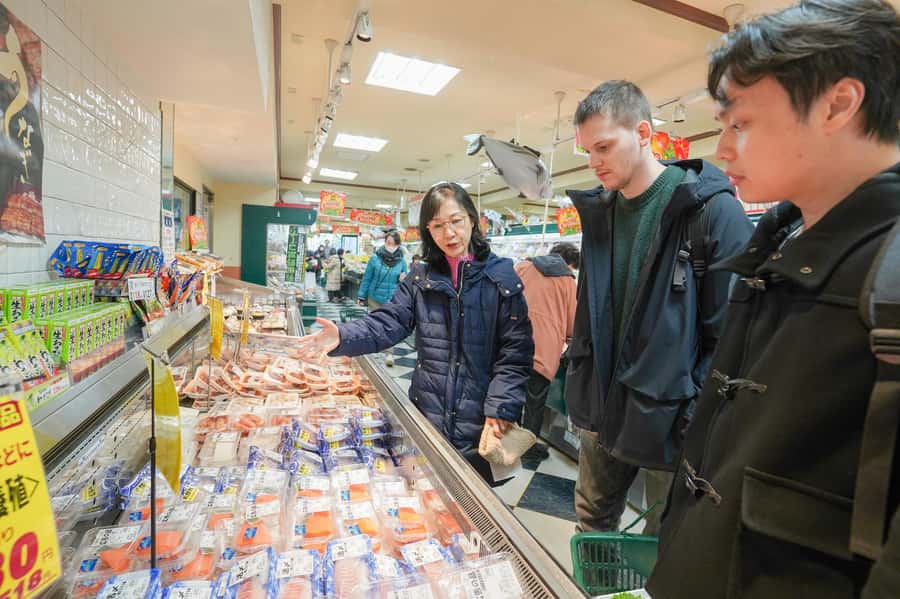
One of the smartest parts of this experience is that you don’t begin in the kitchen. You begin in a Tokyo supermarket.
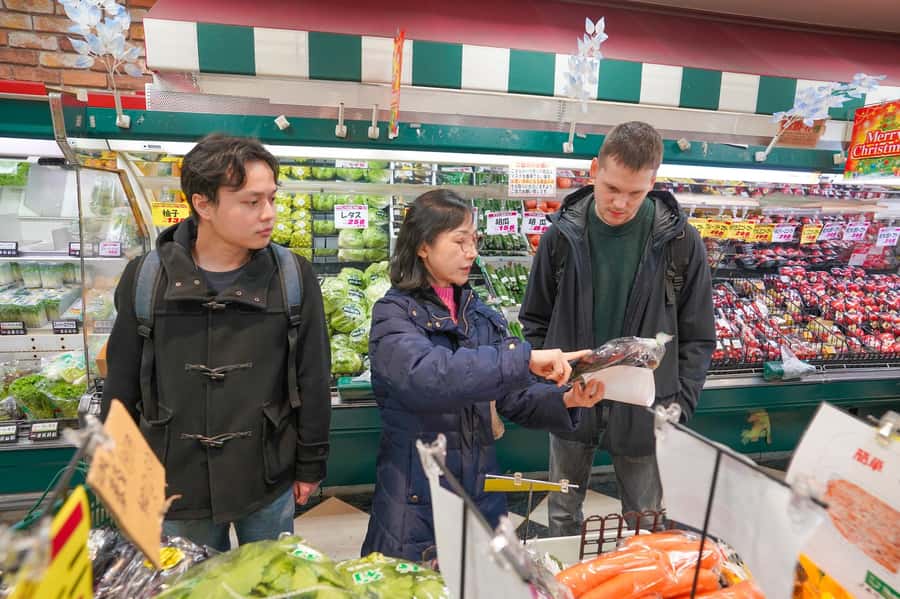
You’ll shop for ingredients with a local guide, and you’ll learn what to look for—fresh fish and quality components, plus how Japanese seasoning and pantry items can completely change flavor. This is valuable because many cooking classes skip the shopping piece. Here, the guide makes the choices with you, so later when you try cooking at home, you’ll know what “good” looks like.
A practical way to think about this section: you’re training your shopping eye. That’s how you stop relying on takeout substitutes. And because Japanese supermarkets are also great for learning (labels, packaging styles, and ingredient variety), you’ll likely leave with a better sense of what’s possible back in your own grocery store.
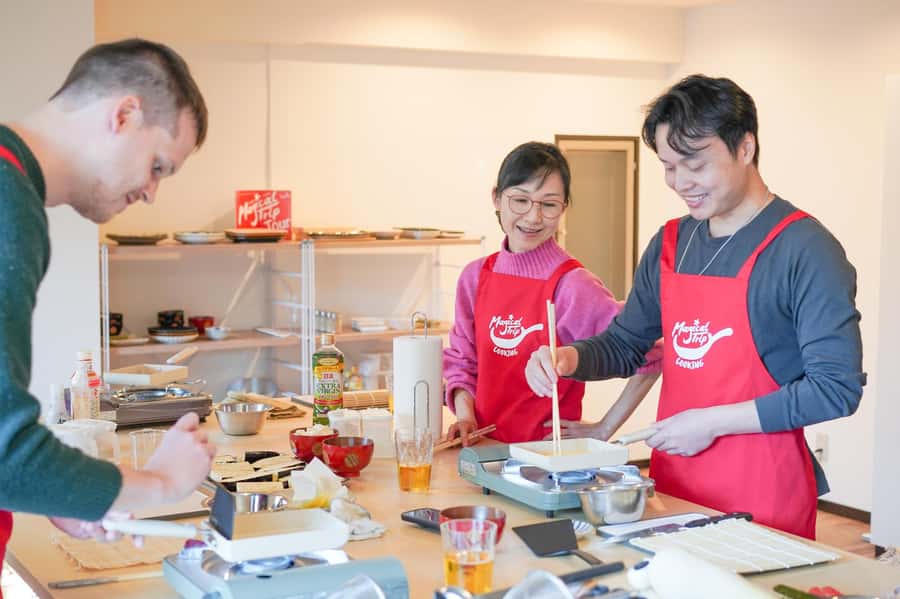
In the Kitchen Studio Near Asakusa and Kappabashi: What You Do Hands-On
After the shopping stop, you move to a professional kitchen studio in the Asakusa and Kappabashi area—famous for restaurant supply shopping and cookware browsing. In the studio, the class shifts from discovery to technique.
What you’ll practice:
- How to properly hold a kitchen knife
- Foundational flavor work like preparing dashi (the backbone of many Japanese dishes)
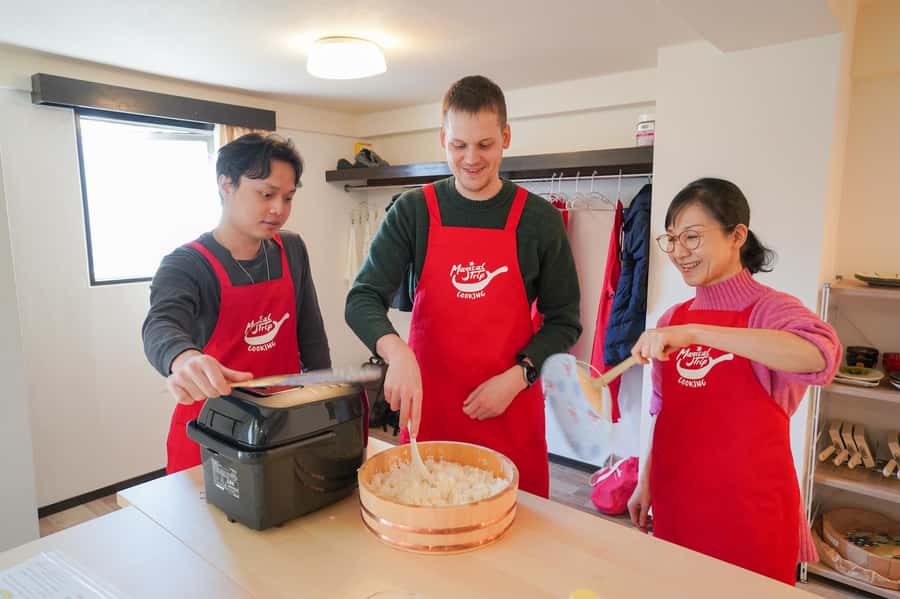
- Sushi rice basics, including seasoning with vinegar
This is also where you’ll get a clearer feel for Japanese home-style cooking. It’s not about fancy tricks. It’s about control: texture in sushi rice, balance in soup, and using small cooking steps that add up.
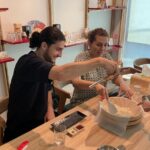
The group is small (7 max), so you’re not stuck waiting your turn forever. And guides have a track record of being friendly and inclusive—especially with children joining the session and needing extra time and reassurance.
Sushi Rolls and Sushi Rice: The Skills With Real Take-Home Value
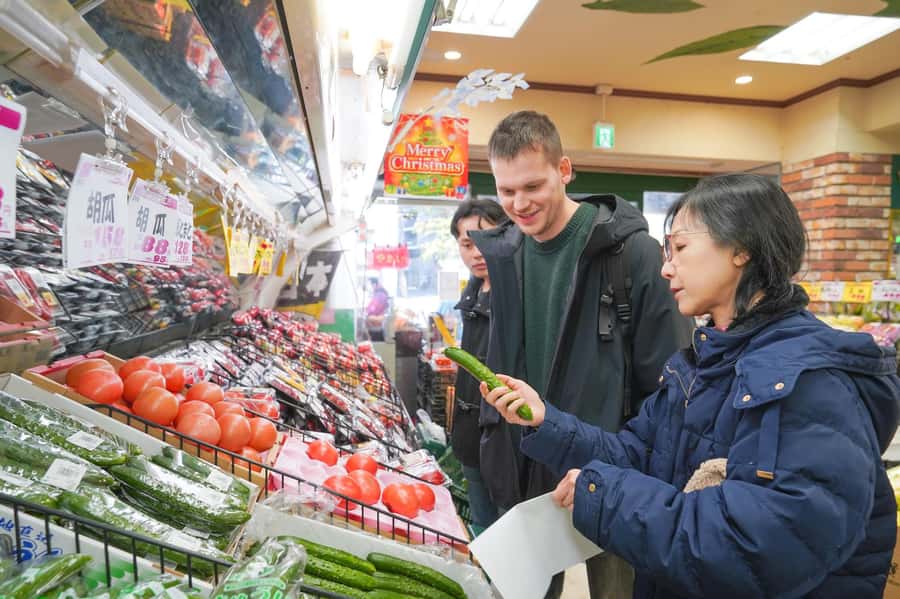
Sushi can feel intimidating because people think it requires special training. The class demystifies it by starting with the core: sushi rice.
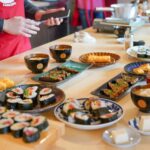
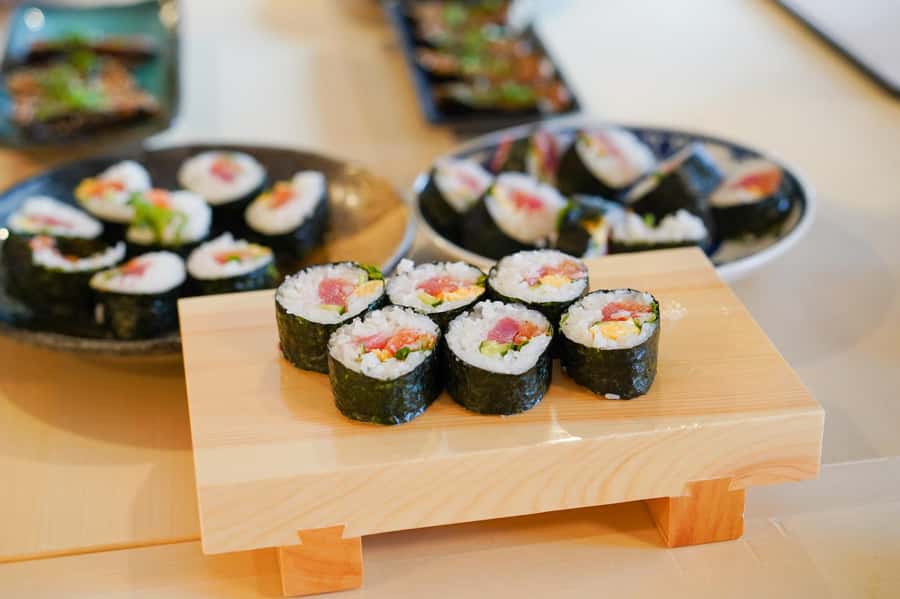
You’ll learn how to season the rice with vinegar (not just measure and stir, but how it should feel and behave). Then you apply that foundation to sushi rolls, with guided steps that show you how to handle rice and fillings with less mess and better consistency.
If you’re a beginner, this matters most. You’re not just making a roll; you’re learning what makes the result work. That’s the difference between “I copied what they did once” and “I can repeat it.”



Beyond Sushi: Miso Soup, Eggplant Dengaku, and Dashimaki Tamago
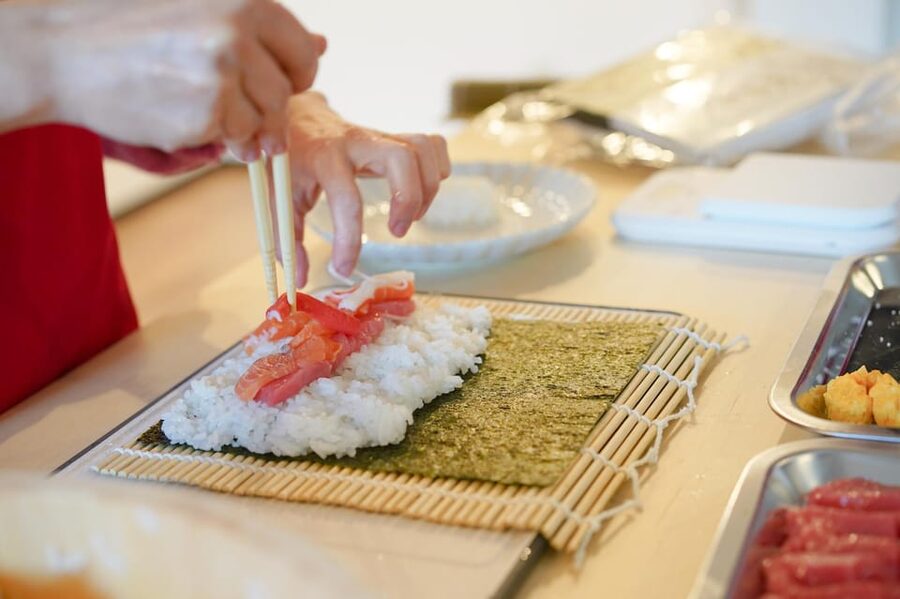
This class gives you more range than the typical sushi-only workshop.
You’ll also cook:
- Miso soup using dashi as a base
- Eggplant dengaku (a sweet-savory style that’s a classic home-cooking dish)
- Dashimaki tamago, the rolled egg that looks simple until you’re actually making it
There are also small dishes as part of the lunch. The point isn’t to overwhelm you with a cooking buffet. It’s to show you a few “building block” Japanese techniques across different flavors and textures: warm soup with umami, tender eggplant with sauce, and the egg dish that teaches careful rolling and timing.
And because the instruction is designed to include everyone, you’ll get help while you’re working. Guides like Takahito and Mihori are repeatedly described as patient with each step, which is exactly what you want when you’re learning something technical like knife work or rolled egg.
Sake Tasting and Japanese Cuisine Pairing: Four Varieties at Lunch
Yes, sake tasting is included—and it’s not treated like an afterthought.
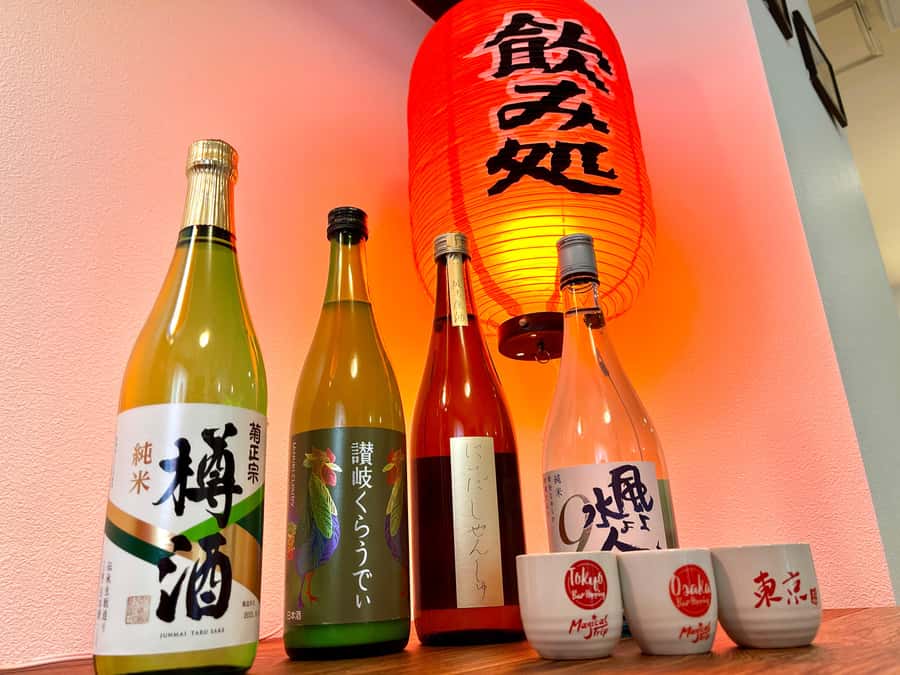
You’ll choose from a selection of four premium sake varieties. You’ll taste them and learn how to pair them with the sushi and traditional Japanese dishes you cooked.
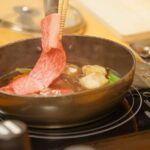
Here’s what makes this part more interesting than just sampling: you’re tasting alongside the food you made. That makes the pairing education practical. You can actually connect flavor changes to real bites, rather than relying on imagination.
Think of it as a guided taste exercise:
- Start with one sake
- Taste your food
- Compare how the flavors feel together
- Use your preference to guide what you try next
When the guide talks you through pairing, it gives you a framework for ordering sake in Japan later—and it makes your meal back home feel more intentional.
Lunch, Tea, Photos, and the Recipe Pack You Take Home
When the cooking wraps up, you’ll eat the lunch you prepared, and tea is included.
You’ll also receive photos during the tour. That’s useful because sushi classes often produce messy hands and great food at the same time. Photos help you remember what you aimed for, not just what ended up on the plate.
Most importantly, you’ll get recipes at the end. That’s what turns the class from a fun evening into skills you can reuse. If you’re the type who likes hosting friends, this is the section that pays off. Make the dishes once, then copy your own notes instead of hunting for instructions later.
Asakusa Time After Cooking: Use Your New Skills on a Real Neighborhood Walk
After lunch, you’re invited to explore Asakusa, a well-known Tokyo landmark area, for sightseeing and shopping.
This is a nice way to end the experience. You get the practical food knowledge first, then you can go out and look around with a fresh appreciation for Japanese daily life—especially since you’ve already handled ingredients and cooking tools in the morning.
Keep it flexible. You’re likely to want extra time for small shops and street browsing, and your appetite may still be a little tied to what you cooked.
Kids Playroom and All-Ages Participation: A Family-Friendly Setup That Still Works
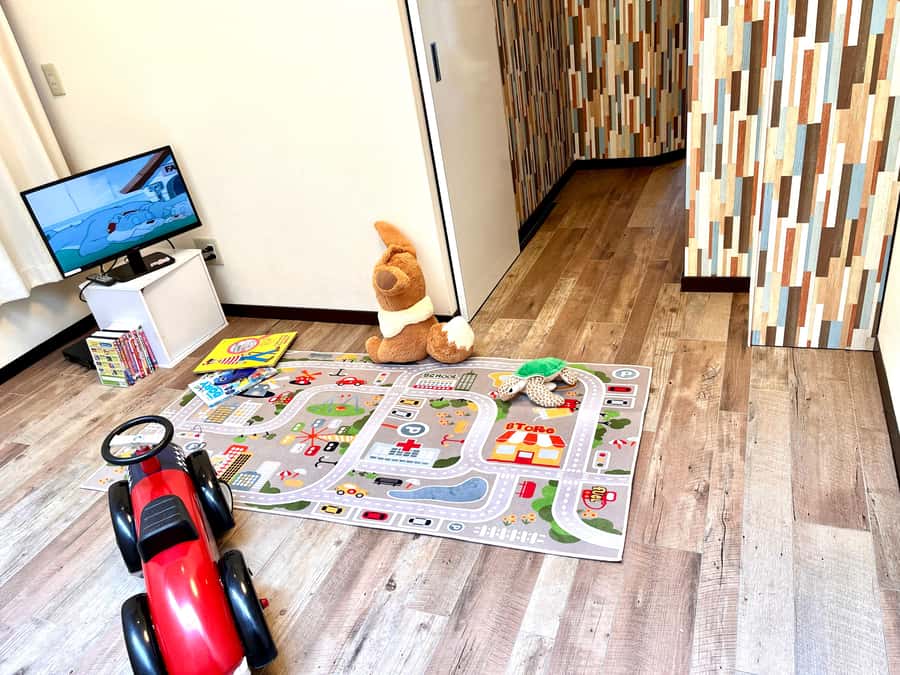
All ages can join, and the experience is set up with a kids playroom. That’s a real comfort if you’re traveling with children and don’t want to spend half the trip managing boredom.
From the way instruction is described, the kitchen portion doesn’t run on a fast “watch and copy” loop. Guides are noted for keeping the tone friendly and supportive, so younger participants still feel included. If your child can safely handle age-appropriate tasks, they’ll likely enjoy the hands-on parts more than they would in a typical sit-and-watch activity.
Price and Value: What $112 Really Buys You
$112 per person is not a casual add-on, so the value has to come from what’s included. Here’s what you get in this package:
- A guided supermarket stop with ingredient shopping
- Hands-on cooking in a professional kitchen studio
- Lunch (including what you cook)
- Sake tasting of four varieties
- Ingredients
- Tea
- Photos
- Recipe handouts
- Live English guide
- Small group size (max 7)
- About 4 hours of structured experience
When you break it down like that, you’re paying for more than recipes. You’re paying for translation, coaching, and the ingredients. The sake tasting adds a cultural layer, and the small group setup usually means you spend less time waiting and more time doing.
If you want a Tokyo souvenir meal that you actually learned how to make, this is the kind of class that justifies the price.
Who Should Book This Sushi Cooking Class (and Who Should Think Twice)
This works best for:
- Beginners who want a clear start, including how to hold a kitchen knife and how sushi rice and dashi work
- Food lovers who want more than one dish to take home
- People who like structured sightseeing time after a hands-on activity
- Families, since all ages can join and there’s a kids playroom
You might think twice if:
- You have serious allergies or very strict dietary needs. Allergy-free cooking can’t be guaranteed, and substitutions aren’t always possible at certain stops.
- You need wheelchair or stroller access for the entire route. Some parts of the itinerary aren’t accessible.
- You tend to arrive late. The tour must start on time, and arriving late can mean you miss the group.
Smart Tips for Japan Summer Heat and a 4-Hour Cooking Day
Japan summer can be hot and humid, and this class is time-based. Do yourself a favor:
- Bring water
- Wear a hat
- Dress comfortably for a walking portion and kitchen work
- If you get tired easily, plan an early day rather than stacking heavy activities right before
Also, be ready to ask questions. The best learning moments come from simple clarifications while you’re mid-task—what the texture should be, how to hold the knife, or what to watch for in the egg rolling.
Should You Book This Tokyo Sushi Cooking Class?
Book it if you want a real, hands-on day that connects shopping, cooking, tasting, and a take-home recipe. The supermarket start and the sake pairing make it feel more grounded in Japanese food culture than most shortcut classes.
Skip it (or choose carefully) if allergy needs are strict or mobility access is a must. In that case, you’ll need clearer confirmation than the standard setup can promise.
If you can manage those points, this is a solid choice for a Tokyo food experience that gives you skills you’ll actually use again.
FAQ
How long is the Tokyo Sushi Cooking Class with Sake Tasting?
The experience runs for 4 hours.
Where is the meeting point in Tokyo?
Meet in front of FamilyMart next to the Gindako shop in Iriya Station Exit 2. There are two FamilyMarts in the station, so choose the one next to Gindako takoyaki shop and Doutor Coffee shop.
Is this cooking class beginner-friendly?
Yes. The class starts with foundational lessons, including how to properly hold a kitchen knife.
What dishes will I learn to cook?
You’ll learn sushi rolls plus traditional Japanese dishes such as miso soup, eggplant dengaku, and dashimaki tamago (rolled egg), along with some small dishes.
Is sake tasting included, and how many kinds?
Yes. Sake tasting is included with four premium sake varieties, and you can choose your favorite and pair it with the food you cooked.
Can vegetarians or vegans join?
Yes. Vegan and vegetarian guests are welcome, and the team arranges ingredients and the cooking process accordingly.
Is the tour wheelchair or stroller accessible?
Some locations on the itinerary are not accessible by a wheelchair or stroller.