REVIEW · KANSAI REGION
Japanese cooking class
Book on GetYourGuide →Operated by Japanticket Inc. · Bookable on GetYourGuide
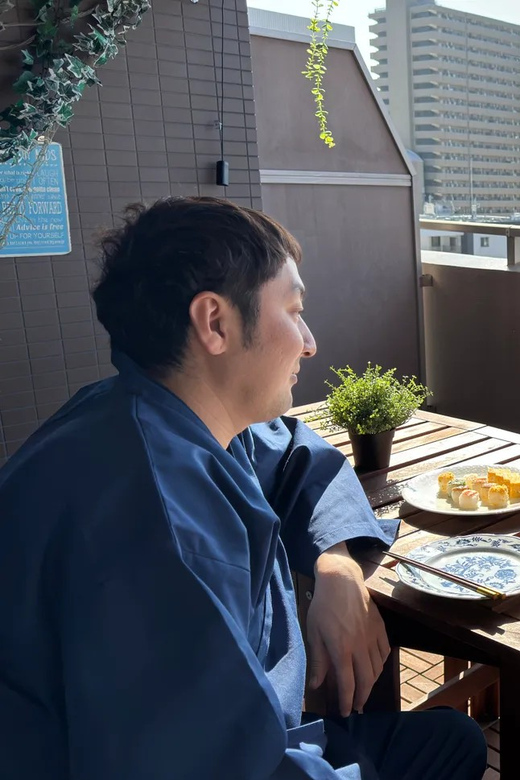
Old street stroll, then ramen you make yourself. I like how this Japanese cooking class turns an ordinary walk into something useful: you pick up Japanese ingredients and food ideas on an old-fashioned shopping street, then you cook and eat together in a real studio. The meeting moment is memorable too, with guides dressed like blue samurai and holding a placard.
Two things I really value here are the hands-on cooking and the way the instructor keeps the steps clear while you’re working. You’ll learn recipes in the course, take photos, and go home with both printed recipes and souvenirs based on what you made. The one drawback to keep in mind: the walk part includes browsing, so you’ll likely want to budget extra for personal drinks or alcohol you buy on your own.
In This Review
- Key things to know before you start cooking
- Finding the studio: 5 minutes from Matsuyamachi, blue-samurai meeting
- The old-fashioned shopping street stroll that sets up your meal
- Inside the 150-minute cooking class: how it feels in the studio
- What you can expect to make
- When the instructor is the difference
- Eating together and taking photos without feeling rushed
- What you take home: recipes and souvenirs you’ll actually use
- Price and value: what $83 includes (and what costs extra)
- Languages and who this class fits best
- Should you book this Japanese cooking class?
- FAQ
- FAQ
- Where is the meeting point?
- How far is it from Matsuyamachi Station?
- How long is the Japanese cooking class?
- How much does it cost?
- What languages are available for the instructor?
- What will I do during the experience?
- What dishes do you cook?
- What’s included in the price?
- Is free cancellation available?
- What isn’t included?
Key things to know before you start cooking
- Blue samurai meetup: your guide is easy to spot at Matsuya-cho Station Exit #3 with a placard.
- A shopping street first: you’ll stroll an old-fashioned shopping street before the cooking begins.
- Learn, cook, eat, repeat (in a good way): you’ll do the full process, not just watch.
- Clear instruction in English and more: recent classes mention instructors like Shohei and Max explaining what to do and why.
- Take-home recipes and matching souvenirs: the class doesn’t end when you leave the studio.
Finding the studio: 5 minutes from Matsuyamachi, blue-samurai meeting
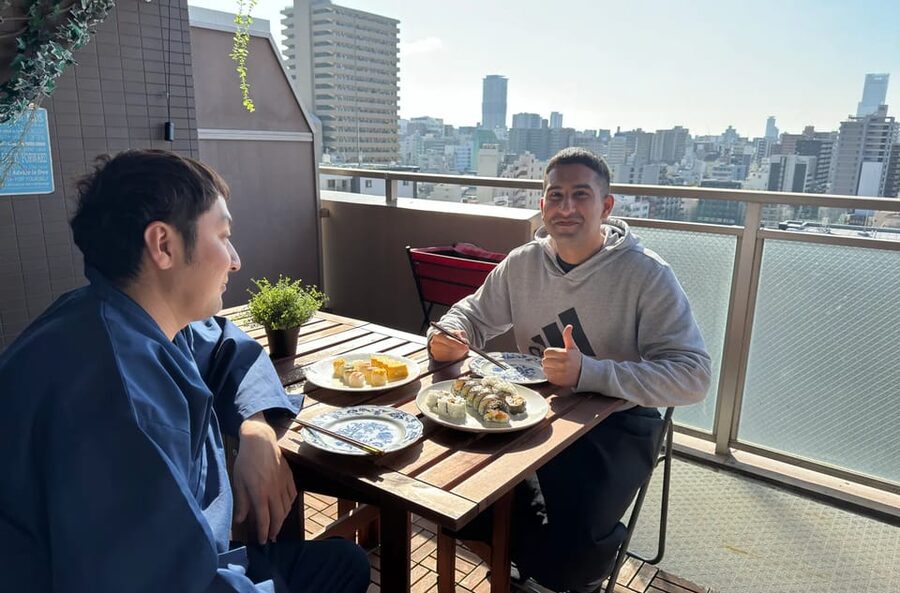
The start is built to be straightforward. It’s a short walk—about 5 minutes—from Matsuyamachi Station. Your actual meetup point is at Nagahori Tsurumi-ryokuchi line Matsuya-cho Station Exit #3, where guides dress as blue samurai and hold a placard so you can identify them quickly.
This matters more than you might think. Cooking classes live or die by timing. When you’re not late, you can relax when the instructor starts explaining the workflow—what gets prepped first, what needs the right heat, and how you’ll end up with food you can actually eat at the table.
If you’re the type who hates rushing, aim to arrive a few minutes early. One of the lower ratings pointed out that the directions could be improved, so build in a little buffer and you’ll avoid that annoying start-stress.
The old-fashioned shopping street stroll that sets up your meal
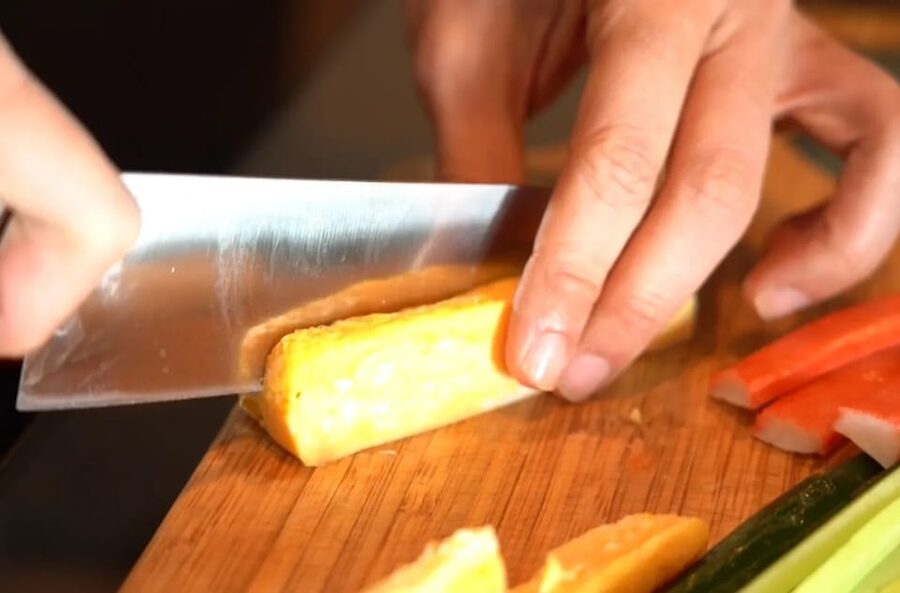
Before the studio part, you’ll walk through a nearby old-fashioned shopping street. This isn’t just a photo break. The point is to give you context—how Japanese food culture shows up in everyday places, and how ingredients and everyday tools are part of the experience.
You also get a shopping street guide fee included, which means you’re not wandering totally blind. You’re learning as you go: what you’re seeing, how it connects to the cooking later, and how to think about ingredients in Japanese cooking.
One practical note: the activity explicitly doesn’t include personal spending while you’re walking around. That usually means if you want drinks, snacks, or anything extra along the way, you’re paying for it yourself. I’d treat this stroll like a “walk with optional purchases,” not an all-inclusive food tour.
Inside the 150-minute cooking class: how it feels in the studio
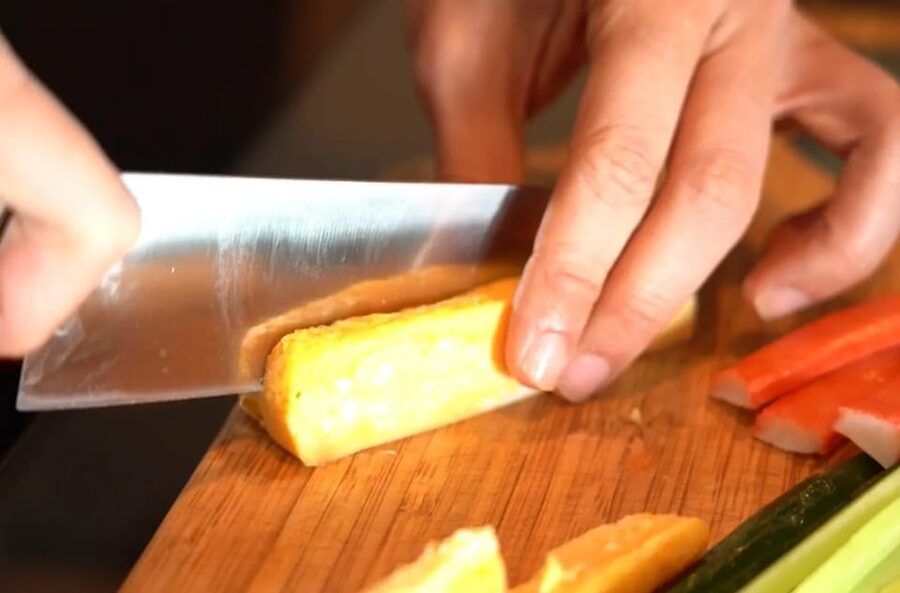
The class runs 150 minutes, and that’s a sweet spot: long enough to actually cook, taste, and learn, but short enough that it doesn’t eat your whole day.
You’ll cook Japanese food together in a studio, and the experience is set up around real participation. In one family booking, a group of five was able to actively take part, which tells me the class is designed for different comfort levels—people who can follow steps, not only people who already cook.
What you can expect to make
The exact menu can change by session, but recent participants reported making dishes such as ramen and gyoza. If those are your favorites, this class format is promising because you’ll be doing the work—prep, assembly, and the steps that affect flavor—rather than just copying a final plate.
When the instructor is the difference
Two instructor names came up clearly in the feedback: Shohei and Max.
- Shohei was praised for speaking very good English and explaining not only what to do, but why each step matters. That’s huge for home cooks. If you understand the logic, you can re-create the results later instead of just remembering a recipe.
- Max was described as super fun and engaging, while still educational. One person also said Max handled a birthday detail by finding cake for the occasion—proof that the session can feel personal when the guide knows your celebration is coming.
You don’t need to be a chef here. What you do need is a willingness to stand, chop, mix, and follow the instructor’s flow. If you like learning by doing, you’ll match the energy quickly.
Eating together and taking photos without feeling rushed
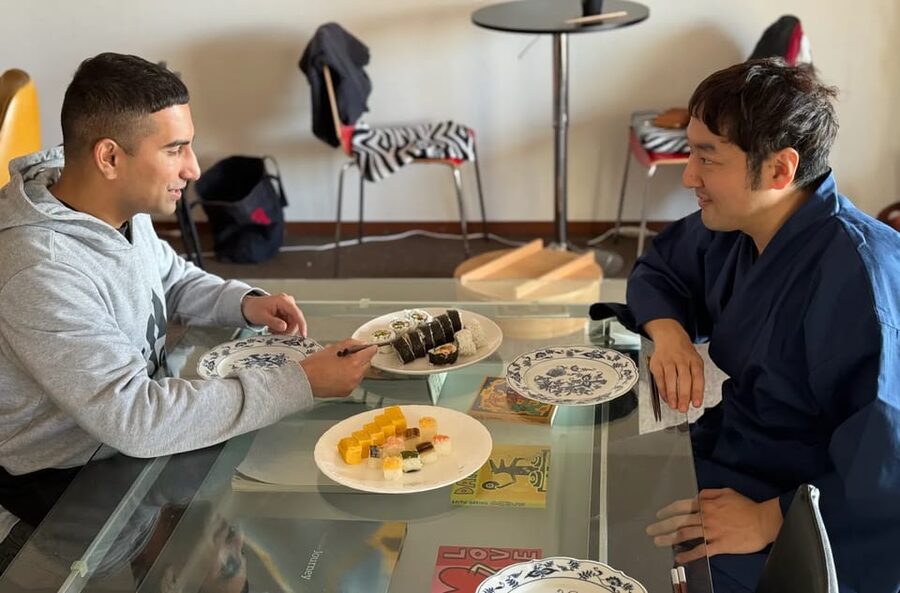
Once the cooking is done, you’ll eat what you made. The course also encourages photos during the experience, which makes sense. You’re building two memories at once: the food itself and the moment you created it.
This is also where the value shows. A cooking class can become either:
1) a lesson where you never taste your own food, or
2) a meal where you learn little.
Here, you do both. You cook, then you eat. That’s the kind of structure that makes your brain connect ingredients to outcomes: broth to body, seasoning to balance, dumpling to texture.
If you’re sensitive to timing—some people eat slower or need a minute between steps—don’t worry too much. You’ll have the instructor guiding the pace, and the format is built for participation rather than silent observation.
What you take home: recipes and souvenirs you’ll actually use
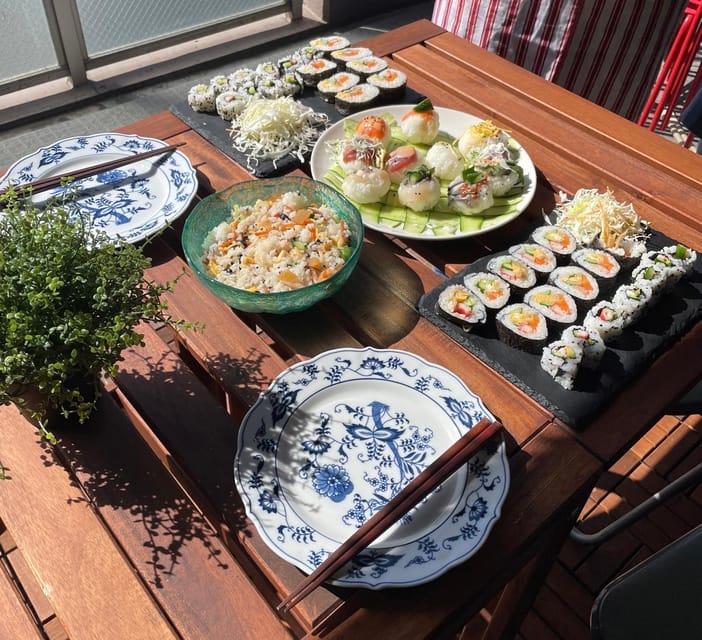
One of the strongest points is what happens after you finish eating. You receive the recipes you learned in the course, plus souvenirs based on them.
Why I like this: a lot of food activities give you one photo and a vague craving. Here, you leave with something concrete. The recipe sheet helps you remember the order of operations and the flavor logic you used in the studio. The souvenir tie-in means there’s a little “bridge” between what you made in Japan and what you’ll try later.
That’s also where the class becomes good value. You’re not only paying for ingredients and instruction—you’re paying for take-home learning tools, plus the tableware and cooking equipment rental that makes the session run smoothly.
Price and value: what $83 includes (and what costs extra)
This class costs $83 per person for about 150 minutes.
Here’s what’s covered in the price:
- Material cost
- Shopping street guide fee
- Cooking lesson fee
- Venue fee (cooking and drinking)
- Souvenir fee
- Tableware and cooking equipment rental fee
So your main “you might pay extra” items are:
- Personal expenses while walking around the district, including drinks and alcohol
- Transportation costs to reach the meeting point
In plain terms, the value is strong if you want a full experience: a guided street walk plus a real cooking session with take-home recipes. If you’re traveling with a partner or group, it can also work out nicely because everyone gets something useful, not just a shared meal.
If your budget is tight and you won’t buy anything extra during the shopping street, you’re set up well. If you do like picking up a drink or two along the way, plan for that and it won’t surprise you.
Languages and who this class fits best
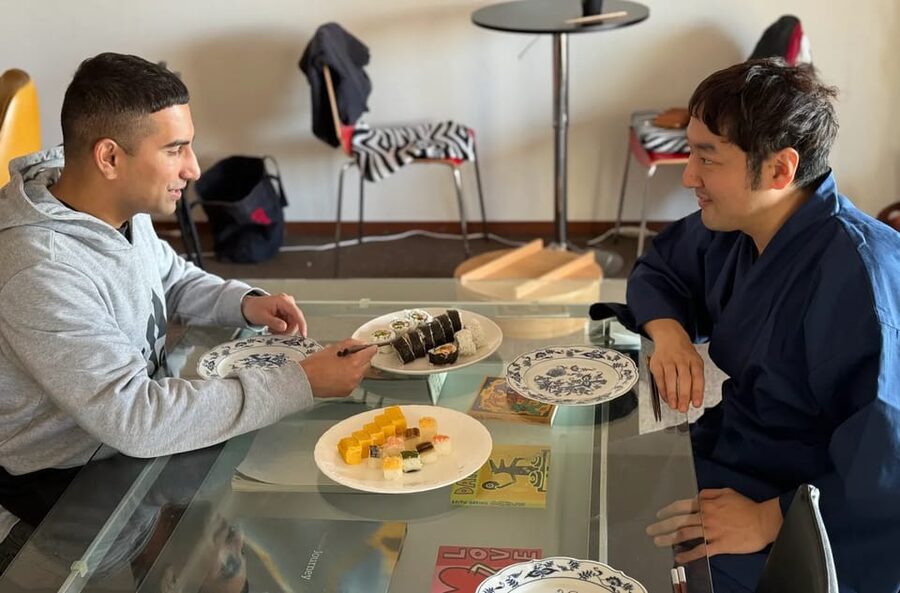
The instructor language options are Japanese, Chinese, and English. That’s a practical detail for making the whole lesson work. When you can understand the reasoning behind the steps, you’ll cook more confidently and ask better questions.
This experience is a great fit if:
- you want hands-on cooking rather than a tasting-only tour,
- you like learning recipes you can repeat at home,
- you enjoy guided walking time but don’t want to spend hours in transit.
It can also work well for families, since at least one booking showed a family of five participating actively.
If you’re traveling solo and want a more social activity, the class format supports that too. And if you’ve got a special occasion, it’s worth letting the instructor know. One instructor named Max handled a birthday cake detail for a participant, which suggests they pay attention when something personal is happening.
Should you book this Japanese cooking class?
I’d book this if you’re in the area and you want a learn-by-doing food experience that ends with real take-home value. The combination of a shopping street walk, a structured cooking studio session, and the recipes plus souvenirs is what makes it feel complete.
You might reconsider if you hate spending extra money on the street part, or if you prefer very long sightseeing. Also, because directions were mentioned as an improvement area in one booking, I’d arrive a bit early and follow the meetup point carefully.
If ramen and gyoza are your target flavors, that’s also a good sign—several recent participants reported making both. This isn’t just about tasting Japan. It’s about leaving with the ability to cook a slice of it yourself.
FAQ
FAQ
Where is the meeting point?
The meeting point is at Nagahori Tsurumi-ryokuchi line Matsuya-cho Station Exit #3. Guides are dressed as blue samurai and hold a placard.
How far is it from Matsuyamachi Station?
It’s about a 5-minute walk from Matsuyamachi Station.
How long is the Japanese cooking class?
The experience lasts 150 minutes.
How much does it cost?
The price is $83 per person.
What languages are available for the instructor?
Instruction is available in Japanese, Chinese, and English.
What will I do during the experience?
You’ll walk through an old-fashioned shopping street, then cook Japanese food together in a studio, eat what you make, and take photos.
What dishes do you cook?
The course involves cooking Japanese food. Recent bookings reported making ramen and gyoza.
What’s included in the price?
Included are material costs, shopping street guide fee, cooking lesson fee, venue fee (cooking/drinking), souvenir fee, and tableware/cooking equipment rental.
Is free cancellation available?
Yes. You can cancel up to 8 days in advance for a full refund.
What isn’t included?
Personal expenses while walking around the shopping district (including drinks and alcohol) and transportation expenses to the meeting point are not included.