REVIEW · LIMA
Lima: Market Tour and Cooking Class with Pisco Sour
Book on GetYourGuide →Operated by Exquisito Peru – Food Tours · Bookable on GetYourGuide
Your food day in Lima starts at the market.
This tour pairs a guided walk through Surquillo Market with a hands-on cooking class where you learn three Lima staples: ceviche, causa rellena, and the classic pisco sour. You’ll sample four fruits with cultural context, then sit down to eat what you made, plus a traditional dessert to finish.
Two things I really like: you’re not just watching—you get hands-on time with real recipes, and you toast your work with a pisco sour you shake yourself. Another plus is the focus on market-to-plate learning, including stories from vendors that help you understand why ingredients show up the way they do. One thing to consider: you’ll be on your feet and cooking-station busy for about 2.5 hours, so comfortable shoes are non-negotiable, and this isn’t a good fit if you need wheelchair access or have food allergies.
In This Review
- Key things that make this Lima class worth your time
- Where you meet up (and why it matters in Miraflores)
- Surquillo Market: more than shopping, it’s ingredient education
- Ceviche class: learning the balance behind citrus-marinated fish
- Causa rellena: the comfort-food logic of layers
- Pisco sour workshop: the drink you’ll actually know how to make
- Eating what you cook: toast, ceviche, causa rellena, then dessert
- Price and timing: is $59 good value for 150 minutes?
- Who this Lima tour suits (and who should skip it)
- What to bring so you’re comfortable from market to meal
- Final call: should you book this market tour and cooking class?
- FAQ
- How long is the tour?
- What’s included in the price?
- Do I get hotel pickup and drop-off?
- Where do I meet the guide?
- What dishes will I learn to prepare?
- Is the tour guide English-speaking?
- Is this a small group?
- What should I bring?
- Is it free to cancel?
Key things that make this Lima class worth your time
- Surquillo Market fruit tasting with cultural stories, not random samples
- Ceviche practice—you learn how the citrus, fish, and garnishes come together
- Causa rellena building—layering mashed potato and avocado with a savory filling
- Pisco sour mixing—you’ll shake the drink, including the frothy egg white topping
- Small group (up to 10) so questions actually get answered
- You eat the results right after cooking, plus a traditional Peruvian dessert
Where you meet up (and why it matters in Miraflores)
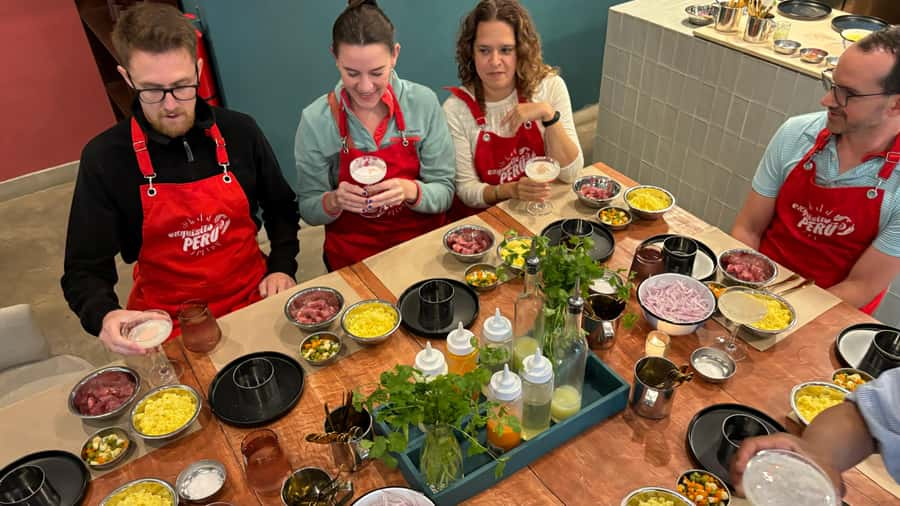
The experience kicks off right by the Holiday Inn Lima Miraflores. Your guide will wait just outside the entrance on Calle Alfonso Ugarte 117—and there’s another entrance on Ricardo Palma Avenue that’s easy to mix up. Your guide wears a red lanyard with Exquisito Peru’s logo, which makes it simpler to find the right person fast.
A practical note: because there’s no hotel pickup/drop-off, you’ll want to plan a short, predictable walk or quick taxi ride to that corner. This also means you control your own timing. If you arrive a few minutes early, you can take a second to settle and get your shoes sorted before the group starts moving.
You can also read our reviews of more tours and experiences in Lima.

Surquillo Market: more than shopping, it’s ingredient education
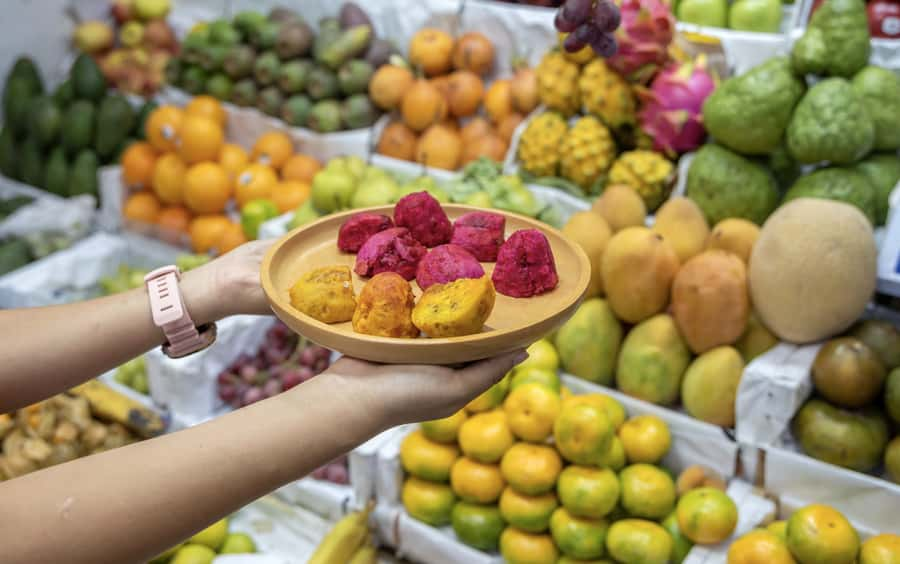
Surquillo Market is where the tour starts to make sense. You don’t just wander—you get a guided route through the kind of stalls Peruvian cooking is built on: fresh produce, local staples, and ingredients with a backstory. The guide explains what you’re seeing and why certain foods show up again and again in Peruvian kitchens.
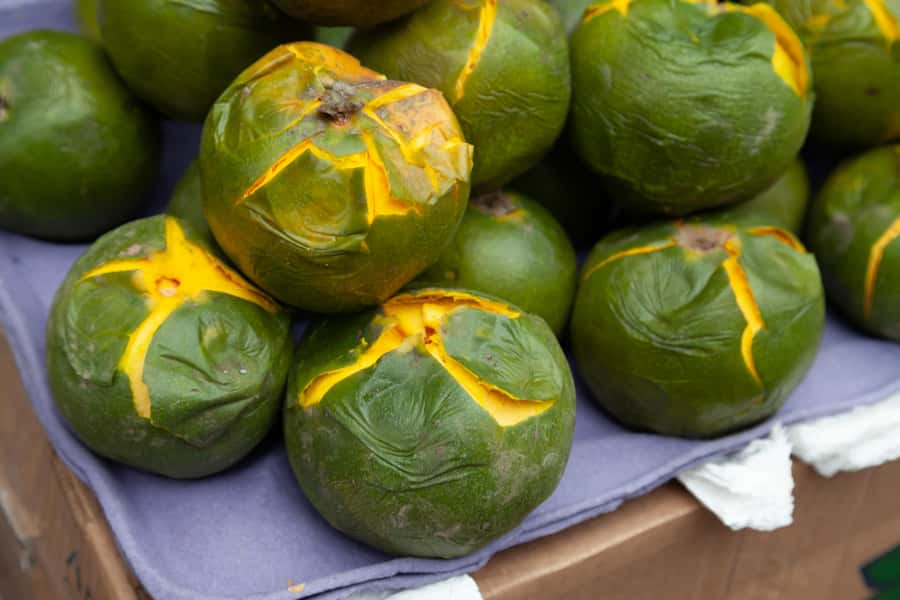
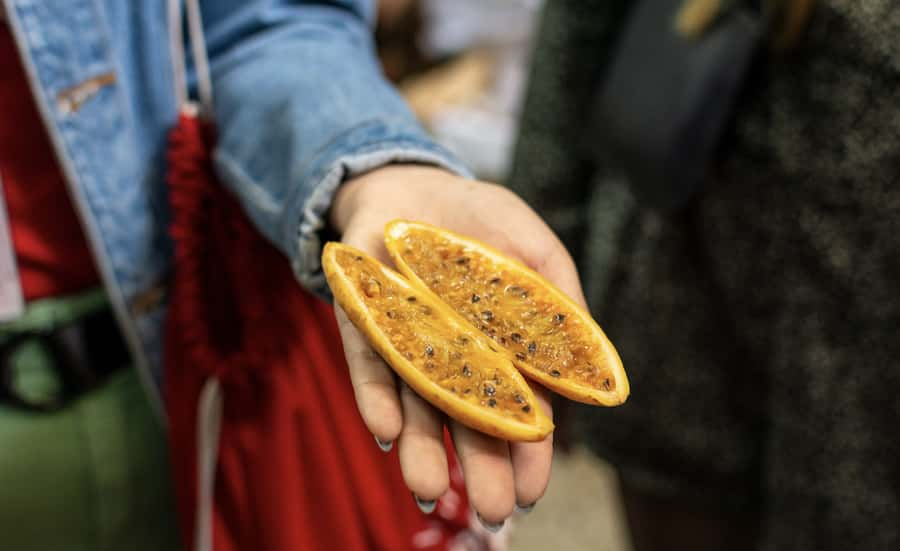
Then comes one of the best early moments: sampling four unique fruits. You’re not only tasting; you’re hearing why these fruits matter culturally and how their flavors differ. That detail matters because it connects the dots between what you eat and how Peru’s food tradition thinks—flavor first, ingredient identity second.
Even if you’ve eaten Peruvian food before, the market portion helps you understand why the cuisine feels so specific. Peru’s cooking draws from multiple influences, and the market is where you see those ingredients before you ever touch a recipe. You’ll also chat with vendors along the way, which is where the stories often land best. One useful reminder: wear clothing you’re comfortable in for walking and standing, and bring water so you don’t feel rushed or dehydrated during the walk.
Ceviche class: learning the balance behind citrus-marinated fish
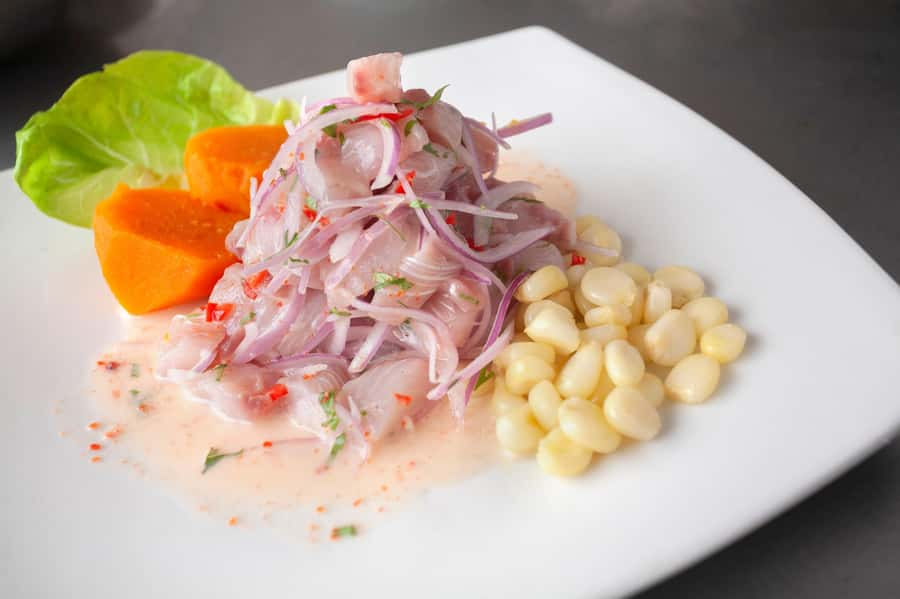
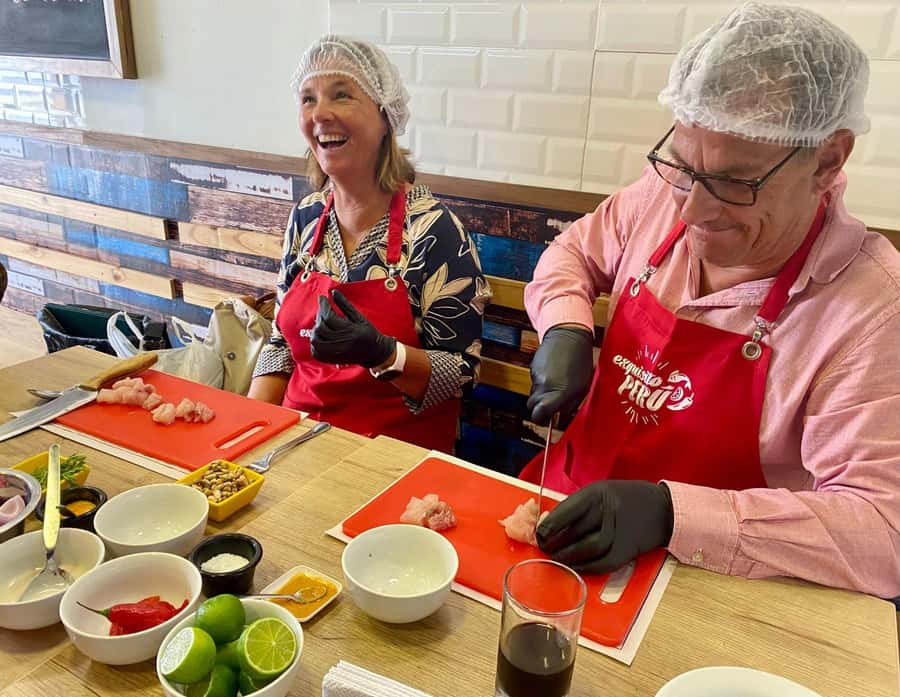
After the market, you head to a nearby restaurant for the cooking part. This is where the day shifts from tasting to technique. You’ll make ceviche, causa rellena, and a pisco sour, but ceviche is the one that usually surprises people with how “precise” it feels once you’re actually doing it.
For ceviche, you’ll work with fresh fish and marinate it in tangy citrus juices. You also season it with Peruvian spices, then finish with crunchy garnishes such as red onions and sweet potatoes. The learning value here is the balance: citrus brings brightness, seasoning adds depth, and garnishes add texture. When you taste your own plate afterward, you’ll understand that ceviche isn’t just a quick shortcut—it’s a recipe built around timing, flavor, and texture.
No prior cooking skills are required, but you should expect an active lesson. You’ll likely handle ingredients directly and follow the chef’s guidance step-by-step. If you get nervous in kitchens, don’t be. The structure is built for beginners. Your job is to pay attention and taste along the way so you can match what you’re making to what you’re learning.
Causa rellena: the comfort-food logic of layers
Next up is causa rellena, one of Peru’s most recognizable comfort dishes. The core structure is simple, but it’s also satisfying: layers of velvety mashed potatoes plus creamy avocado, topped with a flavorful filling—chicken or seafood, depending on what you’re guided to prepare.
What you’ll learn is the logic of layering. Mashed potato isn’t just a base; it’s the texture that holds everything together. Avocado adds creaminess, and the filling brings the savory punch. As you assemble it, you’ll start to appreciate why this dish is popular for family meals and everyday celebrations. It’s sturdy, sliceable, and made to be eaten with your hands or fork without falling apart.
This is also where the cultural angle shows up again. Causa rellena is a great example of how Peru’s ingredients and cooking methods can be both homey and ceremonial. You’ll leave with a better understanding of how chefs build structure in a dish—even when it feels “simple” on a menu.
Pisco sour workshop: the drink you’ll actually know how to make
Then it’s time for Peru’s national cocktail: pisco sour. This is not just a sip-and-smile moment. You’ll learn how to shake it up with the right components: pisco brandy, fresh lime, and a frothy egg white topping, plus Angostura bitters for balance.
Why this part is worth your attention: once you learn the basic technique, you’ll realize why a good pisco sour tastes so smooth and layered. The lime gives the snap, the pisco provides the backbone, and the egg white creates that signature foam. The bitters add complexity without turning it into something sweet or overpowering.
One review note that’s worth keeping in mind: people have praised the team’s ability during the class, including a bartender’s skill. That lines up with what you want from a drinks lesson—someone who can explain the process clearly and guide you so you end up with a drink that looks right and tastes right.
Once your pisco sour is ready, you’ll toast as part of the experience. It’s one of those moments that feels small on paper, but it changes the vibe of the class. You’re not waiting for dinner—you made something that’s instantly part of the meal.

Eating what you cook: toast, ceviche, causa rellena, then dessert
After all the prep, you sit down and enjoy the dishes you made. You’ll eat your ceviche and causa rellena, and you’ll toast with your freshly mixed pisco sour. That sequence matters. You’re not just learning recipes—you’re seeing how they work together in a real meal setting.
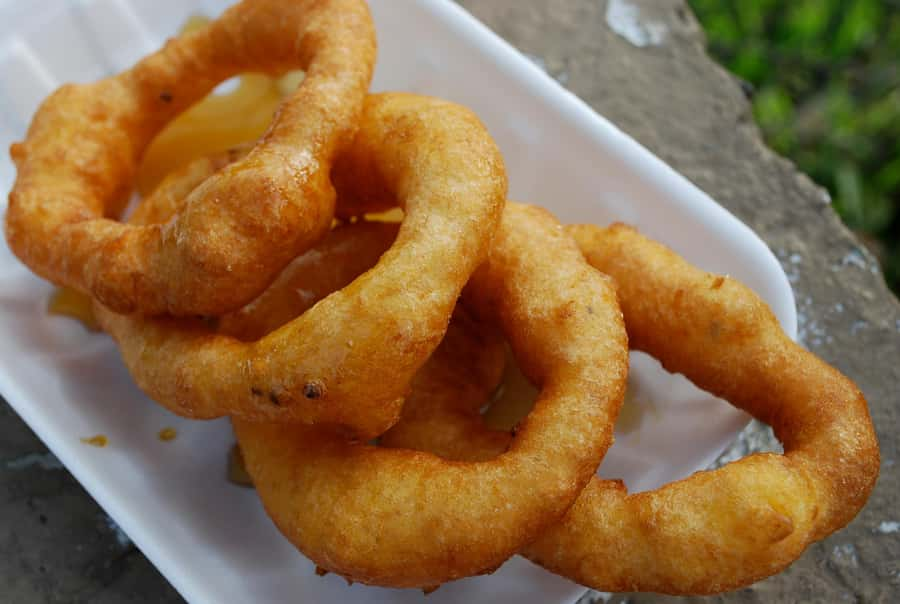
Dessert caps it off. You’ll have a traditional Peruvian option such as arroz con leche or picarones drizzled with sweet chancaca syrup. The key here is variety: after citrus fish, creamy potato and avocado, and a bright cocktail, the dessert brings a warm sweetness that rounds the meal out.
If you’re the type who worries about “tour food” quality, this is a good sign. The focus stays on the dishes you prepared, not a random buffet line.
Price and timing: is $59 good value for 150 minutes?
For $59 per person and about 150 minutes, you’re paying for three things that add up fast in Peru: expert instruction, ingredients, and time with a small group. This is a compact format—you get a market introduction, then a full cooking session, then the meal right after.
The market walk and fruit tasting portion adds context that many cooking classes skip. And the cooking portion isn’t vague. You’re preparing the key items yourself: ceviche, causa rellena, and a pisco sour. That makes the price feel less like a “pay for a class” deal and more like a “get fed and learn technique” deal.
Another value angle: the group size is limited to 10 participants. In practice, that matters because you can ask questions and get help without waiting your turn forever. It also keeps the experience from feeling like a production line.
Who this Lima tour suits (and who should skip it)
This is a strong fit if you want a real taste of Lima’s food culture without committing to a full-day cooking program. You’ll like it most if:
- you enjoy market exploring and want the ingredient stories, not just recipes
- you’re curious about Peru’s flavor combinations (citrus, spices, potatoes, avocado)
- you want to leave with both meals you made and a drink you can recreate
It’s also a good option if you’re traveling solo or as a couple who wants a social but not chaotic group.
But it’s not for everyone. It’s not suitable for pregnant women, wheelchair users, or people with food allergies. If you have any dietary restrictions or allergies, the guidance is to notify them in advance so they can advise you.
Also consider your comfort level with standing. The class expects you to be active and on your feet for the cooking work.
What to bring so you’re comfortable from market to meal
For a smooth day, pack like you’re going to walk and cook:
- comfortable shoes (you’ll be standing)
- hat (sun can be strong in Lima)
- camera (you’ll want photos of what you make)
- sunscreen
- water
For clothing, think practical. You’ll be moving through the market and then working at a restaurant station. If you wear anything delicate or too warm, you’ll regret it by the time you start assembling causa rellena and shaking pisco sour.
Final call: should you book this market tour and cooking class?
If you want a Lima experience that connects the dots—from ingredients at Surquillo Market to the final plate—this is an easy yes. The combination of fruit tasting with cultural context, hands-on cooking for ceviche and causa rellena, and a teach-you-to-shake pisco sour is a better use of time than doing just one piece.
Skip it if standing for 2.5 hours will be uncomfortable for you, or if you have food allergies. Otherwise, this is a smart buy for food lovers who want real instruction and a meal that feels earned, not bought.
FAQ
How long is the tour?
The total duration is 150 minutes.
What’s included in the price?
It includes the market tour with fruit tasting, the cooking class with a local chef, preparation of ceviche, causa rellena, and pisco sour, and a traditional Peruvian dessert.
Do I get hotel pickup and drop-off?
No. Hotel pickup and drop-off are not included.
Where do I meet the guide?
Meet just outside the entrance of the Holiday Inn Lima Miraflores on Calle Alfonso Ugarte 117. Make sure you use that entrance, not the one on Ricardo Palma Avenue.
What dishes will I learn to prepare?
You’ll prepare ceviche, causa rellena, and a pisco sour, then you’ll eat what you make.
Is the tour guide English-speaking?
Yes. The tour has a live guide in English.
Is this a small group?
Yes. The group is small, limited to 10 participants.
What should I bring?
Bring comfortable shoes, a hat, a camera, sunscreen, and water.
Is it free to cancel?
Yes. You can cancel up to 24 hours in advance for a full refund.