REVIEW · LIMA
Miraflores: Amazing Peruvian Cooking Class Ceviche Seafood and Pisco Sour
Book on GetYourGuide →Operated by Jose Antonio Castillo · Bookable on GetYourGuide
Lima’s ceviche gets personal here. This small-group Miraflores cooking class mixes hands-on seafood with a serious pisco tasting, then ends with you shaking your own Pisco Sour.
I love the owner-led vibe: José Antonio Castillo and team run the show themselves, share the stories behind the ingredients, and even talk pisco production like it’s family lore.
One possible drawback: some basic prep can be done ahead (so you’ll cook and shake, but not every knife step feels totally raw from scratch).
In 2.5 hours, you’ll taste exotic fruit, learn the background of pisco macerado, and choose from up to 10 pisco flavors before making the official Pisco Sour recipe.
I also like how easy this is to fit into a Lima trip: the meeting point is right by Wong Supermarket in Miraflores, about 5 minutes from many hotels near Kennedy Park.
If you want maximum chaos-free cooking time, plan to show up on time—small-group classes move quickly.
In This Review
- Key reasons this class works so well
- Miraflores Location: Close to Kennedy Park, Easy to Book Into Your Day
- Who Runs It: José Antonio Castillo and a Pisco Producer Focus
- The Welcome Room: Peruvian Art and a Quick Geography Primer
- Exotic Fruit Tasting: Why You’ll Feel the Difference Later
- Tuna Tartar: The First Hands-On Plate
- Pisco Tasting to Pisco Sour: Choose Your Flavor, Then Shake It Right
- Ceviche With a Secret Lima Recipe: Getting the Final Balance
- What You Eat and Drink: The Full Menu in Plain English
- Value and Timing: Is $40 a Good Deal in Miraflores?
- Dietary Needs and Language: What to Tell Them Before You Go
- Getting There and Settling In: Elevator Access and No Stairs
- Who This Is Best For (and Who Might Prefer Something Else)
- Should You Book This Miraflores Ceviche and Pisco Sour Class?
- FAQ
- Where is the meeting point?
- How long is the experience?
- What’s the price per person?
- How many people are in the class?
- What dishes and drinks are included?
- Is there a vegetarian option?
- What languages are offered?
- Is the venue wheelchair accessible?
- Do I get photos or recipes to take home?
Key reasons this class works so well
- Owner-led teaching, not a generic demo with stories from the people who make the pisco
- 10 different pisco flavors plus tasting pisco macerates before you start mixing
- You cook two seafood dishes: tuna tartar first, then fish ceviche
- You make a cocktail as a final step using the classic Pisco Sour method
- Small group (8 max) so you actually participate and ask questions
- Miraflores location keeps the class simple to reach without a long commute
Miraflores Location: Close to Kennedy Park, Easy to Book Into Your Day
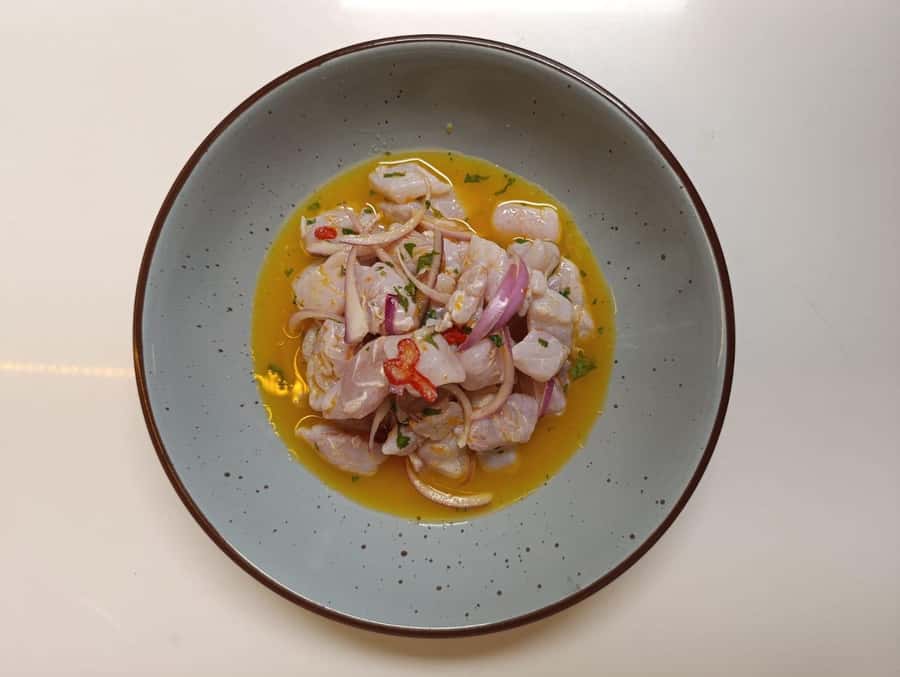
This class is built for people who want a real Lima experience without a big travel plan around it. The meeting point is at the door of Wong Supermarket, and you look for a red apron. From there, it’s described as about a five-minute stretch from many hotels in Miraflores, which matters because your time in Lima is always competing with rooftop sunsets, ceviche cravings, and last-minute museum detours.
Miraflores is also a smart base for food stuff: it’s lively, walkable, and full of places where you can continue the evening after class. If you’re staying near Kennedy Park, you’re already in the right zone.
Practical note: the class runs about 2.5 hours, and it returns to the meeting point. That timing is great for lunch-to-afternoon plans, or for turning an early dinner slot into a food workshop instead.
You can also read our reviews of more tours and experiences in Lima.

Who Runs It: José Antonio Castillo and a Pisco Producer Focus
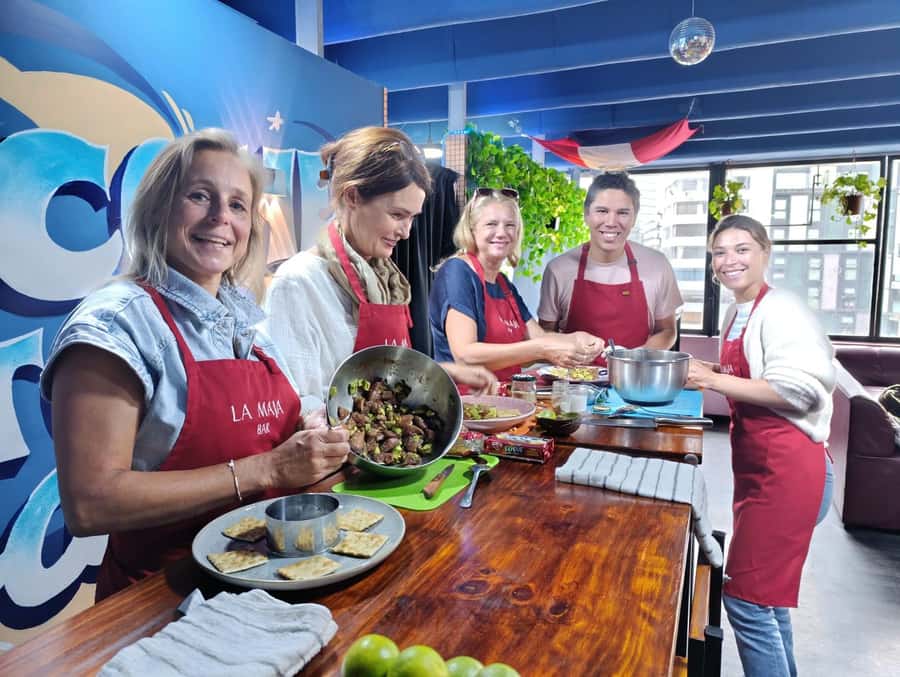
What makes this cooking class feel more like a personal evening than a tourist activity is who’s behind it. The instructors are pisco producers, and they’re described as owners who conduct the classes themselves. That changes the tone. You don’t just get recipe steps—you get the why behind them.
José Antonio Castillo is listed as the provider, and multiple parts of the experience connect back to his life with pisco: the origins, the production story, and the way the flavors come together. When hosts can explain pisco like a craft and a culture, the tasting stops being “sip and move on.” It becomes comparison. You start noticing differences in fruit notes, balance, and aroma.
This pisco-producer angle also fits the seafood theme well. In Peru, pisco and coastal food cultures share the same timeline of tradition, and the class leans into that connection instead of treating drinks like an afterthought.
The Welcome Room: Peruvian Art and a Quick Geography Primer
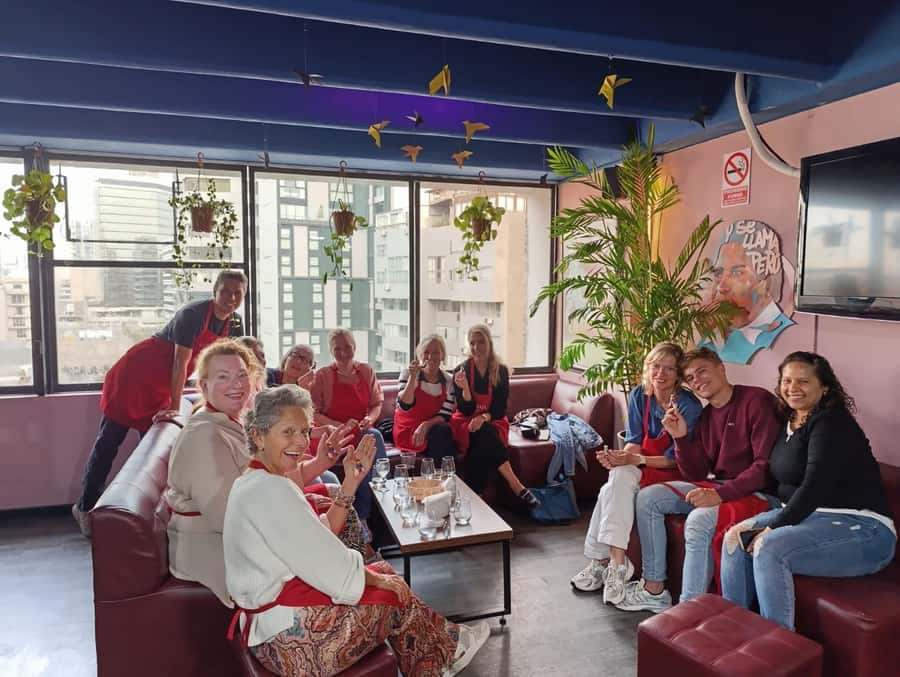
Before you touch ingredients, you start in an exclusive experience room with Peruvian art. You’re welcomed with a short video that covers Peru’s coastal zones, highlands, and jungle. It’s not a long lecture. Think of it as a fast way to help your brain place the flavors you’re about to learn.
Then comes the first tasting round: exotic fruits. This matters more than it sounds. Many Peruvian dishes rely on a mix of acid, herbs, and fruit-based flavors, and by tasting the raw inputs early, you’ll understand why later steps work.
You also learn about the history of pisco macerado (an Inca drink) and you can taste up to 10 flavors. This is where the class sets its own rhythm: it’s not just cooking for the sake of eating. It’s cooking as a way to understand ingredients.
Exotic Fruit Tasting: Why You’ll Feel the Difference Later
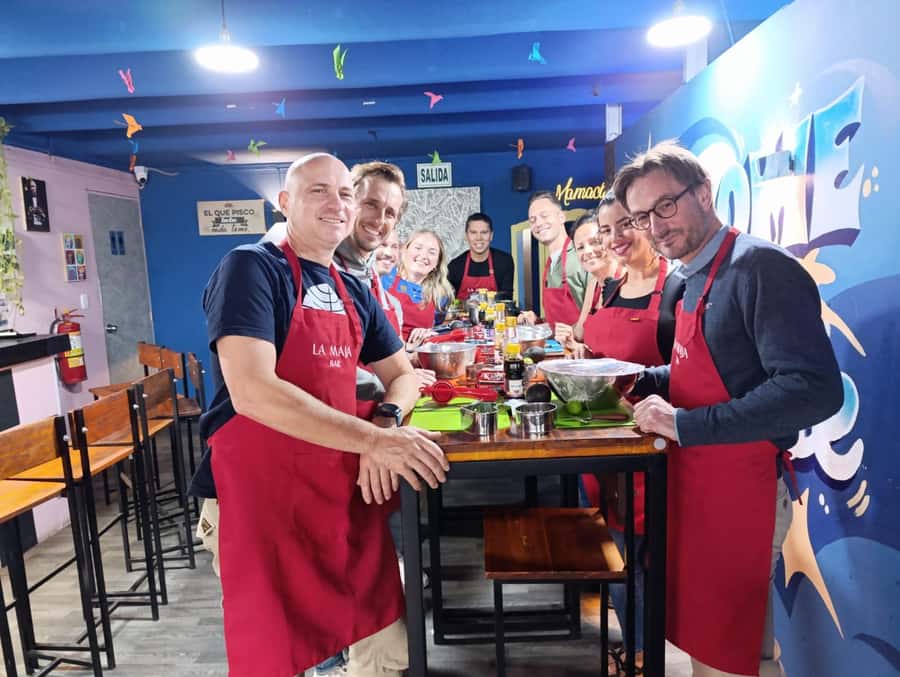
Fruit tastings can feel like a snack break in some classes. Here, the fruits are part of the lesson plan. You’re tasting before cooking, and that means when you later mix citrus, herbs, and fish (or when you build cocktail flavors), your palate has context.
Also, exotic fruits in Peru often connect to specific regions. The class uses the Peru geography video to frame that, so the fruit tasting doesn’t feel random. You’re building a mental map: coast for seafood, highlands for certain plants and traditions, and jungle for fruit profiles.
If you’re the type who likes to order desserts and drink cocktails with curiosity, this will make the rest of the experience more fun. You’ll start picking favorites and noticing how fruit character shows up in pisco flavors too.
Tuna Tartar: The First Hands-On Plate
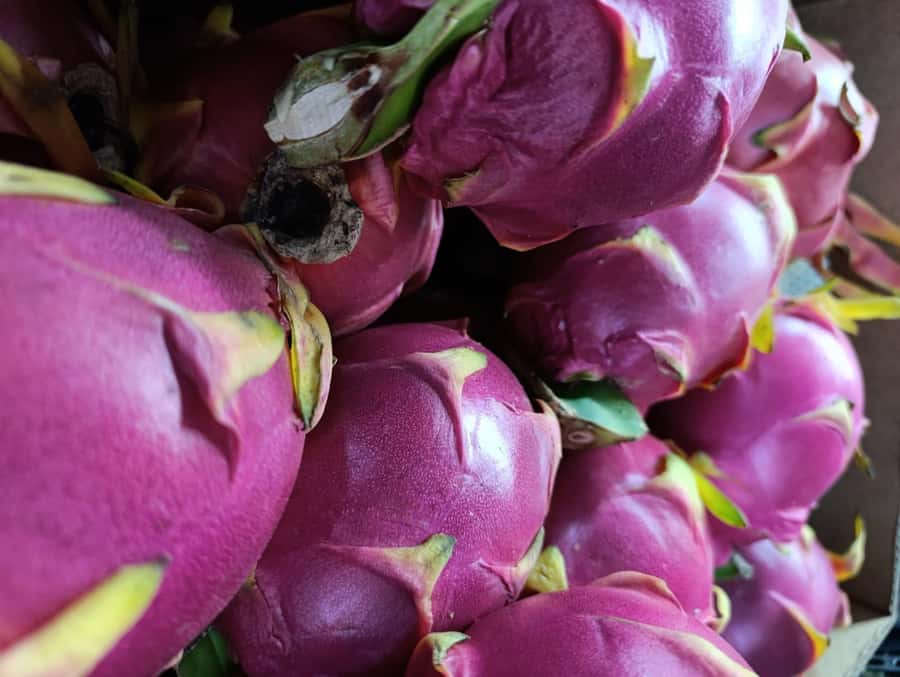
The first course is tuna tartar, and it’s served on crackers. You’re mixing tuna fish of the day with soy sauce, sesame oil, avocado, and lemon. That combination is a clever teaching move: it’s seafood-forward, but it’s not the typical ceviche-only path.
Why it’s a strong first step: tartar is simpler than ceviche in the sense that you’re not dealing with a full citrus cure yet. You learn balance—saltiness from soy, aroma from sesame oil, richness from avocado, and brightness from lemon—so your palate is ready for the next step.
You can also tell from the setup that the class is meant to be doable for real visitors. The flow goes: taste, learn, mix, plate. It doesn’t turn into a kitchen marathon.
One consideration: some participants noted that parts of the ingredients may be prepped ahead (like cutting). That likely keeps the cooking time focused on mixing flavors and making drinks with you, instead of turning the session into a knife skills course.
Pisco Tasting to Pisco Sour: Choose Your Flavor, Then Shake It Right
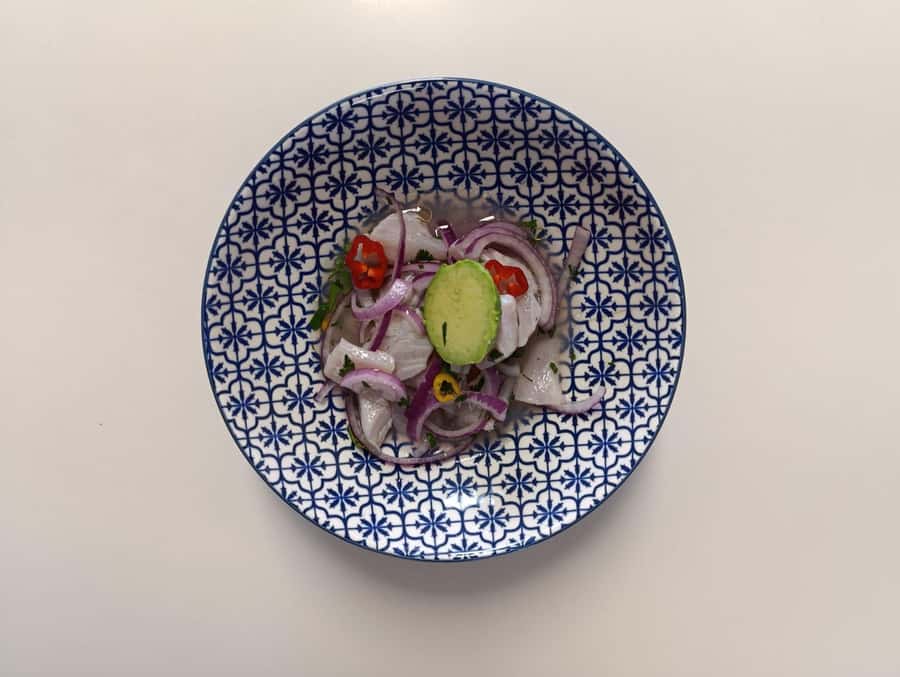
This is the star segment for many people in the group. After the tuna tartar, you move into the professional bar area and get into pisco more deeply.
You’ll hear the true history of pisco, then you pick the flavor you want from up to 10 options. After that, you and the instructor make the official Pisco Sour recipe together. The class also notes that you can prepare a Pisco Sour or Chilcano depending on what you choose.
Two things make this part land:
- You’re not just tasting pisco; you’re selecting a flavor and using it as an ingredient in a classic cocktail.
- The method is hands-on. You learn how the recipe comes together, instead of watching someone else do it.
If you’re a cocktail person, you’ll probably love this because pisco flavor isn’t one-note. With infused varieties, you get fruit-forward profiles that show up in aroma and mouthfeel. The class also connects pisco to Peruvian culture, so it’s not just a drink lesson.
If you want a safer move for your palate, pick a flavor that matches something you already like (passion fruit types of notes, for example). You don’t need to be a “spirits expert” to enjoy the selection.
Ceviche With a Secret Lima Recipe: Getting the Final Balance
Then comes the main event: fish ceviche, made with the class’s secret recipe that they claim makes it especially unique in Lima. You’re cooking this at the end, which makes sense. By the time you reach ceviche, you’ve already tasted fruit, learned pisco history, and practiced the kind of balancing act your brain needs for acid-based dishes.
The ceviche portion also builds off the class’s seafood focus and tradition. You’re learning the origins of ceviche during the experience too, not afterward. That helps you understand why ingredients matter and why technique matters.
What you should watch for (even if the instructor handles most steps): in ceviche, small differences make big changes. Fish texture, citrus strength, and seasoning timing all matter. Since the class is designed for small groups and hands-on participation, you’ll likely get a chance to see the “why” behind their approach, not just the “what.”
And yes, it’s a food-and-drink night. You’ll finish full. The ceviche is part dinner, part cooking lesson.
What You Eat and Drink: The Full Menu in Plain English
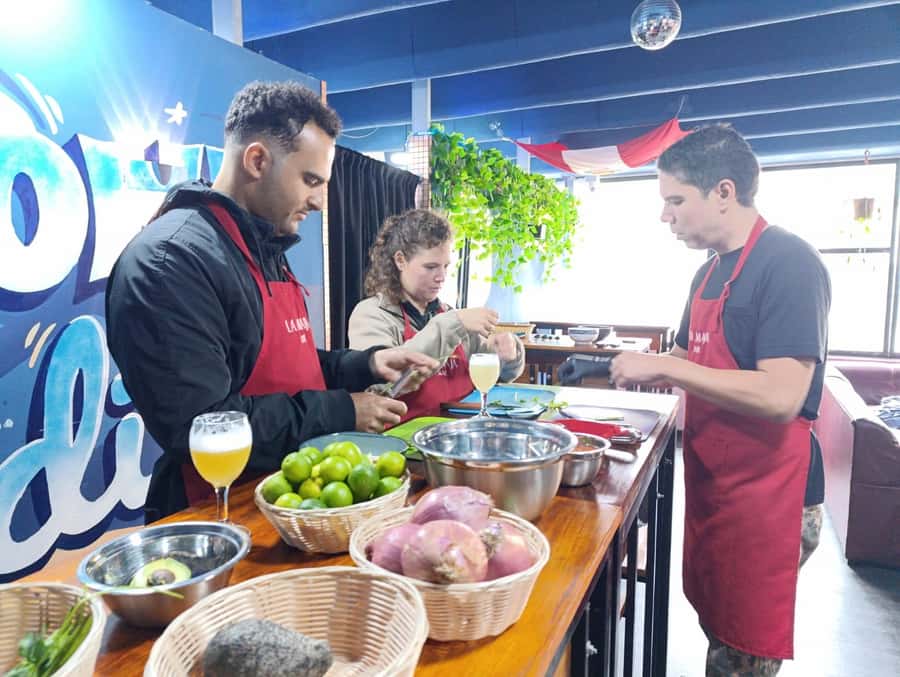
Here’s the core of what’s included, based on the experience details you’ll get:
- Exotic fruit tasting
- Tasting of pisco macerates (up to 10 flavors total)
- A guided history of ceviche origins and Pisco Sour origins
- One tuna tartar plate per person
- One ceviche plate per person
- One Pisco Sour or Chilcano per person
- Unlimited water
That mix is the main value driver. For $40 per person, you’re not paying only for “watch someone cook.” You’re tasting, mixing, and making. It’s also not a single-dish workshop. You get a seafood duo plus cocktail-making, and the pisco tasting section gives you something beyond the meal itself.
Value and Timing: Is $40 a Good Deal in Miraflores?
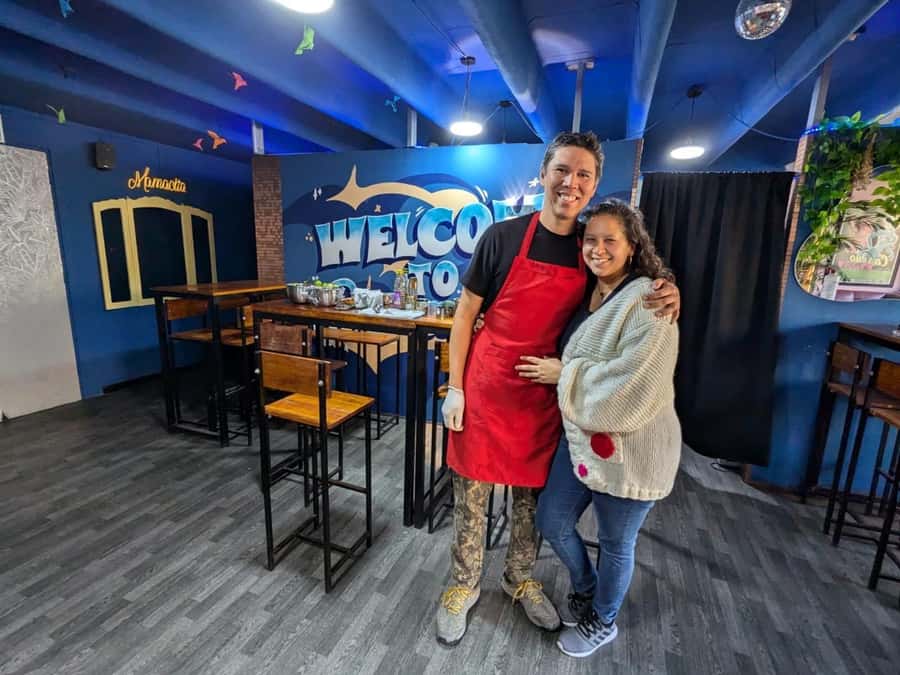
Let’s talk value like a practical Lima traveler. A ceviche-oriented class can cost more when it’s mainly a show. Here, the structure is different: you taste multiple pisco flavors, then you cook two plates, then you make a cocktail. That’s three major payoffs in one 2.5-hour session.
Also, the group is small—limited to 8 participants—which usually means fewer people competing for attention and more time actually participating. You’re also given photos and videos during the experience, and you receive recipes and recommendations afterward.
One more value point: recipes and regional tips. The class sends recommendations and tips for Lima, Paracas, Cusco, La Selva, and Northern Peru. Those are the kinds of details that help you move from “I ate ceviche” to “I planned the rest of my trip better.”
Dietary Needs and Language: What to Tell Them Before You Go
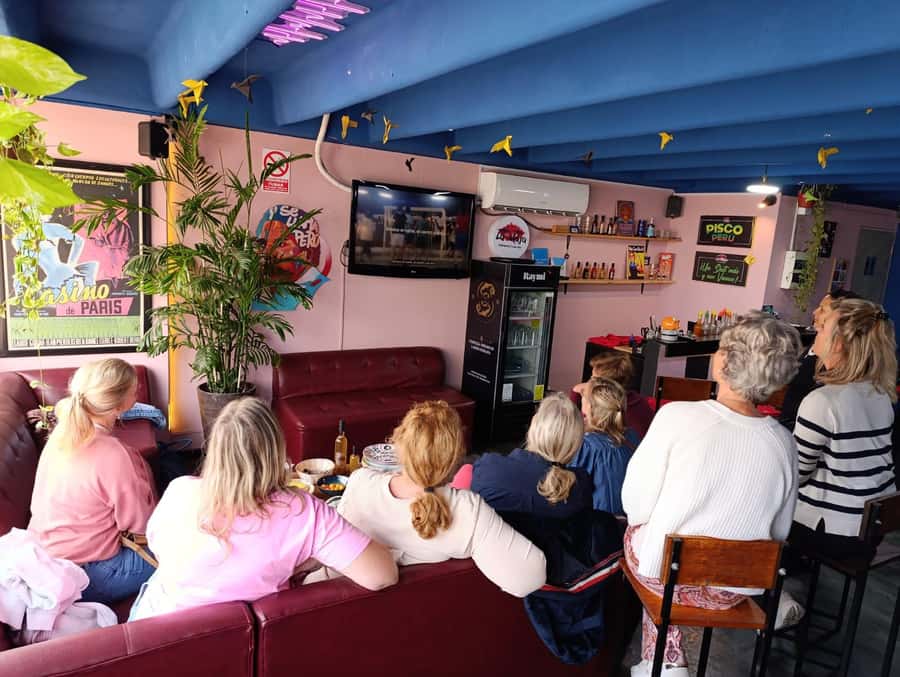
The class lists a vegetarian option, and it also asks you to tell them about allergies in advance. That’s important because ceviche and tartar are seafood-focused, and cocktail ingredients can include flavorings that may vary.
Language is also covered: the instructor can teach in Spanish or English. If you’re more comfortable in one, request it when you book.
One extra note from participant experiences: the experience was described as suitable for coeliac and gluten-free individuals. Because this can depend on how ingredients are handled, your best move is to tell them your needs clearly before you arrive so they can guide you appropriately.
Getting There and Settling In: Elevator Access and No Stairs
Logistics are handled in a simple way. You meet at Wong Supermarket with the red apron, then the activity ends back at the meeting point. The place has an elevator, so you’re not dealing with stairs. If you need any other schedule or a private mobility arrangement, they invite you to write ahead.
That sounds minor, but for real-life travel it matters. Food classes go better when the space is easy to access and you’re not rushing up stairs in an afternoon heat wave.
Who This Is Best For (and Who Might Prefer Something Else)
This class is a great match if you:
- Want a hands-on Peru food moment in a short window
- Like seafood and want to learn why ceviche tastes the way it does
- Enjoy cocktails and want to make Pisco Sour using different pisco flavors
- Like small group settings where you can ask questions
- Want regional trip tips for more than just Lima
You might prefer a different kind of activity if you:
- Want purely “from raw ingredients to final dish” with zero pre-prep
- Prefer large-group nightlife-style experiences instead of a homey workshop tone
- Don’t like pisco flavors or you’re strongly avoiding alcohol (the included option is Pisco Sour or Chilcano, plus fruit and non-alcohol components like water are unlimited, but pisco is central to the concept)
Should You Book This Miraflores Ceviche and Pisco Sour Class?
I’d book it if your Lima plan needs one evening that’s practical, tasty, and genuinely local-feeling. The strongest reason is the combination: seafood cooking plus pisco tasting plus cocktail-making, all led by pisco producers and delivered in a tight small group format near Kennedy Park.
If you’re deciding between this and a more generic cooking class, choose this one for the pisco part alone. But also note the real payoff: you leave with recipes, plus recommendations that can help you plan future days across Peru.
If you love citrus, fish, and cocktails, you’ll probably consider it a best-value meal on your itinerary. Just message them about allergies up front, pick a pisco flavor that matches what you already like, and arrive ready to cook, shake, and eat.
FAQ
Where is the meeting point?
You meet at the door of Wong Supermarket in Miraflores, looking for someone with a red apron.
How long is the experience?
The class lasts about 2.5 hours.
What’s the price per person?
The price is $40 per person.
How many people are in the class?
It’s a small group limited to 8 participants.
What dishes and drinks are included?
You’ll taste exotic fruits, taste pisco macerates, make tuna tartar and fish ceviche (one plate each), and make one Pisco Sour or Chilcano (one drink per person).
Is there a vegetarian option?
Yes, there is a vegetarian option. Tell them in advance when you book.
What languages are offered?
The class is offered in Spanish and English.
Is the venue wheelchair accessible?
Yes. The place has an elevator and no stairs.
Do I get photos or recipes to take home?
During the experience, they take pictures and videos and share them with you. They also send recipes and recommendations after the class.