REVIEW · TASHKENT
Plov and Samsa Cooking Class in Tashkent
Book on GetYourGuide →Operated by Asli Travel · Bookable on GetYourGuide
Smell cumin, hear sizzling—then make it yourself. This Tashkent cooking class is built around hands-on food work: you’ll learn Uzbek plov and bake samsa in a home-style kitchen, not a classroom. You do the cutting, the cooking steps, and the eating, with the host team guiding you so you can actually pull it off.
What I really like is the practical, do-it-yourself format. You’ll work on key prep tasks like cutting onions and carrots, cleaning rice, and handling the meat and garlic part of palov. I also like that the class doesn’t treat Samsa as an afterthought; there’s a dedicated window where you shape ghee-rich dough and bake stuffed triangles before you return to palov. One possible drawback: pickup/drop-off isn’t included, so you’ll want to plan your route ahead, and the hostess has a basic level of English.
In This Review
- Key Highlights You’ll Care About
- A Tashkent Home Kitchen, Not a Show
- Plov in 3 Hours: Cutting, Frying, Cooking, Steaming
- What you’ll prep yourself
- The cooking steps you’ll actually do
- What’s in the palov recipe set
- The Clever Break: Making Uzbek Samsa While Palov Steams
- The dough method: ghee, rolling, chilling
- Stuffing and baking
- Eating the Results: What You Should Expect at the Table
- Price and Value: $160 for Up to Two, With Real Work Included
- Who This Is Best For (and Who Might Want Another Option)
- Practical Tips Before You Go
- Should You Book the Plov and Samsa Cooking Class in Tashkent?
- FAQ
- FAQ
- What dishes will I learn to cook?
- How long is the cooking class?
- What is the price and group size?
- Is there pickup or drop-off included?
- What languages are used in the class?
- Is the activity wheelchair accessible?
- Will there be meat in the recipes?
- What is included in the price?
- What should I bring?
- Is cancellation allowed, and can I get a refund?
Key Highlights You’ll Care About
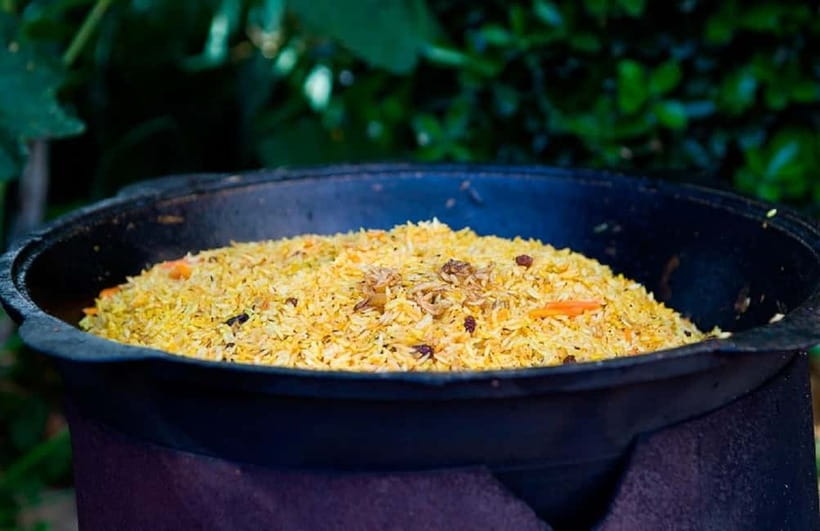
- Hands-on plov workflow: cutting, frying, cooking, and steaming are all part of the lesson
- Samsa timing built in: you make baked stuffed triangles during a break in the palov process
- You get to manage the heat: the class is structured around doing the steps, not watching
- Real Uzbek flavors: palov uses ingredients like cumin, garlic, and even raisins
- Possible vegan approach: there is a possibility without meat for vegans
- Private setting: it’s a private group, designed for a smoother, more personal class
A Tashkent Home Kitchen, Not a Show
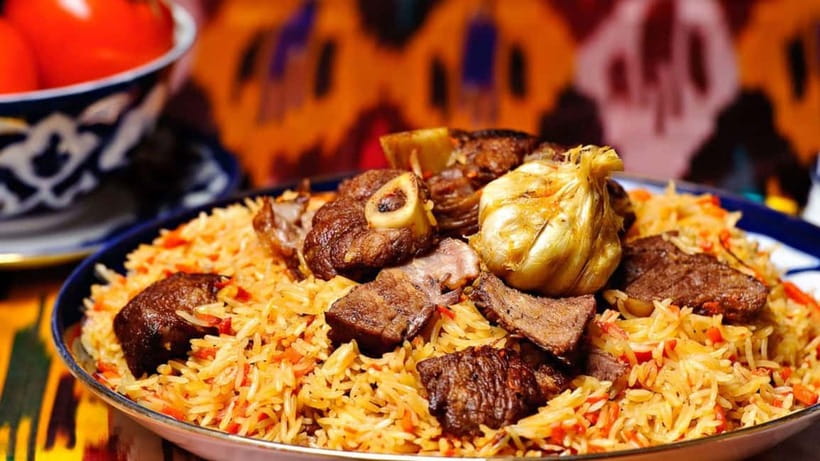
This class happens in a home setting in Tashkent Province, which changes the whole vibe. You’re not trying to learn cooking tricks in a busy, impersonal venue. Instead, you’re working in someone’s kitchen with a host team that keeps the pace organized and supportive.
The home atmosphere also tends to make the meal feel more like you’re being welcomed, not ticketed. Expect a warm, family-style feel, and plan to spend the full three hours focused on the food. One practical note: your main communication will be handled in Russian and English by the instructor team, but the hostess’s English level is described as basic—so keep sentences simple and be ready to rely on a mix of explanation and demonstration.
And yes, the hands-on factor is the point here. If you like cooking, you’ll enjoy that the class moves through the process in a way that’s meant to teach technique, not just produce dinner.
Plov in 3 Hours: Cutting, Frying, Cooking, Steaming
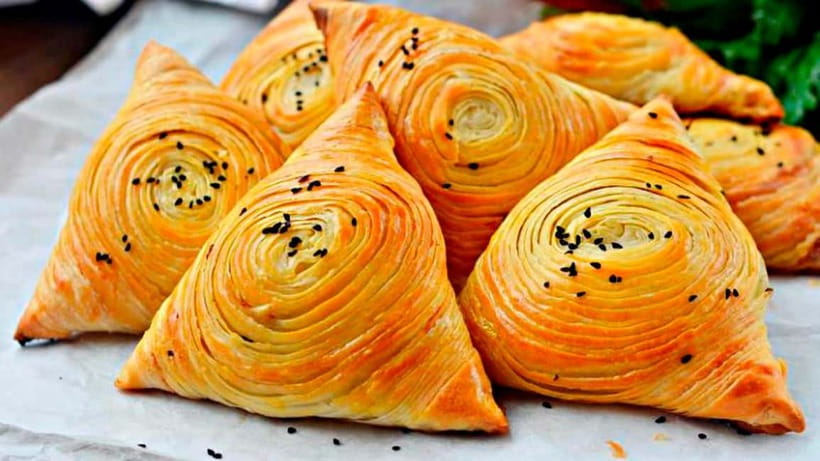
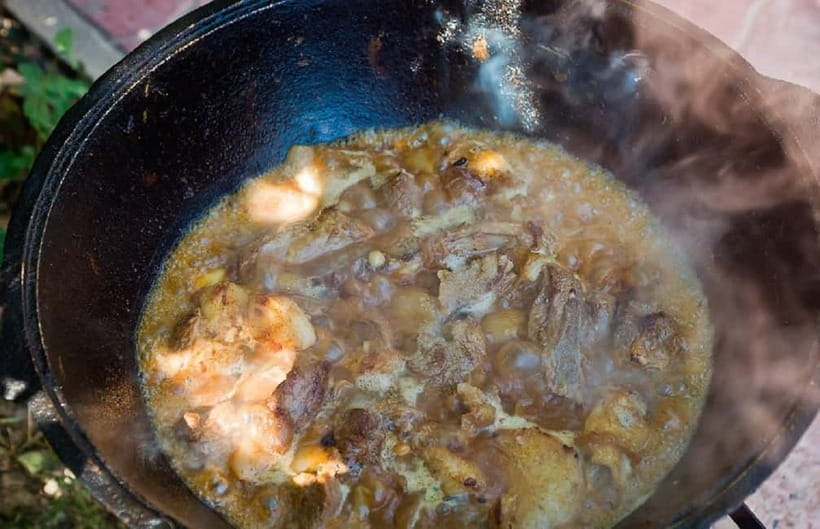
The palov portion is the backbone of the class. You start with the ingredients and work through the classic prep rhythm the lesson is built around—rice and aromatics up front, then the cooked depth that comes from frying and careful steaming.
What you’ll prep yourself
You’re actively involved in the key early steps:
- You’ll cut onions and carrots
- You’ll clean rice
- You’ll handle meat and garlic for the palov version in the program
- You’ll work with the spice approach using cumin and other ingredients provided
There’s a clear logic to this. Onions and carrots aren’t just chopping tasks; they’re part of the flavor base that supports everything that comes after. Cleaning rice matters too, because palov is sensitive to how the grains behave once they hit the cooking step.
The cooking steps you’ll actually do
Once the prep is done, the class shifts into the heat work:
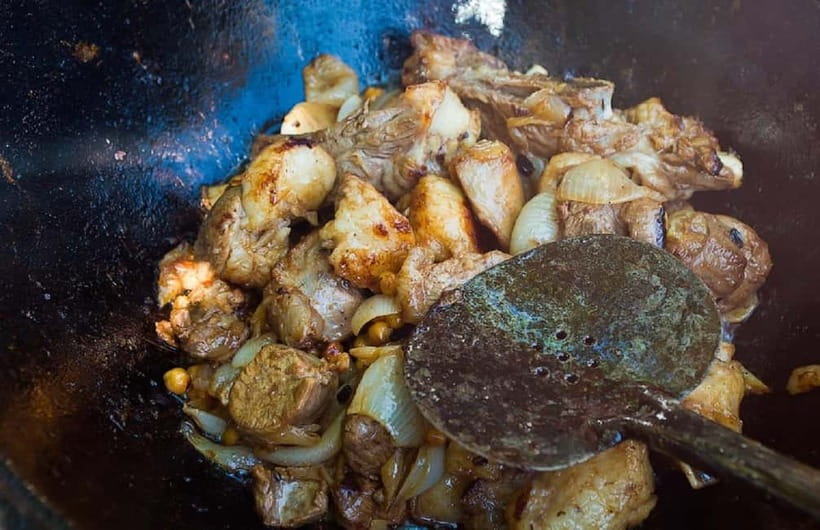
- Frying: you’ll be guided as the base develops flavor.
- Cooking: you manage the next stage so everything melds.
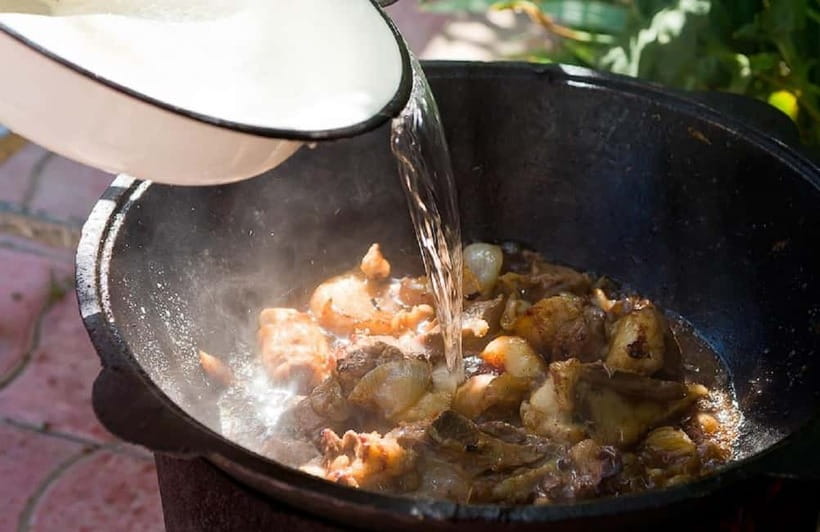
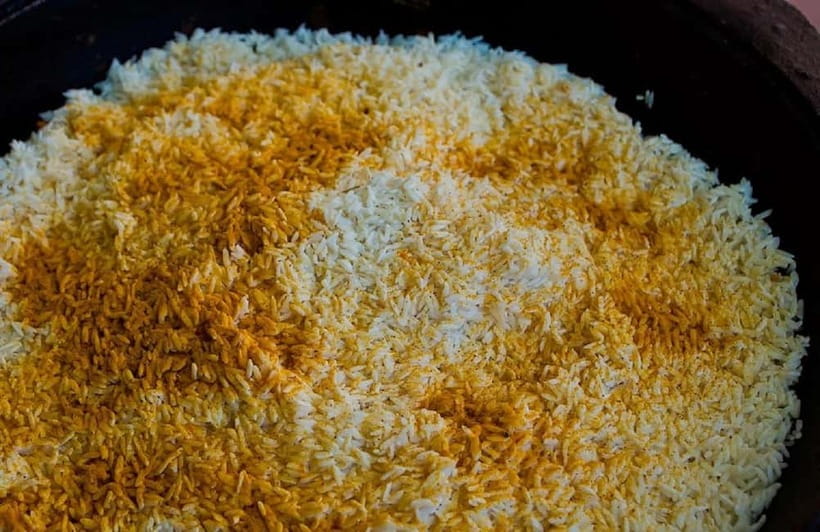
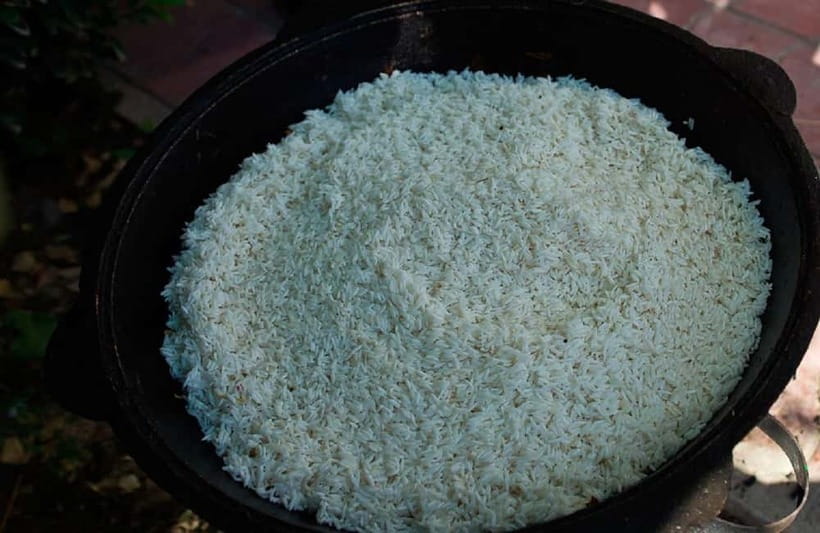
- Steaming (after adding water for steam): this is where the dish finishes in a way that helps the rice turn tender and the flavors come together.
That steaming step is one of the things that often separates palov that tastes good from palov that tastes like it came from someone’s regular home kitchen. You’re not just dumping ingredients in a pot—you’re learning the sequence.
What’s in the palov recipe set
You’ll cook with ingredients including:
- rice
- meat
- carrot
- onion
- garlic
- cumin
- raisins
- sunflower oil
The inclusion of raisins is worth noticing. It’s not candy-sweet. In palov, it adds a small, sweet note that helps balance the cumin and the savory depth. If you like trying the less-obvious parts of Uzbek flavors, this class gives you that payoff.
The Clever Break: Making Uzbek Samsa While Palov Steams
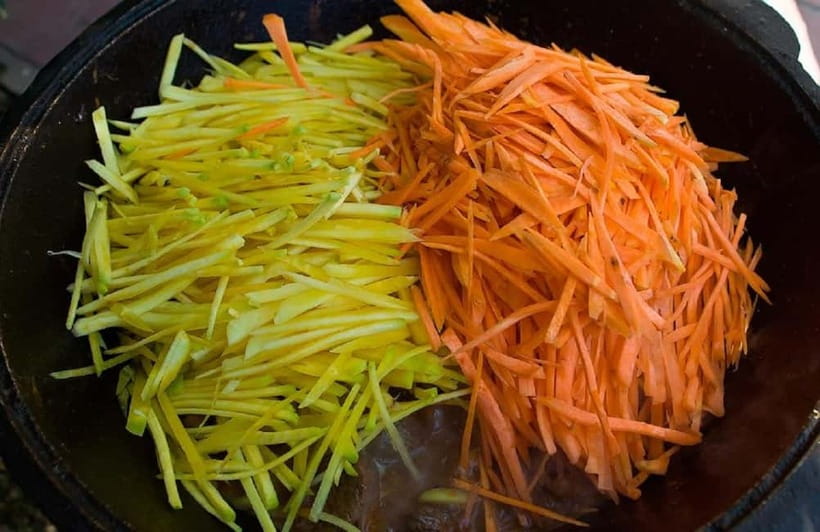
Timing matters in a cooking class, and this one uses the palov steaming window smartly. After you add water for the steam stage, you get some free time that’s turned into another cooking mission: Samsa.
Samsa here is the Uzbek version of stuffed, baked pastry triangles. You don’t just assemble one dish—you learn how the dough and filling process creates that flaky, stuffed result.
The dough method: ghee, rolling, chilling
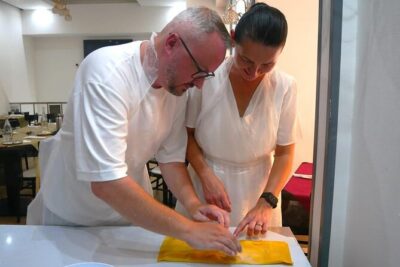
You start with a simple dough that’s rolled out and layered with ghee (clarified butter). Then you roll it tightly, divide it into portions, and chill the dough patties. After that, each portion is rolled out again before stuffing.
That ghee-and-roll technique is the heart of the pastry texture. Even if you’re not a baker, you can see the transformation as you handle the dough layers and roll them back out.
Stuffing and baking
Once the dough is ready, you stuff each piece with minced meat (the standard approach described for the samsa portion). Then you bake the triangles in the oven, guided by a team member so they come out properly shaped and filled.
If you’re someone who likes structure, you’ll probably appreciate this: palov teaches one style of cooking (frying + steamed rice), while samsa teaches another (dough layering + baking). Same country, two very different skills.
Eating the Results: What You Should Expect at the Table
This class isn’t one of those experiences where you take a few bites and rush away. You cook, then you eat what you made.
For palov, you’ll sit down with the dish you helped build—rice cooked through and flavored with the aromatics and spices. For samsa, you’ll eat the baked stuffed triangles from your own work during that mid-class break.
Some experiences include a broader home-food welcome around the cooking session—things like tea and extra traditional snacks or desserts—so don’t be surprised if the day turns into more than just the two dishes on paper. Also, if you’re the kind of person who enjoys saving leftovers for later, ask if they can pack extra food. In at least one recent experience, participants ended up with a lot to take away, which is a great bonus for a 3-hour class.
Price and Value: $160 for Up to Two, With Real Work Included
At $160 per group for up to 2 people and about 3 hours, this isn’t the cheapest activity on a Tashkent day. But it can be good value if you care about hands-on learning and you want dinner that’s part of the experience, not just an add-on.
Here’s how the value math usually works for this kind of class:
- You’re paying for instruction plus ingredients. The class includes professional guidance and all ingredients for palov and samsa.
- You get active cooking time. Cutting, frying, cooking, steaming, dough handling, and baking aren’t passive tasks.
- It’s private. You’re not sharing counter space with a large group, which means you get more direct help.
So if you and a partner (or a friend) want a high-touch cooking session with dinner included, this price can feel fair. If you’re traveling solo, it may feel better if you can treat it as a shared experience by joining a friend, since the group pricing is built around a small party size.
Who This Is Best For (and Who Might Want Another Option)
This class is a strong fit for:
- food lovers who want technique, not just recipes
- people who enjoy cooking basics like knife work, rice handling, and dough rolling
- couples or small groups who prefer a calmer private setting
- travelers interested in Uzbek home cooking traditions like palov and baked samsa
It may be less ideal if:
- you’re short on time and need something faster than three hours
- you want a completely English-only experience from the hostess side (the hostess has basic English, even though the instructor team works in Russian and English)
- you’re expecting hotel pickup, because pickup/drop-off isn’t included in the standard setup
If you’re vegan or avoiding meat, the program says there is a possibility without meat for vegans. Ask ahead so you know what changes and what stays the same. It’s the kind of detail that can affect both your comfort and the final flavor.
Practical Tips Before You Go
A few small things will make the day smoother:
- Wear comfortable clothes. You’ll likely handle food, dough, and hot cooking steps.
- Bring a good attitude about mess. Cooking at home style means a little flour or oil drama is possible.
- Keep your communication simple if your Russian is limited. The teaching team supports in Russian and English, and the home hostess’s English is basic, so clear directions and body language help.
- If you need transportation help, ask in advance. Pickup isn’t listed as included, but an arranger for driver help has been noted in at least one experience—so it may be possible depending on your schedule.
Should You Book the Plov and Samsa Cooking Class in Tashkent?
If you want an authentic Uzbek food experience where you actually cook, not just watch, I think this is a smart choice. The biggest reasons to book are the hands-on palov workflow and the built-in samsa segment that turns steaming time into another real skill lesson. It’s also a good value when you share it with one other person, since the group price is set for up to two.
I’d skip it or plan extra carefully if you rely on included transportation, since pickup/drop-off isn’t part of the standard offering. And if language is critical, expect that the hostess side may not carry the conversation in fluent English, even though instruction is available in Russian and English.
Bottom line: this is a cooking class for people who like doing the work. If that sounds like you, book it and treat the three hours like an evening meal you’ll remember for the rest of the trip.
FAQ
FAQ
What dishes will I learn to cook?
You’ll learn how to cook plov and samsa during the class.
How long is the cooking class?
The class lasts 3 hours.
What is the price and group size?
The price is $160 per group, for up to 2 people, and it’s offered as a private group.
Is there pickup or drop-off included?
Pick-up/Drop-off is not included.
What languages are used in the class?
The instructor is described as working in Russian and English.
Is the activity wheelchair accessible?
Yes, it is listed as wheelchair accessible.
Will there be meat in the recipes?
Palov uses meat in the ingredient list. For vegans, there is a possibility without meat, depending on the setup.
What is included in the price?
You get professional instruction, all necessary ingredients, and you participate in cooking and enjoy the prepared meals.
What should I bring?
You should bring comfortable clothes.
Is cancellation allowed, and can I get a refund?
There is free cancellation up to 24 hours in advance for a full refund.