REVIEW · LIMA
Lima: Market Tour, 35 Fruits Tasting & Cooking Class
Book on GetYourGuide →Operated by SkyKitchen Peruvian Cooking Classes · Bookable on GetYourGuide
Lima’s fruit tour starts with a rainbow. This experience pairs a Surquillo Market walk with tasting 35+ exotic fruits, then hands you the tools to cook and eat a Peruvian 4-course meal (plus a pisco sour). I like that it goes beyond flavor—your guide explains what you’re seeing and why it matters for Peruvian cooking. One thing to consider: it’s a full 330-minute block, and the package includes pisco sour, so if alcohol is an issue for you, plan to ask ahead.
What makes it feel worth the time is the rhythm: market first, fruit tasting second, then you cook course by course and eat what you make as it’s finished. I also like the small-group setup and the built-in hydration—unlimited water and a homemade fruit drink show up during the meal prep and dining.
In This Review
- Key things I’d circle before you book
- Entering Surquillo Market Nro 1: the ingredient lesson starts here
- The 35+ fruit tasting: how Lima turns fruit into a whole meal idea
- Pisco sour and the Peruvian cuisine intro: setting up your meal
- Hands-on 4-course cooking: you cook, you eat, you talk between courses
- What’s included (and why the value feels real)
- Transportation, timing, and how to keep the day stress-free
- Dietary needs and language options you can actually plan around
- Who should book this Lima market tour and cooking class
- Should you book it? My quick decision guide
- FAQ
- Where do we meet for the market part?
- Which market should I choose in Surquillo?
- How long is the experience?
- What happens during the market tour?
- Is there fruit tasting?
- What do I cook, and how many courses are there?
- What drinks are included?
- Are dietary restrictions possible?
- What’s included in the cooking materials?
- Is free cancellation available?
Key things I’d circle before you book
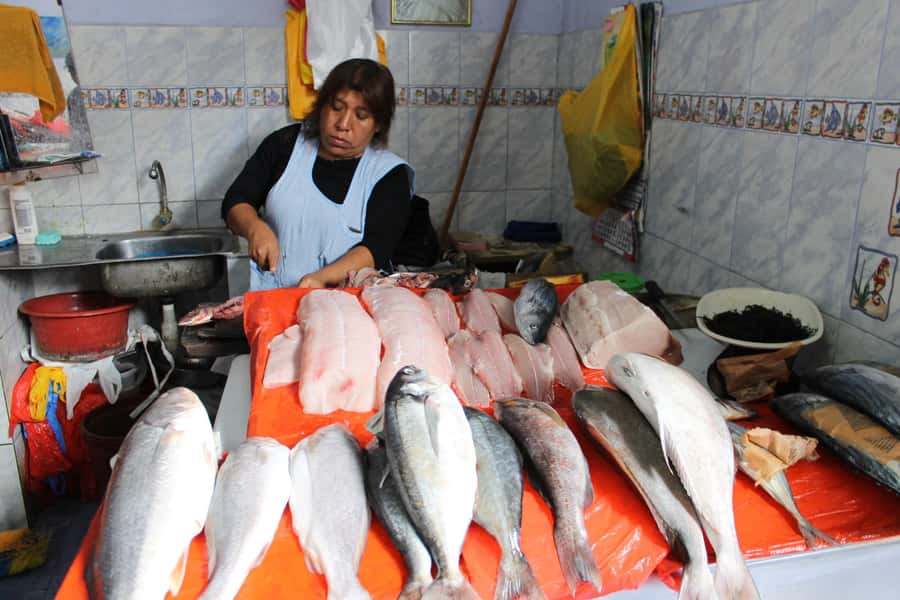
- Surquillo Market Nro 1 only: make sure you’re at Mercado 1 de Surquillo, not the other nearby market numbers.
- 35+ fruit samples: you get more than bites—you get context about the ingredients, including Andean plants and seeds.
- Pisco sour + cuisine intro: you taste one and learn the connections between fruit, herbs, and Peruvian dishes before you start cooking.
- Cook-and-eat flow: each dish is prepared by you, then you eat it right away (no waiting for the whole menu).
- Dietary accommodations if you tell them early: vegetarian, vegan, lactose, and gluten are mentioned as manageable with advance notice.
Entering Surquillo Market Nro 1: the ingredient lesson starts here
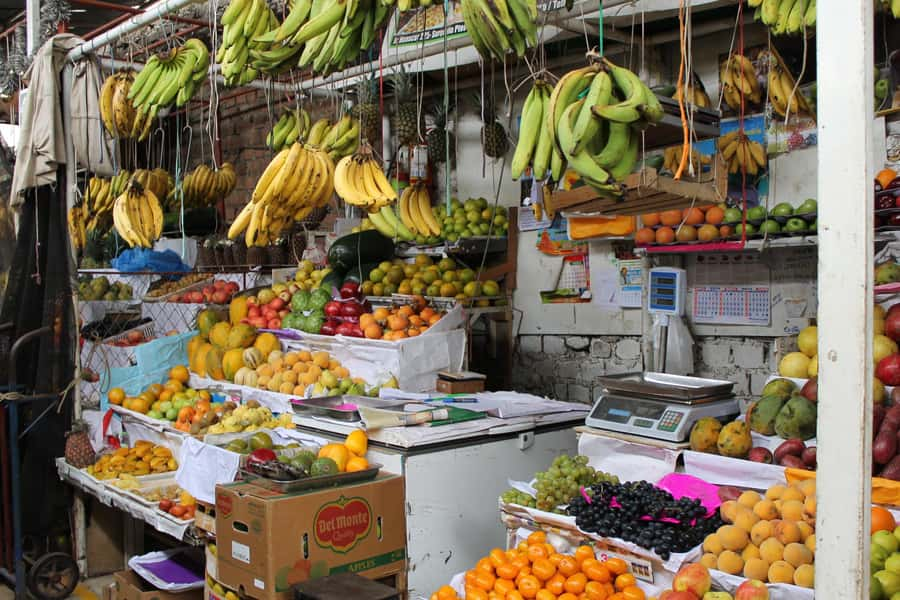
Your day kicks off at Mercado 1 de Surquillo, at the main entrance below the big sign saying Mercado 1. This is the kind of meeting point that’s easy to get wrong, so treat it like a checklist: you want the market with number 1 in the name, not one of Surquillo’s other market locations.
Logistics matter here because the market time is about 50 minutes. That’s long enough to learn how vendors think and how ingredients move through the day, but short enough that you’ll want to stay alert and ask questions early. If you’re using ride-share, you can enter Mercado 1 de Surquillo in the search box. If you’re taking a traditional taxi, use Estación Ricardo Palma as the reference point—drivers know it, and you’ll be able to spot the area from there.
The market is located on block 53 of Paseo de la República, next to Estación Ricardo Palma, and it’s about a 10-minute walk from Ovalo de Miraflores. This makes it practical even if you’re staying in Miraflores and don’t want to spend half your day commuting.
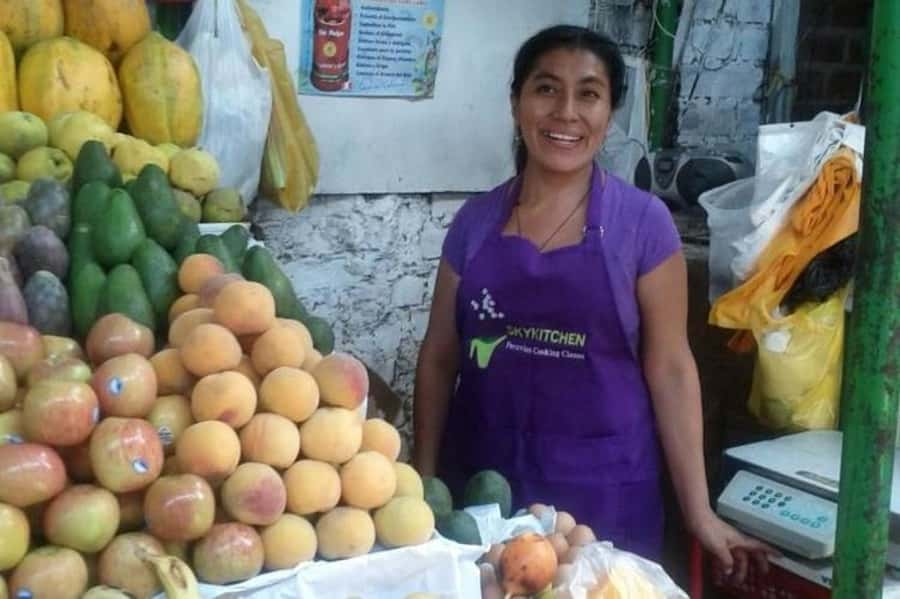
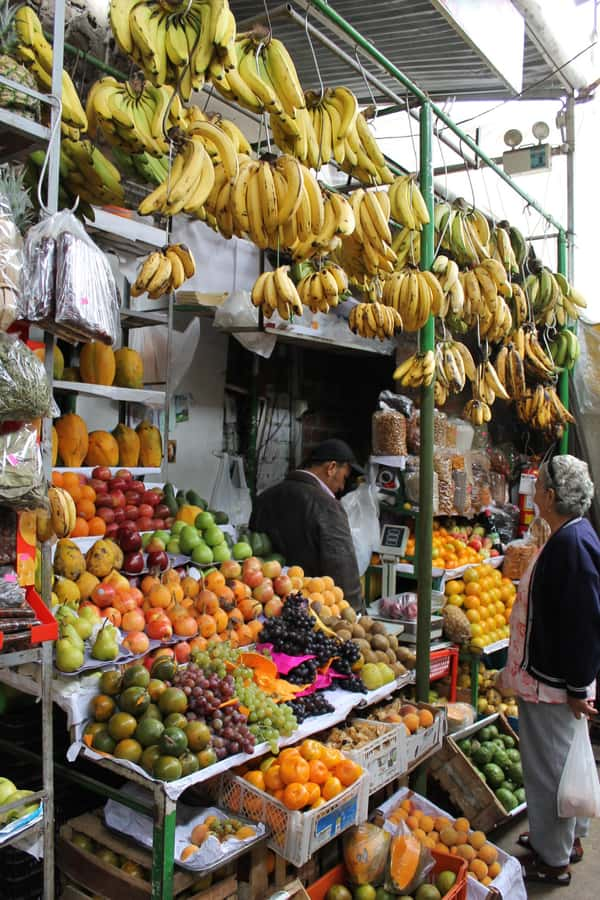
Inside the market, your guide focuses on what you’re looking at and how it shows up in Peruvian food. Expect explanations that go well beyond fruit: vegetables, legumes, herbs, meats, fish, seafood, quinoa varieties, and little-known plants, roots, and seeds from the Andes. Even if you’ve had Peruvian cuisine before, this ingredient tour helps you read menus differently later.
Why this stop is valuable: most cooking classes start with a kitchen. This one starts with the pantry you’d otherwise never see. You get the names, the textures, and the logic behind what ends up on your plate.
You can also read our reviews of more tours and experiences in Lima.
The 35+ fruit tasting: how Lima turns fruit into a whole meal idea
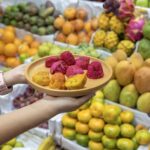
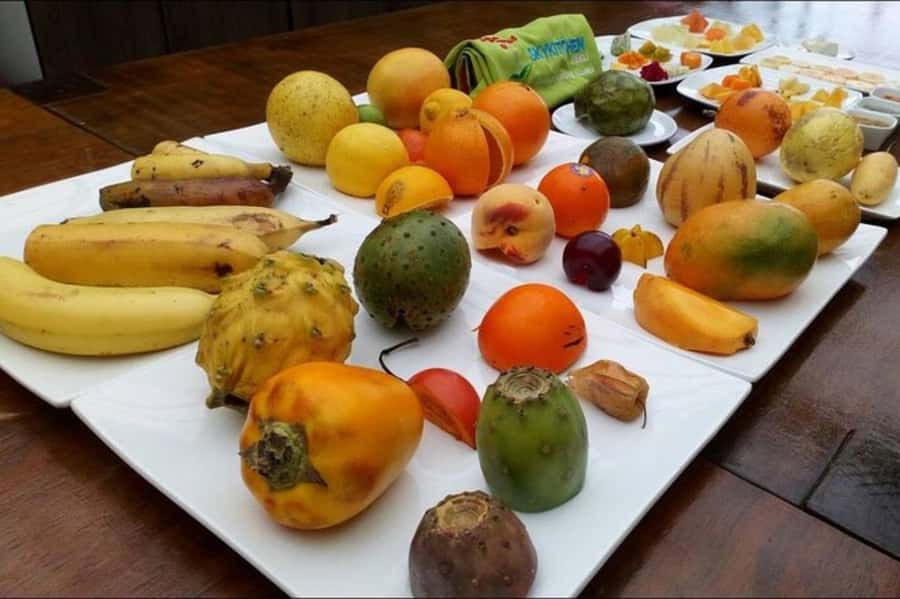
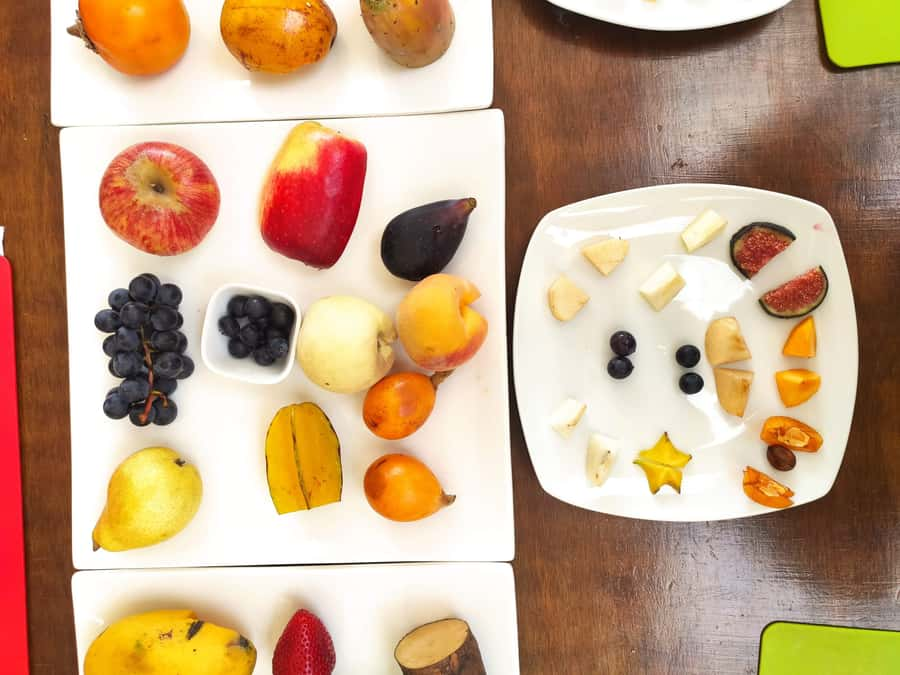
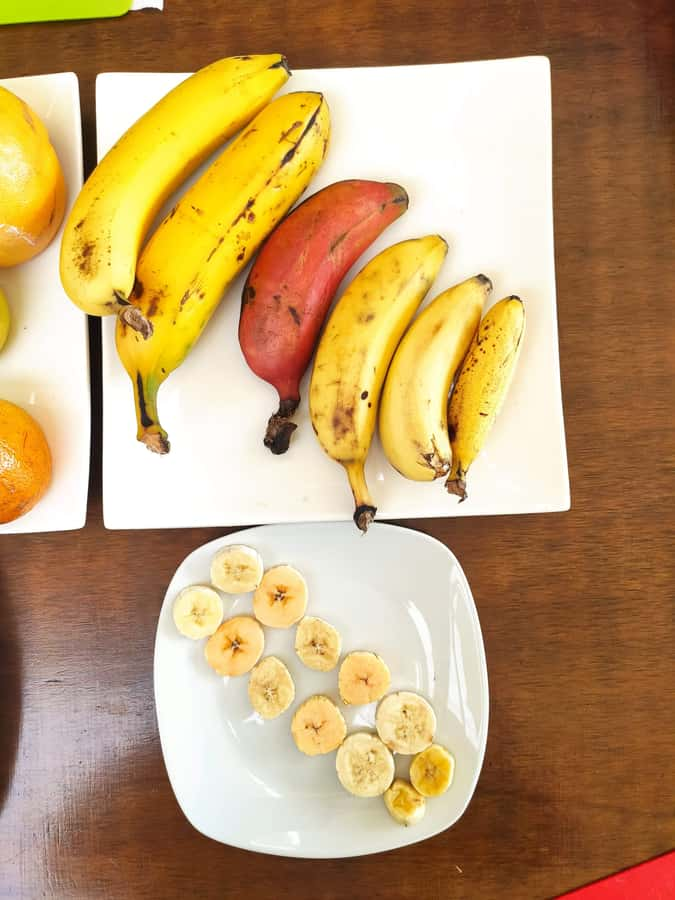
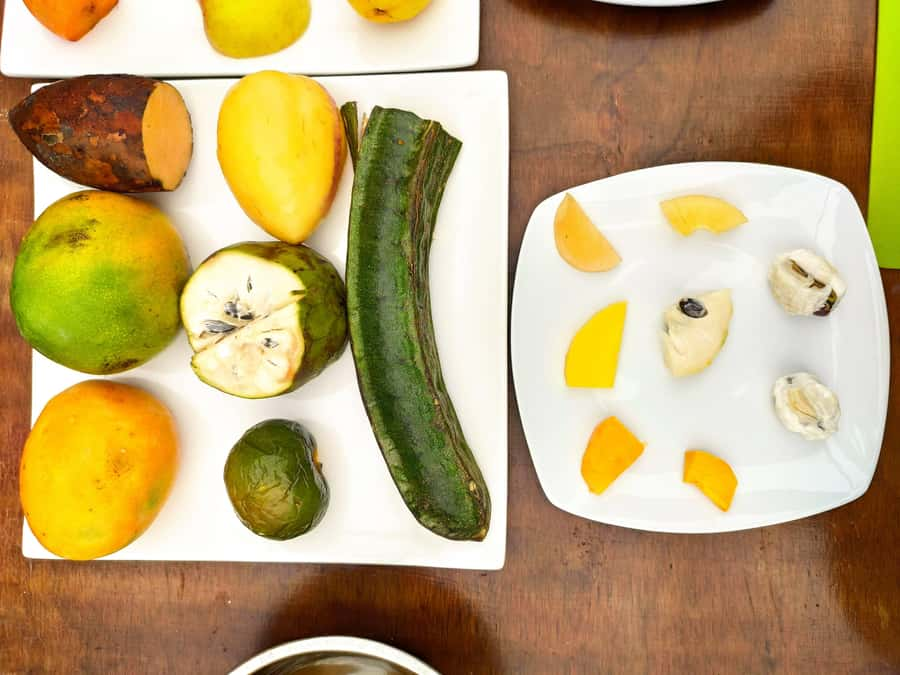
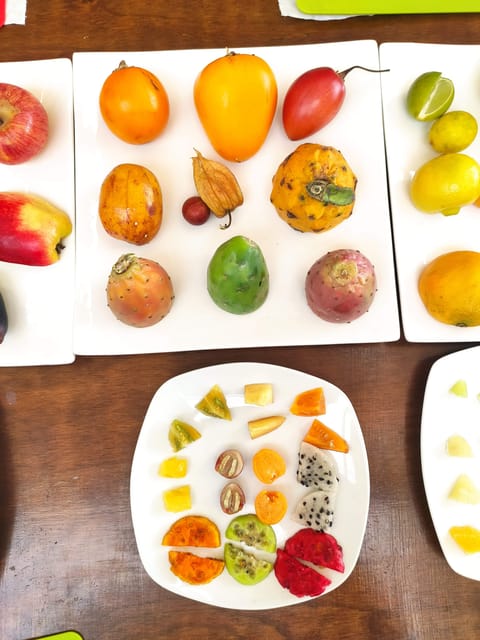
After the market walk, the experience shifts from looking to tasting. You’ll get 35+ fruit samples, served as a tasting spread, and the goal isn’t just to try everything. It’s to taste, then connect the flavors to how Peruvian cuisine uses fruit, herbs, and other ingredients.
Here’s the part I think you’ll appreciate most: you’re tasting a range of fruit types, not just the common ones. That matters because exotic fruit can be easy to overhype if you don’t know how people actually use it. With your guide’s explanations in the mix, you start noticing patterns—how some fruits skew sweet and bright, some feel more floral, and others show up better as drinks, sauces, or flavor bases.
Also, tasting comes before cooking, so your senses get trained early. When you later chop, mix, and cook, you’ll be working with flavors you already recognize. That makes the class feel less like following steps and more like building something from ingredients you understand.
A small practical note: with 35+ samples, you’ll likely want to pace yourself. Sample bites add up fast, especially since water and juice are part of the day. The upside is you won’t walk into the cooking section feeling empty or clueless.
Pisco sour and the Peruvian cuisine intro: setting up your meal
Once the fruit tasting is underway and you have your drink, the class includes an introduction to Peruvian cuisine. You’ll sip 1 pisco sour while you get that overview.
This isn’t just about taste. The timing helps: you’re learning the “why” at the moment your palate is already awake. Your guide sets the tone for what you’re about to cook and how these ingredients show up across Peruvian flavors and techniques.
A key detail for planning: the package explicitly includes the pisco sour. If you avoid alcohol, you should ask the provider ahead of time whether an alternative is possible, since the listing states one pisco sour is included.
Also note that you’ll be offered water throughout the class and a homemade fruit drink served with the food. That makes the whole day easier to manage in Lima’s heat—hydration isn’t something you need to remember to buy.
Hands-on 4-course cooking: you cook, you eat, you talk between courses
This is where the experience becomes more than a tour. After the market and tastings, you move to the kitchen (there’s transportation from market to class included). Then you jump into a hands-on cooking class where you prepare a 4-course Peruvian meal.
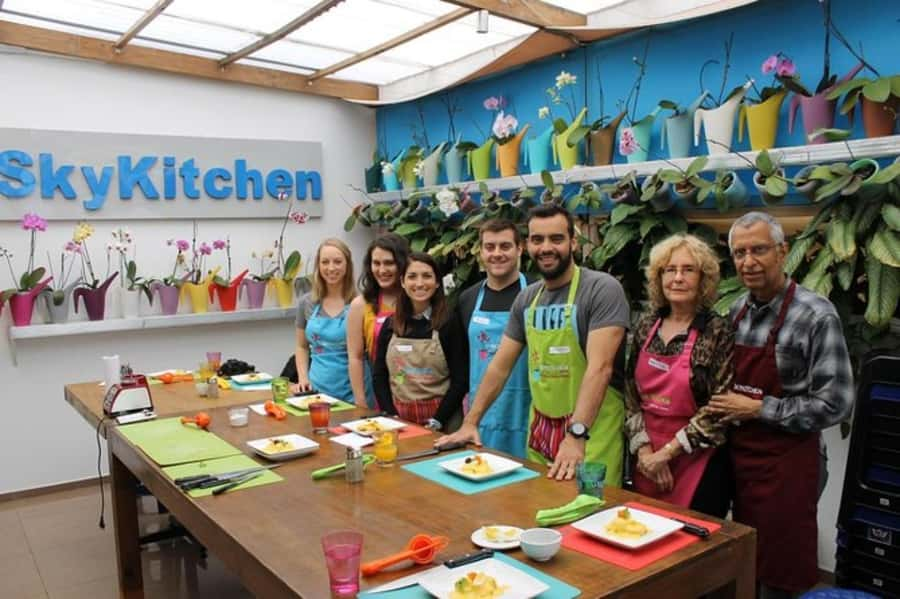
What I like about the setup is the pace. You won’t just prepare dishes in sequence and eat later. Instead, once a dish is ready, you enjoy eating it right away with the group. That means you get immediate feedback from your own effort—and you can talk with the instructor while they get ingredients ready for the next course.
For a practical cook-and-learn day, that matters. It keeps energy up and helps you connect your chopping and cooking steps to the final result. It also means you’re not stuck waiting around hungry while the rest of the class finishes.
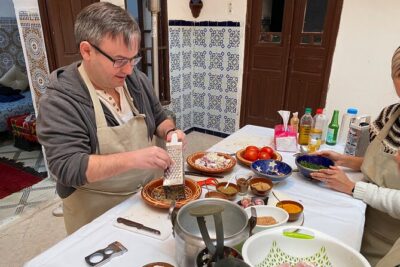
Your guide/instructor will walk you through the process—chopping, mixing, and cooking—while you’re wearing aprons and using kitchen tools provided for the class. You’re not expected to bring anything fancy, and you shouldn’t feel like you’re borrowing someone else’s kitchen.
One more value point: you’re not just learning recipes. You’re learning techniques you can translate at home—how to handle ingredients, how to build flavor, and how the course structure works.
Because the exact menu isn’t listed in the info I received, I won’t guess at specific dishes. But you can count on a true Peruvian 4-course lunch format, with each course made from ingredients covered earlier during the market tour and fruit tastings.
What’s included (and why the value feels real)
For $120 per person, the value is strongest when you look at the whole package, not a single line item. You’re paying for:
- a guided Surquillo Market visit (about 50 minutes),
- 35+ fruit samples,
- transportation from market to the class,
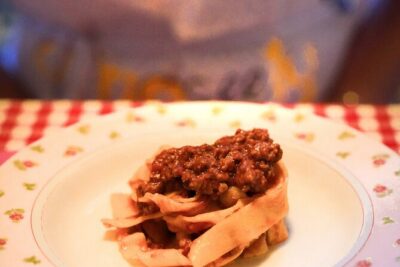
- a 4-course meal you cook and then eat,
- unlimited water during the class and a homemade fruit drink served with the food,
- 1 pisco sour,
- ingredients, plus an instructor and kitchen guidance.
What you’re not paying for (and should plan around): beer and wine are for purchase, and the aprons/tools are provided during the class but not included to take home (they may be available for purchase).
In other words, your money goes into ingredients, instruction, and the time structure that keeps the day moving. If you’d rather spend your time sampling fruit on your own and searching for recipes later, then it’s less of a “need.” But if you want a guided, hands-on Lima food education in one afternoon, this pricing starts to make sense.
Based on the included format—and on the way the experience is described—it also comes across as a “small-group, do-the-work-yourself” kind of class, not a passive cooking show.
Transportation, timing, and how to keep the day stress-free
This experience runs 330 minutes (about 5.5 hours). That’s long enough for the market tour, fruit tasting, and a full 4-course cooking block with eating time. To make it feel easy instead of tiring, treat the day like a focused activity rather than something to stack with other plans.
Here’s what helps most:
- Start by arriving at Mercado 1 de Surquillo at the right entrance location (main entrance below the big Mercado 1 sign).
- If you’re coming by taxi, use Estación Ricardo Palma as your anchor.
- If you’re staying near Miraflores, know it’s roughly a 10-minute walk from Ovalo de Miraflores.
- After the market, you don’t have to figure out the next leg—you’re taken to the kitchen.
One practical consideration: with fruit tasting plus a multi-course meal, come hungry but pace yourself. The fruit samples are part of the day’s learning and enjoyment, but they add up.
Dietary needs and language options you can actually plan around
This tour is set up to handle common dietary needs, as long as you tell them ahead of time. The info you provided says they can accommodate vegetarian, vegan, lactose, and gluten restrictions when you notify them in advance.
That’s a big deal for food tours, because “we can try” often turns into disappointment. If you have any restriction, write it clearly when you book and confirm it directly with the provider.
Language-wise, your instructor is listed as available in English, Spanish, or German. That’s worth noting because market and cooking instruction can get lost if you’re not comfortable. Choose the language that matches your comfort level.
Who should book this Lima market tour and cooking class
This is a strong fit if you want:
- a guided walk through Surquillo Market focused on real ingredients,
- a structured fruit tasting experience with explanations,
- the chance to cook a 4-course Peruvian lunch and eat it as you go,
- an activity that uses a small-group style for more interaction.
It’s also a great match if you like food learning that you can repeat. The real takeaway isn’t just what you ate—it’s how the ingredients connect, and how you can shop and cook with more confidence later.
If you’re the type who gets overwhelmed by lots of steps in a kitchen, this might still work because the instructor leads you through chopping, mixing, and cooking. Just remember it’s a hands-on class, so your participation matters.
Should you book it? My quick decision guide
Book this if you want a single afternoon that combines market education, fruit tasting, and a hands-on Peruvian meal you can actually replicate at home. The mix of 35+ fruit samples, a pisco sour, and a cook-and-eat 4-course lunch is a lot to pack into one session, and it’s exactly why the day can feel satisfying instead of scattered.
Skip or rethink it if you prefer to explore markets on your own without structured tastings, or if you don’t want alcohol included in the package. If alcohol is a concern, ask before booking.
If you do book, you’ll get the most out of it by showing up ready to taste, ask questions, and cook along with the group.
FAQ
Where do we meet for the market part?
You meet directly at the main entrance of Mercado 1 de Surquillo, below the big sign that says Mercado 1.
Which market should I choose in Surquillo?
Be sure it’s number 1: Mercado 1 de Surquillo. There are Surquillo markets 2, 3, up to 7.
How long is the experience?
The duration is 330 minutes (about 5.5 hours).
What happens during the market tour?
You spend about 50 minutes in the market with your guide, learning about ingredients such as fruits, vegetables, legumes, herbs, meats, fish, seafood, quinoa varieties, and other Andean plants, roots, and seeds.
Is there fruit tasting?
Yes. You’ll taste 35+ different exotic fruits after the market tour.
What do I cook, and how many courses are there?
You prepare a 4-course Peruvian meal. As each dish is finished, you eat it right away with your group.
What drinks are included?
Unlimited water is included during the class, and there’s a homemade fruit drink served with the food. The experience also includes 1 pisco sour.
Are dietary restrictions possible?
They can accommodate common restrictions such as vegetarian, vegan, lactose, and gluten if you let them know ahead of time.
What’s included in the cooking materials?
Aprons and kitchen tools are provided during the cooking class. You cannot take the aprons/tools home, though they may be available for purchase.
Is free cancellation available?
Yes. You can cancel up to 24 hours in advance for a full refund.