REVIEW · INDONESIA
Lombok Traditional Pottery Experience and Village life
Book on GetYourGuide →Operated by POTTERY LOMBOK SASAK · Bookable on GetYourGuide
Clay, coffee, and village hospitality.
In Lombok’s Sasak pottery village, I love how handmaking clay turns into an easy, step-by-step afternoon with artisans and a real family home vibe. The big heads-up: your pottery needs 2 days drying and firing, so the best results are either shipped or prepared for later pickup, not finished instantly.
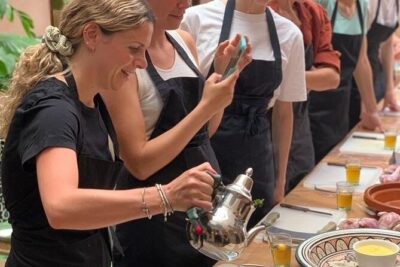
The second thing I really like is the food part. You’ll cook alongside local family members in the village kitchen, using fresh ingredients, then eat in a warm, welcoming setting that feels less like a show and more like being invited in. You’ll probably meet Dein and spend time chatting about pottery history and village life, not just passing through.
If you’re picky about logistics, note there’s no hotel pickup listed and the meeting spot is specific. Still, if you want a hands-on Lombok day that goes beyond a souvenir stop, this hits the mark.
In This Review
- Key Highlights Worth Clearing Time For
- Why Lombok Pottery Here Feels More Like Village Life
- Getting There: Dawa Pottery Studio and the Village Setting
- The 2-Hour Pottery Workshop: What You’ll Actually Do
- Clay work, step-by-step
- Language support that helps you follow along
- Wear-it-dirty practical prep
- Safety and clear boundaries
- What Makes the Pottery Part Special: Sasak Craft + Real Instruction
- Drying, Firing, and Taking Home Your Pieces
- The Cooking Segment: Food You Help Make in a Village Kitchen
- Vegetarian options
- The People Factor: Dein, Family Hospitality, and Village Chat
- Price and Value: Why $21 Can Be a Great Deal
- Who Should Book This (and Who Might Think Twice)
- Tips to Get the Most Out of Your Day
- Should You Book This Lombok Traditional Pottery and Village Life Experience?
- FAQ
- How long is the Lombok pottery and village life experience?
- Where is the meeting point for the workshop?
- Do I need any prior pottery experience to join?
- What should I bring and wear?
- Is the cooking and meal included, and are vegetarian options available?
- What is included in the price?
- Can I take my pottery home, and how does drying and firing work?
- Is it wheelchair accessible, and is it safe for children?
Key Highlights Worth Clearing Time For
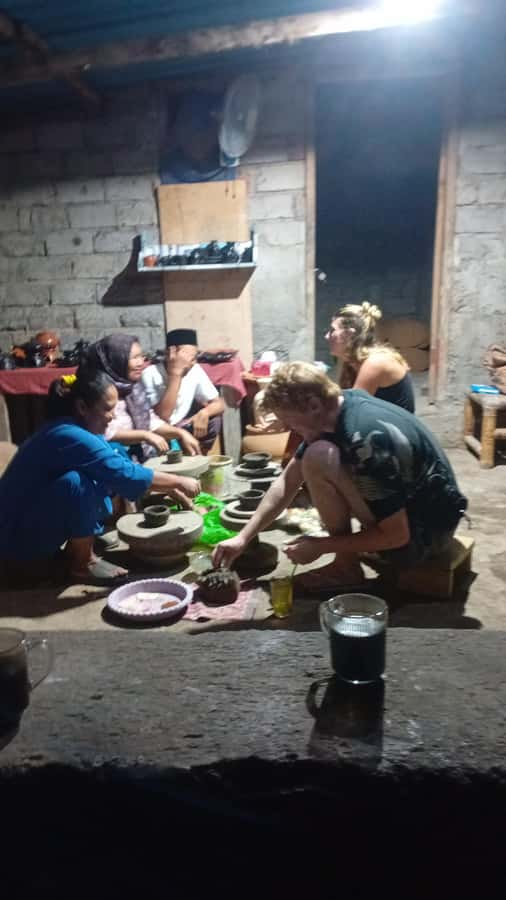
- Hands-on Sasak pottery instruction in a traditional village setting, with tools and materials provided
- Make-your-own pieces with time-honored shaping, smoothing, and design steps (beginner friendly)
- Cooking with local family members using fresh, village ingredients, then enjoying the meal together
- You pack light, but go home with art: pottery drying and firing happens after your session, with shipping included
- English guidance plus English/Indonesian support so you can follow the process and ask questions
- Real village interaction with Dein’s family and the kind of hospitality that sticks with you
Why Lombok Pottery Here Feels More Like Village Life
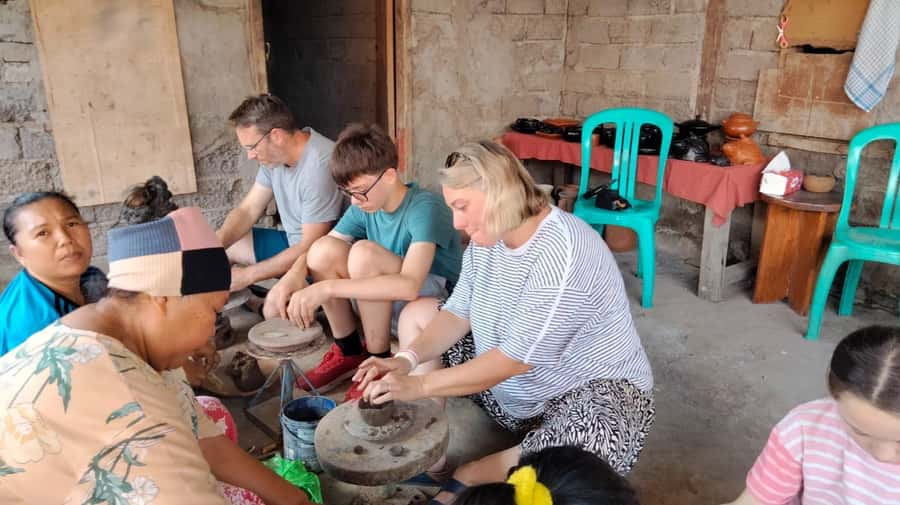
This workshop works because it doesn’t treat culture like a backdrop. You’re in a small Lombok village environment where pottery isn’t just a craft—it’s part of daily rhythm and community knowledge passed down by artisans.
The design of the experience also makes sense for real people. You’re not standing around watching. You’re shaping clay using simple tools, learning techniques in a guided way, and then putting your own decisions into the piece—how thick, how smooth, what pattern or form you try.
And then comes the part that often turns a workshop into a memory: the shared meal. Cooking alongside family members adds context. You see how people think about time, ingredients, and warmth—then you eat what you helped make.
You can also read our reviews of more tours and experiences in Indonesia.


Getting There: Dawa Pottery Studio and the Village Setting
Most people underestimate how much the meeting point matters, especially in rural areas. Here, you’re told to meet at Dawa Pottery Studio on dusun adong, across from an alfamart alley. You can identify it by a sign that says Dawa Pottery.
There’s no hotel pickup or drop-off included, so plan on getting yourself there. That’s not a dealbreaker, but it does change how you schedule your day. I’d treat this as a half-day activity with local travel time on both ends.
Once you’re there, the rest of the experience is village-focused. You’ll be guided to the traditional pottery setup and introduced to the artisans who teach the Sasak methods.
The 2-Hour Pottery Workshop: What You’ll Actually Do
You should think of the pottery class as a guided making session, not an art class where everyone ends up with the same look. The process is taught step by step, and the point is learning how to shape, smooth, and design with clay using traditional techniques.
Clay work, step-by-step
You’ll work with instructors who guide you through:
- forming clay into your chosen shape
- smoothing the surface
- adding your own design touches
If you’re a beginner, this matters. There’s no prior experience required, and the workshop approach is built around helping you succeed during the time you’re present.
Language support that helps you follow along
The instructor is listed as English, and guidance is available in English/Indonesian. That means you should be able to understand the key steps and ask questions without feeling lost.
Wear-it-dirty practical prep
You’ll be handling clay, so plan your outfit accordingly:
- comfortable clothes you don’t mind getting dirty
- something you can move in easily
This isn’t a fancy studio where you feel like you must stay pristine. It’s a working village craft session.
Safety and clear boundaries
A couple of rules are listed:
- nudity isn’t allowed
- it’s safe and suitable for all ages with parental guidance for children
Also, if you’ve been diving recently, pay attention. The activity is not suitable for people diving up to 24 hours prior.
What Makes the Pottery Part Special: Sasak Craft + Real Instruction
Plenty of “make something” experiences teach you a trick and send you on your way. What’s different here is the Sasak craft context. You learn through traditional methods shaped by generations of local artisans, not through a generic pottery demo.
And the workshop pace fits the medium. You aren’t trying to rush perfection in 30 minutes. You’re taught how clay behaves and what the craft process requires—especially because pottery doesn’t end when you stop forming it.
That last point leads directly to the biggest practical consideration.
Drying, Firing, and Taking Home Your Pieces
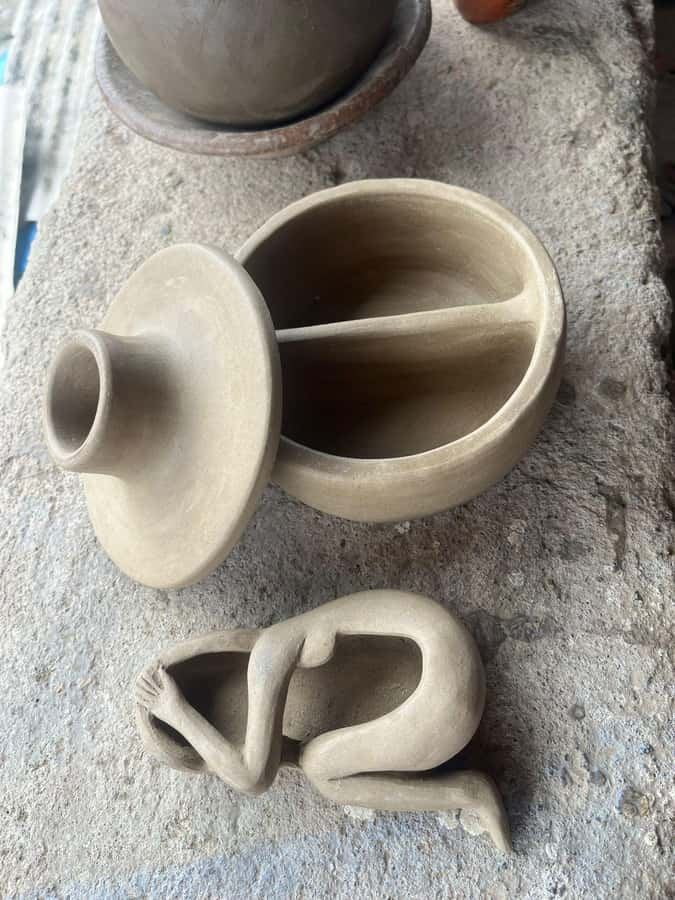
Here’s the part to plan around: your pottery requires 2 days for drying and firing. That means you can’t expect everything to be fully finished at the end of the 2-hour workshop.
The good news is the experience includes shipping of your pottery. It also notes that items can be taken home direct, but the presence of drying and firing makes it clear that at least part of the process continues after your session.
In practice, this is exactly what makes the experience good value for your time. You’re not spending your vacation babysitting fragile greenware. Instead, the studio handles the next steps and you can receive your finished pieces later (shipping is included).
The Cooking Segment: Food You Help Make in a Village Kitchen
If you’re wondering whether the meal is real or just added for show, this is one of the strongest points of the experience.
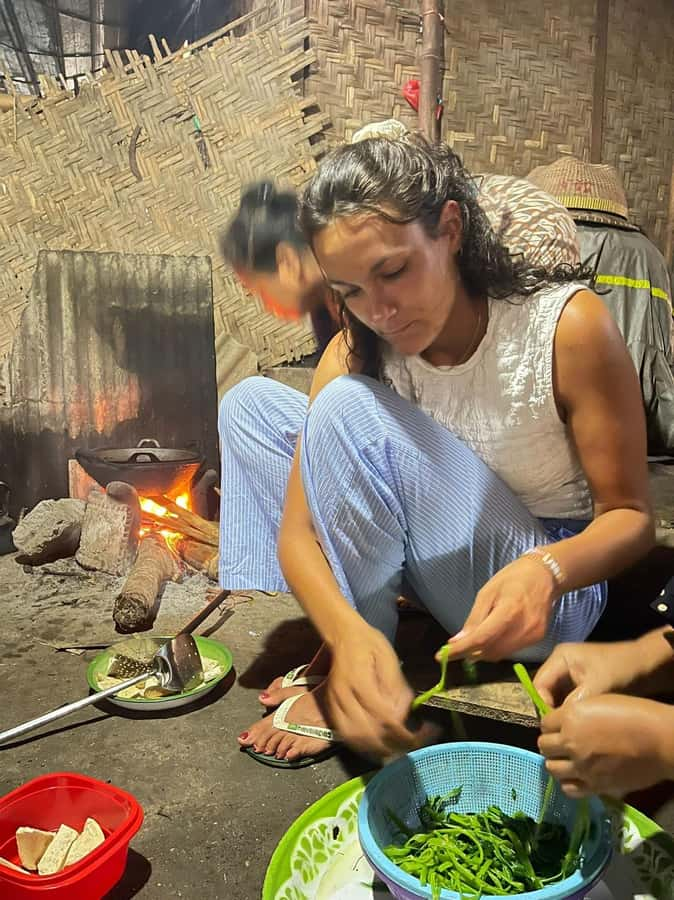
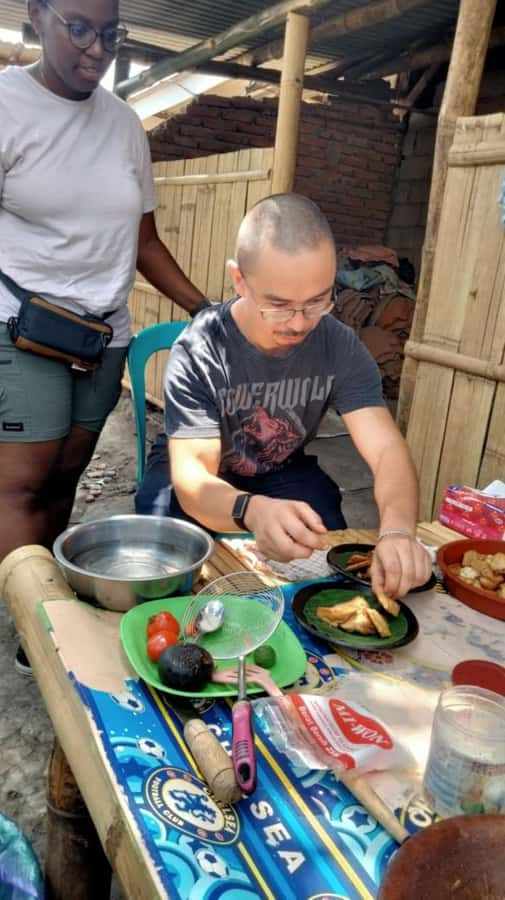
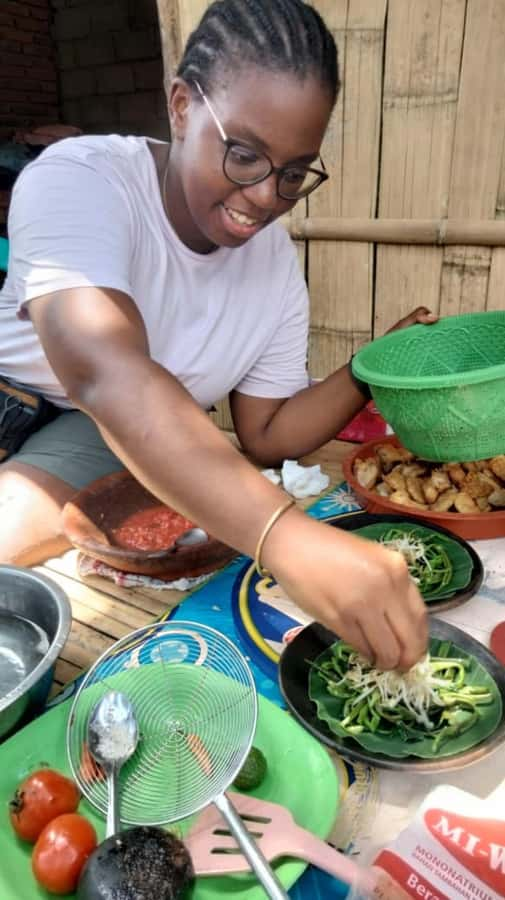
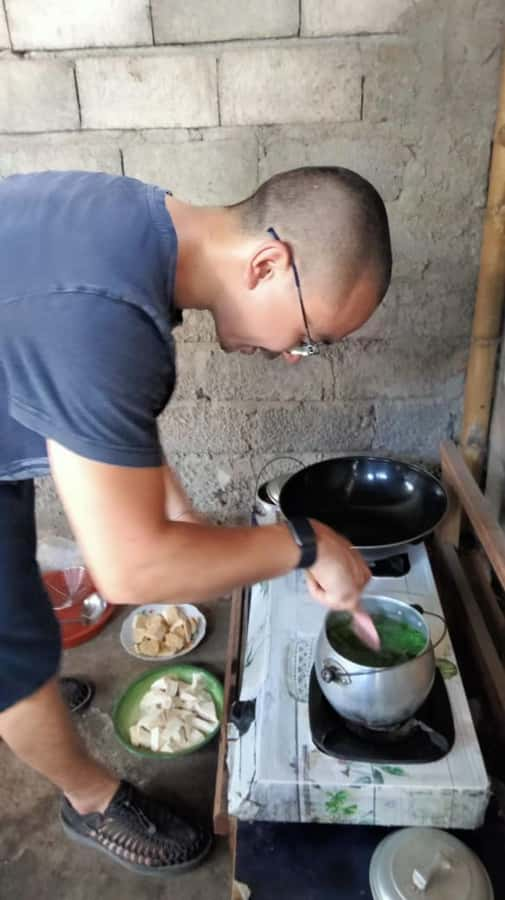
After pottery, you’ll be taken to the kitchen area where you cook alongside local family members. The ingredients are described as fresh and local, and the cooking is part of the cultural experience, not an afterthought.
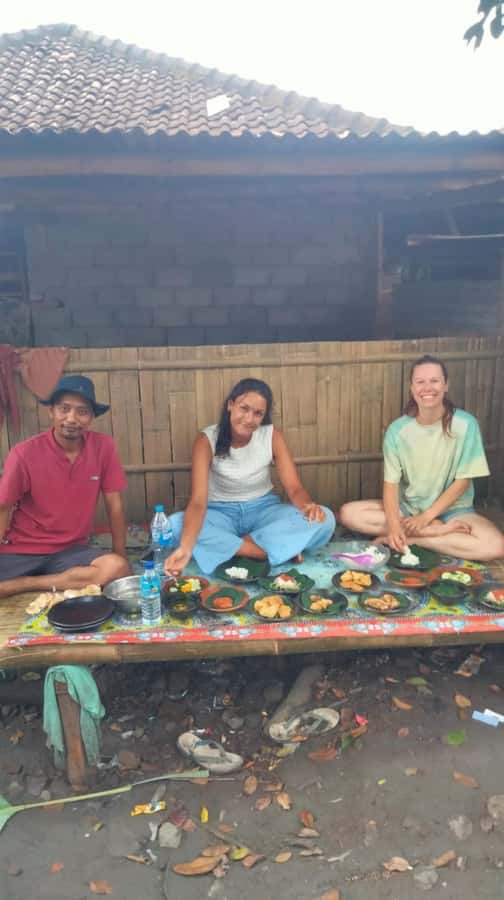
One of the most memorable details tied to the kitchen portion is that the shared meal can be eaten by hand, which turns the food into an experience in its own right. It’s also one of those moments where the hospitality is easiest to feel—people aren’t rushing you out; they’re making space for you to join in.
Vegetarian options
If you eat vegetarian, that’s supported. Vegetarian options are available upon request.
I’d message your preference ahead of time so the kitchen can plan around it.
The People Factor: Dein, Family Hospitality, and Village Chat
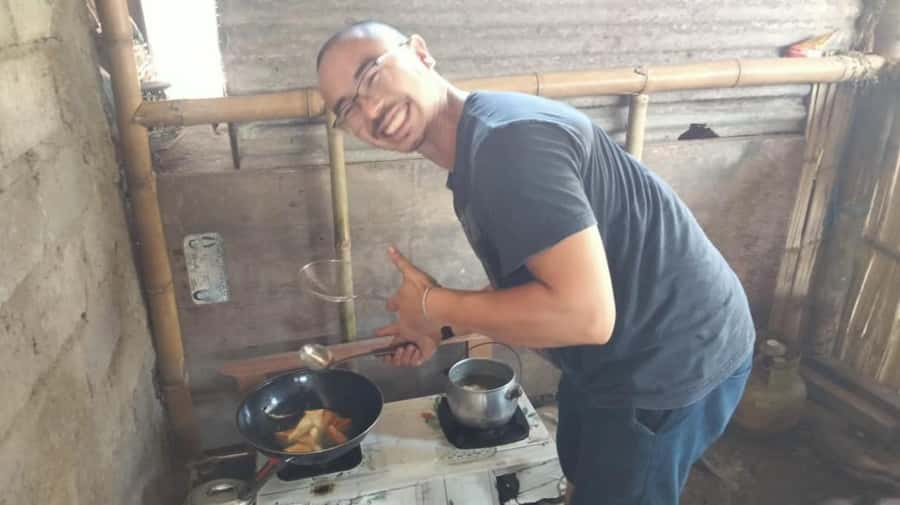
This workshop has a strong human center. Multiple accounts emphasize the warmth of Dein and his family, and that you’re not just working with an instructor—you’re being welcomed into village life.
You may also spend time learning about pottery history and village life through conversation, not just lecture-style explanations. That’s a key difference between watching culture from a distance and understanding it through how people actually talk about their craft.
Also, when English isn’t the only language in the room, it still tends to work. Laughter and shared gestures help the day flow even when not everyone speaks the same way.
Price and Value: Why $21 Can Be a Great Deal
At $21 per person for a 2-hour pottery and village life experience, the value is not just the craft. It’s what’s included alongside it:
- the pottery workshop with local artisans
- all tools and materials
- guidance in English/Indonesian
- shipping of your pottery
- cooking and a meal experience made with local ingredients
There’s also a clear boundary on what’s not included: additional food or drinks beyond the class.
So if you’re comparing this to other Lombok activities, the real question isn’t price alone. It’s whether you’re getting:
- true hands-on making time
- a village setting with local hospitality
- a food experience tied to community life
- shipping support for your finished pottery
This one checks those boxes.
Who Should Book This (and Who Might Think Twice)
This experience is a great fit if:
- you want a hands-on Lombok activity that feels local
- you enjoy pottery, art, or just learning practical craft skills
- you want to combine making something with eating real village food
- you’re traveling as a family or with teenagers (it’s listed as suitable for all ages)
You might think twice if:
- you need to leave with fully finished pottery the same day (drying and firing take 2 days)
- you don’t want to handle a specific meeting point and self-transport (no hotel pickup is listed)
- you recently went scuba diving (not suitable for diving within 24 hours)
Tips to Get the Most Out of Your Day
A few small choices make a noticeable difference:
- Wear clothes that can get dirty. Clay is messy. Embrace it.
- Bring a simple routine: water bottle if you like, and plan for coffee/tea/snacks as part of the flow (some participants note coffee/tea and snacks early in the day).
- Ask about your pottery pieces before you leave so you understand what will be shipped vs. taken directly.
- If you have dietary needs, request vegetarian options ahead of time.
Should You Book This Lombok Traditional Pottery and Village Life Experience?
If you want a Lombok day that feels like meeting people and learning a real craft, this is an easy yes.
Book it if you like practical learning—hands on pottery shaping, then cooking with family, then eating what you helped make. The included guidance and shipping support also mean you don’t have to solve pottery logistics on your own.
Skip it or plan carefully if you expect finished pottery immediately, or if you rely on hotel pickup for every activity. Also take the diving restriction seriously.
FAQ
How long is the Lombok pottery and village life experience?
The experience lasts 2 hours. Starting times depend on availability.
Where is the meeting point for the workshop?
Meet at Dawa Pottery Studio on dusun adong, across from an alfamart alley. Look for a sign that says Dawa Pottery.
Do I need any prior pottery experience to join?
No prior experience is required. The workshop is designed for beginners.
What should I bring and wear?
Wear comfortable clothes that you don’t mind getting dirty, since you will be working with clay and cooking.
Is the cooking and meal included, and are vegetarian options available?
Yes, the experience includes cooking as part of the village program, and vegetarian options are available upon request.
What is included in the price?
The price includes the pottery workshop with local artisans, all tools and materials, guidance in English/Indonesian, and shipping of the pottery. Additional food or drinks beyond the class are not included.
Can I take my pottery home, and how does drying and firing work?
Your pottery requires 2 days for drying and firing. The activity includes shipping, and it also notes that items can be taken home directly depending on how the pieces are handled after your session.
Is it wheelchair accessible, and is it safe for children?
Yes, it is listed as wheelchair accessible. It is safe and suitable for all ages, and children are welcome with parental guidance. The activity is not suitable for people diving up to 24 hours prior.