REVIEW · ZANZIBAR CITY
Zanzibar: Spice Farm Tour with Traditional Cooking Class
Book on GetYourGuide →Operated by Bluecity Tours Zanzibar · Bookable on GetYourGuide
Spices, then a cooking class in the fields. This Zanzibar trip pairs a spice farm walk with a real Swahili cooking session, so you don’t just smell herbs, you learn what makes them work in food. I especially like the focus on how spices are grown and harvested, plus the chance to chat while you eat what you helped cook. The main drawback to weigh is that the day can sometimes run shorter than the full 6 hours, so go in with a flexible mindset.
If you’re staying in Stone Town, the logistics are simple: pickup and drop-off happen around Stone Town hotels, and you’ll have a guide who explains what you’re seeing. I also like that the tour provides bottled water and entrance fees, which keeps the “what else will I need?” feeling under control. One consideration: you’ll want to bring cash because you may want to buy spices at the end, and you’ll be on your feet in the farm areas.
In This Review
- Key Highlights You’ll Remember
- From Stone Town to the Spice Farm: What the Timing Feels Like
- Three Parts of the Farm Walk: Seeing Spices, Not Just Hearing Them
- Planting and Harvesting Lessons: Why the Guide’s Explanations Matter
- Coconut Climber (Butterfly) and Young Coconuts: A Farm Moment Worth the Price
- Cooking Class at the Workshop: Cutting, Learning, and Eating Swahili Flavors
- Zanzibar’s Trade-and-Exploration Story: The Context Behind Spice Island
- What This Costs and Why It’s Still Good Value at $47
- Tips That Make the Day Smoother (and More Fun)
- Who Should Book This Spice Farm Cooking Tour
- Should You Book Bluecity Tours Zanzibar’s Spice Farm Cooking Class?
- FAQ
- Where does pickup and drop-off happen?
- What’s included in the price?
- How long is the experience?
- What languages is the tour guide available in?
- What spices will I see during the farm visit?
- Are there any restrictions during the tour?
Key Highlights You’ll Remember
- Three farm sections where you physically see how spices grow instead of just watching a slideshow
- Coconut climber (butterfly) plus young coconuts—an easy wow moment if it’s your first time seeing it
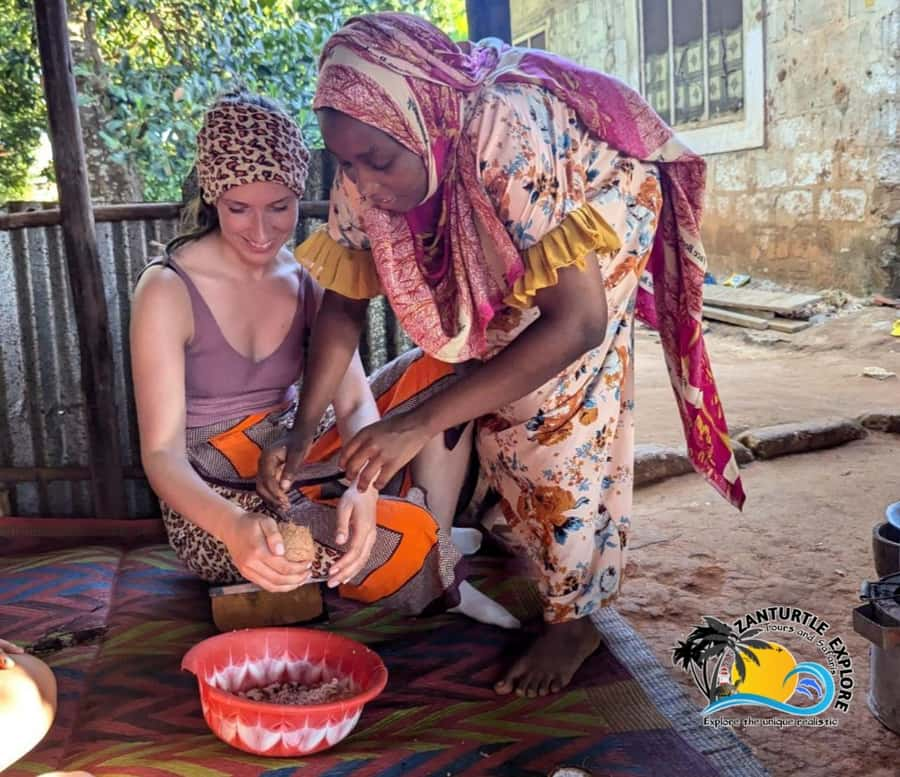
- A local woman chef workshop where you learn how to use ingredients and cook Zanzibar-style dishes
- Trade and exploration context that explains why Zanzibar became known as Spice Island
- Classic spices in the garden like cardamom, ginger, vanilla, coffee, nutmeg, cinnamon, and lemongrass
- On-site spice shopping with bargaining in mind if you want to take flavors home
From Stone Town to the Spice Farm: What the Timing Feels Like
This tour runs out of Unguja South Region, with pickup in Stone Town and return back there. You’ll typically spend about 6 hours total, but in real life the schedule can shrink. That matters because the value here comes from hands-on cooking and walking the farm—if timing gets tight, you’ll want to be comfortable with moving at a natural pace rather than expecting every stop to take the same time.
Transport is included for hotels around Stone Town, which saves you the hassle of arranging a taxi and figuring out where to meet. You’re also not guessing about basics: bottled water is provided, and there’s an entrance fee covered as part of the experience.
The day is designed to feel active but not punishing. Comfortable shoes are your best friend here, especially if the paths get uneven or you’re stepping on farm ground that’s not built for slick sandals. Also, remember the tour rules: alcohol and drugs aren’t allowed. It’s a family-run style of day, centered on food and learning, not partying.
You can also read our reviews of more tours and experiences in Zanzibar City.

Three Parts of the Farm Walk: Seeing Spices, Not Just Hearing Them
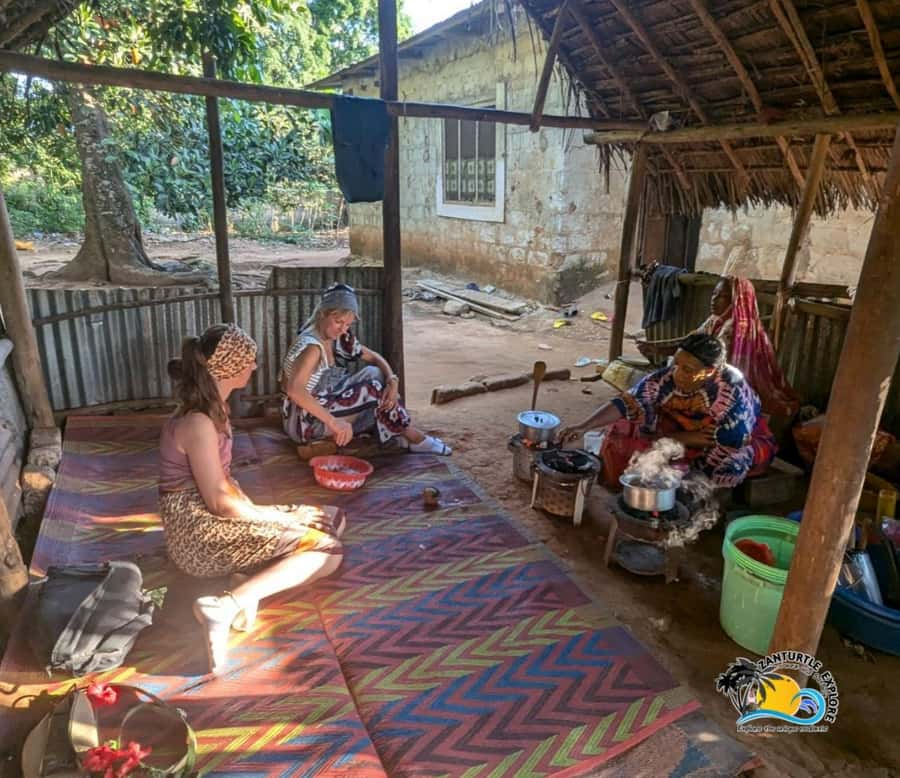
One of the strongest parts of this experience is that it’s not a single “look at one plant” stop. You visit three separate areas on the spice farm, and each one helps you understand how spices fit into daily life—both on the plants and in the kitchen.
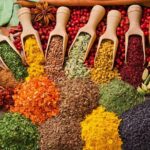
As you move through the farm zones, you’ll see a set of spices that Zanzibar is famous for: cardamom, ginger, vanilla, coffee, nutmeg, cinnamon, and lemongrass. The key is that you’re not only naming them. You get explanations from your local guide on how they grow and how long they take before they’re ready to use.
That timeline detail is what turns a fun walk into something more practical. When you understand that some plants take longer to mature, you stop treating spices like magic dust and start seeing them like crops with patience baked in. You’ll also get a sense of why Zanzibar’s spice trade mattered historically—because growing good spices is work, not luck.
Planting and Harvesting Lessons: Why the Guide’s Explanations Matter
A lot of tours list spices. This one teaches you what to look for and why, based on the guide’s explanations.
You’ll learn things like:
- what goes into planting different herbs and spice crops
- the basic rhythm of harvesting, meaning when they’re best for use
- why each spice has its own timing
This is especially useful if you cook at home. Even if you never grow spices yourself, these lessons change how you shop and store them. You start thinking about freshness, drying time, and what you’re actually tasting. That’s also why this tour can be more satisfying than a museum-style culture stop: you’re learning a living system.
And it’s not just theory. The day is physical. You’ll be moving between crops and seeing plants up close, which helps the names stick fast—especially for spices like lemongrass and ginger, where people often only know them from packages.
Coconut Climber (Butterfly) and Young Coconuts: A Farm Moment Worth the Price
There’s one farm feature that deserves its own spotlight: you’ll have a chance to see a coconut climber (butterfly) and also spot young coconuts.
If it’s your first time seeing the butterfly coconut climber, it’s one of those moments that makes the whole trip feel real. You’re looking at how people cultivate and work with plant life in a way that’s specific to this island environment. It’s not something you get from Zanzibar beach photos.
This part also adds variety to the spice theme. Spices are the headline, but coconuts are part of the same culinary world. They show up in Zanzibar food in ways you can taste later, which makes the farm walk connect directly to your meal.
Cooking Class at the Workshop: Cutting, Learning, and Eating Swahili Flavors
After the farm viewing, the experience moves into the cooking portion in a workshop setup. Here’s the important idea: the cooking starts from ingredients that have already been gathered and bought through the local women-run workshop process.
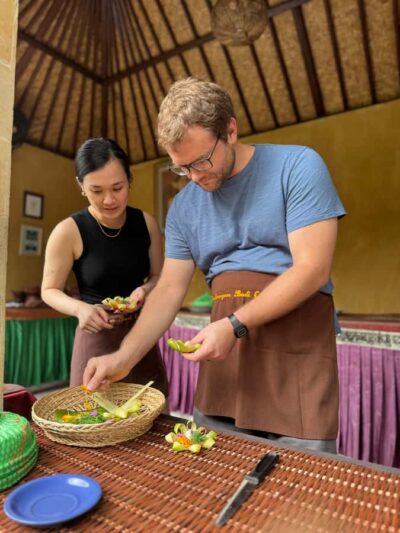
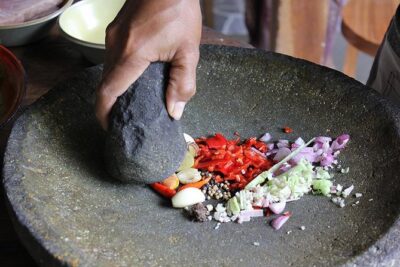
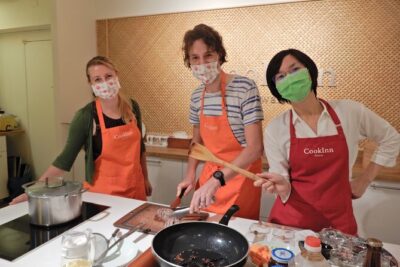
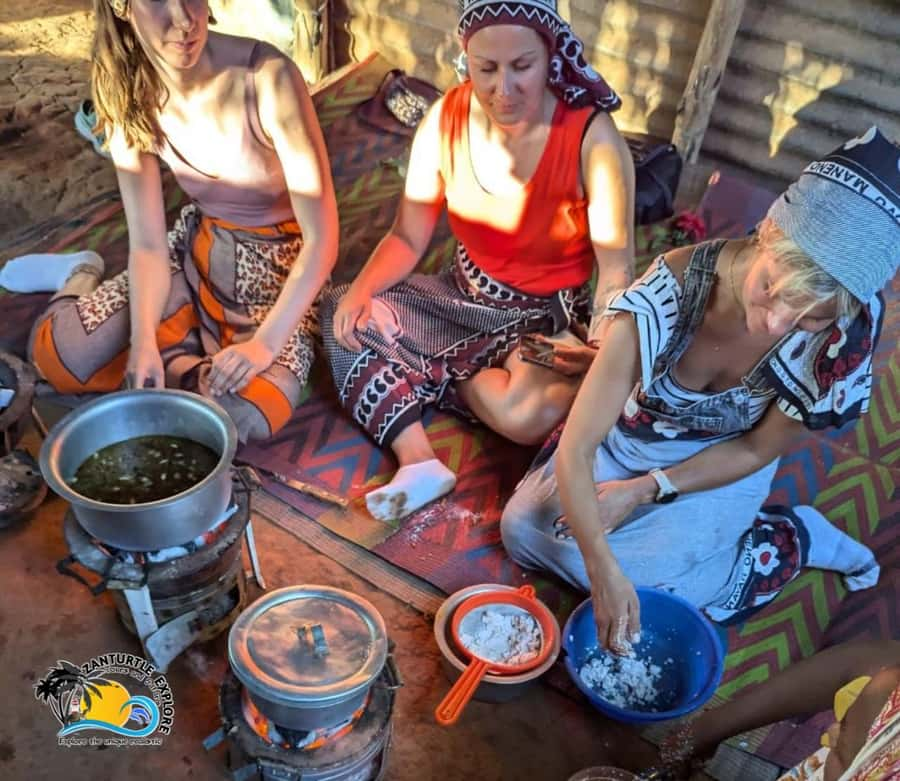
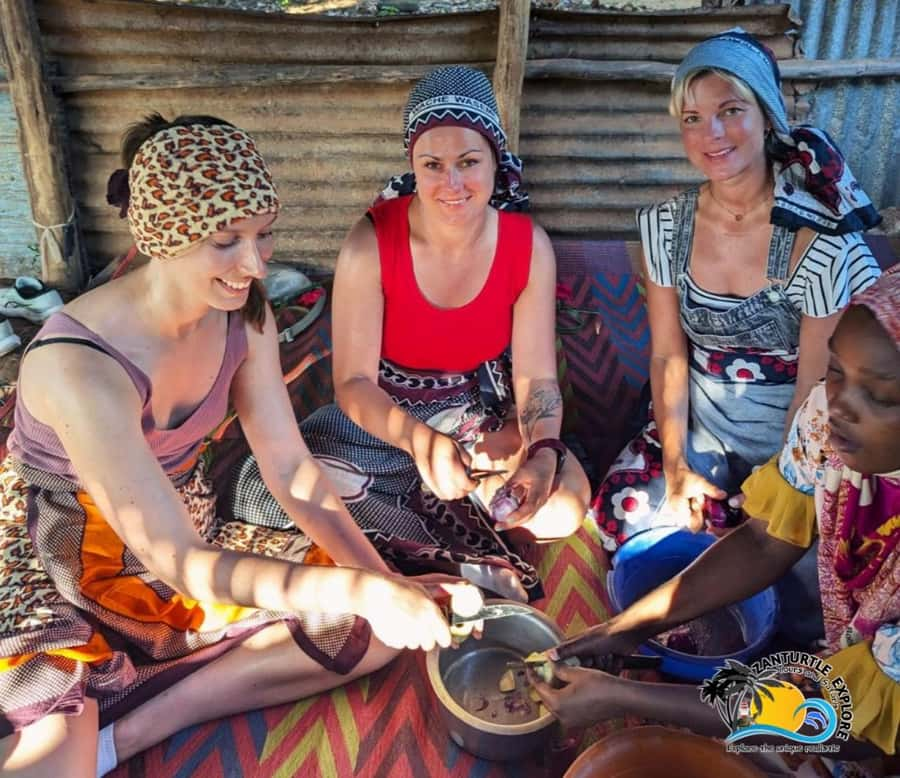
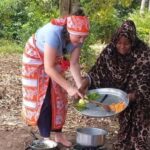
You’ll cook with a local chef figure, and you get instructions on how to use the items properly and how to prepare original Zanzibar-style cuisine. In practice, this means you’ll be doing more than watching. You’ll likely be cutting and preparing ingredients, not just standing by while someone else handles the work.
One cooking detail that comes up in the experience: you may get the chance to work on coconut milk as part of the process. That’s a big deal for two reasons. First, it turns a common ingredient into something hands-on. Second, it gives you a clearer sense of how the flavors build in Swahili cooking—layering, balancing, and using aromatics in a way that tastes different from bland coconut “cream” you might be used to.
While the meal cooks, you’ll have time for conversation with your chef and the people guiding you. That chat time is where Zanzibar’s food culture becomes personal. You’ll learn not only what goes in the dish, but how people talk about spice, taste, and cooking day-to-day.
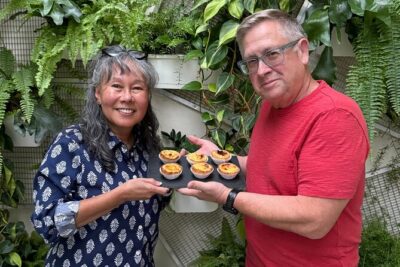
When you sit down to eat, it’s not a rushed buffet meal. You’re eating the results of your own participation, plus you can ask questions while things are fresh in your mind. It makes the whole day feel like a shared table, not a performance.
Zanzibar’s Trade-and-Exploration Story: The Context Behind Spice Island
The guide portion doesn’t treat spices like random souvenirs. You’ll get historical insight into a former era of trade and exploration, which helps explain why Zanzibar earned the nickname Spice Island.
This context matters because it changes how you interpret everything you see. If you only focus on the plants, the farm feels like a scenic activity. Add the trade story, and suddenly the farm feels like the source—like the reason spices traveled far beyond the island.
It also helps you understand the culinary side. Spices didn’t just change recipes. They changed routes, markets, and identities. That’s what makes this kind of tour feel more grounded than a simple tasting.
What This Costs and Why It’s Still Good Value at $47
At $47 per person for a roughly 6-hour day, the value comes from the mix: farm time + cooking time + guided learning + transport from Stone Town.
What you’re getting that reduces hidden costs:
- pickup and drop-off around Stone Town hotels
- entrance fees
- a tour guide
- bottled water
What you’re not getting:
- personal needs
So the real question isn’t whether $47 is cheap. It’s whether it buys you something you can’t easily recreate on your own. In this case, you’re paying for guided access to the working farm, the structured spice explanations, and the chance to cook Zanzibar-style food with local instruction.
For food lovers, that combination is the payoff. For photo-only travelers, it can feel like too much walking and too much learning. But if you want flavors with context, the math works.
Also, keep this in mind: when a tour runs closer to 3.5 hours instead of 6, the value shifts. It’s still often worthwhile if the core cooking and farm sections happen smoothly. Just build in some flexibility so a shorter day doesn’t feel like disappointment.
Tips That Make the Day Smoother (and More Fun)
A few practical moves can make your experience feel easier from start to finish.
Bring comfortable shoes. You’ll be on farm ground where you want grip and support.
Bring cash. If you want spices to take home, you’ll likely have an opportunity on-site. Spice shopping is often a negotiation game, so give yourself room to bargain and don’t treat the first price as a final answer.
Finally, set expectations that this is a family-style learning day. That means hands-on participation and conversation take priority over rigid timing.
Who Should Book This Spice Farm Cooking Tour
This tour is a strong match for you if:
- you love learning how food is made, not just tasting it
- you want a Zanzibar experience that’s countryside-based, not only Stone Town streets and beaches
- you enjoy farm visits where you can connect plants to cooking
You might choose a different option if you:
- want a purely relaxed sightseeing day with minimal walking
- hate negotiating or shopping pressure (even though shopping is optional, it’s part of the on-site atmosphere)
- strongly prefer a fully fixed schedule with no chance of timing changes
Should You Book Bluecity Tours Zanzibar’s Spice Farm Cooking Class?
I think this is the kind of tour that rewards curiosity. You come away knowing real spices by name and purpose, and you leave with food knowledge you can actually use. The farm walk adds context, and the cooking workshop turns it into something you taste while it’s still fresh.
My recommendation: book it if you’re in Stone Town and want an experience that connects Zanzibar’s plant life to Swahili food. Just be ready for a day that may feel shorter than advertised and bring the basics—good shoes and cash—so you’re not scrambling at the end.
FAQ
Where does pickup and drop-off happen?
Pickup and drop-off happen in Stone Town, with transport available around Stone Town hotels.
What’s included in the price?
The tour price includes transport (around Stone Town hotels), entrance fees, a tour guide, and bottled water.
How long is the experience?
The duration is listed as 6 hours.
What languages is the tour guide available in?
The live tour guide is available in English, French, Italian, and German.
What spices will I see during the farm visit?
You can expect to see cardamom, ginger, vanilla, coffee, nutmeg, cinnamon, and lemongrass.
Are there any restrictions during the tour?
Alcohol and drugs are not allowed.