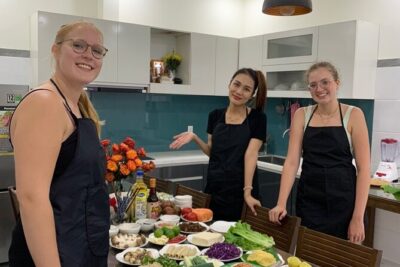
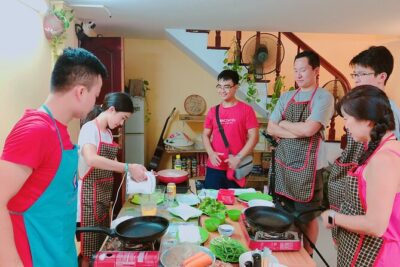
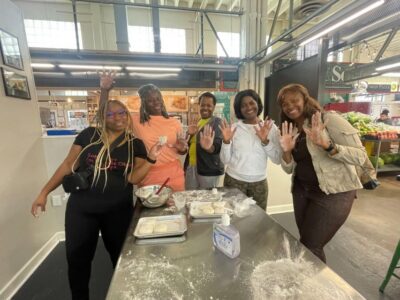
Pasta made in Cilento starts at the market. I especially love the coffee-led menu planning and the chance to learn with Nonna Maria instead of watching from the sidelines. You also get that slow, guest-in-a-private-home feeling from the terrace tastings through the family lunch.
One thing to consider: it’s only about 4 hours, so it’s more of a focused, hands-on culinary day than a long, full-til-sunset wine crawl. Also, since it requires good weather, plan around the possibility of a change if conditions are poor.
In This Review
- Key Highlights You’ll Want to Know
- Cilento Blue Zone Cooking Class: What Makes This Feel Real
- Coffee at Ubbìpò: Your Menu Starts With the Season
- Picking Ingredients at the Agropoli Market: The Ritual Part
- Nonna Maria’s Kitchen: What You’ll Really Learn About Handmade Pasta
- Mozzarella, Wines, Spritzes, and Limoncello on the Terrace
- The Family Table Lunch: A Long, Relaxed Southern Italian Meal
- Pickup, Small Group Size, and How to Plan Your Timing
- Price and 4-Hour Value: Is $216.91 Worth It?
- Who Should Book This Cilento Cooking Class?
- Should You Book This Market Ritual, Cooking Class & Family Table?
- FAQ
- How long is the Market Ritual, Cooking Class & Family Table experience?
- How much does it cost per person?
- Is pickup available?
- Where does the experience start?
- What time does it start?
- How many people are in the group?
- What happens if the weather is poor?
Key Highlights You’ll Want to Know
- Market coffee to shape your menu: You talk through seasonal produce and preferences before you shop.
- Agropoli market ingredient sourcing: You select what will end up in your dishes, straight from local stalls.
- Handmade pasta practice with Nonna Maria: Real technique, patient instruction, and family-style know-how.
- Terrace tastings with organic wines and limoncello: Food and drink land in the right order, with a relaxed pace.
- Family table lunch with what you made: A long, unhurried meal with a view and sea-breeze vibes.
- Small group, private feel: Maximum 10 travelers, so it doesn’t turn into a factory class.
Cilento Blue Zone Cooking Class: What Makes This Feel Real
Salerno gets a lot of attention, but this experience is pointed straight at Cilento, a region known for living the Mediterranean diet the everyday way. You’re not just learning recipes. You’re learning how people think about food: seasonal ingredients, sensible portions, and meals built around what’s available and what tastes best right now.
The structure matters. You start with conversations about the season and your menu. Then you choose ingredients together. After that, the kitchen becomes the center of gravity, with the focus on hands-on work and the kind of instruction you only get from someone who’s been doing it for decades. By the end, you’re sitting down to a family-style lunch that matches what you prepared, not a random set of dishes that could’ve happened anywhere.
And yes, this is designed to feel comfortable and unhurried. You’re treated like a guest in a real home rhythm—spritzes and views earlier, and then pasta, mozzarella, and wines as the day moves forward.
You can also read our reviews of more tours and experiences in Salerno.
Coffee at Ubbìpò: Your Menu Starts With the Season
The experience begins at Ubbìpò, and it starts like the best local meals do: with a coffee and a real discussion. Instead of being handed a fixed menu, you help shape what you’ll cook based on seasonal produce and your preferences.
I like this part because it sets expectations. Once you’ve talked about what’s in season and what you want, the market doesn’t feel like sightseeing. It feels like choosing ingredients with purpose. You’ll know what you’re looking for, and you’ll understand why those choices make sense for Cilento-style cooking.
This also explains the tone of the day. It’s not frantic. It’s not a rushed demo. You’re in a small group (up to 10), and the vibe is calm enough that you can actually ask questions—especially if you’re curious about Mediterranean diet staples and how they show up in Southern Italian meals.
Picking Ingredients at the Agropoli Market: The Ritual Part
After the coffee, you head out to the Agropoli market. This is where the Mediterranean diet stops being an idea and becomes a shopping list you can smell and touch.
You’ll walk through stalls with local guidance and select seasonal ingredients directly from producers. That matters because quality in this region is strongly tied to timing—what’s coming in now, what looks best, and what tastes best before it gets turned into something else.
A practical way to think about this: the market ritual is the difference between eating a nice meal and learning why the meal works. When you pick ingredients yourself, you’ll cook with confidence later. You’ll remember what you chose and how it behaves in the kitchen.
If you’re the type of traveler who loves food details—oil, herbs, produce quality, and the logic of simple combinations—this market stop is one of the best uses of your time in the area. And if you’re not a food nerd, it still feels rewarding because it’s tangible. You’re not stuck reading labels. You’re selecting items you’ll transform into pasta and lunch.
Nonna Maria’s Kitchen: What You’ll Really Learn About Handmade Pasta
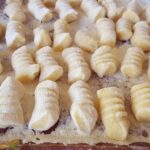
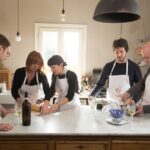
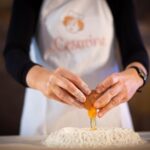
The heart of the day is in the kitchen with Nonna Maria. This is hands-on pasta making focused on real technique—watching, doing, and learning through the small adjustments that make a difference.
From the vibe described in guest experiences, Nonna Maria is patient and gives direction that makes the work click. That’s important. Pasta isn’t just about following steps. It’s about texture, timing, and feel. When instruction is gentle and thorough, you’re more likely to end up with something you’d actually be proud to repeat at home.
You can also expect that the day won’t be only about mechanics. You’ll pick up the family-style habits behind the food—intuitive gestures and the kinds of secrets passed down over generations. That’s the part you can’t get from a cooking video. You learn why people do things a certain way, not just what to do.
And here’s the practical win: even if you don’t leave with a perfect pasta shape, you’ll leave with enough understanding to improve fast. You’ll have a sense of dough behavior, how to work it, and how to move at a pace that doesn’t turn the process into stress.
While you work, you’ll also enjoy tastings of local delicacies and regional wines, so the kitchen time stays lively and reward-based rather than a long, uninterrupted prep session.
Mozzarella, Wines, Spritzes, and Limoncello on the Terrace
One of the best parts of Southern Italian days is the shift from work to enjoyment, and this experience builds in that rhythm. You’ll spend time on a terrace during the food-and-drink phase, where the view and the sea breeze set a slower pace.
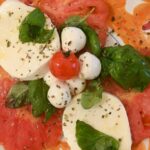
You can expect tastings that include fresh mozzarella, organic wines, and Nonna’s limoncello. Guests also describe spritzes paired with the view while pasta making is underway, which is a lovely touch because it keeps the experience feeling like a home visit rather than a classroom.
What I like about having these tastings in the middle of the day is pacing. A lot of cooking classes overload you—either all cooking and no fun, or all eating and no learning. Here, you get both: work, then breaks with good drinks and small bites, then back to cooking.
Also, the terrace setting matters for morale. After shopping and dough work, sitting down with a drink while you take in the scenery makes the whole day feel worth it.
The Family Table Lunch: A Long, Relaxed Southern Italian Meal
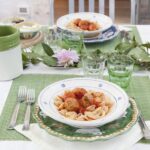
The day culminates on a panoramic terrace with that classic Cilento feeling—sea breeze in the air and fresh basil around you. Then comes the family table: a long, relaxed lunch where you gather and eat what you made.
This is where the experience becomes more than cooking. It’s about the slow pace of Southern Italy—the kind of meal that doesn’t feel like an event. The meal is built around the ingredients you selected earlier and the pasta you learned to make with Nonna Maria.
Dishes you prepare are paired with premium organic wines, which gives you a guided, food-first pairing experience. You’re not left guessing what goes with what. The meal has cohesion.
This part is especially valuable if you want to learn how a real Italian lunch flows. In many “cook and run” classes, you see the food, you cook it, and then you’re dismissed. Here, you actually sit with it. You get time to taste, talk, and understand how everything works together as a full meal.
If you’re visiting the Salerno area and want something that feels intimate and grounded, this family-table finish is the reason people remember these classes.
Pickup, Small Group Size, and How to Plan Your Timing
This experience is structured for real-life travelers. Pickup is offered, and the activity ends back at the meeting point, so you’re not piecing together transport at the end of a full meal day.
You’ll meet at Via Eduardo de Filippo, 13, 84043 Agropoli SA, Italy, with a start time of 10:00 am. The experience runs for about 4 hours, and the maximum group size is 10 travelers. That small cap is a big deal. It supports the “private and unhurried” feel, and it means Nonna Maria can actually give focused attention while you work.
The big planning detail: the experience requires good weather. Since the day includes an outdoor terrace component, poor conditions can lead to a different date or a full refund. If you’re booking during a variable weather period, keep your schedule flexible.
Price and 4-Hour Value: Is $216.91 Worth It?
At $216.91 per person, this isn’t a budget cooking class. But the value comes from what you’re paying for: ingredient selection, hands-on instruction, and a full family-style meal with drink pairings, all in a small-group setting.
Here’s what justifies the price in practical terms:
- You’re not only cooking. You’re shopping and building a menu through a coffee conversation first.
- You get time with Nonna Maria to make handmade pasta, not a quick demonstration.
- You’re eating a full lunch with the food you prepared, plus organic wine pairings and limoncello.
- The group size (up to 10) supports a calmer pace and more direct attention.
Think of it like paying for a real meal experience with serious teaching built in. If you want a label-by-label wine tour or a super long day, this may feel short. But if you want quality instruction, seasonal food, and a satisfying meal that feels local, 4 hours is a sweet spot.
Also, the “private and unhurried” promise matters. In cooking classes where you’re rushed, you don’t retain much. Here, the pace is designed so you can learn, taste, and actually enjoy the day.
Who Should Book This Cilento Cooking Class?
This experience fits best if you’re one of these travelers:
- You love hands-on cooking, especially handmade pasta.
- You care about seasonal ingredients and want to learn how the Mediterranean diet shows up in real meals.
- You want something intimate and homey, not a crowded group event.
- You’re traveling as a couple, friends, or a small group and appreciate a guided day with meal payoff at the end.
It’s also a strong pick for people who enjoy “food travel” that starts before the kitchen. The market ritual isn’t just a photo stop. It shapes your meal and gives you context you can reuse later.
If you dislike markets because you find them overwhelming, you might still like this one because the shopping is guided around your menu and preferences. You’re not wandering aimlessly.
If you want a class that’s mainly about technique and less about food and wine, you may find the tastings and family meal are a big part of the point. For most food lovers, that’s a plus.
Should You Book This Market Ritual, Cooking Class & Family Table?
I’d book it if you want an authentic, ingredient-first cooking day in the Cilento area with real people at the center: the host team and Nonna Maria in the kitchen. The market-to-kitchen flow makes the learning stick. The terrace tastings and family-table lunch make the experience feel complete.
Skip it if you need a long, uninterrupted day, or if your schedule can’t handle weather-related changes. And if you prefer cooking lessons that are strictly structured with no food-and-drink breaks, you might prefer a different style.
For the right traveler, this is the kind of experience you take home in two ways: you’ll remember the taste, and you’ll remember the reason behind it.
FAQ
How long is the Market Ritual, Cooking Class & Family Table experience?
It lasts about 4 hours.
How much does it cost per person?
The price is $216.91 per person.
Is pickup available?
Yes, pickup is offered.
Where does the experience start?
You start at Via Eduardo de Filippo, 13, 84043 Agropoli SA, Italy.
What time does it start?
It starts at 10:00 am.
How many people are in the group?
The maximum group size is 10 travelers.
What happens if the weather is poor?
This experience requires good weather. If it’s canceled due to poor weather, you’ll be offered a different date or a full refund.