REVIEW · HANOI
Hanoi Cooking Class with Local People
Book on Viator →Operated by BCFamilyTour.com · Bookable on Viator
A morning market walk turns cooking into real life. This Hanoi class mixes ingredient shopping with a hands-on home kitchen, plus a chance to use basic Vietnamese phrases with real sellers. I like that it includes the meal you cook, not just recipes on paper.
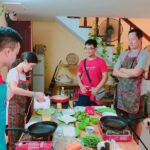
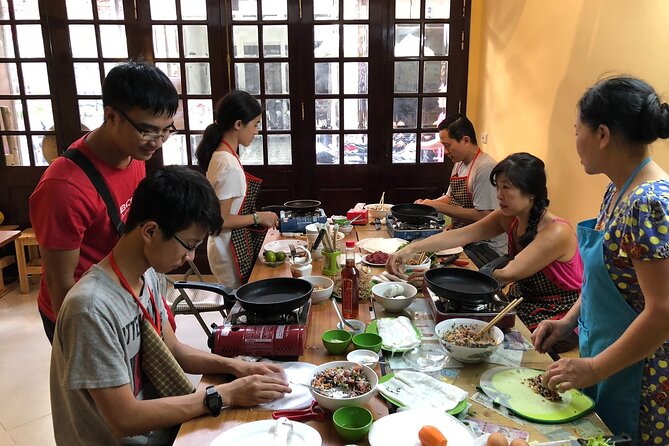
What really works is the small group feel and the host-family welcome. You cook a typical menu, learn how to build marinades and spice, and finish by sampling your creations with local beer or wine.
One possible drawback is logistics and language support: pickup is in the Old Quarter, but transfers can be less private than you’d expect, and the cooking family may speak limited English. That is manageable with your guide, but it’s worth knowing if you prefer lots of detailed back-and-forth.
In This Review
- Key things to know before you go
- Why this Hanoi home cooking class feels different
- The 8:00 pickup and the morning schedule that keeps you moving
- Market shopping with Vietnamese phrases (and good photo moments)
- Back at the house: marinating, spice, and how decoration actually happens
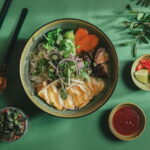
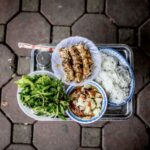
- What you’ll cook: a realistic Hanoi menu, not generic dishes
- Phở cuốn and herb-forward rolls
- Nộm: a Hanoi specialty salad
- Nem rán: fried spring rolls
- What about the side ingredients
- Lunch with hosts and drinks: where the experience turns social
- Price and value: why $50 can make sense here
- Logistics and language balance: what to watch for
- Who this Hanoi cooking class suits best
- Should you book it
- FAQ
- FAQ
- What time does the Hanoi cooking class start?
- How long is the experience?
- How many people are in the group?
- Do I get hotel pickup and drop-off?
- Is there an English-speaking guide?
- What food do you cook and eat?
- Are drinks included?
- Can the menu be adjusted for dietary restrictions?
- What is the cancellation policy?
Key things to know before you go
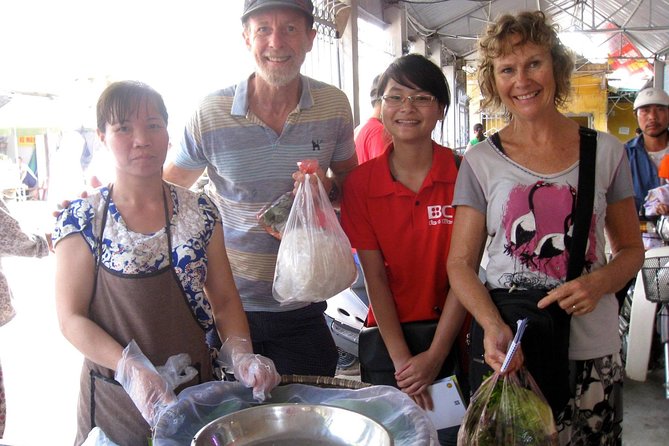
- Market practice with Vietnamese phrases: you’ll learn simple words to help you shop and interact with vendors
- A true home-kitchen session: you cook with step-by-step instruction, then eat what you make
- Decorating skills, not just cooking: carrot flowers, lemon grass stems, banana leaves, and curved chili
- Fish sauce magic sauce basics: fish sauce, water, sugar, lime, chili, garlic, and herbs
- Lunch + free drinks included: local beer or local wine alongside coffee and green tea
- Max 6 people: the class stays small enough to ask questions and work at your pace
Why this Hanoi home cooking class feels different
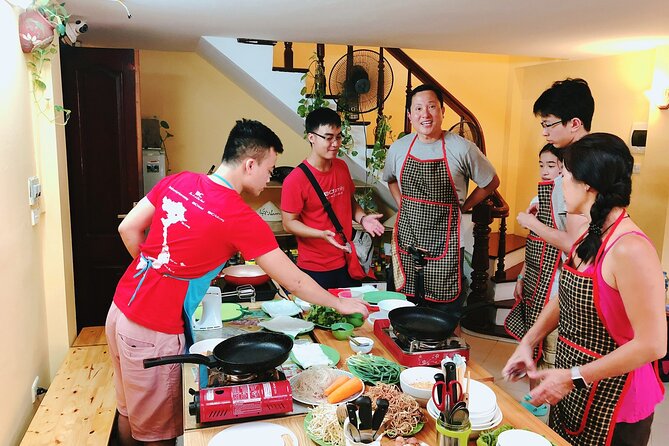
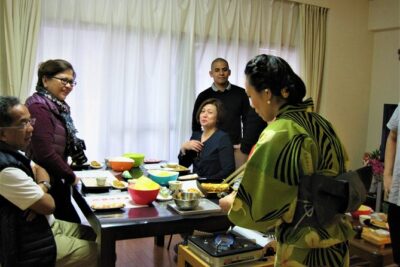
Most cooking classes in Hanoi are either a demo with watching, or a kitchen lab that feels disconnected from daily life. This one is built around a local household where you start with shopping and end with a shared meal. That alone changes the vibe from performance to participation.
I also like the focus on method, not just recipes. You learn how to marinate and season and how Vietnamese flavors come together, including the fish sauce-based sauce you’ll use and adapt.
The hosts also talk with you about their lives, which matters more than it sounds. When you’re in someone’s home, even basic conversation and body language feel like part of the lesson.
You can also read our reviews of more tours and experiences in Hanoi.
The 8:00 pickup and the morning schedule that keeps you moving
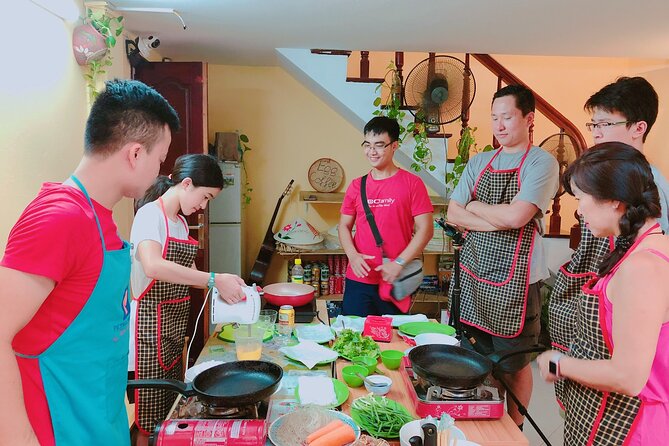
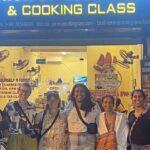
The day starts around 8:00 a.m. with hotel pickup in the Hanoi Old Quarter. From there you transfer to the home area where the cooking happens, then meet your hosts and guide.
The schedule is tight but not rushed. You’ll shop at the market for ingredients, then return home to cook, and you’ll eat lunch around 12:00. If you like packing a lot into the morning without losing your afternoon, this timing works well.
Because the group is capped at six people, you’re less likely to get stuck waiting. That small size also helps if you want to ask the guide how to recreate flavors later.
Market shopping with Vietnamese phrases (and good photo moments)
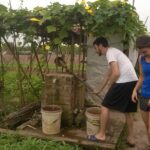
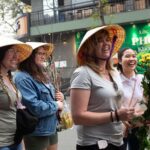
The market walk is short, about 5 minutes, which keeps it from becoming an endurance exercise. You’ll browse and taste some ingredients, and your guide helps you learn simple Vietnamese phrases to use with vendors.
This part is valuable because it’s not just about buying food. You learn how local sellers respond to polite starts and clear questions, and you’ll practice using the currency while negotiating the basics. If you’re the kind of person who wants to understand a city, this is one of the easiest ways to do it.
You’ll likely buy a mix of fresh herbs, spices, vegetables, meats, fish, and fruit. Your guide helps you select what you need for your menu, which saves time and avoids the common problem of tourists buying the wrong ingredient.
Bring your camera, because this is also where you get plenty of quick, natural photo opportunities. The scene is lively and colorful, and it’s the kind of place where a few respectful photos go a long way.
Practical tip: wear closed-toe shoes and keep your hands free. The market includes walking and handling items, so a backpack that swings around can slow you down.
Back at the house: marinating, spice, and how decoration actually happens
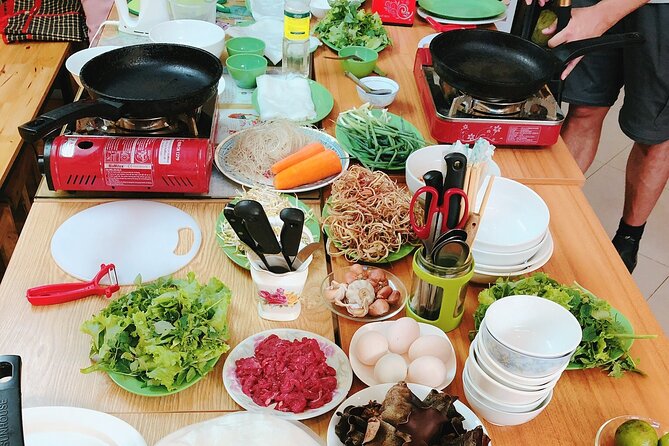
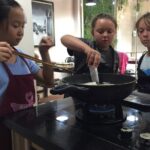
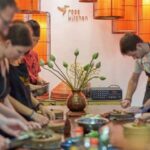
Around 10:00, you finish shopping and head back to the home. The hosts welcome you again and you move into hands-on cooking, guided from start to finish.
The most important lesson here is how to marinate and spice. Vietnamese cooking often depends on balancing salty, sweet, sour, and heat, and you’ll make that balance practical, not theoretical.
You’ll also learn the decorative touches that make Vietnamese dishes look like food art. The class includes techniques like:
- Carrot flowers
- Lemon grass stems
- Banana leaves for shaping or wrapping cues
- Curved chili presentation
These are small details, but they teach you how Vietnamese cooks think about both flavor and appearance. When you can replicate the shapes, you also remember the ingredient roles.
One stand-out element is the sauce you’ll mix. The classic base described includes fish sauce, water, sugar, lime, chili, garlic, and herbs. You’re not just told the name; you’re taught how that combo behaves and how to adjust it in your own bowl.
What you’ll cook: a realistic Hanoi menu, not generic dishes
This class uses a menu that matches how Hanoi food shows up in everyday meals. Your sample spread includes dishes like:

Phở cuốn and herb-forward rolls
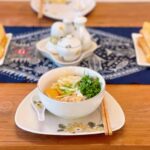
You’ll work with phở cuốn, which are fresh spring roll type rice noodle rolls, often paired with grilled beef and fresh herbs. This is a good dish for learning texture control, because the roll depends on how you handle the rice noodle sheet and how you layer herbs.
Nộm: a Hanoi specialty salad
You’ll also make nộm, a Hanoi specialty salad. Expect a mix of fresh ingredients with a flavor balance that relies on sour and sweet alongside salty notes. It’s also one of the easier dishes to recreate after you get home, since salads are less technique-dependent than frying.
Nem rán: fried spring rolls
Nem rán are Vietnamese fried spring rolls. This gives you contrast: fresh herbs and cool bites earlier, then a warm crunch later. If you’re curious about why Vietnamese fried rolls taste so good, this is where you learn the seasoning logic and filling balance.
What about the side ingredients
The class includes seasonal vegetables, rice noodle items, and fruits. That matters because Vietnamese meals often build around more than one flavor profile, and the included ingredients make the meal feel complete.
Food note: the menu can be customized for dietary restrictions. The exact options aren’t listed, but the fact that customization is possible is a big advantage if you need changes.
Lunch with hosts and drinks: where the experience turns social
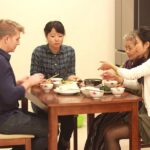
Around 12:00, you eat what you cooked. Your meal comes with local beer or local wine, plus other included drinks like soft drink, coffee, and fresh green tea. Dessert is listed as fresh fruit, which keeps the finish light.
What you’re really buying here is more than calories. This is time with the hosts, and it usually feels relaxed because everyone is focused on the food and the simple conversation that comes with sharing a meal.
One review highlight that matches the spirit of this tour: people praised the English ability of the staff and the genuine hospitality of the family. Another singled out a guide named Luisa for doing a great job bringing the class together around her extended family. Even if your guide differs, the structure stays the same: you cook, you eat, you talk.
If you want to get more from this part, don’t rush through photos. Sit, ask what dishes are good to eat with what, and use the language phrases you learned earlier.
Price and value: why $50 can make sense here
At $50 for about 5 hours, this is priced like a mid-range activity in Hanoi. The best value angle isn’t the cooking alone. You’re also getting hotel pickup and drop-off in the Old Quarter, market shopping support, free drinks, and a recipe booklet plus take-home cards.
The class is small, with up to six people, which generally reduces the “assembly line” feeling you sometimes get in group cooking tours. If you come hungry and like hands-on work, you’re paying for time and instruction that you can’t buy at home for the same price.
There’s also mention of group discounts, which can make it even better if you’re traveling with friends or family who want the same schedule.
One honest way to judge value: compare to a normal sit-down meal in Hanoi. This includes not just lunch, but ingredient selection, cooking skills, and drinks, plus a guided introduction to how local sellers think.
Logistics and language balance: what to watch for
Here’s the part to plan for. While pickup and drop-off are included, the transfer method isn’t fully spelled out, and an account of using a public bus and crossing a major highway in peak hour appears in feedback. That means you should be ready for some time on roads and some walking near busy areas.
Also, while the guide is English speaking, the cooking hosts may have limited English. The class is designed to bridge this with your guide and with simple phrasing plus body language, but if you need very detailed explanations in English from everyone, you might feel that gap.
What you can do:
- Ask your guide at the start how much the hosts will be able to explain in English.
- Bring patience and keep your focus on the cooking process.
- Wear comfortable shoes and plan for morning movement, including the market walk.
If you’re sensitive to crowded streets or peak-hour conditions, consider checking with the operator ahead of time about how transfers are handled on your exact date.
Who this Hanoi cooking class suits best
This experience fits best if you:
- Want a morning activity that ends with a full meal
- Like learning practical food skills, especially seasoning and sauces
- Enjoy meeting people and using basic language in real places
- Prefer small groups where you can actually work, not just watch
It may be less ideal if you:
- Have mobility limits that don’t pair well with walking and busy-road crossings
- Need a fully English-speaking household experience throughout
- Want a strictly private, car-only transfer with no public transit elements
The good news is the class is built to handle the language gap. Your guide teaches basic Vietnamese phrases for shopping, and you cook with instruction that doesn’t require advanced language.
Should you book it
Book this Hanoi cooking class if you want food that connects to daily life. The combination of market shopping, home cooking, decorative techniques, and lunch with included drinks is a strong package for the price.
Skip it or ask extra questions first if you’re worried about peak-hour street logistics or you need lots of English beyond the guide. Once you align your expectations, this can be one of those Hanoi mornings that sticks because you’ll leave with skills, not just photos.
If you do book, come with curiosity. Bring a light appetite for trying ingredients, and give the sauce and marinade lessons your full attention. That’s the part you’ll use again long after you leave Hanoi.
FAQ
FAQ
What time does the Hanoi cooking class start?
The pickup is scheduled for about 8:00 a.m. from your hotel in the Old Quarter.
How long is the experience?
It runs for about 5 hours.
How many people are in the group?
The group size is capped at a maximum of 6 travelers.
Do I get hotel pickup and drop-off?
Yes. The tour includes pick-up and drop-off at your hotel in Hanoi’s Old Quarter.
Is there an English-speaking guide?
Yes. The tour includes an English speaking Vietnamese guide, and you’ll also get help learning basic Vietnamese phrases.
What food do you cook and eat?
The sample menu includes phở cuốn, a grilled beef and rice noodle roll with fresh herbs, nộm (Hanoi specialty salad), nem rán (fried spring rolls), seasonal vegetables, rice noodle, fresh fruits, and other items from the ingredient shopping list.
Are drinks included?
Yes. Free drinks include local beer or local wine, soft drink, coffee, fresh green tea, and you’ll have drinks with your meal.
Can the menu be adjusted for dietary restrictions?
The itinerary can be customized to suit guest interests and dietary restrictions.
What is the cancellation policy?
Free cancellation is available up to 24 hours before the experience start time for a full refund.