REVIEW · NEW DELHI
Food Tour With Cooking Class in Local Village from Delhi
Book on Viator →Operated by Virsa Travels · Bookable on Viator
A village day trip can sound like a box-check. This one works because you get food first, then you see daily life, and finally you cook with a home cook. I like that it includes at least two traditional meals—start with paranthas and chai at a roadside dhaba, then finish with lunch cooked on an earthen stove. One fair heads-up: it’s not a short cooking-only class, and the village drive is part of the experience, so plan for a full day.
You’ll leave New Delhi early (pickup starts at 6:30am) and ride in an air-conditioned minivan, which matters when the day starts warm. The group stays small (max 10), and the tour focuses on hands-on cultural moments: a village walk, a school visit, and an ox-cart ride. If you’re hoping for a deep dive into only one thing—like cooking details all day—this mix may feel like more of a taster than a specialty workshop.
Key points at a glance
- 6:30am hotel pickup and round-trip transfers in an A/C minivan
- Highway dhaba breakfast with paranthas and chai
- Village visit with school stop plus an ox-cart ride
- Hands-on cooking lesson with an expert home cook
- Farmhouse-style lunch cooked on an earthen stove
- Small group size (up to 10) with a private driver/guide
In This Review
- Why This Delhi-to-Village Food Day Feels Practical (Not Performative)
- The 6:30am Start and A/C Minivan Ride: Your Day Plan
- Breakfast at a Highway Dhaba: Parathas, Chai, and No Fuss
- The Village Walk, School Visit, and Ox-Cart Ride
- The Cooking Lesson With a Home Cook: What You’ll Really Do
- Lunch in a Delhi Farmhouse: Earthen Stove + Traditional Style
- Group Size, Guide Quality, and Why Rahul’s Style Shows Up
- Price and Logistics: Is $79 Good Value for a 12-Hour Day?
- What to Bring (and What to Plan For)
- Who Should Book This (and Who Might Skip)
- Final Decision: Should You Book This Delhi Village Food Tour?
- FAQ
- FAQ
- What time does pickup start?
- Is hotel pickup and drop-off included?
- How long is the experience?
- What meals are included?
- Is there really a cooking lesson?
- How big is the group?
- What should I wear?
Why This Delhi-to-Village Food Day Feels Practical (Not Performative)
This tour gives you what most city food experiences skip: the setting behind the flavors. You start on the road with a Punjabi roadside breakfast, then you move into a local village where daily routines actually happen—farms, a school visit, and that slow, old-school ox-cart ride.
I love the pacing: you’re fed early, you’re shown real life before lunch, and you cook before you eat again. Also, the cooking lesson is tied to the meals you’ll have, so you’re not just watching spices get sprinkled for show.
The only drawback I’d flag is expectation setting. This is a day trip that combines village + food + cooking, not a pure cooking class in the middle of Delhi. If you want hours of stand-alone kitchen instruction, you may prefer the longer 36-hour version that includes cooking and a diner in an Indian home.
The 6:30am Start and A/C Minivan Ride: Your Day Plan
Pickup begins at 6:30am, and you’ll be in an air-conditioned minivan for the drive out of Delhi. That’s a real comfort win. Morning departures also mean you’ll spend less time in hot traffic once the day warms up.
The tour runs about 12 hours total, but the village-and-food rhythm is structured so you’re not just sitting around. After your village and cooking/lunch sequence, you depart back to Delhi at around the 7-hour mark of the on-ground portion (the exact timing varies with pace and weather).
Tip: plan to travel light and keep your breakfast appetite on standby. Even if you had coffee or something small before pickup, you’ll likely want room for parathas and chai.
You can also read our reviews of more tours and experiences in New Delhi.
Breakfast at a Highway Dhaba: Parathas, Chai, and No Fuss
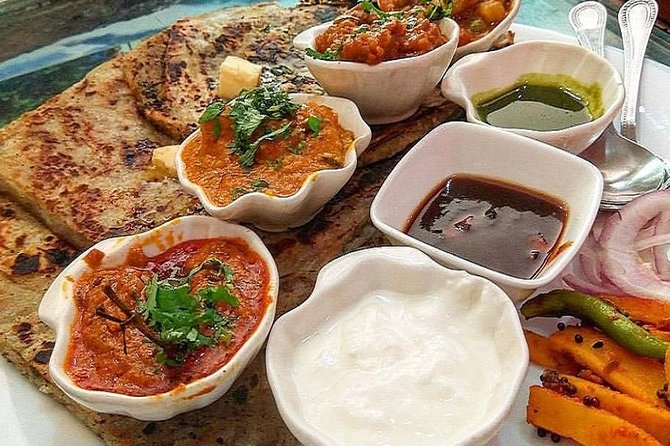
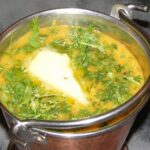
Your morning starts with a stop at a highway dhaba, a classic Punjabi roadside eatery. You’ll have breakfast with parathas (stuffed flatbread) and chai.
This is more than a convenient stop. A dhaba meal is part of how you understand food culture in North India—simple, filling, and built for people traveling through the day. It’s also where your guide sets expectations for what you’ll eat later, since you’ll be learning about spices and cooking methods afterward.
If you already know you’ll be hungry by late morning, this breakfast matters. It’s also included, so you’re not juggling meal decisions while your schedule is in motion.
The Village Walk, School Visit, and Ox-Cart Ride
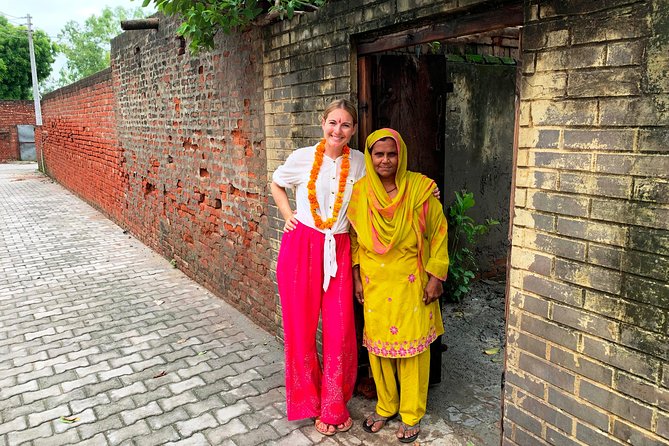
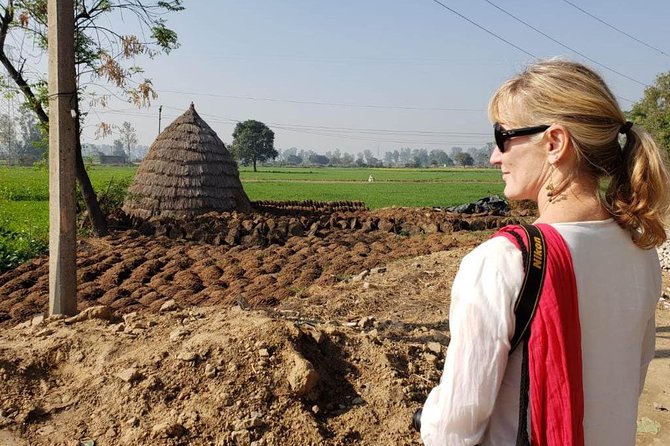
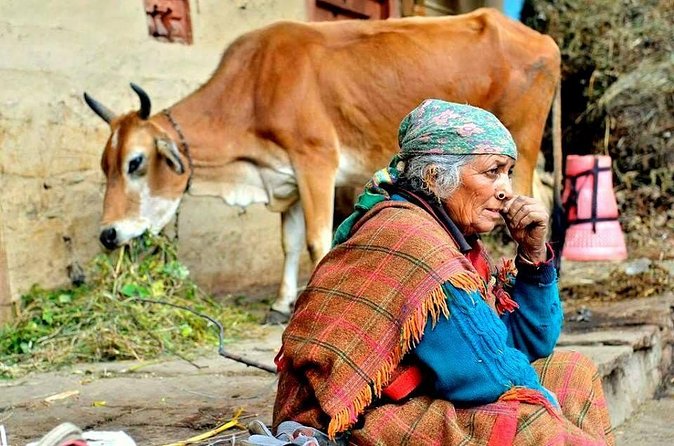
Once breakfast is done, you head into the village area for an authentic cultural visit. You’ll explore farms, take a village walk, and you’ll also visit a school. Then comes one of the most memorable parts: the ox-cart ride.
An ox-cart ride isn’t about speed. It’s about slow travel—watching how the land works, how people move through routines, and how the countryside looks and sounds when you’re not in a city corridor.
Practical note: the tour includes a village walk, and the dress code is smart casual that covers your body moderately. Wear something you feel comfortable moving in—because “walk” in a village can mean uneven ground and real steps, not polished paths.
Also, because this tour is weather dependent, you’re doing yourself a favor by choosing good dates. If weather gets poor, you may be offered an alternative date or a full refund.
The Cooking Lesson With a Home Cook: What You’ll Really Do
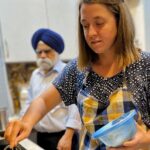
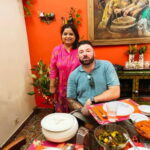
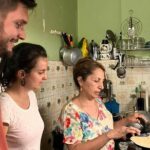
The cooking part is where this tour becomes more than sightseeing. A home cook and host introduce traditional Indian food and spices, then you get a cooking lesson where you’ll try out your cooking skills.
The biggest value here isn’t just learning recipes. It’s connecting ingredients to technique—how spices change flavor, how cooking methods affect textures, and why certain combinations work. Even if you’ve cooked Indian food before, watching how your host frames everyday spices can make your own kitchen feel more confident.
You’ll also learn in context because the lunch is prepared in the traditional way. The tour highlights that lunch is cooked on an earthen stove, which is a big deal in the flavor story. Cooking on a clay/earthen setup changes how heat behaves, and you’ll see why dishes feel “different” compared to modern stovetop cooking.
One caution based on real-world expectations: this tour can feel less like a long kitchen clinic and more like a structured cooking experience tied to the day’s meals. If you only want an advanced, multi-hour cooking deep class, confirm that the hands-on parts meet your expectations before booking. The tour is sold as a combined experience, and the “why” is village-to-table.
Lunch in a Delhi Farmhouse: Earthen Stove + Traditional Style
After the cooking lesson, you enjoy lunch that’s prepared in a traditional style. The lunch is cooked on an earthen stove, which keeps the experience rooted in how many households historically cook.
This is also your chance to taste what you helped create or learn about. When you cook and then eat the same flavors, you learn faster. You’re not trying to memorize ingredients while half-focused on the next stop.
After lunch, you get a spiced tea moment—milk spiced tea—paired with chatting with local people. That kind of informal time often turns into the most human part of the day, because it’s not just a script. It’s more like a relaxed conversation around food.



Group Size, Guide Quality, and Why Rahul’s Style Shows Up
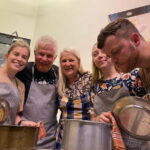
This is a small-group experience with a maximum of 10 travelers. Smaller groups usually mean you get smoother timing, less waiting, and more back-and-forth questions during the village and cooking parts.
One guide name that comes up often is Rahul. When a guide speaks clear English and manages the day well, you tend to get more out of everything—especially the parts that rely on explanation, like spices and what you’re seeing in the village.
Also included is a private driver/guide, which matters on long days. You’re not stuck negotiating directions or sharing a chaotic transit plan with a bigger crowd.
Price and Logistics: Is $79 Good Value for a 12-Hour Day?
At $79, you’re paying for a full-day package: hotel pickup and drop-off, a private driver/guide, A/C minivan transport, breakfast and lunch, a village walk plus ox-cart ride, and a cooking lesson.
It’s good value if you want the whole structure. Most single activities cost time and money on their own. Here, transportation and meals are rolled in, which reduces decision fatigue. You also get included “context,” like the village walk and school visit, so you’re not just hopping between restaurants.
Your best way to judge value is to match the package to your travel style:
- If you like food that comes with a story, the price starts to make sense quickly.
- If you only want cooking instruction and don’t care about the village portion, this may feel expensive compared to a class-only option.
There’s also a 36-hour version of this experience that includes a cooking class and diner in an Indian home. If cooking is your top priority, that longer format may feel more aligned with what you’re looking for.
What to Bring (and What to Plan For)
The tour uses smart casual dress: moderately covers your body. That’s easy to follow, but think practical. Bring layers in case the morning air is cooler than expected, and wear shoes that handle walking on uneven ground.
Other practical points from the tour rules:
- Photocopies of passports are required soon after booking, and without them the booking isn’t final.
- If you have dietary requirements, advise them at booking so the kitchen can handle it.
- Alcoholic drinks aren’t included, though they may be available to purchase.
Because pickup is early, I’d also suggest you set up your day so you’re not scrambling. Keep your phone charged for the mobile ticket, and have water ready for the drive.
Who Should Book This (and Who Might Skip)
This tour is a strong match if you want a day that mixes practical culture with real eating and real cooking. I’d especially recommend it for:
- Food lovers who want the “why” behind dishes and spices
- Travelers who like small groups and guided context
- Anyone curious about village life beyond a quick photo stop
You might consider skipping or choosing a different format if:
- You’re mainly looking for a long, intensive cooking workshop and minimal travel time
- You dislike early starts (6:30am pickup is part of the deal)
- You’re not comfortable with the idea that the village portion requires weather cooperation
The tour also states “most travelers can participate,” and children must be accompanied by an adult, so families can fit it if everyone’s comfortable with a full day and early morning timing.
Final Decision: Should You Book This Delhi Village Food Tour?
If you want a structured day that feeds you well, shows village life, and gives you a hands-on cooking segment, this is an easy yes. The best part is the flow: breakfast at a dhaba, village walk and ox-cart ride, cooking lesson tied to spice learning, then lunch and spiced tea with conversation.
Only book it if you’re okay with the combined format. It’s not a Delhi-city-only cooking class. It’s a village-to-table experience, and the travel time is part of the point.
If you’re torn, pick based on your priority:
- Top priority is food + culture + some cooking → book this.
- Top priority is cooking-heavy time → look at the longer 36-hour alternative mentioned in the tour options.
FAQ
FAQ
What time does pickup start?
Pickup starts at 6:30am. The exact pickup timing may vary slightly by location, but the scheduled start is 6:30am.
Is hotel pickup and drop-off included?
Yes. Hotel pickup and drop-off are included in the tour fee.
How long is the experience?
The total duration is about 12 hours.
What meals are included?
You’ll get breakfast and lunch, with at least two traditional Indian meals included. Breakfast includes parathas and chai, and lunch is cooked traditionally on an earthen stove.
Is there really a cooking lesson?
Yes. The tour includes a cooking lesson with an expert home cook, and you’ll get to try cooking as part of the experience.
How big is the group?
The group is limited to a maximum of 10 travelers.
What should I wear?
The dress code is smart casual, covering your body moderately.