REVIEW · MONTREAL
Montreal: Cooking Class & Lunch with Michelin-Trained Chef
Book on GetYourGuide →Operated by B-Rice · Bookable on GetYourGuide
Sauce work meets Montreal flavor. This Old Port cooking class teaches professional technique and then rewards you with a 3-course tasting tied to local food cultures. I really like how the chef focuses on sauce ratios and hands-on cutting, and I like that you’re not stuck watching from the sidelines. One thing to plan for: the start time can shift by 1–1.5 hours based on farm and fishing deliveries, so you’ll want a flexible afternoon.
You cook with Chef Rob in a private-group setup, led in English and designed to be approachable even if you’re a casual home cook. The format is part instruction, part team cooking, with a clear end goal: finish your course, then sit down for tasting and plating lessons you can actually use later. Drinks aren’t included in the price, even if some beverage pairings show up as highlights in past experiences—so it’s worth confirming what’s available for you.
Expect a short meet-up at 375 Rue Saint-Paul East, text the host when you’re downstairs, and buzz for number 5. Keep things quiet in the hallway as you head in. With a session running about 2.5 hours and English instruction, this is a strong pick if your travel style is food-first and you want skills, not just a meal.
In This Review
- Key Things You’ll Remember After This Class
- Old Port Flavor, Michelin-Style Cooking Skills
- How the 2.5 Hours Typically Unfold (and Why Timing Can Slip)
- The Sauce Lesson: Where Home Cooking Levels Up
- Plating Skills That Don’t Feel Like School
- Montreal Food Cultures, Served as a Course-by-Course Story
- Pairings and drinks: what to expect
- Price and Value: What You’re Really Paying For
- Logistics That Matter: Meeting Point and Start Time Reality
- 1) Your start time can move
- 2) Meeting instructions are specific
- Who This Class Is Best For (and Who Might Want Something Else)
- Should You Book This Montreal Cooking Class?
- FAQ
- How long is the cooking class and lunch?
- Where do we meet?
- What time does it start?
- Is the class private or group-based?
- What language is the instructor?
- Is the activity wheelchair accessible?
- What’s included in the $128 per person price?
- Are drinks included?
Key Things You’ll Remember After This Class
- Cook one course with the chef instead of following a script
- Michelin-trained sauce training focused on ratios and flavor balance
- Technique you can repeat like searing, pan-roasting, oven poaching, and plating
- Montreal food cultures as the story across Caribbean, Asian, Middle Eastern/Persian, and French/Quebec-style influences
- Clear communication before you arrive with text updates noted in past experiences
- Private-group pacing so you get practical help, not crowd-noise teaching
Old Port Flavor, Michelin-Style Cooking Skills
This isn’t the typical “watch-and-plate-later” lesson. The core idea is simple: you work as a team to create a multi-course meal, and you learn the why behind the craft. Chef Rob’s Michelin-trained background shows up in the teaching style—less mysticism, more technique, proportions, and fast feedback on what tastes balanced.
The best part for me is that you walk away with tools. You learn how sauces are built (ratios first, then adjustments), how flavor gets layered (not just dumped in), and how plating changes the final impression. You also get a lunch that’s structured like a story: each course reflects a different Montreal food culture influence, from Caribbean and Asian to Middle Eastern/Persian and French bistro comfort.
The “Old Port” setting matters too. You’re in a neighborhood built for wandering between food stops, not hiding indoors for a generic class. Even if you don’t plan other activities, the area makes the whole day feel like part of your Montreal plan.
You can also read our reviews of more tours and experiences in Montreal.
How the 2.5 Hours Typically Unfold (and Why Timing Can Slip)
The class runs about 2.5 hours, usually in the afternoon. You’ll start somewhere between 12:30 and 1:30 pm, but the exact start time can move by 1–1.5 hours. The reason is practical: the chef works with farmer and fisher deliveries, and the kitchen schedule adjusts to what’s available.
Here’s how the flow generally feels:
1) Meet and settle in
You’ll meet at 375 Rue Saint-Paul East. Text when you’re downstairs and buzz number 5. Then you’ll walk quietly through the hallways to the right place.
2) Scholar-style intro + food culture framing
You start with an introduction to global food cultures. The goal isn’t trivia—it’s context so the techniques you learn make sense inside a bigger flavor world.
3) Sauce ratios and flavor-building practice
You get direct instruction on ratios for sauces and how to build depth. This is the part that turns cooking from guesswork into something repeatable.
4) Hands-on cooking for your course
Each guest collaborates on one course. You’ll use professional methods like searing, pan-roasting, oven poaching, and plating (with the chef guiding you step-by-step).
5) 3-course tasting lunch
Once cooking is done, you sit down to the 3-course tasting menu. Each course is designed around a savory story from Montreal’s food cultures.
Because your start time depends on deliveries, it’s smart to avoid booking a strict hard deadline right after this. Give yourself breathing room so a delayed start doesn’t mess up the rest of your day.
The Sauce Lesson: Where Home Cooking Levels Up
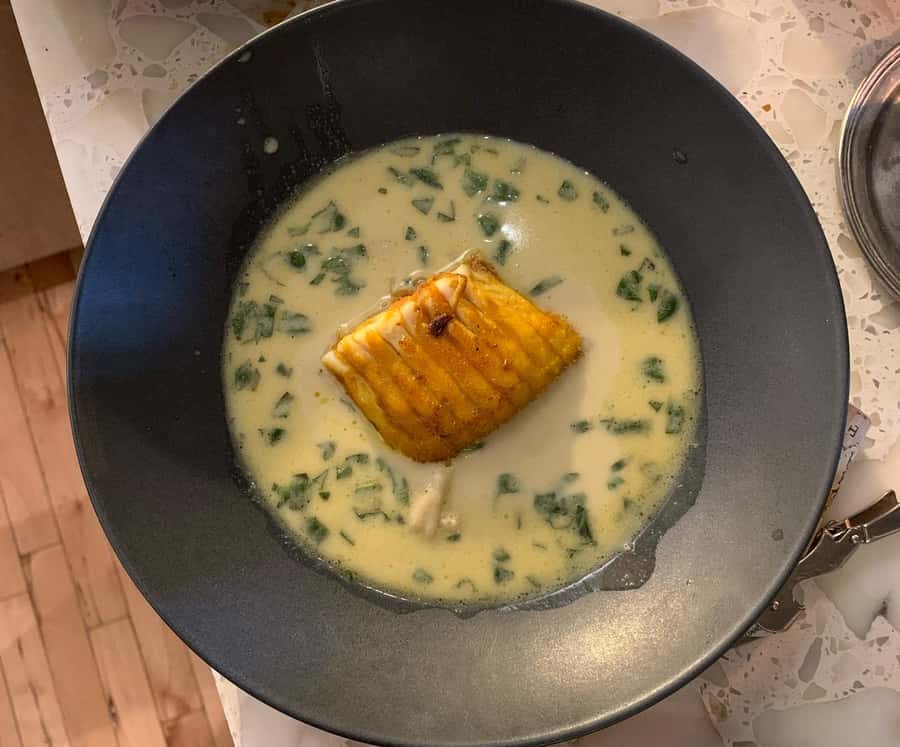
If you’ve ever made a sauce that tasted fine but not right, this class explains why. The chef’s instruction centers on ratios and how sauces should balance. That’s huge, because many home cooks can recite ingredient lists but struggle with consistency.
You’ll get professional training on:
- Making sauces by ratio, not guesswork
- Building flavor step-by-step, so every component earns its place
- Adjusting texture and taste, so the final result looks and tastes intentional
In past sessions, this has shown up as an emphasis on how sauces can separate home cooking from professional results. You also get practical knife and prep skills as part of the cooking rhythm—things like careful slicing and small handling details that affect texture.
And if you’re worried you’ll only learn theory, don’t. The class is structured so you practice what you’re learning while the kitchen is in motion. You’re learning techniques in the same time window where you can smell, taste, and see how changes land on the plate.
Plating Skills That Don’t Feel Like School
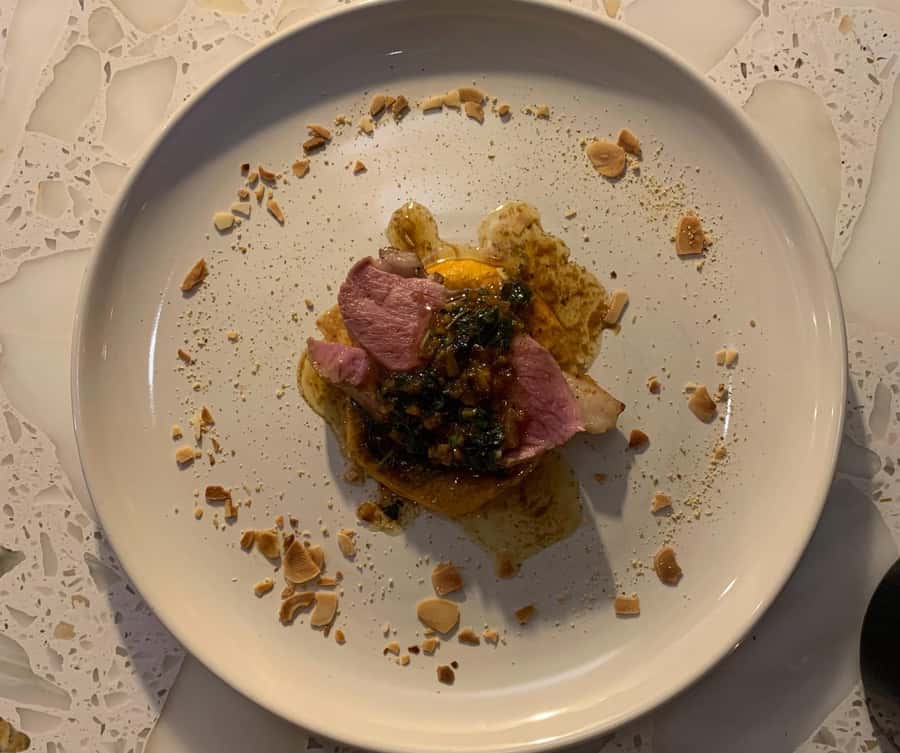
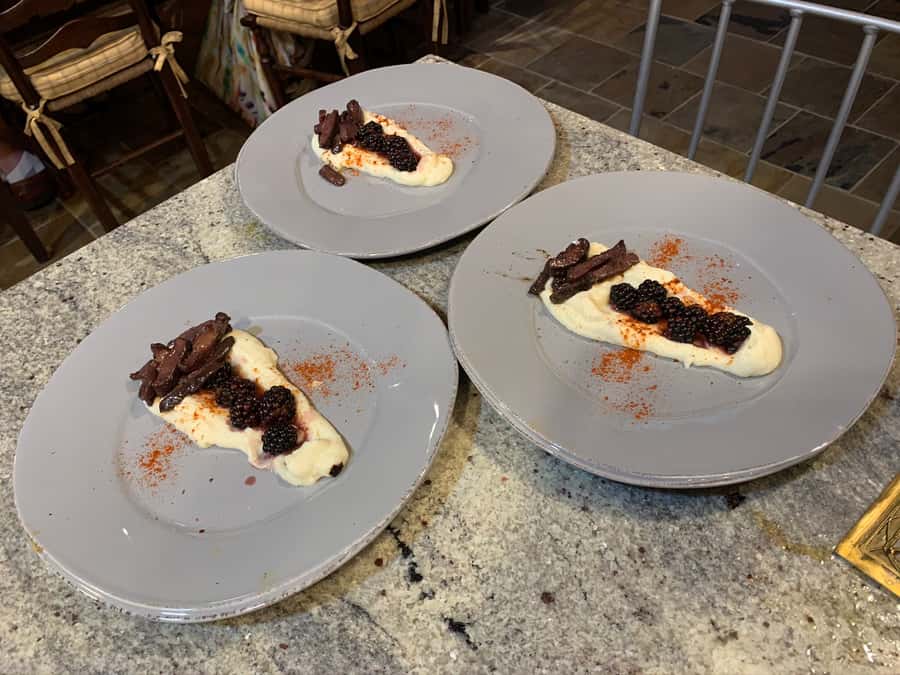
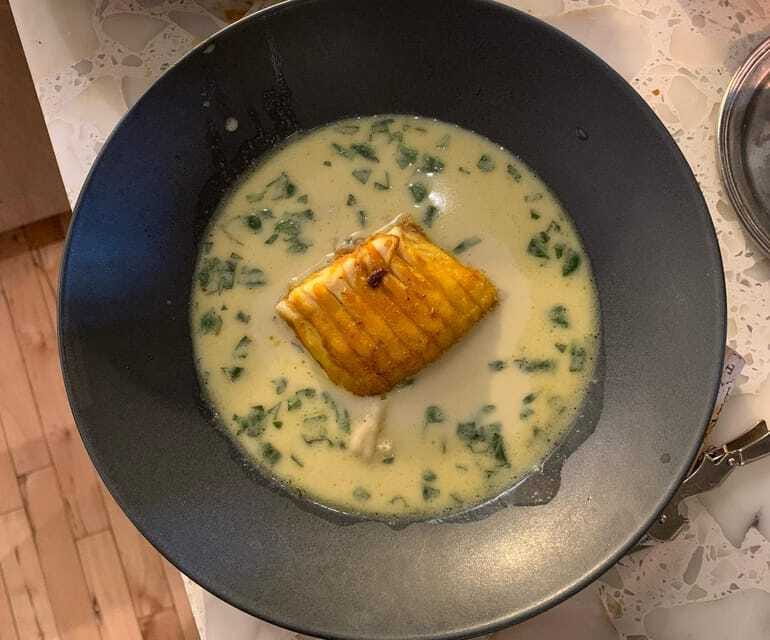
The plating instruction here isn’t just “make it pretty.” It’s about turning a plate into a message: height, spacing, sauce placement, and how flavors are arranged so the first bite makes sense.
You’ll get a professional introduction to plating as part of your hands-on work. That includes:
- how to plate so sauces look deliberate (not messy)
- how to present the cooked components so textures contrast
- how your prep choices show up visually on the plate
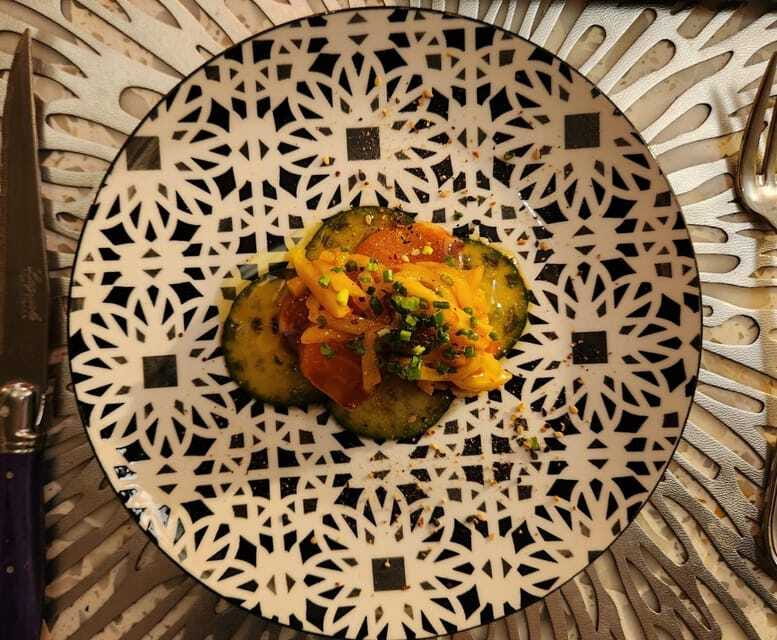
Some past participants specifically highlighted details like cutting cherry tomatoes without losing their juices. That kind of technique might sound small, but it’s exactly the difference between food that tastes good and food that looks like it belongs on a proper menu.
If you’re the kind of person who takes pictures of your meals, you’ll notice the plating skill. But even if you don’t, the real win is how plating affects eating. A well-planned plate helps you control bites—more sauce when you need it, less when you don’t, and better balance across the whole meal.
Montreal Food Cultures, Served as a Course-by-Course Story
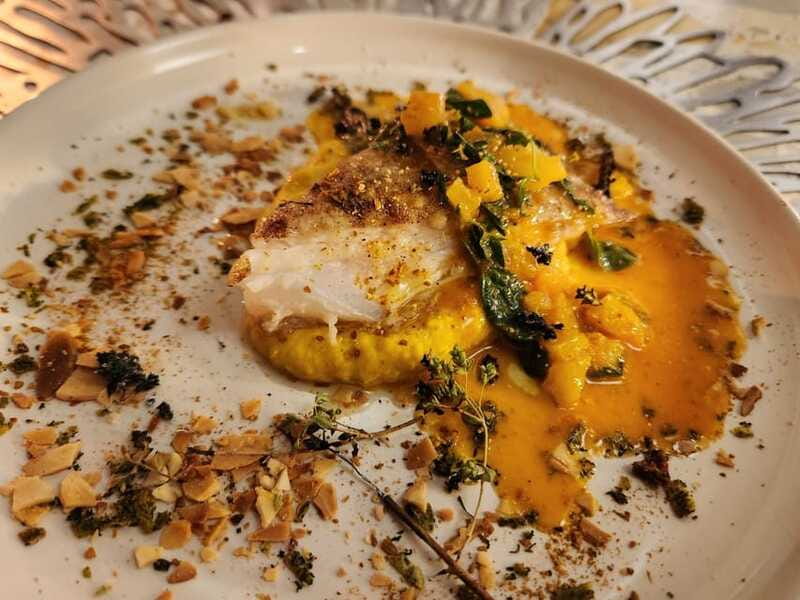
The menu is built around Montreal food culture influences. You can expect courses inspired by combinations like:
- Caribbean flavors
- Asian influences
- Middle Eastern and/or Persian-style notes
- French bistro cooking and Montreal-leaning Quebec flavors
Each course carries a savory story, so you’re not just eating ingredients—you’re learning how cuisines speak to each other in Montreal. The course themes can vary, but the learning structure stays the same: you help build one course, learn the technique, then eat what you made.
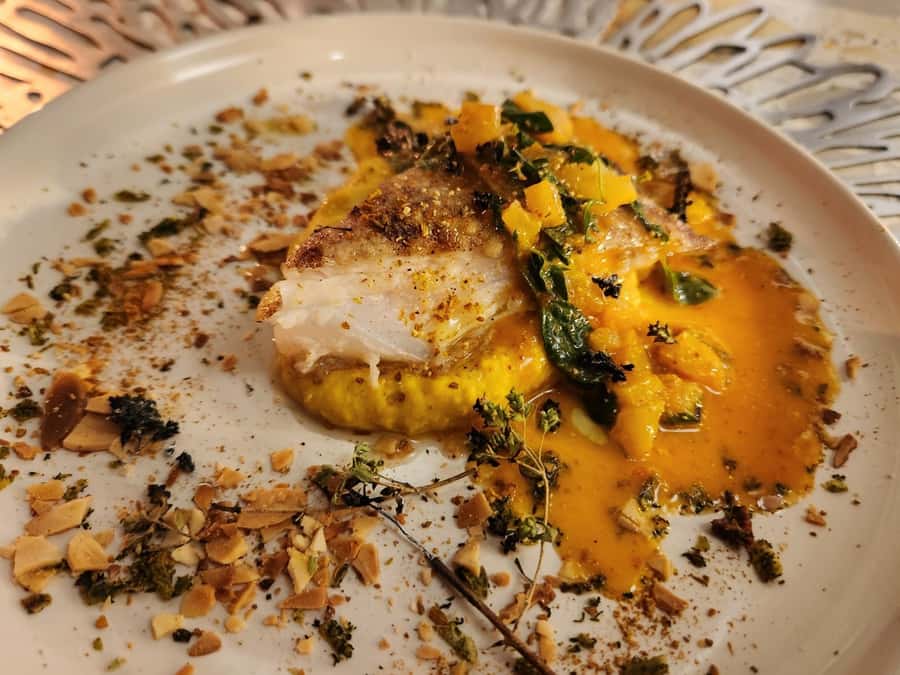
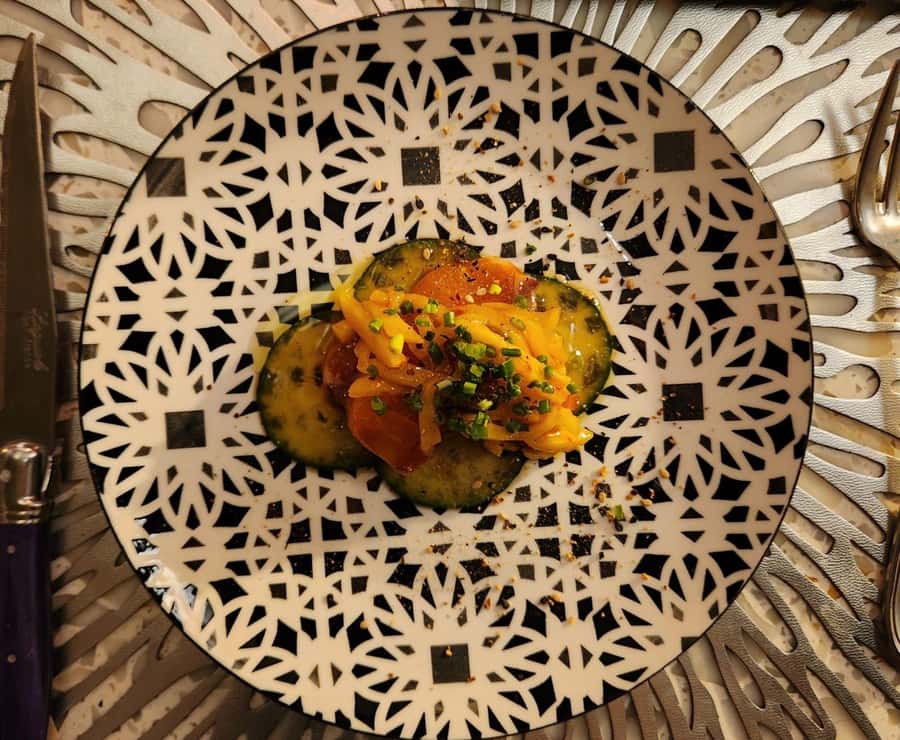
A couple of examples mentioned in prior experiences include a salmon-focused dish where scallions were paired thoughtfully, and a smoked pork belly course featuring cucumber and mango with Caribbean spices. Those aren’t guaranteed menu promises, but they show the style you’re likely to encounter: bold flavor pairing, careful sauce work, and ingredient choices that feel intentional.
Pairings and drinks: what to expect
The experience includes a tasting lunch, but drinks are not included in the base offering. Still, beverage pairings have shown up as a highlight in past experiences (including adult beverage pairings and a non-alcoholic tea pairing with rare flavors). So if beverages matter to your day, plan to ask what’s available or what can be added.
Price and Value: What You’re Really Paying For
At $128 per person for about 2.5 hours, this class competes in the mid-range of cooking experiences—but the value isn’t just the meal. You’re paying for instruction that targets the big professional gaps:
- Sauce ratios and flavor building (the stuff you struggle to replicate at home)
- Plating fundamentals (so food looks as good as it tastes)
- Hands-on technique practice, not passive observation
- A private-group feel, which makes it easier to ask questions and get corrections
And because the course is collaborative, you leave with confidence that you can repeat the approach, not just reheat a one-off recipe. If you’re the type who enjoys learning kitchen skills, this price starts to feel fair fast.
Where the value might be less for you is if you only want a restaurant meal and you don’t care about technique. In that case, you could prefer a bistro lunch and skip the learning part. But if you want skills you’ll use at home, the structure justifies the cost.
Logistics That Matter: Meeting Point and Start Time Reality
Before you go, know two practical things.
1) Your start time can move
Start times float between 12:30 and 1:30 pm. You’ll get a confirmed start time 24–48 hours before, and the shift happens because of deliveries from farmers and fishermen. This means you should plan your other afternoon plans with a little slack.
2) Meeting instructions are specific
Meet at 375 Rue Saint-Paul East. When you arrive, text when you’re downstairs and buzz number 5. When walking up, keep quiet in the hallways.
This kind of detail matters more than it sounds. If you arrive too early, you might feel rushed. If you arrive late, you might miss the chef’s prep flow. Either way, give yourself a few extra minutes so you start the experience calm.
Who This Class Is Best For (and Who Might Want Something Else)
This is a strong fit if you:
- like learning cooking technique, especially sauces and plating
- enjoy food culture stories tied to what’s on your plate
- want a hands-on kitchen experience in Montreal’s Old Port area
- prefer a private-group format where you can ask questions
It’s also great for couples or small groups who want a shared activity that doesn’t feel like a generic tour.
You might consider skipping if:
- you need a perfectly fixed start time
- you dislike prep work like cutting and cooking coordination
- you mainly want food, not skills
In other words: if your travel brain is tuned to learn, this class fits. If your travel brain just wants an easy meal with no instruction, you might feel impatient.
Should You Book This Montreal Cooking Class?
If you want a Montreal experience that mixes local flavor with real kitchen skills, I’d book it. The standout value is the Michelin-trained sauce instruction plus the hands-on format where you collaborate on a course and then eat your work as a structured 3-course tasting. It’s not just a meal; it’s a learning experience you can bring back home.
I’d hesitate only if your schedule is locked tight or if you’re not interested in learning technique. The start time variation is real, and drinks aren’t included, so you may want to plan accordingly.
Overall, this is the kind of class that suits food-first travelers: people who enjoy cooking, care about how flavors are built, and want their lunch to teach them something new.
FAQ
How long is the cooking class and lunch?
It lasts about 2.5 hours.
Where do we meet?
You meet at 375 Rue Saint-Paul East. Text when you’re downstairs and buzz number 5.
What time does it start?
Start time varies and is usually between 12:30 and 1:30 pm. The confirmed time is shared 24–48 hours before due to farm and fisher deliveries.
Is the class private or group-based?
It’s a private group experience.
What language is the instructor?
The instruction is in English.
Is the activity wheelchair accessible?
Yes, it is wheelchair accessible.
What’s included in the $128 per person price?
You get an introduction to global food cultures, professional training on sauce ratios, flavor building, plating instruction, and a 3-course tasting menu inspired by food cultures.
Are drinks included?
No, drinks are not included.