REVIEW · KRAKOW
Krakow: Pierogi Home Cooking Class
Book on GetYourGuide →Operated by Krakow Urban Tours · Bookable on GetYourGuide
A warm kitchen smells like a story in motion. This Krakow pierogi class pairs hands-on cooking with a market stop, then ends with the meal you made. It is the kind of activity that feels both practical and cultural, not just a recipe demo.
I especially love the way the experience teaches technique you can repeat at home, starting with pierogi and building into a 3-course spread. I also like the market moment: you shop for fresh produce and even get a push to haggle using Polish phrases your cook helps you practice.
One thing to consider: it is not suitable for wheelchair users, and you’ll want comfortable shoes for the walk between the meeting point, the market area, and the home.
In This Review
- What Makes This Krakow Pierogi Class Different
- Meeting Point: Pod Globusem and the Quick Start
- Farmers Market Shopping: Produce, Phrases, and a Little Negotiation
- Rolling Up Sleeves: Cooking in a Local Home
- Pierogi First: The Dumpling Skill That Changes Everything
- The 3-Course Meal: What You Cook, Then What You Eat
- Polish Food Culture: More Than Recipes on Paper
- Price and Value: Is $108 Worth It?
- Who Should Book This Pierogi Class (and Who Might Skip It)
- Should You Book the Krakow Pierogi Home Cooking Class?
- FAQ
- How long is the Krakow pierogi cooking class?
- Where do we meet the guide in Krakow?
- What language is the tour guide?
- How many people are in the group?
- What will I cook?
- Is the meal and drink included?
- Is this class wheelchair accessible?
What Makes This Krakow Pierogi Class Different
- Market shopping with language practice: You learn basic Polish phrases and use them while buying ingredients.
- Small group size (up to 6): More time with your guide while you roll, fill, and cook.
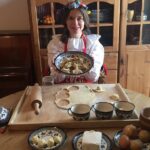
- A home-kitchen setup: You cook in a local house, not a studio, so the rhythm feels like real life.
- Three recipes, one pierogi foundation: You start with pierogi and leave with enough skills to recreate everything.
- Eat together with Polish beer: You dine on what you cooked, plus beer, and you snack along the way.
Meeting Point: Pod Globusem and the Quick Start
Your class begins outside the bookshop Pod Globusem, on the corner of Dluga and Basztowa. From there, you meet your guide and get the plan for the day—market first, then back to the home kitchen.
This start matters because it saves you from “where do I go?” stress in the middle of a busy city. You also get a built-in transition into the neighborhood where locals shop. The experience includes public transport to the guide’s home, which is a nice touch if you’d rather spend your energy on ingredients and questions.
Timing-wise, it lasts about 4 hours, with starting times depending on availability. If you’re planning other Krakow highlights the same day, treat this as a solid chunk of time, not a quick class.
You can also read our reviews of more tours and experiences in Krakow.
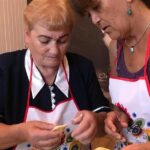
Farmers Market Shopping: Produce, Phrases, and a Little Negotiation
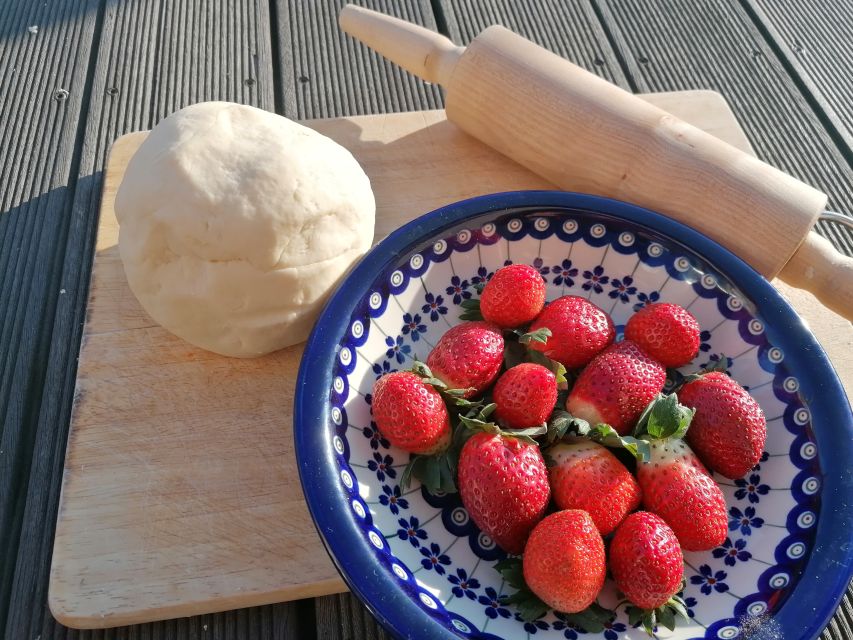
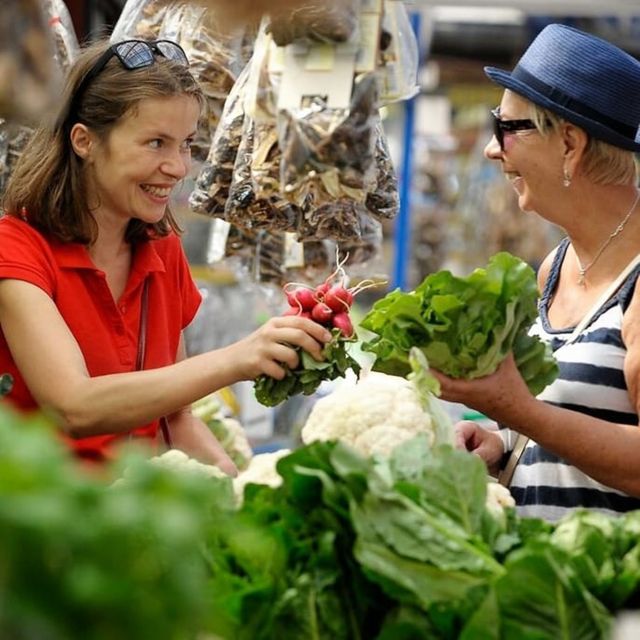
The market stop is one of the most memorable parts because it turns food into a conversation. You’ll go looking for fresh vegetables and produce, guided by someone who knows what locals buy and how they talk to sellers.
Here is the practical value: once you understand what ingredients are most important, your pierogi and other dishes make more sense. You can also learn how ingredient quality changes the end result—especially with dumpling fillings, where flavor depends on what goes in.
Then there’s the fun part: you get coached on Polish phrases and you have the chance to use them with market sellers. Some people find that awkward at first. The class style helps because it gives you a script-like start, and the goal is participation, not perfection.
If you’re curious about the guides behind the experience, reviews mention guides such as Aneta, Alicja, and Paula as being especially supportive during the shopping and cooking parts. Even if your guide is different, the approach seems consistent: practical help, encouragement, and room to learn.
Rolling Up Sleeves: Cooking in a Local Home
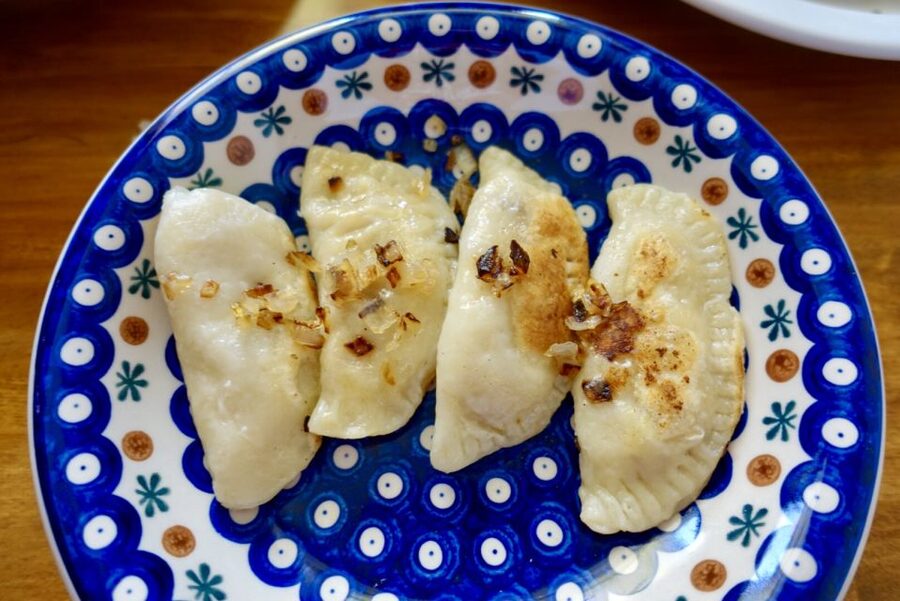
After the market, you head back to the home for the hands-on cooking portion. This is where the class shifts from “watch and learn” into “do it and understand why.”
You’ll cook with a live English-speaking guide, and the group stays small—limited to 6 participants. That small size changes the feel. You’re more likely to get direct answers while you’re working, whether it’s about dough texture, filling balance, or how to keep everything moving without getting flustered.
A couple of details make the home setting feel authentic:
- You cook with a local rhythm, including Polish music during the session.
- You eat in the same spirit—like a family table, not a staged buffet.
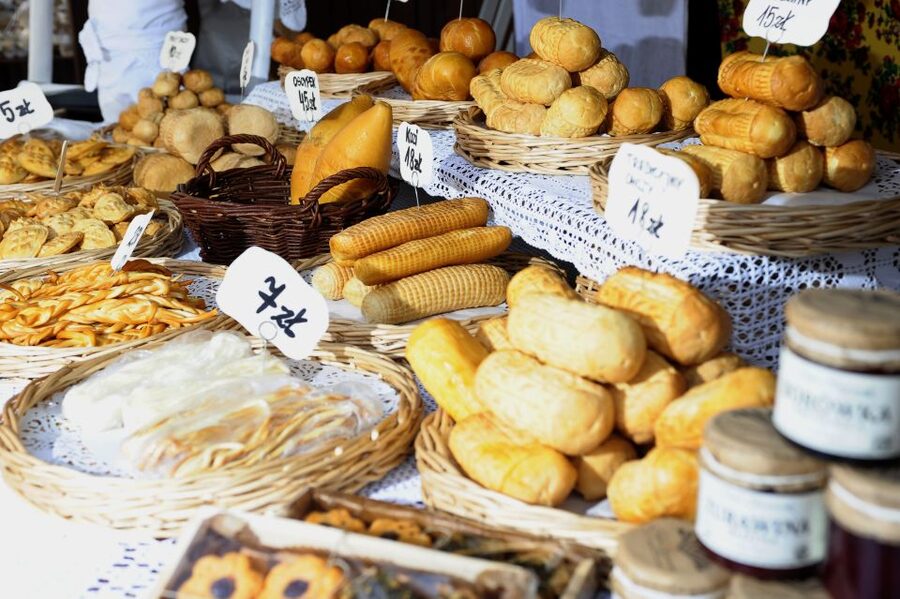
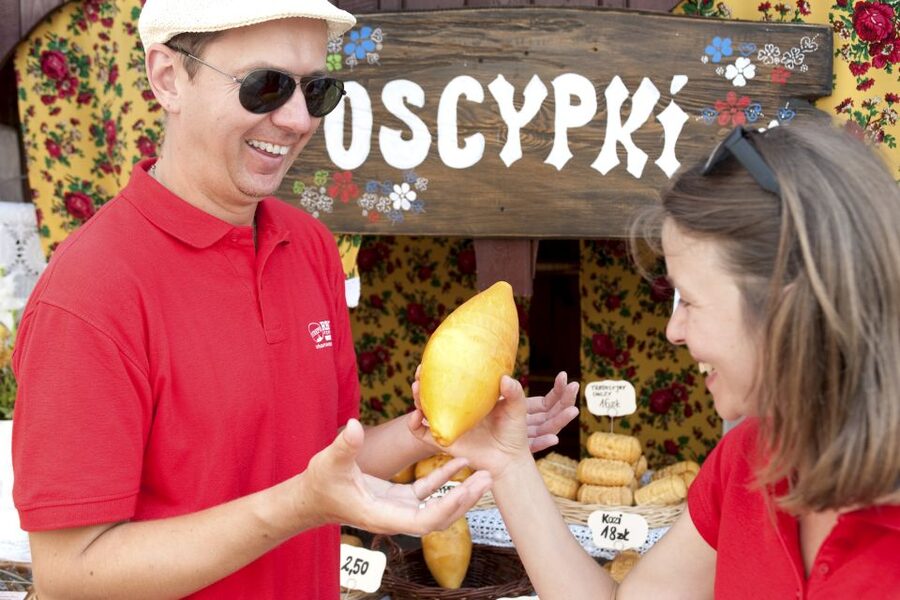
You’ll also get a selection of Polish snacks, including pickled cucumbers, sauerkraut, kabanos, and oscypek cheese. That matters because it frames the meal as a broader food culture, not just a single dumpling. It also gives you fuel during the cooking stretches.
Pierogi First: The Dumpling Skill That Changes Everything
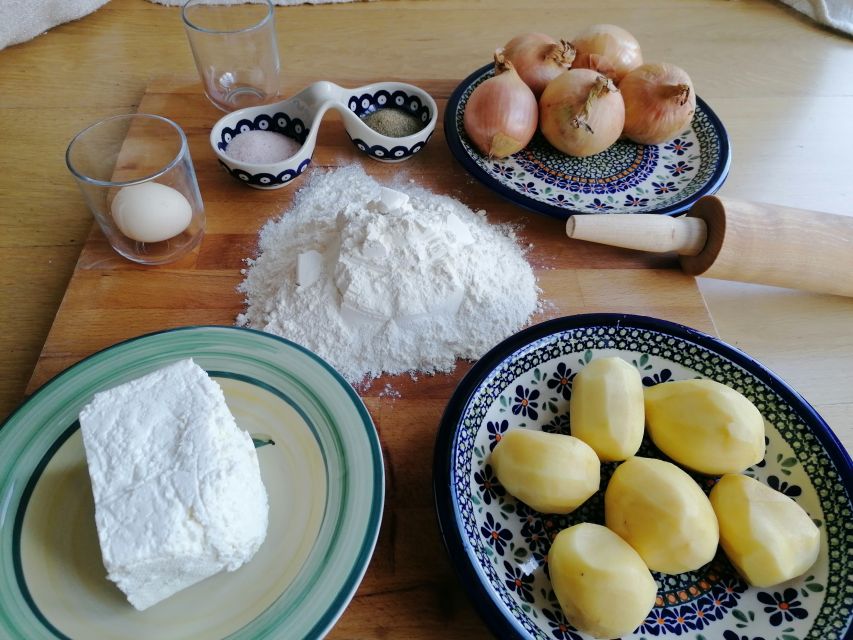
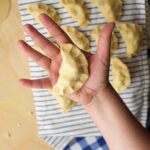
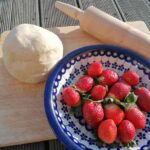
Pierogi are the foundation of the class, and they’re the reason many people book in the first place. You start by making them, learning how to handle the dough and work the filling so you can shape dumplings confidently.
What I like about starting with pierogi is that it forces you to learn the core mechanics of Polish home cooking:
- Dough isn’t just “ingredients.” It’s feel.
- Fillings aren’t just recipes. They need balance.
- Cooking is timing and texture, not only following steps.
The class is designed to give you tricks and secrets from your cook. You’re taught how to prepare high-quality ingredients without needing complicated techniques. That’s a huge relief if you’re not a “serious chef” type—this is about doable skills, not brag-worthy kitchen chemistry.
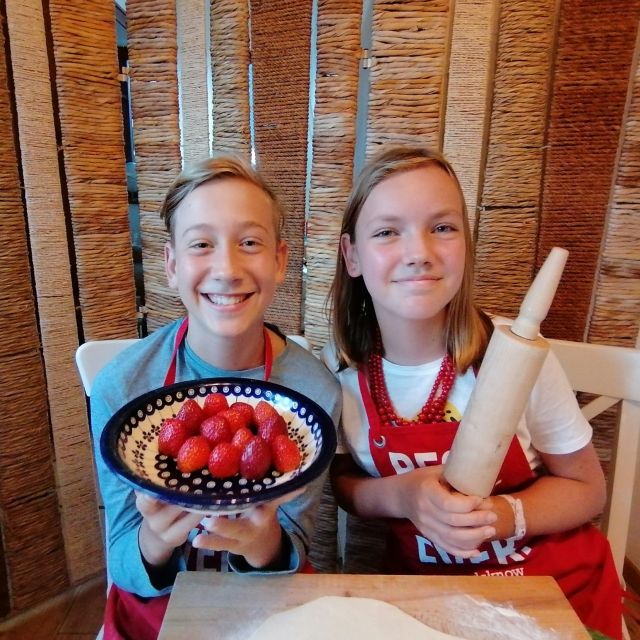
Expect a supportive atmosphere while you learn. One review specifically noted a guide being patient with kids (including 9-year-old twins) during pierogi making, which tells me the pace is designed to handle different skill levels as long as everyone participates.
If you’re worried about speaking confidence: the English guide helps during cooking, but the Polish phrase practice at the market is the main “language moment.” You don’t need to be fluent to join in.
The 3-Course Meal: What You Cook, Then What You Eat
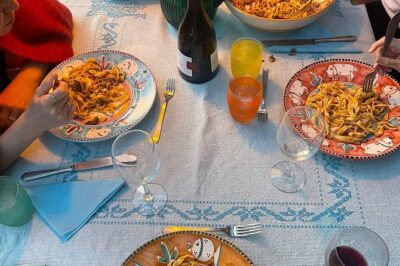
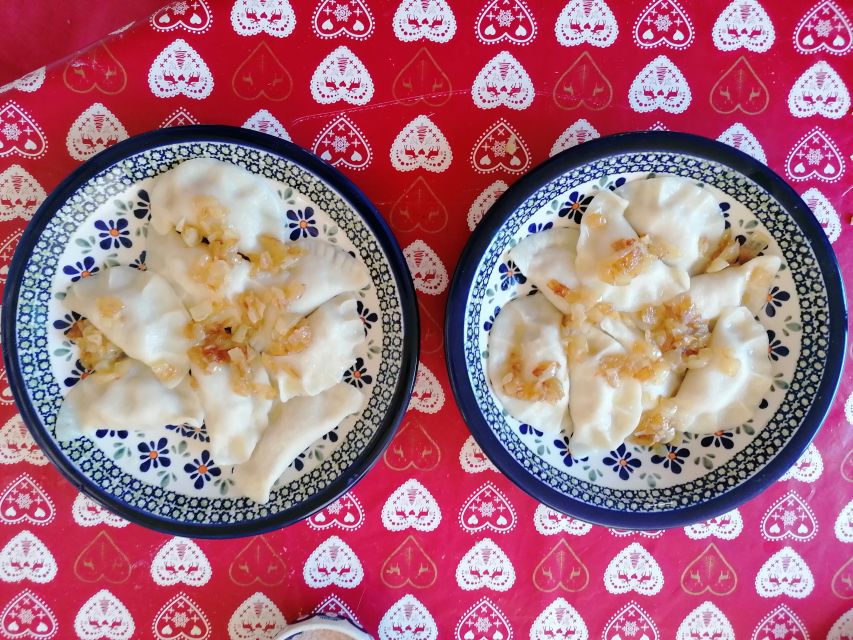
This class isn’t complete until you taste it. After cooking, you sit down and dine on the 3-course meal you made, paired with Polish beer. You also get water, tea, and coffee.
There’s a practical reason this matters: eating what you made is how you learn. You notice what needed more seasoning, what tasted better hot, and what you’d change next time. It turns the class into something you can refine later rather than forgetting after the trip.
The “course” structure is also helpful if you’re trying to learn Polish cooking beyond pierogi. You’re taught three authentic Polish recipes, and pierogi are only the starting point. That means you leave with more than one dish in your head—and more than one “I can make this again” win.
The beer pairing is included, but it’s optional in the sense that you can still enjoy the meal with the non-alcoholic drinks provided (water, tea, coffee). Either way, the pairing supports the atmosphere: this is meant to feel like an actual meal with conversation.
One more small detail that adds warmth: you eat with the family. Even if the exact family setup is different day to day, the goal is the same—food first, then stories about Polish culture and traditions as you share the table.
Polish Food Culture: More Than Recipes on Paper
A lot of cooking classes teach recipes. This one also tries to teach context. You learn Polish culinary traditions during the hands-on cooking, and you get some cultural conversation alongside the food.
That’s where the market stop and the phrase practice connect. When you’re buying ingredients and trying words with sellers, you start thinking like a local shopper. When you then cook in a home kitchen, it feels less like a staged performance and more like you borrowed someone’s daily routine for a few hours.
In other words, you’re not just collecting dishes. You’re learning how ingredients, language, and everyday habits fit together around food.
Price and Value: Is $108 Worth It?
At $108 per person for about 4 hours with a small group (up to 6), this isn’t a cheap activity. The key question is what you’re really paying for.
Here’s the value case, based on what’s included:
- Market shopping time with guidance and Polish phrase practice
- A live English guide throughout the experience
- Transport by public transit to the home
- Ingredients and equipment: all products and utensils for cooking are included
- Food and drink: Polish snacks, pierogi, a 3-course meal, and Polish beer (plus water, tea, coffee)
If you were to recreate all of that independently, you’d likely spend more once you factor in ingredient shopping, time, and the convenience of having everything set up with a guide.
Where $108 can feel steep is if you only want one recipe and you’re not interested in the market or the meal side. But if you want the full day rhythm—buy ingredients, cook in a home kitchen, and eat together—this price starts to make sense.
Who Should Book This Pierogi Class (and Who Might Skip It)
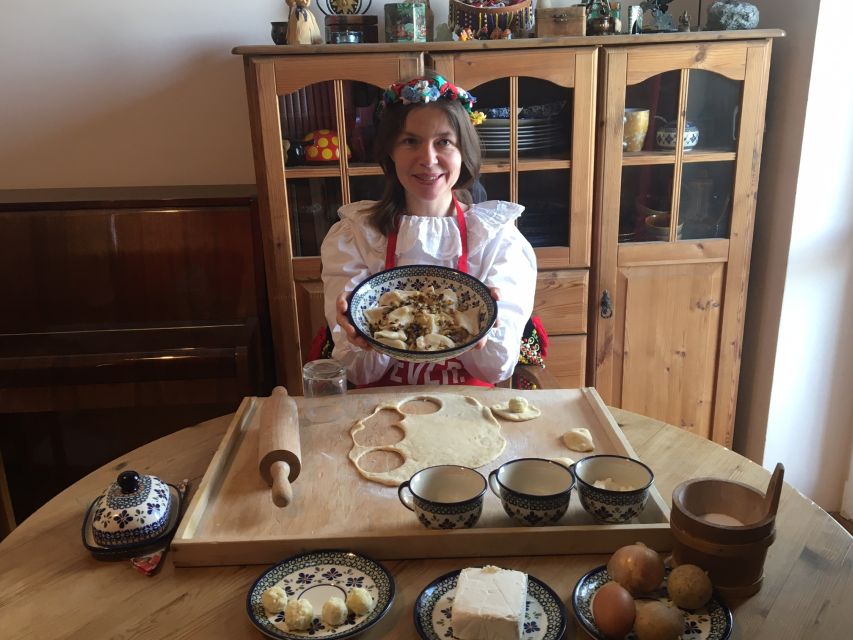
This works best if you:
- Want pierogi skills you can replicate at home
- Like hands-on learning more than watching from the sidelines
- Enjoy food culture that includes shopping, not just cooking
- Are comfortable with a small group setting and a full meal at the end
It also seems like it can work well for families with children who can handle an active 4-hour kitchen session. Reviews mention a guide being patient with kids during pierogi making.
You might skip it if you need a fully accessible setup, because it is not suitable for wheelchair users, or if you strongly dislike market environments.
Should You Book the Krakow Pierogi Home Cooking Class?
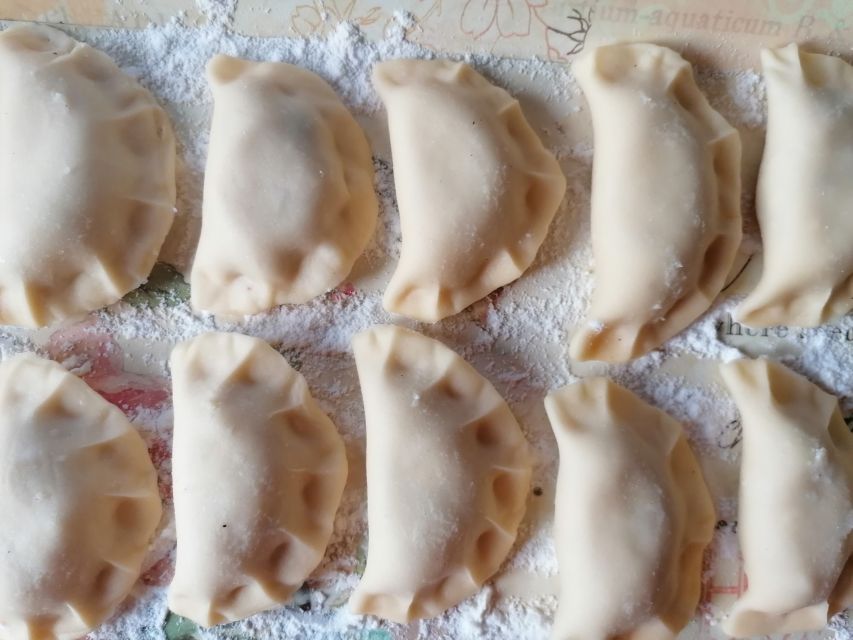
If you want Krakow in a single plate—market-to-kitchen-to-table style—this class is a strong pick. You get a small-group guide, real ingredient shopping, a home cooking session built around pierogi, and a 3-course meal with Polish beer included. That combination is hard to beat for learning value, because you leave with both the skills and the taste memory.
My honest call: book this if your trip has room for a 4-hour commitment and you want something more practical than another walking tour. If you’re mainly shopping for photos or a one-time curiosity, you might feel it costs more than it delivers. But for anyone who likes to cook and eat, this one is the type you repeat back home.
FAQ
How long is the Krakow pierogi cooking class?
The class lasts about 4 hours.
Where do we meet the guide in Krakow?
You meet your guide outside the bookshop Pod Globusem, at the corner of Dluga and Basztowa.
What language is the tour guide?
The live guide speaks English.
How many people are in the group?
The group is limited to 6 participants.
What will I cook?
You will learn to make pierogi and two other Polish recipes as part of a 3-course meal.
Is the meal and drink included?
Yes. You’ll eat the 3-course meal you cooked, and it’s paired with Polish beer. Water, tea, and coffee are also included.
Is this class wheelchair accessible?
No, it is not suitable for wheelchair users.
If you tell me your travel dates and whether you’re coming with kids or anyone who prefers a strict vegetarian or no-alcohol experience, I can help you decide if the timing and format fit your day in Krakow.