REVIEW · PHUKET CITY
Phuket: Thai Cooking Class with 4 Dishes and Market Visit
Book on GetYourGuide →Operated by Thai Cooking Class Phuket by Tony · Bookable on GetYourGuide
Your Thai lunch starts at a market stall. This Phuket cooking class pairs a local fresh market visit with hands-on cooking in a traditional open kitchen, led by Tony. I love how the food starts before you touch a pan, with real ingredients you’ll recognize later in your soup, curry, and stir-fry.
My other big plus: you get step-by-step guidance while you cook, and you can often adjust the dishes to your preferences (and they’ll work around allergies or intolerances). One thing to plan for: there’s no hotel pickup or drop-off, so you’ll want to be ready to get to the meeting point on your own.
In This Review
- Quick hits you should know
- Meeting Tony and getting oriented for your Phuket cooking class
- The Phuket fresh market: ingredients, tasting, and how Thai food gets its flavor
- Cooking your 1 soup, 1 curry, and 1 stir-fry (your main savory courses)
- Soups (choose one)
- Curries (choose one)
- Stir-fries (choose one)
- Spring rolls or mango sticky rice: the sweet or crispy pairing
- What you really learn (and how to use it back home)
- Price in Phuket: why $77 can be good value here
- Who should book this Phuket cooking class (and who might want a different style)
- Should you book this Phuket Thai Cooking Class by Tony?
- FAQ
- How many dishes do I cook in this Phuket class?
- Do I get to choose what I cook?
- What dishes are available to choose from?
- Is there a market visit before cooking?
- What’s included in the price?
- Is hotel pickup or drop-off included?
- What language is the class taught in?
- What if I have allergies or dietary restrictions?
- Can I pay later or reserve without paying right away?
Quick hits you should know

- Market-first learning: taste Thai fruit, a Thai snack, and a Thai dessert before you cook
- Chef-led, English instruction: you cook with clear guidance at your own station
- Real Thai flavor building blocks: herbs and seasonings, plus substitution advice for home
- Pick-your-dishes flexibility: you choose from soup, curry, and stir-fry options
- You eat what you make: spring rolls or mango sticky rice plus your savory dishes
- Take-home value: recipe book and you can take leftovers if you can’t finish
Meeting Tony and getting oriented for your Phuket cooking class
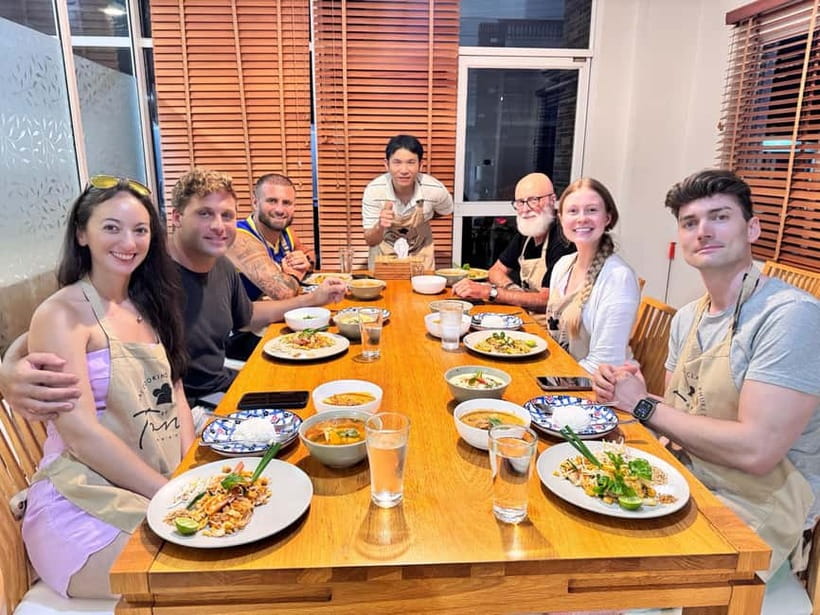
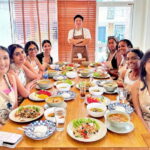
This experience starts in a real classroom-kitchen setting where you meet the host and get practical, food-focused direction right away. You’re not just watching someone cook. You’ll be placed at a station and guided through what to do next, which matters in a Thai cooking class because timing and chopping order actually affect the final taste.
After you settle in, you’ll get a welcome drink and water/coffee are included. It sounds small, but it helps you get calm and hungry instead of flustered. The kitchen is described as a traditional open kitchen, so you’ll get that sense of cooking being part of daily life, not a staged performance.
A detail I appreciate from the way the class is described and run: the instruction is designed to be followable in real time. The step-by-step pacing is the difference between doing “a cooking demo” and learning how Thai cooking works.
If you’re booking this with friends or family and you worry it might not happen if the group is small, you can relax. The class still runs even with very small bookings, so you shouldn’t feel like your experience depends on a crowd.
You can also read our reviews of more tours and experiences in Phuket City.
The Phuket fresh market: ingredients, tasting, and how Thai food gets its flavor
The market stop is one of the most useful parts, because it turns vague “Thai ingredients” into names, textures, and smells you can recognize later in the kitchen. You meet before the market and then head out with Tony and/or the chef teaching you.
In the market, you’ll do three very Thai things:
- You’ll try Thai fruit
- You’ll try a Thai snack
- You’ll try a Thai dessert
These tastings aren’t just for fun. They help you map flavor categories—sweet, sour, salty—onto ingredients you’ll cook with later. And they give you a baseline for what “good” tastes like in that dish style.
Even better, the chef uses the market walk to explain why certain herbs and seasonings matter. Thai cooking isn’t only about heat. It’s about balance: sour from citrus notes, aromatic backbone from herbs, and depth from curry pastes and aromatics. When you can see and smell those ingredients in the market, your kitchen work makes more sense.
You also get a chance to learn smart buying and substitution ideas for home cooking. That’s huge if you’re not going to find the exact same Thai herbs in your local grocery store.
Finally, the market stop is practical for photos. One guide style mentioned is making time for you to take pictures of ingredients, so you’re not stuck remembering everything from memory.
Cooking your 1 soup, 1 curry, and 1 stir-fry (your main savory courses)
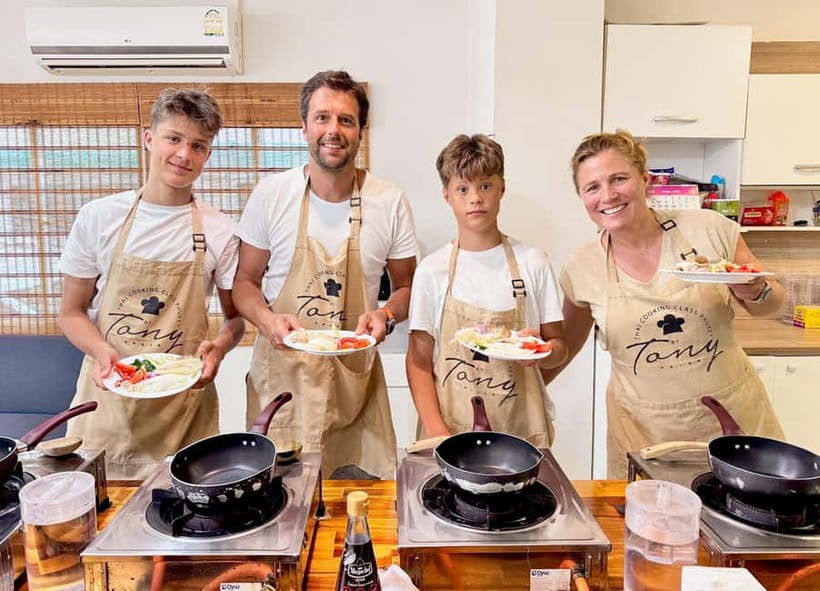
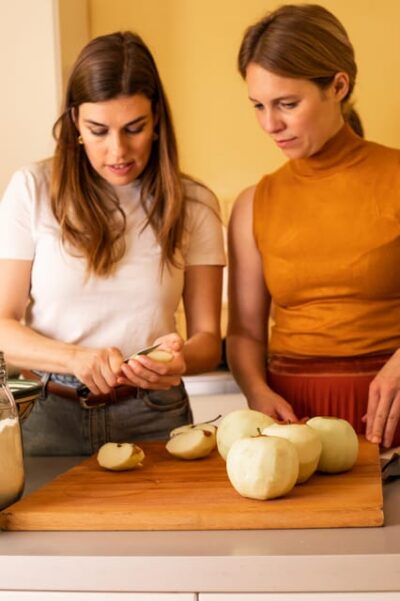
Back in the kitchen, you’ll cook what the class is built around: 1 soup, 1 curry, and 1 stir-fry. The class is hands-on, so you’ll be doing the chopping, stirring, and timing. The chef’s job is to make sure you don’t guess—everything is guided.
Here’s what you may see on the menu options, grouped by dish type:
Soups (choose one)
- Tom Yum Soup (Hot and Sour Shrimp Soup)
- Tom Kha Soup (Coconut Soup)
Curries (choose one)
- Green Curry
- Red Curry
- Yellow Curry
- Panang Curry
- Massaman Curry
Stir-fries (choose one)
- Pad Thai
- Thai Fried Rice
- Pineapple Fried Rice
- Pad Kra Pow
What makes this lineup more than a “pick-a-dish” menu is how each category teaches a different Thai cooking technique:
- Soups teach how sour and aromatic notes balance, and how heat builds without drowning the flavor.
- Curries teach how curry paste, coconut or other bases, and spices come together—this is where you learn to judge thickness and aroma.
- Stir-fries teach the fast, high-heat approach: timing is everything, and sauces need to be added at the right moment.
You’ll learn about Thai herbs and seasonings while you cook, and you’ll get recommendations for substitutions for when you cook at home. That part is especially valuable if you’ve ever tried Thai recipes later and wondered why your flavor profile didn’t match what you tasted in Thailand. A good substitution tip can turn a disappointing attempt into something you want to repeat.
One more practical upside: they’re described as considerate about allergies and intolerances. If you have dietary limits, you’ll want to share them early so the kitchen can guide you through what’s safe and what to adjust.
Spring rolls or mango sticky rice: the sweet or crispy pairing
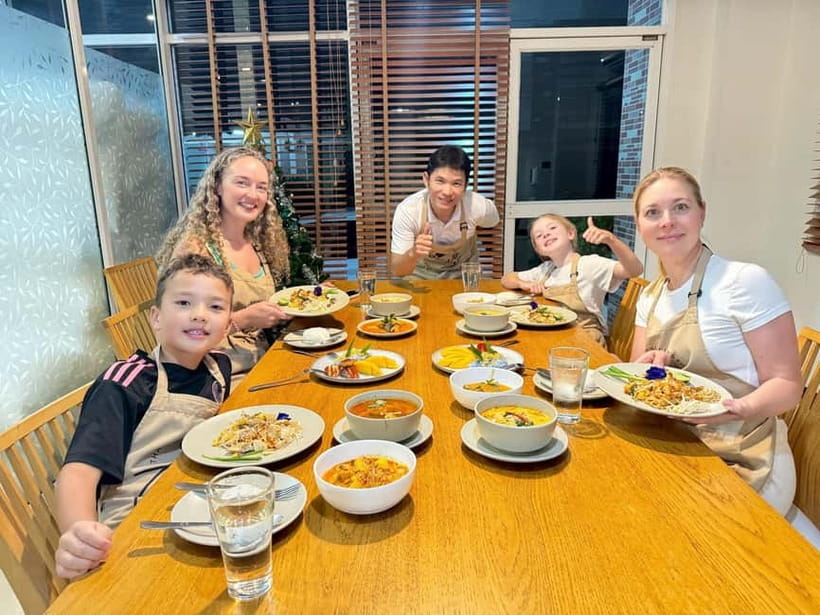
Your meal isn’t only the savory trio. You’ll also cook and eat spring rolls or mango sticky rice as the companion course.
This choice matters because it affects how you experience the whole class. Spring rolls give you a savory, crunchy contrast that works like a palate reset. Mango sticky rice gives you the Thai dessert idea—sweet, creamy, and tied to a very specific flavor rhythm.
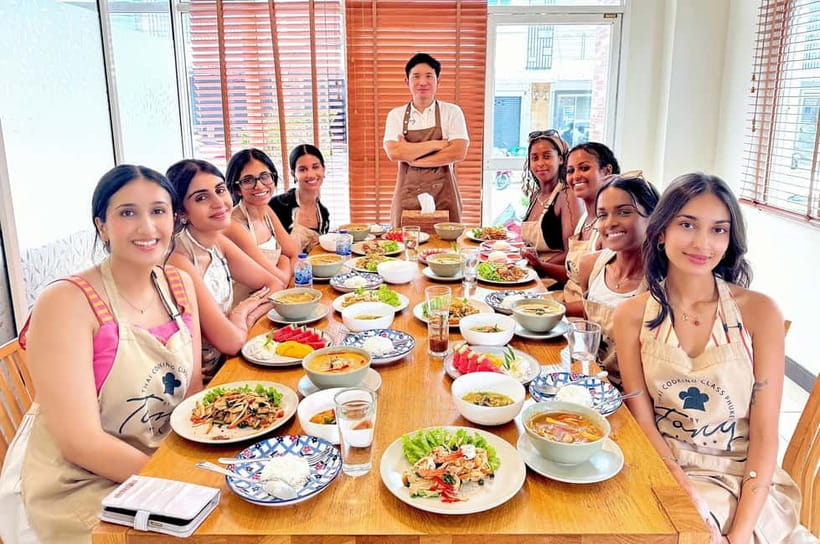
Either way, you end up eating what you cooked. That’s not a gimmick. It’s how you learn—taste while the dish is fresh, then connect the flavors you made with the techniques you used.
And yes, you’ll have a moment to enjoy the food you worked for. After cooking, you taste the results and can compare your expectations to what actually happened on the stove.
What you really learn (and how to use it back home)
The best part of a cooking class like this is the gap it closes between a recipe on paper and the way Thai cooks actually build flavor. In this one, the learning is tied to two concrete things:
1) Thai herbs and seasonings, explained in context
Instead of a long list of “add these,” the instruction focuses on what the ingredients do for the dish. That makes substitution easier later, because you’re not replacing by guess—you’re replacing by function.
2) Step-by-step pacing that helps you succeed
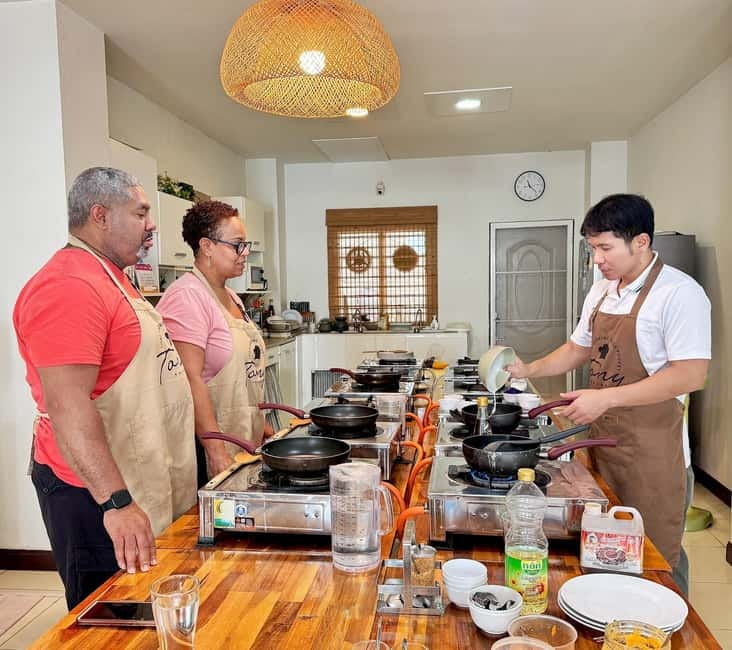
You cook at your own station while the instructor guides you through each stage. For me, that’s what makes it practical: you leave with muscle memory, not just notes.
There’s also a home-friendliness angle. You’ll receive a recipe book you can use to recreate the dishes. That’s especially useful because Thai recipes often depend on balance—if you only remember quantities, you can get stuck. With substitutions and tips, you’ll have a path forward.
A small but meaningful bonus: if you can’t finish everything, you can take the cooked food with you. That turns the class into a full meal with real value, not a tiny tasting.
Price in Phuket: why $77 can be good value here
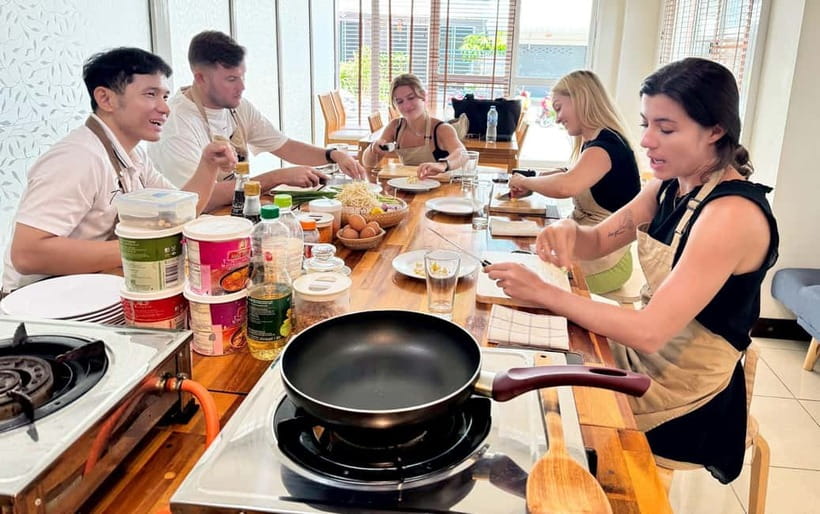
At about $77 per person, this class can feel like a splurge—until you map what’s included.
You’re getting:
- A market visit with guided ingredient sourcing
- A hands-on cooking session in an open kitchen
- 3 cooked dishes (soup, curry, stir-fry) plus spring rolls or mango sticky rice
- Ingredients, an instructor, water, and coffee
- A recipe book to take home
So you’re not just paying for cooking time. You’re paying for an entire flavor-education cycle: ingredients first, then technique, then tasting, then home tools.
The main cost/effort trade-off is logistics. There’s no hotel pickup or drop-off. You’ll need to get yourself to the meeting point at the cooking school. The good news: the meeting point is searchable online, and using the exact name Thai Cooking Class Phuket by Tony is the most accurate way to find it.
Also note the rule for people aged 6 and over who don’t want to cook: there’s an extra fee of 1,200 THB paid in cash at the school. If you’re traveling with kids who want to watch, that’s worth planning for in your budget.
Who should book this Phuket cooking class (and who might want a different style)
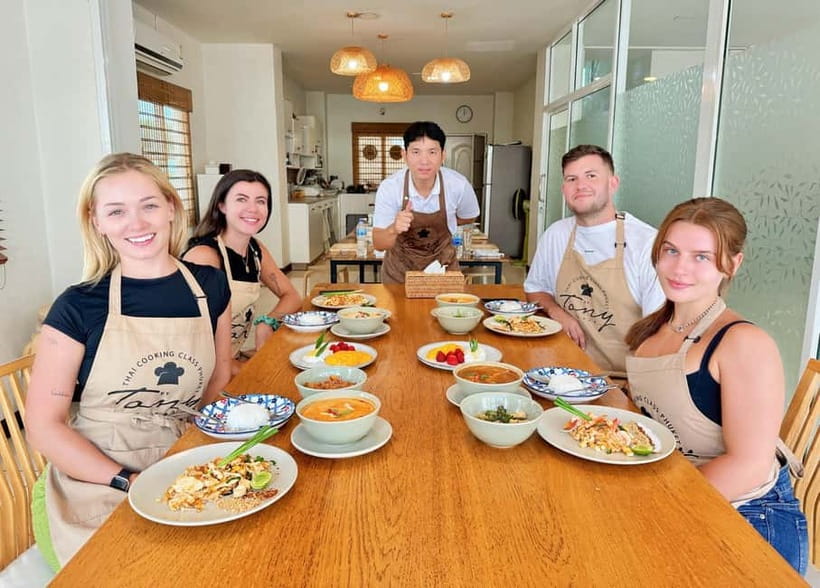
I think this fits best if you:
- Want a hands-on experience rather than a short demonstration
- Like learning how flavors are built, not only memorizing recipes
- Want an easy way to practice Thai cooking fundamentals (soups, curries, stir-fries)
- Prefer guided instruction in English
- Appreciate a market component that explains what you’ll actually cook with
It might be less ideal if you:
- Want purely sightseeing time and minimal hands-on work
- Need hotel pickup and door-to-door convenience
- Are only interested in one dish type (since the class is structured around soup, curry, and stir-fry plus spring rolls or mango sticky rice)
One thing I’d especially keep in mind if you have food preferences: the menu options include a range of curry styles and stir-fry choices, so you can usually steer toward something you’ll enjoy eating.
Should you book this Phuket Thai Cooking Class by Tony?
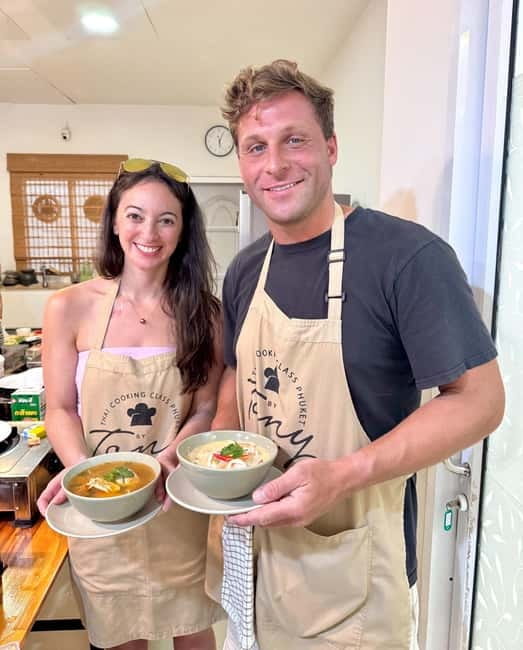
If you want Thailand food the practical way—market to kitchen to plate—this is an easy yes. The strongest reason to book is the combination of market tastings plus structured cooking you can actually repeat later using the recipe book.
My rule of thumb: book it if you’re hungry to learn and you’ll enjoy cooking with a real instructor in an open kitchen. Skip it only if convenience matters more than hands-on learning, because you’ll handle your own transport to the meeting point.
If you’re ready to leave with both new flavor knowledge and a full meal you cooked yourself, Thai Cooking Class Phuket by Tony is worth your time in Phuket.
FAQ
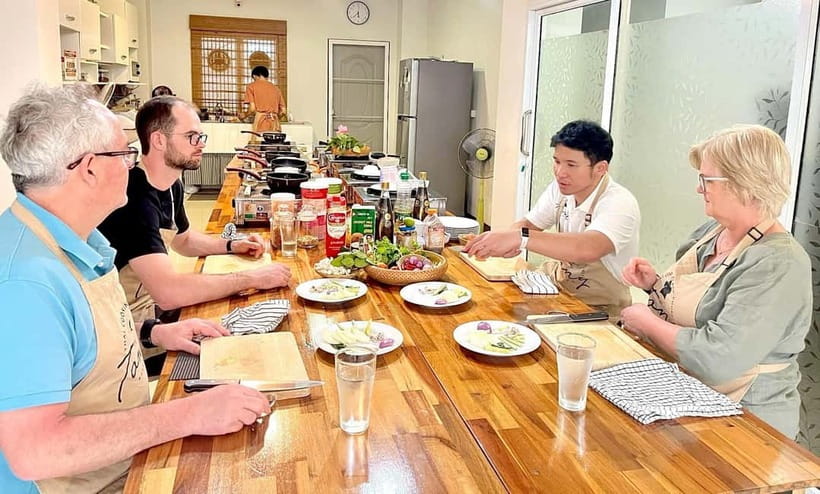
How many dishes do I cook in this Phuket class?
You cook three main dishes: one soup, one curry, and one stir-fry. You also make and eat spring rolls or mango sticky rice as part of the meal.
Do I get to choose what I cook?
Yes. You’ll cook from category choices (soup, curry, and stir-fry), and the class format includes options so you can select dishes that match the session’s menu.
What dishes are available to choose from?
The soups can include Tom Yum or Tom Kha. Curries can include green, red, yellow, Panang, or Massaman. Stir-fry options can include Pad Thai, Thai Fried Rice, Pineapple Fried Rice, or Pad Kra Pow.
Is there a market visit before cooking?
Yes. You’ll meet at the cooking school, then go to a local fresh market with the instructor/chef. You’ll also try Thai fruit, a Thai snack, and a Thai dessert during the market visit.
What’s included in the price?
Included are the instructor, ingredients, water, coffee, Thai fruit/snack/dessert at the market, spring rolls or mango sticky rice, and the three dishes you cook.
Is hotel pickup or drop-off included?
No. Hotel pickup and drop-off are not included, so you’ll need to get to the meeting point on your own.
What language is the class taught in?
The class is taught in English.
What if I have allergies or dietary restrictions?
You should let the school know in advance. The class is described as considerate about allergies or intolerances, and guidance is provided so you can still participate.
Can I pay later or reserve without paying right away?
Yes. You can reserve & pay later, meaning you can book your spot and pay nothing today.