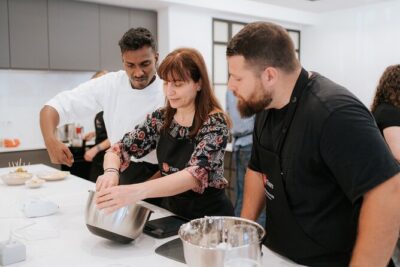
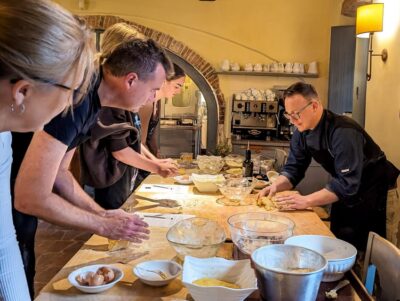
Dinner starts with dinner prep.
In Berat, this cooking class turns a normal meal into a hands-on afternoon in a family home. You learn to prepare three classic Albanian dishes (the exact picks shift by group and season), then you sit down together and eat what you cooked. I also like how the evening keeps moving: cooking, shared food, and then a wine and raki tasting. One possible drawback: if your schedule is tight, the full experience runs about 4 hours and you’ll want to be ready for good food (and drinks) at a steady pace.
What really makes this worth your time is the small group size (max 10) and the English-led format. You also get more than just a recipe lesson: after cooking, you head to a local venue for tasting—1 wine plus 2 types of raki, including native-variety wines like Shesh i Bardhë and Shesh i Zi, and raki options such as grape raki and walnut raki.
In This Review
- Key highlights worth planning around
- A Berat cooking class that feels like family dinner
- The comfort factor
- Choosing your three dishes: what you’ll likely cook
- Why this flexibility is a good thing
- The kitchen part: what the hands-on lesson feels like
- A traditional start (and why it matters)
- You might also see the outdoor touches
- The shared meal: your food, served as a real event
- Timing and pacing at the table
- Wine and raki tasting: what’s included and what you’ll learn
- Native grape varieties on the wine side
- Raki options you may taste
- Price and value: is $41.70 a fair deal?
- Who this is best for financially
- Timing, meeting point, and how to plan your day
- What to keep in mind
- Who should book this cooking class in Berat
- Should you book this Berat food experience?
- FAQ
- How long is the Berat Traditional Albanian Cooking Class?
- Where does the experience start in Berat?
- Is the class offered in English?
- How many people are in the group?
- What dishes will we cook?
- Do we eat the food we cook?
- What’s included in the wine and raki tasting?
- Is confirmation provided after booking?
- Does the experience depend on weather?
- Is there free cancellation?
Key highlights worth planning around
- Cook three Albanian specialties with guided, hands-on steps
- Family-style atmosphere in a real home, not a classroom
- Eat right after cooking, as part of a shared group meal
- Wine plus raki tasting (1 wine + 2 raki types) with local context
- Small group cap of 10 for easier conversation and smoother timing
A Berat cooking class that feels like family dinner
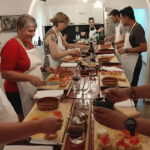
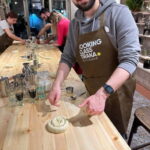
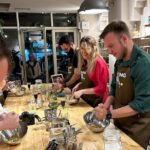
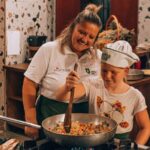
This isn’t a sterile demo where you watch someone else work. You come into a local home in Berat and join the cooking process alongside the family. The vibe is warm and practical: you’re learning how to make the food, but you’re also learning how Albanians actually talk, laugh, and share a table.
In the best moments, you can see how the family structure supports communication. In English-speaking groups, the household often has help from younger family members translating so everyone can understand what’s happening in the kitchen and why. That matters, because good cooking classes aren’t just about measurements. They’re about knowing what a dough should feel like, how a sauce changes as it cooks, and when a dish is ready.
You can also read our reviews of more tours and experiences in Tirana.
The comfort factor
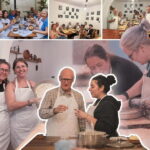
If you’re someone who likes to connect through food, this type of home-based class usually lands well. One of the strongest themes from the experience is how welcoming people are—meeting the family, talking during prep, and settling in for the meal together afterward. It’s cozy, informative in a real way (not lecture-y), and you get plenty of time at the table rather than a quick snack-and-go setup.
Choosing your three dishes: what you’ll likely cook
The menu changes by group and by season, but you can expect you’ll learn three classic Albanian dishes from the core list. Depending on the timing, you might cover items like:
- byrek (often made in different forms around Albania and the Balkans)
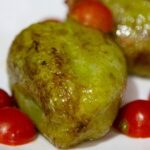
- stuffed peppers
- meatballs
- tavë kosi (a baked dish with yogurt-based elements)
- fërgesë
- lakror
- gliko (sweet preserves)
In practice, the “three dishes” might include familiar-looking items with Albanian twists. For example, one group experience might feature stuffed peppers plus eggplants, mince rolls, and a borek-style dish. Another might lean toward baked comfort food like tavë kosi.
Why this flexibility is a good thing
If the course picks adjust by season, it often means the kitchen is using what’s most available and what makes sense for the day. That’s more authentic than a rigid, every-day menu. It also helps you avoid feeling like you’re doing the same cooking lesson as everyone else in the same way on the same day.
The kitchen part: what the hands-on lesson feels like
You’re not just tasting as you go. You’re cooking. That means you’ll likely work through multiple steps—mixing, shaping, stuffing, assembling, and then waiting for things to bake or cook through while you learn the next phase.
The best kind of class balances instruction with action. You get guidance as you go, and family members keep things moving so you don’t stand around. It’s a true group activity: one person chops or mixes while another works on assembly, then you all come together later for the meal.

A traditional start (and why it matters)
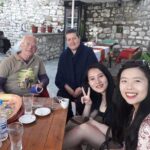
The evening often begins with raki—sometimes even more than one type. Some experiences start with a stronger raki, then a milder version, and then coffee is used to reset your palate. If that’s part of your schedule, it’s not random. It sets the mood and helps you experience the flavors in order, so the food doesn’t all taste the same.
You might also see the outdoor touches
Some home setups include a garden area where citrus trees grow. If that’s available during your visit, you might even see tangerines or other citrus picked right off the trees. It’s a small detail, but it’s exactly the kind of local flavor that turns the evening into more than just cooking.
The shared meal: your food, served as a real event
After cooking, you don’t get a rushed plate and a thank-you. You sit down to enjoy a shared meal with the group. This part matters more than people expect. Cooking classes can be fun, but the best ones let you slow down and actually taste what you made while chatting with others.
Expect a well-fed table. The experience is designed so you’ll have enough food to enjoy your favorites without feeling like you’re eating tiny portions “for tasting purposes.” If you’re the type who wants to bring home memories you can describe (what the dish tasted like, how it changed, what you learned), this meal is where it clicks.
Timing and pacing at the table
The full experience runs about 4 hours. That means the day isn’t an all-day food festival, but it’s long enough for real cooking plus a calm meal. You’ll want to treat it like a key part of your day rather than squeezing it between two other major commitments.
Wine and raki tasting: what’s included and what you’ll learn
Once the cooking wraps, you head to a local venue for a tasting focused on raki and Albanian wine. The tasting portion includes:
- 1 type of wine
- 2 types of raki
You’ll also get context about production and the role of these drinks in local customs. It’s not just pour-and-go. The idea is to understand what you’re drinking and why it matters in Albania.
Native grape varieties on the wine side
The wines can include native varieties such as:
- White wine: Shesh i Bardhë
- Red wine: Shesh i Zi
Raki options you may taste
Raki might include:
- grape raki
- raki with walnuts
If you’re curious about how ingredients change the profile, this pairing gives you something to compare. Grapes bring one kind of character, while walnuts bring a different, deeper flavor. You’ll also likely hear how raki fits into everyday life and celebrations, since that cultural context is part of the tasting experience.
Price and value: is $41.70 a fair deal?
At about $41.70 per person for roughly 4 hours, this is priced like a “serious value” experience rather than a luxury food tour. You’re paying for three big components:
- Guided cooking instruction in a local home
- A shared meal with the food you prepared
- A wine and raki tasting with multiple pours
The small group size (max 10) is the hidden value. When you’re not packed into a large group, you get more time with the cooks and more real conversation at the table. That usually makes the price feel more justified, because you’re not treated like a number.
Who this is best for financially
If you want an evening where you get fed well and also get guided cultural context around food and drink, this tends to be a strong match. If your priority is only photos or only tasting with minimal time in the kitchen, you might feel like you’re paying for more participation than you want.
Timing, meeting point, and how to plan your day
The start point is at QATO TOURS, Rruga Koli Vesho 63, Berat, Albania. The activity ends back at the meeting point.
Because it’s near public transportation, you’re not stuck finding a private ride to the door. Still, since it’s a home-based experience, I’d plan to arrive a bit early so you’re not rushing as everyone starts cooking.
What to keep in mind
- The group is capped at 10 travelers, which usually keeps the flow smooth.
- The class is offered in English.
- The experience requires good weather. If weather turns, you should expect a date change or a refund option to keep things fair.
Who should book this cooking class in Berat
This is a great fit if you:
- like cooking that leads to a real meal
- want to spend time with locals in a home setting
- drink wine or raki and enjoy learning how things are made
- prefer small groups and conversation over crowds
It may be less ideal if you:
- dislike alcohol tastings (since wine and two raki types are part of the program)
- only want a quick food stop and not a 4-hour time commitment
- have major mobility or stamina limits, since cooking and eating happen at a home pace (and you’ll likely be standing and moving during prep)
Should you book this Berat food experience?
If you’re visiting Berat and you want something more personal than a standard restaurant dinner, I’d book this. For the money, you get actual skills (three dishes), a proper meal afterward, and a structured tasting that connects wine and raki to Albanian life.
My call comes down to this: you’re not just consuming culture—you’re practicing it. And that’s the best kind of souvenir.
FAQ
How long is the Berat Traditional Albanian Cooking Class?
It lasts about 4 hours.
Where does the experience start in Berat?
The meeting point is QATO TOURS, Rruga Koli Vesho 63, Berat, Albania.
Is the class offered in English?
Yes, it’s offered in English.
How many people are in the group?
The experience has a maximum of 10 travelers.
What dishes will we cook?
You’ll prepare 3 classic Albanian dishes, depending on the group and the season. Examples include byrek, meatballs, stuffed peppers, tavë kosi, fërgesë, lakror, and gliko.
Do we eat the food we cook?
Yes. After cooking, you sit down to enjoy a shared meal with your group.
What’s included in the wine and raki tasting?
You’ll taste 1 type of wine and 2 types of raki. Wines can include Shesh i Bardhë and Shesh i Zi, and raki can include grape raki and raki with walnuts.
Is confirmation provided after booking?
Yes, confirmation is received at the time of booking.
Does the experience depend on weather?
Yes, it requires good weather. If it’s canceled due to poor weather, you’ll be offered a different date or a full refund.
Is there free cancellation?
Yes. You can cancel for a full refund up to 24 hours in advance of the experience start time.