REVIEW · NAPLES
Neapolitan pasta homemade Cooking Lesson
Book on Viator →Operated by GRAND TOURS ITALY · Bookable on Viator
Homemade pasta gets real fast. In Naples, this 2-hour class has you making ravioli and fettuccine from scratch using traditional, no-machine methods. One watch-out: the pace is busy, so it helps if you enjoy hands-on cooking and don’t expect a slow, sit-back demonstration.
I also like how the lesson builds taste and quality into the process. You’ll sample tomato from Vesuvio and homemade bread, then learn the dough approach in a way that you can actually repeat at home.
In This Review
- Key highlights to know before you go
- Hand-Rolled Pasta in Naples: What You Actually Learn
- The 2-Hour Class Flow, From Dough Rest to Two Sauces
- Rolling Without Machines: How Traditional Technique Helps
- Vesuvio Tomato and Homemade Bread: Why the Tasting Isn’t a Side Show
- Ravioli, Fettuccine, Plus Tagliolini and Pappardelle
- Lunch With Your Pasta (and Wine): A Practical Payoff
- Price and Value in Naples: Is $90.76 Fair?
- Who This Class Is Best For (and Who Should Skip It)
- Getting There: Via delle Zite Meeting Point and Timing
- Should You Book This Naples Pasta Lesson?
Key highlights to know before you go
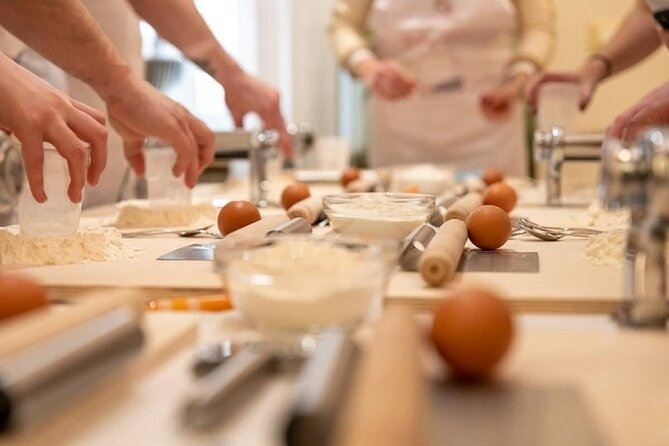
- Hand-rolled egg pasta: rolling pin, no machinery, traditional technique
- Quality tasting built in: Vesuvio organic tomato and homemade bread
- Classic fillings and shapes: ravioli and fettuccine, plus a look at tagliolini and pappardelle
- Sauce pairing on your pasta: two different sauces once your pasta cooks
- Lunch included: your homemade pasta with wine, plus soda/pop
- Friendly, tip-heavy teaching: the host Daniel is specifically praised for making it feel fun and doable
Hand-Rolled Pasta in Naples: What You Actually Learn
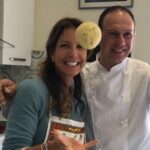
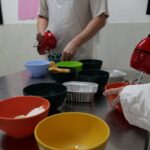
This is a practical Naples cooking class focused on the basics that matter: dough, rolling, cutting, filling, and cooking. You start with egg pasta, learn what makes pasta types different, then get your hands on the work instead of watching from the sidelines.
The big win is that you’re not just learning recipes. You’re learning a process: how dough behaves, how to roll it out, how to cut it, and how to finish it with sauces. That’s the kind of knowledge that travels home with you, especially if you’ve ever tried to make pasta and felt stuck on the dough part.
Also, there’s an ingredient lesson baked in. Before you cook, you taste Vesuvio tomato and homemade bread so you understand what “good” feels like, not just what sounds good on a menu. If you care about Italian cooking beyond the final dish, that matters.
You can also read our reviews of more tours and experiences in Naples.
The 2-Hour Class Flow, From Dough Rest to Two Sauces
Plan for about two hours of intensive instruction and cooking. There’s no long sightseeing detour here; the time goes straight into making pasta and then eating it.
Here’s how the class generally unfolds:
First, you’ll get an explanation of the differences between pasta types. That sets the table for what you’ll see later: why certain shapes suit certain textures, and why the dough style matters.
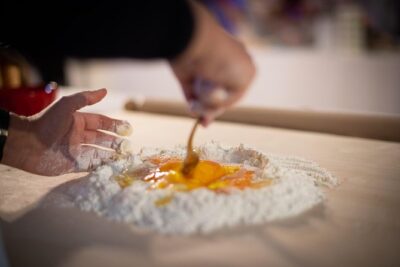
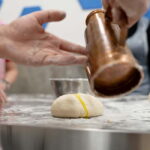
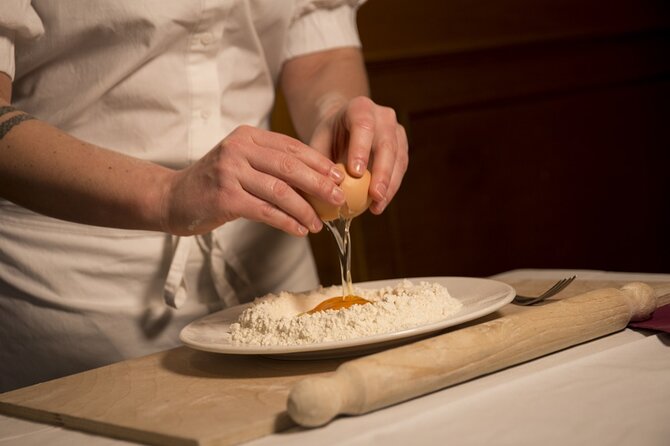
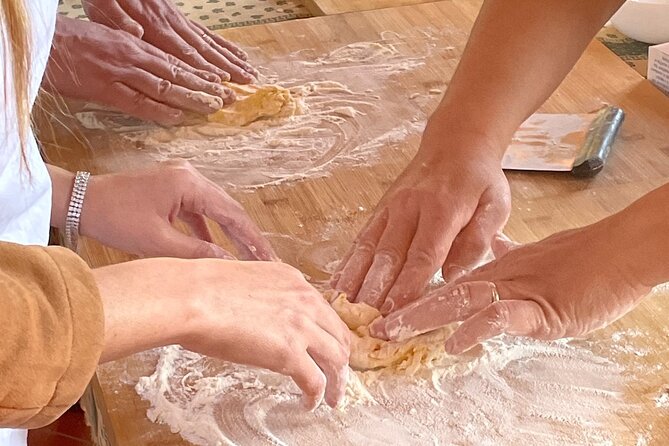
Next comes the dough. You make egg pasta using a family-style recipe, and you’ll learn about the dough resting step. Resting isn’t just tradition—it helps the dough relax, become easier to roll, and often makes the final pasta feel better in your mouth.
Then you’ll review ingredients and quality. You’ll taste organic tomato from Vesuvio and homemade bread. This part is meant to connect the cooking you’re doing with real Naples ingredients, not just pantry substitutes.
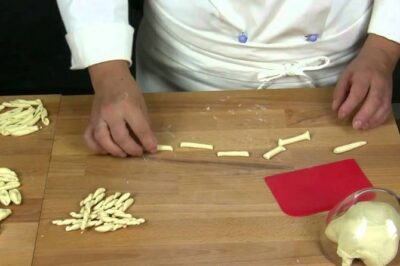
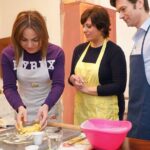
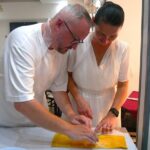
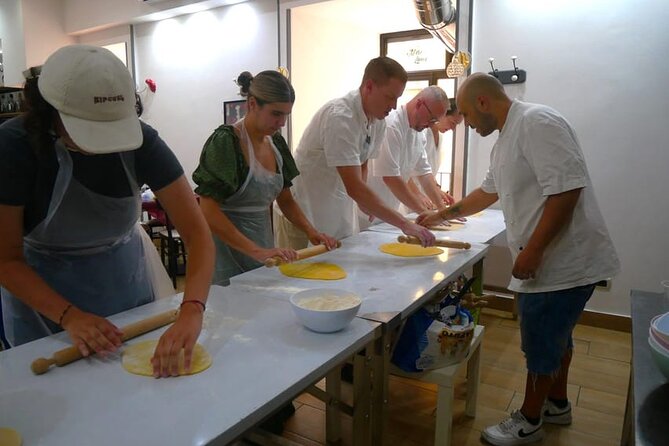
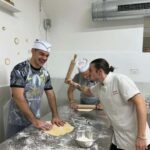
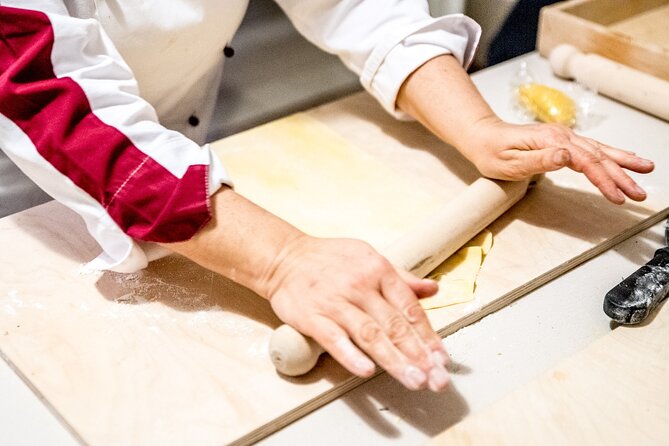
After the tasting and dough prep, the hands-on work kicks in. You roll the dough out using a rolling pin and traditional methods—no machinery. Then you cut and form the shapes. The class focuses on fettuccine and ravioli, and you’ll also see how to prepare tagliolini and pappardelle.
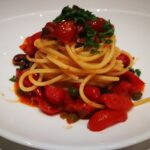
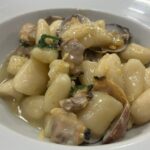
Finally, you cook your pasta in water and finish it with two different sauces. After that, the class shifts naturally into lunch.
One practical consideration: this is not a “slow hobby” pace. If you’re the type who needs time to take notes and catch up step by step, arrive with a calm mindset—or plan to re-watch the process later at home from your own notes.
Rolling Without Machines: How Traditional Technique Helps
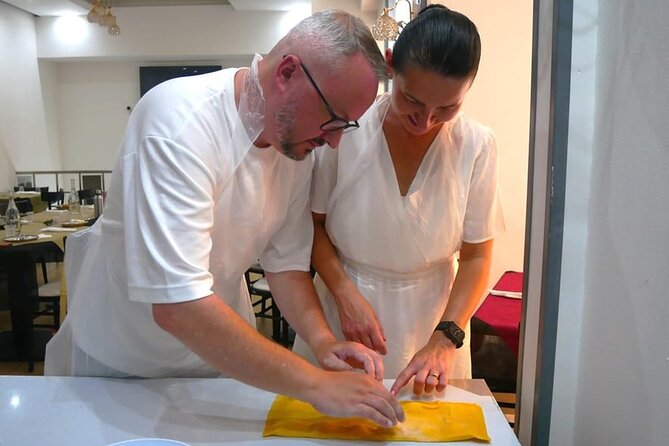
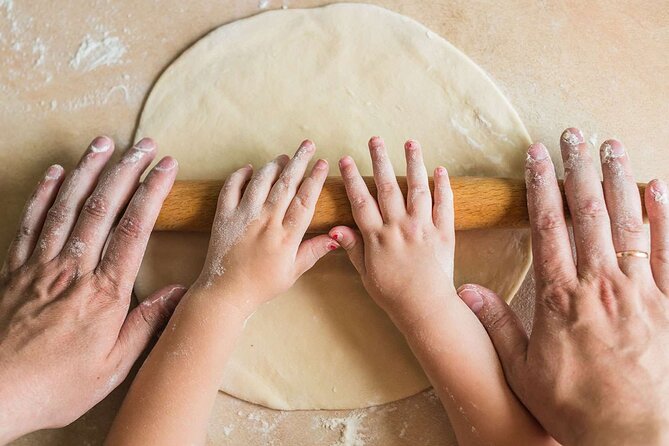
A lot of pasta classes rely on tools. This one leans on technique. You roll out the dough with a rolling pin and use traditional, grandmother-style methods rather than pasta machines.
That matters for two reasons:
- It forces you to understand how dough responds. Thickness isn’t a setting. It’s something you control with pressure, patience, and feel.
- It gives you a home-friendly method. If you can roll dough by hand in Naples, you can do it in your kitchen without hunting for a specialty machine.
You’ll also learn methods that the instructor says have been lost over time. Even if you’re not trying to preserve culinary history, the practical goal is simple: you’ll get repeatable steps for making consistent dough and workable sheets.
If you already cook at home a lot, you might find you’re moving through familiar basics. But if pasta dough has ever beaten you before, the hand-rolling approach can be exactly what you needed—because it turns a mystery into a set of actions.
Vesuvio Tomato and Homemade Bread: Why the Tasting Isn’t a Side Show
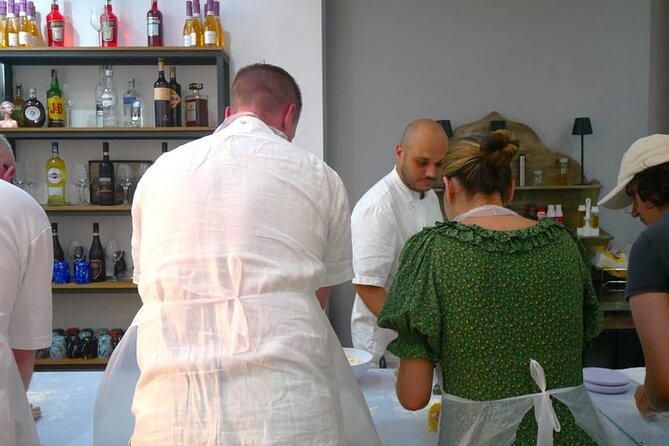
Tastings in some classes feel like a throw-in. Here, it’s more of a lesson. You’ll sample organic products from Vesuvio, including tomato, plus homemade bread.
Why this is valuable: pasta is only half the story. The other half is what you pair it with. When your sauce ingredients taste like themselves—ripe tomato, proper bread—your final plate makes sense. You understand why one sauce works and another falls flat.
The class frames this as part of learning product quality. It’s also an efficient way to orient you to local flavors in the middle of a cooking session, so you’re not cooking blindfolded.
If you like food that tastes like a place—rather than a generic Italian postcard—this tasting keeps the whole experience grounded.
Ravioli, Fettuccine, Plus Tagliolini and Pappardelle
The core targets are ravioli and fettuccine. You’ll mix filling ingredients, then work the dough into filled ravioli. After forming, the pasta gets cooked and plated with sauce.
What’s useful here is how the class treats shapes. Ravioli is more about sealing and filling. Fettuccine is more about rolling and cutting into ribbons that cook cleanly. That difference helps you understand pasta as more than a single recipe.
You’ll also learn about tagliolini and pappardelle. Even if you don’t make every single one from start to finish, seeing how they’re prepared helps you expand your repertoire later. If you go home thinking only about ravioli and fettuccine, you’ll still be happy—but if you want variety, these added shapes help you branch out without taking another whole class.
Also note: at least one participant reported that their session included making tiramisu from scratch. Since it’s not clearly guaranteed in the lesson description you’ll receive, I’d treat tiramisu as a possible extra rather than the reason to book.

Lunch With Your Pasta (and Wine): A Practical Payoff
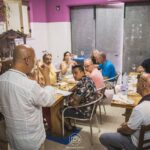
The lunch portion is not separate. The class includes lunch built around what you make: your homemade fettuccine and ravioli, plus wine. You’ll also get soda/pop.
This is the part that turns “cooking lesson” into a meal you’ll remember. You don’t just cook and leave. You cook, then taste your own work while it’s fresh, then refine your understanding of the final balance with sauce.
One caution: other drinks after the first one aren’t included. So if you want extra wine, beer, or mixed drinks, budget for it up front. It’s a small detail, but it affects value on a day when everyone is hungry and curious.
Price and Value in Naples: Is $90.76 Fair?
At $90.76 per person, you’re paying for an all-in experience: a 2-hour cooking class, hands-on pasta making, included lunch with wine, and ingredient tasting (including Vesuvio tomato and homemade bread). It’s not a casual snack-and-tour. This is a focused food workshop.
So where does the value come from?
- You leave with real technique: hand-rolling dough and shaping ravioli/fettuccine.
- You eat your work immediately, which is often where classes quietly win or lose.
- Included wine and lunch reduce the “hidden costs” you’d have if you tried to recreate this on your own.
Where you should be honest with yourself: if you’re expecting a long, slow, multi-hour class, or if you want more advanced instruction beyond standard pasta steps, the format might feel tight. The class length is short by design, and it’s meant for momentum.
The other timing detail: it’s commonly booked about 27 days in advance. That’s usually a sign people think it’s worth it. If you’re going in peak season, you’ll want to plan earlier rather than gamble on walk-up spots.
Who This Class Is Best For (and Who Should Skip It)
This lesson makes sense if you want to learn:
- Homemade pasta dough and how to roll it without machines
- Ravioli and fettuccine technique you can repeat at home
- Ingredient quality and sauce pairing in a practical way
You’ll likely enjoy it more if you’re comfortable getting your hands involved and don’t mind a classroom that feels more like a busy kitchen.
It’s also not recommended if you’re gluten intolerant, based on the class info. If you need gluten-free cooking specifically, you should look for a separate gluten-free pasta class rather than rely on substitutions.
If you’re already very advanced with pasta making, you might find the content moves quickly or stays at an approachable skill level. That doesn’t automatically make it “bad”—it just changes what you’ll get out of it. If you’re a beginner or intermediate home cook, the structure and tips are more likely to feel like money well spent.
Getting There: Via delle Zite Meeting Point and Timing
You’ll meet at Via delle Zite, 30, 80139 Napoli NA, Italy, and the activity ends back at the meeting point. It’s noted as near public transportation, which is handy in Naples where traffic and walking distances can both be unpredictable.
The practical move: arrive a little early with time to orient yourself. The class is short, so you don’t want to lose minutes before the dough work begins.
Also, plan your day around the meal. Because lunch is included with what you make, you don’t want to stack a big dinner plan right after unless you’re the type who eats slowly and enjoys conversation over a second glass.
Should You Book This Naples Pasta Lesson?
Book it if you want a hands-on Naples food experience with real technique, not just a guided meal. The combination of traditional hand-rolling, tasting Vesuvio tomato, and then eating your ravioli and fettuccine with wine is a strong value package for a single afternoon.
Skip it (or at least reconsider) if you:
- Need a long, slow course with lots of resting time
- Are gluten intolerant and need strict gluten-free food
- Expect an advanced, highly technical workshop with lots of theory and deep troubleshooting
If your goal is to take home the ability to make pasta that tastes like it belongs in Italy, this is the kind of class that gives you something to practice right away.