REVIEW · POLIGNANO A MARE
Polignano a Mare: Pasta Making Cooking Class with Drink
Book on GetYourGuide →Operated by PUGLIAMARE SRL · Bookable on GetYourGuide
Thumbprint pasta lessons in Polignano a Mare. You’ll learn how to make orecchiette and cavatelli with a local chef in the historic center, then sit down to eat what you shape. I also like that the class builds in a proper Puglian aperitivo with taralli, preserved vegetables, and local wine—so it feels like dinner plans, not just a demo.
The one watch-out is that it’s a tight 2 hours. Some of the time is spent watching and practicing the shaping technique more than doing every single kitchen step yourself, so if you’re expecting to handle absolutely everything from start to finish, set your expectations accordingly.
In This Review
- Key Points to Know Before You Go
- Polignano a Mare and Why This Happens in the Historic Center
- Meeting Annamaria on Via S. Vito: What the Session Really Feels Like
- Orecchiette and Cavatelli: Learning Two Apulian Pasta Shapes
- Hands-On Time: How You’ll Spend the Evening in the Kitchen
- Aperitivo Before Dinner: Taralli, Preserved Veg, Greens, and Wine
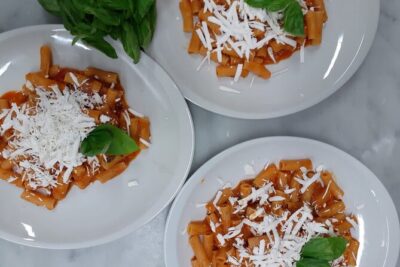
- Eating What You Made: Orecchiette With Tomato Sauce
- Price and Value: Is $77 Worth It for a 2-Hour Pasta and Wine Class?
- Who This Class Is Best For (and Who Might Want Something Else)
- Practical Tips for Your Evening in Polignano
- Should You Book This Polignano Pasta Class?
- FAQ
- What pasta will I learn to make?
- How long is the cooking class in Polignano a Mare?
- Where do I meet the host?
- Is pickup included?
- Is there a meal and drinks included?
- Is the class suitable for vegetarians or vegans?
Key Points to Know Before You Go
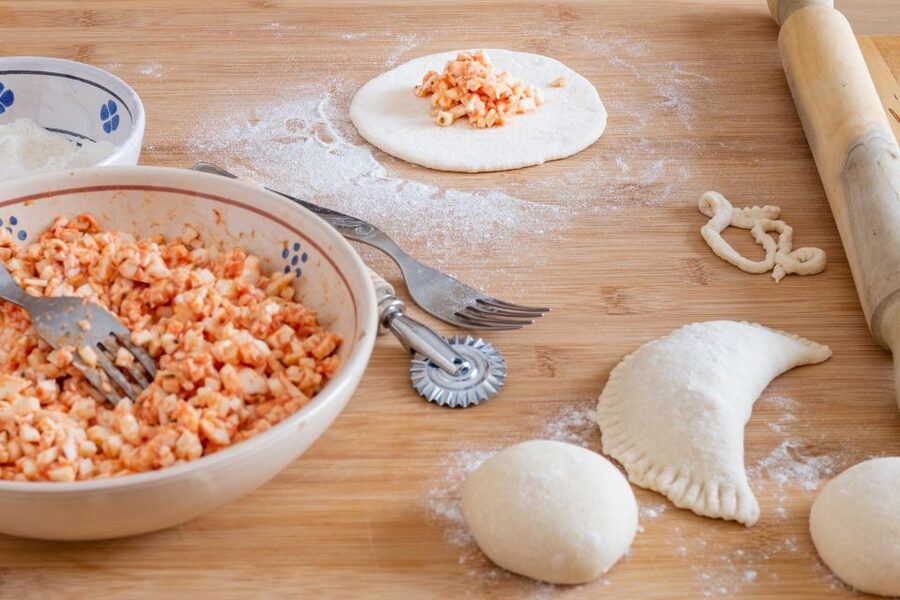
- Orecchiette and cavatelli practice: you get hands-on coaching to form the shapes the Apulian way.
- Puglian aperitivo pacing: taralli, preserved veggies, seasonal greens, and wine come while you’re still learning.
- Small-group feel: the setting is intimate enough that you can ask questions and get corrections.
- Historic-center location in Polignano: the meeting spot is inside the town’s older streets, so your time feels local.
- Chef-led instruction in English and Italian: useful when you want technique explained clearly.
- Value includes tasting: drinks and a meal component are built into the experience price.
Polignano a Mare and Why This Happens in the Historic Center
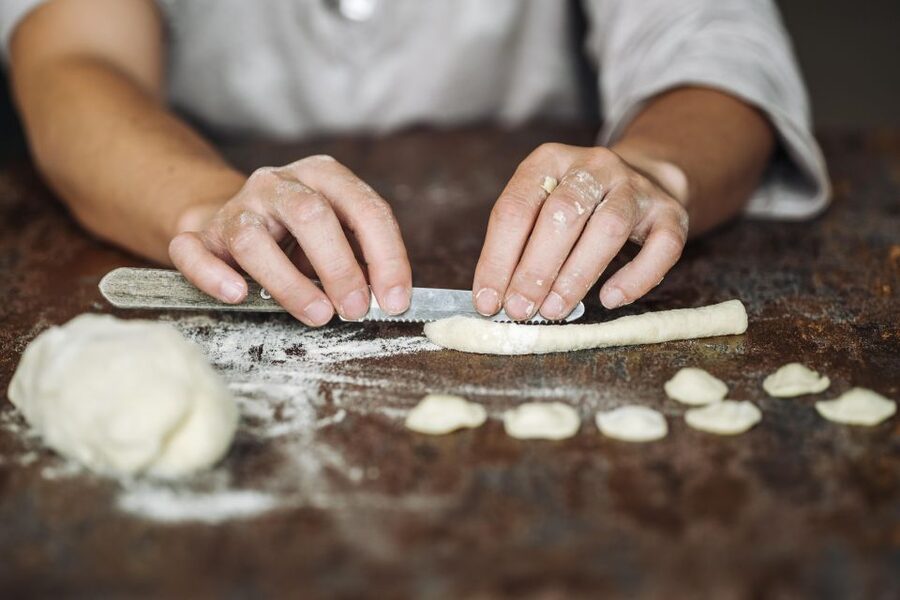
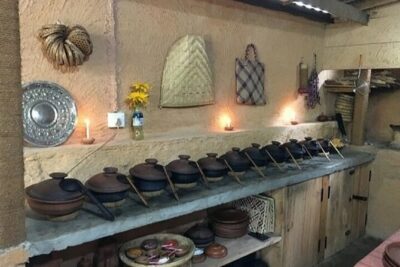
Polignano a Mare has that postcard-geometry feel, but the best part is how normal life still runs through the old streets. This class is in town, in a typical house on Via S. Vito (Via S. Vito, 20), so you’re not trapped in a commercial cooking studio that could be anywhere in the world.
Doing it in the historic center also changes your mindset. Before the first bite, you’re already in Apulia mode: tight streets, local rhythms, and the kind of evening where people slow down. That matters, because pasta technique is easier to learn when you’re not rushing, and because the aperitivo vibe is part of what you came for.
You can also read our reviews of more tours and experiences in Polignano A Mare.

Meeting Annamaria on Via S. Vito: What the Session Really Feels Like
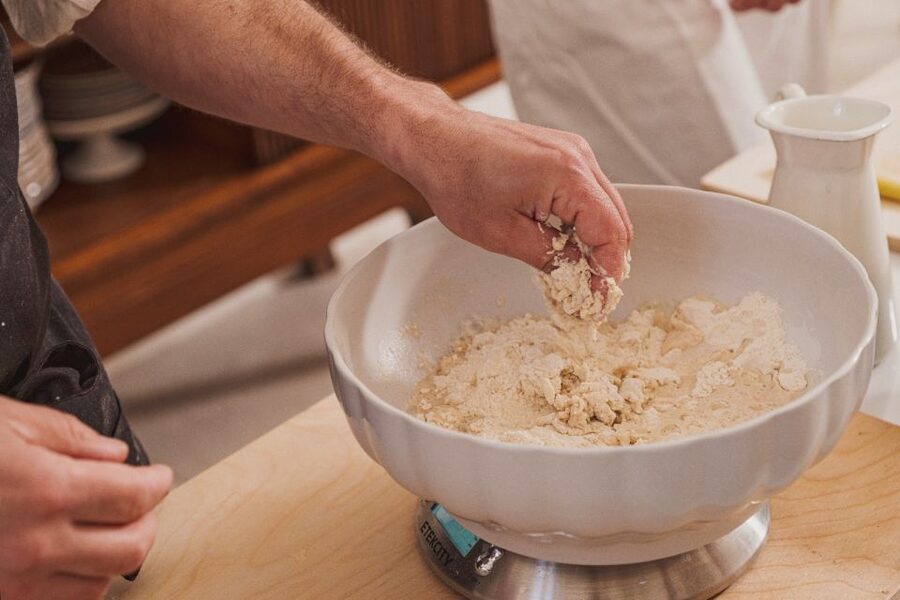
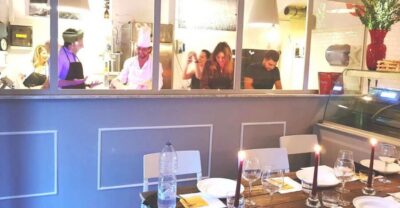
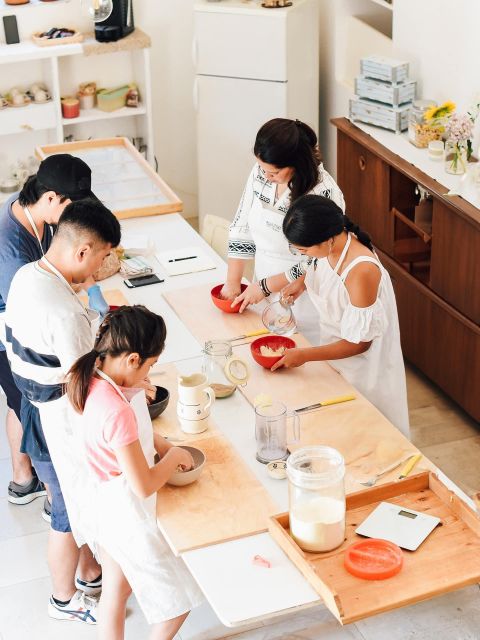
You meet Annamaria at the typical house in Via S. Vito, 20, Polignano a Mare. The instructor can run the session in English and Italian, which is a big practical win if you want to understand the why behind each step, not just copy a hand motion.
From what I’d want as a student, the best sign here is the emphasis on close guidance. Multiple people mention that the host or chef gives individual attention as you form the pasta correctly. In a small class, that turns technique from guesswork into something you can repeat at home.
It’s also the kind of activity that works across ages. If you’re traveling as a couple, you get one-on-one corrections. If you’re bringing kids, this format still stays engaging because you get hands-on time and then you eat what you made.
Orecchiette and Cavatelli: Learning Two Apulian Pasta Shapes
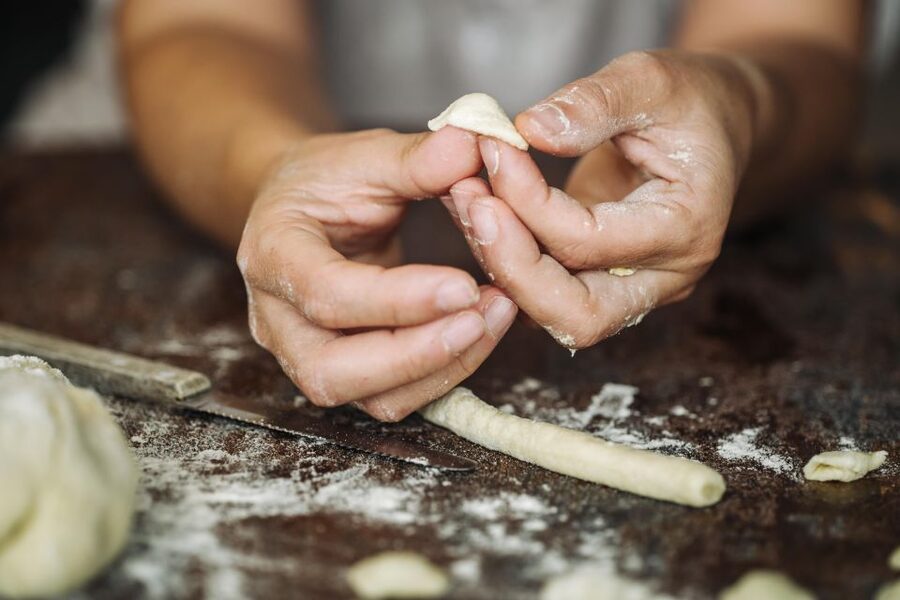
This class focuses on two typical Apulian pastas: orecchiette and cavatelli. That pairing is smart. Orecchiette is all about the look and texture—so sauce clings when you cook it later. Cavatelli has its own shape logic, and learning both makes you understand that in Italy, pasta shapes aren’t just for looks. They’re part of the local food system.
Here’s the practical benefit for you: once you learn how the chef wants the dough shaped, you stop trying to “wing it” later. Several course participants highlight that they were taught how to form orecchiette properly, not just roughly.
Also, the instruction doesn’t feel isolated from the region. You may hear historical context and cultural stories tied to Puglia, not just cooking trivia. That’s useful because it helps you remember the technique and explains why Apulians care about ingredients and method the way they do.
Hands-On Time: How You’ll Spend the Evening in the Kitchen
A lot of cooking classes sell hands-on, but you still end up watching most of the evening. This one is closer to hands-on than many—especially once the dough is ready and you start shaping.
What you can expect in practice:
- You’ll learn the process from a local chef and get guidance as you work.
- You’ll spend time practicing the distinctive forms of orecchiette and cavatelli.
- You’ll be able to ask questions while the class moves along at a comfortable pace.
Some people note that you don’t necessarily do absolutely everything from scratch. In other words, don’t assume you’ll be grinding flour, building sauce from nothing, and finishing every element like a full home-cooking marathon. But you do get the key skill most tourists miss: how to shape pasta so it actually looks like the real thing.
Aperitivo Before Dinner: Taralli, Preserved Veg, Greens, and Wine
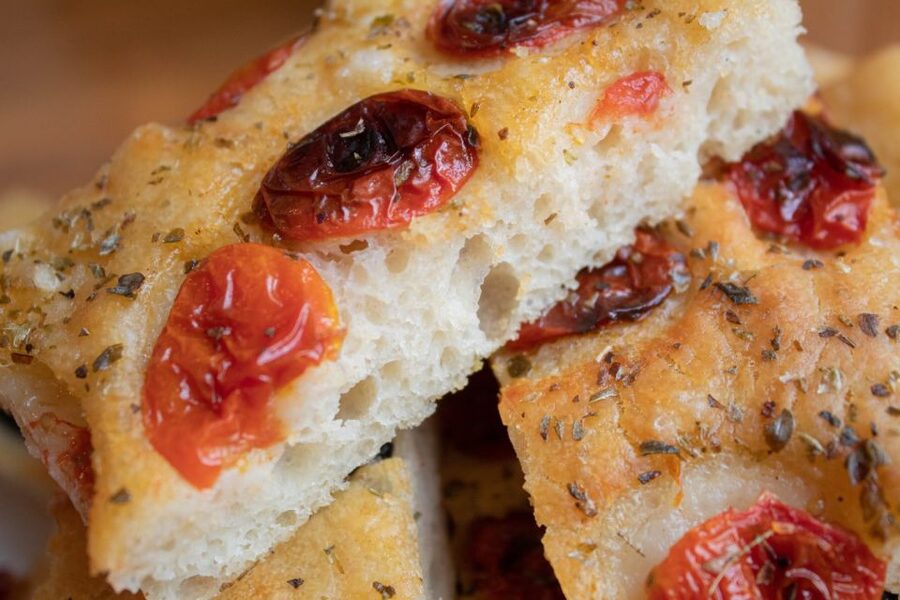
The class doesn’t keep you waiting hungry. While you’re learning, you’ll enjoy an aperitivo with taralli and typical Puglian products, plus a selection of preserved vegetables and seasonal greens.
That spread is more than snacking. It’s a shortcut to how Apulia tastes across seasons:
- Taralli gives you that crunchy, savory baseline.
- Preserved vegetables show off the region’s practical approach to flavor and pantry cooking.
- Seasonal greens add something fresh and bright so the meal doesn’t feel flat.
And then there’s the wine. You’ll have local wine during the experience. For many people, that’s the social glue that turns a cooking lesson into a real evening out—especially if you’re traveling with a partner, a friend group, or family.
If you’re the type who likes pairing food with what you’re learning, this part is the payoff. The tasting helps your brain connect shape and sauce later, instead of treating pasta-making like a standalone craft project.
Eating What You Made: Orecchiette With Tomato Sauce
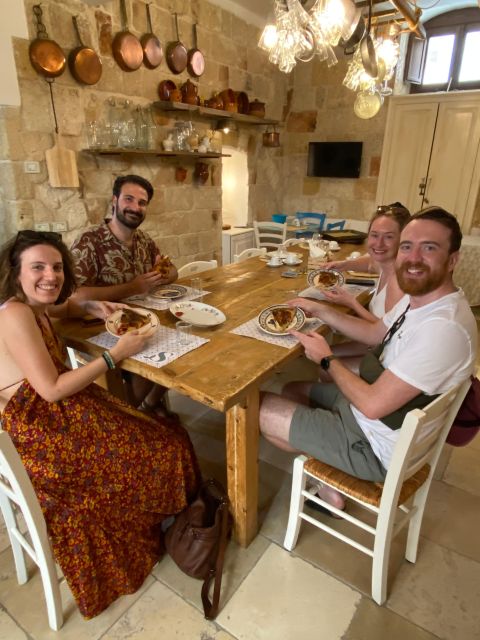
At the end, you taste what you produced. The included meal specifically mentions orecchiette with tomato sauce.
This is important for value and memory. You get to compare your shaped pasta to how it’s supposed to eat—how the sauce clings, how the portion feels, and whether your dough shaping holds up in the final bowl. It’s also less risky than a class where you leave before the results show. You can tell quickly if the technique clicks for you.
One more practical point: since the class is only 2 hours, this meal timing makes sense. You’re not waiting around for a long sitting dinner schedule. You learn, snack, drink, shape, and then eat—like a well-run evening.
Price and Value: Is $77 Worth It for a 2-Hour Pasta and Wine Class?
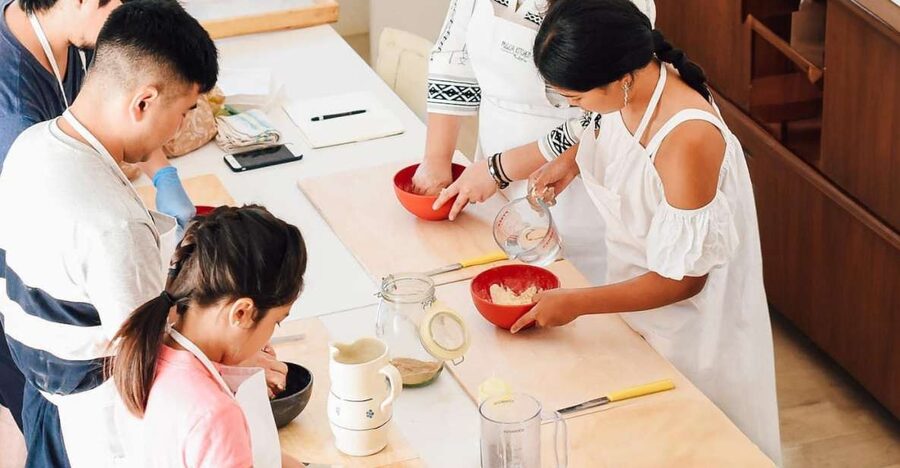
Let’s talk money honestly. At $77 per person for 2 hours, this isn’t a budget activity. You’re paying for a chef in a small setting, the utensils, drinks, tasting components, and an included pasta course.
So what makes it worth it?
- You get instruction tied to two pasta shapes (orecchiette and cavatelli), not just one.
- The aperitivo is part of the price, not an afterthought.
- The meal ends the lesson immediately, so you’re eating what you learned.
The drawback side is also real. One person felt the price was on the high side compared with other classes they did. That’s a fair consideration if you’re the kind of traveler who wants a longer, heavier workshop where you do everything step-by-step.
My take: this is best value if you care about technique you can repeat at home, want a real wine-and-snacks evening, and like learning from someone who explains the process while keeping things relaxed.
Who This Class Is Best For (and Who Might Want Something Else)
This pasta class is a good match if:
- You want Apulian cooking skills you can actually repeat later.
- You like small-group instruction where you can ask questions.
- You’re traveling with a teen or younger kid and want an activity that feels interactive.
- You want a dinner-style experience with wine and typical snacks.
It may be less ideal if:
- You’re looking for a long, all-day cooking immersion.
- You want to learn multiple sauces and build a full menu from scratch.
- You feel disappointed if the class doesn’t include printed take-home recipes.
If you do want a recipe sheet, it’s reasonable to ask during the class (or ask whether notes can be shared). One guest specifically wanted a recipe they could take away or photograph.
Practical Tips for Your Evening in Polignano
Here are a few things that make the experience smoother and help you remember it.
- Ask for shaping tips early
If you wait until later, you might miss the chance to fix the technique while it’s still easy to adjust.
- Go with curiosity, not perfection
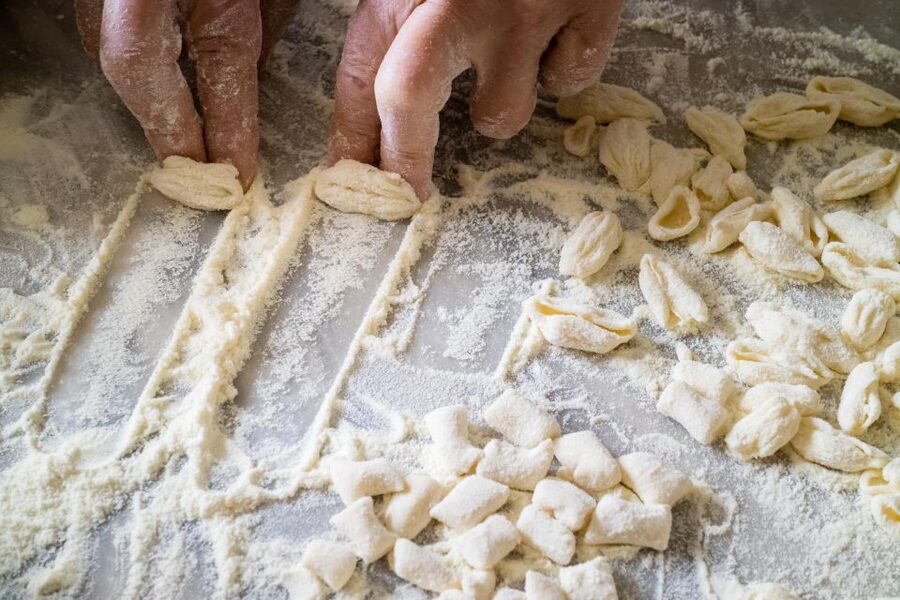
Pasta shaping takes a few tries. That’s normal. The better you understand what the chef is correcting—thickness, consistency, and how the final shape should look—the sooner it clicks.
- Plan your appetite
You’ll have an aperitivo (taralli, preserved vegetables, greens) and then you eat orecchiette with tomato sauce. That’s plenty for dinner, so don’t schedule a heavy meal right before.
- Bring a camera, but plan to learn too
If you like recording steps, do it between bites and during the moments you’re not holding flour or tools.
- If you’re coming from nearby cities, request transfer
The experience allows optional pickup from nearby cities on request, including Monopoli and other nearby towns. This is handy if you don’t want to fight parking or coordinate buses after dinner.
Should You Book This Polignano Pasta Class?
I’d book it if you want a genuine Apulian evening: hands-on practice with orecchiette and cavatelli, plus a real Puglian aperitivo and local wine, all in a historic-center setting in Polignano.
I’d think twice if you’re chasing a long, fully hands-on cooking marathon with lots of different sauces and hours of meal prep. This is short on purpose, and the format focuses on shaping technique and tasting the results, not turning you into a complete home chef for the whole evening.
Bottom line: if pasta shape skill and a convivial food-and-wine evening matter to your trip, this is a strong pick.
FAQ
What pasta will I learn to make?
You’ll learn how to make typical Apulian pasta, including orecchiette and cavatelli.
How long is the cooking class in Polignano a Mare?
The experience lasts 2 hours.
Where do I meet the host?
Meet at the typical house in Via S. Vito, 20, 70044 Polignano a Mare BA, where you meet Annamaria.
Is pickup included?
Hotel pickup and drop-off are not included, but you can request transfer from Monopoli and nearby cities.
Is there a meal and drinks included?
Yes. The class includes drinks, a tasting of local products, and the included pasta course is orecchiette with tomato sauce. An aperitivo with taralli and typical Puglian products is also part of the experience.
Is the class suitable for vegetarians or vegans?
The experience is suitable for vegans and vegetarians.