REVIEW · ROME
Roma Foodie Experience: Cooking Class
Book on Viator →Operated by Come Na Vorta Experience · Bookable on Viator
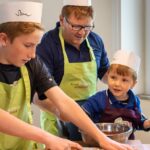
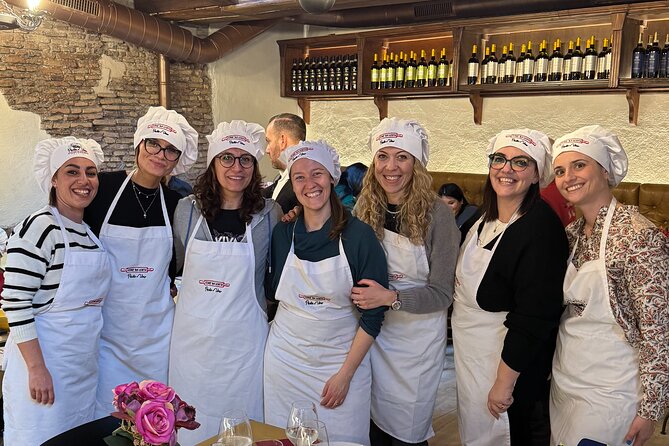
Pasta-making in Rome should be hands-on, not just watch-and-pretend. This Roma Foodie Experience is a lively, interactive workshop where you make the dough for fresh fettuccine, learn how to shape gnocchi, and finish by assembling your own tiramisù. I love how small the group is (max 12), so you get real guidance, and I also love the teaching style that focuses on the how and the why—so you’re not just copying steps you can’t explain.
One possible drawback: you may not end up eating the exact food you shaped during class. The experience includes a sit-down meal, but some people find the portion served is different from what they personally made, while their cooking work may be packaged to take home. If you get an instructor like Olga, Alina, or Lorenza, you’ll likely feel supported and not rushed while you learn.
In This Review
- Key Things You’ll Do (and Why They Matter)
- A 3-Hour Rome Cooking Class That’s Built for Real Skill
- Meeting at Come ’na Vorta (Santa Dorotea): Easy to Find, Simple to Start
- Fettuccine Dough: The Step That Makes the Whole Class Click
- Shaping Gnocchi That Stay Soft (Not Like Rubber)
- Tiramisù Assembly: The Dessert You’ll Want to Repeat
- The Meal and Wine: What You Eat vs. What You Take Home
- Price and Value: What $78.19 Gets You (and What It’s Really Worth)
- Who Should Book This Cooking Class in Rome?
- Booking Tips and Timing (So Your Day Stays Calm)
- Should You Book Roma Foodie Experience Cooking Class?
- FAQ
- What dishes will I make during the Roma Foodie Experience cooking class?
- How long is the class?
- Is the cooking class offered in English?
- How many people are in the group?
- Is wine included?
- Will I eat the food I make in class?
- Where do we meet, and where does the activity end?
- Is free cancellation available, and do they use a mobile ticket?
Key Things You’ll Do (and Why They Matter)
- Make fresh fettuccine dough and turn it into handmade ribbons you can actually recreate later
- Learn gnocchi technique for that soft, pillowy texture that’s easy to get wrong on your first try
- Assemble tiramisù with mascarpone cream and build the layers the right way
- Cook with a small group in English (max 12), which means more questions and less waiting
- Enjoy a included glass of wine (red or white) alongside your meal
- Leave with take-home tools: a personalized certificate and a downloadable recipe booklet
A 3-Hour Rome Cooking Class That’s Built for Real Skill
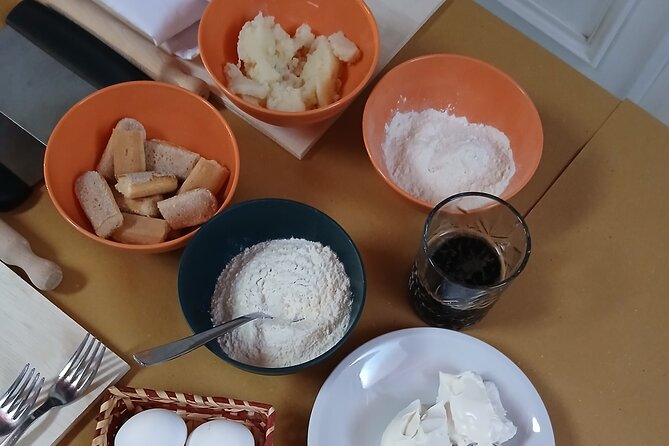
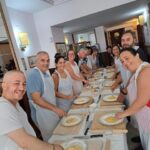
This is the kind of cooking class that fits perfectly into a Rome trip because it hits the sweet spot: hands-on, social, and practical. In about 3 hours, you’ll go from basic ingredients to three classic Italian dishes: fettuccine, gnocchi, and tiramisù. It’s not a “tour bus with aprons.” It’s more like a focused cooking session with instruction you can use back home.
The small-group size (max 12) matters more than you’d think. In bigger classes, you often spend half the time waiting your turn. Here, you’re more likely to get quick corrections, tips on texture and timing, and help when your dough feels too sticky or your gnocchi feels too firm.
And the overall vibe tends to be encouraging. People describe instructors who are patient and energetic, with the kind of explanations that make the steps feel logical. Names that come up include Olga, Alina, Lorenza, Iris, and Mimi, and the common thread is that you don’t feel lost—even if this is your first time making pasta.
You can also read our reviews of more tours and experiences in Rome.
Meeting at Come ’na Vorta (Santa Dorotea): Easy to Find, Simple to Start
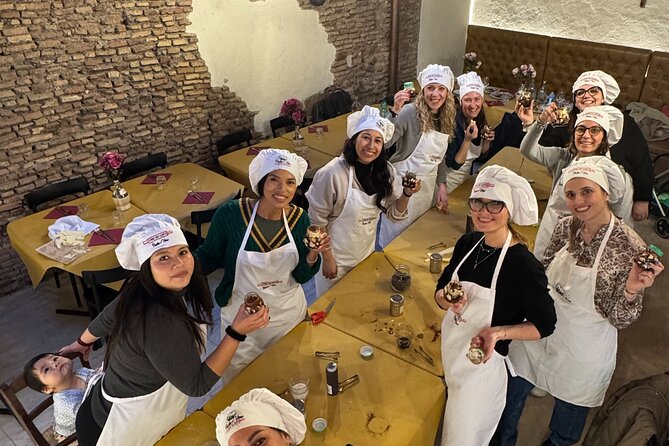
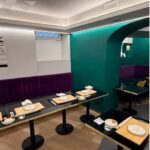
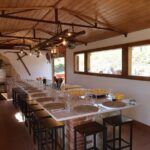
You meet at Come ’na Vorta Pasta e Vino – Santa Dorotea, Via di Santa Dorotea 21, 00165 Roma RM, Italy. It’s set up so you’re not guessing in some hidden alley. The location is also stated as near public transportation, which is useful in Rome, where the best walking routes can depend on weather and crowds.
The session ends back at the meeting point, so you don’t have to plan an awkward “now what?” moment after dessert.
Practical tip: wear shoes you can stand in. You’ll likely be working at a prep area, and you don’t want to be thinking about your feet while you’re trying to get dough consistency right.
Fettuccine Dough: The Step That Makes the Whole Class Click
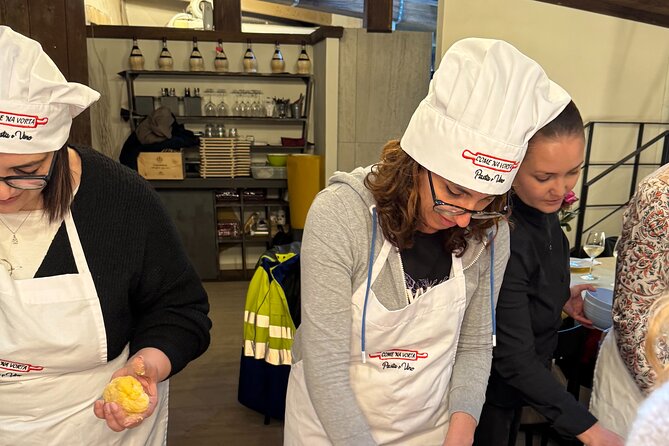
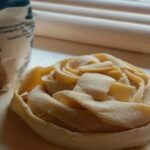
The first big win is fresh pasta dough for fettuccine. This is where most people get surprised—in a good way. Store-bought pasta is consistent, so you never learn what changes when you adjust dough texture. In class, you see that pasta is part science, part feel.
The workshop guides you to follow your instructor’s direction to create the dough, then craft your own handmade fettuccine. The real value here isn’t just the final pasta shape. It’s the moment you learn what the dough should feel like while you work it.
Here’s what to focus on while you’re making it:
- Texture cues: If it’s too dry, it won’t roll smoothly. If it’s too wet, it can feel stretchy and lose shape.
- Gentle handling: Pasta dough likes patience. You don’t have to force it; you have to guide it.
- Consistency: When your dough is uniform, cutting and rolling is way easier.
Instructors like Olga and Alina are noted for explaining not just what to do, but why each step matters. That’s huge if you’ve ever tried to follow a recipe later and wondered why your results didn’t match the photo.
Shaping Gnocchi That Stay Soft (Not Like Rubber)
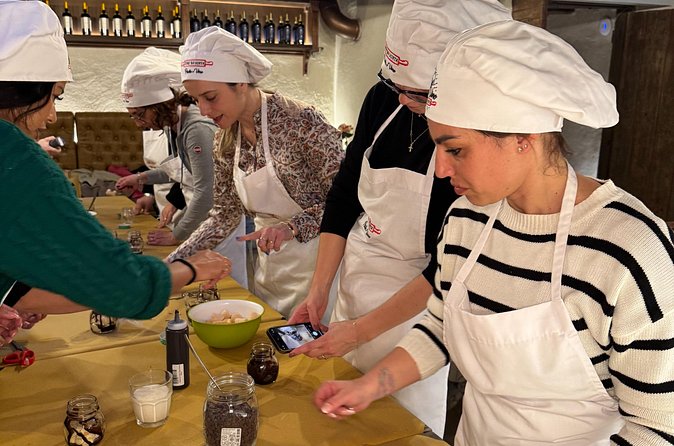
Next comes gnocchi—and this is the part that can either feel magical or frustrating, depending on texture and handling. The class teaches you the art of making soft, pillowy gnocchi, and you’re not left guessing.
The biggest lesson with gnocchi is that “gnocchi” isn’t one ingredient. It’s a method. You’re shaping and working with dough that needs the right level of softness before cooking. Too firm and you get dense bites. Too delicate and they can lose structure.
In practice, you’ll be guided through the process so you understand the mechanics: how to shape, how to handle without overworking, and how to aim for that tender, light result. Because the class is capped at 12, it’s realistic to get quick feedback when your dough or shape isn’t doing what you expect.
A bonus: gnocchi is the perfect home-cooking win. Even if you don’t make pasta every week, gnocchi is the type of dish that makes people ask how you did it. And once you learn the technique here, you’ll have a clear reference point for your own kitchen.
Tiramisù Assembly: The Dessert You’ll Want to Repeat
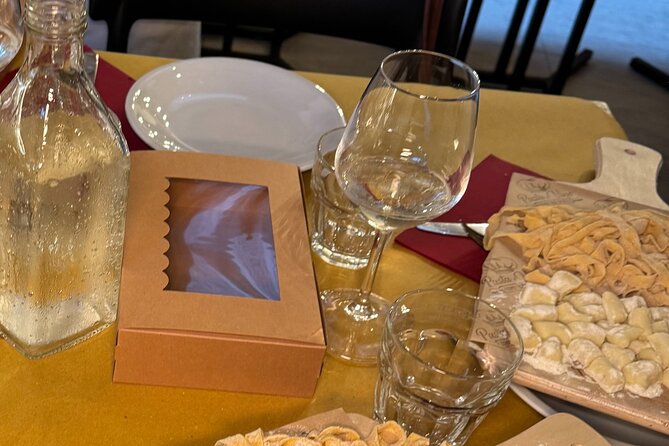
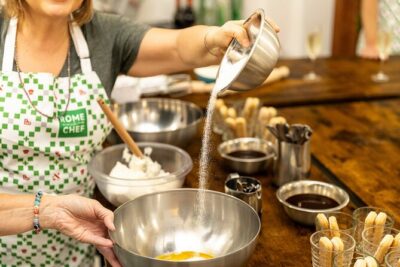
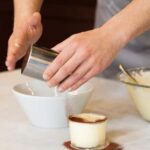
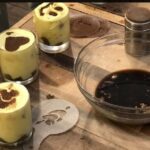
Then you shift gears to dessert: making your own tiramisù. You start with the well-known mascarpone cream, and then you assemble the ingredients for one of Italy’s most loved desserts.
This portion is valuable because tiramisù is both forgiving and exact. It tastes great when it’s right, and it can disappoint when it’s rushed. In class, you learn how the layers are supposed to come together and what makes the cream feel right.
What to pay attention to:
- Cream consistency: If it’s too thick or too loose, the texture changes fast.
- Layering: Tiramisù is built. You’re not just mixing; you’re assembling.
- Patience with assembly: The dessert isn’t a scramble. Take your time and follow the flow.
People describe instructors bringing stories and clear explanations into the session, and that matters here because dessert is where you start appreciating the small differences that separate good from great.

The Meal and Wine: What You Eat vs. What You Take Home
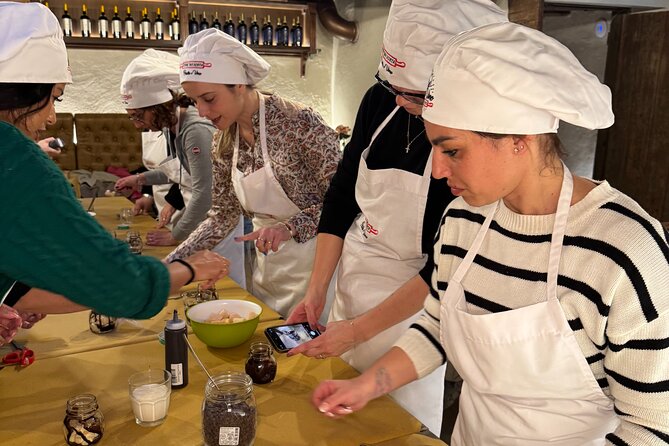
The experience includes a seat and enjoy a fresh pasta meal after you cook. You’re also included one glass of wine, either red or white.
One thing to know ahead of time: some people report that you might not end up eating the exact pasta you made in class. The meal is still fresh and you get to eat after cooking, but your personal handiwork may be different from what’s served at the table. The upside is that you can usually take your own preparations home to make again.
Either way, the structure is smart. You get the pride of hands-on cooking, plus the comfort of a proper sit-down meal once you’re done. That helps if you’re traveling during a busy schedule and don’t want your cooking class to turn into a full-day sacrifice.
Price and Value: What $78.19 Gets You (and What It’s Really Worth)
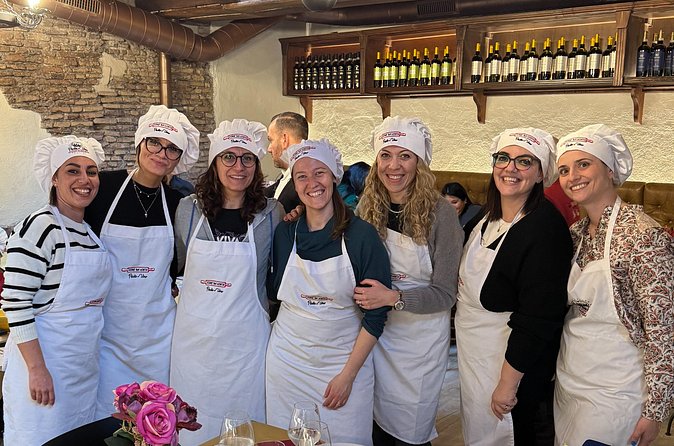
At $78.19 per person for about 3 hours, this isn’t the cheapest food activity in Rome. But it’s also not expensive in the way that “nice photos” can be expensive.
Here’s why it tends to feel like good value:
- You’re not just learning technique; you’re making three complete dishes.
- You’re getting instruction in English with a small group size (max 12), which boosts the odds you’ll get feedback.
- You get a wine inclusion and a sit-down meal, not just a tasting of crumbs.
- You leave with a personalized certificate and a downloadable recipe booklet, which turns the class into something you can repeat.
If your goal is souvenirs, this won’t replace a leather jacket. But if your goal is a genuine skill and a fun, social Roman memory, this class hits a great middle ground between “mass activity” and “private chef pricing.”
Who Should Book This Cooking Class in Rome?
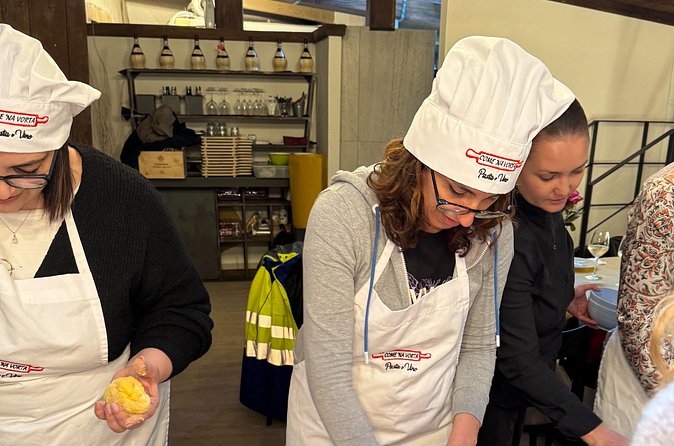
This works best for you if:
- you want a hands-on Rome food experience instead of a passive tour
- you enjoy Italian cooking and want to bring it home confidently
- you like small groups where questions are welcome
- you’re traveling with kids or family and want an active, structured activity (the class format is often described as fun for children)
It might not be ideal if:
- you strongly need to eat the exact pasta you personally shaped during the lesson (the experience includes a meal, but the served portion may not always match your made items)
- you hate waiting for turns—small group helps, but it’s still a workshop
- you’re looking for only a quick snack stop rather than learning multiple recipes
Booking Tips and Timing (So Your Day Stays Calm)
Because the class happens over about 3 hours, plan your schedule like you would for a cooking workshop anywhere in Europe:
- give yourself a buffer before and after
- eat lightly beforehand if you’re sensitive to timing (the class includes a meal and wine later)
- wear comfortable clothing, because rolling dough can be messy in the most satisfying way
If you’re booking in advance, this one is often reserved well ahead. On average it’s booked about 114 days in advance, so don’t wait until the last minute if your Rome dates are fixed.
Should You Book Roma Foodie Experience Cooking Class?
Yes, if you want a true Rome pasta-making experience that teaches you how to make fettuccine, shape gnocchi, and assemble tiramisù with enough structure to actually repeat it at home. The best reason to book is that the class is set up for learning, not just entertainment: small group, guided steps, and clear instruction that helps you understand what’s happening.
Book it especially if you care about quality instruction and want more than a bite-sized tasting. Just go in with the expectation that you’ll enjoy a meal after cooking, and your exact creations may not be the same thing that lands on your plate.
If you want one memorable, skill-building food experience that feels genuinely Roman, this is a strong pick.
FAQ
What dishes will I make during the Roma Foodie Experience cooking class?
You’ll make fettuccine, gnocchi, and tiramisù.
How long is the class?
It runs for about 3 hours.
Is the cooking class offered in English?
Yes, it’s offered in English.
How many people are in the group?
The class has a maximum of 12 travelers.
Is wine included?
Yes. You get one glass of wine, either red or white.
Will I eat the food I make in class?
You’ll sit down and enjoy a fresh pasta meal. Some people note you may not eat the exact pasta you shaped, but you typically still get food to enjoy and can continue the recipes at home.
Where do we meet, and where does the activity end?
You meet at Come ’na Vorta Pasta e Vino – Santa Dorotea, Via di Santa Dorotea 21, 00165 Roma RM, Italy, and the activity ends back at the meeting point.
Is free cancellation available, and do they use a mobile ticket?
Yes. You can cancel for a full refund up to 24 hours before the experience starts. The experience includes a mobile ticket, and service animals are allowed.