REVIEW · BOLOGNA
Bologna: Pasta & Tiramisu Cooking Class at a Local’s Home
Book on GetYourGuide →Operated by Cesarine · Bookable on GetYourGuide
Bologna pasta is better when you make it. This 3-hour class takes you into a real Cesarine home, where you learn by doing: pasta from scratch, tiramisu for dessert, and an Italian aperitivo to start.
I love two things most: the chance to roll sfoglia by hand (no shortcuts), and how the evening turns into an actual meal you finish at the table with your host and group. The tiramisu part also feels very doable once you see the steps in a home kitchen.
One consideration: you won’t get the full address up front. For privacy, you receive it only after booking, so you’ll want to plan your transit to a neighborhood home when you get the details.
In This Review
- Key takeaways before you book
- A Bologna Kitchen Where Pasta Starts With Your Hands
- How Cesarine Home Cooks Make It Feel Local
- Your 3-Hour Flow: Aperitivo, Sfoglia, Two Pastas, and Tiramisu
- 1) Warm-up with Italian aperitivo (prosecco and nibbles)
- 2) Fresh pasta: learning and rolling sfoglia by hand
- 3) Two pasta varieties from scratch
- 4) Tiramisu instruction and tasting
- 5) Eat what you made, with wine and coffee
- What You’ll Actually Learn: Sfoglia Rolling and Two Iconic Shapes
- Rolling sfoglia by hand
- Two pasta types (and why the variety helps)
- You’ll taste along the way
- Tiramisu: The Italian Dessert That Rewards Attention
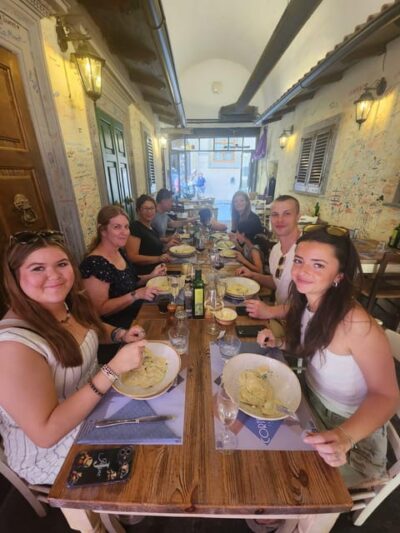
- Eating Like a Local: A Full Table, Not a Cooking Demo
- Price Breakdown: Why About $112 Feels Fair
- Getting to the Home Without Stressing Out
- Who Should Book This Bologna Cooking Class?
- Extra Tips for Getting the Most Out of Your Session
- Should You Book This Bologna Pasta and Tiramisu Class?
- FAQ
- What is included in the Bologna pasta and tiramisu class?
- How long does the class last?
- Where does the experience take place?
- Is the instruction in English?
- What pasta and dessert will I learn?
- Is it suitable for wheelchair users?
- What is the cancellation policy?
Key takeaways before you book
- Aperitivo at the start with prosecco and nibbles, so the mood is right before you cook
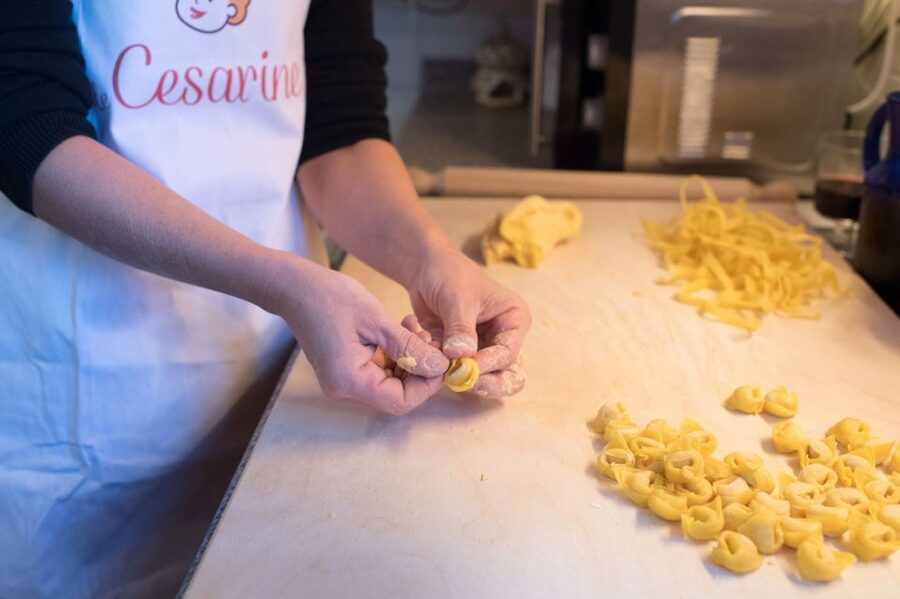
- Hands-on sfoglia technique using your hands to roll fresh pasta sheets
- Two iconic pasta types from scratch made during the session (examples vary by host)
- Tiramisu instruction included, not just dessert after the fact
- Cesarine home cooks in their own kitchens, using regional methods and ingredients
- Small-group home vibe, with time to ask questions and actually learn
A Bologna Kitchen Where Pasta Starts With Your Hands
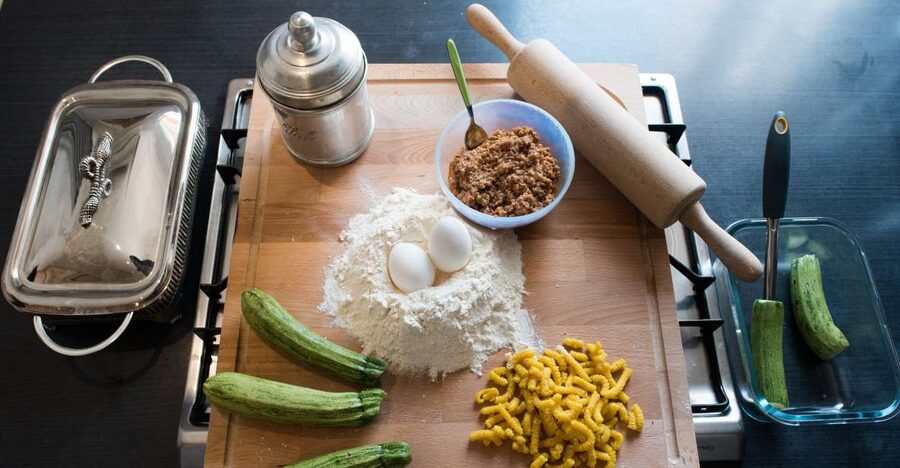
If you’ve eaten pasta in Bologna and thought, I can do that, this class is the reality check you’ll enjoy. In a local home, you’ll go from flour and eggs to fresh pasta technique, plus dessert skills that don’t require fancy equipment.
What makes this experience interesting is the combination: you cook two pasta varieties plus tiramisu, and you do it in a kitchen that feels like someone’s everyday world—not a showroom. You start with an Italian aperitivo (prosecco and nibbles), which helps the session feel social and relaxed, not like a class where everyone’s rushing.
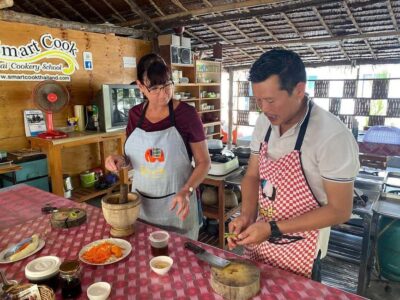
The format also keeps expectations grounded. You’re not just watching. You’re getting turns at the work—rolling dough, forming pasta, and learning the logic behind the steps so you can repeat it later at home.
You can also read our reviews of more tours and experiences in Bologna.

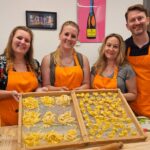
How Cesarine Home Cooks Make It Feel Local
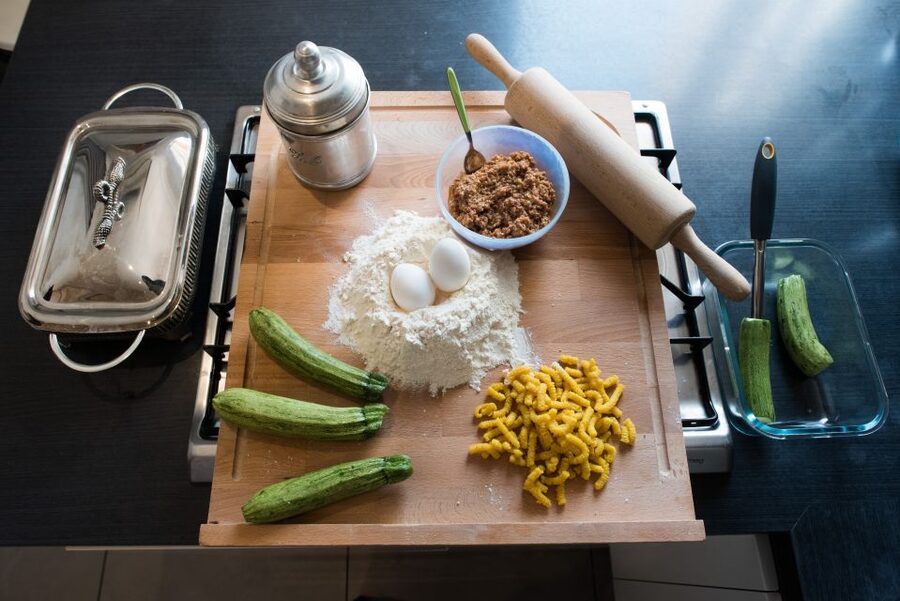
This experience is run by Cesarine, Italy’s well-established network of home cooks. The idea is simple: hosts open their homes and share the cooking they grew up with, using family-style kitchen knowledge rather than restaurant-only technique.
In practice, that tends to mean two things:
1) You learn what matters for texture and timing, not just what looks good on camera.
2) You get local context—how Bologna thinking about food fits with the dishes you’re making.
You may be paired with different hosts each day, and the names you might encounter can include people like Marco and Silvia, Roberta, Oriana, Saverio, Martina, Paola, and others. Each host teaches slightly differently, but the core is consistent: fresh pasta skill plus regional comfort-food energy.
Your 3-Hour Flow: Aperitivo, Sfoglia, Two Pastas, and Tiramisu
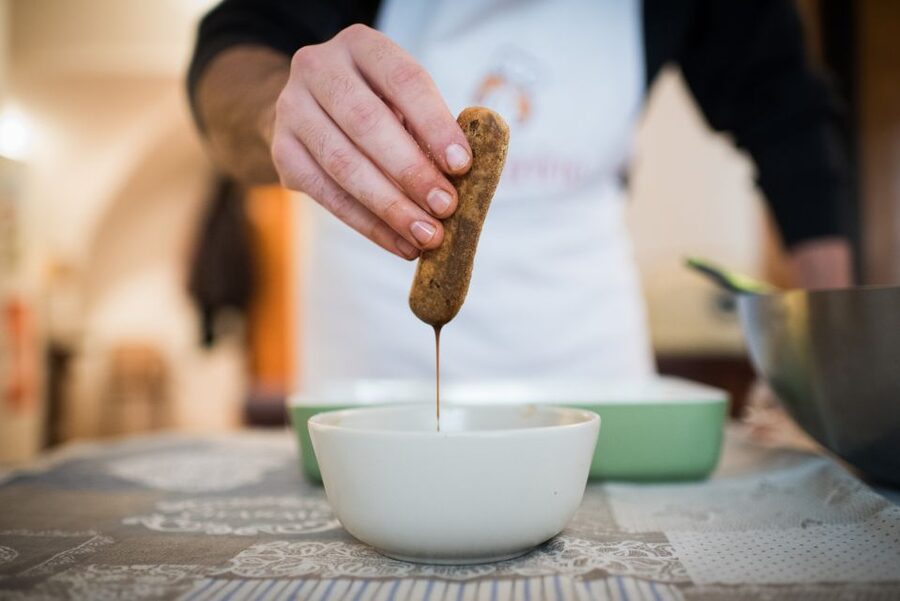
This class runs about 3 hours. Exact start times vary by availability, but the rhythm stays the same. Here’s how it typically unfolds in a home kitchen.
1) Warm-up with Italian aperitivo (prosecco and nibbles)
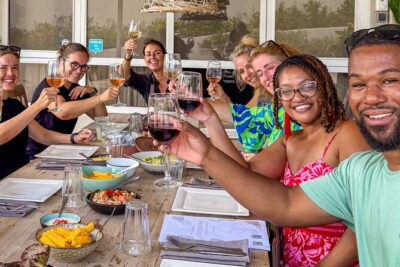
You begin with drinks and small bites—prosecco plus nibbles. It’s not a throwaway moment. It sets a friendly tone and gives you a chance to settle in before flour starts flying.
2) Fresh pasta: learning and rolling sfoglia by hand
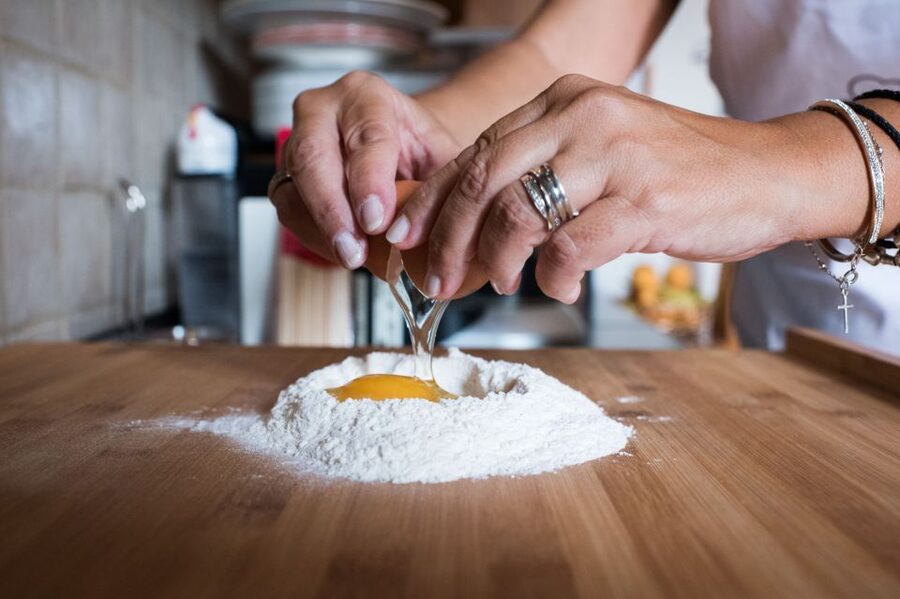
Next comes the main event: making fresh pasta dough (sfoglia) and learning to roll it by hand. This is where you feel the “home” difference. You’ll be shown how the dough should look and feel as you stretch it out into sheets, and what to do when it behaves badly.
Rolling pasta by hand is the skill that transfers best to your own kitchen. Even if you never replicate the exact same shapes, you’ll learn how to manage thickness and handling.
3) Two pasta varieties from scratch
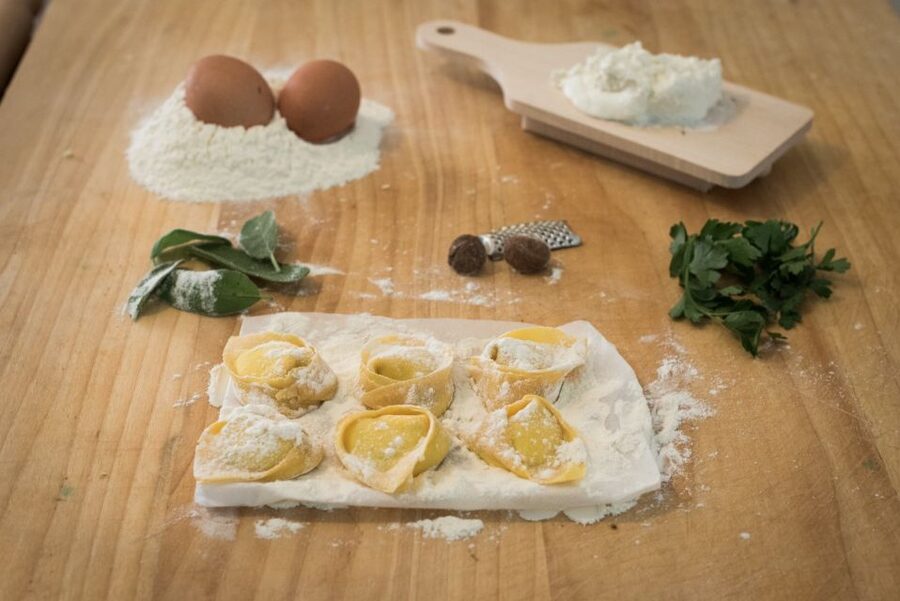
You’ll learn two iconic pasta types. The class is structured so you make and taste what you produce. In Bologna, you’ll often see examples like tagliatelle, ravioli, tortelloni, and tortellini, with sauces that match the pasta choice (some sessions include ragú-style preparations and classic meat sauce thinking).
A key point: you’re not just assembling. You learn technique—cutting or shaping basics, and how to cook and serve so the pasta matches the dough quality you just created.
4) Tiramisu instruction and tasting
After pasta work, you’ll shift to tiramisu, the dessert everyone thinks they know until they learn the method properly. You’ll assemble it with the right approach, then you’ll taste it as part of the class experience.
5) Eat what you made, with wine and coffee
You’ll taste the two pasta recipes and the tiramisu. Included beverages typically include water, wines, and coffee, which makes the meal feel complete instead of snack-sized.
What You’ll Actually Learn: Sfoglia Rolling and Two Iconic Shapes
The headline skills here are practical. You can measure the value by what you can repeat.
Rolling sfoglia by hand
Hand-rolling fresh pasta teaches you three things fast:
- how to control thickness
- how to handle dough without tearing it
- how to work at a realistic pace in a home kitchen
That last one matters. Pasta classes can be stressful because everything depends on timing. In a home setting, you learn the rhythm that helps dough behave instead of turning into a floury tragedy.
Two pasta types (and why the variety helps)
Learning two pasta dishes instead of just one gives you more transferable skills. One shape trains you for forming and structure; the other reinforces how different dough handling translates into different end results.
Based on examples from actual class experiences, you might make pasta like tagliatelle or tortelloni, and you might also work on ravioli or tortellini. The exact picks can vary by host and what’s easiest for their kitchen setup that day, but the promise stays the same: two classic types, made by you.
You’ll taste along the way
The session isn’t only production. You’ll taste what you make, which is the best feedback loop. You learn how the finished pasta should feel, not just how it should look.
Tiramisu: The Italian Dessert That Rewards Attention
Tiramisu is famous, which can make it feel basic. It’s not. The technique is in the details: how you build layers, how you balance moisture so it tastes right instead of turning soggy, and how you assemble for the right texture when it’s ready to eat.
In this class, you get direct instruction while you’re making it, then you taste it at the end. That matters because tiramisu is one of those desserts where small differences feel huge when you take a bite.
Also, it’s a smart pairing with fresh pasta. After flour and shaping, tiramisu becomes a calmer, more social step. It’s easier to relax while still feeling like you accomplished something real.
Eating Like a Local: A Full Table, Not a Cooking Demo
The included meal part is a big reason this class feels worth it.
You’ll have:
- Italian aperitivo at the start (prosecco and nibbles)
- beverages during the experience (water, wines, coffee)
- tastings of the two pasta recipes and the tiramisu
That’s a lot of food for a 3-hour session. More importantly, it’s food you made. In Bologna, that gives you a better understanding of why people argue about sauces and textures as if it’s politics.
You’ll likely talk with your host about food choices and habits. Some hosts also share practical local pointers—places to eat or what to try next—while you cook. Even if you don’t build your whole itinerary around it, that kind of guidance helps you spend less time Googling and more time wandering with a plan.
Price Breakdown: Why About $112 Feels Fair
At $112.15 per person for around 3 hours, this isn’t a cheap snack activity. But it also isn’t just a ticket for watching someone else cook.
You’re paying for:
- hands-on instruction in fresh pasta and tiramisu
- ingredients and local-style preparation
- tasting of what you make (two pastas plus dessert)
- drinks that include prosecco, wines, and coffee
In other words, the price is closer to a hosted meal plus skill-building workshop than it is to a quick food experience.
If your goal is to collect recipes, learn technique you can recreate, and leave with more than photos, you’re in the right zone. If your goal is only to sample food without much cooking, you may decide it’s more effort than you want.
Getting to the Home Without Stressing Out
Because it’s held in a local home, the address isn’t sent until after you book. That’s for privacy, and it’s normal for home-based experiences.
What you can do to make this smooth:
- Double-check the neighborhood you’ll be in when you book, since you’re asked for where you’re staying.
- Send how you plan to travel to your host home (car, walking, transit). The provider requests this so they can match you effectively.
- Keep your phone ready once you get host details, since you’ll be provided telephone information along with the full address after matching.
Also note: this class is not suitable for wheelchair users. If mobility is an issue, you’ll want to consider other options.
Some hosts have offered pick-up help in past sessions (for example, one host drove guests from a rendezvous to a home outside the city). That’s not guaranteed in the information provided, so treat it as possible, not promised.
Who Should Book This Bologna Cooking Class?
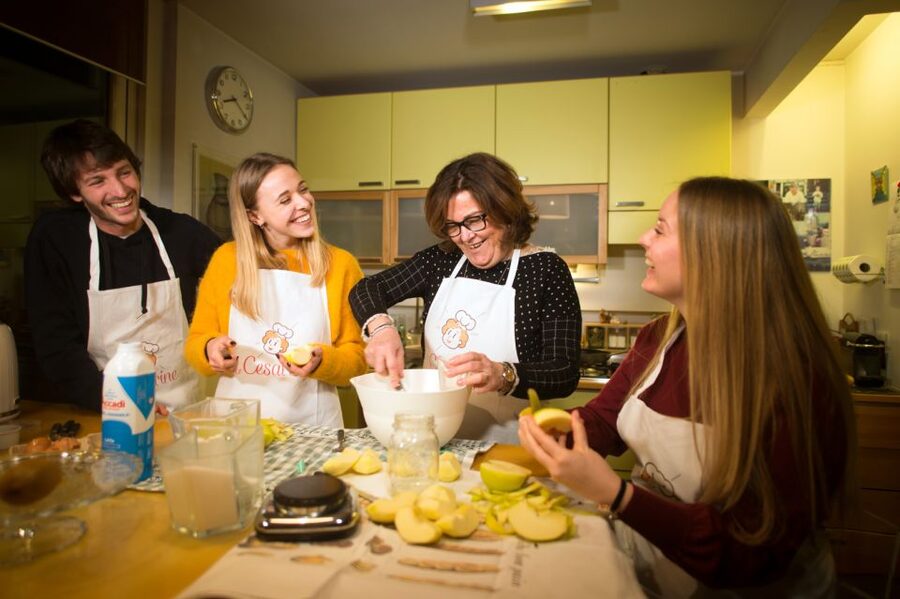
This is a strong pick if you want real technique, not just a tasting.
You’ll probably love it if:
- you enjoy learning by doing (rolling dough, shaping pasta)
- you want a Bologna-focused evening with regional home-cook style
- you’re traveling with people who like conversation and sitting down to eat together
- you want to go beyond one pasta dish and learn two
It’s also a nice option for couples and small groups. The home setting tends to keep things friendly and question-friendly.
It may not be ideal if:
- you hate cooking or don’t want hands-on work at all
- you need step-free access for mobility needs
- you get overwhelmed by coordinating an address sent only after booking
Extra Tips for Getting the Most Out of Your Session
You can make the class easier (and more fun) with a few smart habits.
- Tell the provider about any food intolerances or allergies when you book. Matching depends on this info.
- Wear clothes you don’t mind getting flour on. Even if you think you’re careful, pasta teaches humility.
- Ask early about the thickness and handling cues. Those are the moments that make the difference between workable dough and frustrating dough.
- If you’re hoping to repeat the recipes at home, pay attention to the small process steps while you’re building the pasta and tiramisu.
One more thing: your host might share tips for local ingredients and pairing ideas as you cook. Those “why this works” moments help you cook better after the class ends.
Should You Book This Bologna Pasta and Tiramisu Class?
Yes, I’d book it if you want an authentic Bologna evening where you learn two iconic pasta styles plus tiramisu, then eat your own work with drinks included. For about $112 for a 3-hour hands-on session, it’s good value if your focus is skills and a real meal, not just sightseeing.
Skip it if you’re short on time, don’t want hands-on cooking, or need accessibility accommodations the experience can’t meet.
If you’re choosing between one “food activity” and a second day of wandering, this one is the type that leaves you with something usable: pasta technique you can actually bring home.
FAQ
What is included in the Bologna pasta and tiramisu class?
You get beverages (water, wines, and coffee), an Italian aperitivo with prosecco and nibbles, local taxes, a pasta and tiramisu-making class, and tastings of the two pasta recipes and the tiramisu.
How long does the class last?
The class is 3 hours.
Where does the experience take place?
It’s held in a local home. For privacy reasons, you receive the full address only after booking.
Is the instruction in English?
The instructor speaks Italian and English.
What pasta and dessert will I learn?
You will learn to roll sfoglia (fresh pasta) by hand and make 2 iconic pasta types, plus learn to make tiramisu.
Is it suitable for wheelchair users?
No, it is not suitable for wheelchair users.
What is the cancellation policy?
Free cancellation is available up to 24 hours in advance for a full refund.