REVIEW · ROME
Rome: 3-in-1 Fettuccine, Ravioli, and Tiramisu Cooking Class
Book on GetYourGuide →Operated by Eat and Walk Italy · Bookable on GetYourGuide
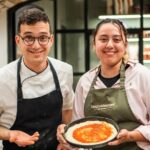
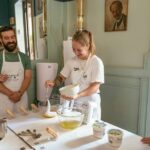
Nothing beats learning pasta by doing. In this 3-hour Rome class, you make tiramisu and two types of pasta from scratch, guided by an English-speaking Italian chef in the center of the city. I love that it’s hands-on, not a demo. You actually form dough, fill ravioli, and plate a meal you can eat right there.
Two things I especially like: the teaching style is practical and clear, and the chefs seem genuinely invested in each person. In real sessions, instructors like Lori, Carlotta, Mimi, and Mattia have been praised for keeping groups moving while still giving attention when you need it. One consideration: the class can feel a bit fast at times, so if you want slow, careful cooking, you may want to pace yourself mentally before you start.
In This Review
- Key Highlights You’ll Care About
- Rome Pasta and Tiramisu: Why This 3-Hour Class Works
- Tiramisu First: The Best Way to Get Into Italian Dessert Mode
- Fettuccine and Ravioli From Scratch: The Technique You’ll Actually Use Again
- Ravioli Filling and Fettuccine Sauce Choices: More Than Just What’s on the Menu
- The Meal at the End: What You Taste, What You Drink, and How It Feels
- Price and Value at $81: Who This Is For (and Who Should Skip)
- How to Get the Most Out of the Class (Without Stress)
- Getting There: The Key Location Detail You Need
- Should You Book This Rome Pasta and Tiramisu Workshop?
- FAQ
- How long is the cooking class?
- What dishes are included in the workshop?
- What sauces are included for the fettuccine?
- Is wine included, and is limoncello included?
- Is the class taught in English?
- Is the class wheelchair accessible?
- What’s the minimum age for this experience, and are pets allowed?
Key Highlights You’ll Care About
- 3-in-1 food focus: tiramisu, fettuccine, and ravioli, all made by you
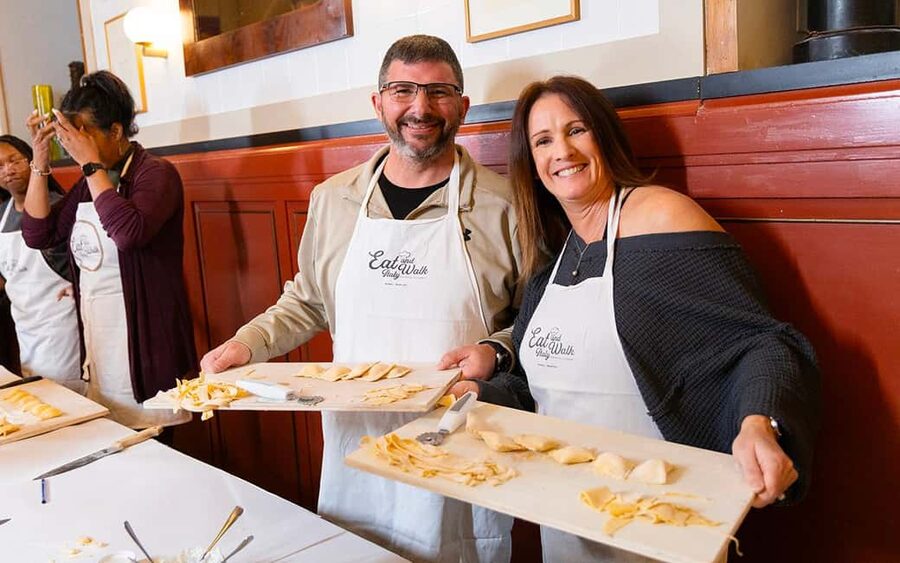
- Hands-on pasta dough: you shape and work the dough, not just watch it happen
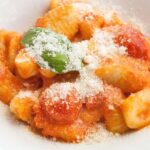
- Sauce and pairing logic: choices like tomato and basil, cacio e pepe, or amatriciana
- Dessert first flow: tiramisu gets you into the Italian rhythm fast
- Tasting with drinks: wine plus limoncello (or coffee) with what you cook
- Small win energy: you leave with recipes you can use at home
Rome Pasta and Tiramisu: Why This 3-Hour Class Works
Rome can be a lot: history, lines, crowds, and too many must-sees. This workshop gives you something calmer and more personal. You’re in a cozy restaurant in central Rome, and the format is simple: learn the basics, then turn them into an actual meal.
For $81 for 3 hours, the value comes from what’s included and what you leave with. The class isn’t only instruction. It includes the pasta sauces and components you use during the workshop, plus the tasting meal. Most importantly, it teaches you techniques you can repeat at home: making pasta dough, working fillings, and assembling tiramisù correctly.
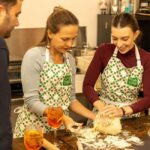
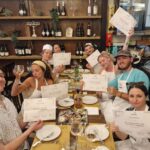
You’ll also likely meet a mixed international group. One review noted a class of about 20 people, which tells me you should expect some group energy. That can be fun—especially if you’re traveling solo or as a couple—but it also means the chef needs to keep things organized, which leads to that occasional “go-go” pace some people notice.
The bottom line: this is a great buy when you want a hands-on Rome experience that’s still structured, still social, and still delicious.
You can also read our reviews of more tours and experiences in Rome.
Tiramisu First: The Best Way to Get Into Italian Dessert Mode
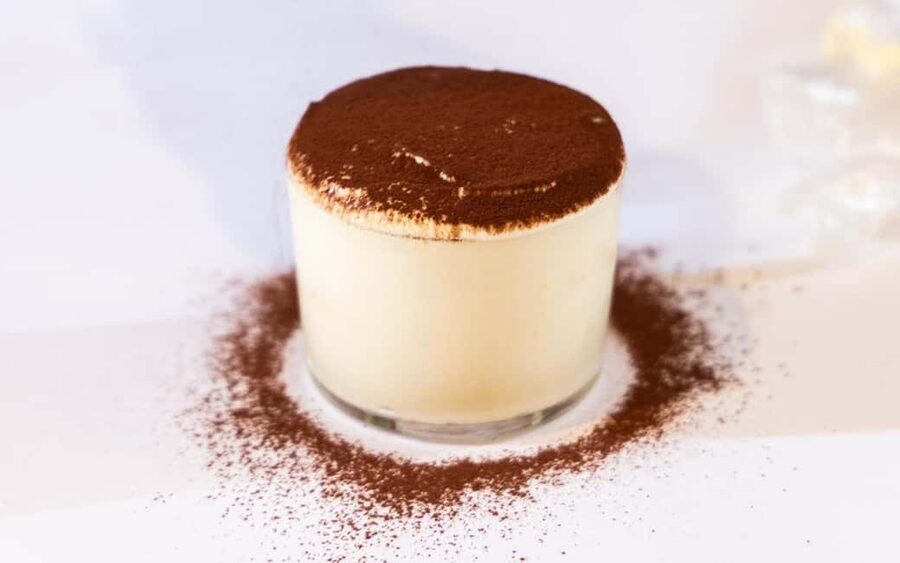
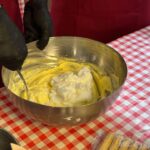
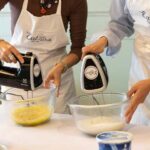
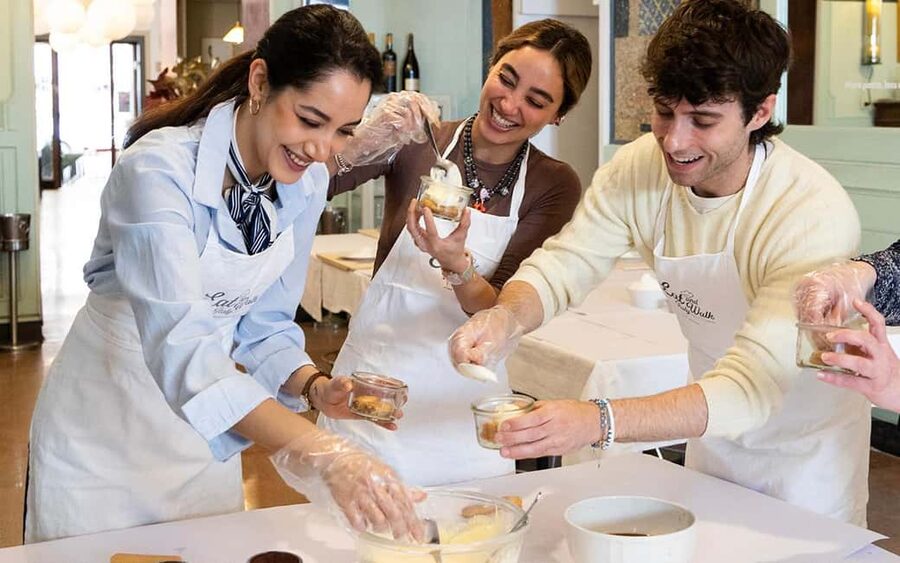
The workshop starts with tiramisu, and I think that’s a smart move. Dessert-making gives you quick momentum. You see progress early, and it also warms up your confidence before the pasta work gets hands-on.
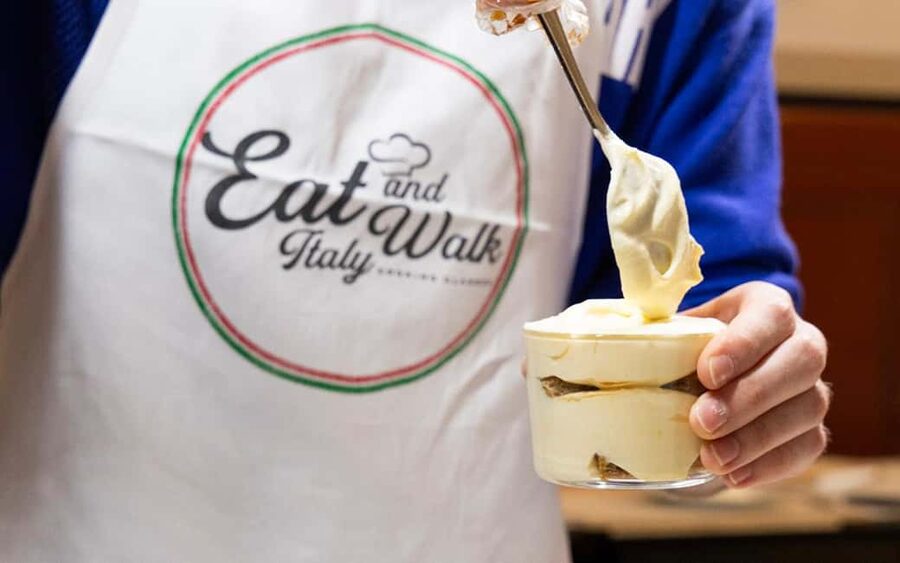
You’ll follow the chef’s steps to build a classic tiramisu. Even if you’ve made it before, the value here is in the method: what to do first, how to handle the components, and how to assemble so it sets properly. The format is designed so you can participate rather than just stand near a counter and hope you’ll get your turn.
What I’d watch for as you cook: consistency and timing. Tiramisu is forgiving in flavor but not always in texture. If you pay attention to the sequence and don’t rush past instructions, you’ll likely get a dessert you’re proud to eat.
And yes, it doesn’t feel like a side quest. People repeatedly mention how delicious the tiramisu is at the end of the class, plus the overall meal is what makes the day feel complete. You’re not just learning skills—you’re tasting the results.
Fettuccine and Ravioli From Scratch: The Technique You’ll Actually Use Again
After tiramisu, the focus shifts to pasta. This is where you’ll feel the most “I did this” satisfaction.
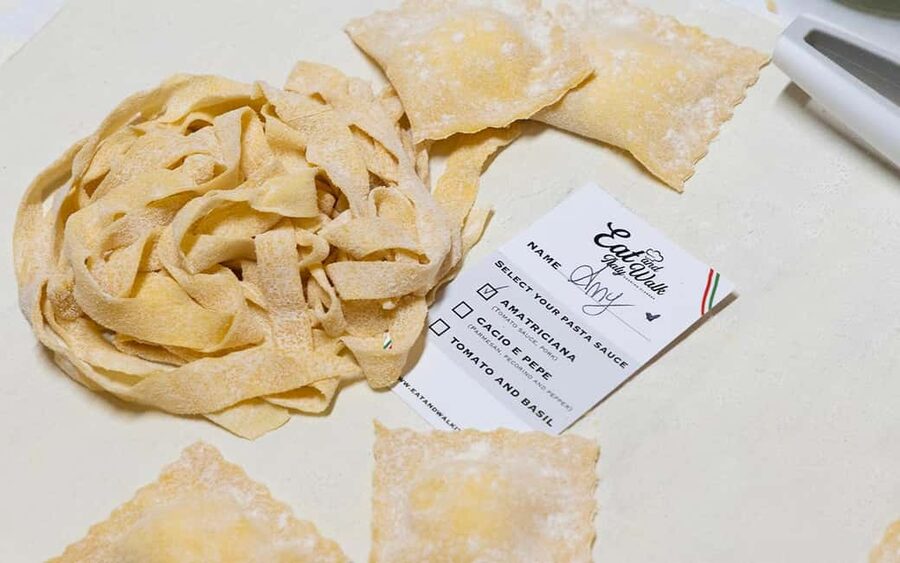
You’ll learn how to prepare pasta dough from scratch, then use that dough for two different pasta types:
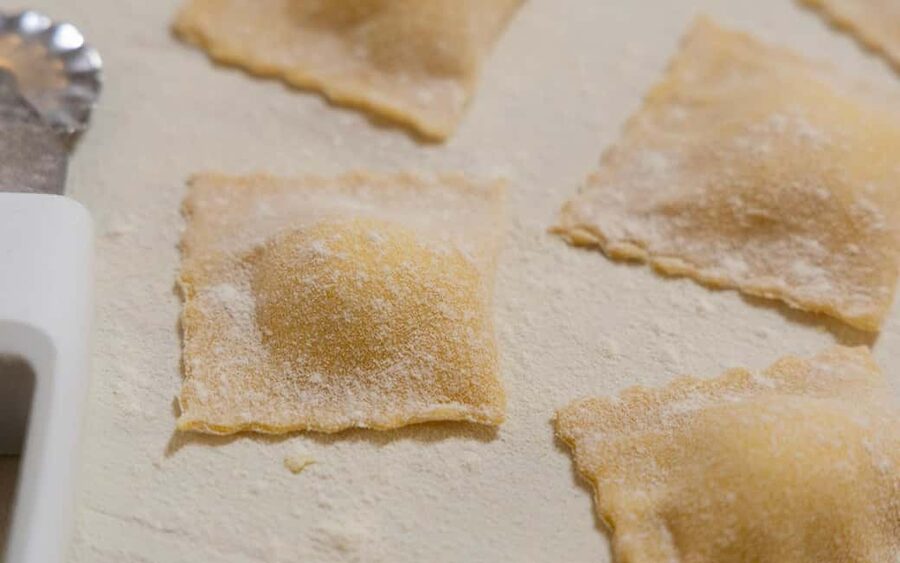
- Ravioli (your dough becomes filled pasta squares)
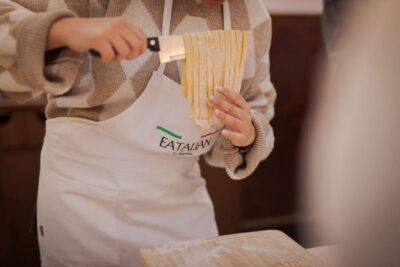
- Fettuccine (your dough becomes long, ribbon-style pasta)
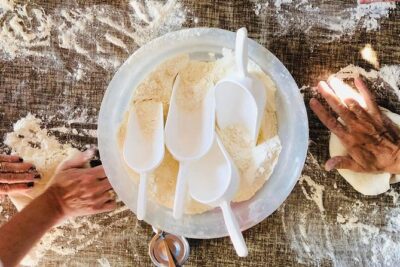
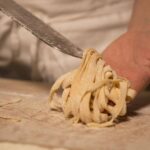
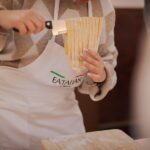
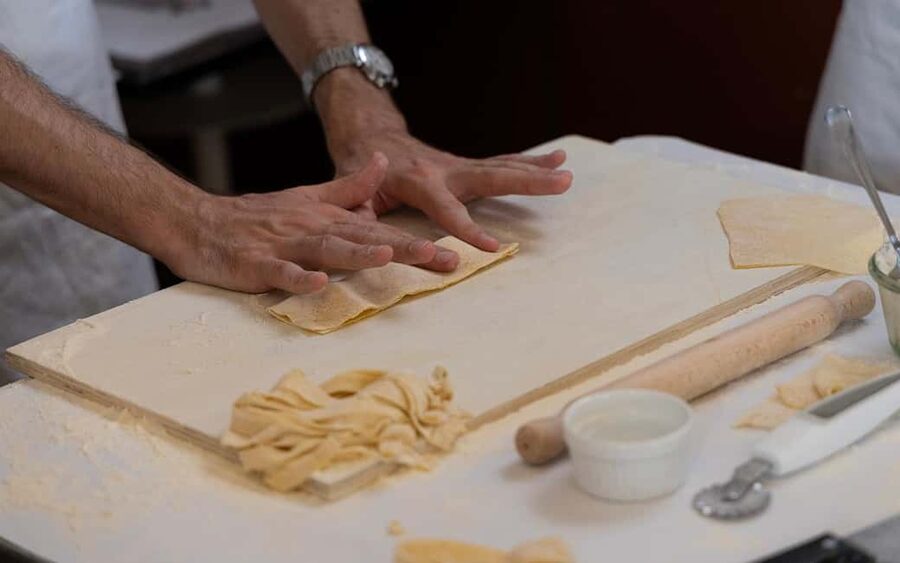
The chef teaches the core movements: handling the dough, getting the right thickness, and working it without tearing. If you’ve only ever bought fresh pasta, making dough yourself changes how you think about pasta. It also helps you understand why Italian recipes sound simple but actually depend on technique.
A detail that matters: the chef explains which fillings work best in different seasons. That’s not just trivia. It gives you a logic you can apply later when you cook at home—how to think about filling flavor and seasonality instead of copying one idea forever.
You’ll also get guidance on sauce pairing and how to match what you’ve made to what you’re serving. That’s one of the biggest takeaways from the class style: you’re not only learning recipes, you’re learning why they work together.
Ravioli Filling and Fettuccine Sauce Choices: More Than Just What’s on the Menu
The workshop includes specific sauce options and a clear pairing approach.
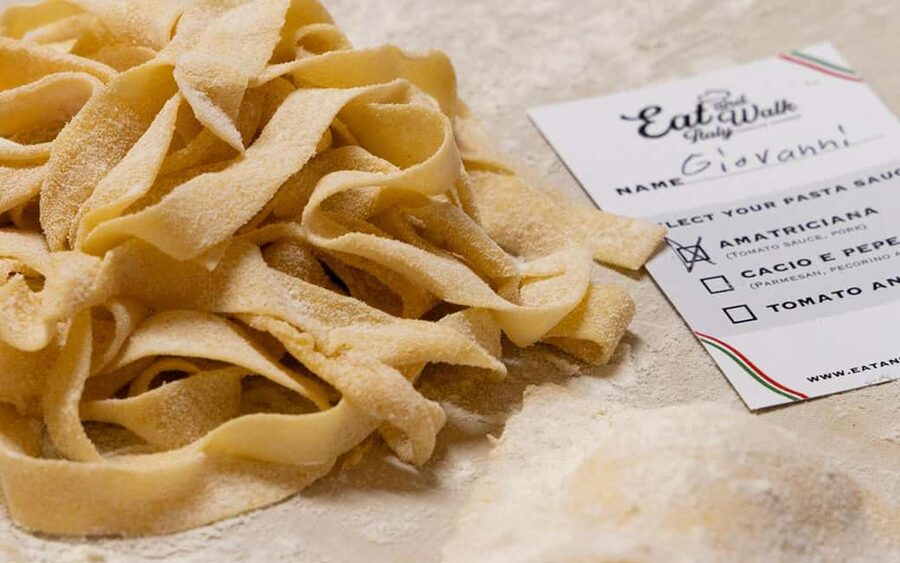
For fettuccine, you can choose your sauce from:
- tomato and basil
- cacio e pepe
- amatriciana
For ravioli, you’ll use:
- butter and sage
This is useful for you because it shows the different “personalities” of Roman/Italian flavors. Tomato and basil is the straightforward comfort classic. Cacio e pepe is all about balance—cheese and pepper with careful technique. Amatriciana leans savory and tangy, giving you a bolder finish.
And butter and sage for ravioli is a classic because it lets the pasta and filling stay front and center. It’s the kind of sauce that tastes fancy without adding too many competing flavors. If you want a meal where each bite feels intentional, that combination helps.
One practical tip from the way the class is taught: follow the chef’s “why” comments. If the instructor explains how the sauce behaves with the pasta shape, you can carry that understanding home. It’s the difference between repeating a recipe and cooking with confidence.
The Meal at the End: What You Taste, What You Drink, and How It Feels
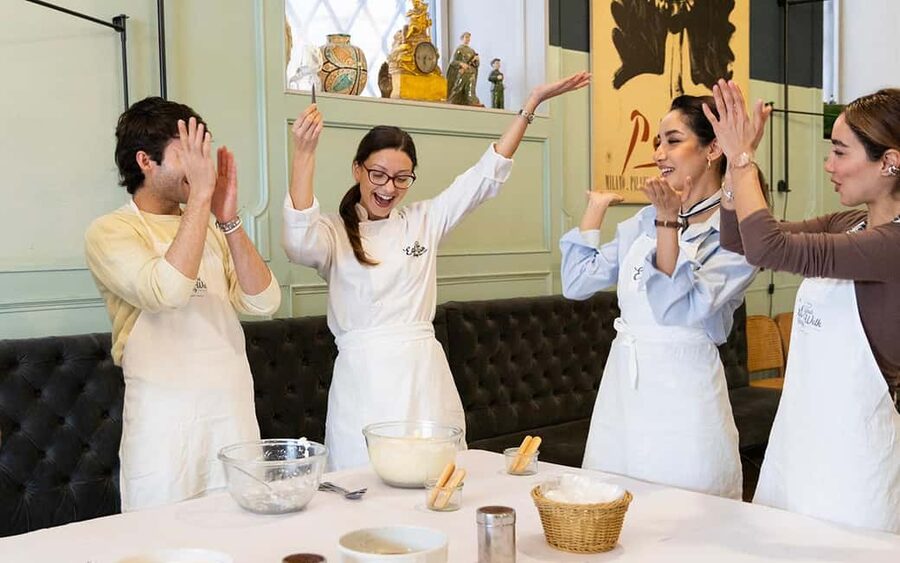
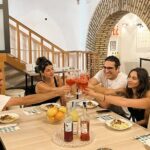
At the end, you sit down and eat what you made. This is part of the design. The class isn’t complete until you taste it, and the shared meal is where the whole thing clicks.
Included with your meal:
- a glass of wine (or a non-alcoholic beverage)
- a glass of limoncello or coffee
- water
This is a nice touch because it adds a Roman/American-friendly rhythm: food first, then a quick sweet or coffee finish. Limoncello, in particular, works well after rich pasta and dessert.
One caution, pulled from real feedback: in one case, someone noted the wine was served white and warm. That doesn’t mean it’s always like that, but it’s worth being aware that drink service can vary by group and timing. If you’re picky about wine temperature, you might just stick to what tastes best to you that evening or go with the non-alcoholic option.
Also, a small note about pacing: because the class includes cooking plus serving plus eating, it may not feel like you have unlimited time to linger over each step. Some people found it slightly rushed. If you enjoy a lively class structure, you’ll probably love it. If you prefer slow and quiet, you may want to mentally prepare for a steady schedule.


Price and Value at $81: Who This Is For (and Who Should Skip)
For $81, you’re paying for three things at once:
1) hands-on instruction for multiple dishes
2) ingredients and included sauces/dessert
3) the full meal experience with wine plus limoncello or coffee
That combination is usually where the best value lives. If you tried to recreate this on your own, you’d spend time shopping for ingredients and still might miss the technique coaching. Here, you get the coaching and the meal in one package.
This class fits best if you’re:
- a couple looking for a memorable date-night style activity
- a solo traveler who wants to meet people without joining a huge tour
- a food lover who wants real skills, not just restaurant dining
- a family with older kids who can handle a hands-on workshop pace (the data says it’s not suitable for children under 4, so it’s clearly aimed beyond toddler years)
It may be less ideal if you:
- hate group settings or want fully private instruction
- want a slow, quiet cooking session
- need very strict dietary flexibility beyond what’s listed as included (the data here only confirms the listed inclusions, so I can’t assume special menus)
One more practical detail: pets aren’t allowed. If you’re traveling with an animal, you’ll need a backup plan.
How to Get the Most Out of the Class (Without Stress)
This isn’t a “watch and learn” class. It’s a “roll up your sleeves” class. So set yourself up to enjoy it.
Here’s how I’d approach it:
- Wear comfortable clothes you don’t mind getting a little flour on. Pasta work is messy, even when you’re careful.
- Ask questions while you’re working. The chef guidance is English-speaking, and the best learning happens when you clarify a step before you move on.
- Taste as you go at the end. The meal is part of the lesson. Eat slowly enough that you notice the difference between pasta types and sauce pairings.
- Try to remember the dough feel. The class teaches how pasta dough should behave. If you can recall what it looked and felt like, you’ll have an easier time recreating it later.
- Plan for recipes you can use at home. Several reviews mention something like a receipt or materials afterward. Even if your format varies, it’s worth expecting to leave with a way to repeat what you learned.
If you’re celebrating something, this kind of shared cooking experience can be a winner. People have used it for birthdays and other milestones, and the tone tends to stay upbeat because everyone’s working toward the same plate.
Getting There: The Key Location Detail You Need
You’ll meet at Restaurant Gusto, Via Giuseppe Zanardelli 14. The class is in the center of Rome, so it’s a good match for an afternoon plan without needing a long commute.
If you’re building your day around it, think about timing and hunger. You’re going to cook first, eat after, and the session lasts 3 hours total. That’s enough time to feel like you did something major, but not so long that your evening gets swallowed.
Should You Book This Rome Pasta and Tiramisu Workshop?
Yes, if you want a hands-on food experience that’s clearly structured and ends with a real meal you made yourself. The biggest strength is practical instruction plus a fun group atmosphere, and the dish lineup is a smart trio: tiramisu first (confidence builder), then pasta dough (skill builder), then a plated tasting (reward).
I’d book it if you:
- love pasta and want to learn how it’s made, not just eaten
- want a break from museum fatigue
- like the idea of wine and limoncello as part of the wrap-up
I’d think twice if you:
- want a slow, relaxed cooking pace
- dislike group classes
- are traveling with young children who may not fit the workshop-style structure
If you fall into the first group, you’ll likely leave with stories, friendships, and at least a couple of meals you can cook at home with real confidence.
FAQ
How long is the cooking class?
The experience lasts 3 hours.
What dishes are included in the workshop?
You’ll learn and make tiramisù, fettuccine, and ravioli.
What sauces are included for the fettuccine?
Fettuccine can be served with tomato and basil, cacio e pepe, or amatriciana.
Is wine included, and is limoncello included?
Yes. You get a glass of wine (or a non-alcoholic beverage). You also get a glass of limoncello or coffee.
Is the class taught in English?
Yes, the instructor speaks English.
Is the class wheelchair accessible?
Yes, the workshop is wheelchair accessible.
What’s the minimum age for this experience, and are pets allowed?
Children under 4 are not suitable, and pets are not allowed.