REVIEW · PORTO
Porto: Pastel de Nata Cooking Class with Porto Wine (Sé do Porto)
Book on Viator →Bookable on Viator
Sweet custard, taught step by step. This Pastel de Nata cooking class in Porto gives you the real technique for the custard filling and baking process, with Port wine served while you work. I also like that it’s hands-on, with instructors guiding you in clear steps so you leave feeling ready to make them at home.
One thing to know up front: you don’t make the puff pastry dough from scratch. The pastry is pre-prepared, so you focus on the parts that matter most for flavor and texture—custard, assembly, and baking.
In This Review
- Key Things You Should Know Before You Go
- A cozy Pastel de Nata workshop near Sé do Porto
- What you’ll make: custard, assembly, and baking (not pastry dough)
- How participation works in a small group (and why that matters)
- The food flow: snacks, coffee, and Port between steps
- Learning the flavor system: the custard technique you can repeat at home
- The quick history lesson that doesn’t drag
- Domus Arte storefront perks: more than just a kitchen
- Price and value: $42.34 for 90 minutes of hands-on Porto
- Who this class is best for (and who should consider private)
- Getting the most out of your class on the day
- Should you book this Porto Pastel de Nata class?
- FAQ
- How long is the Pastel de Nata cooking class?
- Where does the class meet in Porto?
- Is the class offered in English?
- Do I get to participate, or is it mostly watching?
- Do we make the puff pastry dough from scratch?
- Is Porto wine included?
- Can I take the pastries home?
- How big is the group?
Key Things You Should Know Before You Go
- Small group size keeps it interactive, with personal coaching during the key steps.
- Custard is the star: you work from a house-made recipe and make the filling as part of the class.
- Port wine pairing plus snacks make a rainy-afternoon option feel like a proper Porto moment.
- Take-home pastries: you can eat some on site and take the rest away using a provided transport box.
- Puff pastry is a shortcut: you’ll learn a workable method for home, even though the dough isn’t made from zero.
- History, but short and useful: you get a quick introduction to where Pastel de Nata fits in Portuguese food culture.
A cozy Pastel de Nata workshop near Sé do Porto
This class starts at Domus Arte | Concept Store (headquarters), Rua da Bainharia 135, in the Sé do Porto area. It’s the kind of location that works well with your walking plans because you’re staying in the center of the action—close enough to wander afterward, but inside when you want a break from the streets.
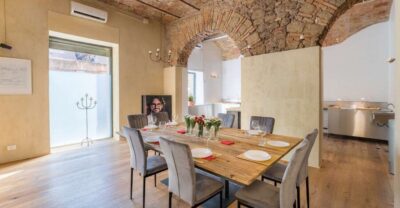
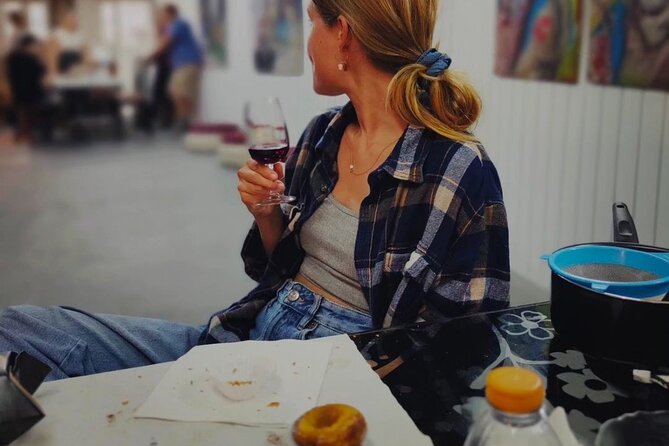
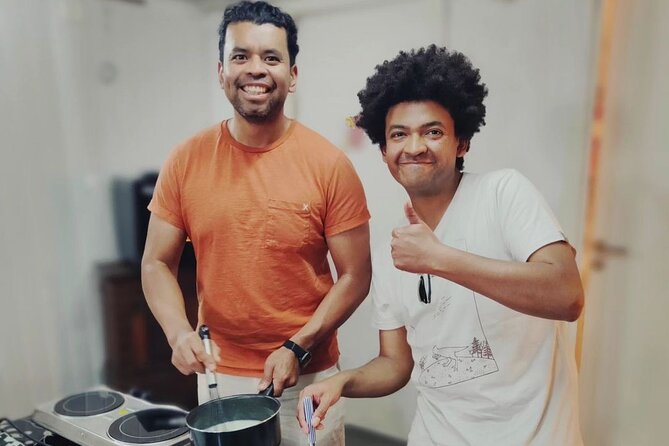
You should expect a relaxed, workshop-style setting rather than a big show. The format is designed so the group can actually participate: people take turns, the instructors keep things moving, and you’re not stuck watching while everyone else works.
Language is English, and they use mobile tickets, so you’re not fumbling with paper. Bathrooms are available, and there are signs of a comfortable setup since the space is described as clean and easy to work in.
If you’re the type who likes to understand the food, not just taste it, you’ll probably enjoy the pacing. You get a quick intro to the pastry’s story and then you move straight into hands-on cooking.
You can also read our reviews of more tours and experiences in Porto.
What you’ll make: custard, assembly, and baking (not pastry dough)
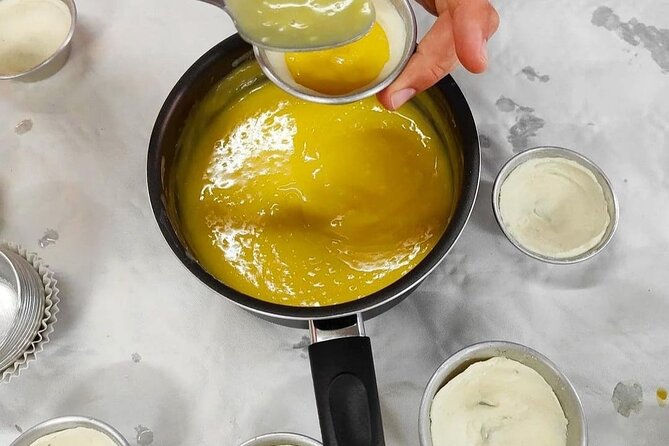
Here’s the core of the experience: you focus on the custard filling and the baking process for Pastel de Nata. The pastry component is pre-prepared, which changes the learning goal. You’re not learning lamination from scratch (rolling, folding, and all the dough gymnastics), so the class stays short and doable.
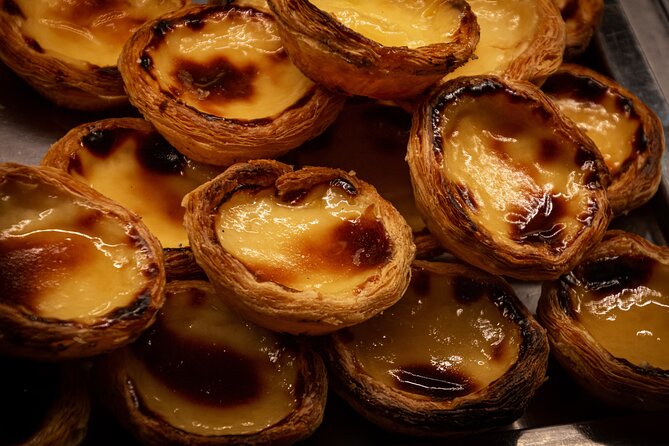
Still, “not making pastry dough” doesn’t mean you’re doing nothing. You’ll prepare the custard, learn how to portion and assemble, and then bake your tarts. That’s the part that controls the final texture—creamy interior, lightly caramelized top, and that warm, fresh-out-of-the-oven payoff.
A house-made recipe is part of what you leave with, including the method so you can recreate Pastel de Nata at home. Several guests point out that the custard recipe is the best part—easy to follow but strong on results—so you’re coming away with something you’ll actually want to use.
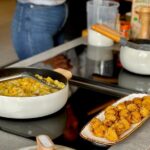
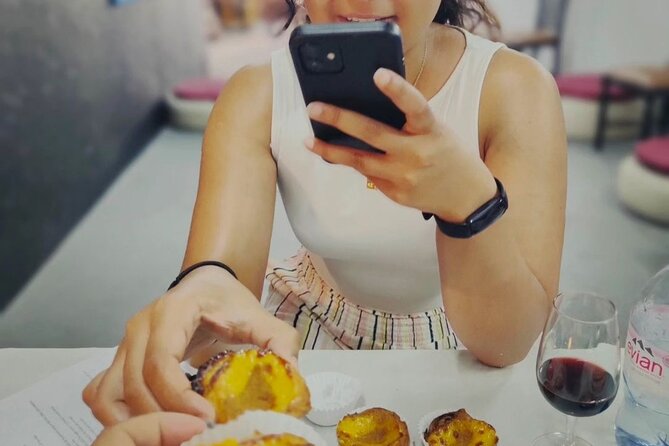
Also, each participant prepares several Pastel de Nata. You can eat some right there and take more away, and the transport box is included so your efforts don’t turn into crumb city on the walk back.
How participation works in a small group (and why that matters)
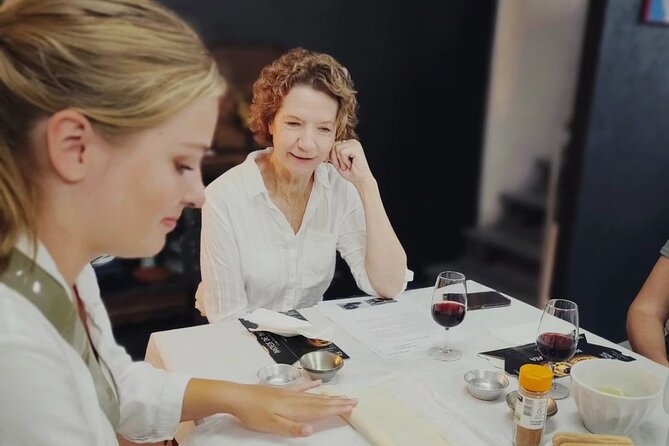
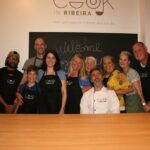
This is built for small teams, with a maximum of 8 travelers noted for the experience. Another detail says there’s a broader cap of 12, but either way, it’s not one of those classes where you do one tiny step and then wait.
In practice, you’ll rotate through the stages. The class is described as step-by-step and interactive, with instructors making sure everyone has a chance to do something at each point. That’s a big deal because Pastel de Nata isn’t complicated, but it is timing-sensitive. If you only watch, you miss the feel of the custard and how quickly things go once it’s ready.
If you want maximum personal time—meaning you’d like to participate in every stage yourself—you’ll need to ask about the private workshop option. The regular group setup shares work, and that’s fine. Just know what kind of learning you’re buying.
One more practical note: because the session is about 1 hour 30 minutes, it stays focused. You won’t get a marathon pastry education, but you will leave with enough technique to make a confident batch later.
The food flow: snacks, coffee, and Port between steps
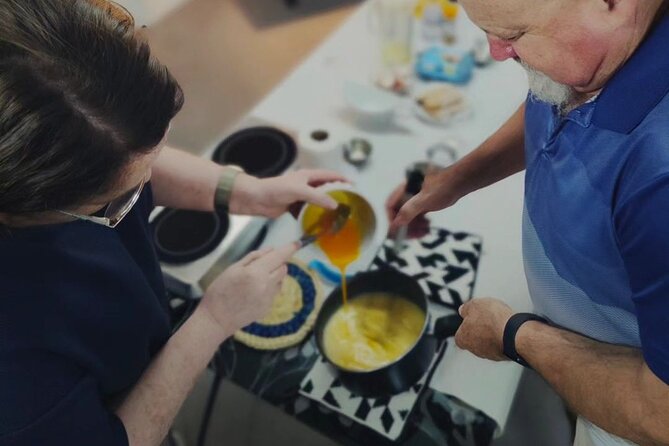
The class keeps your energy up while you cook. Throughout the workshop, you’ll have Port wine plus juice, water, and coffee. There’s also a selection of sweet and savory snacks, served in a relaxed way while you wait for the next step.
This matters more than it sounds. In a short cooking class, the best ones don’t just rush you from start to finish. They build small breaks into the process—so you can concentrate while mixing, and still enjoy the social side without feeling like you’re constantly behind.
Guests mention the value here: plenty of Port, warm Pastel de Nata at the end, and a fun pace that makes an afternoon feel like a proper Porto plan. If you’re visiting in cooler months or it rains, this kind of indoor workshop is a smart backup that doesn’t feel like settling.
Learning the flavor system: the custard technique you can repeat at home
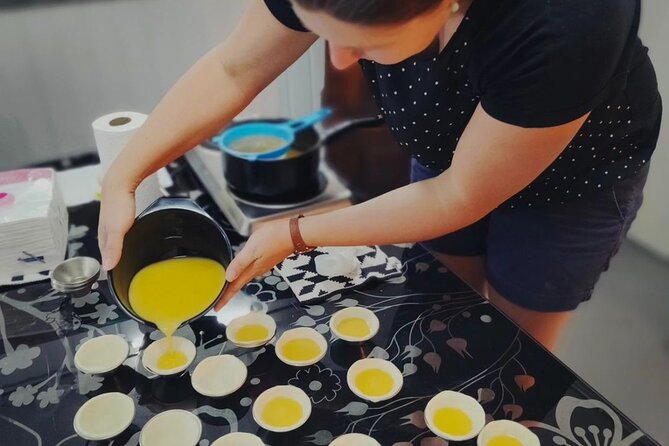
If Pastel de Nata is your thing, the custard is where the magic lives. This class trains you on the filling process and baking outcome, with clear instruction and a house-made recipe for you to recreate the results later.
From the way instructors teach (and how the class is described), the key is not just pouring ingredients. It’s getting the custard to the right consistency and handling it with care so it bakes into that creamy center with a lightly browned top.
You also learn the logic behind the process. Even though the puff pastry dough isn’t made from scratch here, the pastry approach is explained in a way that makes sense at home. One repeatedly mentioned theme is that the shortcut method works well, tasting good and producing the texture you expect.
So you leave with more than a postcard recipe. You leave with a sequence you can follow again—how to prep, portion, assemble, and bake so the tarts come out warm and solid rather than soggy.
The quick history lesson that doesn’t drag
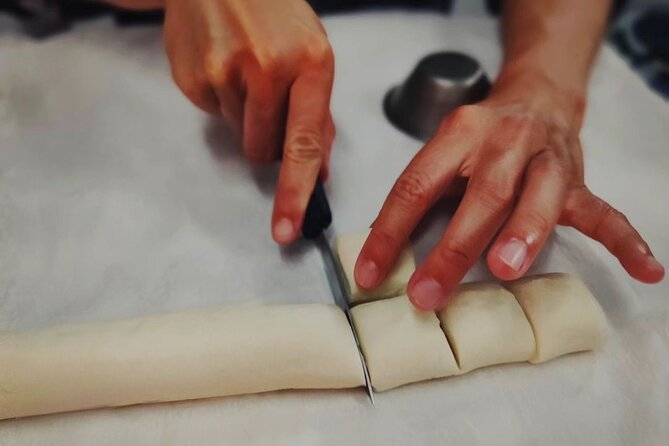
This class includes a short introduction to Pastel de Nata history in Portugal. It’s not a lecture marathon. It’s timed to fit the workshop, so you get context while your hands are busy.
Guests consistently describe the instructors as energetic and funny, and that matters for history too. When the food story is delivered like a conversation, it sticks better. You’ll walk out understanding why this pastry matters in Portuguese food culture, instead of treating it like just another dessert trend.
If you’re the type who likes your food with a bit of meaning, this is a nice add-on without stealing time from the cooking.
Domus Arte storefront perks: more than just a kitchen
Before or after class, you may want to look around the Domus Arte concept store. The experience description includes modern and traditional handicrafts and souvenirs, and guests highlight that the shop area is charming.
This is a small but real value. You’re not just traveling to a room for one task. You’re in a place where you can pick up a practical souvenir or browse local-made items while you still have the energy to explore.
Since the workshop ends back at the meeting point, it’s easy to connect this with another nearby walk, or to shop and then head to dinner.
Price and value: $42.34 for 90 minutes of hands-on Porto
At $42.34 per person for about 1 hour 30 minutes, it’s not the cheapest thing in Porto. But it doesn’t feel overpriced when you look at what’s included.
You’re paying for:
- a hands-on cooking session with step-by-step guidance
- Port wine plus snacks and coffee
- a recipe to recreate the process at home
- several Pastel de Nata per participant, with a transport box for take-away
You’re also getting the benefit of small-group attention, which is hard to replicate on your own in a kitchen. If you’ve ever tried to learn pastry basics from videos, you know how quickly things can go wrong without feedback. Here, the instructors focus on the parts that lead to results.
One possible drawback for value-minded cooks: you don’t make the puff pastry dough from scratch. If your goal is pastry technique training at the dough level, you may feel shortchanged. If your goal is eating the best of the method and leaving with something you can reproduce, this class generally hits the mark.
Also, the high rating—4.9 with a strong recommendation rate—suggests the experience is reliably fun and well-run, not just a one-off good day.
Who this class is best for (and who should consider private)
This is a great fit if you:
- want a short indoor activity that still feels meaningful
- enjoy hands-on cooking and want a clear recipe path
- like Portuguese food history in a practical, non-lectury format
- want a Porto-focused experience without committing to a half-day tour
It’s also a good rainy-day plan. Between the wine, snacks, and warm tarts, the experience doesn’t feel like “just passing time.”
Consider a private workshop option if:
- you want to participate in every single stage yourself
- you’re especially picky about learning the pastry dough process from zero
And if you have dietary needs, bring them up when booking. One guest notes that if you eat gluten free, telling them ahead of time can lead to accommodation. Don’t assume; just ask early so they can plan.
Getting the most out of your class on the day
To enjoy this class, go in ready to work. This isn’t one of those “press a button and watch” experiences. If you’re comfortable tasting as you cook, you’ll pick up more. If you can, plan your day so you’re not rushing to catch another commitment right after.
Also think about how you’ll transport your take-home pastries. A transport box is included, which helps a lot, but you’ll still want to treat them gently on the walk back. If you’re doing this on a travel day, it’s worth checking how you’ll store them until you’re settled.
Finally, try to arrive with at least a little appetite. Even though the class ends with warm pastries, the snacks and coffee are there to keep you comfortable while you cook—not to replace a meal.
Should you book this Porto Pastel de Nata class?
If you want a small-group, hands-on way to learn Pastel de Nata in Porto, I’d book it. The custard-focused instruction, the house recipe you take home, the Porto wine and snacks, and the fact you leave with pastries you made yourself all add up to solid value.
Pass if your main goal is learning puff pastry dough from scratch. This class prioritizes results and repeatability, not full dough theory. For everyone else—food lovers, casual cooks, and anyone who wants a rainy-day plan that still feels like Porto—this is the kind of experience you’ll talk about later, and actually use again at home.
FAQ
How long is the Pastel de Nata cooking class?
It lasts about 1 hour 30 minutes.
Where does the class meet in Porto?
The meeting point is Domus Arte | Concept Store – Sede/Headquarter, Rua da Bainharia 135, 4050-084 Porto, Portugal.
Is the class offered in English?
Yes, it’s offered in English.
Do I get to participate, or is it mostly watching?
You’ll actively participate in the steps, taking turns in the preparation process with instructor guidance.
Do we make the puff pastry dough from scratch?
No. The puff pastry is pre-prepared, and you learn the custard filling and baking process, plus you receive a recipe to recreate it at home.
Is Porto wine included?
Yes. The session includes Porto wine along with juice, water, and coffee.
Can I take the pastries home?
Yes. You’ll prepare several Pastel de Nata, and a transport box is included. You can eat some on site or take the rest with you.
How big is the group?
The experience has a maximum of 8 travelers.