REVIEW · PORTO
Porto: Cooking Class with Local Market Visit
Book on GetYourGuide →Operated by Nuno Miguel Ferreira Silva · Bookable on GetYourGuide
Market shopping turns cooking into a story. This Porto experience pairs a local market run with a hands-on class where you cook traditional Portuguese dishes from scratch, then sit down to eat what you made. I also like that you learn the origins and influences behind what’s on your menu, not just the steps. The main catch: it’s active for the full 3.5 hours, so wear comfy clothes and be ready to chop, stir, and taste.
You’ll meet the host at his home and then head out together for grocery stops (and sometimes an organic garden), keeping the group small and focused, limited to 8. The instructor, Nuno Miguel Ferreira Silva, also brings extra context to the walks—architecture and even Portuguese tiles show up in the stories—and that makes the food feel tied to the place.
In This Review
- Key Points You’ll Actually Care About
- Entering Porto’s Food Scene Through Nuno’s Home
- What you’ll notice right away
- Shopping Local Markets (and Why It Changes Everything)
- What to look for during the market walk
- The optional organic garden stop
- The Portuguese Influences You’ll Hear While You Cook
- Where the stories show up
- Hands-On Cooking: From Appetizers to Pastel de Nata
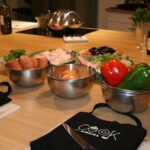
- The kind of menu you’ll make
- Why you’ll remember the cooking
- Wine Pairing, Port Tastes, and Olive Oil Lessons
- How the tastings fit the menu
- Price and Value: Is $106 Worth It?
- The main cost “tradeoff”
- Dietary Needs: What’s Possible and What to Do Before You Go
- What’s safest to prepare ahead of time
- Small Group Comfort (and When This Might Not Fit)
- Another consideration
- Who Should Book This Porto Cooking Class
- Should You Book It? My Quick Decision Checklist
- FAQ
- Where do we meet, and is transportation included?
- How long is the cooking class, and how big is the group?
- What will I cook, and is there wine included?
- Can the class adapt to dietary restrictions or allergies?
- Is the experience wheelchair-friendly, and are pets allowed?
- What’s the cancellation policy and payment option?
Key Points You’ll Actually Care About
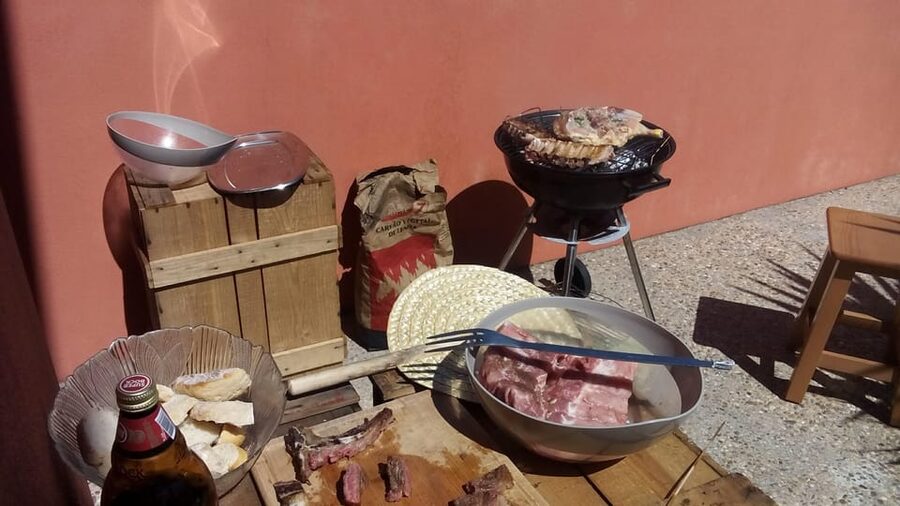
- Market-to-menu format: you shop for ingredients on the ground in local spots before you cook.
- Made-from-scratch policy: no frozen or pre-prepared shortcuts, which changes how everything tastes.
- A full meal, not samples: you prepare multiple courses and then eat them at the table.
- Portugal through food stories: influences from Asia, Africa, South America, and even Jewish culinary roots get explained.
- Wine pairing and port: you’ll taste alongside the meal, with guidance on what fits what.
- Small group size: capped at 8 participants, which helps with questions and dietary adjustments.
Entering Porto’s Food Scene Through Nuno’s Home
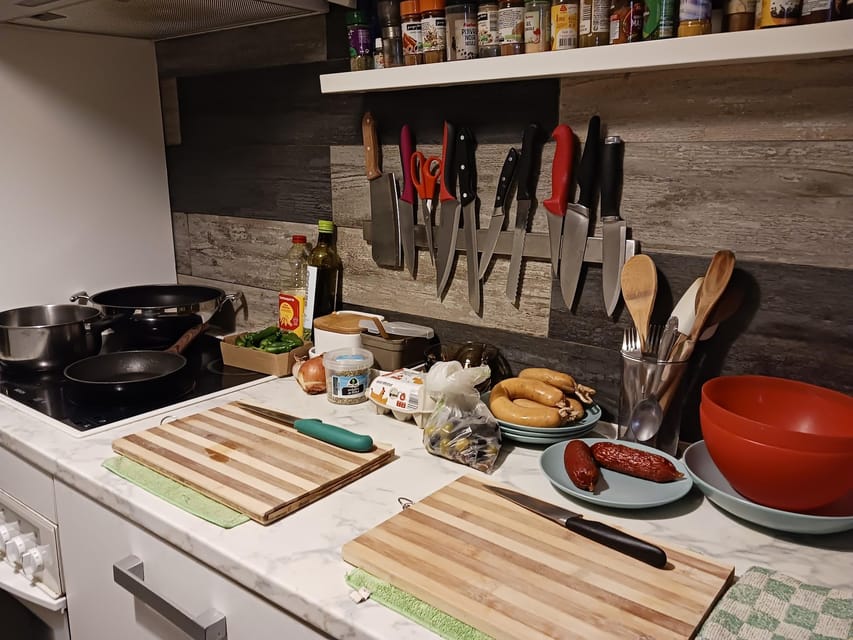
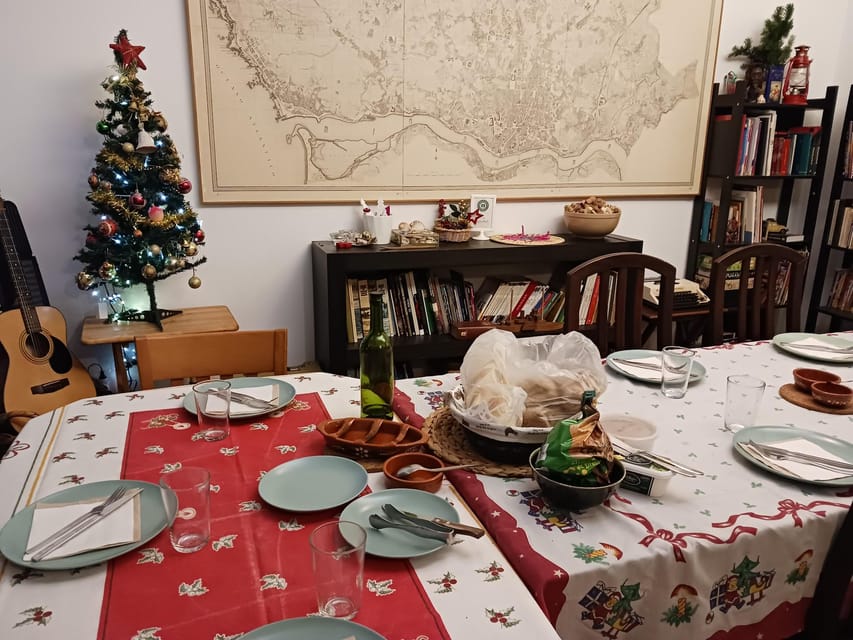
This is the kind of cooking class that starts like a neighbor inviting you over—not like a restaurant meeting you at the door. You’ll begin at Nuno Miguel Ferreira Silva’s home, then you head out together for ingredient shopping. That structure matters because it keeps your focus on why each product shows up in Portuguese cooking in the first place.
Nuno’s approach feels practical and layered. He doesn’t just tell you what to do; he connects food to Portuguese culture as you move through the shops and back to the kitchen. In the process, you pick up more than recipe steps: you learn how to think about flavors, seasonality, and influences.
You can also read our reviews of more tours and experiences in Porto.
What you’ll notice right away
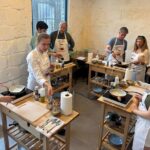
- The group stays small, which makes it easier to ask questions while you cook.
- You’re not just observing. You’re preparing.
- You’ll get tastings linked to the meal planning, including wine and port.
Shopping Local Markets (and Why It Changes Everything)
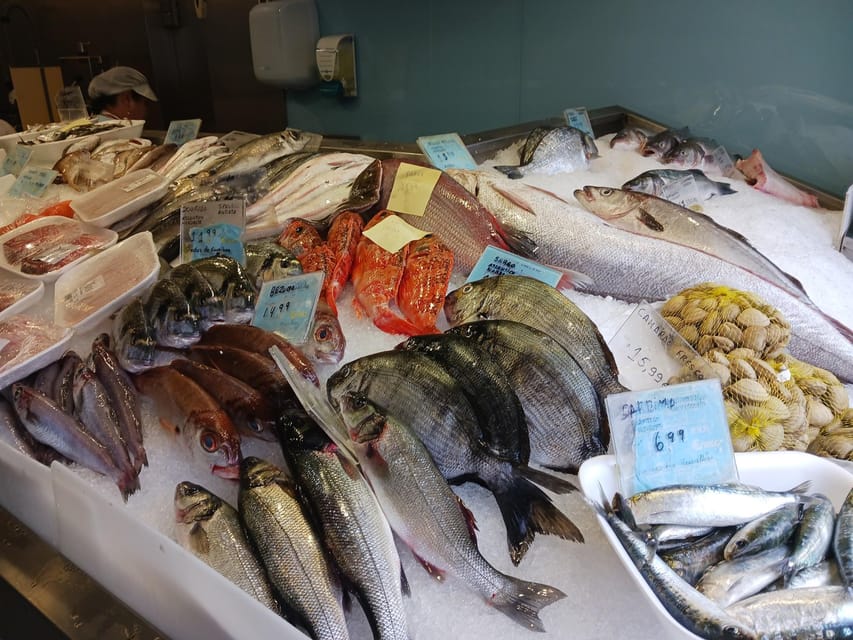
The highlight for me is the ingredient hunt. You visit a local grocery shop and then move through options like a bakery and/or street butcher. The exact stores can vary session to session, but the goal stays the same: fresh inputs you can actually recognize and connect to your final dishes.
When you shop this way, you stop thinking of dinner as a menu and start thinking of dinner as ingredients with stories. It also helps you learn what “good” looks like in Portugal. You’ll come away with better instincts than you get from a supermarket run back home.
What to look for during the market walk
- Fish quality: Portugal is serious about seafood, and you can often spot better choices by freshness and how the fish is handled.
- Bread and bakery items: you’re likely to see what locals consider everyday staples rather than tourist pastries.
- Meat and charcuterie options: if there’s a butcher stop, you’ll see cuts and preparation styles that match the dishes you’ll cook later.
One of the most praised parts of this experience is how Nuno points out the best selections. People leave remembering the sardines he showed them, and it makes sense: when someone knows what to buy and why, it saves you from buying the wrong thing and hoping the recipe rescues it.
The optional organic garden stop
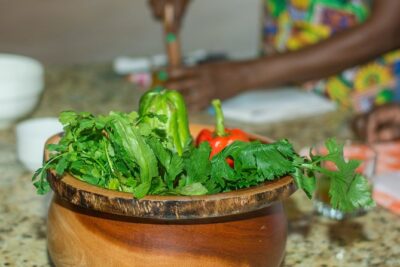
Depending on timing and the session, you might also stop at an organic garden. Even if you’re not a gardening person, it’s useful because it reinforces where ingredients come from and why fresh herbs, vegetables, and produce matter.
The Portuguese Influences You’ll Hear While You Cook
Portuguese food isn’t one simple tradition. It’s built from waves of influence—Asia through the discoveries, African and South American connections, and also distinct Jewish culinary traces that show up in dishes and techniques. In this class, those themes aren’t thrown at you as trivia. They get explained in the context of what you’re making.
That’s what makes the cultural side feel worth your time. It changes how you taste. Instead of thinking, This is just a sauce or a spice, you start noticing the logic behind it.
Where the stories show up
- During the walk between ingredients, when Portuguese food gets linked to place and history.
- In the kitchen, as you prepare courses and learn what makes each step matter.
- When discussing ingredients that aren’t just local staples but products tied to tradition.
You might also hear about Portuguese architecture and Portuguese tiles—yes, really. It sounds unrelated until you notice how Nuno’s explanations keep circling back to identity: the same way tiles mark buildings, food marks regional and historical memory.
Hands-On Cooking: From Appetizers to Pastel de Nata
This isn’t a class where you assemble something from shortcuts. Everything is made from scratch, and the rules are clear: no frozen products and no pre-prepared ingredients. That’s a big deal because it forces real cooking skills—methods, timing, and texture—rather than just heating or assembling.
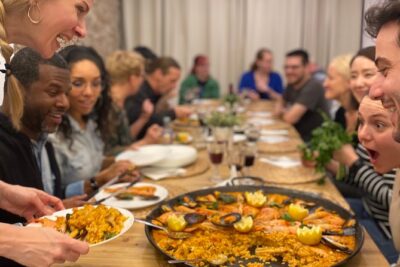
You’ll cook a full menu with guidance in an environment set up for learning. People love that they finish with enough confidence to recreate dishes at home, not just photos and a full plate.
The kind of menu you’ll make
The class is designed as a full meal experience. Based on what’s been taught in past sessions, you can expect a mix like:
- Appetizers you prep together
- An entrée featuring fish (including Sebring fish in some sessions)
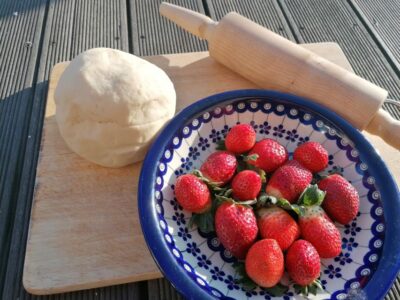
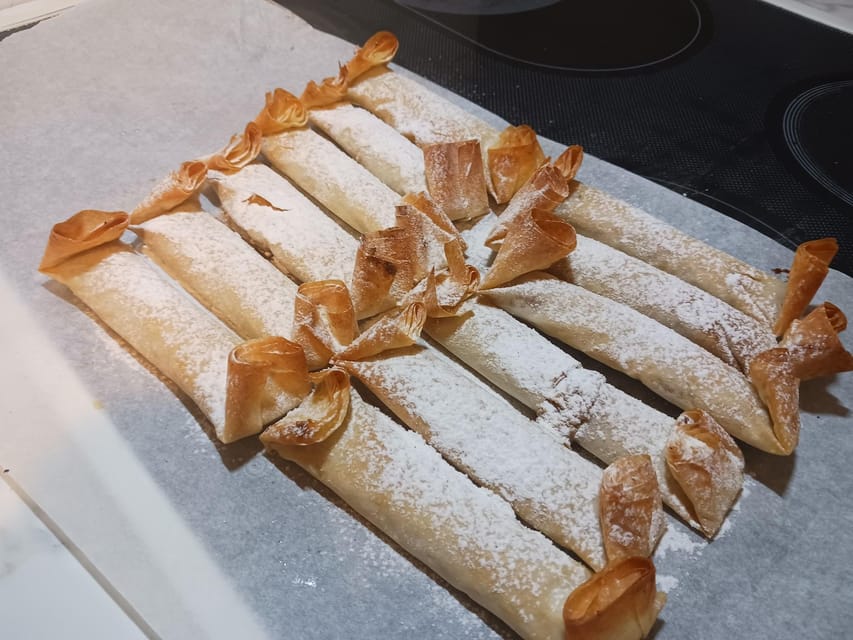
- A dessert like Pastel de Nata
That’s a practical pairing because you’re learning different cooking modes: hands-on prep for savory dishes, then pastry work for the dessert. And yes, the dessert part matters, since Pastel de Nata is one of Portugal’s most recognizable sweets.
Why you’ll remember the cooking
You’re getting repetition with purpose. Each course teaches a skill you can actually use later:
- how to build flavor step by step
- how ingredient choices change the result
- how to taste as you go, not only at the end
Also, the class tends to include a lot of conversation while you work. That keeps it from feeling like a workshop lecture.
Wine Pairing, Port Tastes, and Olive Oil Lessons
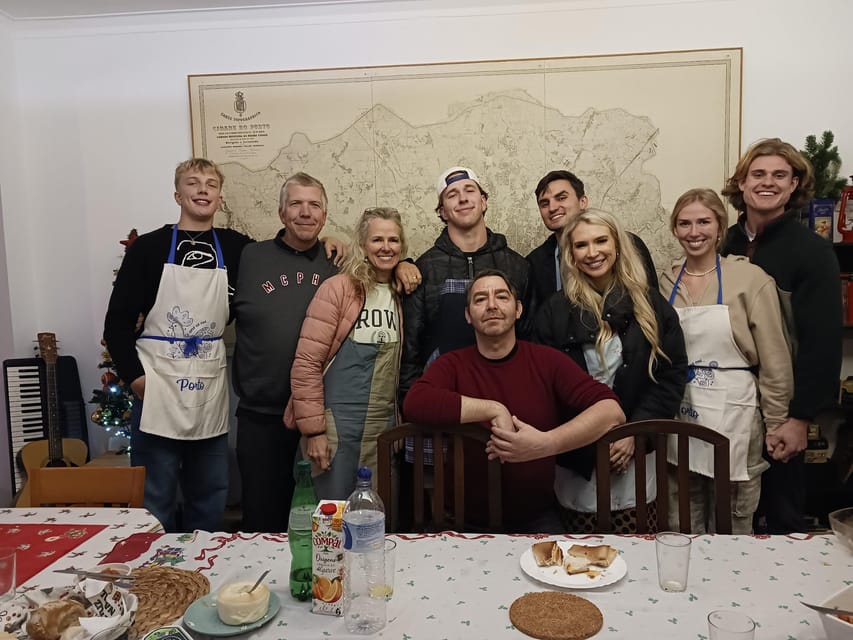
Food in Portugal often comes with wine, but this class treats pairing as part of learning—not as a free-for-all. You’ll enjoy wine pairing with your meal, and you may also taste port and olive oil as part of the process.
One of the standout details from the experience is the olive oil instruction. Olive oil isn’t just an ingredient here; it’s part of flavor identity in Portuguese cooking. When someone explains it while you’re actively making food, it sticks.
How the tastings fit the menu
Instead of sipping blindly, you’ll connect what you taste with what you cook. That’s what helps people recreate the experience at home: they learn which flavors work together and why.
And for wine lovers, this is a rare chance to see wine and port in context—alongside ingredients and cooking methods—rather than as a separate afterthought.
Price and Value: Is $106 Worth It?
At $106 per person for about 3.5 hours, you’re paying for a few things at once:
- market shopping time
- instruction
- real cooking from scratch
- a full meal you eat yourself
- wine pairing
What makes it feel like good value is that you’re not paying for a restaurant dinner with a generic story attached. You’re paying for the process: the ingredient decisions, the techniques, and the cultural context that turns food into understanding.
If you’re the kind of traveler who likes to come home with practical skills (not just souvenirs), this price can look very reasonable. You leave with recipes you can actually repeat because you did the work yourself.
The main cost “tradeoff”
You don’t get transportation to and from the meeting point. So you’ll need to plan your own way to Nuno’s home at the start. If you’re already in Porto and navigating locally, that’s usually not a deal breaker—but it is one more thing to schedule.
Dietary Needs: What’s Possible and What to Do Before You Go
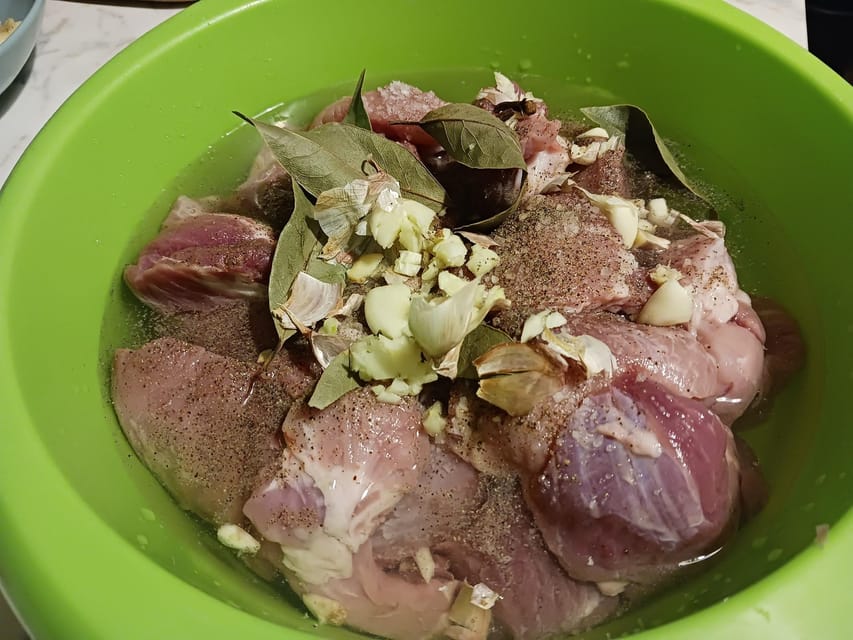
The class is designed with dietary adaptations in mind, and you should inform the provider of any restrictions in advance. That matters because cooking from scratch means they can adjust methods and ingredients—but they need your details early enough to plan.
Based on past experiences, Nuno has been attentive with serious allergies. The key lesson for you: don’t wait until the last minute. Send your dietary needs clearly so the kitchen can handle it.
What’s safest to prepare ahead of time
- list your dietary restrictions
- list allergy specifics (ingredients to avoid)
- mention any limits on dairy, gluten, seafood, or other categories you need
And a gentle reality check: this is a small group cooking class, so adaptability depends on what you tell them and how feasible substitutions are for the menu they’re teaching.
Small Group Comfort (and When This Might Not Fit)
Small group size is one of the quiet strengths of this experience. With a cap of 8 participants, you get more personal attention while cooking, and the pace stays workable without turning into a chaotic kitchen scrum.
There’s also a clear practical limit: the activity is not suitable for wheelchair users. So if mobility is an issue, you’ll want to look at other Porto activities that match your needs better.
Another consideration
Because everything is made from scratch and you’ll be doing the cooking, it’s not a good fit if you want a sit-down, watch-from-the-side experience. Come ready to participate.
Who Should Book This Porto Cooking Class
I’d book this if you want:
- a true market visit that feeds directly into what you cook
- a full menu experience, not just a few tastings
- cultural stories explained through food
- a host like Nuno who connects cooking with place (including architecture and Portuguese tiles)
It’s also a great pick for couples and small groups who like guided learning without feeling stuck in a classroom. If you’re traveling solo, the small group helps you feel included without being swallowed by a huge tour.
Should You Book It? My Quick Decision Checklist
Book it if:
- you love Portuguese food and want to learn the methods, not just eat it
- you like hands-on cooking and you’re comfortable being active for 3.5 hours
- you want wine, port, and olive oil pairing to be part of the learning
Skip it or rethink if:
- you need wheelchair accessibility
- you strongly prefer restaurant-style dining with minimal cooking participation
- you can’t plan local transit to a meeting point at the host’s home
If your goal is to leave Porto with skills plus a story you can repeat, this is one of the best kinds of meals you can choose.
FAQ
Where do we meet, and is transportation included?
You meet at the host’s home. Transportation to and from the meeting point is not included, so you’ll need to plan your own way to get there and back.
How long is the cooking class, and how big is the group?
The experience lasts 3.5 hours. It’s a small group limited to 8 participants.
What will I cook, and is there wine included?
You’ll cook a full menu from scratch with the help of a local guide, and the meal includes a wine pairing. Past menus have included items like Pastel de Nata for dessert and fish dishes such as Sebring fish.
Can the class adapt to dietary restrictions or allergies?
Adaptations to most diets are possible, but you should inform the provider of your dietary restrictions in advance. The class emphasizes cooking everything from scratch, which is why clear details matter.
Is the experience wheelchair-friendly, and are pets allowed?
No. It is not suitable for wheelchair users. Pets are not allowed.
What’s the cancellation policy and payment option?
You get free cancellation up to 24 hours in advance for a full refund. You can also reserve now and pay later to keep your plans flexible.
If you’d like, tell me your dietary restrictions and roughly where you’ll be staying in Porto, and I’ll help you decide whether the timing and format will feel comfortable for you.