REVIEW · FLORENCE
Premium Pasta and Gelato Cooking Class in Florence
Book on Viator →Operated by Towns of Italy · Bookable on Viator
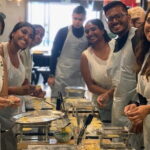
Nothing beats hands-on Italian food training. In a small Florence kitchen, you’ll learn fresh pasta while gelato is part of the finale, all within a 3-hour schedule. It’s a beginner-friendly class that aims to feel like you’re cooking with locals, not taking a lecture.
What I like most is the focus on real technique (not just assembling ingredients). You’re making filled ravioli from scratch plus fresh tagliatelle, then you get a digital recipe booklet and a graduation certificate to take home. One possible drawback: the gelato is included as a chef-led demonstration, not a fully interactive gelato workshop, so if you’re hoping to churn and portion everything yourself, confirm the format when booking.
In This Review
- Key things to know before you go
- Florence Pasta and Gelato Class: Why This Works as a Food Trip
- What you’re signing up for (and what you’re not)
- The 3-Hour Flow in Practice: Ravioli, Tagliatelle, and Gelato
- Phase 1: Filled Fresh Pasta (Ravioli)
- Phase 2: Fresh Pasta (Tagliatelle) and Sauce Choices
- Phase 3: Gelato (Included as a Demonstration)
- The Real Value: Technique, Not Just Food
- You get clear, repeatable recipes
- The class is designed for beginners
- In the Kitchen With Real Italian Practice: What You’ll Learn
- Pasta thickness and handling
- Sauce pairing that makes sense
- Gelato tips you can reuse
- Location and Timing: Where You Meet and How It Fits Your Day
- Drinks, Energy, and the Group Size Reality
- Vegetarian-Friendly, but Allergy Rules Matter
- Vegetarian suitability
- Not suitable for celiacs
- Tell them your intolerance early
- How Much Is It Really Worth at $62.30?
- Tips to Get More Fun (and Better Pasta) in Florence
- Go with the right expectations for gelato
- Wear clothes you can work in
- Eat light beforehand, but not empty
- Choose a time that matches your energy
- Who This Class Suits Best
- Should You Book This Pasta and Gelato Class in Florence?
- FAQ
- Is the class in English?
- How long is the cooking class?
- Where does the class meet in Florence?
- What pasta dishes do you make?
- Is gelato included, and do I make it?
- Are wine and drinks included?
- Is the class vegetarian-friendly?
- Do they accommodate allergies or intolerances?
- Is it suitable for people with celiac disease?
- What group size should I expect?
Key things to know before you go
- Pasta is hands-on: you’ll make ravioli and tagliatelle, not just watch.
- Gelato is a demonstration: it’s included, but the level of participation can vary by class flow.
- Small group size: up to 20 people, with some sessions feeling more like an intimate group.
- Take-home tools: you get a digital recipe booklet plus a graduation certificate.
- Vegetarian-friendly: the class is suitable for vegetarians, with advance notice requested.
- Chef-led energy: many instructors are funny and warm, but teaching styles can differ.
Florence Pasta and Gelato Class: Why This Works as a Food Trip
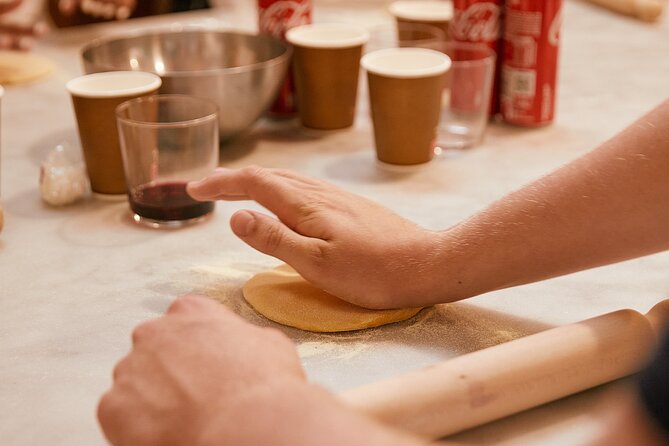
Florence is one of the easiest cities to turn into a real cooking weekend—because the ingredients, the traditions, and the pace all support food learning. This class is set up for exactly that: you come in with no plan beyond eating well, and you leave with skills you can use at home.
I like that the class is structured and short. Three hours is long enough to learn what matters, knead dough without rushing, and still sit down and eat what you made. You also get built-in flexibility with afternoon or evening times, which helps if you’re juggling museum days, Uffizi tickets, or a long stroll along the Arno.
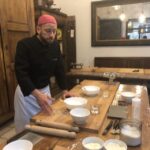
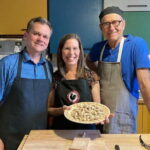
The other big reason this is a good match for many travelers is how it balances fun with technique. Reviews often mention instructors who were patient and encouraging—names that come up include John and Roberta, Alice, Tomas, Victoria, Federico, and Lisa. Some sessions sound like a cozy home-style class with laughter, while others are simply well-organized instruction. Either way, the goal is the same: you should feel able to cook these dishes again later.
You can also read our reviews of more tours and experiences in Florence.
What you’re signing up for (and what you’re not)
This is a pasta-and-gelato experience centered on learning. You’re not booking a market tour here (that’s mentioned as a possibility only for a longer class option in some reports). In this 3-hour version, your core work is the pasta lesson and cooking table meal, with gelato included as part of the program.
The 3-Hour Flow in Practice: Ravioli, Tagliatelle, and Gelato
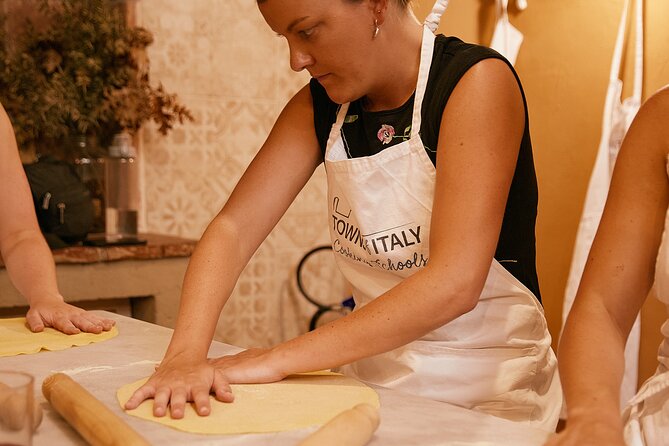
Let’s talk about the menu as a roadmap. You can think of this class as three phases: pasta prep, sauce-building, then dessert and eating.
Phase 1: Filled Fresh Pasta (Ravioli)
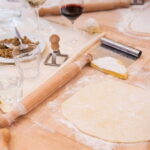
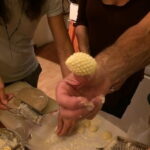
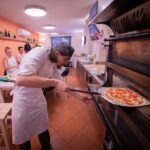
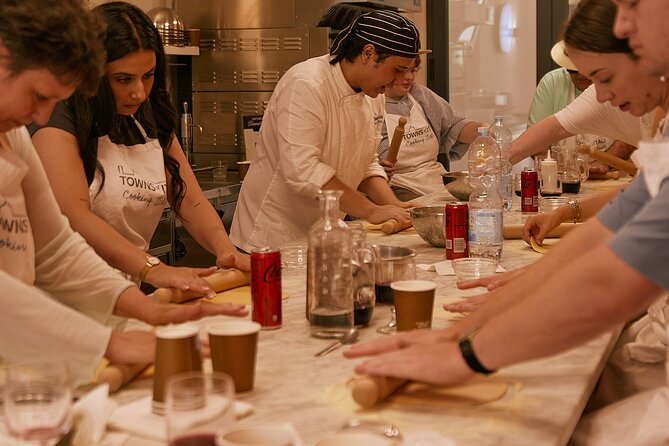
You’ll learn to make ravioli filled from scratch. That matters more than people realize. Making pasta by hand changes how you understand timing and texture—thickness, sealing, and how the dough behaves when you work it.
In the menu, the ravioli is paired with a complementary sauce. The exact sauce isn’t rigidly spelled out in the class description, but the approach is consistent: you learn how to make the filling and how to combine it with a sauce that supports the flavors instead of masking them.
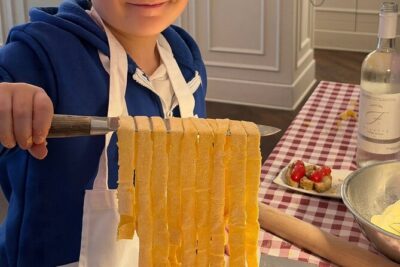
Phase 2: Fresh Pasta (Tagliatelle) and Sauce Choices
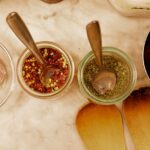
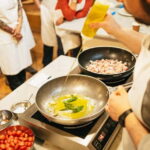
Next comes tagliatelle with a seasonal sauce. Reported choices include pesto, pummarola (tomato-based), or a creamy regional-style recipe. This is where the class becomes more than just rolling dough.
If you’ve ever wondered why homemade pasta tastes different from packaged pasta, this is one reason: sauce logic. You’ll see how different sauces cling to pasta and what flavors pair well with the dough you made.
- Cooking Class and Lunch at a Tuscan Farmhouse with Local Market Tour from Florence
★ 5.0 · 4,831 reviews

Phase 3: Gelato (Included as a Demonstration)
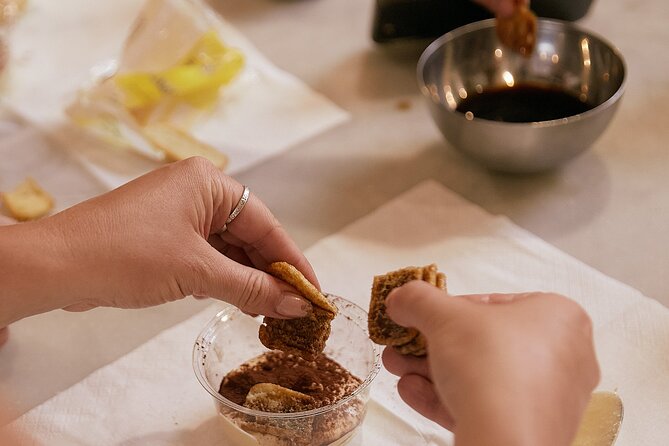
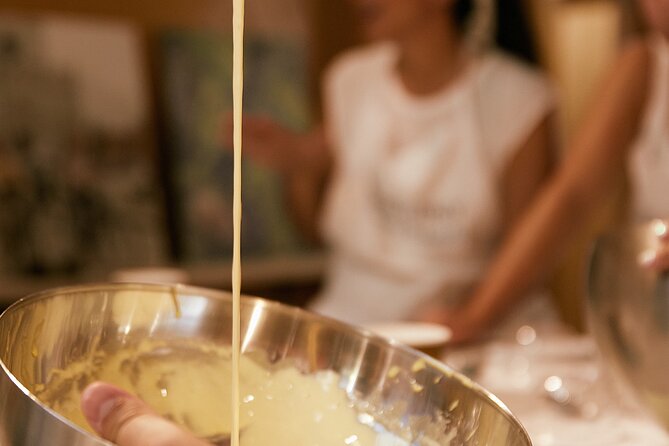
For dessert, you’ll get gelato options like vanilla or chocolate. The class includes a gelato making demonstration. That means you should expect to watch the chef handle the ice-cream work and learn the key steps and tips, rather than doing every gelato process end-to-end yourself.
Some guests describe it as a fun, full experience with gelato included well; others note they made pasta but gelato was not interactive the way they expected. So here’s the practical advice: if gelato participation is your top priority, ask the operator before booking what portions are hands-on during the 3-hour format.
The Real Value: Technique, Not Just Food
A great cooking class should change what you do at home. What makes this one valuable is that it’s not solely about eating. It’s about learning enough technique to recreate the results.
You get clear, repeatable recipes
At the end, you receive a digital recipe booklet. That’s a huge deal for real life back home—because you don’t want to rely on memory when your kitchen is nothing like the class kitchen.
Even better, there’s also a graduation certificate. It’s small, but it’s part of why the experience feels like an event rather than a short cooking demo.
The class is designed for beginners
The class is described as beginner-friendly and suitable for all experience levels. In practice, that often means instructors slow down for key steps: dough consistency, working the pasta, and making sure you don’t overcomplicate sauces.
Some reviews describe the instructors as helpful and encouraging, with tips tailored for people who have never made pasta before. If that’s you, you’ll likely appreciate the reassurance that you can do this.
In the Kitchen With Real Italian Practice: What You’ll Learn
You’ll learn more than the finished dishes. You’ll also pick up the “why” behind Italian staples—especially pasta texture and sauce pairing.
Pasta thickness and handling
Hand-made pasta is sensitive. If it’s too thick, it’s chewy. Too thin, and it can tear or overcook fast. You should come away with a practical sense of dough behavior—how it stretches, how it responds when you roll and cut, and how it holds up when you fill and seal ravioli.
Sauce pairing that makes sense
Pesto isn’t just basil. It’s structure: fat, salt, and herbs working together. A tomato-based sauce like pummarola changes the way the ravioli filling needs to taste, since the sauce brings acidity and body. Creamy sauces shift everything toward comfort and richness.
This is one of the best parts of the class because it trains your palate for pairing. You’ll stop thinking of sauces as random flavors and start thinking of them as systems that match texture and ingredients.
Gelato tips you can reuse
Even as a demonstration, gelato teaches you about texture and sweetness balance. Vanilla and chocolate may sound simple, but the real trick is how gelato tastes after it freezes—creaminess, not iciness. You’ll likely leave with at least a few ideas for how to manage flavor and texture at home.
Location and Timing: Where You Meet and How It Fits Your Day
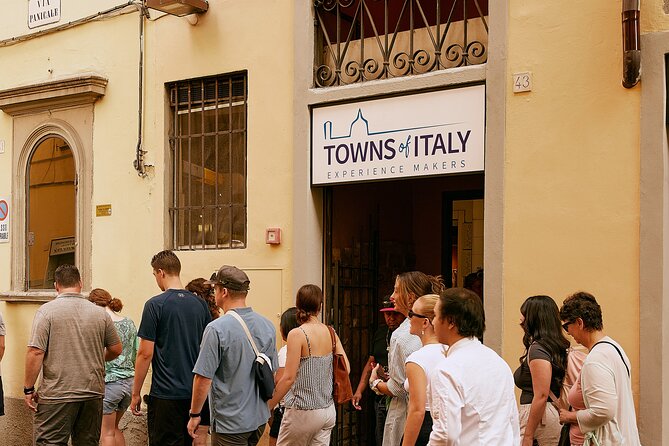
This class starts and ends at the cooking school in Florence, near public transportation, so you’re not stuck with a long scramble through narrow streets. The meeting location is:
Towns of Italy – Cooking School – Florence
Via Panicale, 43/r, 50123 Firenze FI, Italy
Because you return to the same spot, it’s easy to plan dinner afterward. If you take an evening class, you’ll be free for aperitivo or a relaxed late meal with less stress than if you had to travel across the city afterward.
Duration is about 3 hours, with afternoon or evening options. That schedule is ideal if you want one “big activity” that still leaves space for Florence’s walking lifestyle.
Drinks, Energy, and the Group Size Reality
This class includes unlimited wine and soft drinks for children (so adults should expect wine service, and kids get non-alcohol options). That can make the evening feel more festive, especially if you’re in a social mood.
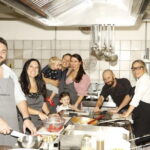
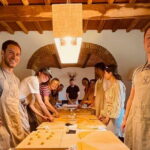
Group size is capped at 20 travelers. Some reports mention groups around a dozen, which usually makes instruction feel more personal. With smaller groups, you tend to get more attention during dough prep and better feedback on technique.
Teaching styles can also vary. Most reports describe chefs as warm, friendly, and fun. However, a few reviews mention a less relaxed vibe or a mismatch in expectations around gelato participation and engagement. That doesn’t mean the class is bad—it means you should choose based on your own priorities. If you want a comedy show with cooking, pick a time slot you’re excited for and go in with an open mind.
Vegetarian-Friendly, but Allergy Rules Matter
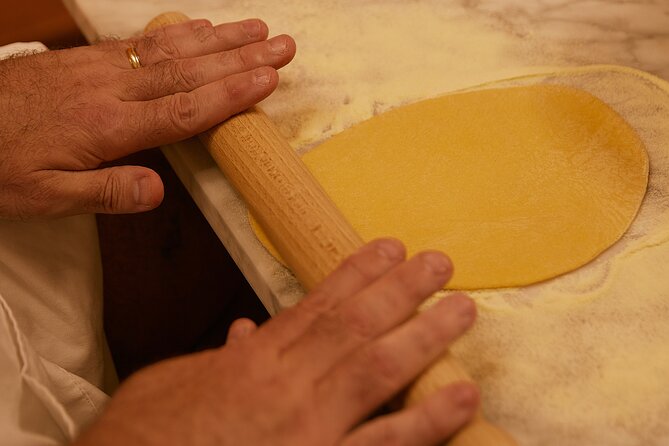
Here’s the honest part: this isn’t a one-size-fits-all for dietary needs.
Vegetarian suitability
The class is listed as suitable for vegetarians. They ask that you inform them in advance, so they can adjust what’s happening during the meal.
Not suitable for celiacs
It’s explicitly not suitable for Celiacs. If gluten-free is a requirement for you, skip this one and look for a different class built for gluten-free cooking.
Tell them your intolerance early
You’re encouraged to inform the team about food intolerance or allergies in advance. That’s the safest approach in a shared kitchen where ingredients like flour and dairy may be present.
How Much Is It Really Worth at $62.30?
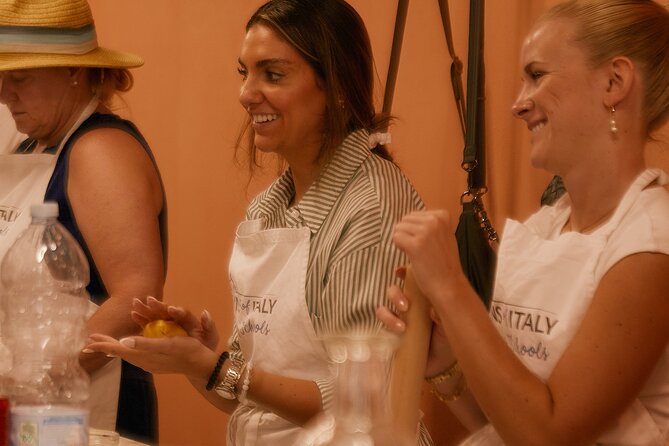
At $62.30 per person for about 3 hours, you’re paying for three things: instruction, ingredients, and the take-home learning package.
Here’s the value breakdown that matters:
- You’re learning two core skills: filled ravioli and fresh pasta like tagliatelle.
- You get the dessert component: gelato is included via demonstration, and vanilla/chocolate options are part of the plan.
- You leave with recipes: the digital booklet reduces your risk of forgetting what you learned.
- The class is small: fewer people usually means better hands-on coaching.
- You get a certificate: not necessary for everyone, but it signals a more structured experience.
Is it the cheapest food activity in Florence? No. But it’s also not just paying for a meal. You’re paying for a skill-based session that turns into homemade results later.
Tips to Get More Fun (and Better Pasta) in Florence
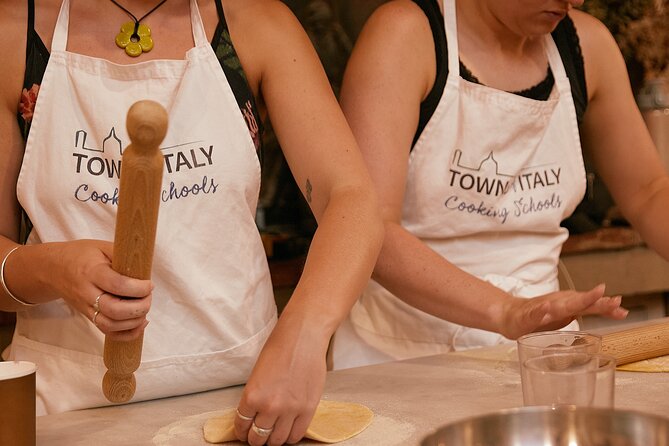
If you want this class to feel like a highlight, do these small things.
Go with the right expectations for gelato
Again: gelato is included as a demonstration. If you’re imagining that you’ll do every step hands-on, you might feel disappointed. Ask what participants actively do during the gelato part in the 3-hour format.
Wear clothes you can work in
You’ll be rolling dough and handling ingredients. Even if it’s not messy like baking bread, you want comfortable shoes and sleeves you don’t mind getting a little flour on.
Eat light beforehand, but not empty
You’ll make multiple dishes and then eat them. If you arrive starving, you’ll be distracted by hunger. If you arrive too full, you won’t enjoy the final meal as much.
Choose a time that matches your energy
An afternoon class can feel like a relaxed reset from museums. An evening class tends to feel more social, especially with wine included.
Who This Class Suits Best
This is a strong fit if you:
- Want an authentic Florence food experience that’s not just tasting
- Prefer hands-on cooking over watching
- Are a beginner who wants reassurance and clear steps
- Want a take-home result via the digital recipe booklet
- Travel with a partner or family and like shared tasks
It may be a weaker match if:
- Gelato participation is a must for you (since it’s a demonstration in the standard format)
- You need gluten-free/Celiac-safe cooking (it’s not suitable)
- You hate any possibility of a chef-led style that’s more energetic or funny than quiet and formal
Should You Book This Pasta and Gelato Class in Florence?
My take: if you want to leave Florence with skills, not just photos, this is an easy yes.
Book it if you’re excited to make ravioli and tagliatelle, enjoy a structured 3-hour lesson, and like the idea of taking home digital recipes and a certificate. The price is reasonable for what you get: instruction, meal, and dessert included.
Skip or double-check details if you specifically need gelato to be hands-on. Also skip if you’re Celiac or need gluten-free accommodations, since it’s not suitable.
If you’re curious and you like the sound of learning pasta in Florence, this is the kind of class that can turn into dinner at home for weeks after your trip.
FAQ
Is the class in English?
Yes. The experience is offered in English.
How long is the cooking class?
It lasts about 3 hours.
Where does the class meet in Florence?
Meet at Towns of Italy – Cooking School – Florence, Via Panicale, 43/r, 50123 Firenze FI, Italy.
What pasta dishes do you make?
You’ll make filled fresh pasta (ravioli from scratch) and fresh pasta (tagliatelle), with sauces served alongside.
Is gelato included, and do I make it?
Gelato is included as a chef-led making demonstration. The format focuses on demonstration within the 3-hour class structure.
Are wine and drinks included?
Yes. Wine and soft drinks are included.
Is the class vegetarian-friendly?
Yes, it is suitable for vegetarians. Inform the team in advance so adjustments can be made.
Do they accommodate allergies or intolerances?
You should inform them of any food intolerance or allergy in advance.
Is it suitable for people with celiac disease?
No. The class is not suitable for Celiacs.
What group size should I expect?
There is a maximum of 20 travelers.
You Might Also Enjoy
More Tour Reviews in Florence
- Cooking Class and Lunch at a Tuscan Farmhouse with Local Market Tour from Florence
★ 5.0 · 4,831 reviews