REVIEW · DA NANG
Da Nang Authentic Home Cooking Class
Book on Viator →Operated by Jolie Danang Cooking Class · Bookable on Viator
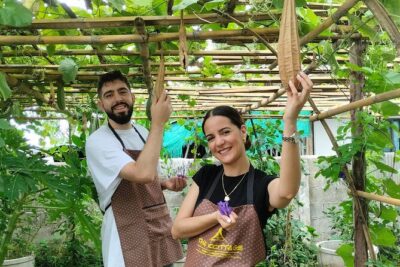
Cooking in a real home beats any studio. In Da Nang, this class happens in a real local home with a small-group setup that keeps things relaxed instead of rushed. You’ll follow everyday Vietnamese cooking the way families actually do it, with a host guiding you through the basics and the little moves that make the food work.
I especially like the step-by-step guidance and the hands-on rhythm, including the chance to learn pancake flipping. It’s led with energy by hosts such as Lan, with friendly support from people like Rosie and Lucy, so even tricky moments feel doable. One thing to consider: there’s no pickup or drop-off, and the class starts and ends at the meeting point on An Trung Đông 6.
In This Review
- Key things to know before you go
- Why This Da Nang Class Feels Like Dinner at a Neighbor
- What Cooking in a Local Home Changes (for the Better)
- What You Cook: Everyday Vietnamese Dishes and Pancake Skills
- The Real Flow: From Ingredient Prep to the Meal on the Table
- Hosts and Small-Group Energy: Why It Feels Fun, Not Formal
- Price and Value: What $36 Really Buys You
- Logistics That Matter: Meeting Point, Mobile Ticket, and Timing
- Who This Cooking Class Is Best For
- Small Details That Make the Difference
- Should You Book This Da Nang Cooking Class?
- FAQ
- How long is the Da Nang Authentic Home Cooking Class?
- What does the class cost?
- Where does the class meet?
- Is transportation like pickup and drop-off included?
- How many people are in the group?
- What is included in the experience?
- Is there a mobile ticket?
- When will I receive confirmation after booking?
- Is the location near public transportation?
- What is the cancellation policy?
Key things to know before you go
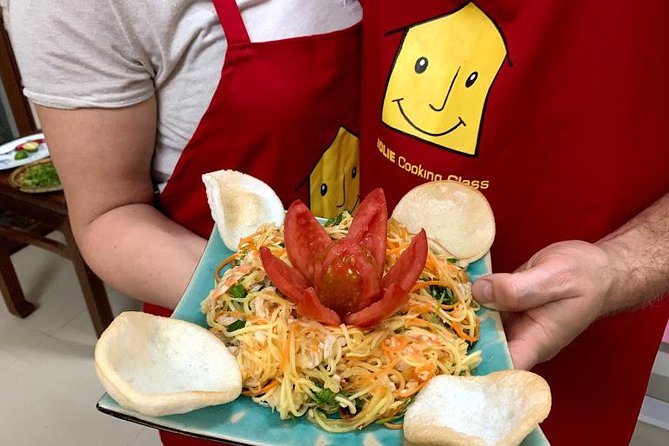
- Real home kitchen in Da Nang (not a cooking studio): you cook where local families live and eat.
- Maximum 10 people: you get real attention while chopping, cooking, and learning.
- Hands-on, family-style meal: you eat together after you’ve cooked.
- Pancake flipping included: you practice a classic Vietnamese technique.
- Hosts add personality: Lan, Rosie, Lucy, Kate, and Hannah show up in the experience.
- No transport provided: plan your own way to 14 An Trung Đông 6 and back.
Why This Da Nang Class Feels Like Dinner at a Neighbor
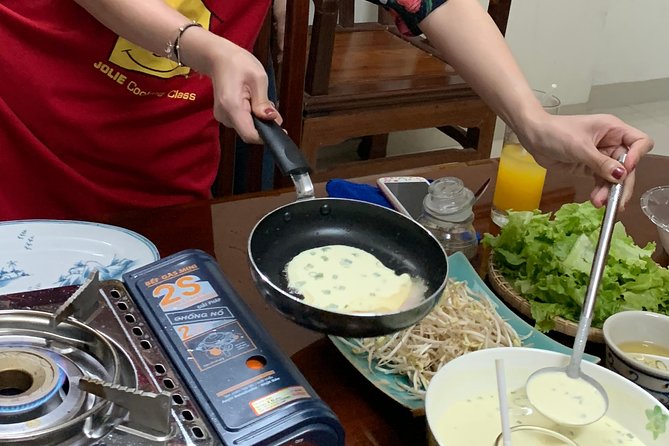
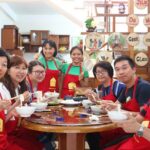
If you’ve done your share of food tours, you know the difference between watching and doing. This one is built for doing. You step into a local home kitchen, learn recipes in a small circle, and finish by sharing what you made.
The setting matters more than you’d think. A studio class can feel like a performance. A home kitchen turns it into a real meal with real household pace, so you learn habits, not just instructions.
You also get that small-group advantage right away. With a maximum of 10 travelers, the host can correct your technique and still keep the mood easy. That’s the kind of class where people end up talking at the table instead of just snapping photos.
You can also read our reviews of more tours and experiences in Da Nang.
What Cooking in a Local Home Changes (for the Better)
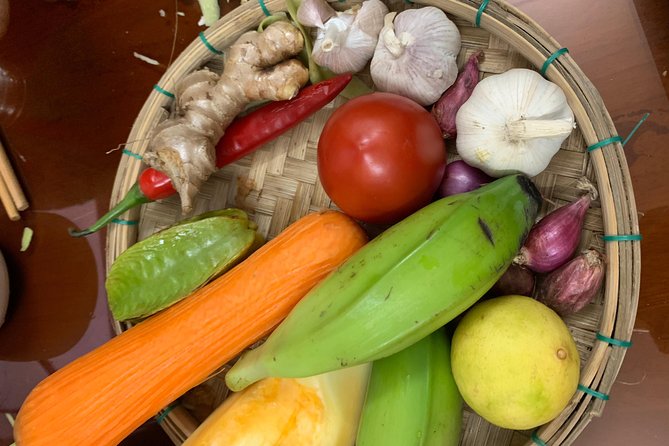
This experience takes place in a real local home, not a staged cooking center. That affects everything: the flow of the work, the level of comfort, and how naturally you settle into the day.
You’ll start at a home address in Da Nang (14 An Trung Đông 6, An Hải Bắc, Sơn Trà, Đà Nẵng 55000). From there, the host guides you through prep and cooking in a practical order. You’re not just learning a dish—you’re learning how a home kitchen organizes tasks.
And because it’s family-style, you’re eating like a household. Expect the meal to land as a shared table moment, not a solo plate you grab and move on from. That’s part of why it’s such a popular activity for food lovers and people traveling as couples or families.
What You Cook: Everyday Vietnamese Dishes and Pancake Skills
The class focuses on everyday Vietnamese recipes passed down through generations. That phrase sounds traditional (and it is), but in practice it means you learn dishes with real, repeatable logic: how to prep ingredients, how to balance seasoning, and how to time steps so nothing gets out of sync.
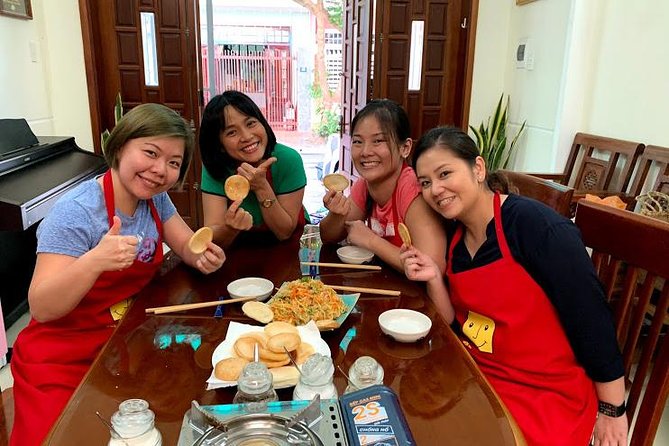
One standout skill is Vietnamese pancake flipping. You don’t just watch it happen. You practice it, which is exactly what you want if you’re hoping to bring a new technique home. Flipping is one of those things that looks simple until you try it, so the host’s guidance is the difference between a nice try and a sad, folded mess.
Beyond the pancake, the class includes a set of Vietnamese dishes you’ll cook step by step. The exact menu isn’t listed in your details here, so I’d treat it like a guided set of home favorites rather than a strict checklist you can Google ahead of time.
The Real Flow: From Ingredient Prep to the Meal on the Table
The session runs about 2 hours 30 minutes. In a good cooking class, timing is everything—start too slow and you’re bored, start too fast and you’re lost. This one is designed to keep you moving without making you feel like you’re on a deadline.
Here’s the order you should expect:
You begin by meeting at the home and getting oriented by the local host. Then you move into ingredient preparation. This is where you learn what to cut, what to mix, and how the components fit together before heat ever hits the pan.
Next comes the cooking phase. The host guides you through steps in a practical sequence, which matters because Vietnamese flavors often depend on small timing differences. You cook with the provided equipment, and you’re not responsible for bringing anything except yourself (and your curiosity).
Then you move to plating and eating. The class doesn’t end with you cleaning up and leaving. You sit down and enjoy the meal you prepared together. That shared table part is one of the reasons this experience gets such strong word-of-mouth energy.
Hosts and Small-Group Energy: Why It Feels Fun, Not Formal
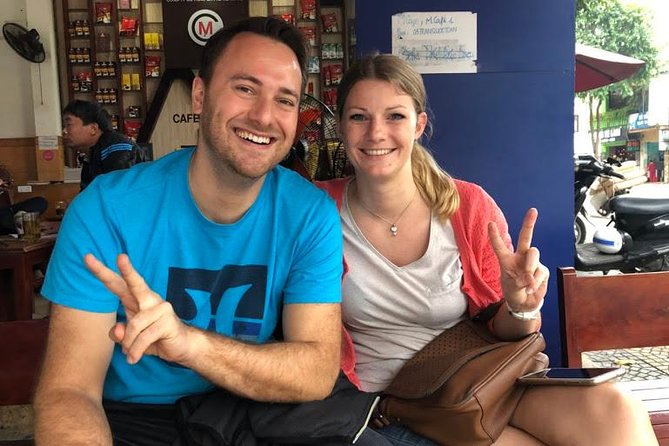
In a small class, the host can make or break the day. Here, the guidance comes with personality, humor, and real attention to what you’re doing.
From the named hosts in the experience, you’ll see people like Lan showing up as a head chef who keeps things organized and light. You may also work with team members such as Rosie, Lucy, Kate, Hannah, depending on the class day. Even when you don’t work directly with every person, their presence changes the atmosphere—you feel welcomed, not processed.
Communication during the class is another practical point. The experience is described as relaxed and welcoming, with personal guidance through preparation, cooking, and plating. That helps if you’re not confident in the kitchen. You’re not expected to already know Vietnamese cooking tricks.
And because the group stays small (up to 10), you’re more likely to ask questions and get quick feedback. That’s how you leave with technique, not just a meal.

Price and Value: What $36 Really Buys You
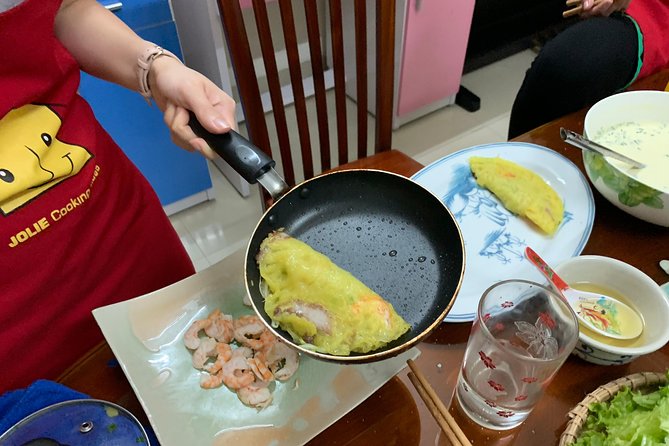
At $36 per person, this isn’t a huge splurge, especially for a hands-on class. But the real value isn’t just the cost—it’s what’s included and what you’re learning.
You get:
- the hands-on cooking class
- all ingredients and cooking equipment
- the meal you prepare
- local host guidance
- a small-group experience
What you don’t get is pickup or drop-off. So you’ll spend a little time getting there and back, but you’re also spared the extra padding in price that often funds transport.
In other words, you’re paying for the kitchen time, the coaching, and the food. You’re not paying to sit in a room and watch someone else cook for you. If you like learning kitchen skills you can repeat at home, this price makes a lot of sense.
Also, the fact that it’s often booked about 17 days in advance on average suggests demand is steady. If you’re traveling in a busy window, booking earlier can help you lock in the slot that fits your schedule.
Logistics That Matter: Meeting Point, Mobile Ticket, and Timing
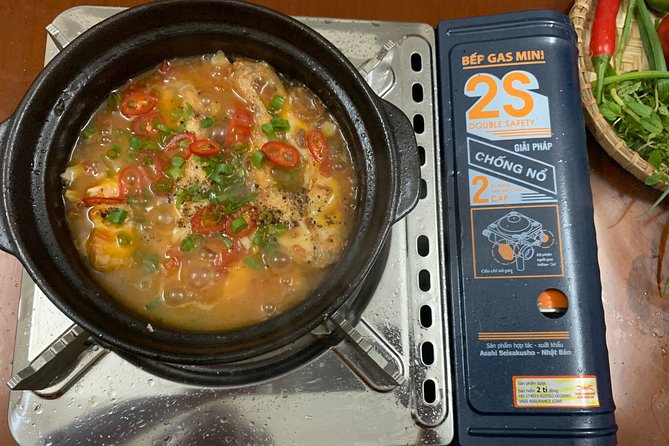
This is a start-and-finish-at-the-same-place experience. It begins at 14 An Trung Đông 6, An Hải Bắc, Sơn Trà, Đà Nẵng 55000, and it ends back at that meeting point.
There’s a mobile ticket, which is convenient. You should still plan to be ready at the right time with your phone and the confirmation details you receive when booking.
The good news: it’s described as near public transportation, so you’re not stuck in a far-out area where you need a private car. The not-so-good news: there’s no pick up or drop off, so you do need to handle your own short trip.
Timing-wise, the class is about 2.5 hours. I like building it into a daytime block when you’re not rushing to catch multiple plans back-to-back. You’ll want an appetite for the shared meal at the end, and you’ll likely be doing a bit of standing and moving while cooking.
Who This Cooking Class Is Best For
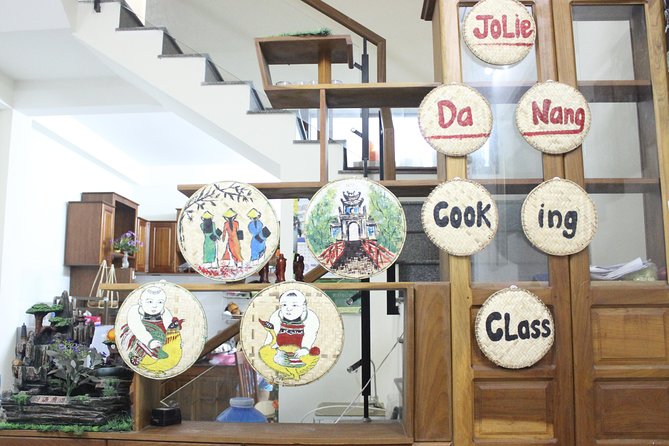
This class is a great fit if you want a Da Nang experience that’s more than sightseeing. It’s especially good for:
Food-first travelers who want technique, not just recipes on a card.
People who like small groups and clear guidance while learning.
Families and groups who want something social, with a meal as the payoff.
It also works well if you enjoy a hands-on challenge like pancake flipping, because the class structure supports practice instead of pressure.
If you’re the kind of traveler who hates any learning curve, you might find the home-kitchen setting a little more hands-on than you expected. But that’s also where the charm lives. The host’s job is to help you get it right.
Small Details That Make the Difference
A few practical notes that can help your day go smoother:
Dress for kitchen work. Even if you’re not doing heavy prep, you’ll likely be standing near heat and moving around the home space.
Come hungry. The meal you prepare is part of the experience, and it’s shared family-style after cooking.
Ask about the steps. This type of class is where a quick question can turn into a new habit at home. If pancake flipping is on your mind, say so early.
Be ready for a local pace. A home kitchen doesn’t run like a polished showroom. That’s normal here, and it’s part of what makes the experience feel real.
Should You Book This Da Nang Cooking Class?
I’d book it if you want Vietnamese food learning that feels personal, not scripted. The real local home setting, the small group size, and the chance to practice skills like pancake flipping make it a strong value at $36.
Skip it only if you want transport included, or if you prefer watching over cooking. Since you start and end at the meeting point with no pickup, you should feel comfortable handling your own short ride.
If you’re aiming to bring something home that goes beyond photos—like a technique you can actually repeat—this is the kind of class that fits.
FAQ
How long is the Da Nang Authentic Home Cooking Class?
It runs for about 2 hours 30 minutes (approx.).
What does the class cost?
The price is $36.00 per person.
Where does the class meet?
The meeting point is 14 An Trung Đông 6, An Hải Bắc, Sơn Trà, Đà Nẵng 55000, Vietnam.
Is transportation like pickup and drop-off included?
No. Pick up and Drop off are not included, and the activity ends back at the meeting point.
How many people are in the group?
The class has a maximum of 10 travelers.
What is included in the experience?
You get a hands-on cooking class, all ingredients and cooking equipment, the meal you prepare, and local host guidance.
Is there a mobile ticket?
Yes, the experience includes a mobile ticket.
When will I receive confirmation after booking?
Confirmation will be received at time of booking.
Is the location near public transportation?
Yes, it’s near public transportation.
What is the cancellation policy?
You can cancel for a full refund if you cancel up to 24 hours in advance. If you cancel within 24 hours of the start time, the amount you paid will not be refunded.