REVIEW · ESSAOUIRA
Moroccan Food Cooking Class with a Local Chef in Marrakech
Book on GetYourGuide →Operated by Morocco tours from marrakech · Bookable on GetYourGuide
A tagine begins at the market. This Marrakech food class pairs a quick local ingredient run with Moroccan mint tea and hands-on tagine technique, guided by friendly local chefs like Mourad. I like how the morning (or afternoon) builds momentum fast, because you’re learning as you go, not just watching from the sidelines.
I also love the way the lesson focuses on real skills you can repeat at home: chopping, peeling, seasoning, and spice use, then tasting what you make. You’ll typically cook 3 to 4 dishes as a group, with enough variety that even confident cooks get something new.
One thing to consider: it’s a hands-on food experience with no alcohol allowed, so if you were hoping for a drink with the meal, plan for tea, water, and good conversation instead.
In This Review
- Key things I’d plan for
- From pickup in Marrakech to a real cooking kitchen
- The market stop: where Moroccan cooking becomes practical
- Moroccan mint tea, made the traditional way
- Tagine technique: chopping, peeling, and spice layering
- Expect teamwork, not just individual tasks
- You’ll cook 3 to 4 dishes
- Diet needs are part of the plan
- How the cultural talk fits (instead of distracting)
- Sampling: eating what you made (with bread and water)
- Recipes afterward: the part that keeps the value after your trip
- Chef energy and small-group friendliness (Mourad and the team)
- Essaouira stop: why it can be a nice add-on
- Price and value: $36 for a full 210 minutes of learning and eating
- Who should book this Marrakech cooking class
- Before you go: make the day easier on yourself
- Should you book?
- FAQ
- How long is the cooking class?
- Where do you get picked up?
- Does the class include a market stop?
- What do you cook during the class?
- Do you make Moroccan mint tea?
- Is the class suitable for special diets like vegan, vegetarian, or gluten-free?
- What’s included with the price?
- Are there restrictions on alcohol, smoking, or drugs?
- Will I receive recipes to use at home?
- What language will the guide speak?
Key things I’d plan for
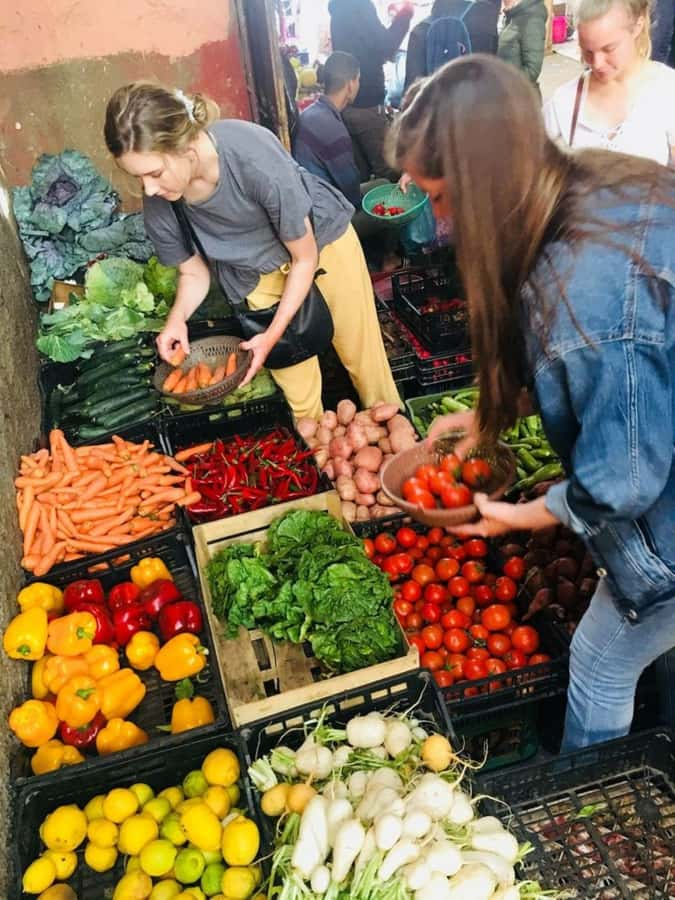
- Market pickup with a guide: You’ll shop for vegetables and cooking supplies, then learn how locals think about ingredients.
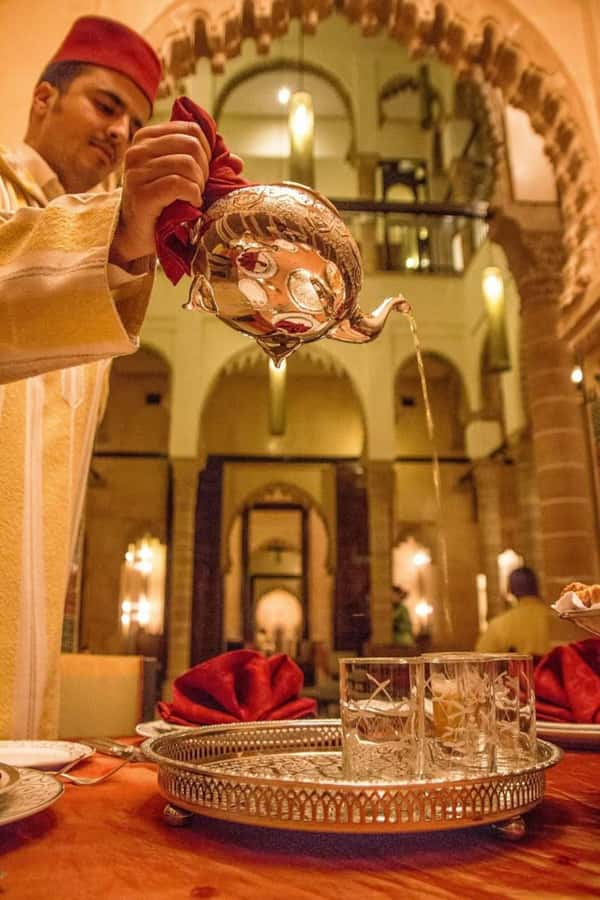
- Old-fashioned mint tea: You’ll make Moroccan tea the traditional way and sip it while getting to know your group.
- Tagine-style spice technique: You’ll practice seasoning and layering flavors with a local chef’s approach.
- Diet-friendly options: The class covers vegan, vegetarian, and gluten-free styles.
- Hands-on group cooking: Everyone gets tasks, and it usually feels like teamwork rather than a demo.
- Recipes after class: You’ll get access to recipes later via an evening link.
From pickup in Marrakech to a real cooking kitchen
This is a half-day class built around one goal: by the time you leave, you should feel like you can cook Moroccan food at home with confidence. The format is practical and human. You start with pickup in Marrakech, then the day includes time that isn’t just inside the kitchen—there’s a stop with a guided visit and a walk in Essaouira before you head back to Marrakech.
What that means for you: you’re not spending all your time in one room. You get a change of pace, and it helps the day feel like a small cultural outing, not a rushed workshop. The day still centers on cooking, though. The big payoff comes when you move from learning to doing.
Logistics are also handled in a straightforward way. You’ll meet your live guide (Arabic, French, or English depending on what you book), and you’ll be contacted beforehand to confirm your meeting time. Many people appreciate having a chauffeur-style pickup and return, because you’re not figuring out transport on a tight schedule.
You can also read our reviews of more tours and experiences in Essaouira.
The market stop: where Moroccan cooking becomes practical
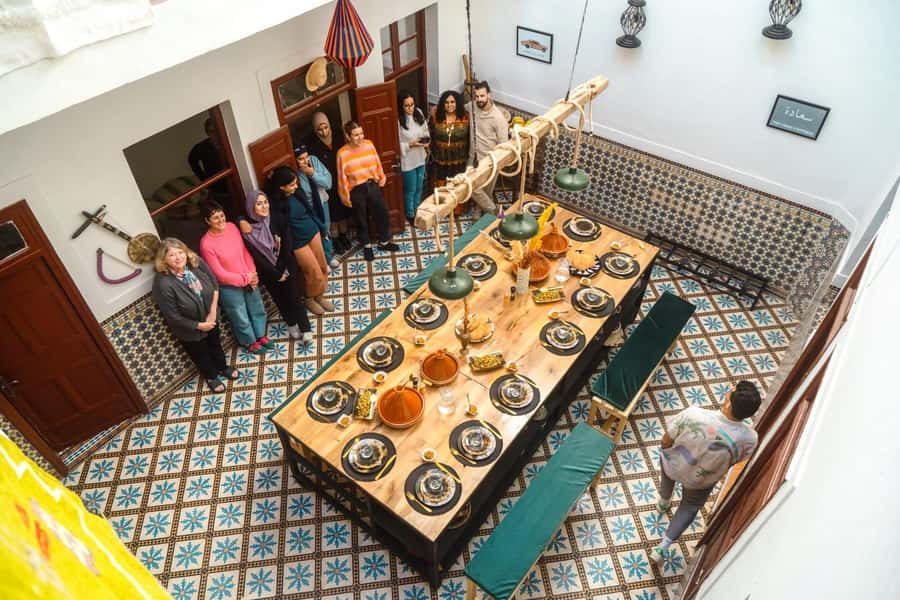
A cooking class sounds great until you ask: where do the ingredients actually come from? This one solves that with a quick market run to pick up vegetables and the other supplies you’ll need.
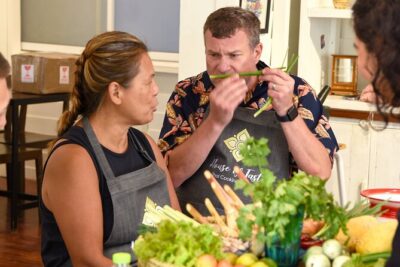
You’ll walk through the market with your guide, then collect what you need before cooking starts. I like this part because it trains your eye. Instead of memorizing recipes, you learn how ingredients are chosen and how those choices affect the end result. And since it’s taught with conversation, you also pick up cultural context—things like Moroccan culinary customs and even some culinary history—while you’re physically doing the shopping.
A second advantage: market time gives you a mental checklist. Later, when you’re back home trying to remake Moroccan flavors, you’ll remember what to look for (and what to prioritize) rather than feeling lost in a random grocery aisle.
Quick advice if you’re the type who loves taking notes: this is the moment to jot down what your guide points out—spices, fresh herbs, and any ingredient that seems “obvious” only after someone shows you.
Moroccan mint tea, made the traditional way
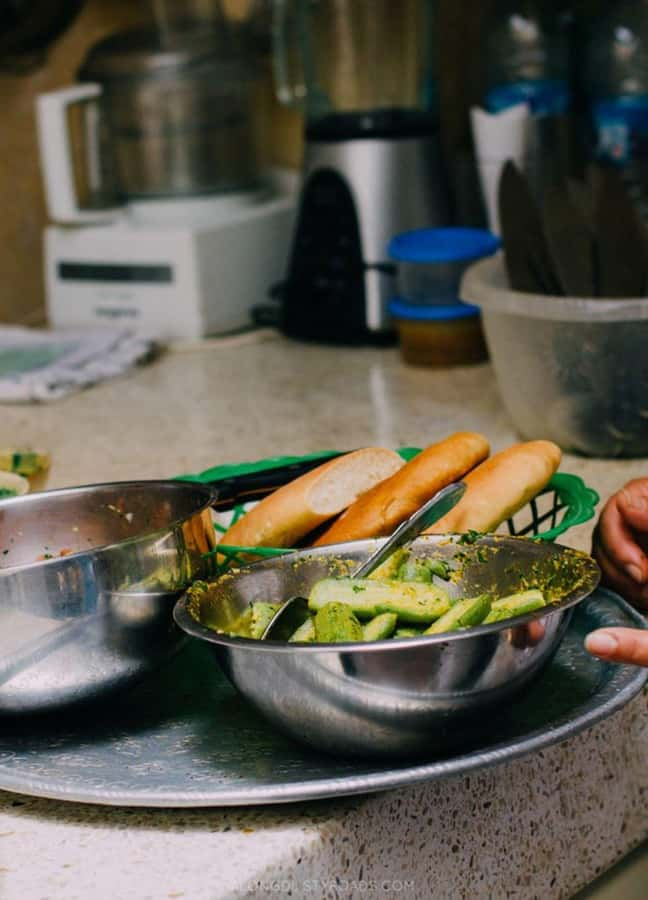
Before the knives start moving, you’ll learn Moroccan mint tea the old-fashioned way. The class doesn’t treat tea as a garnish. It’s part of the rhythm.
You’ll go through the method with the group, then sip tea while you get to know each other. That time matters more than it sounds. In cooking classes, people often learn techniques without learning when and why they matter. Here, tea acts like a pause button—so you start cooking calmer, and you’re more ready to focus when the spices and tagine steps begin.
If you care about authenticity, this is one of the best inclusions. Moroccan mint tea isn’t just about drinking something warm. It’s about learning the style, the pace, and the flavor balance that Moroccan home cooking is known for.
Tagine technique: chopping, peeling, and spice layering
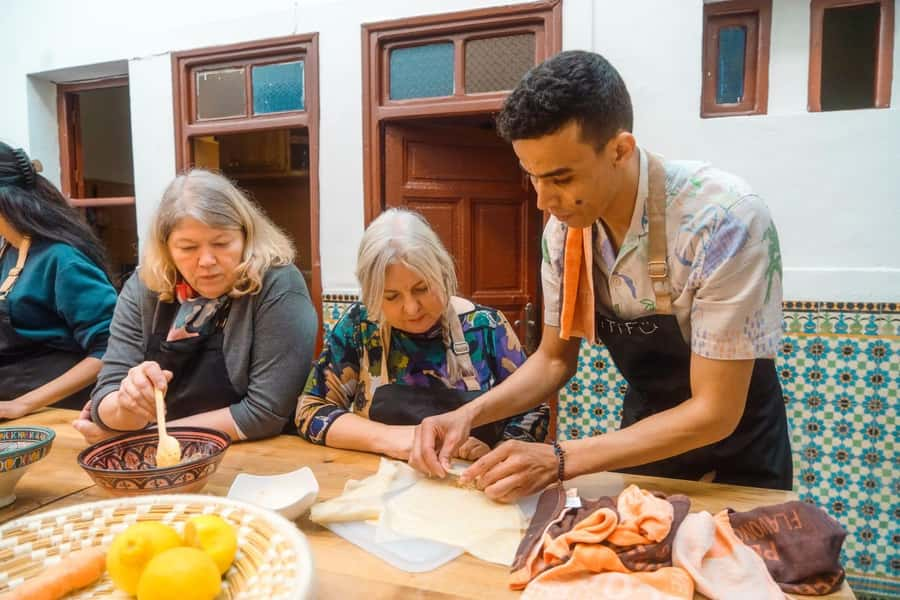
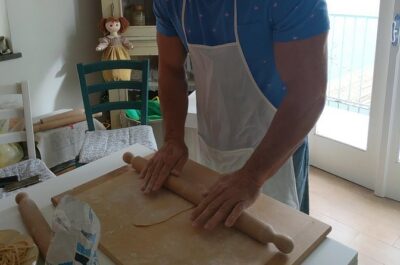
Now for the part you booked: cooking. You’ll be taught new methods for chopping, peeling, and seasoning tagines with the appropriate spices. The chef and guide explain what to do, and then you do it.
I like the way this lesson frames technique. It’s not just mixing ingredients. You’re learning how steps connect—how chopping affects texture, how seasoning builds flavor, and how spices work together instead of tasting like separate ingredients tossed in at random.
Expect teamwork, not just individual tasks
You’ll collaborate as a team to create a variety of recipes. Even if you’re a beginner, you won’t feel stuck doing one tiny job the whole time. In one small group setting (reported as seven people), each person had chances to get involved. That “everyone gets a turn” feel is the difference between a class you enjoy and one you tolerate.
You’ll cook 3 to 4 dishes
The class typically prepares three to four distinct dishes, so you learn more in a single session. Depending on the day, you may see an approach that includes a starter, a main, and a dessert-style sweet finish—because one recent class described cooking a full meal setup with tasting at the end.
Diet needs are part of the plan
This class also explicitly covers vegan, vegetarian, and gluten-free food. That’s a big deal because it signals that the class isn’t forcing everyone into one standard recipe. You can focus on learning the core Moroccan flavor logic without having to worry that your dietary needs will be treated as an afterthought.
How the cultural talk fits (instead of distracting)
As you cook, you’ll have thorough discussion about Moroccan cultures, traditions, and history—connected directly to what you’re making. This is the type of explanation that helps you remember the food, not just the steps.
For you, that means the dishes make more sense. For example, when you’re learning spice use, the guide isn’t only saying add X. You’ll also hear why Moroccan home cooking leans on certain spice combinations and techniques.
It’s also why the class works even if you’re not a food expert. You’re building a mental map of the cuisine, and that makes it easier to repeat at home.
Sampling: eating what you made (with bread and water)
When class ends, it’s time to taste and eat what you prepared. You’ll also have bread, plus water and tea during the session.
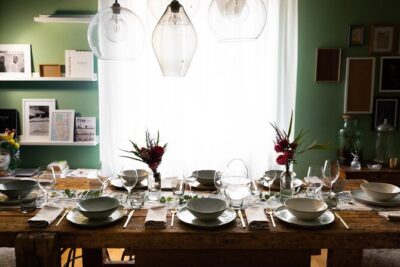
This is a practical benefit. A lot of cooking lessons let you take notes but don’t let you fully experience the final dish. Here, you’re sitting down with the food you built, which helps you understand whether you got the flavor balance right—and what to adjust next time.
And yes, your kitchen work doesn’t end with prep. You’re expected to sample what you make, so plan to bring your appetite.
Recipes afterward: the part that keeps the value after your trip
One of the strongest “keep it useful” features is that you’ll get recipes later. Typically, you receive a link in the evening via the provider’s website so you can find recipes for many more dishes, not only the ones cooked during the class.
This is where value really shows up. You’re not just paying for a fun afternoon. You’re paying for a set of take-home instructions that help you turn one lesson into several future meals.
When you’re comparing cooking classes, this is a key factor. A class that ends when you clean your station feels like entertainment. A class that gives you recipes you can reference later turns it into skill-building.
Chef energy and small-group friendliness (Mourad and the team)
The chef experience is often what makes a cooking class memorable. In this case, people specifically praised chef Mourad as an exceptional teacher and chef—friendly, with strong communication in French and English. Another class also referenced chef Tiftif and their team, with praise for the kindness and the overall team approach.
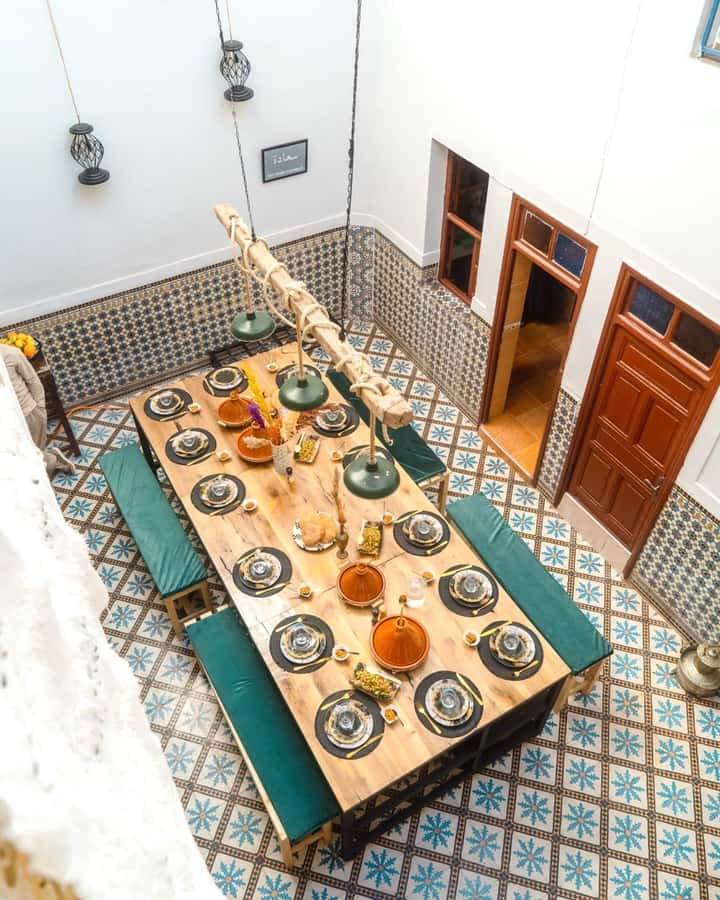
The common theme: the kitchen feels organized and welcoming. One review highlighted a clean establishment, everything well prepared in advance, and the feeling of being in a quality restaurant kitchen environment rather than a cramped back room.
For you, the takeaway is simple: when a chef explains clearly and a team keeps things running smoothly, you spend less time confused and more time actually learning. In food classes, confusion costs time. A well-run setup protects your experience.
Essaouira stop: why it can be a nice add-on
Your day includes a guided visit and a walk in Essaouira before returning to Marrakech. Even though the core of the experience is cooking, this extra stop can be a good match for how most people travel.
If you like mixing a cultural change of pace with hands-on food, this works. You get movement, conversation, and another piece of Morocco in the middle of your culinary learning.
The only drawback is timing. When a day includes both a city walk and a cooking session, you’ll want to stay flexible. This is not a “slow morning, browse at your own pace” plan. It’s scheduled enough to keep cooking on track.
Price and value: $36 for a full 210 minutes of learning and eating
At $36 per person for about 210 minutes, the value feels solid—mainly because so much is included. You get the guide, the cooking class, a meal with bread, plus water and tea. You’re also getting market shopping time with instruction, and then the recipe link afterward.
In plain terms: you’re paying for ingredients-handling instruction and a chef-led learning experience, not just a plated meal. And since the class typically covers multiple dishes (three to four), you’re not paying for a single recipe you could copy from a cookbook in 20 minutes.
One more value point: the class is built for different levels of cooking competence. You don’t need to know how to cook before you arrive. You just need to be ready to chop, taste, and learn by doing.
Who should book this Marrakech cooking class
Book it if you want:
- A practical Moroccan cooking skill set, especially spices and tagine seasoning
- Hands-on time rather than passive watching
- A class that supports vegan, vegetarian, and gluten-free needs
- A day that mixes food with some guided sightseeing time in Essaouira
Skip it (or look for something else) if:
- You want alcohol included. This experience prohibits alcohol.
- You prefer a long, slow course that focuses on one dish for hours. This one moves through several dishes in a single session.
Before you go: make the day easier on yourself
A few small things help your cooking day go smoothly:
- Wear closed-toe shoes and something comfortable for standing and moving around.
- Come ready to taste. You’ll sample what you cook, and that’s part of the learning.
- If you have dietary needs, confirm them up front so the kitchen can adapt within the vegan/vegetarian/gluten-free approach the class offers.
Should you book?
I think this is a strong choice if your goal is to leave Marrakech with more than photos. The market-to-kitchen flow, the Moroccan mint tea lesson, and the tagine spice technique are the kind of skills that travel well. Then the evening recipe link makes the lesson stick.
The only real “watch out” is mindset: this is a cooking-and-tea day, not a nightlife add-on. If you’re good with that and you’re hungry to learn, you’ll likely find it fun, organized, and genuinely useful for your next home-cooked Moroccan meal.
FAQ
How long is the cooking class?
The duration is 210 minutes, so plan for a half-day experience.
Where do you get picked up?
Pickup is in Marrakech.
Does the class include a market stop?
Yes. You’ll take a quick tour of a nearby local market to pick up vegetables and the other supplies you need for cooking.
What do you cook during the class?
You’ll typically prepare three to four distinct dishes, with instruction on chopping, peeling, and seasoning tagines with spices.
Do you make Moroccan mint tea?
Yes. You’ll learn to make Moroccan mint tea in an old-fashioned way, and you’ll sip it during the lesson.
Is the class suitable for special diets like vegan, vegetarian, or gluten-free?
Yes. The class includes vegan, vegetarian, and gluten-free options.
What’s included with the price?
Included are the guide, cooking class, meal and bread, and water and tea.
Are there restrictions on alcohol, smoking, or drugs?
Alcohol is not allowed, and smoking and drugs are not allowed.
Will I receive recipes to use at home?
Yes. You’ll typically get a link in the evening where you can find recipes for many more dishes, including those made in class.
What language will the guide speak?
The live tour guide is available in Arabic, French, and English.