REVIEW · PISA
Private Cooking Class at a Cesarina’s Home in Pisa
Book on Viator →Operated by Cesarine: Cooking Class · Bookable on Viator
Pisa comes to life in someone’s kitchen. This private class in a Cesarina’s home is a real Pisa meal night, with you cooking classic dishes and then sitting down to taste what you made, paired with local wine. I love the private home setting—it feels personal, not like a performance line—and you’re hosted in an actual Italian household.
I also love the structure: a three-course tasting that includes starter, fresh pasta, and dessert, not just one small bite. Sampling red and white wine from the region makes the meal feel complete. One consideration: it’s in a private home with sanitary guidance, including 1 meter distance and mask or gloves if you can’t stay that far.
In This Review
- Key things to know before you book
- Private home cooking in Pisa: what you’re really paying for
- A four-hour flow that stays focused (starter to dessert)
- Starter course: seasonal flavors that set the tone
- Fresh pasta in a Pisa home: the main event
- Dessert options like castagnaccio and torta coi bischeri
- Wine sampling with your courses: red and white, plus the warmth
- What you’ll learn from the Cesarina host (and why it sticks)
- Sanitary rules in a home kitchen: plan for distance
- Meeting point and transport: keep it easy
- Value of $174.23 per person: when private cooking pays off
- Who should book this Pisa home cooking class
- Should you book the Private Cooking Class at a Cesarina’s Home in Pisa?
- FAQ
- How long is the private cooking class?
- What does the class cost?
- Is this a private experience?
- What language is the experience offered in?
- What dishes are included?
- Is wine included?
- Do you get a souvenir gift?
- Where does the experience start and end?
- What is the cancellation policy?
Key things to know before you book
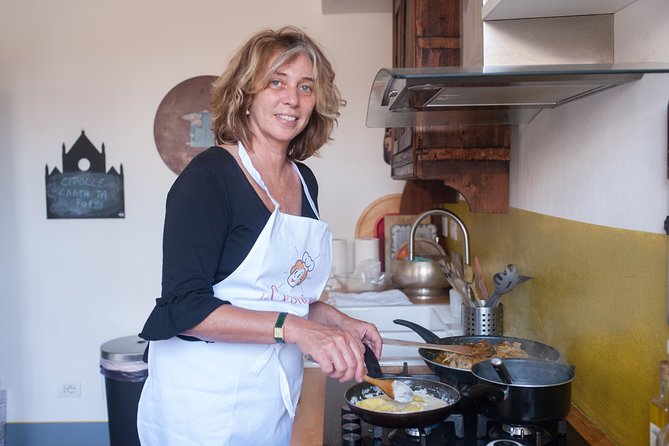
- A Cesarina teaches in her own Pisa home (not a showroom or demo kitchen)
- You’ll cook and taste a full menu: starter, fresh pasta, and Tuscan dessert
- Wine is part of the experience with samples of regional red and white
- Pasta options can include spaghetti with arselle clams, pasta with chickpeas, or pappardelle
- Dessert choices may include castagnaccio, torta coi bischeri, pine nut cake, tiramisu, or similar Tuscan sweets
- You’ll take home a souvenir gift after the class
Private home cooking in Pisa: what you’re really paying for
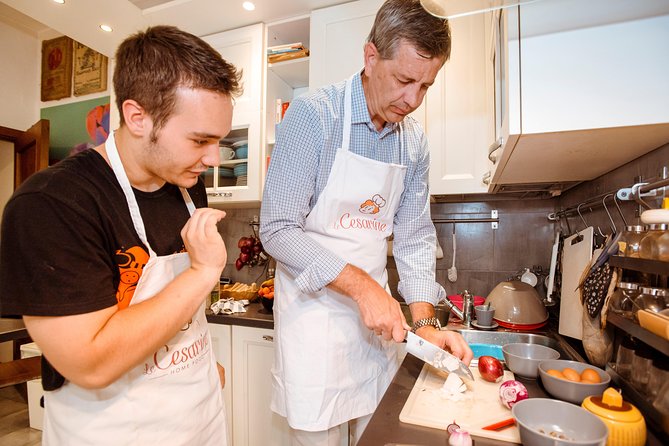
This is one of those experiences where the location matters as much as the food. You’re not eating at a restaurant after watching someone cook. Instead, you’re in a Cesarina’s home where the host can show how Pisa-style cooking fits into everyday life—how families approach ingredients, timing, and the easiest way to get from raw to plate.
The best value here is the “private” part. When it’s only your group, you get more direct attention while you learn the dishes. You’re more likely to ask questions without feeling rushed, and the host can adapt the pace to your questions and comfort level. That matters for cooking classes, because everyone’s speed is different.
Also, the promise is straightforward: you’ll learn the secrets behind well-known Pisa dishes, then taste your work. The menu is built around staples you can actually picture eating in Tuscany, which makes it easier to recreate later.
A small reality check: because it’s a home, you’re following the house rules. That’s not a dealbreaker, but it’s good to know what you’re signing up for.
You can also read our reviews of more tours and experiences in Pisa.
A four-hour flow that stays focused (starter to dessert)
The class runs about 4 hours, and the structure is simple: starter, fresh pasta, dessert, and then enjoying what you made. There isn’t a long walking tour. This is time spent in one place, learning and eating in sequence, which is a big plus when you’re trying to pack Pisa into a tight schedule.
Here’s how the experience typically unfolds based on what’s included:
You start with a seasonal starter. You’ll work on the first course with your Cesarina, building confidence before the pasta step. This is a smart setup: starters are often the place where hosts teach technique and ingredient handling without the complexity of dough work.
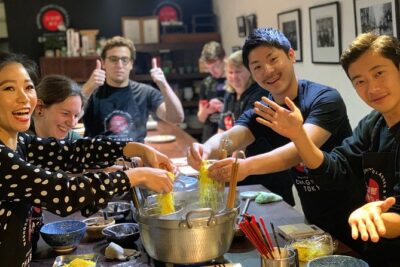
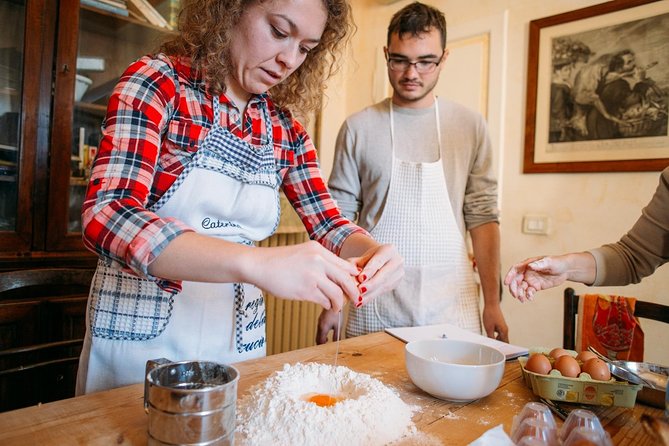
Then you move into fresh pasta. This is the heart of the class. You’ll make fresh pasta and learn how to get it right, then you’ll see (and taste) at least one or more pasta dishes from the Pisa-style options provided.
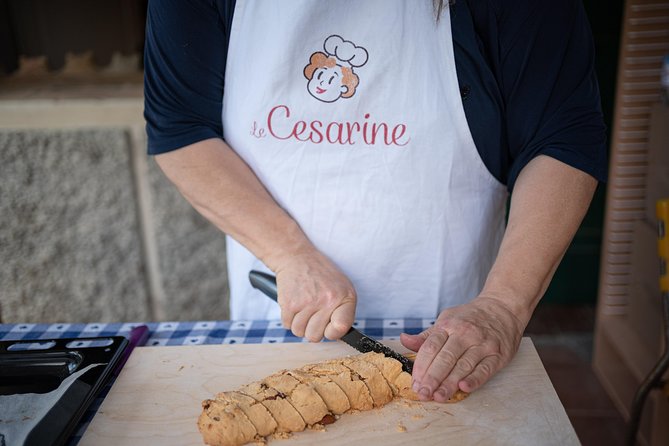
Next comes dessert in a Tuscan lane. Dessert is where you slow down and enjoy the payoff. You’ll work on a Tuscan dessert style such as castagnaccio or torta coi bischeri, or another typical option like pine nut cake or tiramisu, depending on what’s offered.
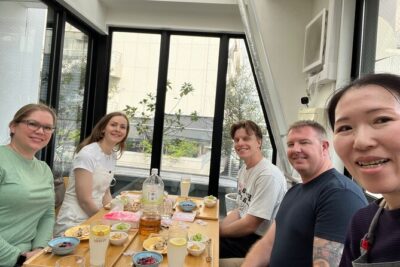
Finally, you eat together with wine. The experience isn’t over when the cooking stops. You taste the fruit of your labor, paired with local wine samples. In at least one host story, the evening wrapped with lemoncello and espresso, which shows the friendly, social nature of the class.
If you like meals that have a clear arc—work, taste, and relax—this one fits that rhythm well.
Starter course: seasonal flavors that set the tone
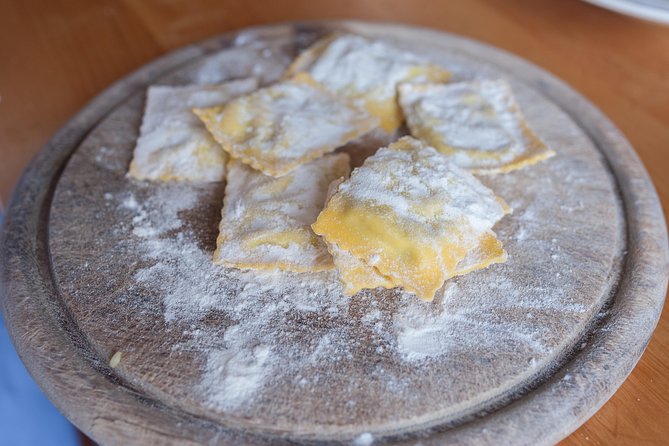
The starter is listed as a seasonal starter, which sounds general until you think about what it means in a home setting. Seasonal usually points to ingredients that are more likely to be available fresh and handled in a simple, practical way.
What I like about this approach is that you’re not being taught an impossible specialty dish. You’re learning a recipe that makes sense for the time of year and for a real kitchen. Even if you don’t cook often at home, starters are usually the easiest way to try a technique and taste a style of flavor quickly.
A seasonal starter also helps you acclimate to the host’s style of cooking. Once you understand their pace and how they explain ingredients, fresh pasta feels less intimidating.
Fresh pasta in a Pisa home: the main event
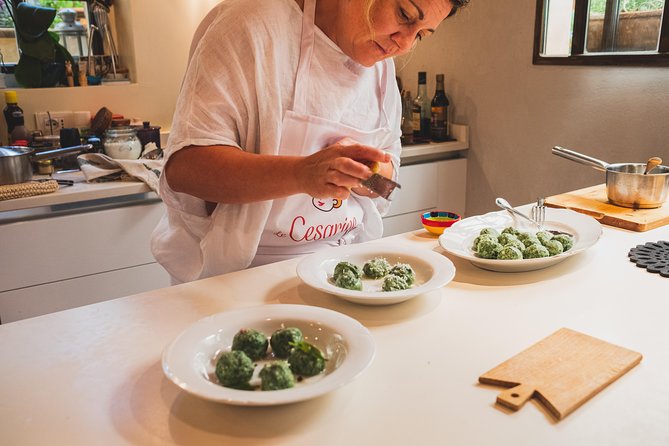
The main component is fresh pasta, and you’ll also taste pasta dishes that can include:
- spaghetti with arselle clams
- pasta with chickpeas
- pappardelle
Even if you’re not a pasta expert, this menu selection gives you options with very different flavors and textures. That variety is valuable because it shows you how flexible pasta is in Pisa and Tuscany: seafood-forward, hearty and vegetarian-leaning, or broad ribbon-style comfort.
Practically, this is the part where you’ll learn the most “repeatable” skills. Dough and shaping techniques tend to be harder to fake from memory, so doing it hands-on is the big advantage of a class like this. You’ll likely leave with a clearer sense of how fresh pasta should feel and cook, not just what it should look like on a plate.
One consideration: because it’s hands-on, you’ll want to be mentally ready to get a little involved. This isn’t watching a chef from a safe distance. If you’re expecting a passive tasting only, look for a different kind of food experience.
Dessert options like castagnaccio and torta coi bischeri
Tuscan dessert is not one-note, and this class leans into that. The listed dessert examples include:
- castagnaccio
- torta coi bischeri
- pine nut cake
- tiramisu
- or similar typical desserts
In a home class, dessert is also where hosts often share personal preferences—what they make for family, what they swap when ingredients change, and how they keep it simple. That’s the real learning here: not just following a recipe, but understanding why one dessert style works for them.
If you’re the type who loves tasting, dessert is a highlight because you’ll get to compare sweetness and texture across Tuscan styles. If you’re the type who wants to bring something home, dessert can be the most “kitchen friendly” to recreate, especially the baked options.
Wine sampling with your courses: red and white, plus the warmth
Wine is explicitly included as samples of local red and white. That matters because the class is not only about cooking. It’s about eating the meal properly—tasting, pacing, and enjoying the final step.
One review story stood out for the overall vibe: Elena welcomed people into her home with friendly conversation, and the evening included a tasty cocktail, red wine, lemoncello, and espresso at the end. That kind of wrap-up isn’t guaranteed for every home, but it fits the overall format: a relaxed, social meal after the cooking.
The practical takeaway for you: plan to sip and enjoy rather than treat this like a quick tasting flight. The wine is paired with the courses you cooked, so your appetite and timing matter. In other words: don’t schedule this class right before you’re rushing to another event.
What you’ll learn from the Cesarina host (and why it sticks)
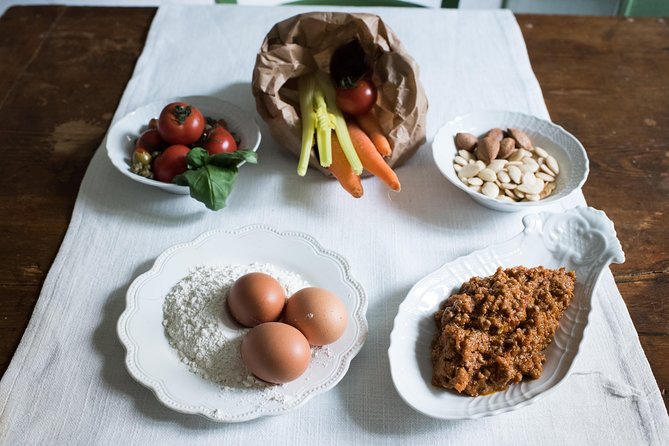
The description focuses on learning the secrets behind famous Pisa dishes, and that’s exactly what you should expect to walk away with—small, usable guidance. In cooking classes at home, “secrets” usually translate to things like:
- what ingredients the host treats as essential
- what to watch for while cooking (the point where you stop)
- how to build flavor without complicated steps
A Cesarina setup also tends to teach you in plain terms. When you’re in someone’s dining space and kitchens, explanations feel less formal and more practical. You’re more likely to remember what was said because the host is teaching something they actually do at home.
You’ll also see how the dishes fit together as a full menu. That’s useful if your goal is not only to taste Pisa, but to understand the rhythm of a typical Tuscan-style meal.
Sanitary rules in a home kitchen: plan for distance
This class includes specific sanitary guidance. The homes provide essential equipment like paper towels for washing hands and hand sanitizing gel. It also asks you to keep 1 meter distance from others, and if you can’t, wear masks and gloves.
As a practical traveler move, treat this as part of the experience rather than an obstacle. A cooking class can still feel friendly while respecting safety steps. The best mindset is to be flexible and follow the host’s lead in the moment.
If you’re sensitive to close-contact situations, the good news is that the class is private (only your group), which can make distance rules easier to manage than a larger shared event.
Meeting point and transport: keep it easy
The start is in Pisa (Pisa, Province of Pisa, Tuscany), and the activity ends back at the meeting point. It’s also noted as being near public transportation, which is helpful in Pisa where walking and hopping between areas is common.
You’ll use a mobile ticket, which is convenient if you’re already juggling transit tickets and maps on your phone. Since the experience ends where it starts, it’s simpler to plan your next stop—no need to reorient after the meal.
Value of $174.23 per person: when private cooking pays off
At $174.23 per person for about 4 hours, the price can feel steep at first glance. But you’re paying for several things at once:
- Private hosting in a home, not a shared group class
- A three-course experience tied to cooking, tasting, and sitting down together
- Wine sampling (red and white from the region)
- A souvenir gift to take home
- Instruction in English
For me, this price makes the most sense if you value one-on-one style attention and want Pisa food in a place that feels lived-in. If your priority is only tasting, you could find cheaper food options. But if you want to learn techniques and eat a full meal you helped create, private home classes are one of the few ways to get that blend.
Also, because it’s booked on average about 28 days in advance, it tends to be a popular choice. If the schedule fits you, that’s a hint to lock it in early.
Who should book this Pisa home cooking class
This is a strong fit if you want:
- a Pisa food experience that’s more personal than a restaurant meal
- hands-on cooking with a structured menu: starter, fresh pasta, dessert
- a relaxed evening that includes local wine sampling
- an English-friendly format in a private setting
It may be less ideal if you hate being hands-on in a kitchen, or if you prefer big-scale cultural shows over intimate food time.
Should you book the Private Cooking Class at a Cesarina’s Home in Pisa?
I’d book it if you’re the kind of traveler who likes learning through doing, and you want your Pisa evening to include a real meal made from start to finish. The menu structure is clear, the wine is included, and the private home setting is exactly where small, practical cooking details come from.
I’d think twice if you’re looking for a quick, passive food stop. This is built around cooking and then sharing the result. If you’re comfortable with that—and you don’t mind following the home’s distance and mask/glove guidance—this class can be a memorable, very Pisa-shaped experience.
In short: if your ideal souvenir is not just photos but skills and a full meal, this one belongs on your list.
FAQ
How long is the private cooking class?
The class lasts about 4 hours.
What does the class cost?
It costs $174.23 per person.
Is this a private experience?
Yes. Only your group participates.
What language is the experience offered in?
It is offered in English.
What dishes are included?
You’ll have a seasonal starter, fresh pasta, and a Tuscan dessert. Pasta dishes may include spaghetti with arselle clams, pasta with chickpeas, or pappardelle. Dessert options may include castagnaccio, torta coi bischeri, pine nut cake, tiramisu, or similar typical desserts.
Is wine included?
Yes. You sample red and white wine from the region.
Do you get a souvenir gift?
Yes. There is a souvenir gift included.
Where does the experience start and end?
It starts in Pisa, Pisa, Province of Pisa, Tuscany, and ends back at the meeting point.
What is the cancellation policy?
Free cancellation is available up to 24 hours in advance for a full refund. If you cancel less than 24 hours before the experience starts, the amount paid is not refunded.