REVIEW · TOKYO
Asakusa Classic Ramen & Crispy Gyoza Cooking Class
Book on Viator →Operated by 茶御飯東京 · Bookable on Viator
If ramen is your comfort food, this class hits. You’ll make ramen and gyoza from scratch in a small group in Asakusa, then sit down and eat what you cooked. I especially liked how you get hands-on steps for both dishes, not just watching.
Two things I really liked: the focus on real technique (broth base, toppings, crisp gyoza folding) and the fact that you leave with recipes you can use again. Masa and Junko run the class as a tight, couple-owned setup, and the energy stays friendly and practical.
One consideration: there’s some prep with knife work, so if you’re traveling with younger kids, plan for that part to be a bit challenging (older teens are usually fine). Also, you’ll be doing a lot in about three hours, so come hungry and ready to learn fast.
In This Review
- Key things to know before you go
- Where the class happens: Asakusa’s Chagohan Tokyo kitchen
- What you actually make in 3 hours: ramen broth base and toppings
- Gyoza from scratch: folding by hand for crispy crunch
- The meal moment: assembling a photogenic ramen bowl
- The teaching style: Masa and Junko keep it organized and fun
- Ingredients and equipment: apron, utensils, and no MSG promise
- Recipes you can actually use at home (not just “a printout”)
- Morning vs afternoon: how to pick your best time slot
- Price and value: what $167.81 realistically covers
- Who should book this class, and who might reconsider
- Should you book this Asakusa ramen and gyoza class?
- FAQ
- How long is the cooking class?
- What group size is it?
- Do I need to bring ingredients or utensils?
- Are vegetarian or vegan options available?
- What dishes will I make?
- Is the class beginner-friendly?
- What if the class can’t run due to weather or low traveler numbers?
Key things to know before you go
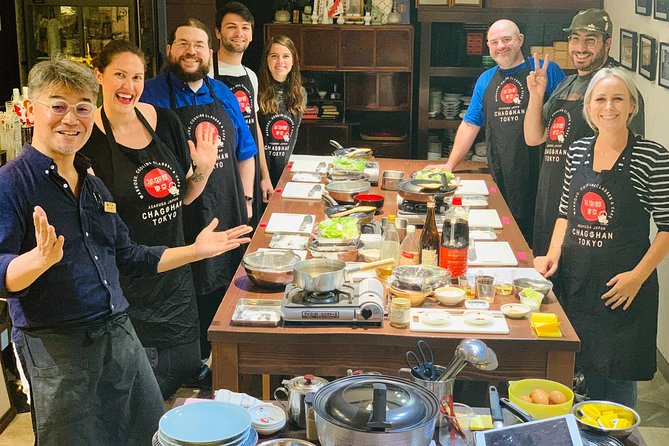
- Small group (max 8): You get real attention instead of being stuck in a big crowd.
- Hands-on ramen + gyoza: You’re not just eating; you’re building the dishes step by step.
- Apron and utensils provided: You can travel light and show up as you are.
- From-scratch broth focus: You learn the ramen base and how it all comes together.
- Crisp gyoza goal: The class teaches how to get that crunchy outside with juicy filling.
- Vegetarian/vegan possible with notice: You can request options in advance.
Where the class happens: Asakusa’s Chagohan Tokyo kitchen
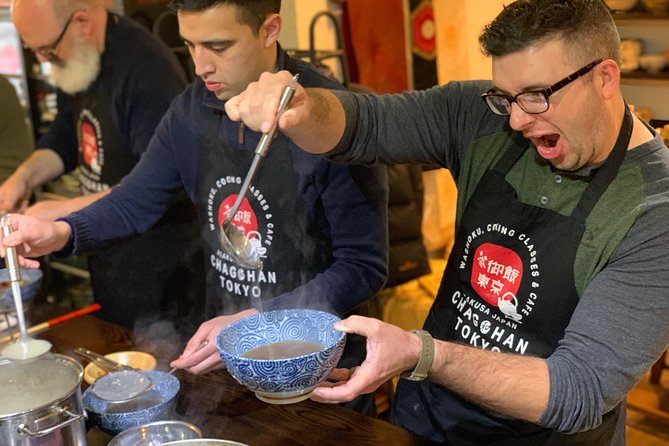
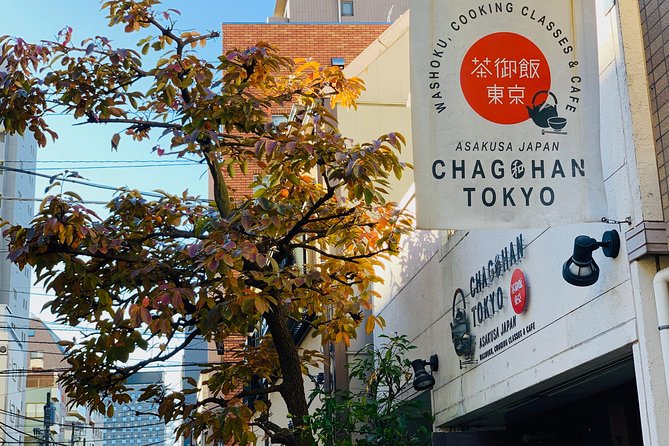
This cooking class is based in Asakusa, Tokyo, at 茶御飯東京 (Chagohan Tokyo) in Nishiasakusa. The meeting point is listed at 1F, 2-chōme 17-13, Taito City, and the activity ends back there. It’s near public transportation, which matters in Tokyo because you don’t want your food class tied up in transit stress.
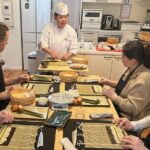
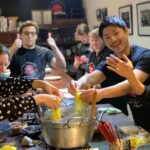
This setting feels like a real working kitchen rather than a classroom. Several details point to that: the kitchen setup is described as clean and organized, and the hosts take time to guide you through each step while everything stays practical and hands-on. You also get photo help during the class, with Junko taking lots of photos and videos for the group.
You can also read our reviews of more tours and experiences in Tokyo.
What you actually make in 3 hours: ramen broth base and toppings
Classes run about 3 hours and come in two seatings: 10:00 a.m.–1:00 p.m. or 3:00 p.m.–6:00 p.m. The structure is built around doing key ramen components from scratch, then turning them into a bowl you can eat right away.
You start by working on the ramen base and broth. The class teaches you how to prepare the ramen base and understand what goes into a flavorful broth. You’ll also work on toppings as part of the process, because ramen isn’t just broth—it’s broth plus the right supporting cast. In reviews, people keep pointing out that this isn’t just random cooking; it’s about understanding how shoyu ramen comes together, including the many steps involved.
Here’s the practical takeaway: if you’ve only ever had ramen as something you order, this class helps you see the “why” behind the bowl. You’ll learn that a great bowl is built through process, not shortcuts. Even if some stages require instructor handling (broth takes time and careful technique), you’re still learning the method and how to recreate it later.
Gyoza from scratch: folding by hand for crispy crunch
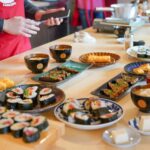
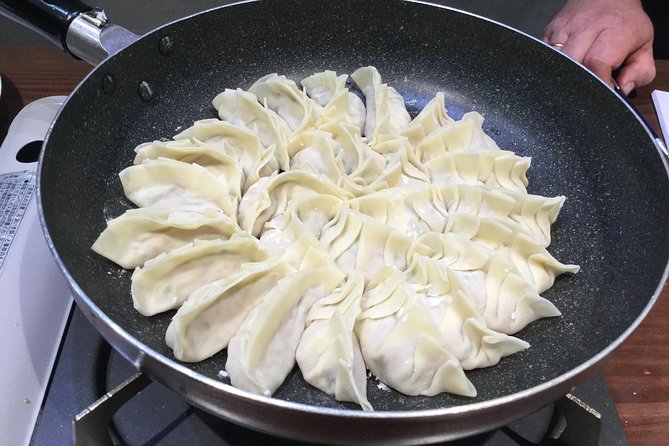
Then you switch gears to gyoza, and this is where the class earns its reputation. You’ll learn to make gyoza with a filling that’s meant to stay juicy inside, while the outside turns crisp. The class also focuses on the folding technique, taught by hand with vegetable prep using cutting methods.
One detail I love for first-timers: you’re not expected to be a dumpling expert on day one. The hosts walk you through it step by step, and Masa in particular is described as clear in his instruction and strong in English. There’s also plenty of “do it now” guidance, so you’re actively shaping the dumplings instead of passively waiting.
And yes, there’s a real learning curve. Reviews mention that there’s a fair bit of knife work in the prep. If you’re comfortable with a knife and following directions, you’ll probably enjoy it. If you’re not, just know you’ll still be able to participate, but the prep phase might be the most demanding part of the class.
The meal moment: assembling a photogenic ramen bowl
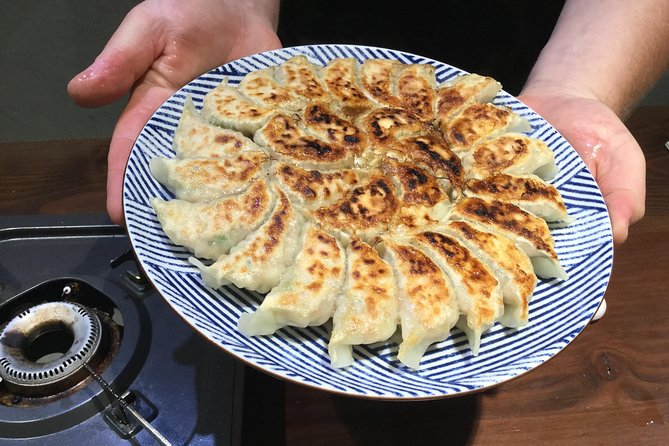
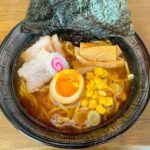
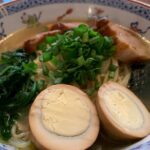
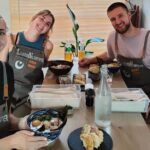
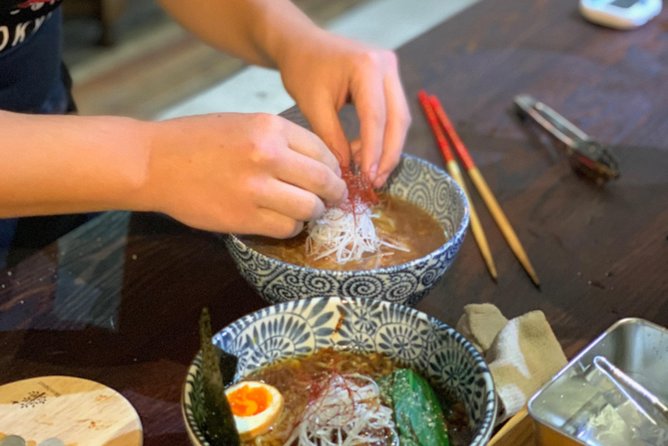
At the end, you’re not just sent off with homework. You sit down and eat what you prepared. The class is built to end with a gorgeous, photogenic bowl of ramen, which sounds like marketing—until you realize the timing is designed so you’re tasting your results while the food is at its best.
In several accounts of the experience, people describe the final ramen as excellent—some even mention it being among the best shoyu they’ve had. That lines up with the class promise: from-scratch broth base, proper toppings, and then assembly that makes the bowl feel intentional rather than “mix and serve.”
This is also where recipes start making more sense. When you taste the final dish after learning the steps, you get a better mental map of what each component contributes. That makes your takeaway practical, not theoretical.
The teaching style: Masa and Junko keep it organized and fun
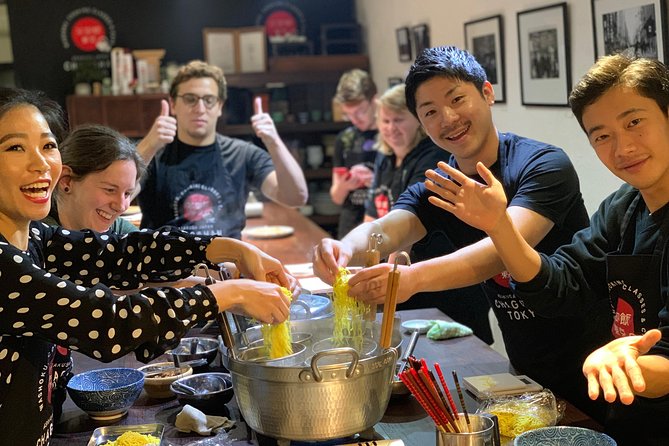
This is a couple-owned operation, run by Masa and Junko, and that personal touch shows in how the class flows. Reviews repeatedly call out that they’re welcoming, funny in a natural way, and genuinely invested in helping you cook something you can repeat at home.
The style is also very “do it together” instead of “watch then move on.” Masa leads instruction and explanations, and Junko is often doing the behind-the-scenes help like photos and videos. People mention getting lots of guidance and the sense that questions are handled clearly during cooking.
For language comfort, one reassuring point from reviews: Masa’s English is described as excellent. That matters in cooking classes, because technique depends on details. If you can understand the instructions fully, you can follow through with fewer mistakes—and you’ll feel more confident as the class progresses.


Ingredients and equipment: apron, utensils, and no MSG promise
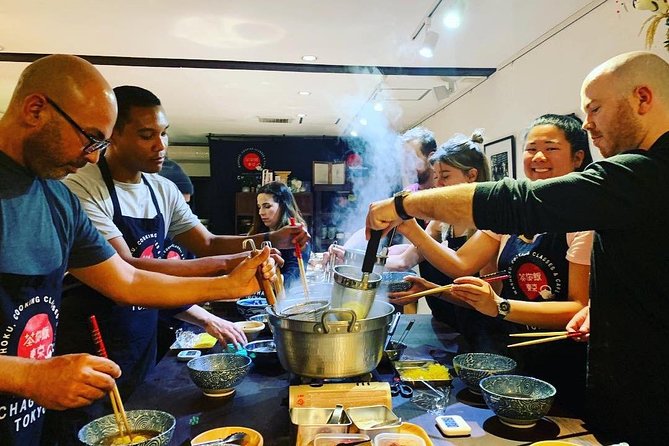
You don’t need to bring anything. The class provides an apron and utensils, so you can keep your packing simple. You’re also given natural ingredients with a specific promise: no MSG or artificial additives.
That’s a meaningful detail for two reasons. First, it means you’re learning what the flavor profile is like without the shortcut. Second, it helps you understand what’s actually doing the heavy lifting in the broth and filling. When you recreate it later, you’re not guessing around hidden flavor boosters—you’re working with straightforward ingredients and technique.
The class is also described as offering vegetarian and vegan friendly options with advance notice. If you have dietary needs, this is the one place to plan ahead, since the class explicitly depends on knowing in advance.
Recipes you can actually use at home (not just “a printout”)
One of the biggest practical wins here is that you receive recipes at the end. Reviews mention detailed instructions, and some describe getting digital copies as well. You also get photos from the class experience, which sounds small, but it’s helpful if you want to remember what you were aiming for visually.
What makes this valuable is the combination: technique + tasting + a written map. If you only got a recipe, you might get stuck wondering what the broth should look like at certain points. If you only cooked without a recipe, you’d have the memory but not the method you need for your next attempt.
For most people, learning ramen and gyoza at home is less about talent and more about having the steps in a form you can follow. This class is designed to hand you that back, so your first attempt at home feels like a continuation, not a totally new project.
Morning vs afternoon: how to pick your best time slot
You’ve got two time windows: 10:00 a.m.–1:00 p.m. and 3:00 p.m.–6:00 p.m. Since the class ends back at the meeting point, it’s also easy to plug into your Asakusa day plan.
If you take the morning class, you’ll likely want a light breakfast before you go, because you’ll be cooking and then eating at the end. If you take the afternoon class, it can work well as an early dinner plan—especially since you finish with a full bowl and gyoza you made yourself.
Because the class is hands-on for the whole time, I’d avoid scheduling it right after a long day with heavy walking. You’ll want enough energy to focus on knife work, folding, and tasting as you go. Three hours passes quickly when you’re learning, but you’ll enjoy it more if you’re not running on fumes.
Price and value: what $167.81 realistically covers
At $167.81 per person, this isn’t a “cheap activity.” But cooking classes that include from-scratch ingredients, instructor time, equipment like aprons and utensils, and then a meal you eat immediately tend to cost more than ticketed sightseeing.
Here’s what you get for the price that justifies it:
- Small group size (max 8): more attention per person.
- Two full dishes built from scratch: ramen broth base plus crispy gyoza.
- Equipment and ingredients included: you’re not paying extra for supplies.
- Recipes provided: your value doesn’t end when the class ends.
- Meal included: you eat what you make, so you’re not double-paying for food nearby.
If your Tokyo plan includes ramen you’d otherwise just order, this class can feel like a swap. You’re paying for the education and the experience, and then you still get fed with a final bowl. For ramen lovers (and anyone who likes dumplings), it’s the kind of activity that can be worth the splurge because the results stick with you.
Who should book this class, and who might reconsider
You’ll love it if:
- you’re a ramen person who wants to understand broth and topping choices, not just eat.
- you want a hands-on food lesson that gives you steps you can redo later.
- you travel in a small group and appreciate having instructors who can answer questions.
It also works well for families and couples. Reviews mention it can be a fun family activity, including with teens, but also caution that knife work is part of the prep. If your kids are younger, plan to supervise closely or choose a different kind of class.
You might reconsider if you want a totally relaxed, low-effort activity. This is active cooking. You’ll be folding, cutting, assembling, and staying involved until the end.
Should you book this Asakusa ramen and gyoza class?
If you want a Tokyo experience that goes beyond eating and gives you technique you can repeat, I’d book it. The combination of from-scratch ramen broth focus, hands-on crispy gyoza folding, and recipes you can take home makes it one of those activities where the value shows up after you return.
Just go in with realistic expectations: you’ll be cooking for real, there’s some knife work, and you’ll need to focus. If that sounds like fun, you’ll leave with full stomachs and a real skill, not just a souvenir meal.
FAQ
How long is the cooking class?
The class is listed at about 3 hours.
What group size is it?
It’s a maximum of 8 travelers, which keeps the experience intimate.
Do I need to bring ingredients or utensils?
No. Aprons and utensils are provided, and all-natural ingredients are supplied.
Are vegetarian or vegan options available?
Yes, vegetarian and vegan options are available with advance notice.
What dishes will I make?
You’ll make ramen (including the broth/base and toppings) and crispy gyoza, then assemble and eat the ramen at the end.
Is the class beginner-friendly?
It’s designed to guide you through the steps, and Masa is noted for giving clear instruction in English.
What if the class can’t run due to weather or low traveler numbers?
If it’s canceled due to poor weather, you’ll be offered a different date or a full refund. If it’s canceled because a minimum number of travelers isn’t met, you’ll be offered a different date/experience or a full refund.