REVIEW · TOKYO
Beauty Vegan Dessert Cooking Class + Sake Kasu Hand Mask Trial!
Book on Viator →Operated by Coji Life Cooking · Bookable on Viator
Amazake and sake kasu in dessert form sounds wild. This class pairs vegan fermentation cooking with a beauty-focused sake kasu hand mask trial in central Tokyo. What I especially like is the value for a hands-on lesson you can actually repeat at home, and the convenience of the location near Shibuya without worrying about weather. One thing to consider: sake kasu contains alcohol (about 8%), and there are skin cautions if you have sensitive skin or cuts on your hands.
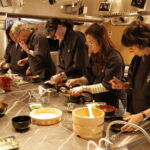
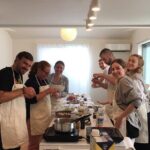
You get a 2-hour experience that mixes short teaching, cooking together, and tasting, then finishes with tea time featuring sakura tea. It is a small-group format (up to 6 people), so you’re not stuck watching from the sidelines. If you want a practical, culture-meets-health kind of afternoon, this is a very focused pick—though it may be tough for kids under 6 because the lecture portion is part of the difficulty level.
In This Review
- Key highlights you’ll care about
- A vegan dessert cooking class built around Japanese fermentation
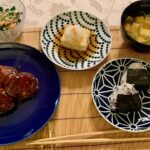
- What you actually make: amazake and seasonal vegan dessert creations
- Sake kasu hand mask trial: the beauty part, with real cautions
- The tea and lecture flow: culture, health tips, and a recipe handout
- Convenience in Tokyo: how Akasaka-Mitsuke fits your afternoon
- Value check: is $64.09 a good deal?
- Who should book this, and who might not
- Tips to get the most from the class
- Should you book this fermented vegan dessert + mask class?
- FAQ
- How long is the class?
- Is the class vegan?
- Does sake kasu contain alcohol?
- What if I don’t drink alcohol or I’m under 20?
- What’s included in the price?
- Where do I meet the instructor?
Key highlights you’ll care about
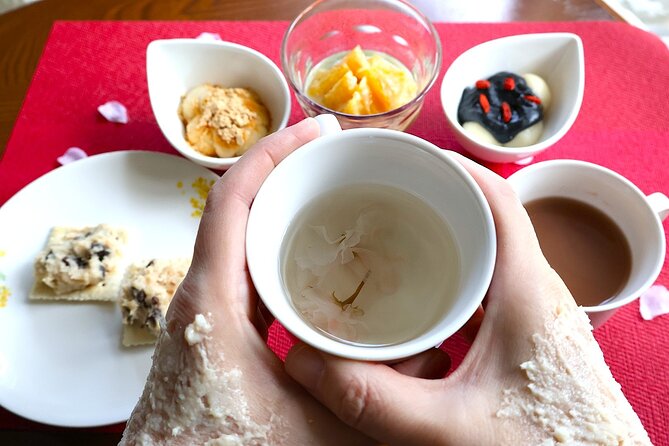
- Vegan desserts built on Japanese fermentation using amazake and sake kasu
- Sake kasu hand mask trial included for a real beauty add-on
- Central meeting area near Akasaka-Mitsuke, about 10 minutes from Shibuya
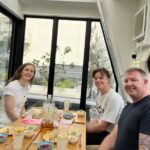
- Small group size (up to 6) for hands-on time
- Seasonal menu changes so you’re not doing the same thing year-round
A vegan dessert cooking class built around Japanese fermentation
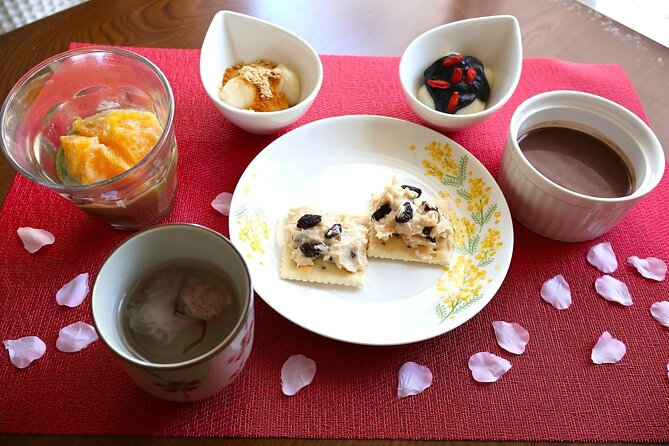
If you’ve ever tasted amazake in Japan, you know it can feel like dessert without the usual sugar crash. Here, the lesson is built around that idea: fermentation is not just a science lab topic—it’s a flavorful, everyday part of Japanese food culture, with a health-and-beauty angle that makes the class feel fresh.
The class is all vegan, which matters because it lets you focus on the fermentation itself instead of hiding behind meat or dairy flavors. The star ingredients are amazake (a traditional fermented sweet rice drink/paste that’s described as very sweet without added sugar) and sake kasu (the nutrient-rich byproduct left after sake is pressed). You’ll learn how these ingredients show up in dessert-friendly textures and tastes, and that gives you a new lens for understanding Japanese cuisine beyond sushi and ramen.
One of the smartest parts of this experience is the time length: about 2 hours. In Tokyo, that is a sweet spot—long enough to learn something real, short enough that you can still enjoy the rest of your day. And because the venue is in the Tokyo core (near Shibuya, roughly 10 minutes away), you’re less likely to fight weather on the way in and out.
You can also read our reviews of more tours and experiences in Tokyo.

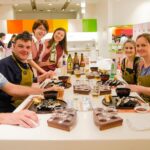
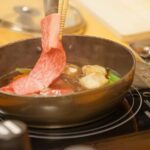
What you actually make: amazake and seasonal vegan dessert creations
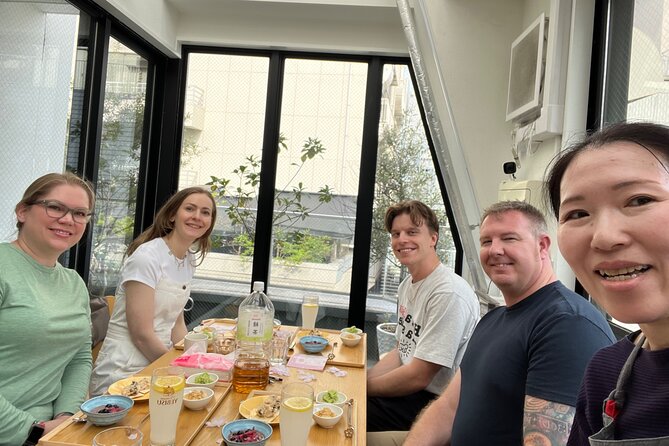
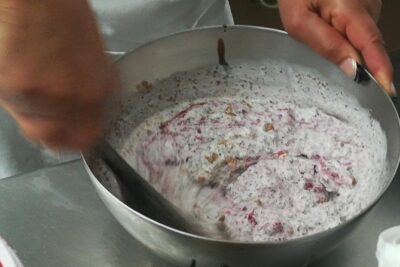
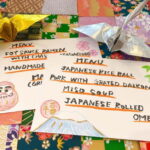
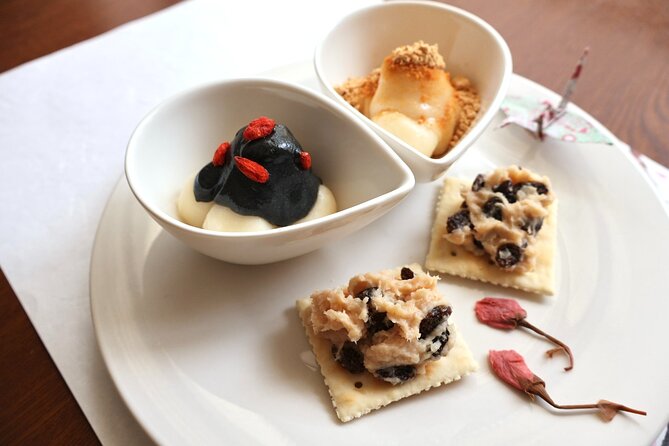
The menu changes depending on the season, so you should think of this as a flexible cooking workshop rather than a single fixed recipe list. Still, you know what theme you’re walking into: desserts and snacks made together that use amazake and sake kasu.
Here’s what makes that important for you as a cook-at-home person. Many cooking classes teach technique but leave you with ingredients you can’t source. This one trains your palate around ingredients you can track down later—especially amazake and rice koji related products. The included lecture handout has recipe/presentation material, so you’re not leaving with only muscle memory. You’re leaving with a guide you can reference after the trip.
Also, the class includes tasting snack/dessert moments as you go. That helps because fermentation flavors can be subtle. Sweetness, aroma, and tang can shift depending on how the fermented base is used. You’ll learn how the desserts come together as a system—ingredient + fermentation character + dessert format—rather than treating the fermented ingredient like a gimmick.
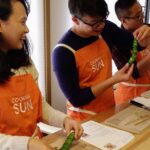
A small but meaningful detail: you’re given an apron. In a cooking class, it’s a “small thing” that makes you feel like you belong at the station, not just standing nearby.
Sake kasu hand mask trial: the beauty part, with real cautions
This class is not only about eating. You also get a sake kasu hand mask trial, which is where it turns from food workshop into beauty-focused experience.
The stated beauty idea is “glowing skin” and fermented-food health connections. Since sake kasu is an ingredient used in the class, the lesson stays consistent: it’s the same concept applied to skincare. For you, the value is practical—now you can connect what you learned about fermentation ingredients to why they’re used in beauty products.
Now the important safety notes, because they’re unusually specific (which is actually reassuring). Sake kasu contains around 8% alcohol, and the class notes you should not drive after the class. If you’re under 20, or you don’t drink alcohol, the experience swaps in banana as an alternative option. Also, sake kasu may not suit everyone’s skin; people with sensitive skin could experience irritation. If you have cuts or wounds on your hands, the hand mask trial is not available for you.
If you’re planning to book and you fall into the “sensitive skin / hand irritation risk” bucket, I’d treat this as a heads-up to plan ahead rather than a dealbreaker. Tell the organizer in advance if you have concerns, and be honest about any hand skin issues. You’ll get a smoother experience—and less worry.
The tea and lecture flow: culture, health tips, and a recipe handout
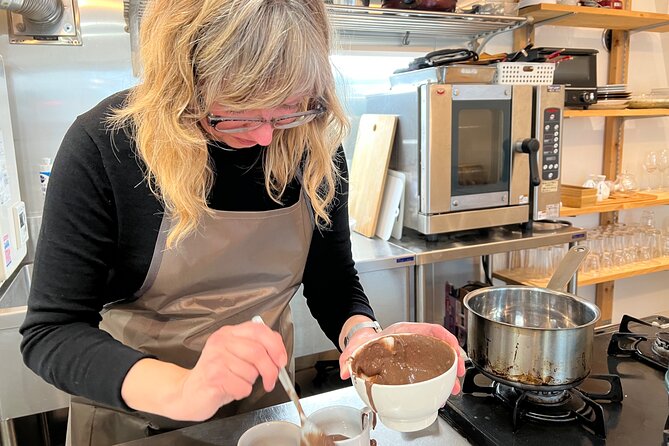
The class mixes a lecture with hands-on cooking, and that structure is part of why it works. Fermented foods can feel mysterious if you’ve only seen them as labels on grocery shelves. Here, you’ll get an explanation of fermented foods as a foundation of Japanese cuisine and a connection point to culture and health tips.
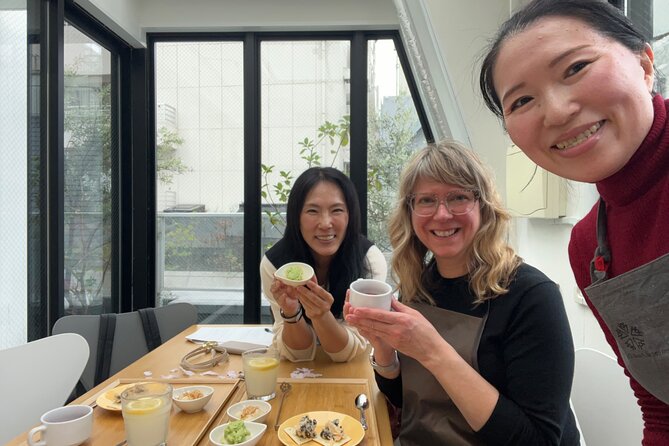
You also get green tea or other Japanese tea, plus coffee and/or tea. Then there’s sakura tea as part of the Japanese beauty afternoon tea vibe. Even if you’re not a huge tea person, it helps you slow down and taste what you made, instead of racing through the kitchen like a microwave hero.
Don’t overlook the handout. The class includes a lecture handout with recipe/presentation material during the lecture. That’s the difference between a class that is fun and a class that sticks. You’ll be more likely to recreate at home when you have a written reference, especially for ingredients like amazake and how they behave in dessert applications.
One more practical note: the experience is not suitable for children age 6 and under due to the difficulty of the lecture. If you’re traveling as a family, plan around that or consider a different type of activity for younger kids.
Convenience in Tokyo: how Akasaka-Mitsuke fits your afternoon
Meeting point is at Akasaka-Mitsuke Station area (3-chōme-1-6 Akasaka, Minato City). The start time is 2:00 pm, and the activity ends back at the meeting point. That round-trip setup is underrated. It reduces the “what if I’m lost” stress, especially when you’re balancing trains, lunch, and jet lag.
The class is described as being in the heart of Tokyo and about 10 minutes from Shibuya Station. That translates to real-world ease: you’re not crossing the city to reach a far-out studio, and you’re less exposed to weather on the way in.
It’s also set up for modern travel with a mobile ticket. You won’t be hunting for paper confirmations. And since the class is only about 2 hours, it’s easy to slot into a busy itinerary without sacrificing too much sightseeing time.
Transportation isn’t included, so you’ll pay for your own way to the meeting point. That said, because the location is centrally placed and near public transportation, you’re probably not looking at a major extra cost to reach it.

Value check: is $64.09 a good deal?
At $64.09 per person for about 2 hours, the value comes down to what you actually receive and what you can carry home.
You get:
- An apron
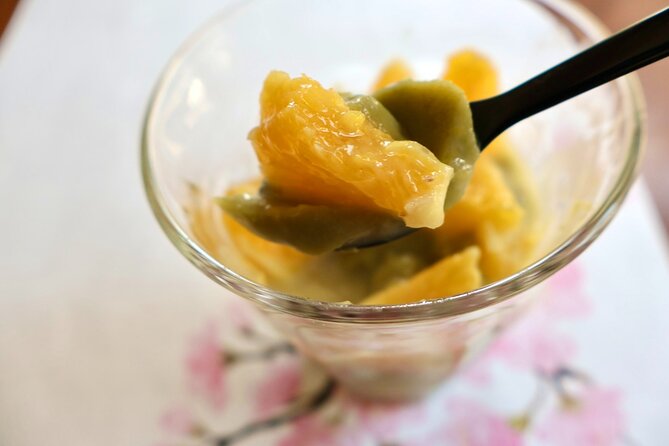
- Snacks/desserts you make together
- Coffee and/or tea (plus sakura tea as part of the tea experience)
- A lecture handout with recipe/presentation material
- The sake kasu hand mask trial
What you’re paying for isn’t just ingredients. It’s the explanation of how to use fermentation in desserts, plus the beauty experiment. Fermented-food classes are noted as rare, and rarity often means you’re paying for specialist know-how. Here, you’re also paying for a small group size (max 6), which tends to improve the “you can ask questions” factor.
If you only want a tasting and don’t care about learning, you might feel it’s pricier than a snack market stop. But if you want to understand amazake and sake kasu enough to use them after your trip, the class format makes a lot of sense.
Two extra value angles:
1) The menu changes by season, so it doesn’t feel like you’re buying a stale, repeat script.
2) If you’re the type who likes to plan with purpose, there’s a promotion: join the Fermented Food Lunch Class at 11am on the same day and you’ll receive a special gift of rice koji amazake (the one used in the dessert class). That turns one good class into two learning blocks, with a take-home ingredient.
Who should book this, and who might not
This class is a great fit if you:
- Like vegan food and want to learn dessert techniques with real Japanese ingredients
- Want fermentation explained in a practical, food-centered way
- Care about both eating and beauty routines
- Prefer small-group instruction and a short time commitment
You might think twice if you:
- Have sensitive skin and are concerned about irritation from sake kasu (especially for the hand mask trial)
- Have cuts or wounds on your hands
- Want an alcohol-free experience without any substitute concerns (sake kasu includes alcohol, and the class does have a banana option for those who don’t drink or are under 20)
- Are bringing very young kids, since the lecture difficulty makes it not suitable for children 6 and under
Tips to get the most from the class
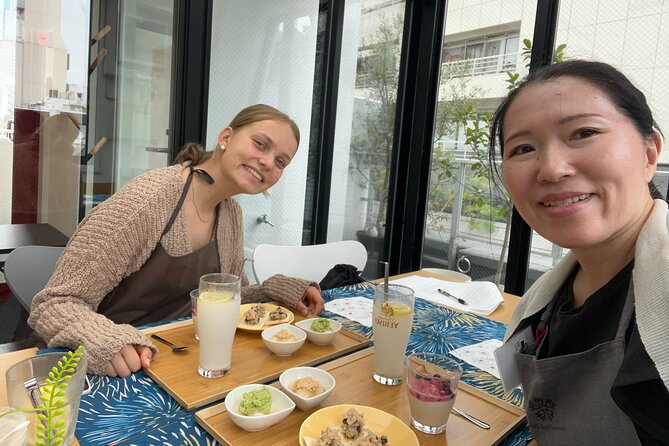
A couple practical things will make your afternoon smoother.
- If you have any skin sensitivity, tell the organizer ahead of time. It’s better than discovering it during the mask trial.
- If you don’t drink alcohol or you’re under 20, request the banana option. That detail is explicitly supported, so use it.
- Plan your day so you’re not in a rush right after. Since sake kasu contains alcohol and the class mentions not driving afterward, keep your schedule relaxed.
- Take photos of your final desserts and the handout pages once you have them. The class materials are meant to help you recreate.
Also, if you’re the kind of traveler who likes learning by doing, you’ll likely enjoy this format more than a pure food tour. You’re not just sampling—you’re making, tasting, and learning ingredient logic.
Should you book this fermented vegan dessert + mask class?
Yes, book it if you want a focused Tokyo experience that teaches something specific you can keep using: amazake and sake kasu in dessert form, plus a hands-on beauty trial. The small group size, central meeting point, and 2-hour duration make it feel manageable even on a packed itinerary.
Skip it or ask lots of questions first if you have sensitive skin, hand skin issues, or you strongly prefer alcohol-free ingredients without substitutes. The class does provide an alternative for under-20 or non-drinkers, but the mask trial still depends on your skin situation.
If your goal is to leave Tokyo with a new ingredient story—and the recipe support to use it later—this is a smart, rare kind of cooking class.
FAQ
How long is the class?
The experience is about 2 hours long, starting at 2:00 pm and ending back at the meeting point.
Is the class vegan?
Yes. All dishes in the class are vegan.
Does sake kasu contain alcohol?
Yes. The ingredient sakekasu contains around 8% alcohol, and the class advises not to drive after the class.
What if I don’t drink alcohol or I’m under 20?
For people under 20 and for those who do not drink alcohol, the class uses banana instead.
What’s included in the price?
Included are an apron, snacks/desserts you make together, coffee and/or tea, a lecture handout with recipe/presentation material, and the sake kasu hand mask trial.
Where do I meet the instructor?
The meeting point is near Akasaka-Mitsuke Station (3-chōme-1-6 Akasaka, Minato City, Tokyo 107-0052, Japan).