REVIEW · LISBON
Lisbon: Traditional Portuguese Cooking Class
Book on GetYourGuide →Operated by The Chefs Company · Bookable on GetYourGuide
Portuguese food gets real fast. This class turns ingredients into a hands-on lesson, with chef-led stories behind every dish as you cook. I love the full meal format, from tasting to cooking a starter, main, and dessert, and I also like how the small group (up to 10) keeps the experience personal. One thing to consider: it is not a fit if you’re vegan or if you have food allergies, and the venue is not set up for wheelchair users.
In Lisbon for just a short time, I think this is a smart way to connect flavor to culture without spending hours researching recipes. The instructors work in English and Portuguese, and the menu can shift by season and what’s fresh.
In This Review
- Key highlights worth planning for
- Enter the kitchen: how this class feels in Lisbon
- What you’ll taste first: cheeses, chorizo, and Portuguese wine
- Cooking your starter: where the techniques start
- Main course cooking: the skills you’ll actually reuse
- Dessert: finishing strong and learning the sweet side
- The value of the story behind each dish
- Menu changes by season: what that means for planning
- Where you meet: stairs, chefs’ shop, and finding the top floor
- Price and logistics: what $94 includes and why it can be worth it
- Who should book this class in Lisbon
- Practical tips for a smooth evening
- Should you book Lisbon Traditional Portuguese Cooking Class?
- FAQ
- How long is the Lisbon Traditional Portuguese Cooking Class?
- What’s included in the price?
- What’s the group size?
- What languages are used during the class?
- Can the menu be adapted for dietary restrictions?
- Is it suitable for vegans or people with food allergies?
- Where exactly is the meeting point?
Key highlights worth planning for
- Cheese, chorizo, and wine tasting up front so you start with local flavors, not a lecture
- Starter, main, and dessert made by you with step-by-step chef teaching
- Seasonal menu changes so what you learn matches what Portugal is eating now
- Story-first approach to cooking so each dish has a reason, not just a recipe
- Group stays small (max 10) for more attention while you cook
Enter the kitchen: how this class feels in Lisbon
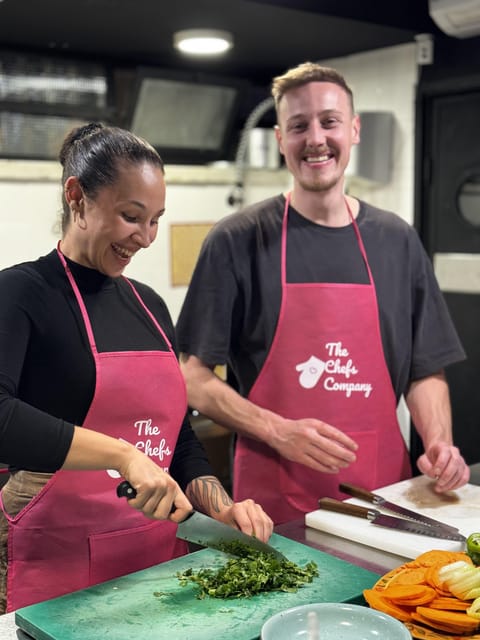
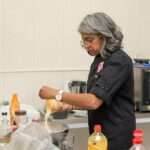
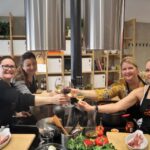
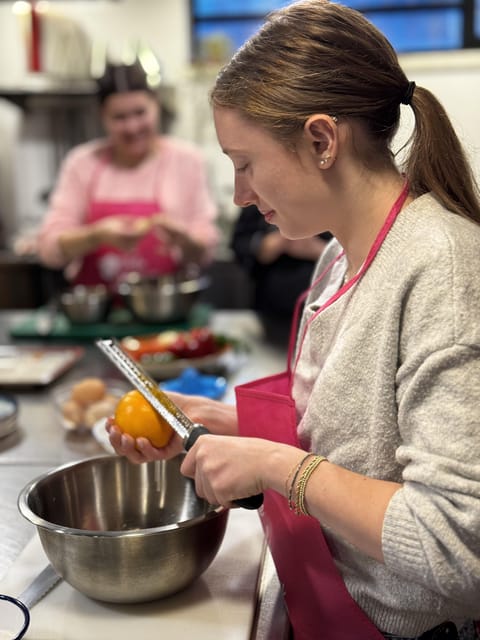
This isn’t a long night out where you watch from the sidelines. You’ll be working at the counter with the chefs, cooking real dishes, tasting as you go, and learning why Portuguese food leans the way it does. The tone tends to be relaxed, and that matters because good cooking classes are about rhythm. When people feel comfortable, they ask questions and actually remember what they did.
Another practical win: the menu changes based on fresh, local, seasonal ingredients. That means you’re not studying a fixed list from a brochure. Instead, you learn a method and a way of choosing ingredients, which you can reuse later at home even if the exact menu differs.
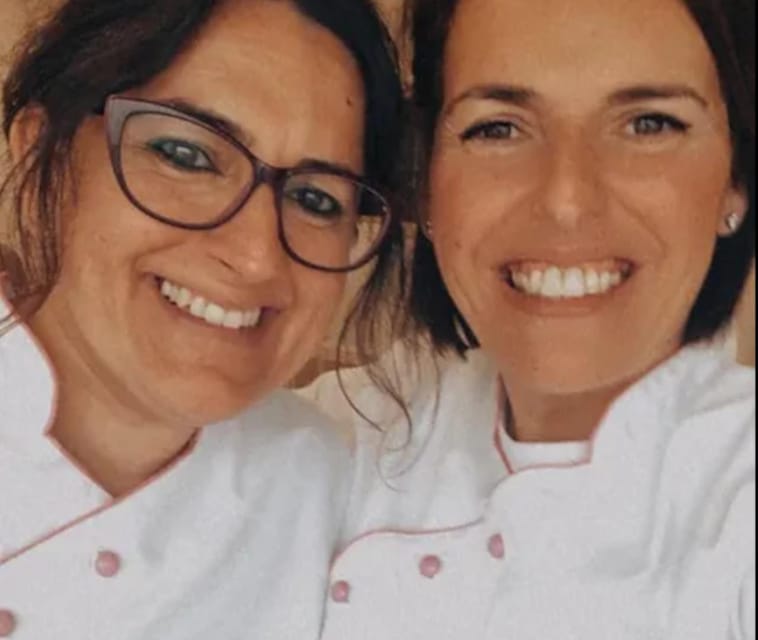
Most sessions are run by an instructor team with chefs such as Ana and Carina (you may also hear names like Karina or Hannah depending on the date). Expect English and Portuguese instruction, with plenty of opportunity to clarify steps as you cook.
You can also read our reviews of more tours and experiences in Lisbon.


What you’ll taste first: cheeses, chorizo, and Portuguese wine
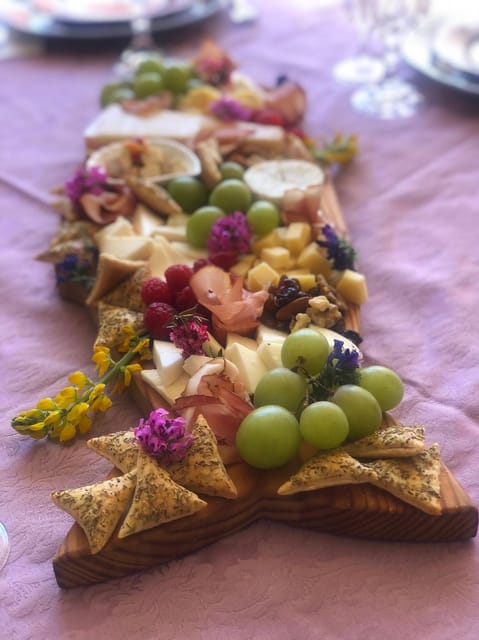
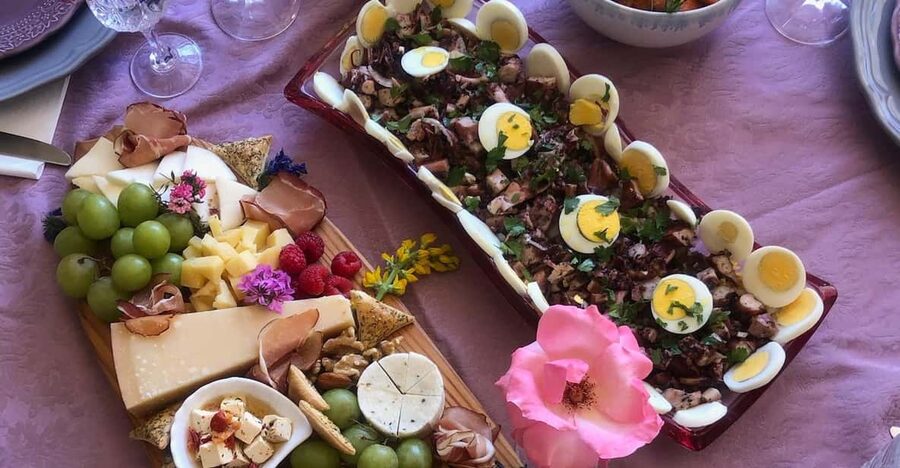
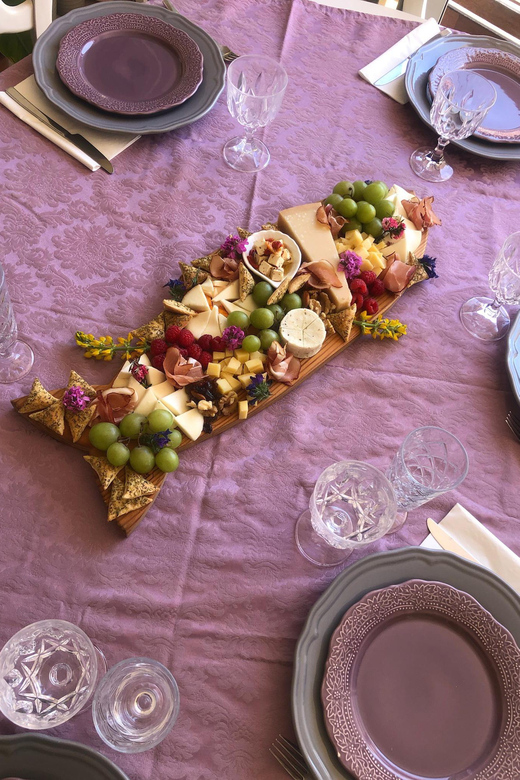
The class starts with a tasting. You’ll sample cheeses, chorizo, and wine as an appetizer-style introduction. This is more than a warm-up. It sets your palate before you cook, so the food you’re about to make makes sense in real time.
Here’s why that matters for you: Portuguese meals often balance salty, savory, and wine-friendly flavors. If you understand what the class is aiming for early on, you’ll cook with better judgment. You’ll also pick up the basic flavor language of the meal, which is hard to do if you skip the tasting and go straight to the stove.
If you enjoy food as a social experience, this part also helps the group loosen up. You’re not just waiting for instruction. You’re already eating, comparing tastes, and learning what to notice.
Cooking your starter: where the techniques start
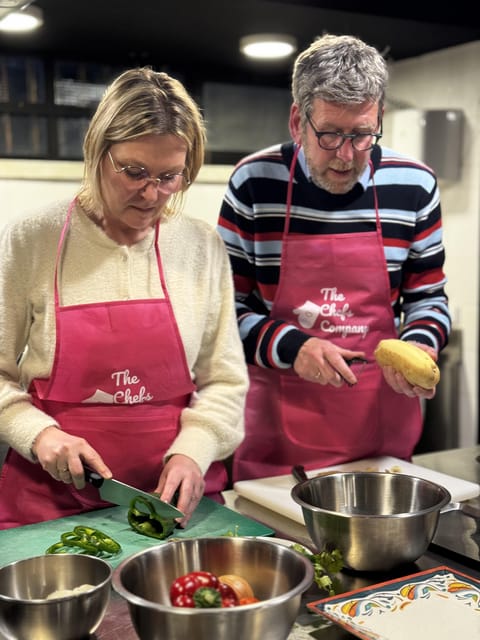
Your starter is the first dish you cook, and it’s where most people get their hands busy quickly. You’ll follow the chefs’ guidance closely, which is useful if you’re a beginner. The class is designed so you’re learning technique, not just repeating steps.
The chefs also connect the starter to its story—where it fits in Portuguese eating habits and what ingredients make it feel “right.” That narrative piece is one of the most loved parts of the experience because it turns a dish into something you can talk about later. You’ll likely remember the flavor more clearly when you also remember the reason behind it.
Practical note: the session is hands-on and the venue is a working kitchen. Plan on cooking in a real, practical way—not a museum-style demonstration.
Main course cooking: the skills you’ll actually reuse
The main course is the heart of the class. This is where you move from small steps to a full plate—timing, heat control, seasoning, and coordination. You might find yourself doing prep and cooking in a sequence that feels closer to how home cooks work than how a classroom works.
What makes this section valuable is the teaching style. You’re not just told what to do. You’re guided through what to watch for as the dish changes. That’s the stuff you’ll use later when you cook at home and need to adjust based on your ingredients or your oven.
The class also leans into Portuguese ingredient logic. Expect fresh, local, seasonal products, plus added details that explain why certain flavors pair the way they do. In some sessions, chefs bring personal touches such as olive oil and figs from a family garden, or breads connected to a hometown source. Even if your exact menu differs, the approach stays the same: the food has a place and a person behind it.
Dessert: finishing strong and learning the sweet side
Dessert rounds out the experience and gives you a complete “Portuguese meal” picture. This part is usually where people appreciate the class structure most. After cooking savory dishes, you get a chance to understand how Portuguese sweets balance richness with comfort.
Just as with the starter and main, dessert isn’t treated like an afterthought. You’ll follow the process and learn the steps that make the result work. The chefs also tie it back to tradition, so it feels connected to the rest of the meal instead of being a random sweet stop.

The value of the story behind each dish
Many cooking classes teach you recipes. This one leans more toward why the recipes exist. The chefs share narratives and traditions alongside cooking techniques, so you’re not just copying instructions—you’re understanding how Portuguese cuisine thinks.
For you, that means you leave with more than food photos and a full stomach. You’ll know what to look for the next time you’re shopping: how to choose ingredients, how Portuguese flavors fit together, and how seasonal availability shapes what people cook.
It also helps if you enjoy culture but don’t want to spend your evening in a museum. Food is a cultural shortcut. You’re learning through action, taste, and story at the same time.
Menu changes by season: what that means for planning
Because the class uses fresh, local, seasonal ingredients, your exact dishes can vary depending on product availability and timing. That’s not a downside—it’s part of what makes the class feel real.
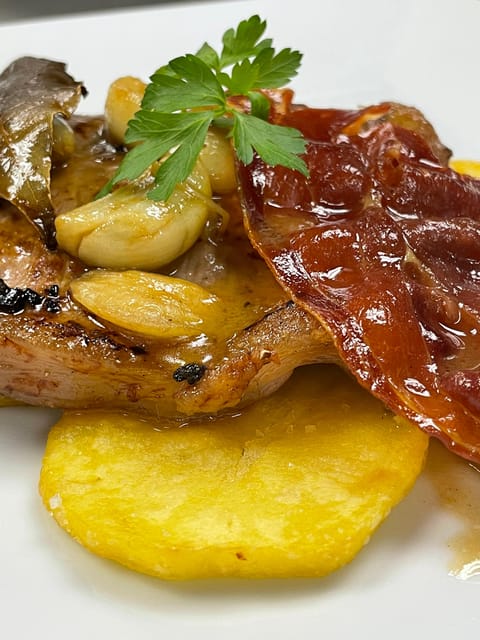
The practical effect for you: you should avoid assuming the menu will match what you’ve seen in photos online. Instead, think of the class as a framework for how Portuguese cooking works. You’ll still practice a starter, main, and dessert, but the specific recipes may shift.
If you have dietary needs, this flexibility can be helpful—but you need to communicate early. The menu can be adapted for vegetarians if you contact the team at least 72 hours before the class. Vegans are not suitable for this experience, and people with food allergies are also not suitable.
Where you meet: stairs, chefs’ shop, and finding the top floor
Getting there is straightforward if you follow the landmark. Your meeting point is on a main street, but the kitchen is on the top floor above the street-level action.
When you’re near the Continente Bom Dia supermarket, stand facing the main door. On your left side you’ll see stairs. Go up those stairs to the end, and the kitchen is in the square.
That stair detail matters for planning. This experience is not suitable for wheelchair users, so it’s best to expect a bit of climbing.
Price and logistics: what $94 includes and why it can be worth it
At $94 per person for a 3-hour experience, you’re paying for more than ingredients. You’re buying:
- a guided, hands-on cooking class
- tasting cheeses, chorizo, and wines
- a full meal you help prepare (starter, main, dessert)
- instruction in English and Portuguese
- a small-group format limited to 10 participants
So where does the value land? For most people, the tipping point is the combination of time and teaching. Three hours is long enough to actually cook multiple dishes, not just “assemble” something. And the small group size improves your odds of getting help when your technique or timing needs adjustment.
Also, you’re not stuck organizing your own dinner. If you want an evening that’s food-forward and structured, this price starts to look like a fair trade for convenience plus instruction.
The one logistics item to remember: transportation to and from your accommodation is not included. If you’re staying in a walkable area, great. If not, plan your route so you arrive ready to cook.
Who should book this class in Lisbon
You’ll likely love this if you:
- want a hands-on meal, not a sit-and-watch experience
- enjoy Portuguese flavors and want the “why” behind dishes
- like small group settings where you can ask questions while cooking
- are traveling with a partner or a small group and want a memorable shared activity
You should think twice or skip if you:
- are vegan
- have food allergies
- need wheelchair accessibility
- are traveling with children under 8
Language is another fit question. The class is taught in English and Portuguese, so if you’re comfortable with either, you’ll be able to follow along without stress.
Practical tips for a smooth evening
Wear clothes you don’t mind getting food on. A cooking class is active, and you’ll be working with ingredients. Also, go in with a flexible mindset about the menu. Since the menu changes with season, your exact dishes may differ from what you expected, but the structure stays consistent: starter, main, dessert, plus tasting and stories.
If you have dietary restrictions (especially vegetarian needs), contact the team at least 72 hours in advance so they can adapt the menu appropriately.
Should you book Lisbon Traditional Portuguese Cooking Class?
If you want one strong food experience in Lisbon, this class is a solid choice. The biggest reasons to book are simple: you cook a full meal, you taste before you cook, and the chefs connect the dishes to stories so you leave with understanding, not just a recipe list. The small group size also makes it feel easier to learn.
Just be honest with yourself about fit: it’s not designed for vegans or people with food allergies, and it isn’t wheelchair accessible. If you’re in the right category, $94 for a 3-hour, hands-on Portuguese cooking evening with tasting and meal is a worthwhile way to spend your time.
FAQ
How long is the Lisbon Traditional Portuguese Cooking Class?
The class lasts 3 hours.
What’s included in the price?
The experience includes a tasting of cheeses, chorizo and wines, plus a hands-on cooking class where you prepare a starter, main course, and dessert.
What’s the group size?
The group is small, limited to 10 participants.
What languages are used during the class?
Instruction is available in English and Portuguese.
Can the menu be adapted for dietary restrictions?
People with dietary restrictions must communicate at least 72 hours in advance. The menu is adaptable to vegetarians with advance notice.
Is it suitable for vegans or people with food allergies?
No. Vegans and people with food allergies are not suitable for this experience.
Where exactly is the meeting point?
Meet near the Continente Bom Dia supermarket. Facing the main door, look for stairs on your left, go up to the end, and the kitchen is on the top floor in the square.