Catania flavors begin at the fish market. Chef Luca meets you near Piazza del Duomo and turns a simple morning stroll into ingredient shopping, story time, and prep you’ll use minutes later in class. It’s a practical way to understand Sicilian cooking because you start with what locals actually choose.
What I like most is the combo of hands-on cooking in Luca’s family home plus a step-by-step market tour that helps you spot good produce and seafood. One thing to consider: you’ll spend a full hour standing and walking through the market area, then another stretch working at the kitchen counter—so it’s best if you’re comfortable with that rhythm.
In This Review
- Key Highlights You’ll Feel During the Tour
- Meeting Luca Near Piazza del Duomo: Where the Day Starts
- Catania Fish Market Stop: How You Learn to Shop Like a Local
- Piazza del Duomo to Luca’s Home: The Food-First Shift
- In the Kitchen With Luca and Family: Techniques You Can Actually Repeat
- The Three-Course Menu You’ll Cook (and Why It Works)
- Starter: Eggplant Parmigiana
- Main: Pasta con pistacchio di Bronte
- Dessert: Cannoli or Zabaglione
- Eating the Meal: Prosecco, Wine Pairing, and a Real Table
- Group Size, Pace, and What to Wear
- Price and Value: What $129 Gets You in Catania
- Who Should Book This Sicilian Cooking Class?
- Should You Book Chef Luca’s Catania Cooking Class?
- FAQ
- What dishes will I cook and eat?
- How long is the experience in total?
- Is the tour offered in English?
- Where do we meet, and where does it end?
- How many people are in the group?
- Can Luca accommodate dietary restrictions?
- Is free cancellation available?
Key Highlights You’ll Feel During the Tour
- Chef Luca’s market-guided ingredient picking so you learn what to look for, not just what to buy
- A home-kitchen three-course meal you make yourself, not a demo you watch
- Real pasta technique practice, including the egg-and-flour approach and kneading
- Sicilian drinks with the meal, starting with prosecco and pairing with local Sicilian wine
- Small group size (max 8) for calmer attention and clearer instruction
Meeting Luca Near Piazza del Duomo: Where the Day Starts
This tour starts right in central Catania, near the Basilica Cattedrale di Sant’Agata in Piazza del Duomo. Your host, Luca, meets you at the listed meeting point on Via S. Sebastiano, then you connect the dots between landmark Catania and everyday food life.
That opening matters. Starting at a major church square gives you an easy sense of place. From there, the day shifts quickly into the practical part: you head to the fish market with Luca, who knows where to look and who to talk to. You’re not just sightseeing—you’re gearing up to cook.
Also, the tour is offered in English, which keeps the cooking instructions straightforward. The group stays small (up to 8 people), so you’re not fighting for attention when questions pop up.
You can also read our reviews of more tours and experiences in Sicily.
Catania Fish Market Stop: How You Learn to Shop Like a Local
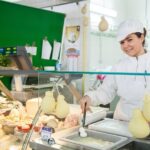
The first big moment is the walk to the Catania Fish Market, tucked into a lively scene of stalls, vendors, and produce laid out for the day. Luca leads you through for about an hour, and the goal is simple: choose a few fresh ingredients that will drive what you make in the cooking class.
Here’s what this is really doing for you. A Sicilian cooking class can be interesting even if it’s only recipes. But this one builds skill. Luca explains what matters—freshness, quality cues, and what ingredients are typical in his home cooking. You get to see the decisions in real time, from what vendors have to what Luca prefers.
From what you’re told, you’ll also pick up the kind of details that make recipes work later. For example, one theme that comes through is learning how to choose better products so your end result tastes like you cooked with care, not just followed steps.
A quick practical note: markets mean standing, turning, and short walks between spots. If you dislike crowds or long time-on-your-feet, plan accordingly.
Piazza del Duomo to Luca’s Home: The Food-First Shift
After the market, you head back toward the center and walk to Luca’s mother’s home. The move is short and easy to match with the pace of the day, and it’s part of why the experience feels personal.
This is where the tour turns from public to private. You kick off the class with a glass of prosecco, then Luca frames the meal you’ll cook as the kind of flavors he grew up with. It’s not just a menu—it’s a way of learning why Sicilian plates tend to balance simple ingredients with bold taste.
And since this is a home setting, you get a real sense of Sicilian hospitality. The table conversation can include multiple languages (English, Italian, and Spanish have been used during the day), plus lots of friendly gesturing when language gaps happen. If you enjoy chatting while you learn, this part lands well.
In the Kitchen With Luca and Family: Techniques You Can Actually Repeat
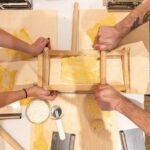
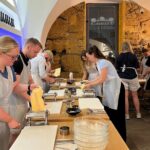
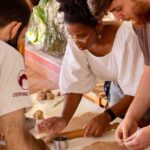
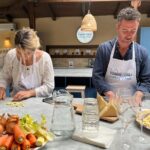
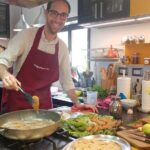
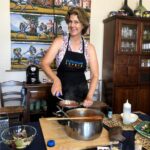
The cooking portion runs about 1.5 hours, and it’s hands-on throughout. You’re not watching someone else do the work. You’ll learn core steps that show up in Sicilian cooking again and again.
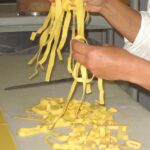
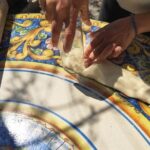
One technique that’s called out clearly is how to crack eggs into a flour well correctly—small detail, big payoff. Another is kneading pasta dough to the right feel. That’s the kind of instruction that helps you stop guessing at home.
What I like about this format is that it’s structured but not stiff. You get clear guidance, and the class can also be tailored to preferences. That flexibility is useful if you want to stay closer to your diet or comfort zone while still trying authentic dishes.
You’ll also see the kitchen run with family help. Luca’s mother assists with the cooking, and family members sit down with you for lunch. It turns the class into something warmer than a typical cooking-tour meal.
The Three-Course Menu You’ll Cook (and Why It Works)
The menu is very Sicilian in the way it uses big flavor from simple building blocks. You’ll make a starter, a main, and a classic dessert—each one with a recognizable role on the table.
Starter: Eggplant Parmigiana
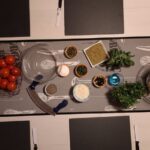
You’ll work with eggplant plus tomato sauce, parmesan, and basil. Parmigiana is one of those dishes that can taste like comfort food in Italy and still hold up as a “learn-this” recipe for home cooks. Luca’s approach helps you focus on texture and assembly, not just ingredients.
Main: Pasta con pistacchio di Bronte
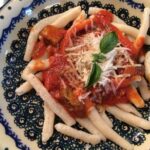
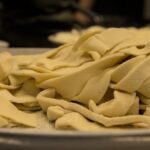
The main is fresh pasta with pistachios from Bronte, plus bacon or seafood (depending on preference). If you’ve never cooked with pistachio as a savory ingredient, this is the kind of dish that makes it click fast.
Bringing it together with fresh pasta is a big deal. Dried pasta will get you a decent meal, but fresh pasta changes the whole experience. And practicing the dough and shaping part of the main is where the class earns its keep.
Dessert: Cannoli or Zabaglione
For dessert, you’ll choose cannoli or zabaglione. Both are classic Sicilian endings, but they teach different lessons.
- Cannoli gives you a classic crunchy-sweet finish.
- Zabaglione leans into a custard-like style that feels celebratory.
And there’s a neat extra detail that comes up during conversation: Sicilians often have small espresso machines at home and drink espresso with dessert. It’s one of those everyday habits that makes the meal feel like a real routine, not a special-show plate.
Eating the Meal: Prosecco, Wine Pairing, and a Real Table
After cooking, you sit down to enjoy what you made. The meal is paired with local Sicilian wine, and the experience includes snacks and wine as part of the day.
This is a key reason the tour feels different from a cooking class that ends the moment the food hits the cutting board. You’re tasting your work while the instructions are still fresh in your mind. That makes it easier to remember what to change next time—thickness, seasoning, cooking time, or texture.
The portions are generous. You should expect a full meal, not a small “taste and go” situation.
Group Size, Pace, and What to Wear
This experience caps at 8 travelers, and it shows. Smaller groups mean Luca can give attention when you’re cracking eggs, kneading dough, or trying to follow a technique without feeling rushed.
Timing is also clear: the market tour is about 1 hour, and cooking lasts about 1.5 hours. Total duration is around 4 hours.
For comfort, you’ll want:
- Comfortable shoes for market walking and the couple of short transfers
- A light layer you can adjust in indoor/outdoor parts of the day
- An appetite for a full three-course meal
It’s also near public transportation, which makes it easier to stitch into your Catania plan if you’re bouncing around between sites.
Price and Value: What $129 Gets You in Catania
At $129 per person, it’s not a cheap “snack class.” But the value is in what’s included and what you learn.
You’re paying for:
- A guided market stop with admission included
- Ingredient guidance that helps you select quality
- A hands-on cooking session (not a demo)
- A three-course meal you make yourself
- Drinks: prosecco at the start and local Sicilian wine with lunch
- A small-group format that keeps the teaching practical
If you compare this to a standard market tour alone or a standard cooking demo elsewhere, the combined package is where the price starts to feel reasonable. You leave with both food and usable technique.
Who Should Book This Sicilian Cooking Class?
This works best for you if:
- You want to cook regional dishes and learn the why behind them
- You like market time and want practical shopping tips
- You enjoy family-style dining and conversation
- You’d rather return home with skills than just photos
If your ideal day is purely fast sightseeing with zero standing and zero kitchen work, this may feel like too much participation. But if you like doing, tasting, and learning, it’s a strong match.
It’s also a good pick for diet adjustments. Luca can accommodate vegetarians and other dietary requests, but you should inform him when booking so plans can be made in advance.
Should You Book Chef Luca’s Catania Cooking Class?
I’d book it if your Sicily trip includes Catania and you want a food experience that teaches you something real. The market-to-kitchen flow is the big win. You learn how to pick ingredients, then you practice techniques that you can reuse later—fresh pasta, egg-and-flour method, and a classic Sicilian menu.
Skip it only if you don’t want to stand in the market for part of the morning or if you’d rather watch a cooking show than cook yourself.
If you do book, go in curious. Ask questions when Luca points out quality cues. And give yourself time to actually enjoy the meal you helped create.
FAQ
What dishes will I cook and eat?
You’ll make a three-course Sicilian meal: eggplant parmigiana as a starter, pasta con pistacchio di Bronte as the main, and cannoli or zabaglione for dessert.
How long is the experience in total?
It runs about 4 hours total, with about 1 hour for the market tour and about 1.5 hours for the hands-on cooking.
Is the tour offered in English?
Yes, the experience is offered in English.
Where do we meet, and where does it end?
You meet at Via S. Sebastiano, 6, 95121 Catania CT, Italy. The activity ends back at the meeting point.
How many people are in the group?
The tour has a maximum of 8 travelers.
Can Luca accommodate dietary restrictions?
Yes. Luca can accommodate vegetarians and other dietary requests. Tell him about your needs when booking.
Is free cancellation available?
Yes. You can cancel for a full refund up to 24 hours in advance of the experience’s start time.