REVIEW · BALI
Spice Garden, Jamu & Cooking Class in Bali Village
Book on Viator →Operated by Balikaru · Bookable on Viator
Cook Bali-style with jamu and village life. This Bali cooking class goes past recipes and into daily life near Mt Batukaru, with herb picking, jamu making, and fire-cooked dishes in an open-air kitchen. I especially like the jamu workshop (including fruit tasting) and the hands-on way you cook your meal right there. One drawback: you’re in a real mountain village, so expect some walking on uneven paths and a bit of a downhill trek.
You get a small-group feel too, with a max of 12 people. The team runs it like a family activity, so you learn without feeling rushed, and the pace stays friendly even when you’re busy grilling, stirring, and tasting. Just note the dress code: topless or beach clothing is considered an offense, so plan on covering up with a shirt and pants.
If you’re hungry, good. This is the kind of class where you’ll work for your lunch, then eat it in a calm setting, not a tourist-factory dining room.
In This Review
- Key Highlights You’ll Actually Care About
- From Tourist Cooking to Real Village Life Near Batukaru
- Meeting at BalikaruBelulang and the Pace of a Small Group
- Herb and Spice Garden Tour: Picking Ingredients Like a Local
- Jamu Making: Two Herbal Drinks and Fruit Tasting
- Learning Rindik Before You Cook
- Paon Bali Open-Air Cooking Over Bamboo Fire
- Sate Lilit on a Live Bamboo Grill
- Lak Lak Cooked in a Clay Pot
- Lunch Nasi Campur Tumping and the Payoff of Eating What You Make
- Balikaru Farm: Animals, Trigona Stingless Beehives, and Rice Planting
- The Soft Downhill Trek for Mountain Views
- Belulang Hot Spring: Optional, But a Nice Way to Finish
- Price and Value: Why $55 Adds Up Here
- Who This Bali Cooking and Jamu Class Fits Best
- Should You Book This Spice Garden, Jamu & Cooking Class?
- FAQ
- How long is the Spice Garden, Jamu & Cooking Class?
- Where is the meeting point, and does the tour return there?
- What’s included in the $55 per person price?
- Can the class accommodate vegetarian diets?
- Is there a dress code for the village cooking experience?
- What happens if the weather is bad?
Key Highlights You’ll Actually Care About
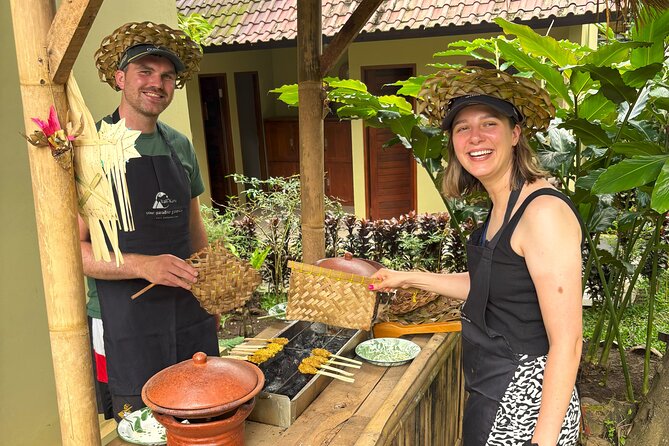
- Jamu from scratch with two herbal drinks plus fruit tasting (mangosteen is part of the experience)
- Rindik lesson on bamboo before you start cooking, so you learn culture before you hit the stove
- Paon Bali open-air kitchen with guided cooking, including Sate Lilit on a live bamboo grill
- Lak Lak dessert in a clay pot, cooked by you, not just watched
- Balikaru farm time with animals and Trigona stingless beehives, plus help with rice planting
- Optional Belulang Hot Spring after the class, if the day’s weather cooperates
From Tourist Cooking to Real Village Life Near Batukaru
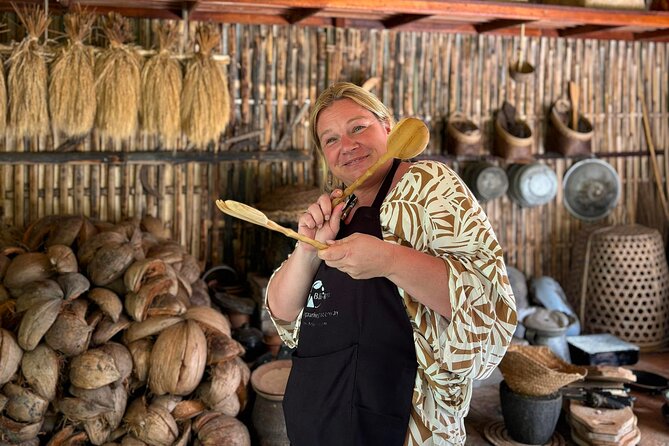
This isn’t a “demo then depart” cooking class. The whole point is that you spend the morning in a working Balinese village area near Mt Batukaru, where people grow food, keep animals, and make herbal drinks the way they’ve done for generations. That’s why the day feels personal: you’re not just passing through, you’re joining the rhythm for a few hours.
I like how the experience is built around culture, not just food. You’ll start outdoors with herbs and garden time, then you move into cooking over an open bamboo fire, and later you get farm details that connect directly to ingredients and daily work.
Keep one reality in mind: this takes place in the traditional village setting. That means walking, simple paths, and a culture-first environment. If you want polished comfort all the way through, you might feel a little out of place here.
You can also read our reviews of more tours and experiences in Bali.
Meeting at BalikaruBelulang and the Pace of a Small Group
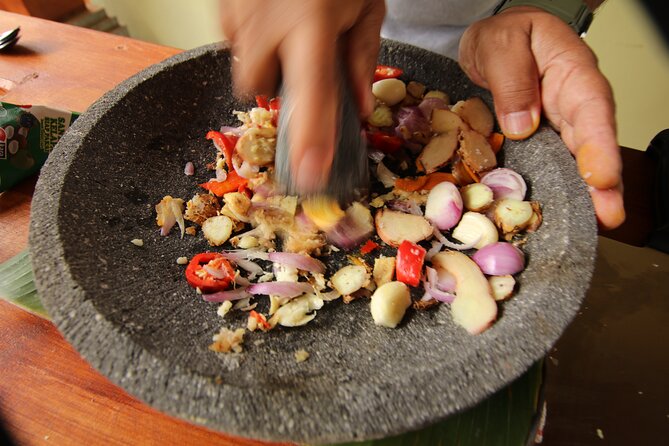
You’ll meet at BalikaruBelulang Bali in Mengesta (Tabanan region) and the tour ends back at the same meeting point. Start time is 9:00 am, and the total time runs about 4 hours 30 minutes.
The group limit matters. With a maximum of 12 travelers, you usually get more one-on-one help while cooking. And because the schedule includes several hands-on parts (herbs, jamu, multiple dishes, farm time), the smaller group size keeps things from feeling chaotic.
If you’re planning ahead for comfort, think about practical clothing. The stated rule is clear: no topless or beachwear. Shirts, pants, and slippers are fine, and this is a moment where covering up makes the day easier on you and more respectful to locals.
Herb and Spice Garden Tour: Picking Ingredients Like a Local
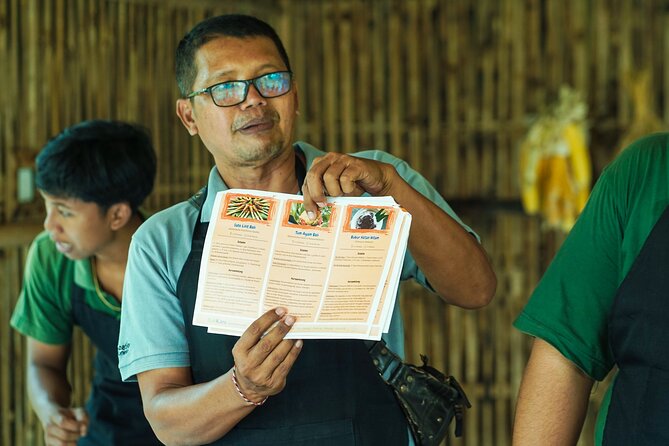
Right after the welcome drink, you’ll get taken through the herb and spice garden tour with a guide. This is where the class starts to feel grounded. Instead of learning spices only as measurements, you learn them as living plants—what they look like, how they’re used, and why they’re important in Balinese cooking.
A big practical win here is that you’re taught how to connect those flavors to the dishes you’ll cook later. You’re also given a chance to taste fruit from the area, which helps you calibrate your palate before you start cooking.
Also, pay attention during the garden portion. Many people remember the final meal, but it’s the spice logic that helps you recreate the flavor at home.
Jamu Making: Two Herbal Drinks and Fruit Tasting
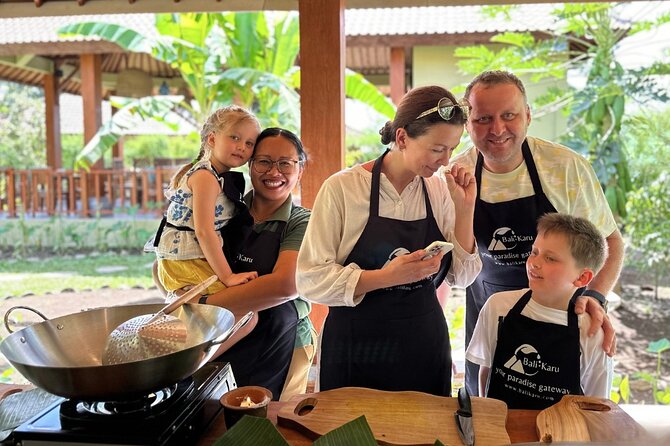
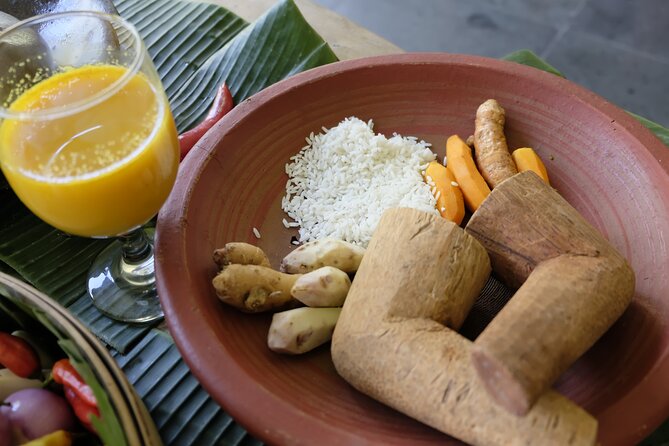
Jamu is Indonesia’s long-used herbal drink culture, and this class treats it like an actual craft. You’ll learn jamu production as part of the day, including making two kinds of jamu and doing fruit tasting.
This is one of the most praised parts of the experience for a reason: you don’t just hear about jamu. You make it, you taste it, and it’s explained in a way that connects health and flavor. In the conversation-heavy vibe of the class, jamu also becomes a fun intro to Bali itself, because it’s both practical (something people drink) and traditional (something tied to routine and heritage).
Mangosteen shows up in the fruit tasting, and that’s a good sign. If you enjoy learning with taste cues, you’ll likely love this section because it gives you instant feedback. You’ll also understand how the herbal ingredients work together rather than just memorizing a recipe.
Learning Rindik Before You Cook
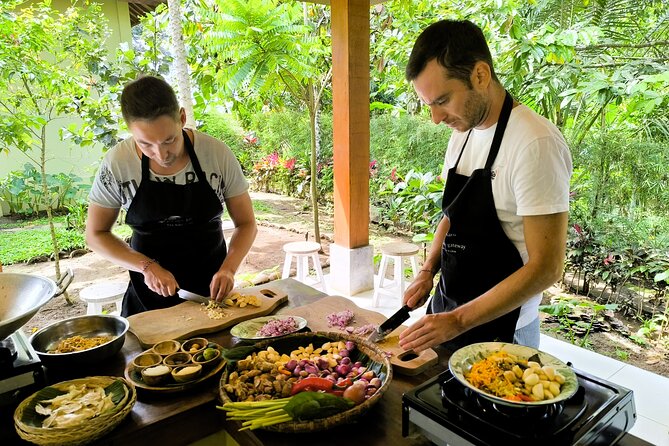
One of the more distinctive moments is learning Rindik, a bamboo instrument played by farmers. It happens before you really start cooking, and that order matters. It gets you out of “class mode” and into “village mode.”
It’s also a reminder that food here is tied to farm life. The instrument lesson is short, but it gives you a sense of how rural routines connect with culture and music, not just dining.
If you’re the kind of person who likes hands-on cultural activities, this is a smart and fun add-on. It’s not the main meal, but it makes the morning feel like it has its own identity.
Paon Bali Open-Air Cooking Over Bamboo Fire
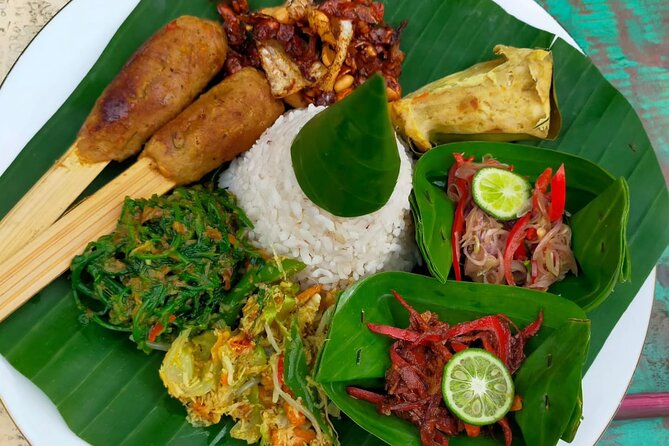
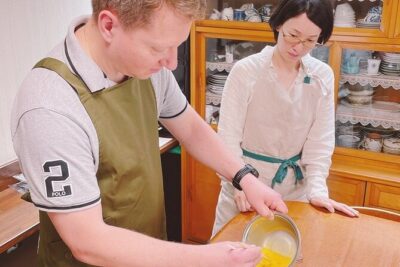
Now comes the serious fun: the cooking happens in Paon Bali, an open-air kitchen setting. You cook with guidance from a chef, and the food is built around Balinese methods and equipment rather than generic home-kitchen substitutions.
Here’s the standout part: the class includes multiple dishes and techniques, so you get variety without feeling like you’re doing “everything, poorly.” You prepare a Balinese meal and also learn how specific ingredients and spice mixes behave in real cooking conditions.
Sate Lilit on a Live Bamboo Grill
You’ll make Sate Lilit, and you grill it at the Gerobak, described as a live bamboo grill. That sounds technical, but you don’t need to be a grilling expert. The value is that you see how bamboo-grill heat and method influence the final taste.
Lak Lak Cooked in a Clay Pot
You also make Lak Lak, a traditional Balinese dessert, cooked in a clay pot. Clay-pot cooking changes texture and heat behavior. Even if you don’t nerd out on technique, you’ll taste the difference. And because you cook it yourself, you’re more likely to remember what to look for next time.
Lunch Nasi Campur Tumping and the Payoff of Eating What You Make
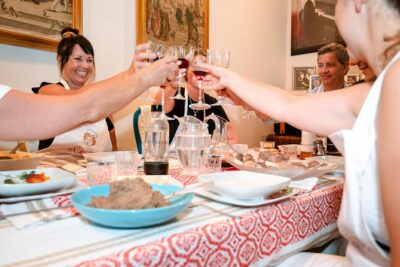
After you cook, you eat lunch together. The lunch includes Nasi Campur Tumping, plus dessert you helped prepare in the class.
This is one of those days where you should show up hungry, because you’ll spend a lot of the morning doing tasks that build momentum: herbs, jamu, spice prep, cooking stations, then tasting. People who rush in already full often miss the sense of accomplishment that comes from eating your own work in a relaxed setting.
Also, the class format encourages you to take breaks, laugh, and share stories with the family. That matters more than it sounds. Cooking can be stressful in other settings. Here, the environment is built to feel calm, even while you’re busy.
Balikaru Farm: Animals, Trigona Stingless Beehives, and Rice Planting
One of the best ways to judge a food experience is whether it respects where the ingredients come from. This one doesn’t stay at the cutting board.
You’ll visit Balikaru farm with animals and Trigona beehives. Trigona are stingless bees, and part of the experience includes learning about them and their honey. This is a small detail on paper, but it’s big for understanding local farming realities. It connects herbal traditions to living systems, not just supermarket ingredients.
You’ll also get time to give the farmer a helping hand for rice planting. And the day’s description also mentions the chance to feed a cow named Manis. I’d treat that as a possible highlight because it’s the kind of memorable “in the moment” farm interaction that makes the day feel human.
If you like farm-side learning and you don’t mind getting a little involved, this portion adds real value. If you prefer only cooking and nothing else, you might want to keep your expectations in check.
The Soft Downhill Trek for Mountain Views
Between the village and the farm rhythm, you’ll do a soft trekking segment, about 30 minutes downhill with mountain views. It’s not pitched as a hardcore hike, but it is movement on uneven ground.
I think this trek improves the class because it resets you. After cooking, you get breathing room, plus a change in scenery. But plan for shoes you’re comfortable walking in, and keep an eye on footing. This is a real setting, not manicured paths.
Belulang Hot Spring: Optional, But a Nice Way to Finish
If you want to extend the day, there’s an optional bath at Belulang Hot Spring. This gives you a natural “cool down” after time in the sun, plus a chance to feel refreshed before returning.
The tour doesn’t list what’s provided for bathing, so I’d keep it simple: bring a way to change clothes if you plan to swim or soak. Even a short hot-spring dip can make you want to freshen up.
Price and Value: Why $55 Adds Up Here
At $55 per person for about 4.5 hours, it can look like a bargain or a splurge depending on what you compare it to. Here’s why it feels fair.
You’re paying for:
- guided herb and spice garden tour
- an English-speaking guide (other languages can cost extra)
- Rindik instruction
- jamu production including fruit tasting
- chef-guided cooking in an open-air kitchen (more than one dish)
- lunch you cook plus dessert you cook
- farm visit including animals and Trigona beehives
- helping with rice planting
- a downhill trekking segment
- an optional hot spring add-on
- a farewell gift and a cooking class certificate plus a recipe book by email after the tour
That’s a lot included for one ticket, and the small group size helps you actually participate in the hands-on parts instead of just watching. Drinks, tips, and personal expenses aren’t included, so if you’re the type to buy extra beverages during activities, factor that in.
If you want to understand Bali beyond beaches and temples, this is one of the better ways to spend half a day.
Who This Bali Cooking and Jamu Class Fits Best
This is a great match if you:
- want hands-on cooking with real local methods (open-air kitchen, bamboo grill, clay-pot dessert)
- enjoy learning through taste, not just photos
- like village life and short farm learning (rice planting, animals, bees)
- want a small group experience where you can ask questions
You may want to think twice if you:
- hate walking on uneven terrain, even short downhill segments
- want a high-comfort, zero-participation cooking class
- prefer to avoid village environments and traditional dress expectations
Good news: the experience says it can accommodate vegetarian dietary needs. If you have other requirements, you’ll need to state them at booking time.
Should You Book This Spice Garden, Jamu & Cooking Class?
If you like food with context, book it. This class works because it connects herbs, herbal drinks, farming, and cooking in one coherent morning. You’ll come away with more than recipes: you’ll understand how spice and tradition show up in daily Balinese life.
My advice for getting the most out of it:
- come with an appetite and comfortable walking shoes
- plan to cover up appropriately for the village setting
- use the jamu and spice moments to ask questions, because that’s where the learning sticks
- if you’re curious about Belulang Hot Spring, keep the rest of your day flexible
FAQ
How long is the Spice Garden, Jamu & Cooking Class?
It runs about 4 hours 30 minutes.
Where is the meeting point, and does the tour return there?
You meet at BalikaruBelulang Bali in Mengesta (Tabanan region), and the activity ends back at the same meeting point.
What’s included in the $55 per person price?
The price includes a welcome drink, a guided herb and spice garden tour, an English-speaking guide, learning Rindik, jamu production (including jamu and fruit tasting), guided cooking at Paon Bali, lunch (nasi campur tumping) and dessert cooked by you, a Balikaru farm visit with animals and Trigona beehives, help with rice planting, a soft downhill trek, and visits to an authentic Balinese compound and (optional) Belulang Hot Spring bath. You also receive a farewell gift and a cooking class certificate plus a recipe book by email after the tour.
Can the class accommodate vegetarian diets?
Yes. It states it can accommodate dietary needs such as vegetarian, and you should indicate requirements at booking.
Is there a dress code for the village cooking experience?
Yes. Topless or beach clothing is an offense. Shirts, pants, and slippers are OK.
What happens if the weather is bad?
The experience requires good weather. If it’s canceled due to poor weather, you’ll be offered a different date or a full refund. You can also cancel for a full refund if you do so at least 24 hours before the start time.