REVIEW · SPLIT
Private Croatian Cooking Class and Klapa Singing Session
Book on Viator →Operated by Golden horizon · Bookable on Viator
A countryside meal with song in the air. This private experience in Split pairs a hands-on Soparnik cooking session at a rural household with an unforgettable klapa singing moment. I especially like how the hosts teach step-by-step, and how the music feels personal, not staged. One thing to consider: the price is per group (up to 2), and lunch plus any extra drinks aren’t included.
After pickup, you’re whisked out of town to peaceful surroundings, which makes the whole evening feel like you’re getting invited into real local life. I also like that it’s English-friendly throughout, with a professional driver and host at the household, so you can actually follow what’s happening instead of just watching.
In This Review
- Key highlights you will not want to miss
- From Split pickup to a rural household outside the city
- Your first sip and snack: homemade wine plus kroštule or fritters
- Cooking Soparnik: hands-on steps, not a show
- Tasting and learning from the household rhythm
- Klapa singing session: why a cappella hits differently in the countryside
- Price and value: what you’re paying for (and what you’re not)
- Logistics that matter: timing, group size, and comfort
- Who this tour suits best (and who might want a different option)
- Should you book the private Croatian cooking class and klapa in Split?
- FAQ
- How long is the private Croatian cooking class and klapa singing session?
- Is this tour private?
- What’s included in the price?
- Is lunch included?
- What language is the experience offered in?
- Is pickup available from my accommodation in Split?
- What should I expect during the cooking class?
- What is the klapa singing session like?
- Is there a group size limit?
- What is the cancellation policy?
Key highlights you will not want to miss
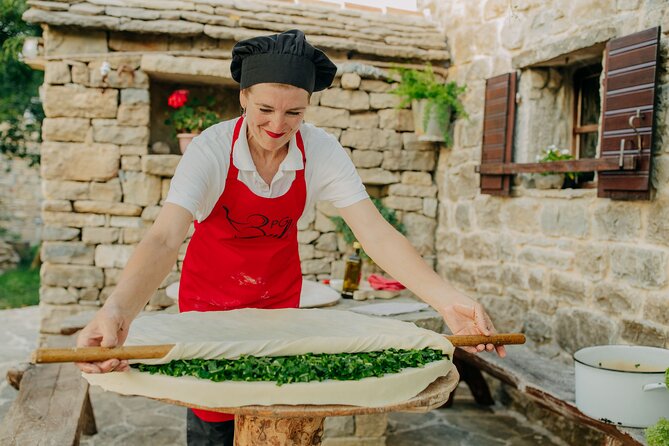
- Soparnik preparation participation: you don’t just taste, you help make it and learn the process.
- Homemade wine and simple bites included: a glass of homemade red or white plus kroštule or fritters to start.
- A cappella klapa singing session: expect close harmonies that fit the countryside setting.
- Pickup and drop-off included: you avoid the stress of figuring out transport outside Split.
- Private group of up to 2: the timing and attention feel built around your group, not a crowd.
From Split pickup to a rural household outside the city
This tour starts with a straightforward plan: pickup from your accommodation in Split, then a transfer to a rural household for the cooking and music. The ride is in a spacious van, and you’ll have a professional English-speaking driver who meets you at your chosen location. You just need to contact them to agree on the pickup time and exact pickup spot, and they’ll share the driver’s name with you.
Why I like this part: it protects your energy. Split is lively, but the moment you leave the city, the tone changes. The experience is designed around a peaceful setting, and you can feel the difference before the first lesson even starts.
Also, because it’s private, you’re not trying to herd a group or wait on multiple hotel shuttles. For many couples, that’s the hidden value: you can arrive calmly, get settled, and enjoy the afternoon instead of rushing through it.
You can also read our reviews of more tours and experiences in Split.
Your first sip and snack: homemade wine plus kroštule or fritters
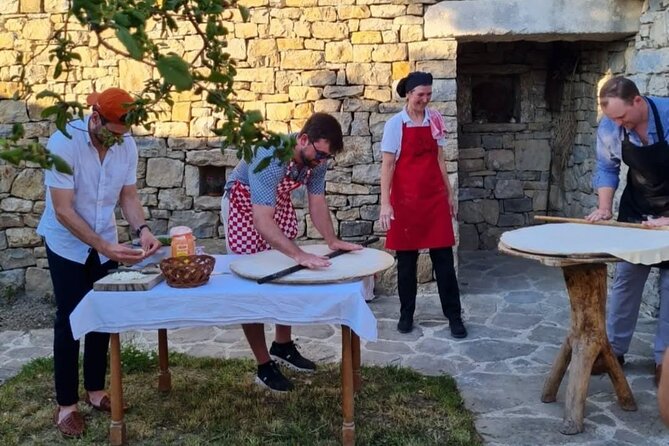
Before the cooking action really ramps up, you get a glass of homemade red or white wine, along with kroštule or fritters. This is not an afterthought; it’s a “welcome” that sets the rhythm for the household meal-style atmosphere.
You also get what amounts to an on-the-spot primer on winemaking tradition. The experience includes insights into local winemaking heritage, using traditional methods and indigenous grape varieties. Even if you’re not a wine expert, that context makes your glass more interesting, because you’re tasting something with a story, not just something poured because it’s on the menu.
Practical note: since wine is included (one glass) and it’s a 3-hour experience, pace yourself. If you’re the type who wants to explore after, plan to keep things relaxed so you still have energy for the rest of your day or evening in Split.
Cooking Soparnik: hands-on steps, not a show
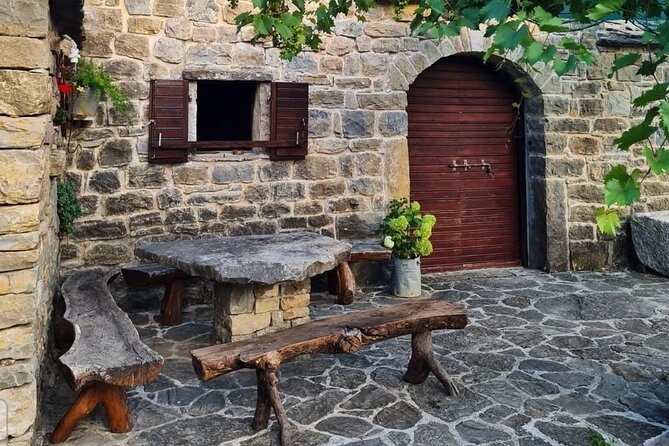
The core of the class is the Soparnik preparation. You’ll taste along the way, and you’ll also participate in making it alongside a skilled local cook. Based on how the lesson is described, it’s very hands-on—hands-on dough work, then baking the traditional way.
What I find especially valuable here is that you’re learning a process, not just collecting photos. The class structure is built for real participation, so you can take the skills home in your head: how the dough comes together, how the steps flow, and what to expect from the traditional cooking approach.
Another plus: the cooking uses fresh, seasonal ingredients sourced from the rural household. That matters because it changes the feel of the meal. Instead of “tour-food” flavors, the lesson is tied to what’s available and grown locally. You’re tasting the region through ingredients and technique, which is exactly why this kind of class can feel more authentic than the cookie-cutter versions.
Tasting and learning from the household rhythm
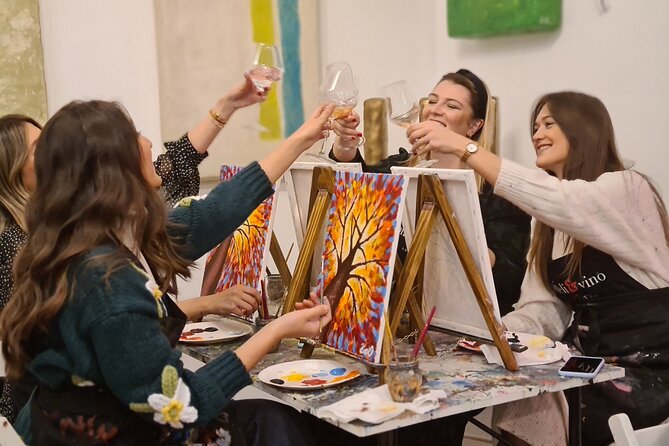
You’re not just cooking; you’re tasting too. The included tasting and the participation portion work together, so you don’t end up with that awkward moment where you’ve made something but nobody explains what you’re actually doing.
This is also where the rural setting helps. When you’re in a calm household environment, you can pay attention to instructions and details. Conversations land better, and you’re more likely to ask questions about the steps, the ingredients, and the tradition behind it.
A detail worth noting from the experience’s tone: the hosts are described as warm and welcoming, with local stories that make the session feel personal. One named host that comes up is Marijana—people remember her for making the class feel fun and friendly while still keeping things structured.
Even with a private group, it never feels stiff. It’s more like you’re learning a recipe the way locals would teach it: with patience, laughs, and practical guidance.
Klapa singing session: why a cappella hits differently in the countryside
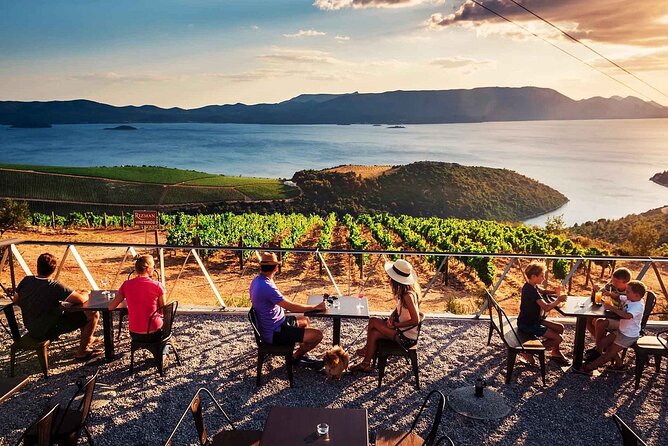
After the cooking, you shift gears to klapa singing. This is the moment many people say steals the show. And it makes sense: klapa is traditionally close and vocal-driven, and in a rural household setting, those harmonies carry in a way that feels intimate.
You’ll hear a cappella melodies delivered by talented vocalists. The experience is designed so the harmonies echo the region’s musical heritage, and the sound feels connected to the space you’re sitting in—not like a performance in a formal venue.
If you like music that feels human—breath, balance, and timing—this is your kind of stop. And if you’ve ever wondered what people mean when they say cultural traditions feel “alive,” klapa is a good answer. You’re not just hearing notes. You’re hearing how communities keep a style going through people, not through technology.
Tip: bring a little quiet focus for this part. It’s easy to chat and snack your way through a show, but klapa is best when you actually listen.
Price and value: what you’re paying for (and what you’re not)
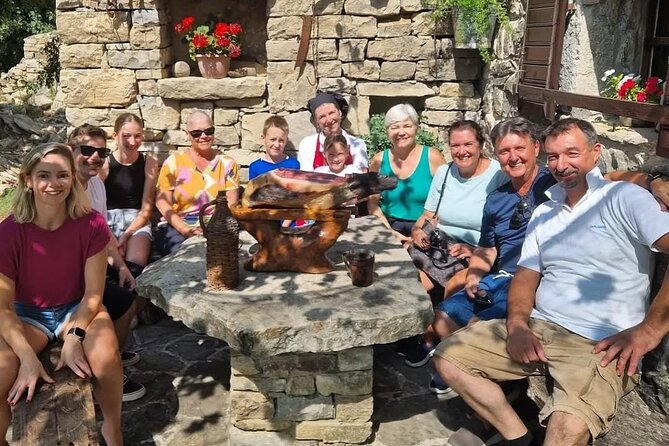
At $680.50 per group (up to 2), this isn’t a cheap activity. But it’s also not priced like a generic cooking demo.
Here’s the value math you’re really buying:
- Private pickup and drop-off from your accommodation
- Transfer to the rural household and back
- A professional English-speaking driver and host
- Included wine plus kroštule or fritters
- Tasting and participation in cooking Soparnik
- Klapa singing
So yes, you’re paying for convenience, language support, and access to a household setting plus music. For couples or two friends, the per-group structure can feel reasonable because the included transportation and private attention would cost extra if you booked them separately.
What’s not included is also clear: lunch and drinks of your own choice from the menu. That means you should plan either to eat elsewhere before or after, depending on your schedule. If you’re someone who wants a long sit-down meal with lots of drinks during the activity, you may end up topping up costs after.
Logistics that matter: timing, group size, and comfort
Duration is about 3 hours. That’s a sweet spot for a class-and-music format: long enough to cook, taste, and listen, but not so long that it eats your whole day.
Because it’s a private tour for your group only, expect a calmer pace and more direct interaction with the host and cook. It’s offered in English, and the driver and host are both described as professional, which helps if you want to ask questions without slowing everything down.
The experience also notes a mobile ticket and confirmation at booking. You’ll also be near public transportation, though the point here is that pickup is offered, so you’ll likely use the included transport unless your plans demand otherwise.
Who this tour suits best (and who might want a different option)
This experience is a strong fit if you want:
- A hands-on cooking moment, not just watching
- Local music with real cultural texture (klapa in an intimate setting)
- A private format that doesn’t require group coordination
- English support so you can follow what’s happening
It may feel less ideal if:
- You’re traveling solo and prefer to split the cost with other people (since it’s up to 2 per group)
- You expect lunch to be included as part of the 3 hours
- You’re not interested in cooking participation or want a more purely sightseeing-based day
Should you book the private Croatian cooking class and klapa in Split?
I’d book it if you’re craving a day that mixes food, music, and personal teaching in a quiet rural setting. The combo is the real draw: Soparnik learning gives you a skill and a flavor story, and klapa gives you an emotional cultural moment that feels bigger than the time on the clock.
If you can swing the price, especially as a couple, this is the kind of experience you’ll remember for the way it felt—friendly, relaxed, and genuinely connected to local tradition. Just plan for your lunch and extra drinks separately, and you’ll be set.
FAQ
How long is the private Croatian cooking class and klapa singing session?
It lasts about 3 hours.
Is this tour private?
Yes. It’s private, and only your group will participate.
What’s included in the price?
Pickup and drop-off at your accommodation, transfer to and from the rural household, a professional English-speaking driver and host, a glass of homemade red or white wine plus kroštule or fritters, tasting and participation in preparing soparnik, and the klapa singing session.
Is lunch included?
No. Lunch and drinks of your own choice from the menu are not included.
What language is the experience offered in?
The tour is offered in English.
Is pickup available from my accommodation in Split?
Yes. Personalized pickup and drop-off at your accommodation are included. You’ll need to contact the provider to agree on pickup location and time.
What should I expect during the cooking class?
You’ll taste and participate in the preparation of soparnik, learning the process step by step, including making the dough and baking it in the traditional way.
What is the klapa singing session like?
It’s an a cappella klapa singing session with talented vocalists delivering harmonies tied to the region’s musical heritage.
Is there a group size limit?
The tour price is per group up to 2 people.
What is the cancellation policy?
Free cancellation is available up to 24 hours in advance of the experience start time for a full refund.