REVIEW · HANOI
Private Vietnamese Cooking Class in Hanoi with a Local
Book on Viator →Operated by Traveling Spoon · Bookable on Viator
Cooking in Hanoi at a local table feels personal. This 3-hour private Vietnamese cooking class turns a meal into a lesson, with Maia (or a trusted team host) guiding you through cooking and then sitting down to eat. I like that you make 2–3 seasonal dishes from scratch, not just watch. I also like the warm, family-style feel you get after the prep, when you share lunch or dinner and keep the conversation going. A key consideration: while it’s private, the lesson happens in the host’s restaurant, so you may see other people in the space.
You’ll meet your host in Hanoi, get hands-on instruction for about 1.5–2 hours, and then enjoy the food together. Vegetarian options are available if you plan ahead, and the whole experience runs near public transport. One more thing to think about: this is non-refundable and can’t be changed, so book when your schedule is solid.
In This Review
- Key takeaways before you cook in Hanoi
- Why this Hanoi cooking class feels more personal than most
- Meeting your host in Hanoi: where the day starts
- The hands-on lesson: cooking 2 (and sometimes more) dishes from scratch
- What you’ll cook: seasonal, approachable, and meant to eat
- The market-to-cooking flow: why it makes the class stick
- Lunch or dinner together: appetizers, mains, and dessert
- Private by design, but understand the space setup
- Vegetarian needs and allergies: make it part of booking
- Price and value: is $74 worth 3 hours in Hanoi?
- Practical tips to get more out of the class
- Who this cooking class suits best (and who should reconsider)
- FAQ
- FAQ
- How long is the private Vietnamese cooking class in Hanoi?
- Is this experience private or will I cook with other groups?
- Where does the cooking lesson take place?
- What will I cook?
- Is lunch or dinner included?
- Can I request a vegetarian option?
- What if Maia is not available?
- Should you book this Hanoi cooking lesson?
Key takeaways before you cook in Hanoi
- Private group with hands-on time: You’re not blending into a crowd; your group gets the attention.
- You cook real dishes from scratch: Focus is on 2 dishes (often plus an extra seasonal element), not a rushed demo.
- Northern Vietnam home-style, explained clearly: Expect practical cooking guidance you can repeat later.
- Market-to-meal energy: Some hosts may take you to a local market before cooking.
- Lunch or dinner included: Appetizers, main dishes, and desserts are part of the experience.
- Maia or a trusted team member hosts: If Maia isn’t available, another verified host steps in.
Why this Hanoi cooking class feels more personal than most
Hanoi cooking classes can range from fun-but-generic to genuinely useful. This one lands in the useful category because you’re cooking with your host, not standing back with a camera. You get a clear plan: meet your host, prepare the dishes together, then eat what you made (plus a few dishes the host handles in advance so you can actually enjoy the meal).
I also like the emotional side of it. Northern Vietnamese cooking often feels like food that’s meant to be shared, and that shows in the pace. You’ll spend time chatting with your host while the day moves from prep to plates. In a place like Hanoi, that kind of conversation is often where the cultural context comes from—little details about ingredients, family habits, and why certain dishes work.
There’s one practical twist to know upfront. Even though you meet your host connected to her home, the hands-on lesson takes place in the host’s restaurant. That means the space may have other people around, but your cooking session stays private and your host keeps the focus on your group.
You can also read our reviews of more tours and experiences in Hanoi.
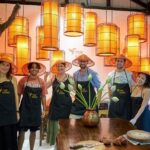
Meeting your host in Hanoi: where the day starts
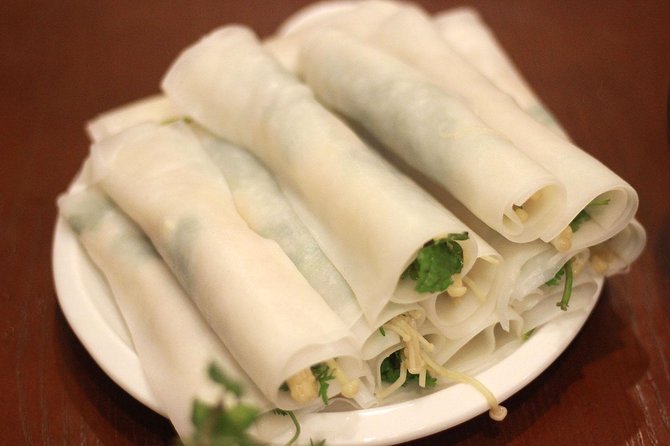
The experience starts in Hanoi and finishes back at the meeting point, with the session lasting about 3 hours total. You’ll get confirmation within 48 hours of booking (as long as the date is available). The meeting is near public transportation, so you’re not stuck with long taxi runs just to begin.
What really makes the start feel local is how hosts handle that first connection. One host approach you should expect: meeting you at the exact spot, then moving to ingredients—sometimes by hopping in a cab to reach a market. This matters because it sets the tone for the cooking lesson. Instead of random pantry items, you’re oriented to what people actually use in the city.
If you’re in the center of Hanoi, it also means it’s easy to fit into your broader day plan. You can do this before dinner plans elsewhere or after you’ve already spent time walking around. And because the session ends back where you started, it’s simpler to keep your schedule tidy.
The hands-on lesson: cooking 2 (and sometimes more) dishes from scratch
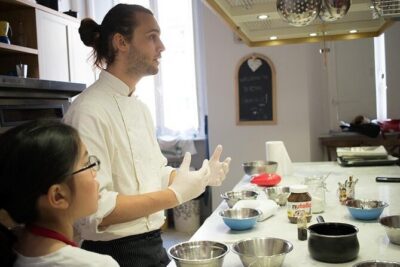
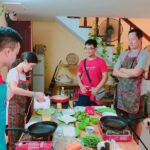
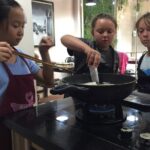
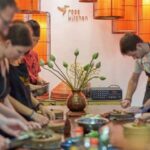
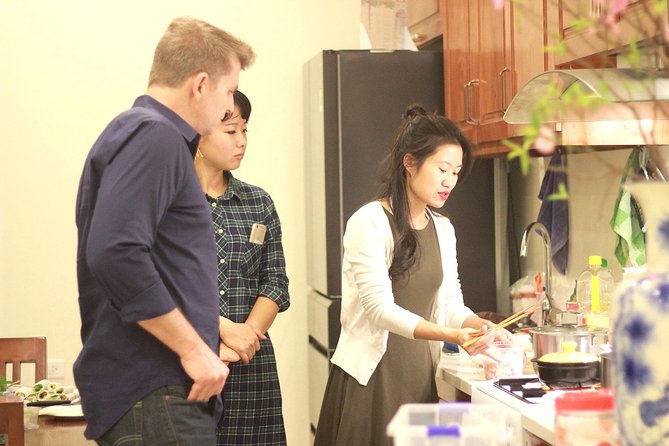
Your hands-on cooking time is the heart of the experience—about 1.5–2 hours. During this window, your host teaches you how to prepare 2 authentic Vietnamese dishes from scratch. You’ll also get guidance that goes beyond the steps, like how to think about texture, seasoning, and timing so the dish tastes right when you cook it again later.
This is where the class earns its value. Watching someone cook is fun. Cooking with them is different. You get to ask, correct, and learn what works in a real kitchen rhythm. And since the lesson is private, you’re not competing with a dozen questions from strangers.
Also, the class is designed to work for different comfort levels. If you’re a confident cook, you can lean into technique. If you’re new, you’ll still get enough structure to follow along and end up with food you’d actually want to serve again. One of the strongest takeaways from past participants is that the recipes are easy to replicate at home, which usually means the lesson focuses on repeatable steps rather than “trust me” cooking.
A subtle benefit: you’re learning home-cooked Northern Vietnamese style. That’s helpful if your Hanoi goal is to go beyond the usual tourist food loop. You’ll come away with a cooking framework you can use for other dishes too—how to build flavor, how balance works, and what ingredients matter most.
What you’ll cook: seasonal, approachable, and meant to eat
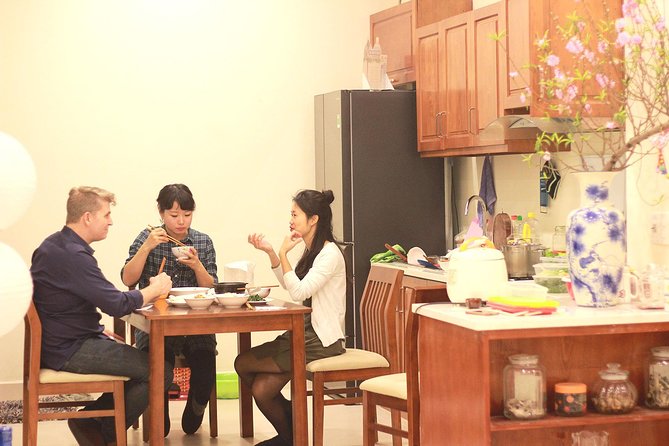
The class focuses on fresh seasonal dishes. That’s not just a nice marketing line. It changes the cooking because seasonal produce affects the way flavors come together, especially in Vietnamese dishes where freshness and balance matter.
You can expect your host to guide you through at least two dishes that feel authentic and practical. The exact dishes aren’t listed in the details you provided, so I can’t promise which ones you’ll make on your date. But you can plan on dishes that are recognizable as Vietnamese home cooking, with enough structure that you can learn the process.
One more smart detail: not everything has to be made from scratch by you. Your host will prepare a few dishes in advance, then you and your group cook the featured ones together. That keeps the meal from turning into a full-time cooking marathon and lets you spend the rest of the session eating and talking.
The market-to-cooking flow: why it makes the class stick
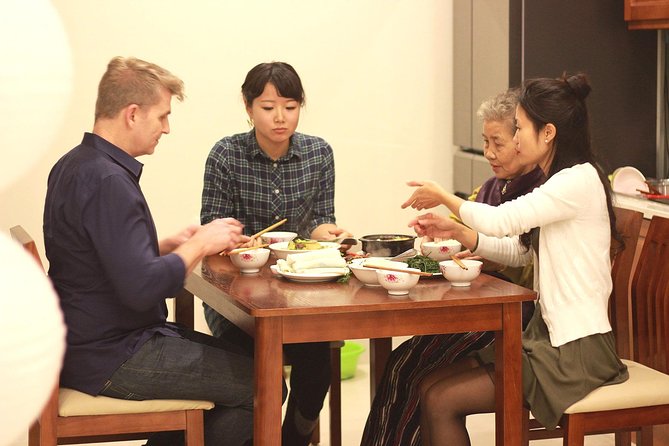
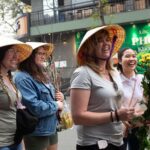
Even when the core lesson is in the kitchen, the day often starts with a market connection. Maia, for example, has been described as meeting people exactly where she specifies and then getting into a cab to reach the market. You may see a similar flow depending on your host and timing.
Why does this matter? Because market context helps the cooking lesson “click.” You’re reminded that ingredients aren’t interchangeable. You learn what to look for, what quality signals matter, and how those ingredients affect final taste. When people later say they can replicate the food at home, they’re usually remembering those early ingredient cues.
If you prefer a strictly kitchen-only experience, this may feel like extra time. But in my view, it’s part of what makes the class feel local instead of staged.

Lunch or dinner together: appetizers, mains, and dessert
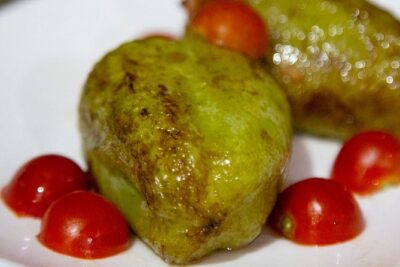
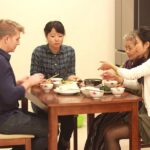
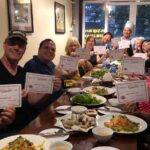
After the cooking session, you’ll sit down for lunch or dinner, depending on the class timing. The meal isn’t an afterthought. It includes a selection of appetizers, main courses, and desserts.
This format is a big part of the appeal because you get to experience the full range of flavors that Vietnamese meals include. Appetizers help you read the dish style—crisp, sour, herbs, and simple seasoning cues. Mains show you how the stronger flavors hold up when served together. And desserts give you a final reset that often feels light rather than heavy.
You’ll also benefit from the “host prepared some dishes in advance” setup. That means the meal is timed so you can relax. In a good cooking class, the best part isn’t washing hands. It’s eating.
And the conversation matters too. One described highlight is learning about local culture with the whole family involved. Even if your setup doesn’t include the entire family in the room, the hospitality style is part of the experience: a calm, friendly pace where questions are welcome.
Private by design, but understand the space setup
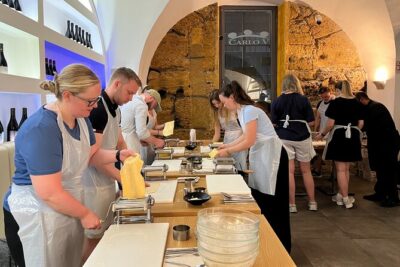
You’re booking a private tour/activity, meaning only your group participates in the cooking session. That’s a real advantage if you want direct answers while you’re actively cooking.
One detail to keep in your mental checklist: the lesson happens in the host’s restaurant, not a private house kitchen. The experience remains private for your group, but there may be other people in the room. If you’re the type who hates any kind of restaurant buzz, plan for that.
Also, if Maia isn’t available, the class is hosted by an equally trusted team member. That’s important because it keeps the experience consistent. You shouldn’t expect a total change in teaching style, even if the personality is different.
Vegetarian needs and allergies: make it part of booking
A vegetarian option is available, and you’ll want to request it at booking. If anyone in your party has allergies or other dietary restrictions, you should advise at booking as well.
This isn’t just a courtesy detail. Vietnamese dishes often use fish sauce, shrimp paste, or similar ingredients. Giving the host a clear heads-up before the class helps ensure you’re not stuck with substitutions that don’t match the dish style.
If you eat vegetarian, this class is still a good fit because the meal includes multiple courses. Ask ahead so your vegetarian menu covers appetizers, mains, and dessert in a way that feels complete rather than last-minute.
Price and value: is $74 worth 3 hours in Hanoi?
At $74 per person for about 3 hours, this isn’t the cheapest way to eat in Hanoi. But it can be excellent value if you look at what’s included:
- A private cooking session with instruction
- About 1.5–2 hours of hands-on teaching time
- Food included: appetizers, mains, and desserts
- A structured meal moment right after cooking
- Local host guidance that tends to focus on what you can repeat at home
In other words, you’re paying for both the meal and the “how to cook it” piece. If you love food and want a skill you can use after your trip, this kind of class often feels more satisfying than spending the same money on one upscale dinner where you just eat.
If your goal is only to eat, not learn, then you may compare alternatives. But if you want to leave Hanoi with recipes you can reproduce, the math usually improves.
Practical tips to get more out of the class
A few choices will help you enjoy the session more and keep it stress-free:
- Wear comfortable clothes you don’t mind getting splashed with cooking smells or minor mess. This is a working kitchen environment.
- If you’re going with dietary restrictions, send them clearly at booking. Don’t wait until you arrive.
- Have a mindset of learning. The best results come when you ask quick questions while cooking, not when the meal is already on the table.
- If your host goes to a market first, keep your schedule flexible. You’ll enjoy it more if you’re not rushing off to the next stop right after.
The class is also near public transportation, so you’re not forced into expensive rides just to start. Still, expect some movement around the area, depending on how your host handles the market and timing.
Who this cooking class suits best (and who should reconsider)
This fits well if you:
- Want a real hands-on cooking lesson, not a watch-only demo
- Care about learning Vietnamese dishes you can actually make at home
- Like private, conversation-friendly activities
- Prefer northern Vietnamese home-style cooking over only street-food classics
It may be less ideal if you:
- Strongly dislike any chance of other people in the same restaurant space
- Need a very strictly silent activity
- Are booking too close to a date where plans might change, because the experience is non-refundable and not changeable once booked
If you’re traveling with friends or as a solo cook who likes interaction, the private format is a major win. If you’re a big family, it can also work well because the meal format includes multiple courses and the host’s hospitality tends to feel welcoming.
FAQ
FAQ
How long is the private Vietnamese cooking class in Hanoi?
The experience runs for about 3 hours total, with hands-on cooking lasting roughly 1.5 to 2 hours.
Is this experience private or will I cook with other groups?
It’s private. Only your group will participate in the cooking session, even though the class takes place in the host’s restaurant.
Where does the cooking lesson take place?
You meet your host in Hanoi, and the hands-on cooking lesson happens in the host’s restaurant.
What will I cook?
You’ll learn to prepare 2 authentic Vietnamese dishes from scratch, with the host guiding you during the lesson. After that, you’ll also enjoy additional dishes that the host has prepared in advance.
Is lunch or dinner included?
Yes. After the lesson, you’ll have lunch or dinner along with a selection of appetizers, main courses, and desserts.
Can I request a vegetarian option?
Yes. A vegetarian option is available if you advise at the time of booking. Let the host know about any allergies or dietary restrictions when booking too.
What if Maia is not available?
If Maia isn’t available, an equally trusted team member will host the experience on her behalf.
Should you book this Hanoi cooking lesson?
If you want a Hanoi food experience that feels like a real home meal and gives you skills you can repeat later, I’d book this. The best part is the mix: hands-on cooking for 2 dishes, then a full shared meal with appetizers, mains, and desserts. It’s also strong value for a private class at $74 when you factor in the food and instruction time.
If your schedule is uncertain, take the non-refundable rule seriously before you book. And if you dislike any chance of other people in the restaurant space, remember the lesson is held in a restaurant even though it stays private for your group.
Overall, this is the kind of class that makes your Hanoi trip taste longer than a single dinner.