REVIEW · NAIROBI
Local Market Tour and Traditional Meal Cooking Class
Book on GetYourGuide →Operated by Nai Local Experience Tours & Safari · Bookable on GetYourGuide
Market smells and stove smoke in Nairobi. This local day pairs a fresh African market stroll with a hands-on Kenyan cooking class, so you see everyday food life, not just sights.
I especially like how the group stays small (up to 6), which makes it easier to chat with the guide and get real answers about spices and meal habits. Guides such as Gladys and Ninoh are described as professional and focused on doing it safely, from shopping to serving the meal.
One possible drawback: the cooking setup is in an apartment with stairs only, so you’ll want to factor in mobility limits even though wheelchair access is listed.
In This Review
- Key things that make this tour work
- Westlands Square meet-up: getting started without stress
- The short ride to the market: matatu vibes, if you want them
- Shopping at a real African fresh market: what you’ll actually learn
- Head to the home kitchen: the view, the stairs, and the vibe
- The cooking class: you help, you get messy, you learn
- Move like a local (matatu): when it’s worth it
- Eating the meal together: tasting Kenya the way locals do
- Price and value: is $64 fair for 3 hours?
- Who should book this (and who should skip it)
- Practical details that help your day go smoothly
- Should you book this Nairobi local market tour and cooking class?
- FAQ
- Where do I meet for the Nairobi local market tour and cooking class?
- What time does the experience start?
- How long is the experience?
- What is included in the $64 per person price?
- Is hotel pickup or drop-off included?
- Are dietary needs accommodated?
- What should I bring?
- Is the tour wheelchair accessible?
- Who is the tour not suitable for?
- Are there rules for dress and what’s not allowed?
Key things that make this tour work
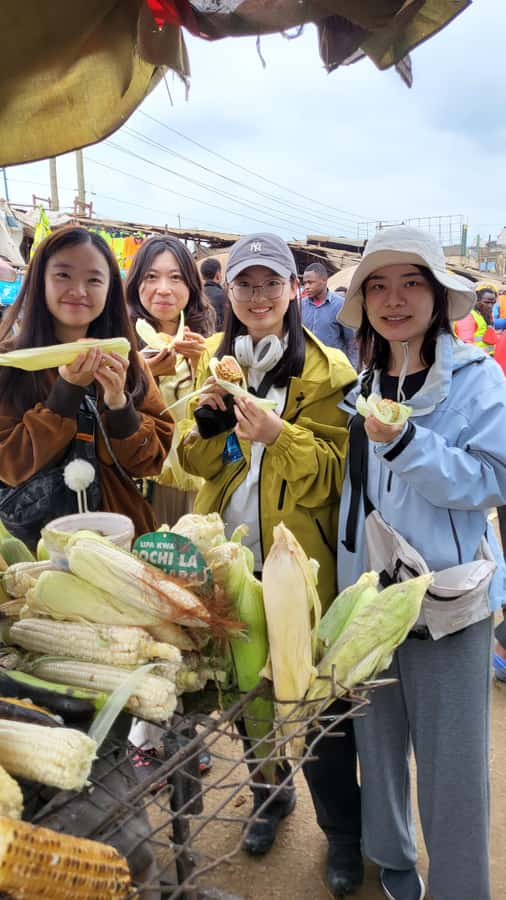
- African fresh market shopping with a guide who explains what you’re seeing and why
- Matatu ride option if you want that public-transport taste of Nairobi
- A true hands-on cooking class where you help, not just watch
- Meals for many diets, including vegan, vegetarian, and pescatarian-friendly choices
- Small group attention (max 6), which keeps the experience relaxed and practical
Westlands Square meet-up: getting started without stress
This experience kicks off at Westlands Square, right by the cafe called Java. The plan is simple: meet the guide at the entrance, then you’re on your way.
You’ll choose between two start times, 11:30am or 5pm, and the total experience is listed at 3 hours. That short window is part of the value: it’s enough time to shop, cook, and eat, without eating up your whole day.
What I’d do to make this easy: wear closed, comfortable shoes and keep your outfit modest. The tour asks for trousers or a long skirt, and no crop tops or shorts. If you’re coming during rainy season, bring an umbrella or rain coat—Nairobi weather can change fast.
You can also read our reviews of more tours and experiences in Nairobi.


The short ride to the market: matatu vibes, if you want them
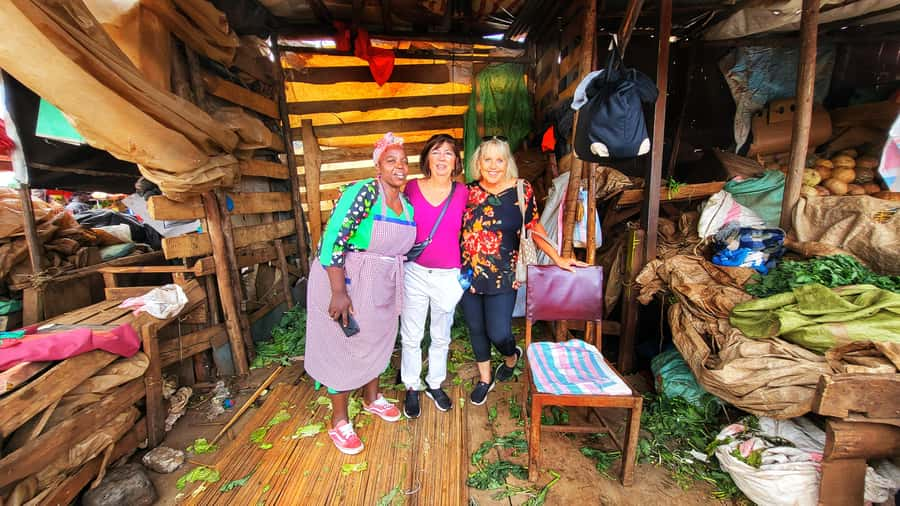
Early on, you’ll travel from Westlands Square toward the market area. The transfer is listed as about 10 minutes, and the day includes the option to “ride like a local” on a matatu (public transport).
This is one of those parts that can make or break the experience for some people. If you’re comfortable with everyday local movement—lively driving, crowding, and fast decisions—you’ll likely enjoy the matatu piece because it’s real Nairobi, not a staged photo stop. If you’d rather keep things calm, treat the matatu as optional and focus on the market and cooking.
Shopping at a real African fresh market: what you’ll actually learn
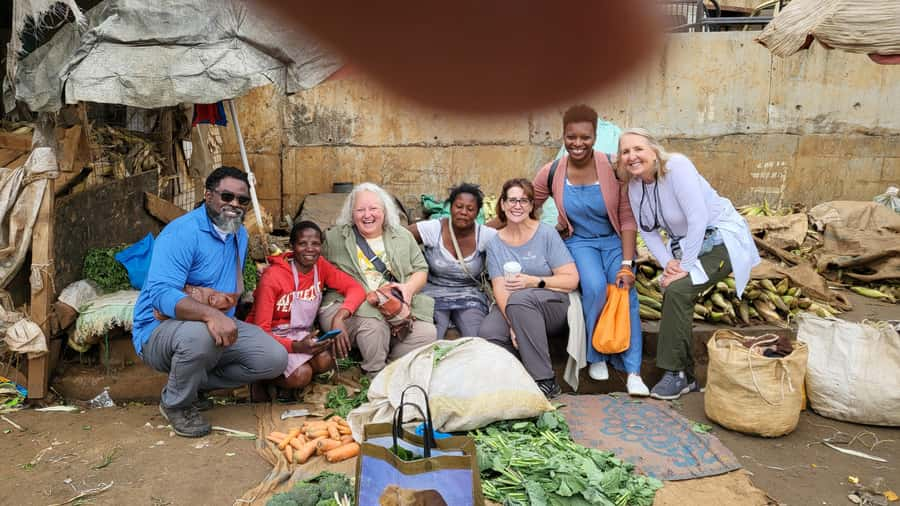
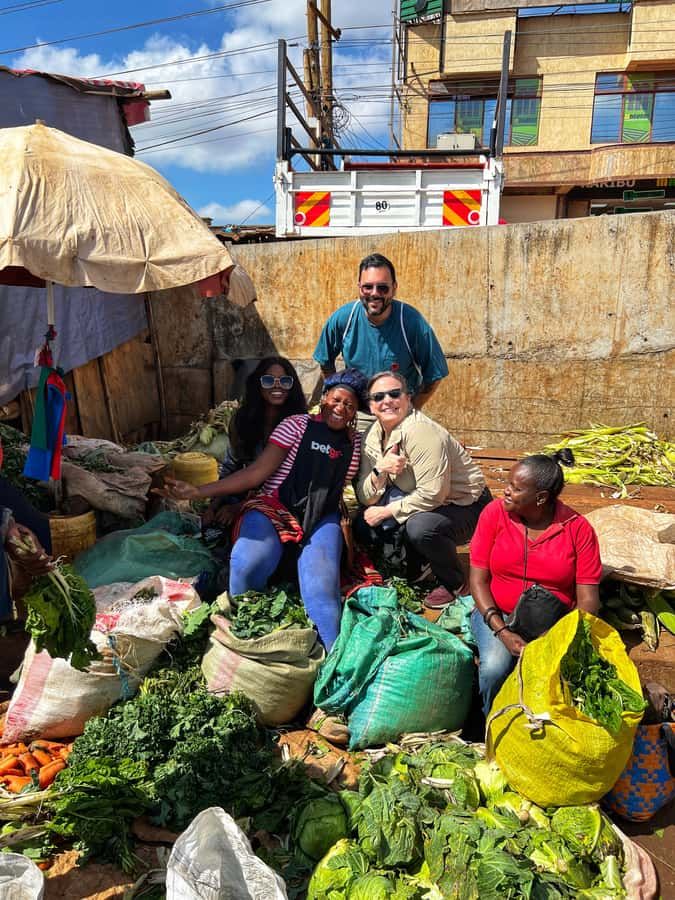
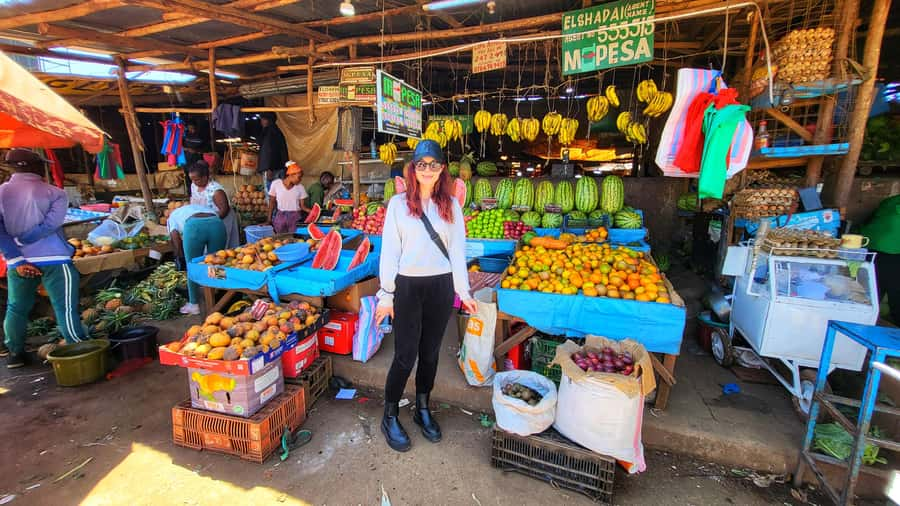
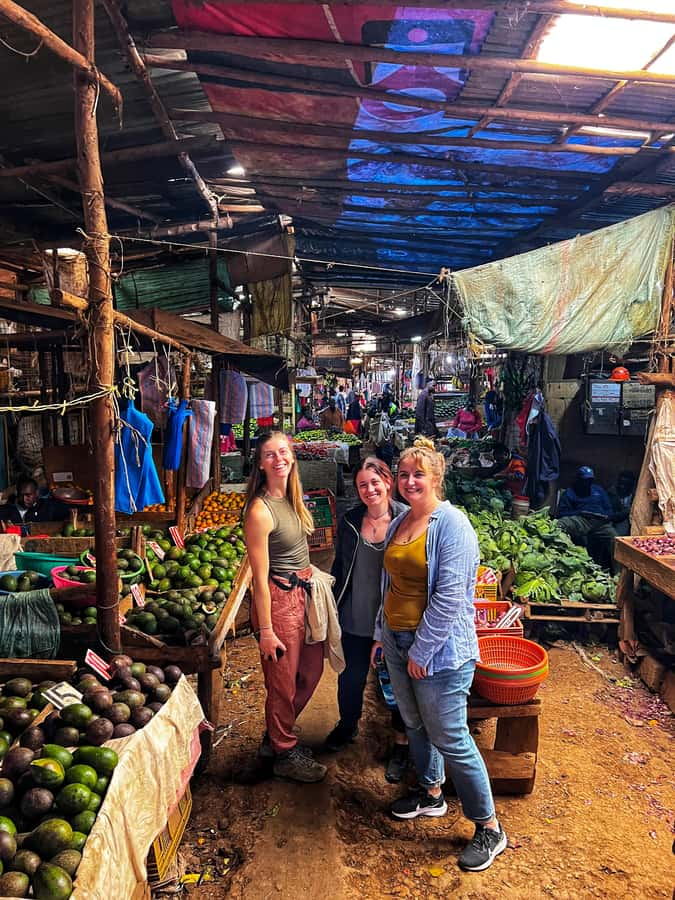
The heart of this tour is the local farmers market visit and grocery shopping. You’ll stroll through an authentic market, guided step-by-step, and you’ll pick up the kinds of ingredients that show up in everyday Kenyan cooking.
I like this approach because the shopping isn’t just errands. It’s the context for everything you’ll cook later. When you see produce and pantry items in the same place locals buy them, you start to understand how meal planning works there—what’s available, what looks fresh, and how ingredients shape the flavor.
The market part also gives you a chance to observe daily Kenyan life in a low-pressure way. You’re not trying to “solve” a new culture; you’re learning how people shop, talk, and decide what goes into dinner.
Practical tip: since the day includes grocery shopping, you should confirm what’s covered in the $64 price and whether any items you personally want beyond the class ingredients come with extra cost. The experience description says fresh and organic local ingredients are used, but it doesn’t spell out personal shopping add-ons.
Head to the home kitchen: the view, the stairs, and the vibe
After the market, you’ll go to the guide’s home, described as about 10 minutes away (traffic can change timing). This is where the tour shifts from public to private, and that’s a good thing.
You’ll arrive at an apartment with a nice view, and there’s WiFi plus a clean washroom available. The setup is also practical for a class: this is not a demonstration kitchen. It’s a home kitchen meant for cooking together.
Now the important consideration: it’s 4th floor, with no lifts, only stairs. That matters for anyone with mobility challenges, even though wheelchair accessibility is listed for the tour overall. If stairs are a deal-breaker for you, I’d message the operator before booking so you don’t get surprised when you arrive.
The cooking class: you help, you get messy, you learn
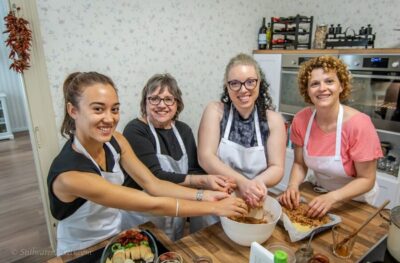
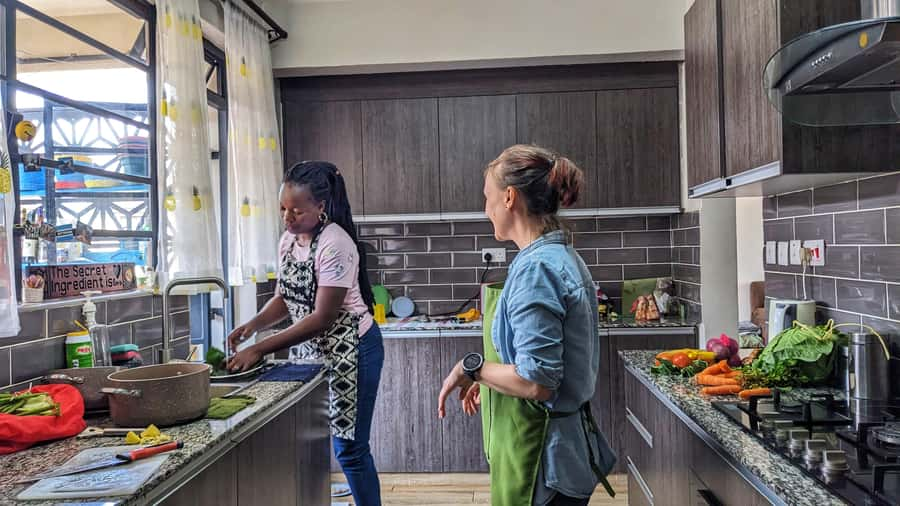
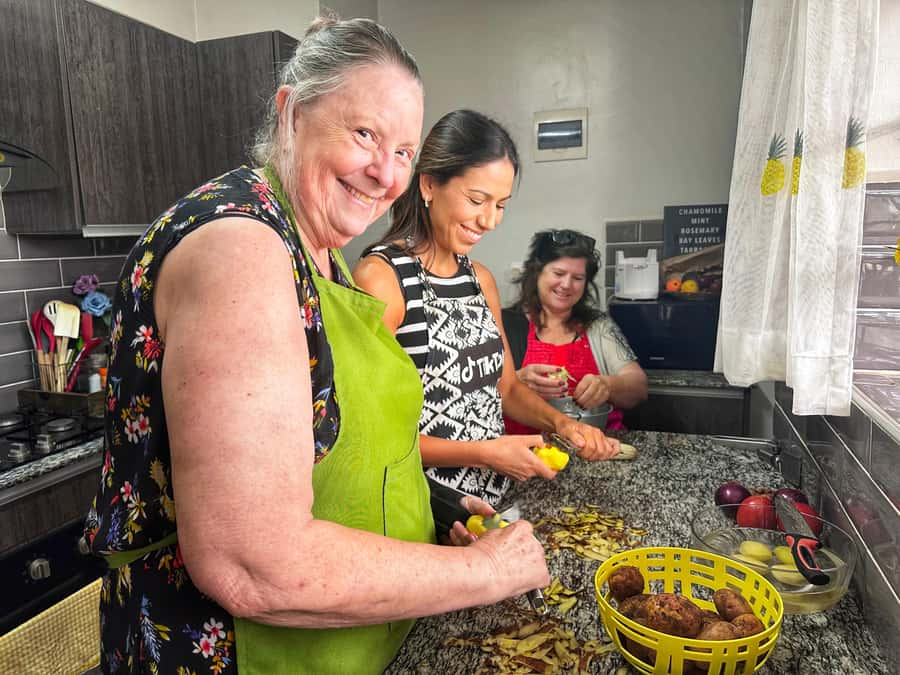
Once you’re settled, you start the cooking experience. The guide leads you through making a Kenyan traditional and national meal, and the class is hands-on, not passive.
What’s especially useful is the focus on fresh and organic local ingredients. You’ll taste the difference when flavors are built from real produce and pantry staples rather than packaged shortcuts. And when you’re actively chopping, mixing, or assembling, you remember the method—not just the final dish.
The tour also states that meals fit all diets: pescatarian, vegan, vegetarian, and meat eaters. That’s a rare promise for market-to-meal experiences, because ingredient flexibility can be a problem. Here, the structure is designed to include multiple dietary styles within the same day’s cooking.
In past sessions led by guides such as Gladys, the cooking and presentation have been described as professional, with a strong sense of security and clear handling from prep to serving. It’s the kind of organization that helps if you’re nervous about cooking with unfamiliar spices.
Move like a local (matatu): when it’s worth it
That optional matatu ride is more than a novelty. It’s the chance to feel how people actually travel in Nairobi, and it helps you connect the market visit to the city’s rhythm.
Here’s how I’d decide:
- If you’re okay with crowding and quick interactions, the matatu adds atmosphere and makes the day feel more complete.
- If you’re the type who prefers predictable pacing, you may find the market-to-home transition more comfortable without it.
Either way, the key parts stay the market shopping and the meal-making. That’s where the learning is.
Eating the meal together: tasting Kenya the way locals do
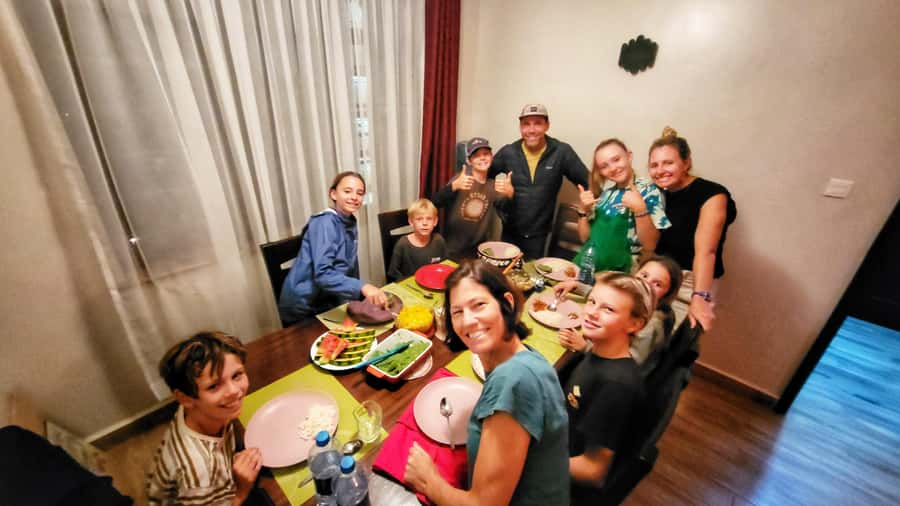
At the end, you’ll sit down to eat and sample Kenyan traditional meals. This is where the day clicks. Cooking gives you the process, and the meal gives you the payoff—flavor, texture, and how everything works together on a plate.
One of the smartest things about this kind of experience is that it turns food into a conversation. When you’re sharing what you cooked, it’s natural to ask about ingredient choices, cooking habits, and what’s considered normal at home. Guides like Ninoh have been praised for making the class warm and authentic, with real talk alongside real cooking.
Also, you’re not stuck eating a single “tourist dish.” The description makes it clear that the experience centers on traditional Kenyan meals, and the dietary flexibility means you can still participate fully without feeling left out.
Price and value: is $64 fair for 3 hours?
At $64 per person for about 3 hours, this isn’t a cheap souvenir activity. But it also isn’t just “watch someone cook.”
You’re paying for a full package:
- A guided market tour with grocery shopping
- Transport included as part of the day (from the meeting point toward the market and then home)
- A hands-on cooking class
- Meal sampling at the end
- A small group format (max 6), which usually means more direct attention
For Nairobi, this kind of format is often where the value shows up: the market visit and the cooking prep take time and local know-how. If you’re the type of traveler who likes to learn by doing, $64 can feel like a fair trade for a practical skill set (and a meal you actually get to eat).
Just double-check the one thing that can change value: whether your market shopping is limited to the ingredients used for class, or whether you might be expected to buy extra items. The description says you’ll do grocery shopping, but it doesn’t break down any additional purchases.
Who should book this (and who should skip it)
This is a strong match for:
- You want Kenyan culture through food, not just food photos
- You like small groups and hands-on classes
- You have dietary needs and still want an authentic experience that includes you
- You’re curious about Nairobi’s local daily flow, including public transport (if you opt in)
You might want to skip or ask extra questions if:
- You have animal allergies. The activity is listed as not suitable for people with animal allergies.
- Stairs are a problem for you. The apartment is 4th floor with only stairs, even though wheelchair access is listed.
If you’re traveling with a partner, this format can be especially satisfying because the cooking and eating naturally create a shared story. If you’re traveling solo, the small group helps you feel included without turning it into a classroom.
Practical details that help your day go smoothly
A few small points can save you time and discomfort:
- Dress decently (trousers or long skirt). No crop tops or shorts.
- Bring closed flat shoes (the tour calls out flat closed shoes as very comfortable).
- Consider a light jacket and an umbrella/rain coat during rainy season.
- The guide will help you request an Uber from the home afterward, but the ride is at your own cost.
Also, the guide speaks English and Swahili, and you’ll have a live guide throughout. That matters because the value here is understanding what you’re cooking and buying, not just following steps.
Should you book this Nairobi local market tour and cooking class?
I think you should book if you want the most “real-life” Nairobi experience in the shortest time. The combination of a local market stroll, optional matatu public transport, and a hands-on cooking class leads to something you can remember: flavor you made and ingredients you chose.
Skip it or message ahead if stairs are a concern for you, or if you have animal allergies. And if you’re strict about avoiding any extra spending, ask what market purchases are included in the $64 price versus what might be optional.
For most people who like food culture, this hits a sweet spot: it’s practical, small-group friendly, and it leaves you full and with new skills you’ll actually use again.
FAQ
Where do I meet for the Nairobi local market tour and cooking class?
Meet at Westlands Square. The guide will be waiting for you at the entrance to begin, near the Java cafe inside the mall area.
What time does the experience start?
The tour starts at 11:30am or 5pm, depending on the time you choose.
How long is the experience?
The duration is listed as 3 hours.
What is included in the $64 per person price?
The price includes the local farmers market tour with fresh-food shopping, an optional matatu public transport ride, the hands-on cooking class, and sampling Kenyan traditional meals.
Is hotel pickup or drop-off included?
Hotel pickup and drop-off are not included.
Are dietary needs accommodated?
The meals are stated to fit pescatarian, vegan, vegetarian, and meat eaters.
What should I bring?
Bring comfortable clothes and closed flat shoes. If it’s rainy season, bring an umbrella or rain coat, plus a light jacket.
Is the tour wheelchair accessible?
Wheelchair accessibility is listed, but the cooking location is described as an apartment on the 4th floor with only stairs and no lift.
Who is the tour not suitable for?
It is listed as not suitable for people with animal allergies.
Are there rules for dress and what’s not allowed?
Dress modestly, preferably with trousers or a long skirt, and no crop tops or shorts. Nudity is not allowed.