REVIEW · KUSADASI
Private Ephesus Tour & Cooking Class in Village
Book on Viator →Operated by Phoenicia Travel · Bookable on Viator
Ephesus morning, cooking lunch, village family vibes. This private tour pairs a guided walk through major ancient sites with time in the Ephesus countryside to cook and eat Turkish food. I especially loved the Ephesus walk led at a pace that actually makes the ruins feel understandable, and the hands-on cooking in a local guesthouse setting with a real family meal afterward.
One thing to plan for: entrance fees are extra, including Ancient City of Ephesus (€40 per person) and Terrace Houses (€15 per person if you add them). Also, this is a 6 to 7 hour day, so bring energy and comfortable shoes.
In This Review
- Key Highlights You’ll Feel Right Away
- Private Pickup in Kusadasi: Smooth Start, Less Fuss
- Ephesus Ancient City: From Odeon to the Library of Celsus
- Terrace Houses Add-On: Worth It If You Like the Views
- Çamlık Village Countryside Cooking Class: Cook, Eat, Then Relax
- Selçuk Old Town: Storks, Byzantine-Era Charm, and Easy Stroll Time
- Craft Stops and Shopping Time: Pottery, Ceramics, and Rugs
- What $189 Buys: Real Value for a Private Day
- Timing Tips: Make This a Comfortable 6 to 7 Hour Day
- Who This Tour Fits Best (and Who Might Skip It)
- Should You Book This Private Ephesus Tour & Cooking Class?
- FAQ
- How long is the Private Ephesus Tour & Cooking Class in Village?
- What is the starting price and what’s included in that price?
- Do I need to pay entrance fees separately?
- Where does pickup happen?
- What is the meeting point location?
- What time does the tour start?
- Is this tour private?
- What sites are included in Ephesus?
- What happens during the Çamlık countryside part?
- What is the cancellation policy?
Key Highlights You’ll Feel Right Away
- Private group only: your guide works just for you, with no waiting around for other groups.
- Ephesus focus on the big sights: Odeon, Temple of Hadrian, Library of Celsus, and the Grand Theater.
- Roman food and wine context: you’ll connect what you see to what people ate and drank 2,000 years ago.
- Çamlık countryside meal: you cook your own dishes, then eat under pine trees.
- Local family atmosphere: several guides/hosts (like Nesrin Ozkara and Azime in the experiences I saw) bring warmth plus good explanations.
- Optional extras show up: some days add craft stops like pottery/ceramics or carpet workshops, plus time for shopping.
Private Pickup in Kusadasi: Smooth Start, Less Fuss
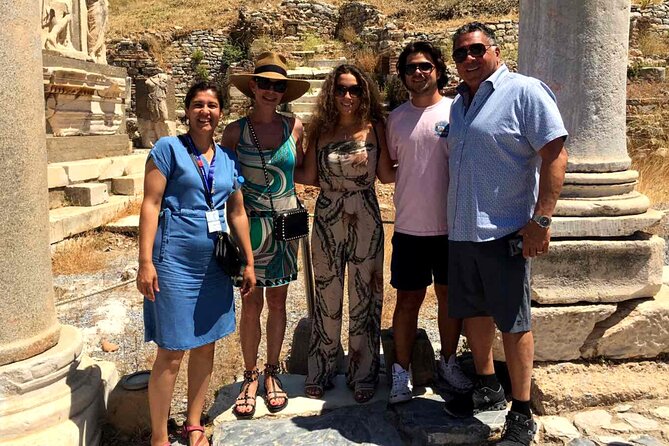
This tour is built for an easy morning out of Kusadasi. You’ll start at the Ege PortsCamikebir cruise terminal area (the meeting point is listed at Liman Cd. No:10), and pickup is arranged at the exit of the cruise terminal. If you’re coming from a port schedule, that matters. A guided private day means you don’t spend your vacation doing the math of buses, taxis, and timing.
You’ll ride in a private vehicle with your group, with fuel and parking covered. In plain terms: you get more time at Ephesus and less time stuck in transit. Several experience reports also mention a very clean, comfortable van and a guide who talks during the drive, so you’re not just being transported—you’re getting oriented.
This tour runs in a morning window (with pickup times between 7:00 AM and 11:00 AM). Since the whole day is about 6 to 7 hours, I treat it like a full-on excursion: wear shoes you can walk in, pack sunscreen, and plan to slow down once you’re in the ruins.
Ephesus Ancient City: From Odeon to the Library of Celsus
The Ephesus section is the main event, and it’s structured around the places that make Ephesus feel real—performances, temples, daily commerce, and public life.
You’ll begin with a drive through Kusadasi, then head into the ancient city. Once you arrive, your guide takes you past key landmarks such as the Odeon, the Temple of Hadrian, and the Latrina (the ancient public restroom). That last stop is one of those details that helps you understand everyday life—because it’s not just monuments. It’s how regular people moved through their day.
From there, you’ll go through the Ancient Stores and Avenues, where Ephesus starts to read like a city rather than a museum. This matters for first-timers. If you only see the famous photo spots, Ephesus can feel like a list of ruins. With this route, you get a sense of flow: where people gathered, where they walked, and where commerce happened.
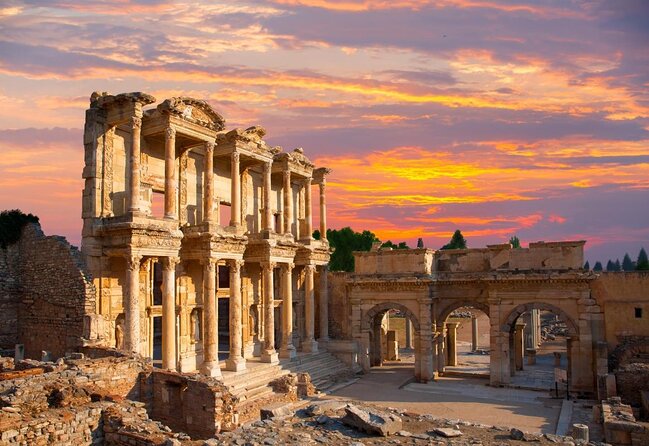
You’ll also cover the sights most people come for: the Library of Celsus and the Grand Theater. Expect explanations that connect the architecture to daily life, including how Romans thought about food, diet, and wine. It’s a smart pairing with the cooking class later—your brain gets a second chance to remember the day by tasting the idea of Roman-age ingredients and meals.
One practical note: Ephesus admission is not included in the base price. You’ll need to budget €40 per person. If you’re serious about Ephesus (or you like your archaeology vertical), consider the Terrace Houses add-on too.
Terrace Houses Add-On: Worth It If You Like the Views
The Terrace Houses are listed as an extra admission (€15 per person). I’m glad this is optional, because not everyone wants to pay more just to see more stone.
But if you care about what life looked like behind the walls—houses, upper levels, and the idea of elite Roman domestic space—this is usually where that curiosity gets satisfied. Several experiences specifically call out Terrace Houses as worth the extra fee. If you’re the type who likes mosaics, layout, and the “how did they live?” question, it’s a solid add-on.
If you’re on a tighter budget or you prefer to spend time outside instead of inside exhibits, skip it and focus on the main outdoor monuments. Either way, your guide’s timing can help you keep the day from feeling like a rushed checklist.
Çamlık Village Countryside Cooking Class: Cook, Eat, Then Relax
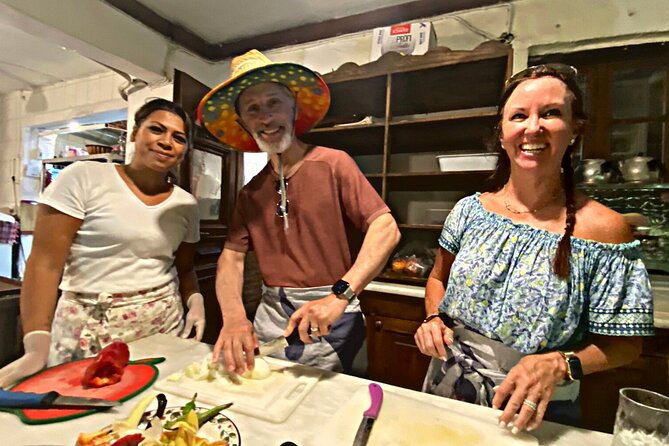
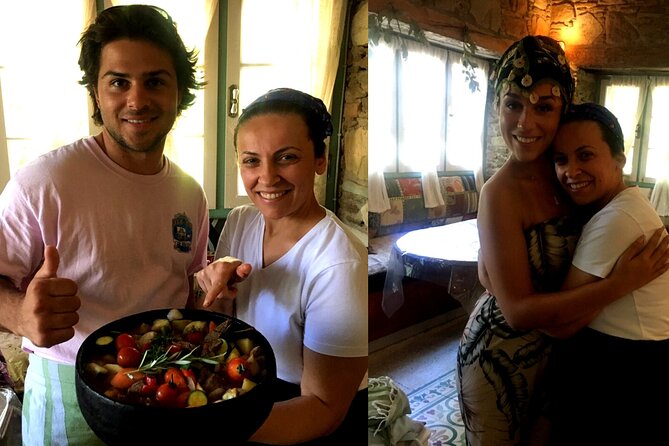
After Ephesus, you leave the crowds behind and head to the countryside area of Çamlık. This is where the tour stops feeling like sightseeing and starts feeling like a day you could repeat at home—because you’re making food with your hands.
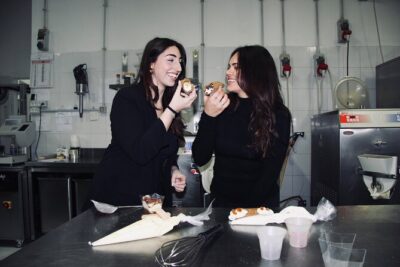
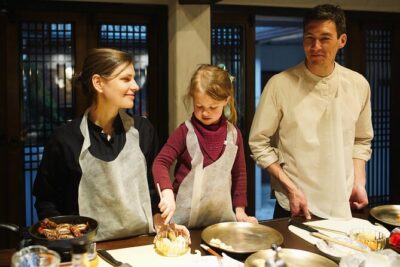
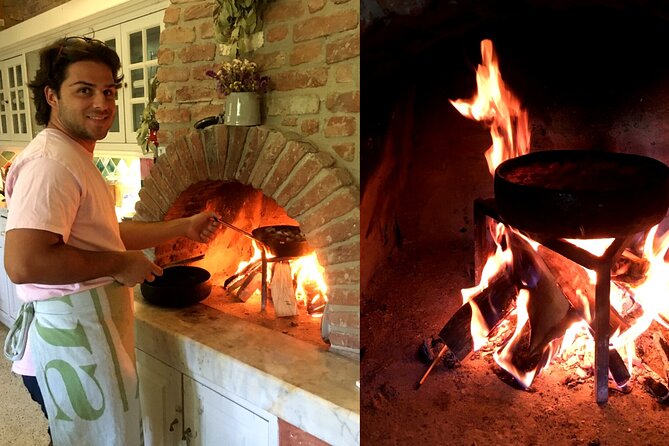
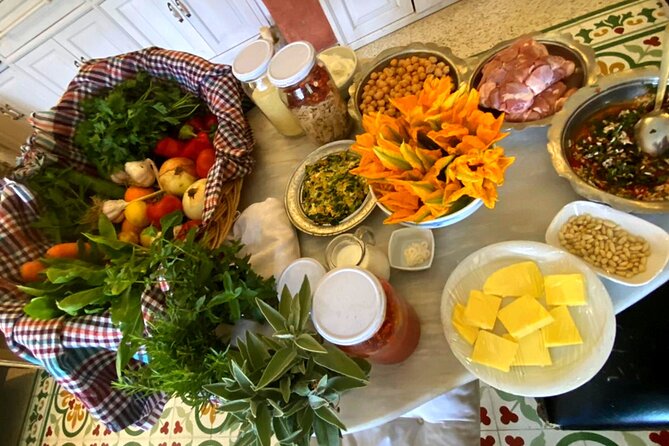
You’ll learn Turkish cuisine recipes from local hosts, prepare your own Turkish meal, and then sit down to eat outdoors under pine trees. The ingredient story is part of the experience too: this isn’t just cooking as a show. It’s a chance to understand how the region eats, what locals use, and how meals connect to the land.
What I like about this setup is the pacing. The cooking class isn’t a 10-minute demo followed by a “tour bus lunch.” It’s hands-on, and the meal comes from what you made. Multiple experiences also mention the setting being more like a family guesthouse property—garden fruit, homegrown vegetables, and a warm welcome from the host family. Some groups even mention a pool onsite, so if you’re the type who packs a swimsuit “just in case,” it can pay off.
You might also hear more about Roman-era food and local traditions during the meal. That connection makes the earlier Ephesus stops click. You’ll see the difference between ancient public spaces and how people ate and gathered in a more domestic setting.
This is the section that turns the day from informative into memorable, especially if you like trying a recipe you can actually repeat later.
Selçuk Old Town: Storks, Byzantine-Era Charm, and Easy Stroll Time
Later in the day, you’ll stop in Selçuk for a brief visit to the old town. This part is shorter, but it’s a nice change of pace after ruins and cooking.
Selçuk is known for its small-town feel—cute houses, historical landmarks spanning Byzantine and Turkish periods, and lots of local character. Several experiences specifically note storks and the presence of local art workshops. That’s useful if you want one foot in history and one foot in everyday life.
Also, this stop is a good place to reset. By then, you’ve walked around ancient stone, cooked your own lunch, and you’re ready for a calmer stroll. Even if you don’t go deep into every workshop, you’ll get the atmosphere of the region, not just its biggest monument.
Craft Stops and Shopping Time: Pottery, Ceramics, and Rugs
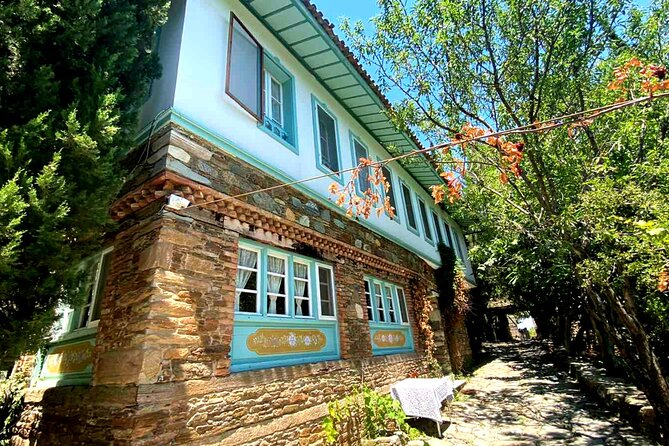
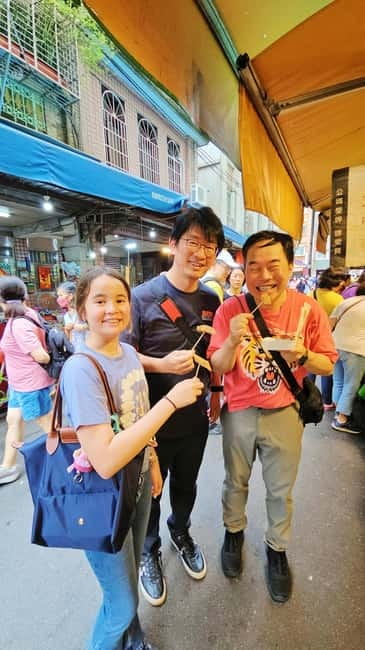
Depending on the day and the flow, some groups report extra time for local craft-related stops—like ceramics/pottery studios and carpet or rug workshops. If that’s your thing, this is where you can slow down, watch the process, and buy something with a story rather than just a generic souvenir.
A few experiences mention seeing how carpets are made and even getting hands-on with weaving. Others mention a pottery studio where different family members handle different parts of the work (forming, painting, and guiding the tours). If you enjoy process-based shopping—watching skill at work—these stops can become a highlight, especially because you’re already in a mindset of learning from locals.
If you prefer minimal shopping, no problem. You can treat craft stops like a short cultural break, not a forced spree.
What $189 Buys: Real Value for a Private Day
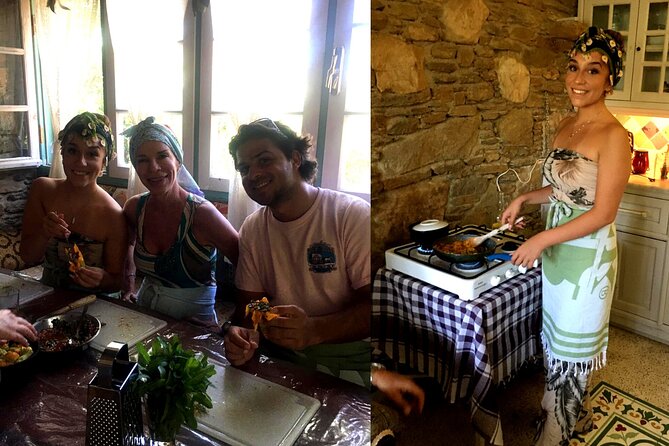
At $189 per person, you’re not just paying for entry into Ephesus. You’re paying for the structure: private transportation, a fluent English-speaking guide, fuel and parking, a hands-on cooking class at a local guesthouse, plus lunch.
Here’s the value logic I use: you’re essentially buying three things that are hard to DIY well.
First, the guided Ephesus walk. If you want context—why buildings exist, how people used public spaces, how daily life worked—having an expert guide saves you from endless guessing.
Second, the countryside cooking class. This is the part that would be tricky to arrange independently. Cooking with a local family setup (not just a restaurant meal) takes coordination, and you don’t always get that “real home food” feeling on your own.
Third, the lunch comes built in. You’re not scrambling to find food after you’re done walking. You cook, then you eat.
The trade-off: you still have to budget for admissions. Ancient City of Ephesus (€40 pp) is extra, and Terrace Houses (€15 pp) is an optional extra. So your total day cost depends on how many admissions you add.
Still, if you split the value across the whole 6 to 7 hours—history guidance plus a real cooking experience plus lunch—the price feels fair for a private setup.
Timing Tips: Make This a Comfortable 6 to 7 Hour Day
This is a long day, and you’ll be on your feet. To make it enjoyable instead of tiring, I’d plan like this:
- Wear comfortable walking shoes for uneven stone at Ephesus.
- Bring sun protection. Even with shaded breaks, Ephesus has open areas.
- Plan for a later-day “cool down” after cooking. You’ll likely want a slower stroll in Selçuk.
- If you add Terrace Houses, decide early so your guide can pace the day.
Also, keep an eye on what you’re buying. Craft stops can be tempting, especially for pottery and rugs. If you want souvenirs, set a rough spending limit before the day starts.
And yes, the guide matters. Names that came up in the experiences I saw include Nesrin Ozkara and Azime—both described as friendly, calm, and strong at explaining the sites clearly. Since this is private, you can also ask questions as you go, which is where you get the most out of the day.
Who This Tour Fits Best (and Who Might Skip It)
This private Ephesus + cooking day is ideal if you want a two-part experience: major ancient sights plus a local food day that doesn’t feel like a scripted restaurant tour.
It also fits well for:
- Families with mixed ages (the day is paced and flexible in the experiences I saw).
- First-timers to Ephesus who want guidance rather than wandering.
- Food lovers who like hands-on cooking and regional ingredients.
- People who enjoy meeting locals in real settings, not only at ticket counters.
You might want to skip it (or choose a more basic plan) if:
- You only want the fastest possible Ephesus highlights with no extra stops.
- You hate extra admission fees and prefer fully packaged tickets.
- You don’t enjoy kitchens or hands-on activities.
Should You Book This Private Ephesus Tour & Cooking Class?
If you’re choosing between a standard Ephesus tour and an experience that adds a real village cooking moment, I’d lean toward booking this one. The combination is the point: you get a guided understanding of Ephesus, then you eat a meal you helped make in a countryside setting.
The biggest “yes” for me is that this is private and guided, not a crowded rush. The biggest “maybe” is budget: add the Ephesus admission (€40 pp) and possibly Terrace Houses (€15 pp), and your total day cost rises.
If you want an Ephesus day that ends with your hands smelling like garlic and herbs instead of only your camera roll filled with ruins, this is a strong pick.
FAQ
How long is the Private Ephesus Tour & Cooking Class in Village?
It runs about 6 to 7 hours.
What is the starting price and what’s included in that price?
The price is $189.00 per person, and it includes private transportation, a local English-speaking guide, fuel and parking fees, a hands-on cooking class at a boutique local guesthouse, and lunch.
Do I need to pay entrance fees separately?
Yes. Ancient City of Ephesus admission is €40.00 per person and Terrace Houses is €15.00 per person.
Where does pickup happen?
Pickup is at the exit of the cruise terminal.
What is the meeting point location?
The meeting point is listed at Ege PortsCamikebir, Liman Cd. No:10, 09400 Kuşadası/Aydın, Türkiye.
What time does the tour start?
Pickup is offered Monday through Sunday within 7:00 AM to 11:00 AM.
Is this tour private?
Yes. It’s a private tour/activity, and only your group participates.
What sites are included in Ephesus?
You visit the Odeon, Hadrian Temple, Latrina, Ancient Stores, Avenues, the Library of Celsus, and the Grand Theater.
What happens during the Çamlık countryside part?
You leave the city for the Ephesus countryside, learn Turkish cuisine recipes from locals, cook your own Turkish meal, and enjoy it under pine trees.
What is the cancellation policy?
Free cancellation is available up to 24 hours in advance for a full refund. Changes within 24 hours aren’t accepted.