REVIEW · YOGYAKARTA
From Garden to Table: Indonesian Cooking Class in Yogyakarta
Book on GetYourGuide →Operated by Jogsider · Bookable on GetYourGuide
Cooking starts with a herb harvest. This Yogyakarta experience is built around hands-on cooking and a real garden harvest, led by Endah and her family-style hospitality. You’ll prep and cook traditional Javanese foods, then eat a full lunch made from what you worked on. One thing to plan for: the setting isn’t air-conditioned, so bring a small fan and expect warm, humid weather.
What I like most is how personal it feels for a cooking class. It’s a private group (often with room for small-group customization), the instructor speaks English, and you’ll get recipes afterward so you can repeat the best parts at home. Bonus details show up too, like cute cats nearby and a relaxed, homey vibe that makes the whole 5 hours feel more like helping cook than sitting in a classroom.
In This Review
- Key things that make this class worth your time
- Farm-to-table cooking in Yogyakarta, without the touristy script
- Meet Endah with a tamarind or lemongrass welcome drink
- Garden harvest: herbs, rhizomes, and a cat-approved atmosphere
- The cooking plan: 5 hours, 6 dishes, lots of hands-on work
- Vegetable rujak with peanut sauce
- Local fruit rujak
- Fried chicken with curry leaves
- Fried/boiled tofu
- Tempeh
- Balinese lemongrass chili sauce
- How the class “rhythm” works
- Spice levels, ingredient explanations, and cultural context while you cook
- Lunch is included because that’s the whole point
- Price and value: why $46 feels fair for this kind of class
- Who this Yogyakarta cooking class suits best
- Small logistics that matter (and what to bring)
- Should you book this cooking class in Yogyakarta?
- FAQ
- What welcome drink options are included?
- What dishes will I cook during the class?
- Is lunch included?
- Are recipes provided after the class?
- Is the class refundable if I cancel?
- Is the cooking class wheelchair accessible?
Key things that make this class worth your time
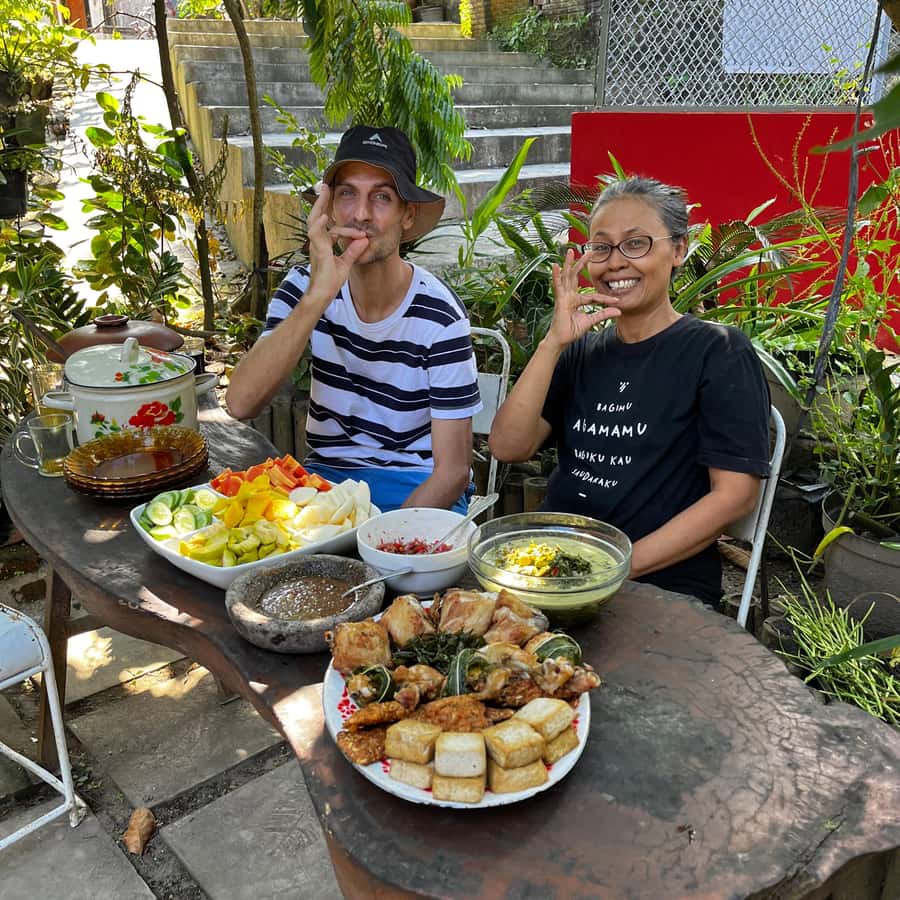
- Garden-to-plate setup where you touch, smell, and process fresh herbs, spices, and rhizomes before cooking
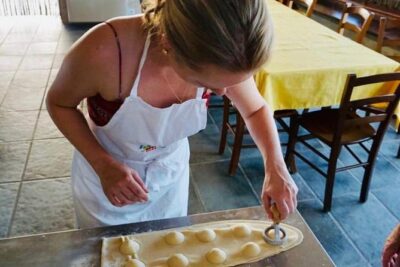
- Hands-on focus on real prep and cooking, not just watching while someone else does the work
- 6-dish meal built around Javanese (and closely related Indonesian) flavors like rujak, tempeh, and curry-leaf chicken
- Welcome drink choices including tamarind turmeric, tamarind sugar, or lemongrass tea
- Family-run atmosphere with laughs, conversations, and a host who adjusts spice levels
- Recipes after the class so you can recreate the dishes you loved
Farm-to-table cooking in Yogyakarta, without the touristy script
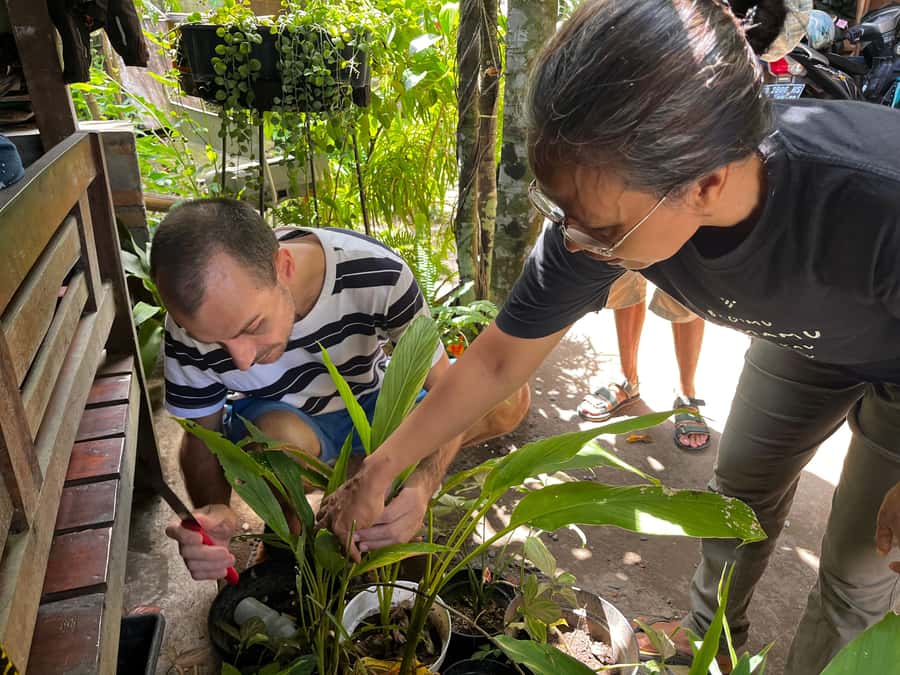
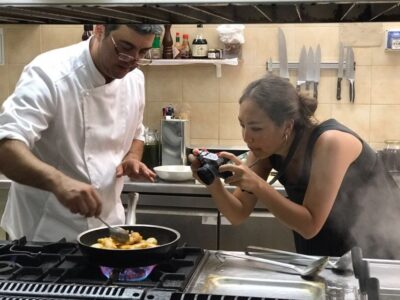
Yogyakarta has serious food culture, and this class gives you a way in that feels practical, not performative. You start with the ingredients where they naturally belong: in a garden setting, with herbs and other plants ready to pick. Then you move straight into the kitchen work—mixing, chopping, frying, and assembling—so you learn through doing.
Instead of memorizing a bunch of steps, you understand why certain ingredients matter. You’ll handle raw aromatics and spices, learn how they smell when fresh, and see how those same ingredients behave once they hit the pan. That’s the kind of learning you can reuse when you cook at home, even if your kitchen ingredients aren’t 100 percent identical.
You can also read our reviews of more tours and experiences in Yogyakarta.

Meet Endah with a tamarind or lemongrass welcome drink
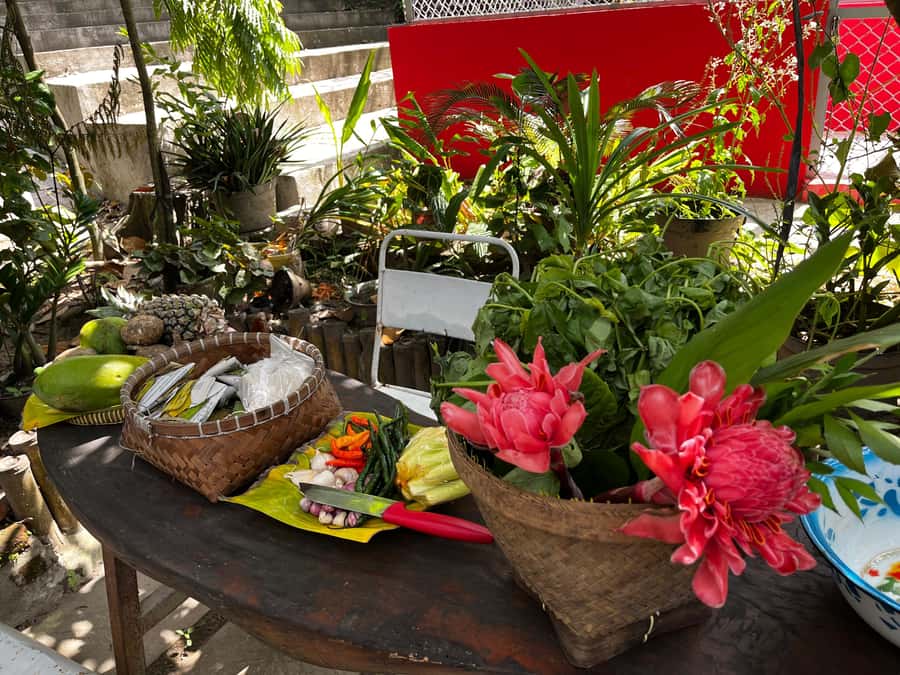
Your experience starts with a welcome drink, and it’s a small detail that sets the tone. You can choose from tamarind turmeric, tamarind sugar, or lemongrass tea—three options that match Indonesian flavors you’ll see again in the meal.
A good cooking class doesn’t just teach technique; it gives you context fast. Right away you’re in the right mood for spice, sweetness, and tang. You also get set up for the day’s menu choices, and you’ll know what you’re aiming to cook before the class begins.
Garden harvest: herbs, rhizomes, and a cat-approved atmosphere
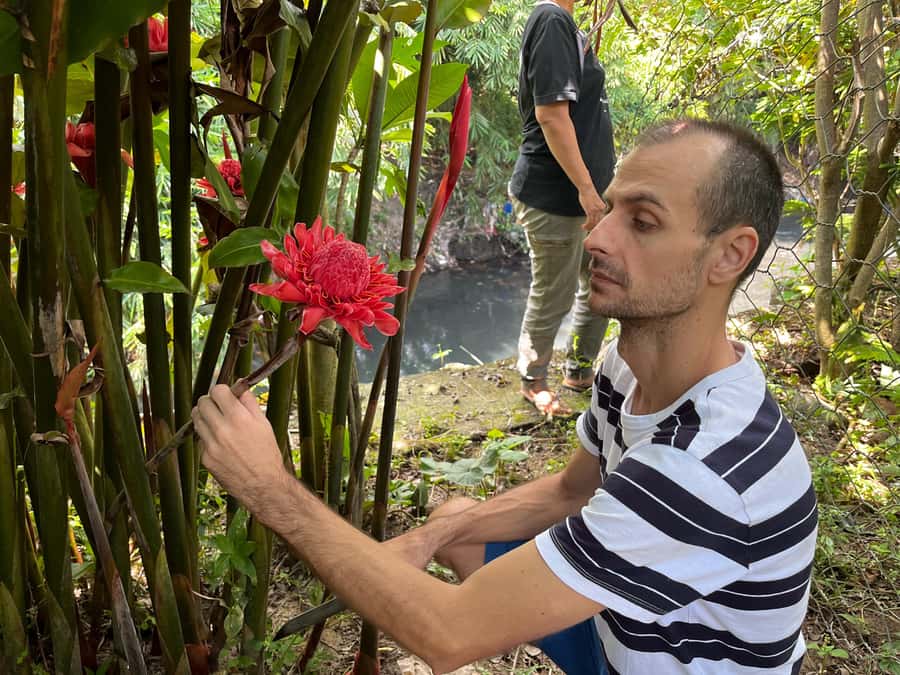
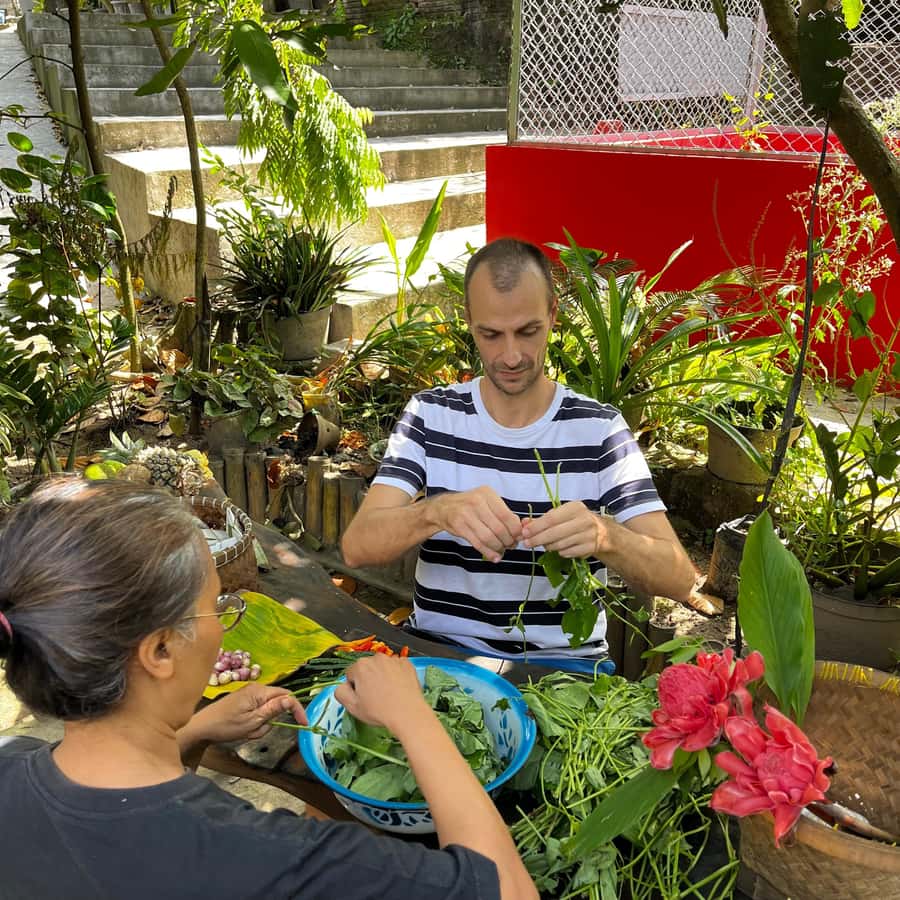
The most memorable part here is how you begin: harvesting native herbs and fresh ingredients from the garden. Expect to pick items you can actually recognize later on your plate. You’ll also be shown different plants used in Indonesian cooking—things you might otherwise only see in a spice shop.
This isn’t a quick photo stop. You’re meant to work with the ingredients. You’ll touch, smell, and process rhizomes, spices, and raw ingredients so you can understand their character before they’re cooked. That makes the final flavors feel less like magic and more like cause-and-effect.
And yes, there are cats. It’s a small detail, but it adds to the calm, “slow down for a minute” feel of the setting. When you’re kneeling, sorting herbs, and listening to explanations in a garden environment, you naturally learn more without trying.
Practical tip: if you’re sensitive to heat, plan for it. One review notes the class is not air-conditioned. A small personal fan makes a big difference for staying comfortable during the active hours.
The cooking plan: 5 hours, 6 dishes, lots of hands-on work
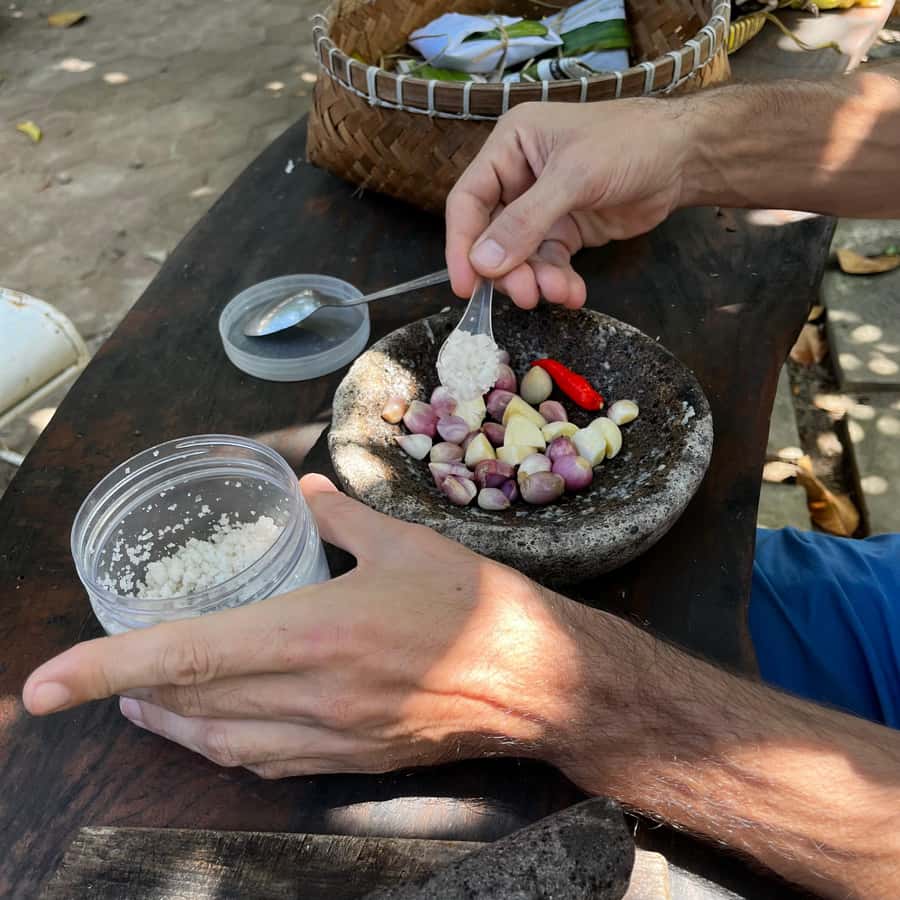
This class runs about 5 hours, and the menu is centered on 6 local dishes. You prepare and then eat what you cook, and that matters more than people think. Cooking classes where you only make two small components can leave you feeling cheated. Here, the lunch is the work product.
Vegetable rujak with peanut sauce
Rujak is all about balance: sweet, sour, and spicy. For this version, you’ll make a vegetable rujak and mix it with peanut sauce. What you learn is how peanut changes the whole mood of a dish—from sharp and tangy to richer and deeper.
Local fruit rujak
Then comes fruit rujak, another chance to understand that same flavor logic with different ingredients. Fruit brings more sweetness and a different texture, so you’ll learn how to adjust to what’s in front of you rather than relying on one fixed recipe outcome.
Fried chicken with curry leaves
This is where you’ll practice classic Indonesian aromatics. Curry leaves are fragrant, and they add a distinct “green” perfume to the dish. While cooking, you’ll likely notice how the aroma develops—one of the fastest ways to understand why Indonesians treat spices as more than just heat.
Fried/boiled tofu
Tofu in Indonesian cooking can be subtle or boldly flavored, and this menu option gives you a chance to see how the method changes the result. Fried tofu tends to be crisp and satisfying; boiled tofu can keep a softer texture that soaks up sauces differently. Either way, you’re learning texture control.
Tempeh
Tempeh is a big deal in Java-style cooking, and it’s great for learning because it cooks in a way that’s both simple and nuanced. You’ll get hands-on with preparation steps and flavor combinations so you can understand why tempeh is such a reliable protein across the region.
Balinese lemongrass chili sauce
Even though the overall class centers on Javanese dishes, you’ll also make a Balinese lemongrass chili sauce. This is a smart inclusion. Lemongrass gives citrusy, woody freshness, while chili brings heat and complexity. You’ll taste how aromatics can steer a dish even when the chili level stays the same.
How the class “rhythm” works
Most of your time is spent doing prep and cooking tasks, not just standing around. Several reviews describe this as a big difference from more passive cooking classes. That said, cooking a full meal with multiple dishes means you may work on components in parallel—so don’t expect every single plate to follow one neat, linear timeline for you personally.
If you want to feel 100 percent focused on one dish the whole time, this setup might feel slightly busy. But if you like variety and don’t mind jumping between components, the pacing keeps things interesting.
Spice levels, ingredient explanations, and cultural context while you cook
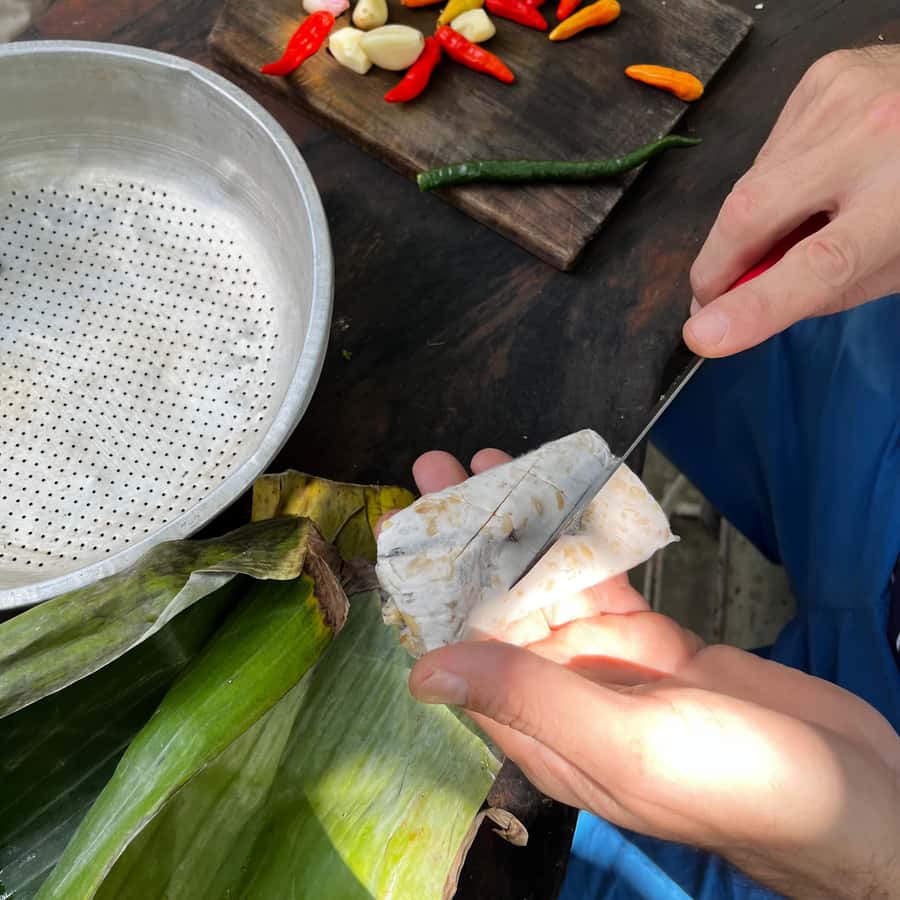
One of the best parts of this class is the cultural insight that comes with the cooking. As you prepare your meal, you’re not just learning techniques. You’re hearing how ingredients fit into Indonesian everyday food culture—how people think about flavor balance and why certain herbs and spices show up repeatedly.
The instructor is also mindful about spice levels. That matters because Indonesian cooking isn’t one-note. If you’re cautious, you won’t be forced into a burn-your-tongue approach. If you love heat, you can still get plenty of chili character.
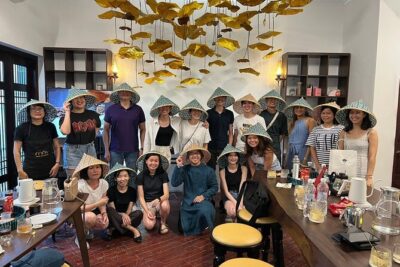
And because it’s a private group, the conversation often feels flexible. Reviews describe a warm, family vibe where you can chat while you work. One review even mentions an Air Supply sing-along moment—proof that the mood is relaxed, not rigid.
Lunch is included because that’s the whole point
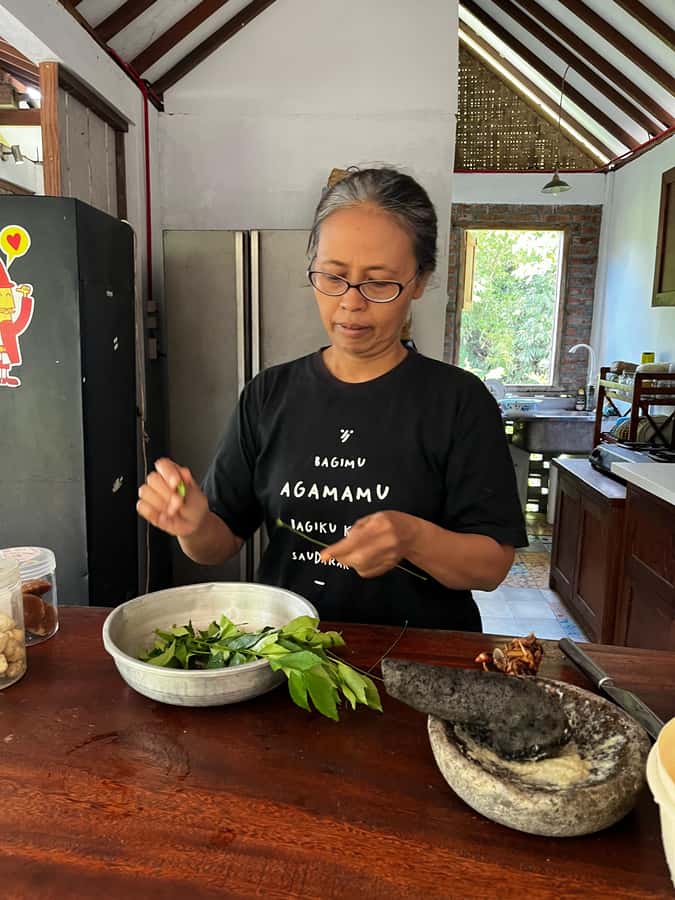
This class includes lunch: the meal made from the dishes you cook. A lot of cooking classes in tourist areas are more “training exercise” than meal. Here, the meal is the payoff, and multiple reviews emphasize that you won’t leave hungry.
You also get drinks during the experience. In addition to the welcome drink options, some reviews mention extra touches like home-brewed coffee and fresh bananas from the garden. You shouldn’t assume those extras every time, but they match the general family-run, garden-sourced feel.
Price and value: why $46 feels fair for this kind of class
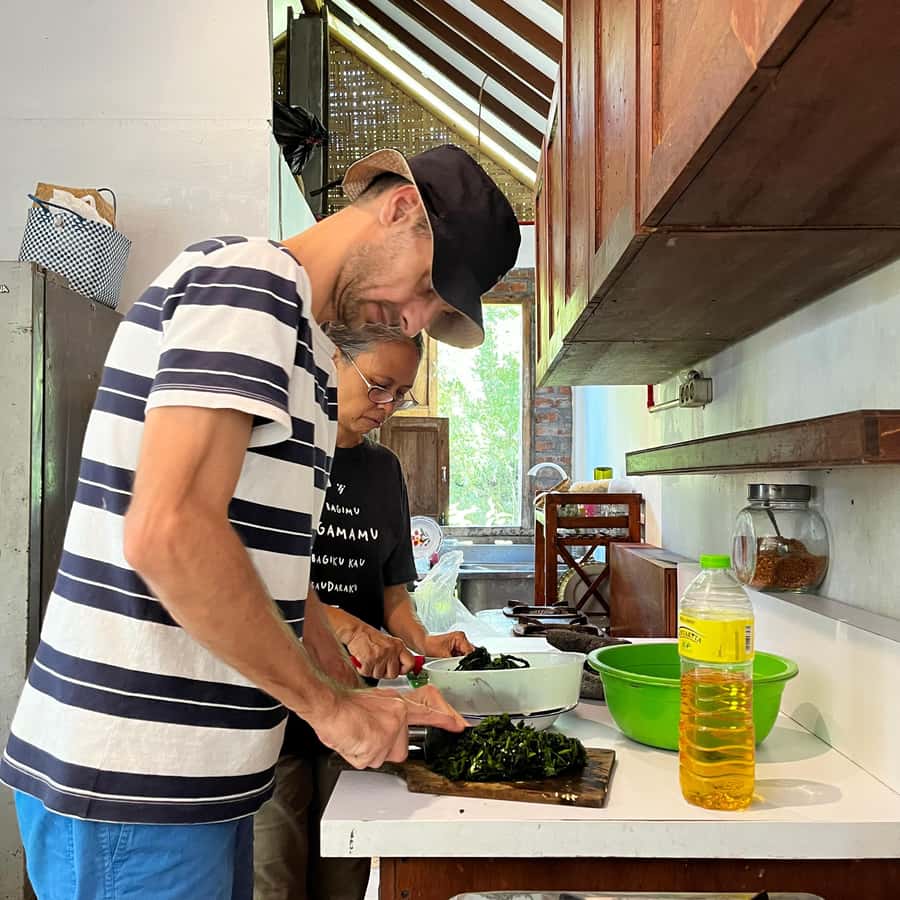
At $46 per person for about 5 hours, this isn’t the cheapest cooking class in Indonesia. But it also isn’t overpriced for what you get.
Here’s the value math that makes sense:
- You cook 6 dishes and eat the results, so your time directly turns into lunch.
- Ingredients and equipment are provided, which removes the hidden costs that can pop up when you need to buy spices or extra supplies.
- Garden harvesting is included, meaning the class isn’t just a kitchen workshop. You’re learning ingredients at their source.
- English instruction helps you actually understand what you’re doing, not just copy motions.
- Recipes are sent afterward, so you’re not paying only for one day of food. You’re paying for repeatable learning.
If you want cooking practice with real ingredient context (and not just a quick demo), this price lands in the “good deal” zone.
One more value angle: the class is designed for people from diverse cultures and backgrounds, with an emphasis on understanding and respect. You’re sharing ingredients, techniques, and stories at the same time—something that’s harder to get on a busy city food tour.
Who this Yogyakarta cooking class suits best
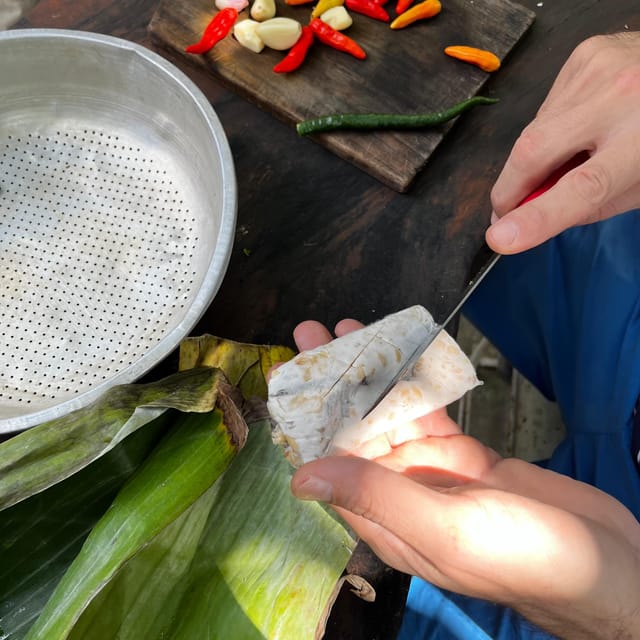
This is a great match if you:
- want a farm-to-table style experience in Yogyakarta, not just a restaurant lesson
- like hands-on learning and want to make multiple dishes yourself
- enjoy rujak flavors (vegetable and fruit) and want to understand the balance behind them
- appreciate a host who teaches in English and adjusts spice levels
It may be less ideal if you:
- hate heat and humidity (the setting is not air-conditioned)
- need a very strict, step-by-step focus on only one dish at a time
- are traveling with very young kids: it’s not suitable for children under 5
- are a senior traveler over 70, since the experience isn’t marked suitable for that age group
Small logistics that matter (and what to bring)
Because there’s no hotel shuttle included, plan your own way to the meeting point. You’ll want to factor in time for local transport.
What to bring:
- a personal fan if you run hot
- comfortable clothes for active garden time and cooking
- closed-toe shoes if you expect uneven ground
Also, since menus are chosen ahead of time, expect a pre-class message listing the full range of options. Pick what you actually want to cook. You’ll enjoy the class more when the food on your plate is the food you’re excited to learn.
Should you book this cooking class in Yogyakarta?
I’d book it if you want a cooking class that actually changes how you cook afterward. The garden start, the hands-on focus, and the fact that you eat what you make add up to more learning per hour than many cooking lessons.
Skip it if you’re traveling with heat intolerance, have mobility concerns beyond what you’re comfortable with, or you’re hoping for a super air-conditioned, lecture-style experience.
If you like food that’s tangy, spicy, and balanced—especially rujak, tempeh, and curry-leaf chicken—this is a strong, practical choice for a memorable Yogyakarta day.
FAQ
What welcome drink options are included?
You can choose a welcome drink from tamarind turmeric, tamarind sugar, or lemongrass tea. Drinks are included during the experience as well.
What dishes will I cook during the class?
The menu includes preparing 6 local dishes: vegetable rujak with peanut sauce, fried chicken with curry leaves, fried/boiled tofu, tempeh, Balinese lemongrass chili sauce, and local fruit rujak.
Is lunch included?
Yes. Lunch is included, and it’s the meal featuring the dishes you prepare.
Are recipes provided after the class?
Yes. You’ll receive the recipes after the class so you can try cooking the dishes again at home.
Is the class refundable if I cancel?
Yes, free cancellation is available up to 24 hours in advance for a full refund.
Is the cooking class wheelchair accessible?
Yes, the activity is wheelchair accessible.