REVIEW · VILA NOVA DE GAIA
Porto: Pastel de Nata Cooking Class from Scratch
Book on GetYourGuide →Operated by C D Porto Tours · Bookable on GetYourGuide
Pastel de Nata gets real in Porto. This class teaches you the dough-from-scratch method and the pastry know-how behind the iconic Portuguese tart, with a warm, hands-on pace. I really like that the steps are structured so everyone participates, and you leave with pastries you made right in front of you. The main drawback: it’s adult-only and the door shuts exactly on time, so you cannot show up late.
In a small English-speaking workshop (up to 12 people), you’ll rotate through different phases of the bake, from early prep to assembly and the final tray. You also get a glass of Portuguese wine and a conversation about pastry culture while things bake.
In This Review
- Key Things That Make This Pastel de Nata Class Worth It
- Pastel de Nata, Up Close: What Makes This Class Different
- What You Do in the Kitchen: Dough, Assembly, and Bake Timing
- The dough phase
- The filling and assembly phase
- The baking phase
- The Wine and Portuguese Culture Talk: Small Details, Big Payoff
- Your Results: Warm Pastéis, Take-Home Options, and the Recipe You’ll Want
- Who This Workshop Fits Best (and Who Should Skip It)
- Price and Value in Porto: What $50 Buys You
- Getting There and Timing: The Door Closes on Schedule
- Should You Book This Pastel de Nata Class?
- FAQ
- How long is the Pastel de Nata cooking class?
- Is it a private class or a group class?
- What’s included in the price?
- What language is the workshop taught in?
- Can children join the group workshop?
- Are gluten or lactose substitutions available?
- Do companions get to enter if they aren’t taking the class?
- What happens if I arrive after the class starts?
- Where do I meet the group?
- Is hotel pickup included?
- What’s the minimum age to drink the included wine?
Key Things That Make This Pastel de Nata Class Worth It
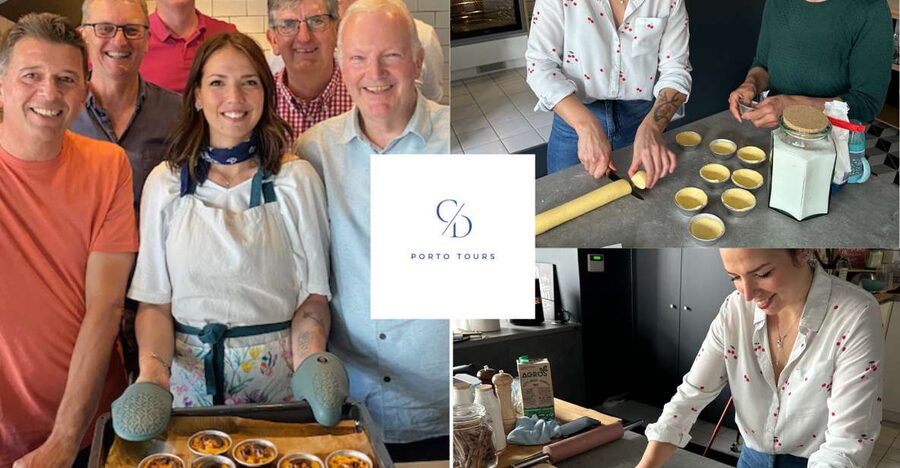
- Dough from scratch, not just shaping or filling
- Hands-on turn-taking so you’re not stuck watching
- English live guidance with clear, step-by-step instruction
- A glass of local wine paired with a food-and-culture chat
- Modern, set-up-for-baking kitchen space with group seating
- Digital recipe afterward (shared via QR code in some sessions)
Pastel de Nata, Up Close: What Makes This Class Different
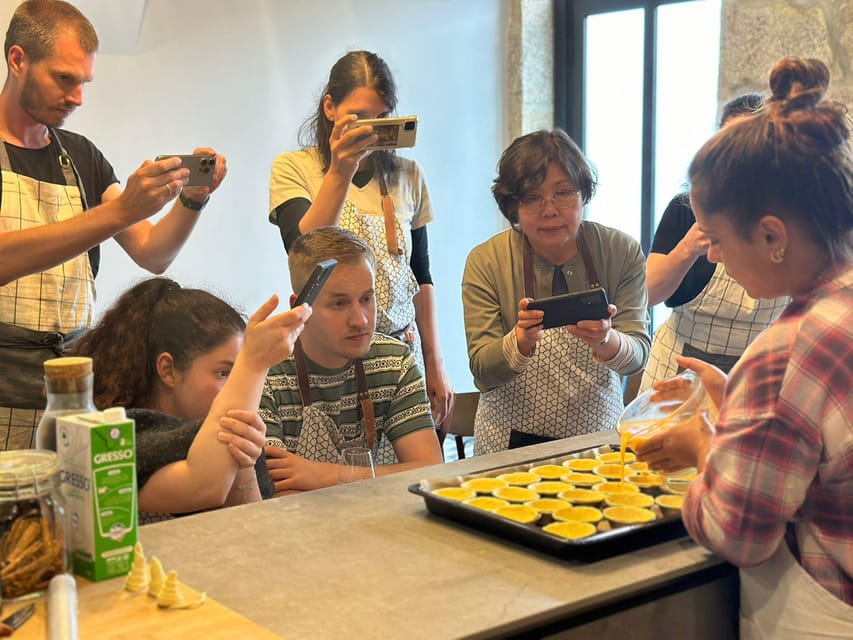
Porto is full of cafés where Pastel de Nata shows up hot, flaky, and ready to eat. This workshop is different because you don’t just buy the story. You practice it. The standout detail is that you make the dough too. That’s the hard part for many home bakers, and it’s also where the technique matters most.
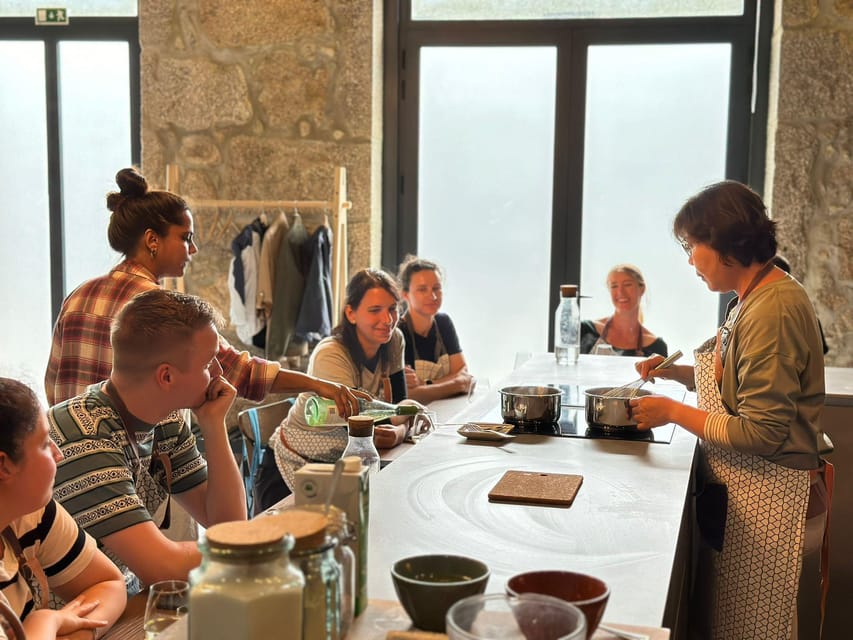
Instead of a demo where one or two people do everything, you work in phases. The instructor guides you through what each step is for—why the dough is handled a certain way, how the filling behaves in the tin, and what to watch for as the pastries bake. Reviews repeatedly mention that the process feels doable even if you’re not a confident baker. That’s a big deal because pastry classes often fall into two extremes: either too technical, or too hands-off.
If you’re chasing that true Porto result, this is the route. You learn the “how” behind the famous “how is this so good?”
What You Do in the Kitchen: Dough, Assembly, and Bake Timing
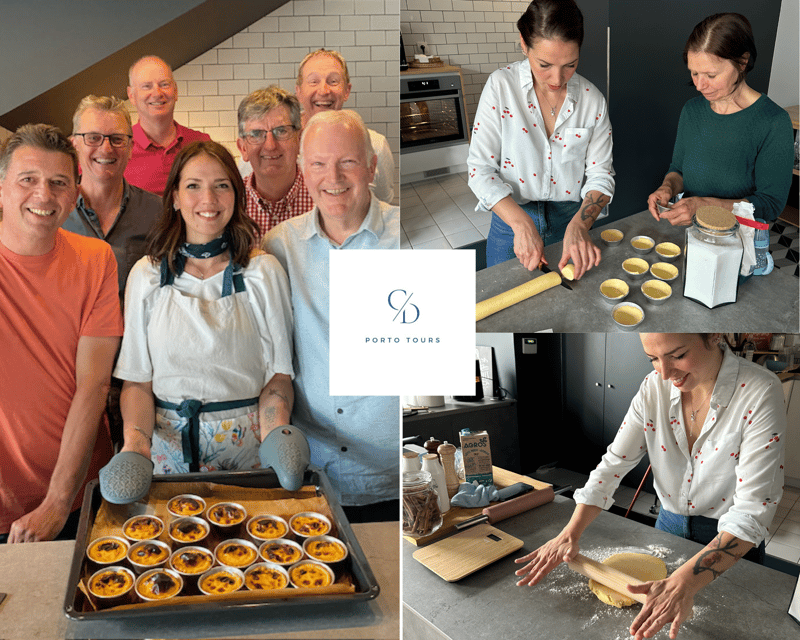
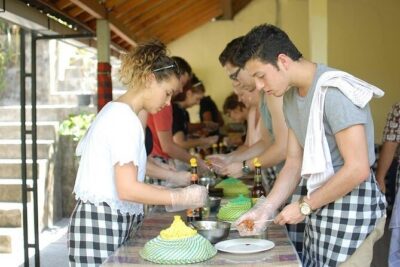
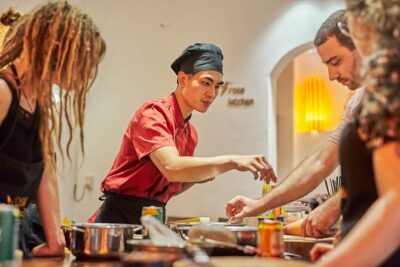
Your 2.5-hour session is built around rotation. You’ll likely spend time at different stations or tasks, then switch so the whole group stays active. The kitchen setup supports this: think a shared workspace where the instructor can pull people in when it’s time for a specific action.
The dough phase
A key reason people love this class is that they don’t skip the foundation. You learn the dough-making step from scratch, with guidance on the steps that shape the pastry’s final texture. One of the most repeated points in feedback is that the method is explained clearly enough for non-bakers to succeed.
The filling and assembly phase
Once the dough work is underway, you move to the filling and shaping steps. This is where the pastries start to look like Pastel de Nata. You’ll get instruction on building the tins properly and understanding how the custard sets in the oven. The class encourages you to participate in alternation—so while one person at a time might be doing the main action, the others are close enough to learn the workflow.
The baking phase
When the trays go into the oven, the experience shifts from hands-on shaping to observation and small adjustments guided by the instructor. This is also where the atmosphere gets fun. Several reviews describe a host who keeps the mood light—jokes, food stories, and constant nudges to try things yourself, not just follow along.
And then you get to eat. Not “wait for someone else’s finished goods.” You eat what you helped make, warm from the oven.
The Wine and Portuguese Culture Talk: Small Details, Big Payoff
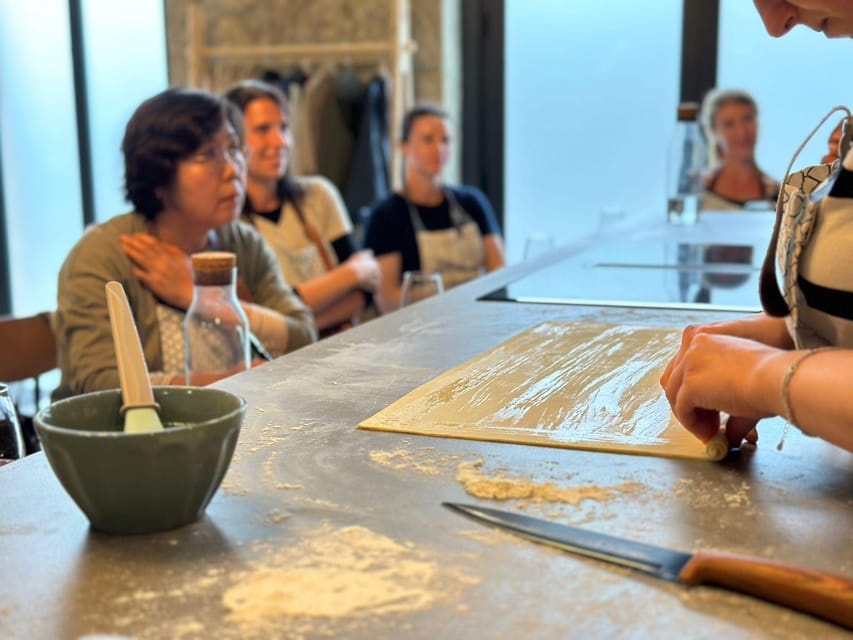
Food classes often treat culture as a sidebar. Here, the wine time is part of the pacing. You get a glass of wine, and the instructor uses that moment for a gastronomic conversation—history, pastry traditions, and how Portuguese bakers think about ingredients and technique.
What I like about this approach is it gives your hands-on work meaning. When you know why a step exists, you’re more likely to reproduce it at home. And if you’re traveling solo or just want a reason to talk to people, this is the easiest moment to connect. The class format naturally creates conversation because everyone is doing the same task in different phases.
Also, some sessions are described as relaxed and playful, with instructors like Vanessa, Clara, Mariah, and Ana/Anna leading the way in different ways—always in English—so you get both structure and personality.
Your Results: Warm Pastéis, Take-Home Options, and the Recipe You’ll Want
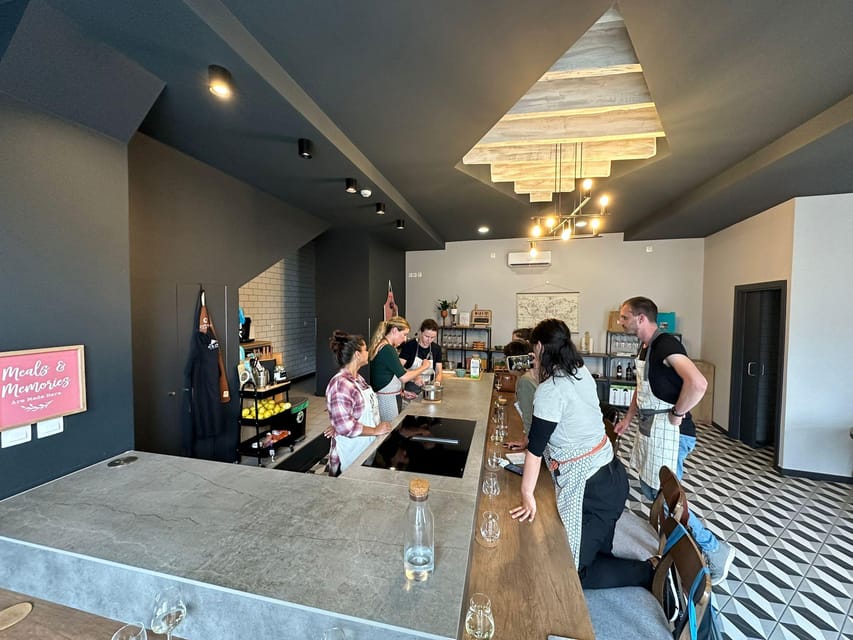
At the end, you’re not left with crumbs and a vague memory. You get to enjoy your pastries while they’re still warm. That matters because Pastel de Nata is at its best when the pastry is at peak crispness and the custard has that just-baked set.
A few additional practical points that show up in the experience:
- You may get some pastries to take home along with what you eat there. Many comments specifically mention the take-away amount being enough to enjoy later.
- You’re more likely to succeed after the class because of the digital recipe. In at least one session, the recipe is shared afterward via QR code, which makes it easy to follow without losing the paper version.
If your goal is to recreate Pastel de Nata at home, the real value is learning what to pay attention to: dough feel, assembly order, and baking timing. Ingredients matter, but technique is what changes the final texture.
Who This Workshop Fits Best (and Who Should Skip It)
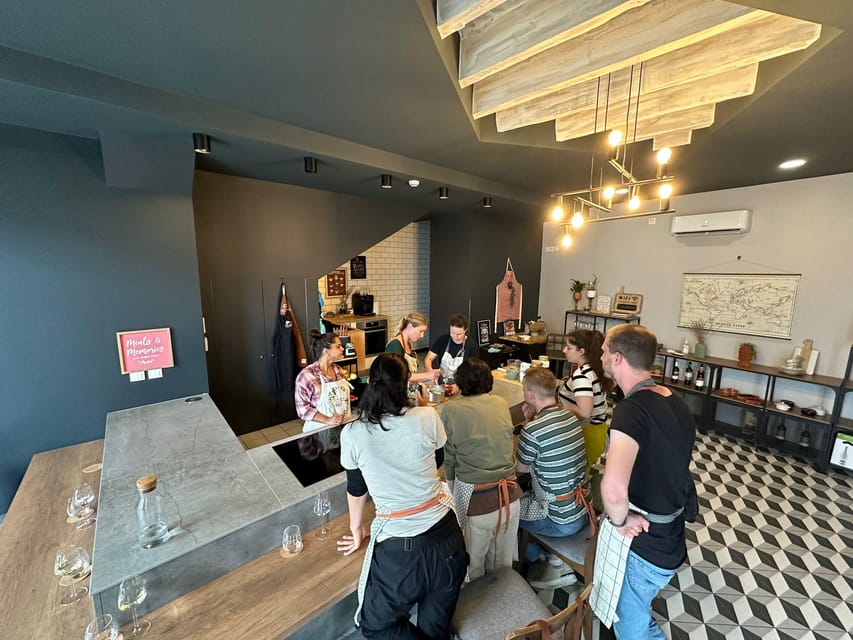
This is clearly an adult-focused workshop. If you’re traveling with kids, you’ll need a private option, since children under 15 aren’t allowed for logistical and safety reasons. Families should plan for that upfront.
Dietary fit is another must-check. The class is not suitable for gluten or lactose intolerance, based on the provided info. Since Pastel de Nata relies on classic pastry and custard components, you should assume substitutions are not the point of this workshop.
Who will love it:
- You want a hands-on Porto food experience that goes beyond eating
- You’re okay with working in turns in a group kitchen
- You enjoy learning processes you can actually repeat later
- You’re 18+ and want the wine portion
Who should reconsider:
- You’re likely to arrive late or can’t control timing
- You need a child-friendly schedule or seating arrangement
- You avoid gluten or lactose
Price and Value in Porto: What $50 Buys You
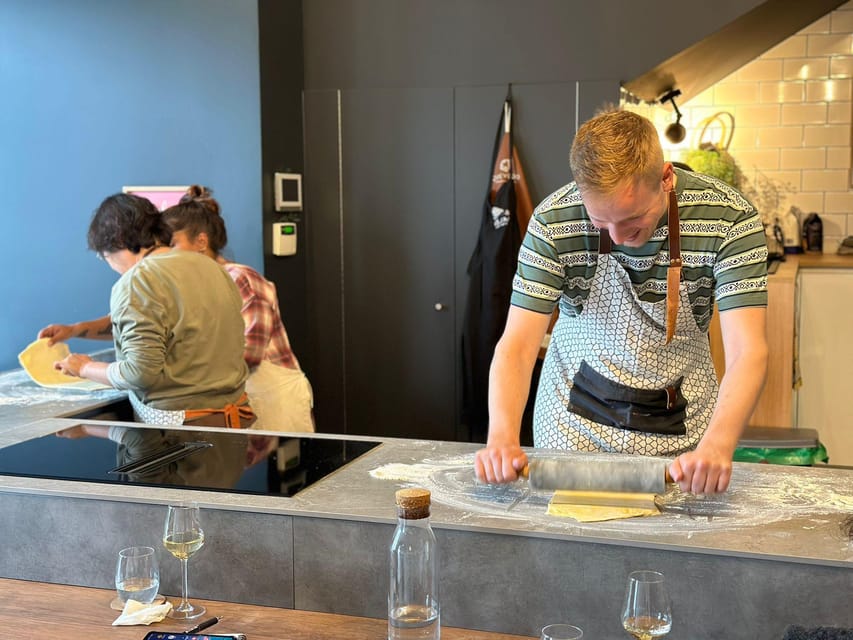
At about $50 per person for a 2.5-hour class, you’re paying for three things that don’t feel cheap when you compare them to self-guided baking:
- Ingredient cost and kitchen time. A real baking setup plus dough-from-scratch teaching isn’t a “15-minute demo.”
- Technique coaching. The instructor doesn’t just hand you a bowl. They guide steps and correct as you go, which is exactly what makes pastry classes worth it.
- Included tasting and wine. You get pastries you make plus a glass of wine, which turns the class into more than a workbook.
Is it good value for everyone? If you hate being in shared spaces or you’d rather have a free, low-cost food crawl, this may feel like a splurge. But if you want one skill-based, take-home result (plus the satisfaction of fresh Pastel de Nata), the price lines up well with what you receive.
Getting There and Timing: The Door Closes on Schedule
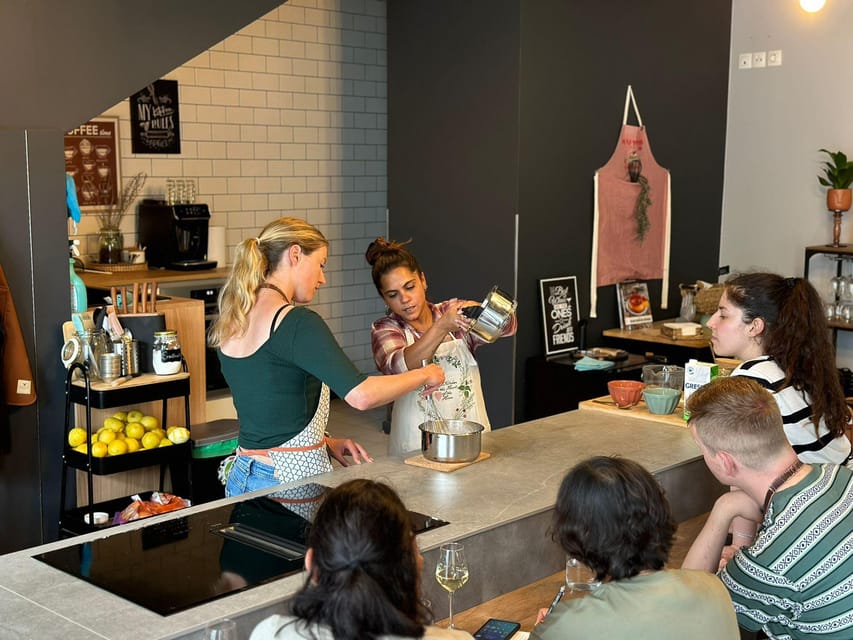
One detail that’s worth treating like a rule, not a suggestion: the workshop starts at the scheduled time and it is not possible to join once it has started. The door closes and no exceptions are made. This matters because there’s no buffer built into the class format.
Also, the meeting point can vary depending on the option you book, so don’t assume it’s the same street corner every time. Plan a little extra time to locate the correct spot.
Companion rules are another practical factor. Only reserved participants can enter the space, and companions aren’t allowed regardless of age. So if you’re traveling with a friend who’s not taking the class, you’ll want a separate plan for them during your 2.5 hours.
Should You Book This Pastel de Nata Class?
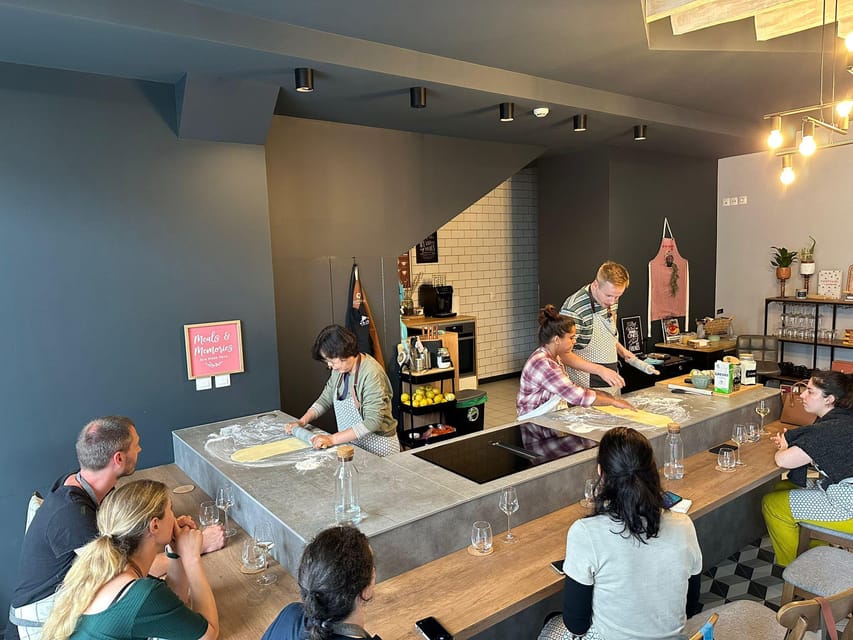
Book it if you want more than a snack. I’d choose this class if you care about learning the method—especially the dough-from-scratch part—because that’s what you can’t fake with a quick YouTube video. You’ll get step-by-step guidance in English, a relaxed group rhythm, warm pastries at the end, and a wine moment that turns the whole session into a real Porto experience.
Skip it if your main goal is a low-pressure activity. The timing is strict. It’s adult-only. And gluten and lactose intolerance are dealbreakers based on the provided info.
If you line up with the rules and you’re excited to bake, this is a strong choice for a memorable, hands-on Porto afternoon.
FAQ
How long is the Pastel de Nata cooking class?
The class runs for 2.5 hours.
Is it a private class or a group class?
It’s a group workshop. Small group options are available, and groups can have up to 12 participants.
What’s included in the price?
The experience includes the pastry class, the instructor, pastries, and a glass of wine.
What language is the workshop taught in?
The live guide/instructor is English.
Can children join the group workshop?
No. Children under 15 are not allowed. Families with children should request a private workshop.
Are gluten or lactose substitutions available?
No. The class is not suitable for people with gluten intolerance or lactose intolerance.
Do companions get to enter if they aren’t taking the class?
No. Only participants with a reservation can enter the space. Companions are not allowed regardless of age.
What happens if I arrive after the class starts?
You cannot join once it has started. The door closes at the scheduled time and entry won’t be permitted.
Where do I meet the group?
The meeting point may vary depending on the option booked.
Is hotel pickup included?
No. Hotel pickup and drop-off are not included.
What’s the minimum age to drink the included wine?
The minimum age to consume alcoholic beverages in Portugal is 18 years old.