REVIEW · RABAT
Rabat: Cooking Class in a Family Home
Book on GetYourGuide →Operated by MoroccanFoodTour · Bookable on GetYourGuide
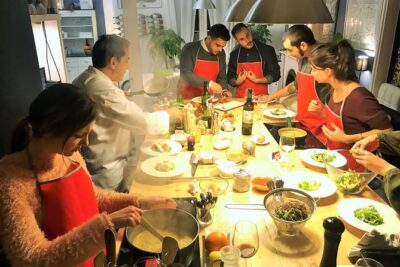
A cooking class in a real Rabat home beats a demo. You start at a local market, pick ingredients yourself, then cook a full 3-course menu in the kitchen with Imane and her family. I especially like the hands-on format and the way you learn through making, not watching. One thing to consider: transportation isn’t included, and you’ll need to get yourself to the Tramway station Hopital Moulay Youssef.
The small group size (max 8) keeps the vibe personal. You’ll get guidance in French or English, and you can swap questions and customs as you cook. Expect a warm, chatty meal afterward, plus Moroccan tea or coffee with bottled water.
The possible drawback is also the honest trade-off. Since it’s in a family kitchen and you’re preparing an entire menu, you should be comfortable doing active kitchen work for four hours.
In This Review
- Key things to know before you go
- First Stop: Picking Ingredients at the Local Market in Rabat
- Your Hosts in the Family Home Kitchen with Imane
- How the 3-Course Menu Comes Together (Appetizer, Main, Dessert)
- The appetizer: vegetables treated like they matter
- The main course: couscous or tajine, cooked for real
- Dessert: millefeuille made from thin dough and fragrant filling
- Eating the Meal You Cook, Plus Tea and Coffee
- Timing, Meeting Point, and Group Size: A Practical 4-Hour Plan
- Price and Value: What $72 Buys in a Rabat Family Kitchen
- Who Should Book This Cooking Class in Rabat (And Who Might Skip It)
- Should You Book MoroccanFoodTour’s Rabat Class?
- FAQ
- Where is the meeting point for the cooking class?
- How long is the Rabat cooking class?
- What’s included in the price?
- Is transportation included?
- What languages are the host or greeter speaking?
- Can someone join just for the meal after the class?
- FAQ
- Is there free cancellation?
- Is reserve now & pay later available?
Key things to know before you go
- Market shopping first: You choose the ingredients, not just follow along.
- A family-led kitchen: Imane and her kitchen team guide you step by step.
- A real 3-course meal: Appetizer, main, and dessert are all part of the class.
- Hands-on learning: You’re writing, tasting as you go, and practicing techniques.
- Finish with Moroccan tea: It’s served with the meal, not tacked on at the end.
- Small group pace: Max 8 people means more conversation and less standing around.
First Stop: Picking Ingredients at the Local Market in Rabat
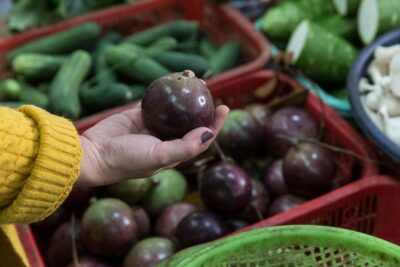
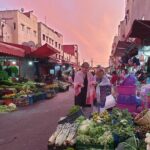
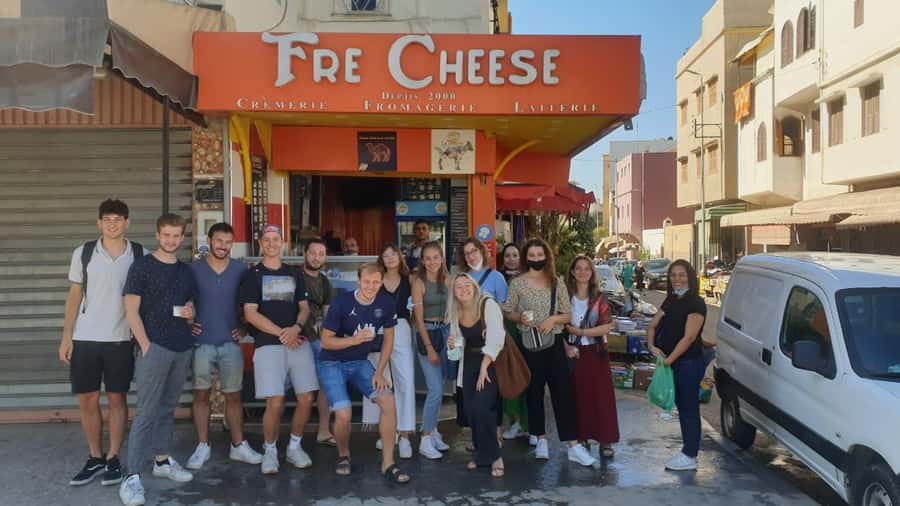
The class starts with a market walk in a nearby neighborhood. This is where you get your bearings fast: you learn what ingredients matter for Moroccan cooking and how vendors expect you to choose them. It also sets the tone. You’re not arriving to a pre-made plan; you’re building your menu from what you can buy that day.
I like this approach because Moroccan food depends on freshness and small choices—spices, herbs, vegetables, and the type of bread or dough used for desserts. Once you’re in the market, the host asks about your preferences and then recommends what to cook. You’ll decide what you want, and the shopping supports that decision.
A practical note: you’ll want to bring yourself into the market mindset. Expect to ask questions, handle ingredients, and get comfortable moving at a local pace. If you’re the type who likes to know what you’re buying before you cook, this part is the best return on effort.
You can also read our reviews of more tours and experiences in Rabat.
Your Hosts in the Family Home Kitchen with Imane
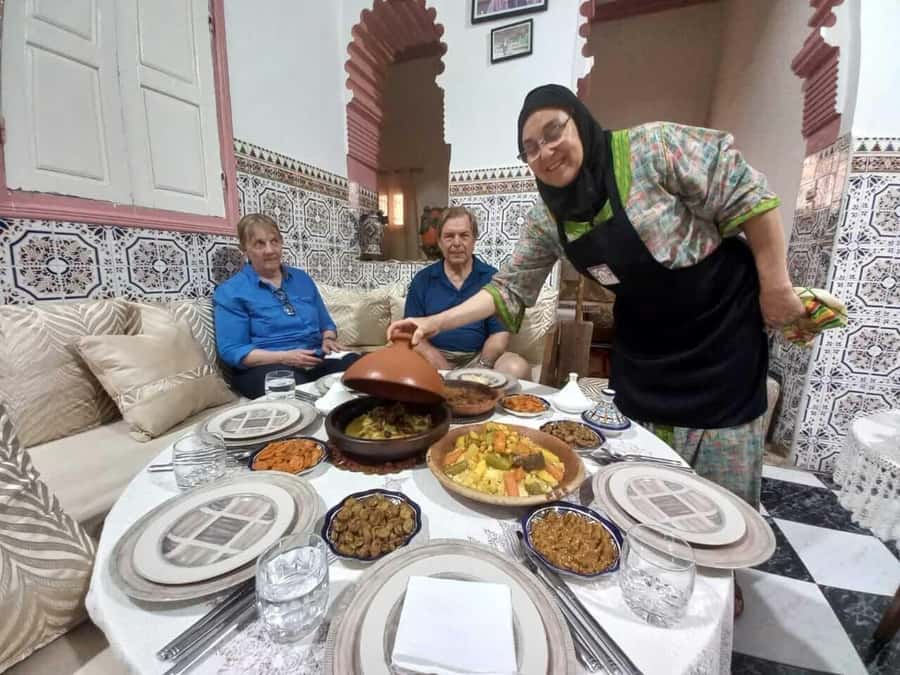
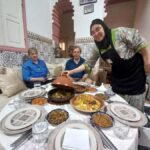
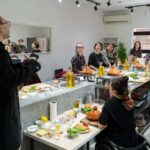
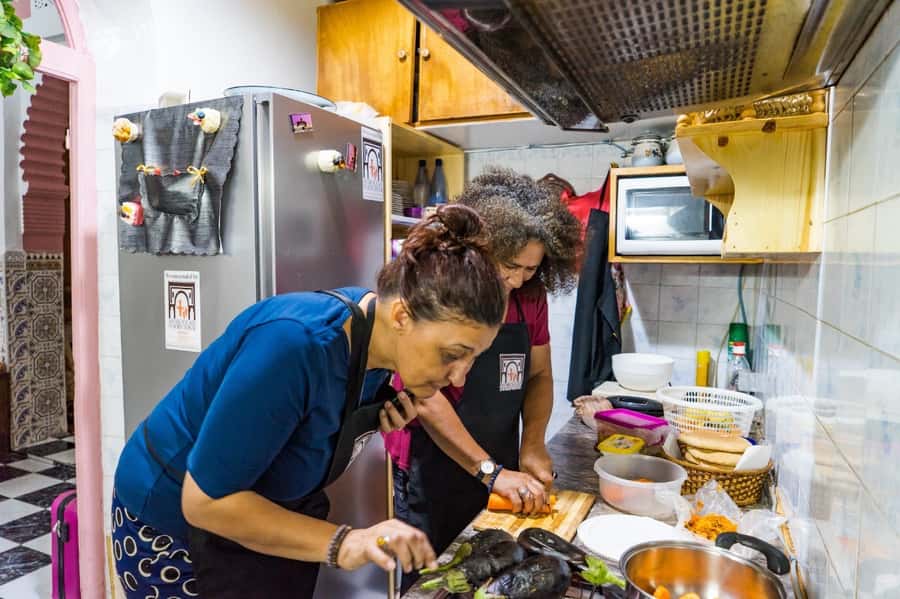
After shopping, you head to a historic family-owned Moroccan home. This is the part that makes the experience feel different from big cooking schools: you’re not in a staged classroom. You’re in a living household kitchen where hospitality comes standard.
Imane is one of the key faces behind the cooking, and she works alongside family in the kitchen. One session was described as being led with her mother-in-law, noted as a former chef for the ambassadors—so you’re learning from people with real standards, not just a hobby setup. The teaching style is interactive, and the atmosphere stays friendly rather than formal.
From the way the class is described, you’ll learn more than recipes. You’ll pick up techniques—how ingredients are prepped, how flavors are built with spices, and how Moroccan dishes get their texture. You’ll also be able to photograph and take notes, which is helpful if you want to recreate the dishes later at home.
One consideration: this is a family home. That can mean a more relaxed flow than commercial kitchens. If you expect everything to run like a timed restaurant shift, it may feel less rigid—but for many people, that’s exactly the point.
How the 3-Course Menu Comes Together (Appetizer, Main, Dessert)
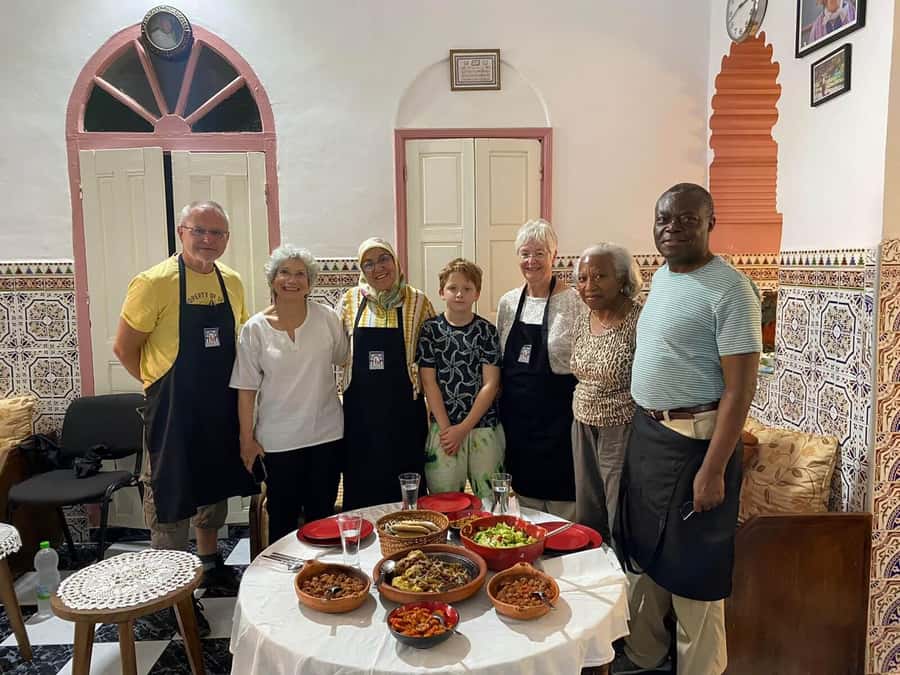
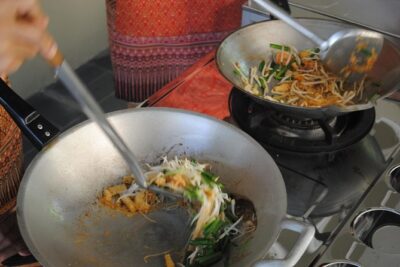
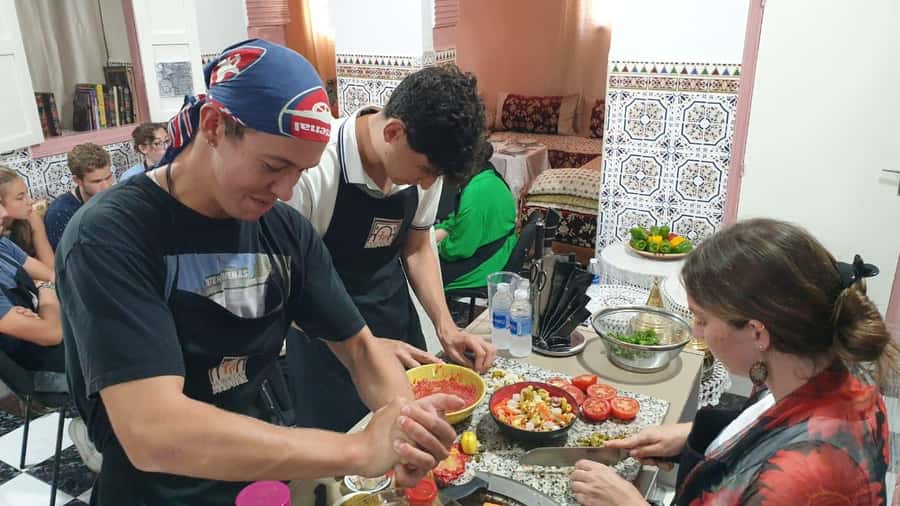
By the time you’re cooking, you’re already invested. You’ve chosen ingredients, and now the class turns those choices into a full Moroccan meal. The structure is 3 courses, and the process is active: chopping, seasoning, assembling, and learning what to watch for while cooking.
The appetizer: vegetables treated like they matter
Expect starter dishes built around vegetables and spices. In past menus, aubergines and peppers were prepared without skins and cut small, then seasoned and paired with bread. This kind of starter teaches you how Moroccan flavor work often starts: not with complicated steps, but with correct prep and smart seasoning.
The main course: couscous or tajine, cooked for real
Your main can vary depending on preferences and what the host recommends. One described menu included a real Moroccan couscous, tied to the Friday tradition of couscous at home. Another included tajine with chicken.
The key here isn’t only the dish name. You learn how the cooking technique drives the outcome. Tajines are about heat control and gentle simmering. Couscous is about texture and timing. Either way, you’re getting a window into how Moroccan kitchens work day to day.
Dessert: millefeuille made from thin dough and fragrant filling
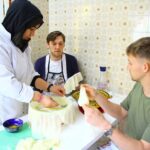
Dessert is where this class can feel especially hands-on. One menu included Moroccan millefeuille with pastry cream scented with orange blossom water and saffron. The dough used for the dessert was described as very thin, made fresh at the market (a dough prepared right in front of you), then fried and assembled into rounds.
If dessert intimidates you, don’t worry. The class style is to guide you through the steps. You’ll learn what success looks like—how thin the dough should be, what texture to aim for, and how to assemble without overthinking it.
Eating the Meal You Cook, Plus Tea and Coffee
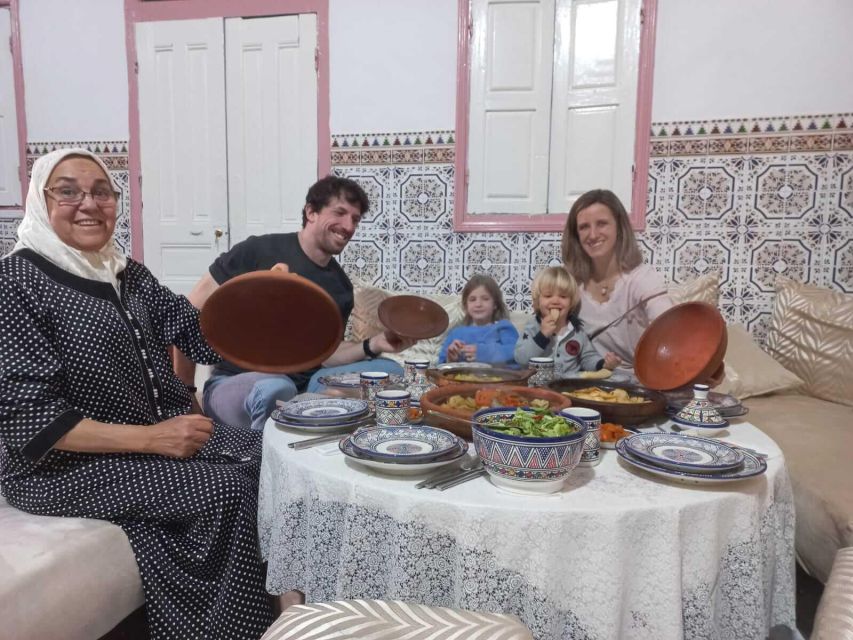
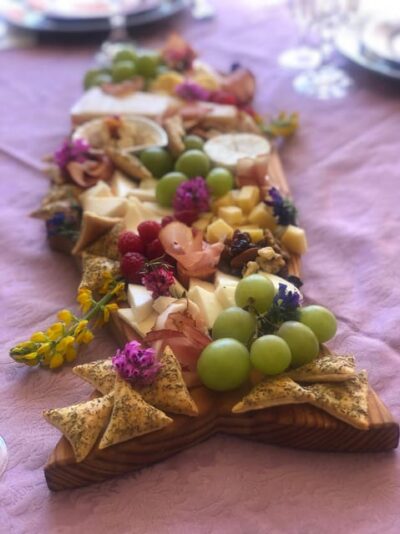
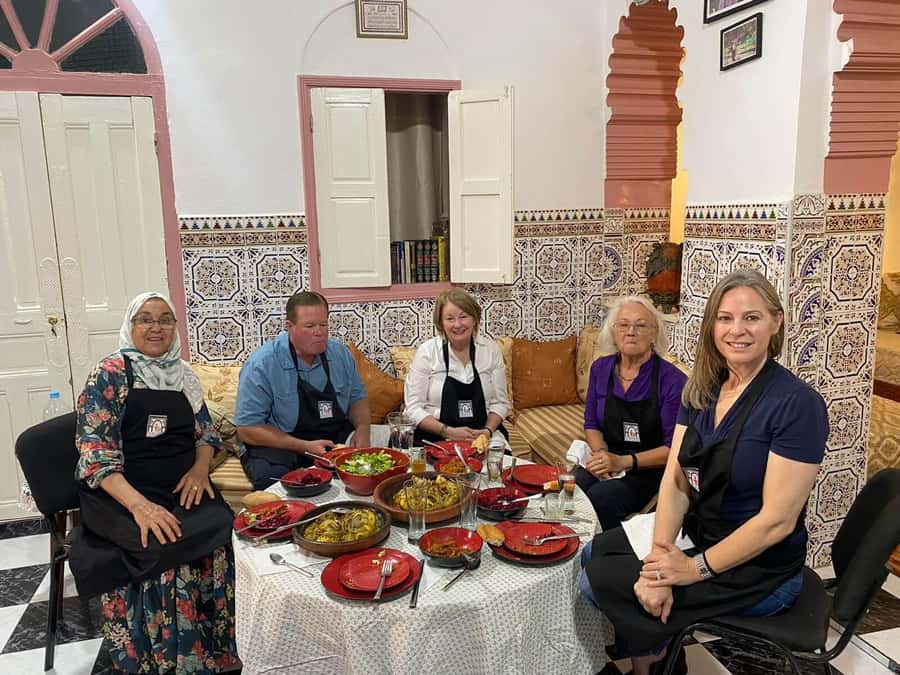
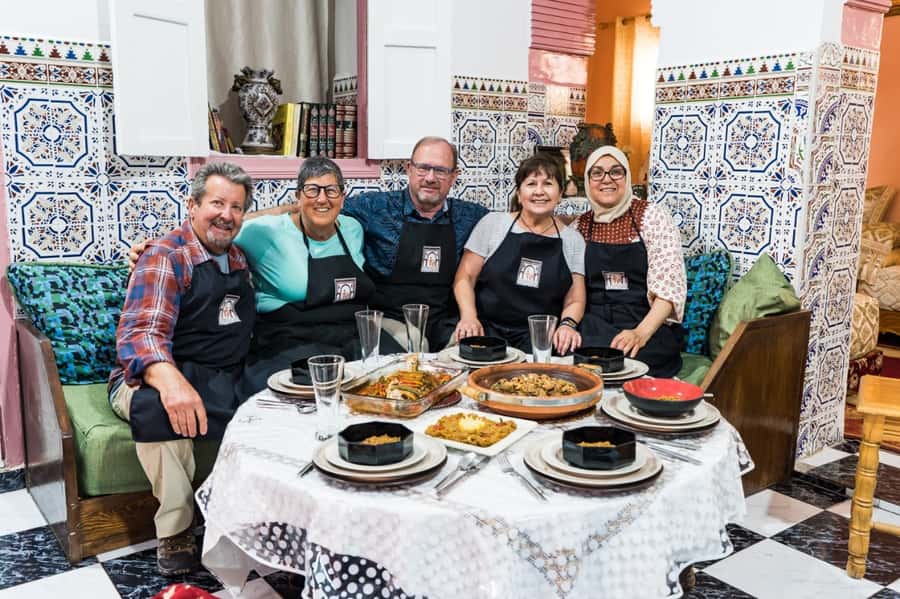
After the workshop, you sit down to the full menu you helped create. This is more than a reward moment. The class design makes you taste the results of your decisions: ingredients you picked, techniques you practiced, and flavors you built.
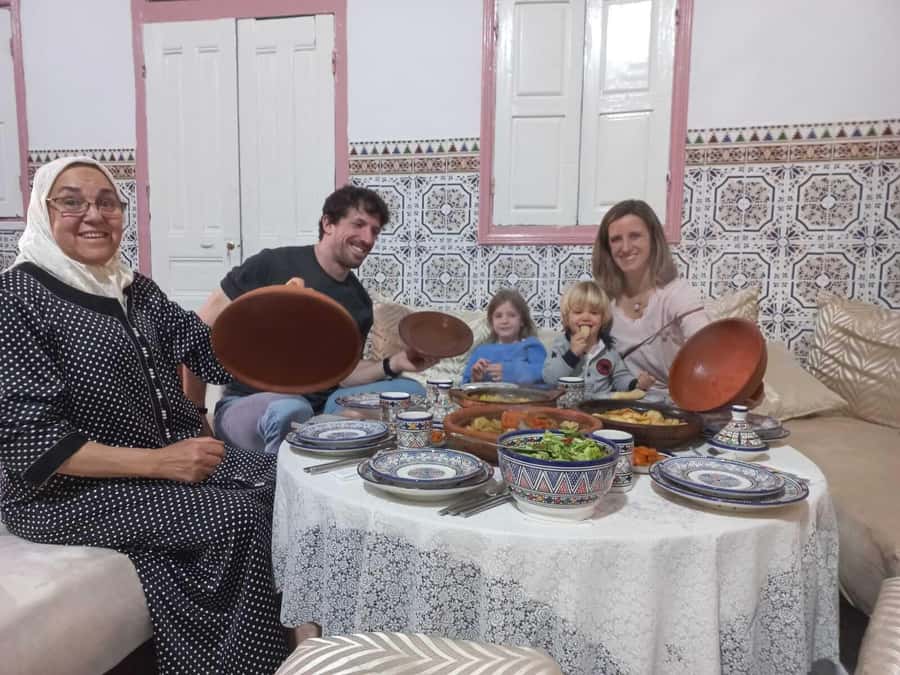
You’ll likely share the meal with your group and family hosts. The conversation part matters because Moroccan food is communal by default. You’ll have a chance to ask about customs and get simple explanations that make the food easier to understand outside the kitchen.
Then comes the Moroccan tea. It’s served at the end as a proper finish, not as a quick afterthought. Drinks included are tea or coffee, plus bottled water—so you don’t need to budget extra for the meal itself.
If you’re worried about feeling out of place while eating—don’t. The whole format is built around welcoming you into a normal family meal rhythm.
Timing, Meeting Point, and Group Size: A Practical 4-Hour Plan
The class lasts four hours, which is long enough to shop, cook, and sit down, but short enough to fit into a day of Rabat sightseeing. The meeting point is the Tramway station Hopital Moulay Youssef, so you’ll want to plan your arrival accordingly.
Your group is small—limited to 8 participants—so you’re not fighting for attention. Small group also helps the host adjust the pacing. If you ask questions during prep, you’ll actually get answers.
Language support is French and English through the host or greeter. That matters because in cooking classes, instructions need to land clearly. The better you understand what you’re doing, the more you’ll remember.
Also, transportation isn’t included. If you don’t want to figure out local transit on the fly, build in extra buffer time. You’ll appreciate it once you’re walking to the market and then moving to the home.
There’s also an option for friends to join the meal after the cooking class for a supplement of €15. If you’re traveling with someone who doesn’t cook but wants the table experience, it can be a neat add-on.
Price and Value: What $72 Buys in a Rabat Family Kitchen
At $72 per person for a four-hour, family-home cooking class, you’re paying for three things that are hard to get together anywhere else: ingredient shopping, active cooking instruction, and a full meal with drinks.
Here’s the value logic in plain terms:
- Market shopping is included, which means you’re not just learning recipes—you’re learning ingredient selection.
- A full 3-course menu is included, so you’re not paying class prices only to snack and leave.
- Drinks are included (tea or coffee plus bottled water), which keeps the experience feeling complete rather than partial.
Many cooking classes focus on the spectacle. This one focuses on the meal you actually eat and the way you build it from scratch. For people who want Moroccan cooking to feel usable at home later, that’s the point.
One gentle caution: if you’re very picky about dietary needs, you’ll want to communicate preferences early when the host asks. The menu is recommended based on preferences, so your choices matter.
Who Should Book This Cooking Class in Rabat (And Who Might Skip It)
This fits best if you want:
- A Moroccan cooking experience that starts with the market and ends at the table
- A hands-on class where you can take notes and photos
- A small-group setting with real conversation in French or English
- To taste dishes like couscous or tajine and learn dessert techniques such as Moroccan millefeuille
You might consider skipping if you:
- Don’t want to do active kitchen work for a full four hours
- Prefer experiences with transportation included
- Want a very structured, classroom-style session with strict timelines
If you like food travel that’s practical—what to buy, what to do, and what to expect when you cook—this class is built for you.
Should You Book MoroccanFoodTour’s Rabat Class?
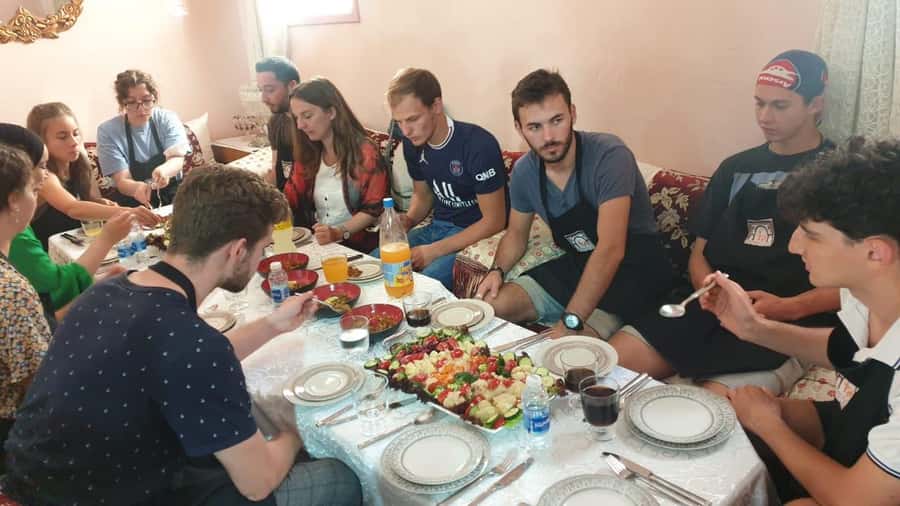
I’d book it if your idea of a great Rabat day includes market time, cooking with locals, and leaving with a meal you helped make. The small group size, the family-home setting, and the fact that you shop your ingredients make this feel fair at $72.
If you’re the type who wants only a quick taste or a passive show, then a cooking class in a real home kitchen may feel like too much work. But if you want Morocco through real technique and real eating, this is exactly the kind of experience that turns into a story you’ll still remember when you’re back home.
FAQ
Where is the meeting point for the cooking class?
The meeting point is at the Tramway station Hopital Moulay Youssef.
How long is the Rabat cooking class?
It lasts 4 hours.
What’s included in the price?
You get a market visit, the cooking session, a 3-course menu, and drinks (tea or coffee, plus bottled water).
Is transportation included?
No. Transportation is not included.
What languages are the host or greeter speaking?
The host or greeter speaks French and English.
Can someone join just for the meal after the class?
Yes. Your friends can join the meal after the cooking class for a supplement of €15.
FAQ
Is there free cancellation?
Yes. You can cancel up to 24 hours in advance for a full refund.
Is reserve now & pay later available?
Yes. You can reserve your spot and pay nothing today.