REVIEW · ROME
Fettuccine, Ravioli, and Tiramisu Cooking Class in Rome
Book on Viator →Operated by DreamTourz · Bookable on Viator
Fresh pasta lessons beat museum fatigue. This Rome cooking class turns hands-on dough work into a fun break, with local chefs like Giuseppe, plus Samuel and Fabio helping you get it right in an intimate small group. You’ll finish with classic tiramisu and a coffee or limoncello, all while learning Italy’s pasta basics in English.
The one watch-out: you may not make every sauce from scratch. One review notes the sauces (like the red sauce) are already prepared, so the focus stays on forming pasta and assembling tiramisu.
In This Review
- Key Highlights You’ll Feel in the Room
- Fettuccine, Ravioli, Tiramisu in 3 Hours: A Rome Class That Feels Like a Local Night
- Where You’ll Meet and Why the Location Matters
- The Pasta Lesson: Knead, Roll, Cut Like You Actually Mean It
- Fettuccine All’Uovo: Hands-On Egg Pasta and Sauce Choices
- Ravioli: A Skill Upgrade From Dough to Filled Pasta
- Tiramisu in Two Acts: Demo, Then the Coffee or Limoncello Finish
- What’s Included (and What You Bring to the Table)
- Drinks, Timing, and the Pace You’ll Actually Notice
- Price and Value: Is $90.02 Worth It in Rome?
- Who Should Book This Cooking Class (and Who Might Skip It)
- Practical Tips So You Enjoy Every Minute
- Should You Book the Fettuccine, Ravioli, and Tiramisu Class?
- FAQ
- How long is the cooking class?
- What dishes will I make and eat?
- Where does the class meet in Rome?
- Is transportation included?
- What beverages are included?
- What group size should I expect?
- Is the class offered in English?
- Do they provide ingredients and equipment?
- Do I get recipes after the class?
- What is the cancellation window?
Key Highlights You’ll Feel in the Room
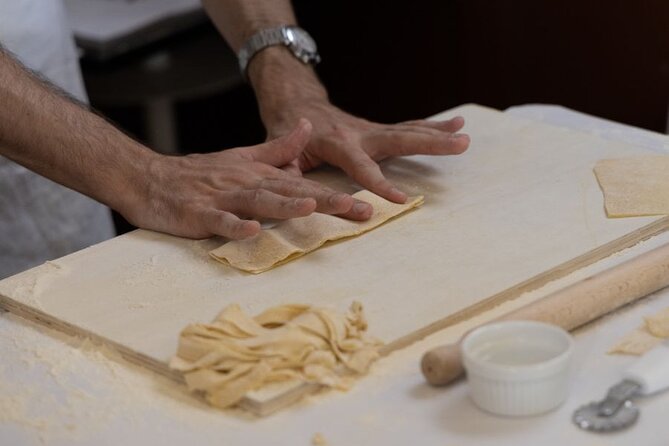
- Small group size (max 15) means you get real attention while you knead, roll, and cut
- Chef Giuseppe and hosts Samuel and Fabio keep the vibe fun and teach step-by-step
- Egg fettuccine + ravioli shaping gives you skills you can repeat at home
- Tiramisu ends with a tasting, then coffee or limoncello after the lesson
- You leave with recipes in a PDF, plus photos from the experience in some groups
Fettuccine, Ravioli, Tiramisu in 3 Hours: A Rome Class That Feels Like a Local Night
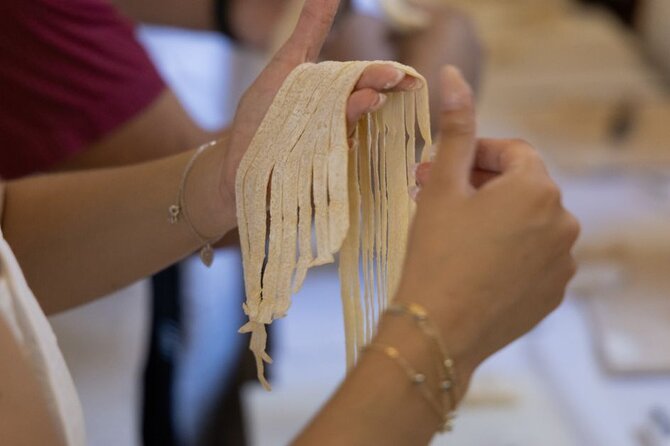
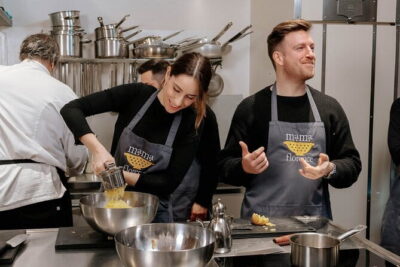
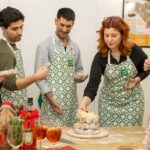
If your Rome plan is heavy on ruins and viewpoints, this is the kind of activity that resets your brain. In about 3 hours, you trade sightseeing pace for flour on your hands, focused coaching, and a meal that you helped create. It’s also a nice use of time because you’re not just watching a demonstration all evening—you’re actively making fettuccine and ravioli, then finishing with dessert.
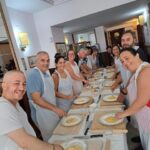
I like that the class is built around clear outcomes. You don’t need to be a foodie or a home cook already. You just need to be willing to get a little messy and follow instructions. The small group size (up to 15) matters here: it keeps the room from turning into a factory line, and it helps the instructors correct your technique before it becomes a problem.
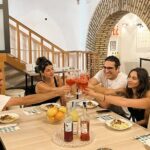
A big plus for value: the price covers the ingredients and tools, what you eat, and the drinks. You get a glass of Italian wine or a soft drink, then coffee or limoncello after tiramisu. In Rome, that “everything included” approach is what makes a class like this feel fair.
You can also read our reviews of more tours and experiences in Rome.

Where You’ll Meet and Why the Location Matters
You’ll start at iQ Hotel Roma, Via Firenze, 8, 00184 Roma RM. The good news is that it’s near public transportation, so you can realistically fit it into your day without a whole logistical puzzle.
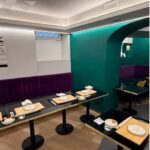
Also, this area is prime walking Rome. Reviews place the class near Piazza Navona with views toward the Pantheon. That matters because the class is not an isolated experience you have to drive across town for. It’s more like a smart pivot: you can sightsee earlier, walk over, take a break, and then keep exploring afterward.
The meeting-and-return setup is simple: the activity ends back at the meeting point. That reduces the stress of planning your next stop, especially if you’re traveling with others.
The Pasta Lesson: Knead, Roll, Cut Like You Actually Mean It
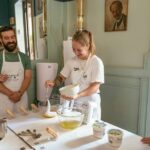
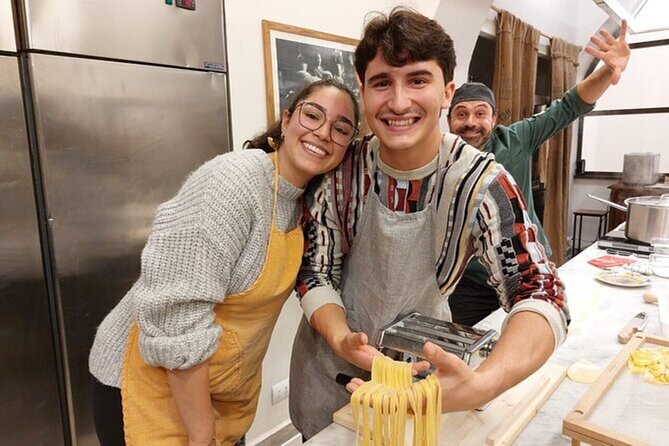
The heart of this experience is learning how to work egg pasta dough. You’ll practice the core moves: kneading, rolling, and cutting. That’s the skill set that transfers best to your own kitchen later.
Here’s what that means in real terms. Fresh pasta is about texture and patience:
- Kneading develops the dough structure.
- Rolling controls thickness so the pasta cooks evenly.
- Cutting (or shaping) affects how sauce clings.
In a class environment, those steps are much easier because an instructor can correct you while you’re doing it. Reviews consistently highlight that the chefs are friendly and helpful, with one specifically calling out Giuseppe as fun and supportive. Another highlights Fabio and Samuel making the experience enjoyable, which matters because good pacing turns a potentially intimidating task into something you can pull off.
And because this is a hands-on session, you aren’t stuck waiting for your turn. The class format stays active: you’re working while learning, not just standing around.
Fettuccine All’Uovo: Hands-On Egg Pasta and Sauce Choices
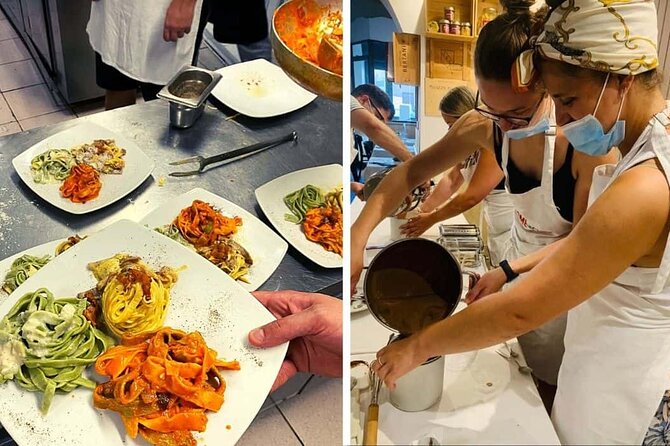
Your first main course is Fettuccine all’Uovo—homemade egg fettuccine made in the class. You’ll then eat it with a choice of sauces.
The sauce part is worth understanding. One review mentions wanting a red sauce element because the sauces were prepared already, not made by hand during the lesson. That doesn’t mean you won’t get good flavor—it just means the technical “skill focus” is on the pasta itself. If you’re hoping for a full-from-scratch sauce education session, adjust expectations: consider this a pasta craft class with dinner included, not a whole restaurant meal build.
Still, the payoff is real. Some people describe the pasta making as satisfying even if the final pasta wasn’t the absolute best they’d ever eaten. That’s normal. Homemade pasta quality depends on timing and technique, and part of the fun is that you get to learn where the difference comes from.
Ravioli: A Skill Upgrade From Dough to Filled Pasta
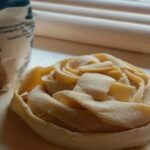
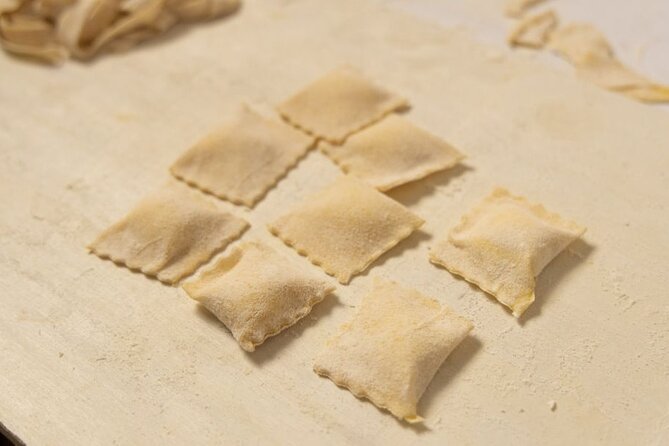
Then you move from flat pasta work to ravioli—stuffed pasta. The class includes fresh homemade ravioli filled with ricotta cheese and spinach, served on a butter and sage setup.
Ravioli is where most people get surprised. The dough is only half the job. The other half is sealing and shaping so it cooks without leaking. With direct instruction, it becomes a learnable technique instead of a mystery.
This part also tends to be the most memorable because the result is tangible. Once you’ve stuffed and formed the ravioli, you can really see the transformation from ingredients to finished pasta.
If you like practical cooking skills, ravioli is a great learning target. It teaches portioning, consistency, and handling dough without tearing it. Later, you can scale the method down to smaller shapes or different fillings at home.

Tiramisu in Two Acts: Demo, Then the Coffee or Limoncello Finish
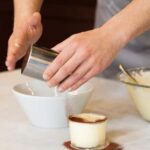
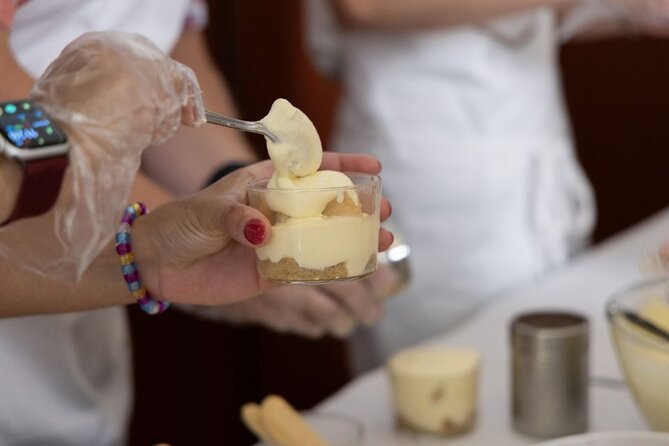
Dessert is tiramisu, the classic Italian layering of espresso-soaked ladyfingers and mascarpone cream, dusted with cocoa powder. In many sessions, tiramisu is taught as a demonstration with tasting. One review specifically notes that pasta-making is hands-on while the tiramisu instruction leans more demo-style.
That’s a smart balance for a 3-hour class. Pasta needs time and repetition. Tiramisu assembly is fast, and a demo keeps the group moving without chaos. You still get the “how” without everyone building a dessert at the same pace.
After the lesson and tasting, you get a final treat: coffee or limoncello. That little end-cap helps the class feel like dinner plus dessert, not like an interrupted cooking workshop. It’s also a nice way to slow down after the activity, especially if your Rome day already includes lots of walking.
What’s Included (and What You Bring to the Table)
This class includes everything you need for cooking:
- Hands-on cooking class
- Ingredients and cooking utensils
- Aprons and all necessary cooking materials
- All dishes you prepare
- Alcoholic beverage or soft drink (a glass of Italian wine or a soft drink)
- Coffee or limoncello
What’s not included is also straightforward: transportation and any extra food or drinks you want beyond what’s offered.
For most people, that “included” list is the reason the class feels like good value. You’re not paying extra for a meal or drinks after the lesson. You show up, cook, eat, and finish with coffee or limoncello.
One extra perk worth noting from reviews: some instructors take photos during the class and share them afterward. That’s a small thing, but it helps you remember the day without asking someone in your group to play photographer.
Drinks, Timing, and the Pace You’ll Actually Notice
Timing is tight in the best way. With only about 3 hours, the class keeps moving, which is great if you hate long, slow tours. You get structured steps and a steady rhythm: dough → shaping → dessert demo → eating.
If you’re sensitive to pace, plan to be mentally ready for a hands-on session that moves from one task to the next. You won’t spend the whole night simmering sauces or browsing menus. The instructors guide you through key moments, and you do the work.
Drink-wise, you can expect a choice: wine or a soft drink. Reviews also mention the fun, lively tone from the instructors, which helps you relax and enjoy the process, not just focus on output.
Price and Value: Is $90.02 Worth It in Rome?
At $90.02 per person, you’re paying for a few things at once:
- Instruction from local chefs
- Ingredients and tools (so you’re not buying supplies separately)
- A full meal outcome (fettuccine, ravioli, tiramisu)
- Drinks: wine or soft drink, plus coffee or limoncello
- A small group setting (max 15)
If you tried to replicate this as a DIY dinner, you’d likely spend money on ingredients, pasta-making gear, and then still eat a meal somewhere. Here, your “cost” includes the teaching and the included drinks that complete the experience. The location near major sights also helps—less time and money lost to transit.
The main value trade-off is that sauces may be pre-prepared, as noted by one review. If your dream class involves making every component from scratch, you may feel the limits. If your goal is to learn pasta skills and leave with a tasty meal and dessert, the price feels justified.
Who Should Book This Cooking Class (and Who Might Skip It)
This is a strong pick for:
- Couples who want a memorable, hands-on dinner night
- Families with teenagers who need something different from the history-heavy circuit
- Food lovers who want a real skill, not just a tasting tour
- People who want a short reset from walking and museums
Reviews include families doing it with teens, plus groups spanning young adults to mid-50s. That range tells me the class works across ages. It’s physical enough to be engaging, but not so technical that it excludes beginners.
It might be less ideal if:
- You’re hoping for a long sit-down restaurant meal where you mostly eat
- You expect a full from-scratch sauce course alongside pasta
- You dislike getting hands-on with dough
Practical Tips So You Enjoy Every Minute
A few practical ideas help this go smoothly:
- Wear comfortable clothes and closed-toe shoes since you’re working with dough.
- Bring a quick-clean mindset. Flour gets everywhere in pasta classes, even with aprons.
- If you’re visiting top sights earlier in the day, schedule this for later afternoon or early evening. That timing fits a break-from-walking routine.
- Plan to eat what you make. The class is designed so the dishes you form become your meal, not just a tasting sample.
Also, because this is in a central area near major landmarks, it’s easy to build a day around it. You can pair it with sightseeing in the morning and keep your evening flexible.
Should You Book the Fettuccine, Ravioli, and Tiramisu Class?
If you want a hands-on Rome night with real cooking skills, I’d book it. You’re learning egg fettuccine technique, forming ricotta-and-spinach ravioli, and finishing with tiramisu, plus you get drinks and a coffee or limoncello send-off. With instructors like Giuseppe, Samuel, and Fabio creating a fun, supportive vibe, the experience feels more like a good local table than a stiff classroom.
Just go in with the right expectations. Some sauces may be prepped ahead, so the class isn’t trying to teach every single restaurant component from scratch. If that’s fine with you—and you care more about making pasta and dessert—the value is strong.
FAQ
How long is the cooking class?
The class lasts about 3 hours.
What dishes will I make and eat?
You’ll make and eat fettuccine, ravioli, and tiramisu.
Where does the class meet in Rome?
The meeting point is iQ Hotel Roma, Via Firenze, 8, 00184 Roma RM, Italy.
Is transportation included?
No. Transportation is not included.
What beverages are included?
You’ll receive a glass of Italian wine or a soft drink. After tiramisu, you also get coffee or limoncello.
What group size should I expect?
The experience has a maximum of 15 travelers.
Is the class offered in English?
Yes, it’s offered in English.
Do they provide ingredients and equipment?
Yes. Ingredients, cooking utensils, and aprons are provided.
Do I get recipes after the class?
One review notes you receive a PDF of the recipes after the class.
What is the cancellation window?
You can cancel for a full refund up to 24 hours in advance of the experience start time.