REVIEW · RABAT
Rabat: Authentic Moroccan Cooking Class with Expert Chefs
Book on GetYourGuide →Operated by OhDelices Culinary Academy · Bookable on GetYourGuide
This class turns dinner into a skill you can repeat at home. I like the hands-on pace, where you actually cook a full starter, main, and dessert instead of watching someone else. I also like the way the chefs bring the ingredients to life, with special touches like fermented butter and pickled lemon that you won’t easily stumble on in a normal supermarket.
You’ll get expert guidance in a small group (max 10) with translation support. The experience is run by talented chefs—some sessions highlight Chef Loubna (and other chef teams), plus translators such as Malak or Oumaima—so you can follow steps even if your French or Arabic is shaky. The one drawback: spice smells cling to your clothes, so bring cooking-shift layers or plan on washing right away.
If you want a practical, culture-forward food lesson that ends with a real meal, this is a strong pick in Rabat.
In This Review
- Key highlights in plain English
- Why Rabat’s OhDelices Class Feels Like Food + Story Time
- Meet the Chefs and Translators (So Language Isn’t a Barrier)
- What You’ll Cook: Tagine, Pastilla, Couscous, Msemen, and Traditional Breads
- The Flavor Lessons: Spices, Fermented Butter, and Pickled Lemon
- Your 3 Hours: How the Class Runs from Starter to Dessert
- After Class: The Meal, Moroccan Mint Tea, and Stories
- Price and Value in Rabat: What $65 Buys You
- Logistics You Should Know Before You Go
- Who This Class Suits Best (and Who Might Skip)
- Should You Book This Moroccan Cooking Class in Rabat?
- FAQ
- What dishes do you learn in the Rabat cooking class?
- How long is the class?
- Is there translation if I don’t speak French or Arabic?
- What’s included in the price?
- Do I need to bring anything?
- What if I have dietary restrictions?
Key highlights in plain English
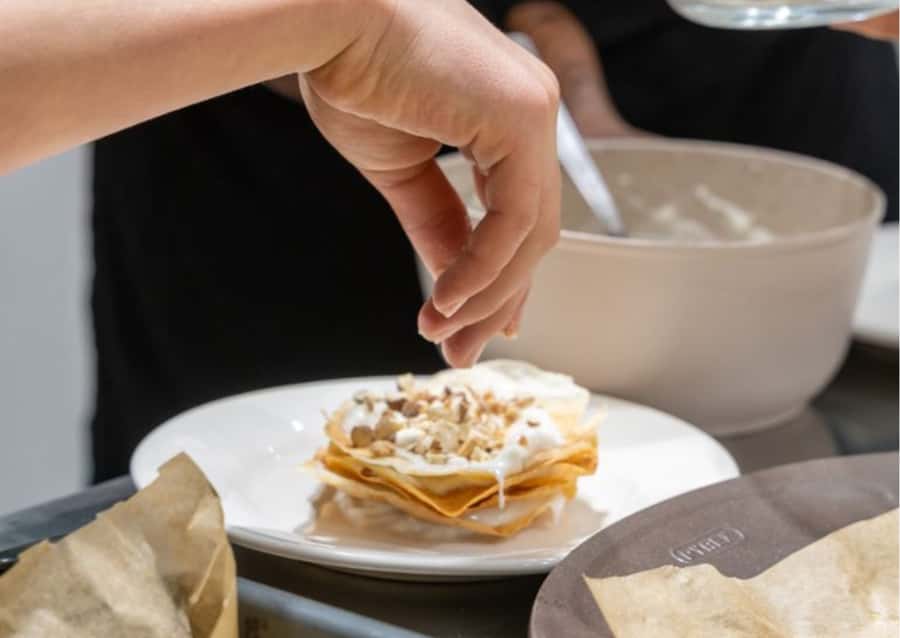
- Small group (10 max) means real help when you’re shaping dough or building flavors
- You learn iconic dishes like tagine and pastilla, plus Moroccan breads and staples such as couscous and msemen
- The menu can be shaped by what you want to cook, with some flexibility based on the group
- Expect hands-on work and a full meal afterward, with Moroccan mint tea and stories
- Ingredients and equipment are provided, and you leave with recipes to take home
Why Rabat’s OhDelices Class Feels Like Food + Story Time
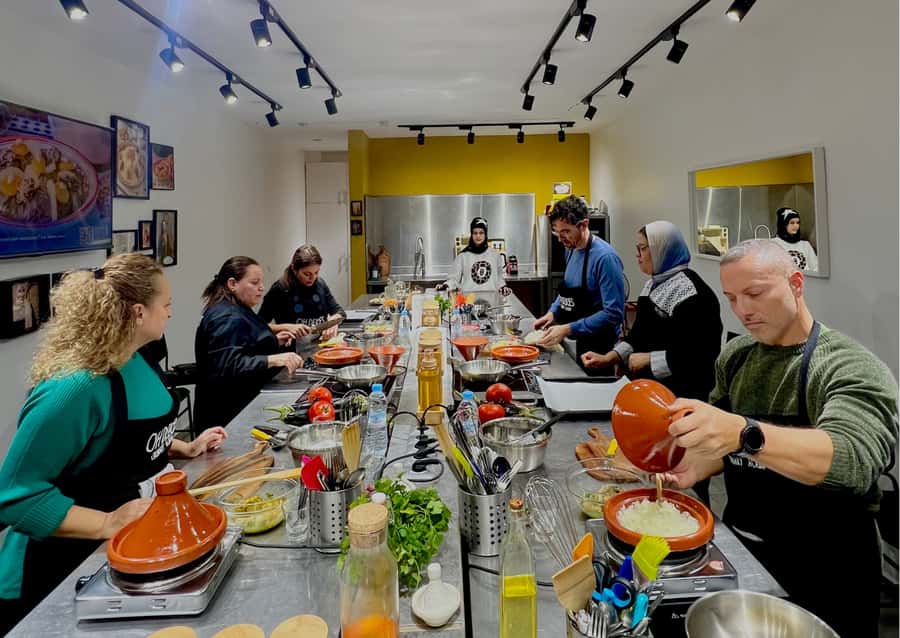
Moroccan cooking isn’t just recipes. It’s technique, timing, and flavor logic. In this class at OhDelices Culinary Academy in Rabat, the kitchen talk connects spices and methods to the food you end up eating.
The format does a clever thing: you start with practical cooking steps, but the chef’s explanations keep drifting into the culture behind the dishes. That’s how you go from mixing spices to understanding why preserved lemon shows up in tagines, or why bread and pastries matter beyond being side dishes.
And because it’s in Rabat (not a tourist bubble kitchen), the overall mood feels more local and less staged. The meal at the end doesn’t feel like a separate event—it’s the payoff for what you just learned.
You can also read our reviews of more tours and experiences in Rabat.
Meet the Chefs and Translators (So Language Isn’t a Barrier)
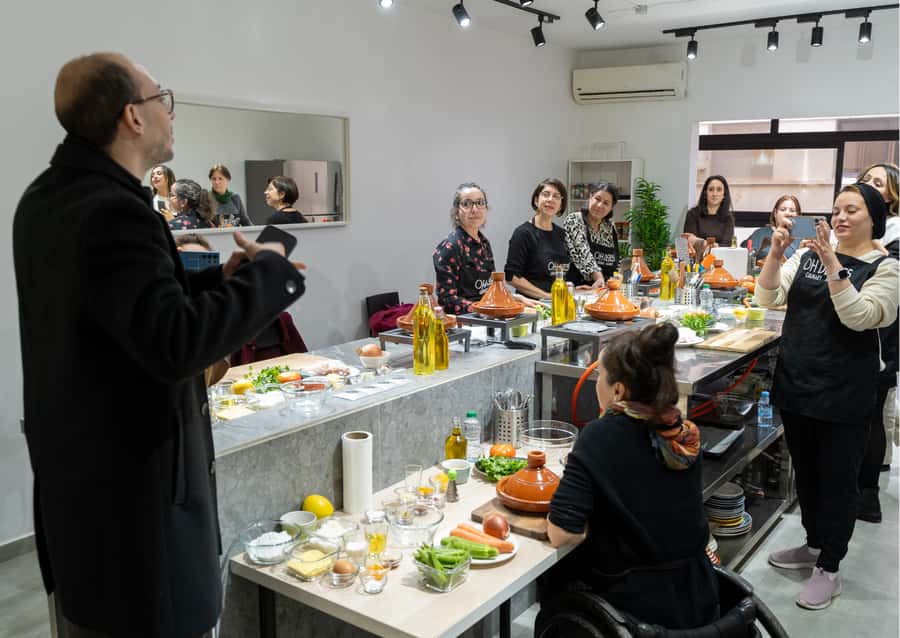
This class runs with expert chefs and support staff, and it’s built for different language levels. The instruction languages listed are Arabic, English, and French, and you’ll have translation support for English and French sessions.
In the reviews, you’ll see recurring names tied to the experience, including Chef Loubna and Chef Najat, with translators like Malak and Oumaima, plus a friendly host presence from Fatima. Even when the main instructor speaks French, the translation support keeps you from drifting off at the moments that matter most—like when to add spices, how to handle dough, or what consistency the sauce should reach.
That matters for value. A cooking class is only “worth it” if you can repeat it later. Clear step-by-step communication is how you actually leave with skills, not just memories.
What You’ll Cook: Tagine, Pastilla, Couscous, Msemen, and Traditional Breads
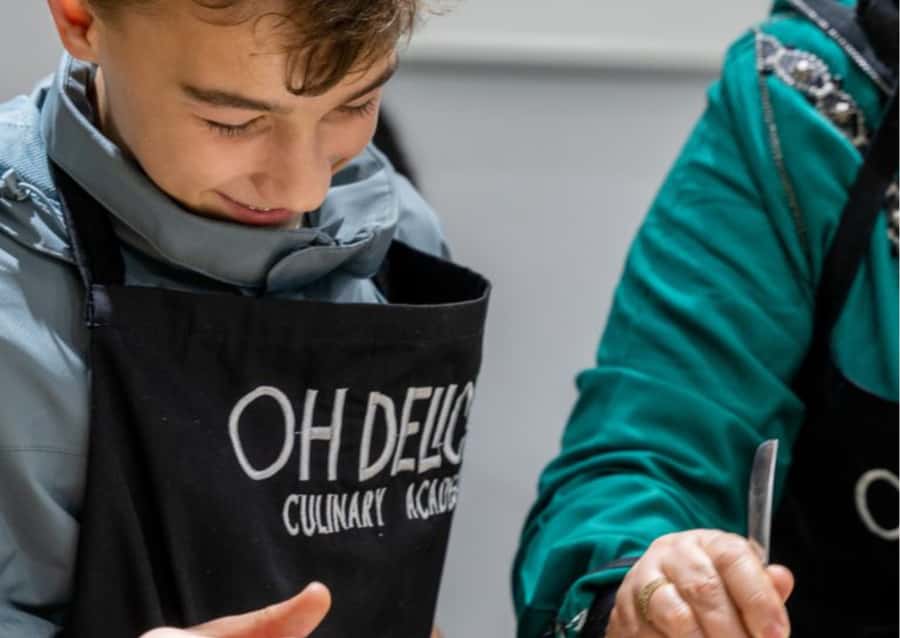
You’re not limited to one dish. The class is structured around a full traditional Moroccan meal, and the cooking covers several staples.
Here’s what you should expect to learn to make (or closely work on, with the chef guiding you):
- Tagines (including dishes flavored with preserved items like pickled lemon)
- Pastilla (often layered or assembled with specific pastry handling)
- Moroccan breads and pastries (traditional bread work is part of the class)
- Moroccan staples such as couscous and msemen
- A sweet Moroccan dessert to finish
The dishes can vary a bit depending on the group’s choices. One review notes there’s a short “what would you like to cook” input, and the plan can shift based on other guests—yet the participant still got their preferred choice. In practice, that means you’re not just stuck with whatever the kitchen decided that day.
Also, you’ll see variety in what’s used as your starter and main. For example, one review describes an eggplant starter and a beef tajine session, so don’t assume it’s always the same menu. The core is Moroccan classics; the exact plate can change.
The Flavor Lessons: Spices, Fermented Butter, and Pickled Lemon
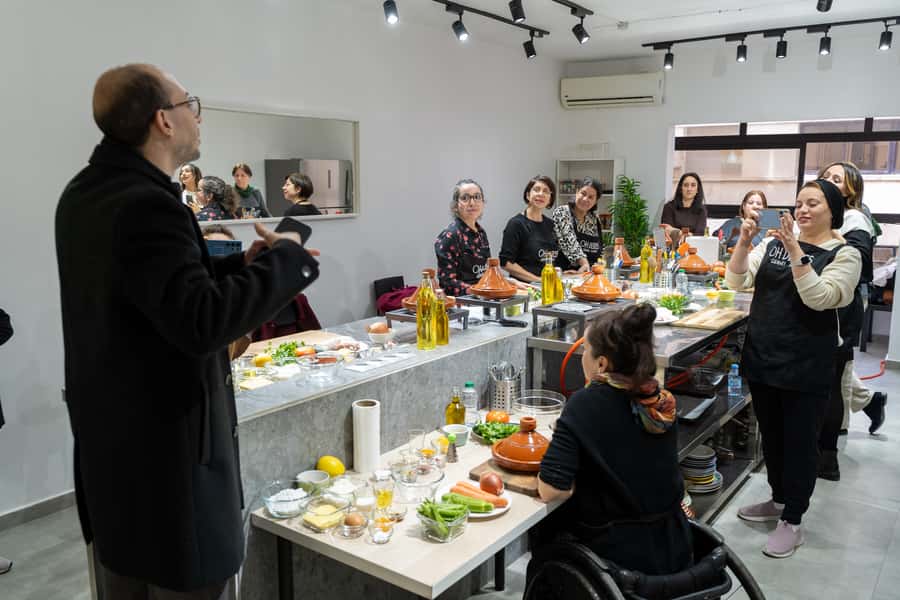
If you love food, pay attention during the flavor explanations. Morocco is one of those cuisines where spices are not a vague “seasoning vibe.” They’re measured logic.
Two ingredient highlights show up strongly in feedback: fermented butter and pickled lemon. These can make a tagine taste like the real thing—because they add depth and tang that dried seasonings alone can’t replicate. If you’ve ever tried cooking Moroccan food at home and felt it tasted “almost,” this is the kind of detail that closes the gap.
The chef’s approach tends to be practical: when to bloom spices, how they should smell when they’re ready, and how to balance savory and aromatic notes. That’s why the class is valuable even if you don’t plan to cook every dish later. You’re learning the flavor system behind them.
Your 3 Hours: How the Class Runs from Starter to Dessert
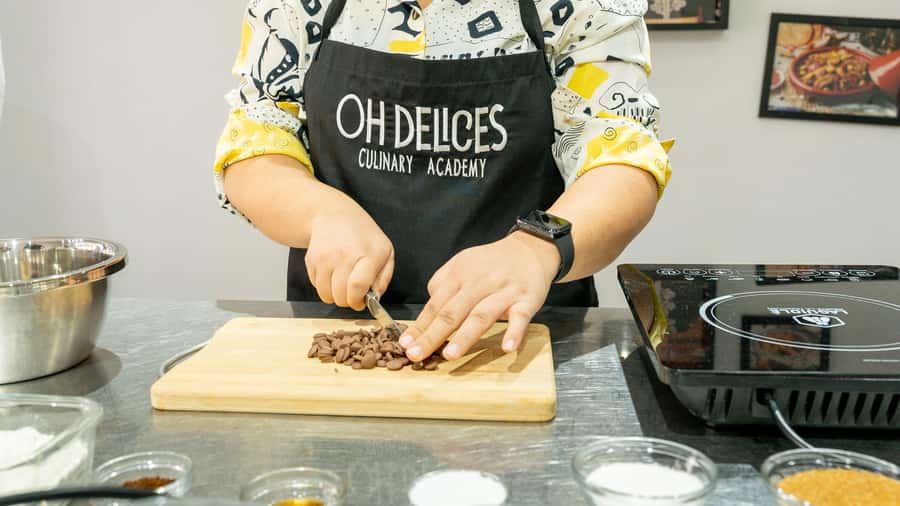
The total duration is 3 hours, and it’s paced like a working kitchen, not a lecture. Most classes in this format follow a flow that ends with you eating what you cooked—so you won’t feel like you’re standing in the background.
A typical rhythm:
- You start with a starter step, often something that introduces texture and spice balance.
- Then you move into the main portion, commonly centered around tagine work and sauce/spice building.
- Finally, you tackle dessert pastry and sweet finishing techniques.
One important thing: you’re not just making one component. You’re doing enough steps that you understand what changes when you press, fold, stir, or adjust heat. That’s why participants leave saying they got stuffed afterward—because you really do create a full meal, not a tiny “tasting” portion.
Also note the atmosphere is described as relaxed. Instructions are easy to follow, but you still get hands-on time. That combination helps both beginners and people who cook a lot at home.
After Class: The Meal, Moroccan Mint Tea, and Stories
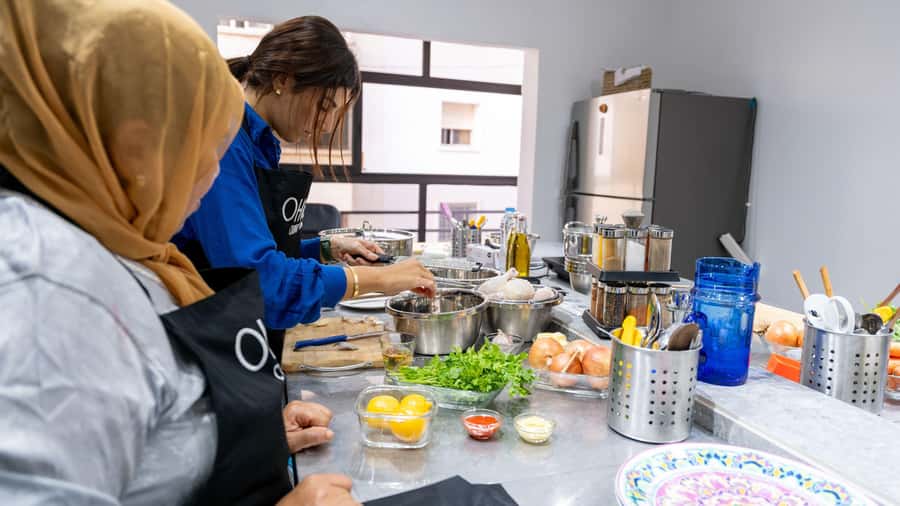
The meal after class is a big part of why this experience works. You sit down and eat what you made, with Moroccan mint tea served as part of the experience.
Several reviews mention the food was so good people felt full, and that the session included cultural sharing along the way. That’s more than small talk. Those story bits help you connect techniques to tradition—like how certain ingredients became part of household cooking patterns, or why specific dishes show up for gatherings.
If you’re the type of traveler who likes food but also likes meaning, this is a good match. You don’t leave only with a recipe card; you leave with context that helps your next attempt taste right.
Price and Value in Rabat: What $65 Buys You
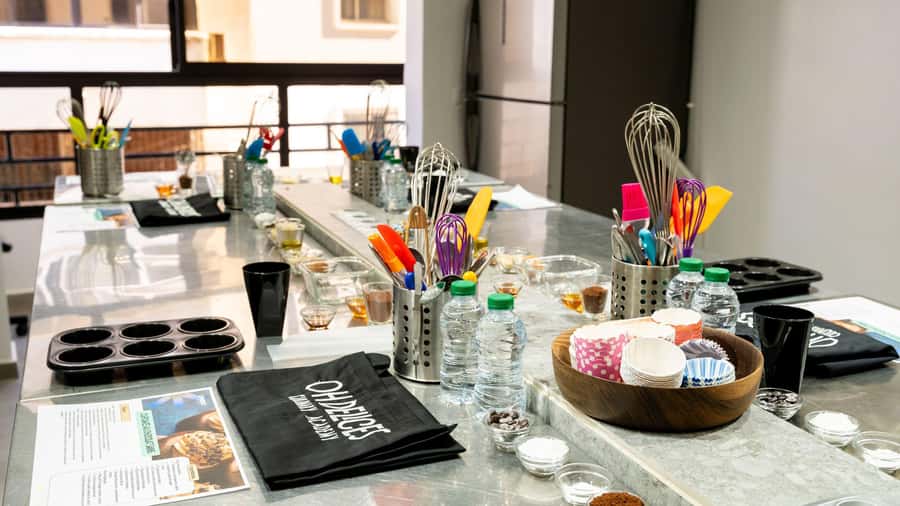
At $65 per person for 3 hours, this is not a bargain class—but it does hold up for value when you look at what’s included.
You get:
- All ingredients and cooking equipment
- Professional chef guidance
- A full meal you cook yourself
- Moroccan mint tea
- Recipes to take home
In other words, you’re paying for a guided, all-in kitchen session plus food. You’re not paying only for instruction. You’re also paying for ingredient access. That’s the key: ingredients like pickled lemon or fermented butter aren’t always easy to source, and this class helps you learn how to use them with proper technique.
If you compare that to doing a DIY cooking day plus buying specialty ingredients plus guessing the steps, the math starts to favor the class. Especially if it’s your first time cooking Moroccan food.
Logistics You Should Know Before You Go
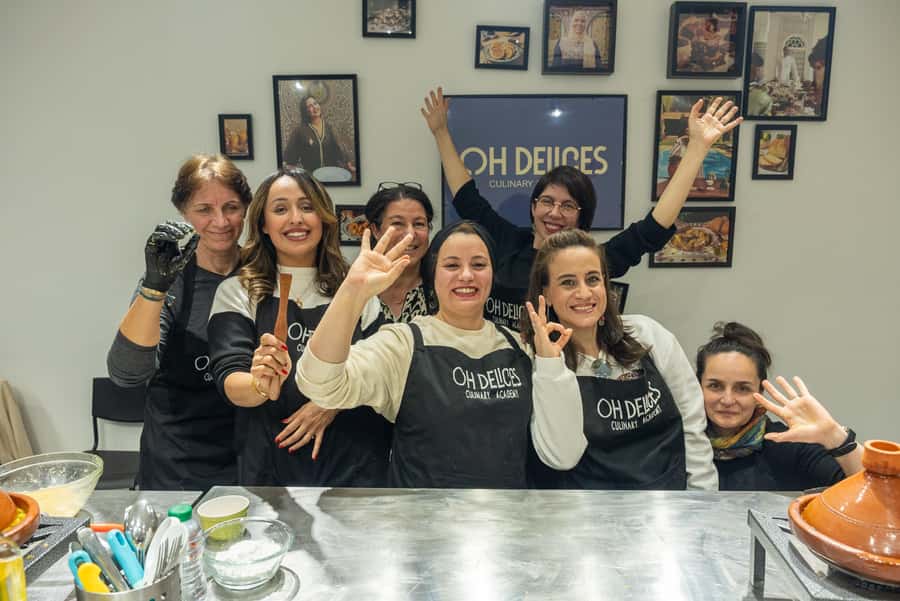
This is where small details make a difference.
Where to meet: the meeting point is in the building next to the Goethe Center building. Plan to arrive a little early so you can settle in and get organized.
What to bring: comfortable shoes. You’ll likely stand and move around during prep and cooking.
What not to do: smoking or vaping is not allowed, and alcohol or drugs are not allowed. Also, bare feet aren’t allowed.
Dietary restrictions: you should inform the team in advance about dietary restrictions or preferences. That’s important because menu components can matter for substitutions.
One extra practical note from a review: spice smells can linger on your clothes for days if you attend early in your trip. If you’re heading straight to dinner plans afterward, wear something you don’t mind washing right away. If you have an odor-removing spray, it could help.
Who This Class Suits Best (and Who Might Skip)
This class is a strong fit if:
- You want a hands-on Moroccan experience in Rabat without guessing ingredients at home
- You like structured cooking with expert help, even if you’re a beginner
- You enjoy learning the why behind flavors, not just copying steps
- You want a meal at the end that feels worth the time
You might consider skipping if:
- You’re sensitive to spice scents or you hate the idea of smelling like the kitchen afterward
- You only want a quick food tasting, not actual cooking and technique practice
For couples, families, and groups, the small size tends to make it easier to get answers and stay engaged.
Should You Book This Moroccan Cooking Class in Rabat?
If you’re looking for one activity that gives you both culture and a real, repeatable skill, I’d book it. You’re paying for chef guidance, specialty ingredients, and a full meal you create yourself—not just a performance in a kitchen.
I’d especially book it early in your Rabat trip if you plan to cook at home later. The flavors, names of dishes, and ingredient logic tend to stick when you make them with your own hands.
If you’re unsure, ask yourself one question: do you want to learn how Moroccan classics are built (tagine, pastilla, breads), or do you just want to eat? If it’s the first one, this class makes a lot of sense.
FAQ
What dishes do you learn in the Rabat cooking class?
You can expect to learn iconic Moroccan dishes and staples such as tagines, pastillas, traditional breads, couscous, and msemen, plus a sweet Moroccan dessert. The exact menu may vary based on group choices.
How long is the class?
The experience lasts 3 hours.
Is there translation if I don’t speak French or Arabic?
Yes. The class is available in English and French with a translator. Instruction languages are Arabic, English, and French.
What’s included in the price?
The price includes all ingredients and cooking equipment, professional guidance from the chef, a full meal after the class (with complimentary tea), and recipes to take home.
Do I need to bring anything?
Bring comfortable shoes. You don’t need to bring ingredients or equipment.
What if I have dietary restrictions?
You should inform the provider of any dietary restrictions or preferences in advance so they can adjust where possible.