REVIEW · RAGUSA
Ragusa: Private Cooking Class at a Local’s Home
Book on GetYourGuide →Operated by Cesarine · Bookable on GetYourGuide
Cooking with locals beats any tour-bus meal. In Ragusa, a private cooking class in Salvina and Angelo’s home turns Sicilian recipes into real skills, with three dishes and local wine included. The one catch: it’s inside a private residence, so you’ll get the full address only after booking.
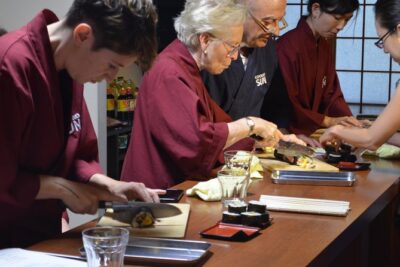
I like how this isn’t a demo. You cook at a real workstation with utensils and ingredients set up for you, then you sit down and taste everything you made with water, coffee, and wine. The atmosphere is clearly meant to feel warm and personal, not scripted.
The class is typically 10 AM or 5 PM, and it can flex with your schedule. If you need vegetarian, vegan, or gluten-free options, the host can cater to dietary requirements if you request them in advance.
In This Review
- Key highlights at a glance
- A private Ragusa kitchen session, not a cooking show
- Meet your home cooks: what “local” really means here
- What you’ll cook in 3 hours: starter, pasta, dessert
- Wine, water, coffee: eating what you make (and why that’s the point)
- Dietary needs and the English-Italian teaching style
- Timing and finding the house in Ragusa
- Price and value: is $164.26 per person worth it?
- Who should book this Sicilian home cooking class?
- Tips to get the most from your Sicilian lesson
- Should you book this Ragusa cooking class?
- FAQ
- What is the duration of the cooking class?
- Where does the class take place?
- What do you cook during the class?
- Are drinks included?
- Is wine included with the meal?
- Is this a private group experience?
- What languages are used during the class?
- What time does the class usually start?
- Can dietary restrictions be accommodated?
- Does the experience include cancellation flexibility?
- Is there a pay-later option?
Key highlights at a glance
- Private, home-based class with certified home cooks in Ragusa
- Three local Sicilian recipes: starter, pasta, dessert
- Everything you make is served to you, paired with local wine
- Family-cookbook style lessons, with stories that explain why dishes work
- English and Italian instruction for a smoother experience
- Private group format, so the pace can suit you
A private Ragusa kitchen session, not a cooking show
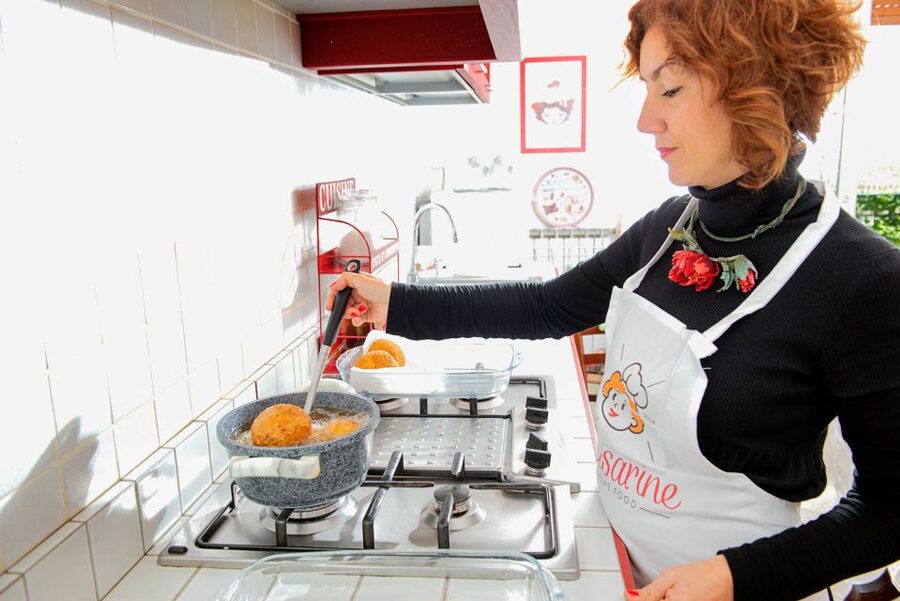
This is the kind of experience that feels old-world simple. You arrive at a local family’s home, meet your host, and spend about three hours learning three regional recipes—then eating them while the lesson is still fresh in your mind.
What makes it better than many “cooking classes” is the setting: it’s a real home kitchen. That changes the mood. Instead of watching from the sidelines, you’re working alongside someone who actually cooks these dishes for people they love. If you care about getting the context behind the food—how it’s built, adjusted, and finished—that matters.
Meet your home cooks: what “local” really means here
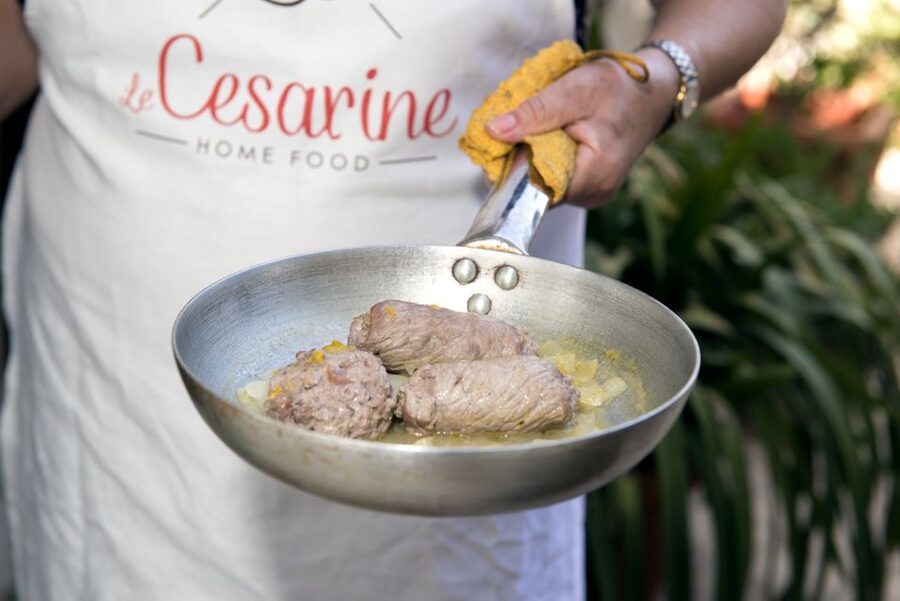
The teaching style comes through clearly in the way hosts are described. Salvina and Angelo are talked about as warm, welcoming, and proud of family food traditions. That pride isn’t just talk; it shows up in how they teach and how they host.
I also like that the instructor is described as a certified home cook who teaches in English and Italian. You don’t need to hunt for language help or guess what’s important. You can ask questions in a way that gets you real answers, not just instructions you don’t fully understand.
And because this is in their home, it naturally becomes more personal. The experience is set up to create a genuine connection with local Italian families—like you’re invited into their routine for a few hours, not herded through an attraction.
Possible drawback to consider: since this is privacy-first, the address isn’t given upfront. You won’t be able to map it instantly. You’ll plan around a “you’ll receive the full address after booking” approach, which is fine—just make sure you’re comfortable handling that kind of communication.
What you’ll cook in 3 hours: starter, pasta, dessert
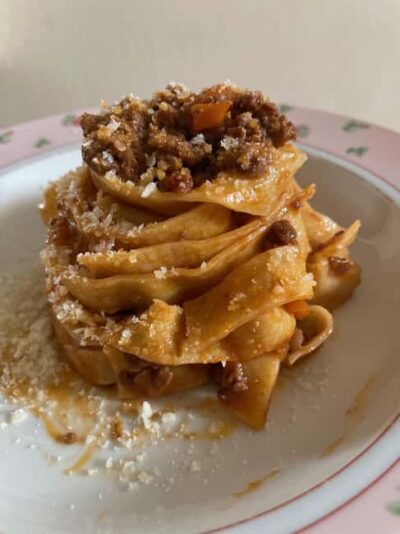
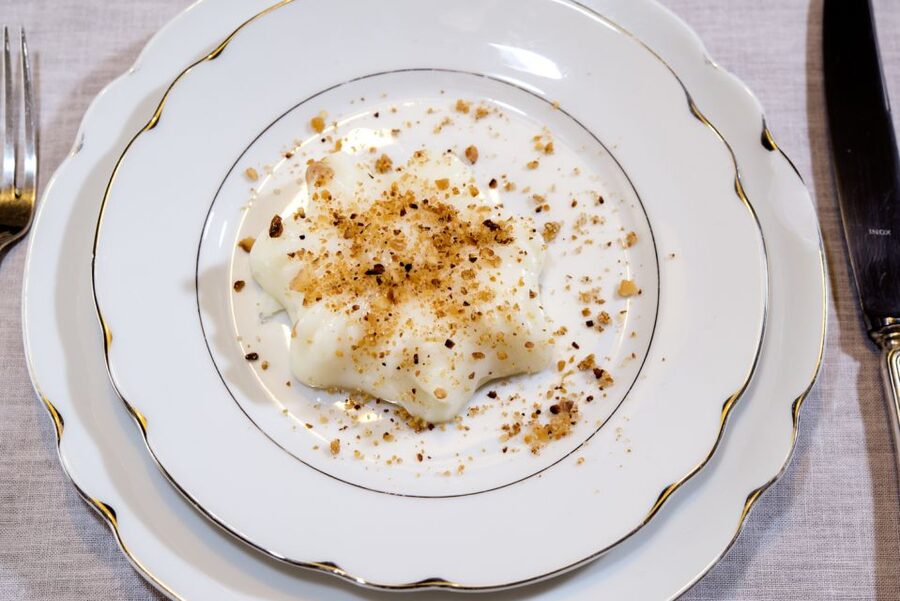
The class is structured around three authentic local dishes: a starter, a pasta, and a dessert. That trio is practical. You learn how Sicilian cooking balances different textures and timing—something you can’t always pick up from restaurant meals or quick recipes online.
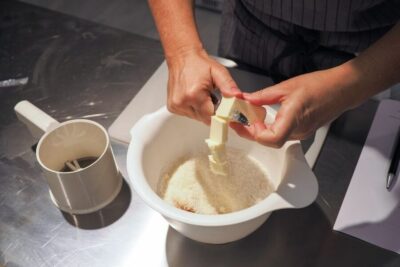
You’ll have a workstation with the necessary tools and ingredients so you can actively put your cooking skills to work. The host provides the ingredient setup and the recipe framework; your job is to cook through the steps and learn what to watch for as things change in the pan.
A key part of the experience is that the recipes come from family traditions—described as coming from family cook books. That matters because family recipes usually reflect what works in real kitchens: how dishes handle busy days, which flavors are non-negotiable, and what changes are acceptable based on what’s available.
How the pacing usually works: you’ll move from starter to pasta to dessert without turning it into a “one dish, forever” format. In three hours, the goal is to get you cooking, tasting, and understanding the logic of the dishes, not just memorizing steps.
Wine, water, coffee: eating what you make (and why that’s the point)
The meal isn’t an afterthought here. Once the dishes are ready, you taste what you prepared, accompanied by a selection of local wines. Water and coffee are included too.
This is a big value piece. Many classes teach, feed you something small, and call it dinner. Here, the point is that you’ll actually taste your own work as you learn what makes it right—seasoning, texture, and finish. Pairing it with local wine also helps you “close the loop.” You go from recipe steps to real taste experience right in the same session.
From the way hosts are described, the tasting part feels social and relaxed. It’s the moment the class becomes a shared dinner, not a class you rush through to check a box.
Dietary needs and the English-Italian teaching style
You can request dietary requirements, including vegetarian, vegan, or gluten-free. That’s important because it keeps the lesson from becoming frustrating. Instead of being stuck with a watered-down substitute, you can align the menu with what you can eat.
The teaching is listed as English and Italian. In real terms, that helps you get details you might otherwise miss—especially when something depends on judgment (like texture or doneness). You’ll also be able to ask questions and get answers in a way that feels natural, which makes the class more useful after you leave.
If you have dietary needs, don’t wait until the last minute. Ask clearly when you book or as soon as you can after booking, so the host can plan ingredients and adjustments.
Timing and finding the house in Ragusa
This class typically begins at 10 AM or 5 PM, with flexibility depending on your travel needs. Three hours is a manageable block of time, so it works well even if you’re trying to keep a sightseeing plan that day. You just need to treat the cooking class like your main event, not a side stop.
Because it’s in a private home, you’ll receive the exact meeting point address after booking. That privacy is part of the experience. The upside is you’re actually going into a local household, not a storefront. The downside is you’ll rely on the host’s message for navigation and timing.
Practical advice: plan your day so you’re not rushing across town right before class. A calm arrival gives you the best shot at getting comfortable and enjoying the full three-hour flow.
Price and value: is $164.26 per person worth it?
At $164.26 per person for a private 3-hour cooking class, the price looks “premium” compared to group classes. But value isn’t just about cost—it’s about what you get for the money.
Here’s what’s included:
- A private cooking class
- Three local dishes you make during the session
- Beverages: water, wines, and coffee
For me, the strongest value argument is that you’re paying for multiple things at once: the instruction, the ingredients setup, and a full tasting experience with wine. Also, private instruction is usually where you gain the most, since you can ask questions and adjust in real time instead of watching others.
So if you’re the type of traveler who likes hands-on learning and you want the meal to be the experience—not just a reward—this is priced in a way that can feel fair.
Who should book this Sicilian home cooking class?
This class fits best if you want food that feels personal and learnable. It’s especially good for:
- Couples or small groups who want a private setting
- Food lovers who like learning the why behind recipes
- Travelers who prefer local homes over staged venues
- People who care about dietary accommodations (vegetarian/vegan/gluten-free can be requested)
It also sounds like it can work well with families. One account mentions bringing kids, with the hosts welcoming everyone and keeping the experience warm and friendly even with a very young child involved. If you’re traveling with children, just expect the schedule to still be centered on cooking and tasting.
If you want a high-speed checklist of sights, this probably won’t match your style. But if your vacation goal includes learning a few Sicilian dishes you can actually repeat later, this is exactly the kind of experience that sticks.
Tips to get the most from your Sicilian lesson
First, treat it like you’re learning a family skill, not taking a class you’ll forget. Ask questions while you cook—especially about what changes when ingredients shift or when timing matters. That’s where “secret” techniques usually live.
Second, pay attention to the full arc: starter to pasta to dessert. When you connect the steps across the three dishes, you’ll understand how Sicilian meals are built as a whole, not as separate recipe cards.
Third, don’t rush the tasting. The wine pairing and coffee/water included aren’t filler. Taste what you made while it’s still fresh in your hands, so you can identify what you nailed and what you’d tweak next time.
Finally, if dietary needs apply, communicate them early. The class is built to cover the full menu, so the best outcome happens when the host can plan for you.
Should you book this Ragusa cooking class?
Book it if you want a private, home-based Ragusa experience that teaches you three real Sicilian dishes and lets you taste what you cook with local wine. The value is strongest when you care about instruction quality and the meal being part of the learning—not separate from it.
Skip it if you’re uncomfortable with the private-home format (address sent after booking) or you prefer big-group, sightseeing-heavy days. In that case, you might find other cooking options more convenient.
If you’re flexible and you want something you can carry home—recipes, technique, and a story tied to a real family kitchen—this is a smart choice.
FAQ
What is the duration of the cooking class?
The experience lasts 3 hours.
Where does the class take place?
It takes place in a local family’s home in Ragusa. For privacy reasons, the full address is shared after booking.
What do you cook during the class?
You prepare three local dishes: a starter, pasta, and dessert.
Are drinks included?
Yes. Beverages included are water, wines, and coffee.
Is wine included with the meal?
Yes. You taste the food you prepared with a selection of local wines.
Is this a private group experience?
Yes, it’s a private group.
What languages are used during the class?
The instructor teaches in English and Italian.
What time does the class usually start?
It usually begins at 10 AM or 5 PM, but the start time can be flexible based on your travel requirements.
Can dietary restrictions be accommodated?
Yes. Dietary requirements such as vegetarian, vegan, or gluten-free can be catered to upon request.
Does the experience include cancellation flexibility?
Yes. You can cancel up to 24 hours in advance for a full refund.
Is there a pay-later option?
Yes. You can reserve now and pay later.