REVIEW · NINH BINH
Tam Coc Cooking Class with Unique Experience
Book on GetYourGuide →Operated by Tam Coc Cooking Class · Bookable on GetYourGuide
Cooking in Tam Coc feels like a road trip. This class is a hands-on way to learn Vietnamese food culture while you work with an English-speaking guide and end up with a chef certificate. I like that you start by choosing the food you want to cook, then you sit down to eat the meal you made.
One thing to think about: the comfort level can swing. If the restaurant runs without air conditioning (and especially during hot days), it can feel warm, and occasionally you may see changes like a candlelight setup if power is affected.
In This Review
- Key points I’d highlight before you book
- Choosing your dishes before the cutting starts
- The 9-dish menu: what you can cook (and why those options work)
- The class flow: from ingredients you choose to 3 cooked dishes
- What’s included when you sit down to eat
- Getting the recipes and a chef certificate
- Why the group size and private option are worth caring about
- Comfort and power issues: what the experience can look like
- Dietary needs: how to make the class work for you
- Price and value: what $45 is buying you
- Who this cooking class suits best
- Should you book the Tam Coc Cooking Class?
- FAQ
- What time does the cooking class run?
- How long is the class?
- How many dishes do I cook?
- Where do I meet for the class?
- What dishes are available to choose from?
- What’s included in the price?
- Is there an option for private classes?
- Is the class wheelchair accessible?
- Are dietary requests possible?
- What should I bring, and what’s not allowed?
Key points I’d highlight before you book
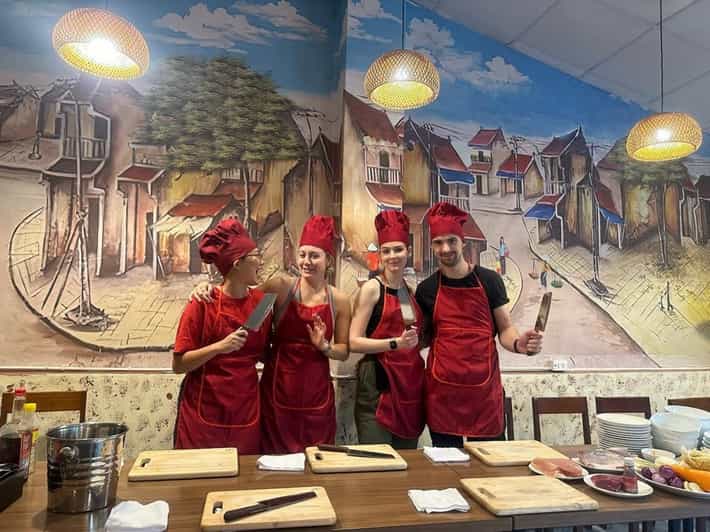
- Pick your dishes with the chef from a menu of 9 options, then cook 3 during the class
- Small group size: max 14 people, or you can book private for larger groups
- You eat what you cook: all food plus a welcome drink and 1 soft drink are included
- Bonus coffee: you get 1 egg coffee or coconut coffee
- You leave prepared with detailed recipes after class and a certificate from the chef
- Real-life flexibility: if conditions change (like power), the team keeps the experience moving
Choosing your dishes before the cutting starts
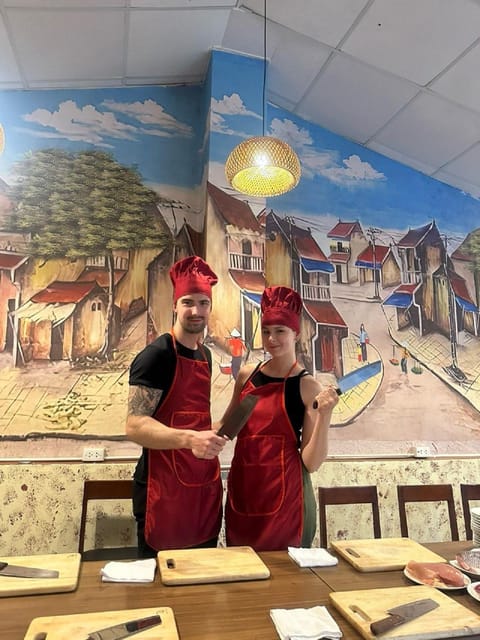
The best part of this cooking class is that you don’t just show up and get assigned whatever is easiest. You meet up in Tam Coc at the restaurant called Hoang Cuisine, then you and the chef talk through what you actually want to cook. You’ll pick from 9 Vietnamese dishes, and the class focuses on cooking 3 dishes over about 3 to 3.5 hours.
That choice moment matters more than it sounds. If you’re picky, this saves you from wasting time on a dish you won’t enjoy eating. If you’re adventurous, it helps you steer your learning toward flavors you’re likely to recognize later when you order in Vietnam—or try again at home.
The class also runs at two start times, 9:00 AM or 2:00 PM. If you like a calmer morning, the earlier slot is usually easier. If you want a later day plan, the afternoon session fits well with sightseeing.
You can also read our reviews of more tours and experiences in Ninh Binh.
The 9-dish menu: what you can cook (and why those options work)
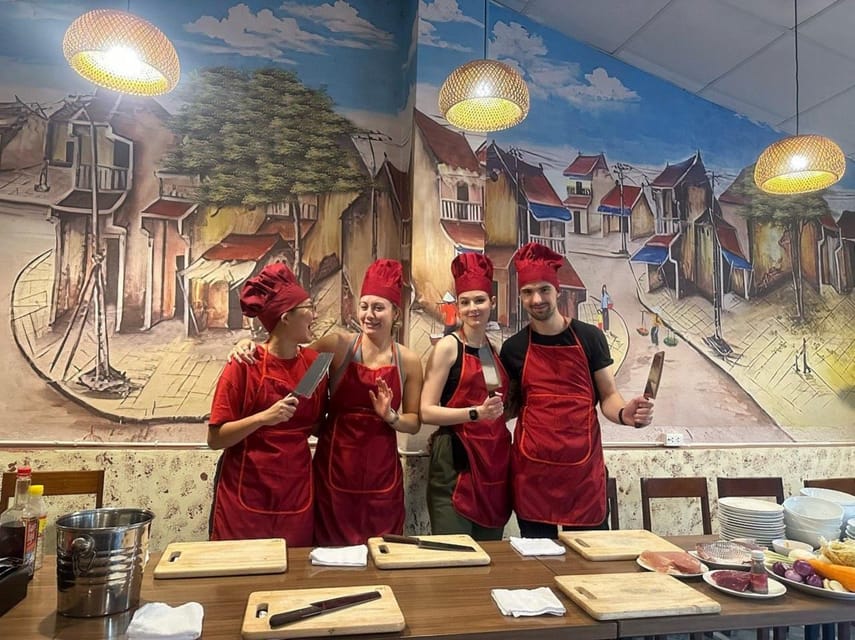
The chef’s suggested menu gives you a good cross-section of Vietnamese flavors: fresh herbs, noodles, fried items, grilled meat, and a classic pancake-style dish. From the 9 options, you choose 3 to cook.
Here are the dishes listed for the class:
- Green mango salad with or without shrimp (Nộm xoài xanh)
- Phở noodle soup with beef or chicken (PHỞ bò / PHỞ gà)
- Fried Hanoi spring rolls (Nem rán Hà Nội)
- Fresh spring rolls, Hanoi style (Phở cuốn Hà Nội)
- Hanoi fried fish (Chả cá Hà Nội)
- Hanoi fried pork (Bún chả Hà Nội)
- Stir-fried chicken with chilli lemongrass or cashew nut (Gà xào xả ớt / hạt điều)
- Grilled beef with betel leaves (Bò cuốn lá lốt)
- Vietnamese pancake (Bánh Xèo)
Why these are smart picks: Vietnamese cooking often comes down to balance—sweet, sour, salty, fresh herbs, and crunchy vs soft textures. This menu forces you to practice multiple approaches in a short time:
- A cold, tangy starter (mango salad) trains your palate for acidity and sweetness.
- A noodle broth (phở) teaches how seasoning and timing create depth.
- A roll or pancake gives you hands-on technique with wrapping, frying, or griddling.
If you’re unsure what to choose, I’d think about what you like eating most in Vietnam. If soups are your thing, go for phở. If you want something snacky and satisfying, pick spring rolls or spring rolls plus one cooked dish.
The class flow: from ingredients you choose to 3 cooked dishes
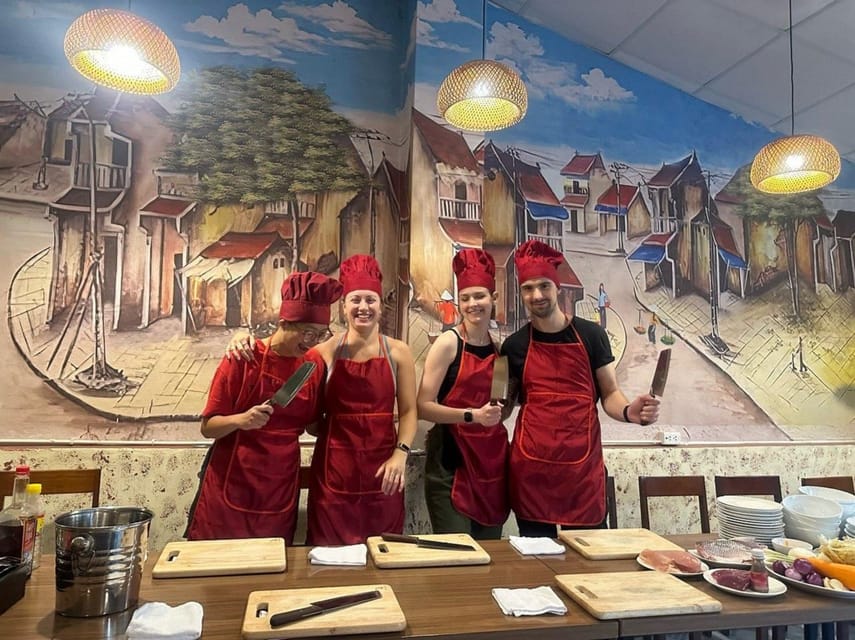
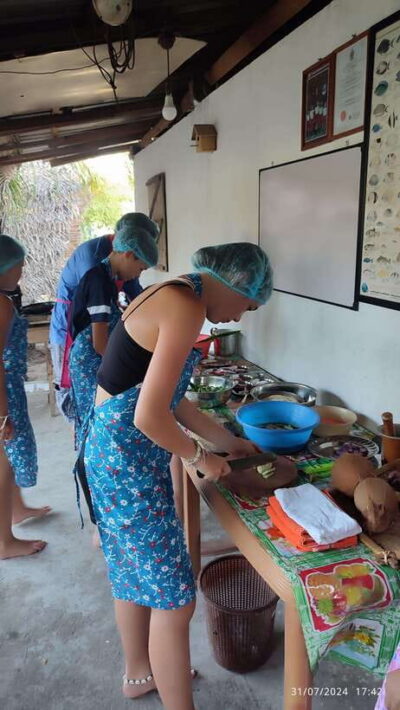
Once you’ve picked your dishes, the cooking class moves in a structured way—chef guidance up front, then you working step-by-step.
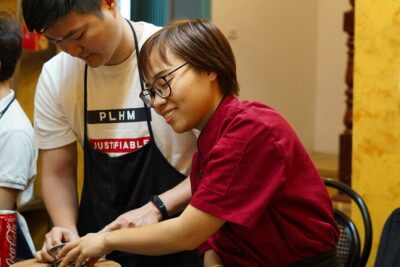
The experience is designed for a small group. With a maximum of 14 people, you’re not stuck watching from the back. You get real chances to ask questions, and you can usually see what’s happening at your station.
Here’s how the class experience is set up:
- You start with welcome drinks.
- You cook using the necessary ingredients provided.
- You follow along with an English-speaking guide.
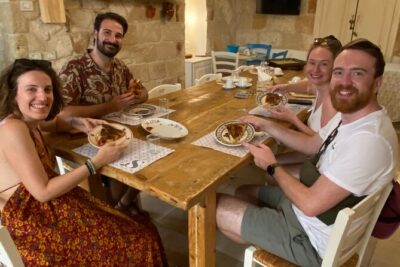
- When you finish cooking your three dishes, you then enjoy your meal together.
Also, the schedule is tight enough to feel rewarding but not exhausting. It’s built as a short lesson plus food time. You’re not stuck for half a day with only prep work.
One practical tip: bring your camera. This class is very photo-friendly because you’re handling fresh ingredients, rolling, frying, and assembling right in front of you.
What’s included when you sit down to eat
A lot of cooking classes say you’ll eat, but the quality of what you eat varies. Here, the meal is part of the deal.
You’ll have:
- All food prepared in class
- 1 soft drink
- Welcome drinks at the start
- A bonus egg coffee or coconut coffee (you get one)
This matters for two reasons. First, it rewards your effort immediately—you taste what you made while it’s still fresh. Second, it lets you compare how the dish should taste, so when you later shop for ingredients or try a recipe at home, you’ll know what good looks like.
If you’re curious about Vietnamese coffee culture, the included bonus drink is a nice bonus. You’ll get either egg coffee or coconut coffee, depending on what’s available and how the class runs.
Getting the recipes and a chef certificate
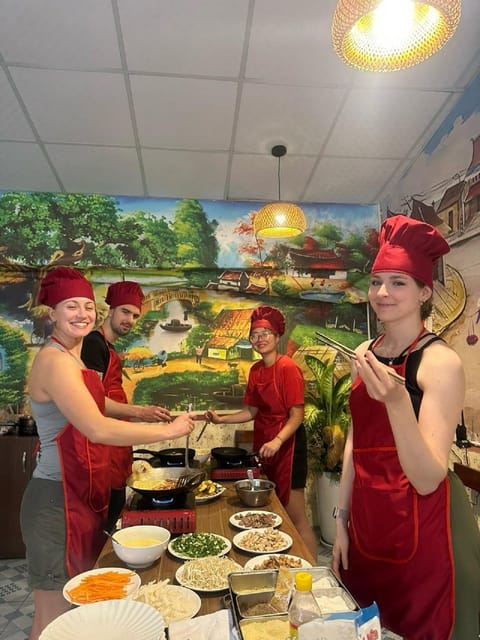
You don’t just leave with food photos. You also leave with the tools to recreate your results.
Included with the class:
- Detailed recipes after the class
- A certificate from the chef
The recipe part is especially useful if you’re the type who buys sauces and spices but never really knows what to do with them. Having instructions you can reference later turns the day into something you can use—not just a one-day experience.
The certificate is also a fun souvenir, and it fits the tone of the class: this isn’t only about showing you food. It’s about teaching you technique in an organized way.
Why the group size and private option are worth caring about
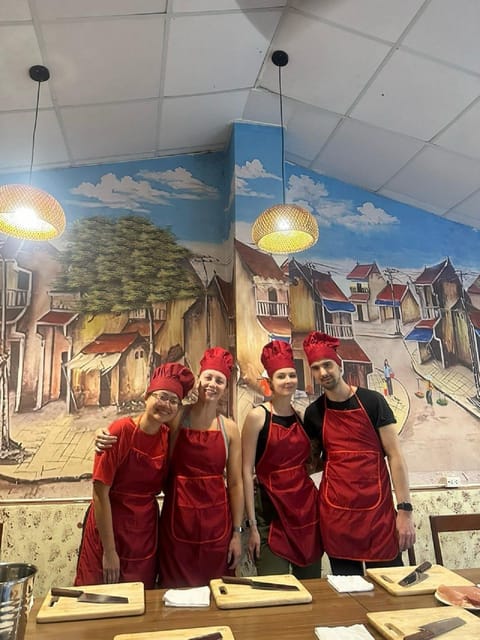
At many cooking schools, group classes can feel crowded and rushed. Here, the cap is up to 14 people, which is a sweet spot for hands-on learning.
And if you’re traveling with a bigger group or you want more personalized attention, there’s a private class option available. That’s particularly helpful if:
- you want to choose dishes that match specific dietary needs,
- you’re traveling with kids,
- or you simply prefer slower pacing and more direct guidance.
If you’re booking as a family, note the age pricing rules are spelled out:
- kids under 4 are free
- ages 4–6 pay 50%
- ages 7–9 pay 75%
- age 10 and up is priced as an adult
Comfort and power issues: what the experience can look like
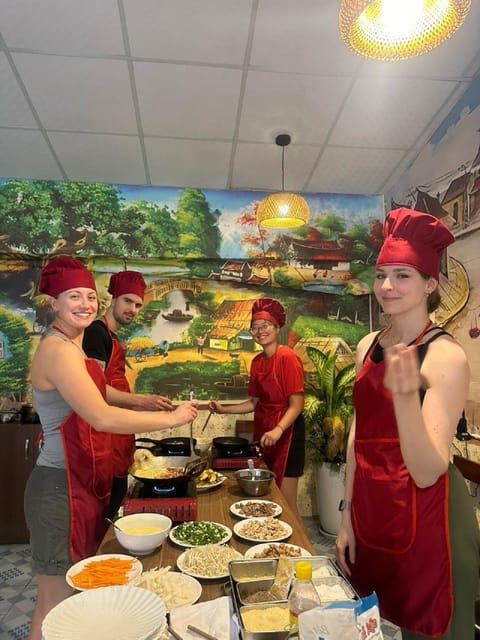
Reality check: Vietnam can get hot, and power situations can change. The class is run in a restaurant setting, and your comfort may depend on conditions.
Based on past experiences with the team, I’d plan for warmth if air conditioning isn’t running. One person noted a heatwave situation plus a lack of air conditioning, and the experience still worked out thanks to patient explanations from the chef and owner.
Another story included a candlelight-style setup when power in the area was affected. The helpful takeaway for you is this: the staff appears flexible. They keep the cooking instruction moving and keep the group calm, even when conditions shift.
So if you’re booking during peak heat or you’re sensitive to temperature, dress accordingly and bring a water-friendly mindset. This isn’t a climate-controlled classroom.
Dietary needs: how to make the class work for you
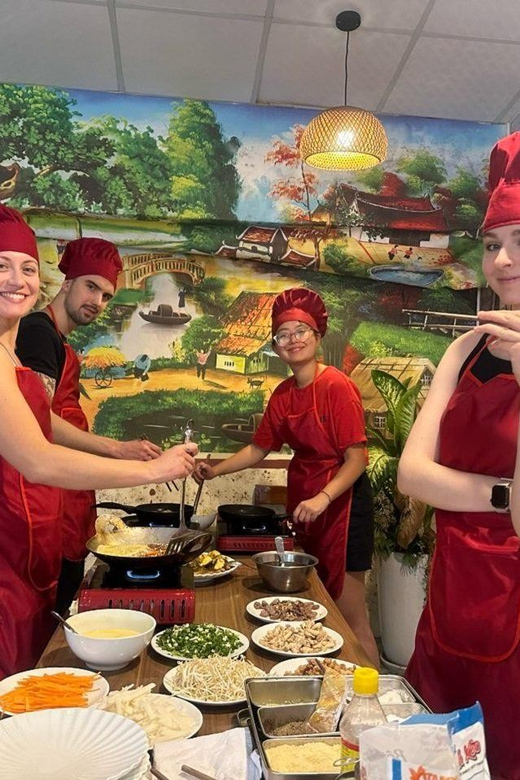
If you have dietary restrictions, don’t wait until the day of class. The setup specifically asks for special requests (dietary or vegetarian) to be sent before departure.
That’s the difference between a class that feels customized and one that becomes stressful when everyone’s hungry and the ingredients are already chosen. If you communicate ahead of time, you’re more likely to get a smoother solution.
Also, the class includes a fairly wide range of dishes across meat and seafood options. So even if you avoid certain ingredients, you might still be able to select dishes that fit—if the team has time to plan.
Price and value: what $45 is buying you
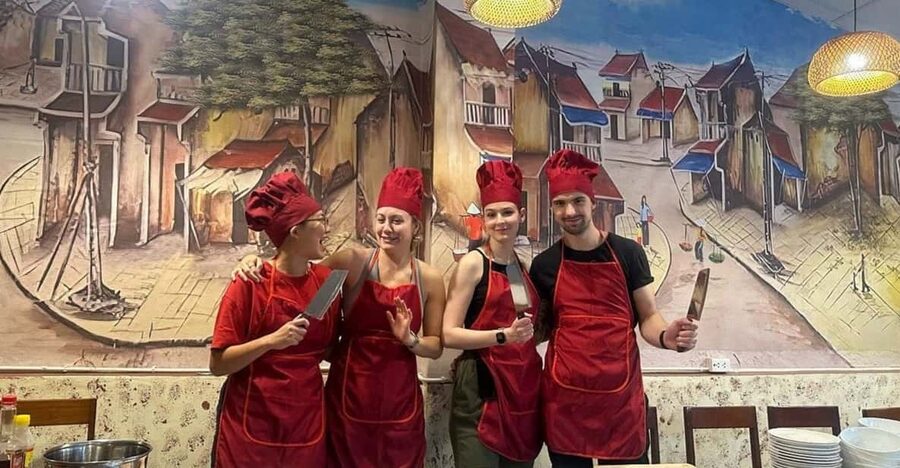
At $45 per person, this class is priced like a mid-range hands-on activity. What makes it feel like good value is that you’re not paying only for instruction.
You’re also paying for:
- ingredients and cookware setup for the dishes you choose,
- the meal you cook and eat,
- welcome drinks and 1 soft drink,
- and a bonus egg coffee or coconut coffee,
- plus the detailed recipes and chef certificate.
In other words, you’re getting a short cooking lesson plus a full sitting meal included. For a day in Tam Coc, that’s often cheaper than stacking multiple food stops and a separate activity.
So the best way to judge value for you is simple: if you want to learn technique and eat well in the same 3-hour window, $45 can feel like a fair deal. If you’re only looking for light tasting or just a quick photo stop, this might be more than you need.
Who this cooking class suits best
This is a strong match if you:
- enjoy hands-on cooking more than passive demos,
- want to learn several Vietnamese techniques in one short session,
- like Hanoi-style flavors (many dishes are labeled Hanoi classics),
- and want a structured plan with recipes to take home.
It also makes sense for couples and small groups because the class stays small and focused. The private option can be ideal if you want more flexibility or want the chef to adapt more easily to your preferences.
The class isn’t listed as suitable for babies under 1 year, but it is listed as wheelchair accessible. If you have mobility needs, I’d still plan to ask directly about the exact setup at the restaurant because each kitchen layout can be different, but accessibility is explicitly supported.
Should you book the Tam Coc Cooking Class?
Book it if you want a practical, food-centered day in Tam Coc where you actually cook, eat, and leave with recipes. The small group limit and the chef-led dish selection add real quality, and the included meal plus coffee makes it feel like more than just a workshop.
Skip it only if:
- you’re highly sensitive to heat or discomfort in non-air-conditioned spaces,
- or you’re looking for a long cooking session with many dishes. This class focuses on 3 dishes, so the learning is concentrated.
If your goal is to go home with a few Vietnamese recipes you can repeat and a better sense of how dishes come together, this one is a solid pick.
FAQ
What time does the cooking class run?
You can choose a morning session at 9:00 AM or an afternoon session at 2:00 PM.
How long is the class?
The cooking class runs for about 3 to 3.5 hours.
How many dishes do I cook?
You cook 3 dishes during the class.
Where do I meet for the class?
Meet at Hoang Cuisine. Go inside and tell the staff you are there for the cooking class.
What dishes are available to choose from?
The chef suggests 9 dishes, including options like green mango salad, phở (beef or chicken), spring rolls (fried or fresh), Hanoi-style fried fish, Hanoi-style fried pork, stir-fried chicken, grilled beef with betel leaves, and Vietnamese pancake.
What’s included in the price?
Included are welcome drinks, the ingredients for the class, all food you cook, 1 soft drink, a chef certificate, detailed recipes after the class, and an English-speaking guide. You also get a bonus egg coffee or coconut coffee.
Is there an option for private classes?
Yes. There is a private group available, and for larger groups you can book a private class.
Is the class wheelchair accessible?
Yes, the activity is listed as wheelchair accessible.
Are dietary requests possible?
Yes. Dietary or vegetarian requests should be sent before departure so the team can plan.
What should I bring, and what’s not allowed?
Bring a camera. Alcohol and drugs are not allowed.