REVIEW · ROME
Pizza Cooking Class in Rome – Piazza Navona
Book on GetYourGuide →Operated by IPM COETUS SRL · Bookable on GetYourGuide
Your pizza lesson starts at Piazza Navona. This hands-on class brings you into Italian food culture at the Piazza Navona entrance, with a Prosecco welcome and a real instructor-led cooking flow.
Two things I like right away: you get a guided, step-by-step pizza process (not just watching), and the setting makes the whole experience feel like part of the city, not a studio. Instructors you might meet include Elisa, Simone, Patrizio, Chef Bea, and Sarah, and their teaching styles tend to be patient and fun.
One consideration: it’s not suitable for gluten intolerance (so don’t plan on a gluten-free version), and it’s also not for kids under 7.
In This Review
- Key highlights to know before you go
- Piazza Navona turns a pizza class into a Roman street-food moment
- What you’re really paying for
- Antica Trattoria Agonale: your meeting point and first taste
- The hands-on pizza lesson: what you learn and why it sticks
- Choosing toppings makes it feel personal
- Bruschetta first, then pizza: how the meal is paced
- The quality you’re hoping for (and usually get)
- Drinks and the traditional finish: Prosecco to limoncello (or coffee)
- Small group size: why it changes the whole class
- What to bring (and what to skip)
- Getting value out of the class after you leave
- Who should book this pizza class in Piazza Navona?
- Should you book?
- FAQ
- Where is the pizza class meeting point?
- How long is the pizza cooking class?
- Is the class taught in English?
- What’s the group size?
- What’s included in the price?
- Do you get drinks during and after the class?
- Is it suitable for gluten intolerance or young children?
- Can I cancel for a refund?
Key highlights to know before you go
- Antica Trattoria Agonale location: you start at the entrance area right by Piazza Navona.
- Small group (max 10): easier questions, more attention, and less standing around.
- Welcome drinks and pairing: Prosecco at the start, plus wine/beer/soda with the meal.
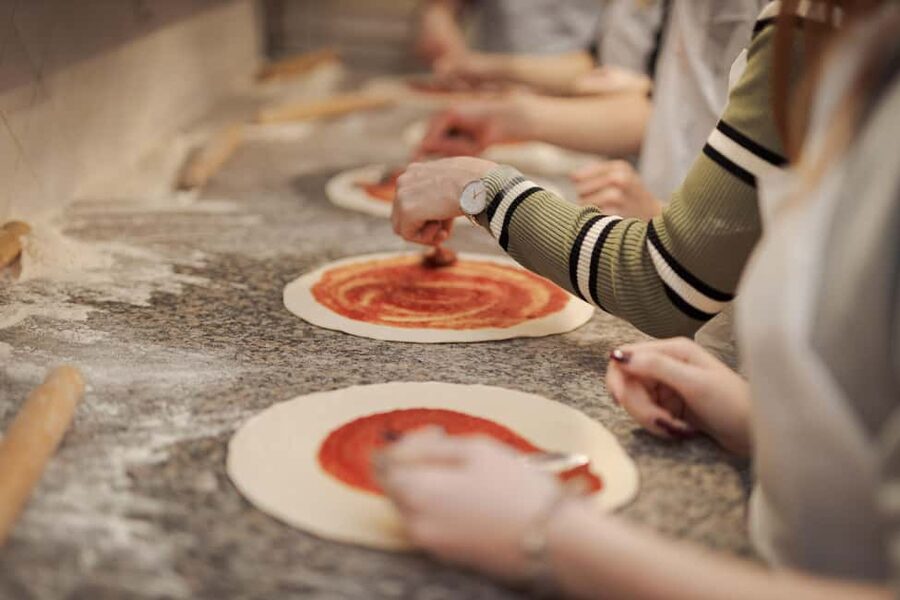
- Hands-on pizza making: learn the process, then taste what you make.
- Limoncello or coffee finish: the class ends with a traditional sweet/finish drink.
Piazza Navona turns a pizza class into a Roman street-food moment
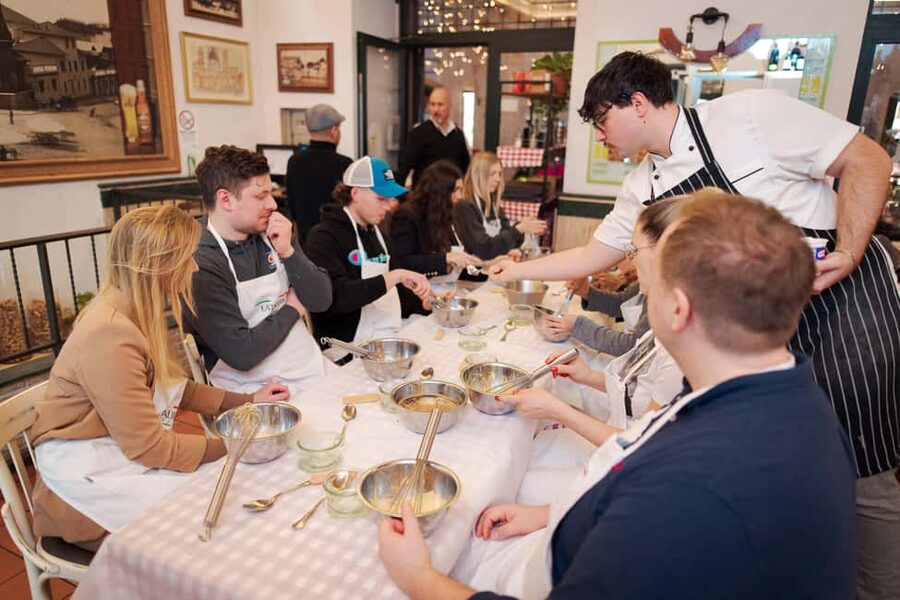
If you’ve ever done a cooking class in a quiet kitchen and thought, OK, that was fun but it felt separate from Rome, this is different. You’re in the heart of the city, with Piazza Navona as your backdrop and Antica Trattoria Agonale as your starting point.
That matters because pizza in Rome isn’t just dough and toppings. It’s about timing, technique, and a kind of relaxed confidence around ingredients. Standing near a landmark while you learn the method helps you connect what you’re doing to what you’ll actually see and taste while you travel.
Also, because the group is small, you’re not fighting for attention. You’ll typically get time to ask why something works, not just how to do it.
You can also read our reviews of more tours and experiences in Rome.
What you’re really paying for
This isn’t a “light snack and a demo” experience. At about $51 per person for a 2-hour session, you’re paying for ingredients, an English-speaking instructor, and a full cycle: make, eat, and finish with drinks. That’s why it often feels better value than a basic guided meal—your pizza is part of the entertainment, not just the ticket price.
Antica Trattoria Agonale: your meeting point and first taste
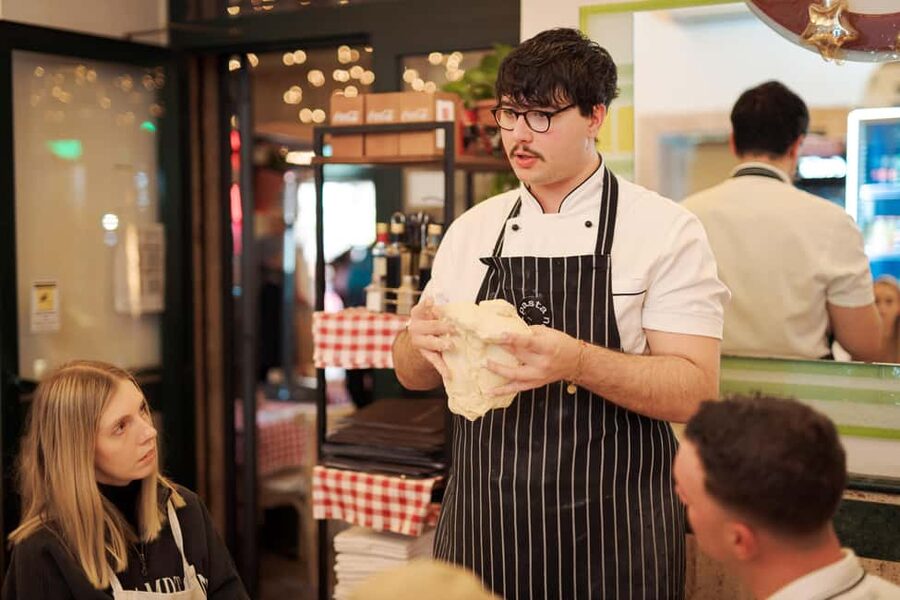
You meet inside Antica Trattoria Agonale, on the corner of Corsia Agonale and Corso del Rinascimento. That location is practical: you’ll get your bearings fast and you won’t be wandering through side streets trying to find the right door.
The welcome is a glass of Prosecco. This isn’t just a courtesy pour—it sets the tone. You start with a drink, then you settle in and begin the lesson without that awkward “wait for everyone” energy.
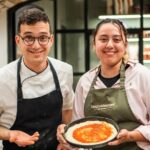
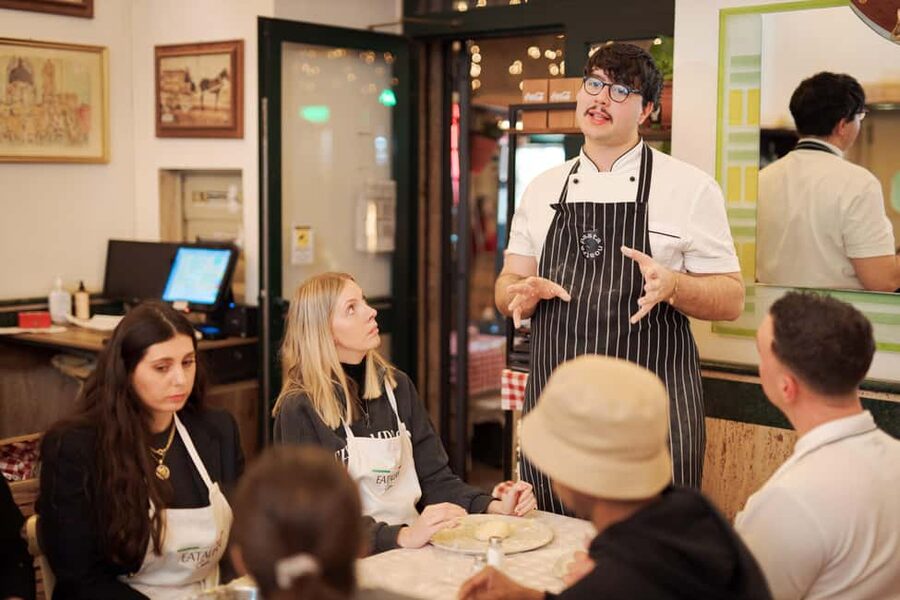
From there, your instructor takes over and keeps the session moving. Instructors you may encounter, such as Elisa (often praised for explaining clearly and walking people through the whole process) or Simone (noted for being funny and very patient), tend to make the class feel like a real mini-workshop.
The hands-on pizza lesson: what you learn and why it sticks
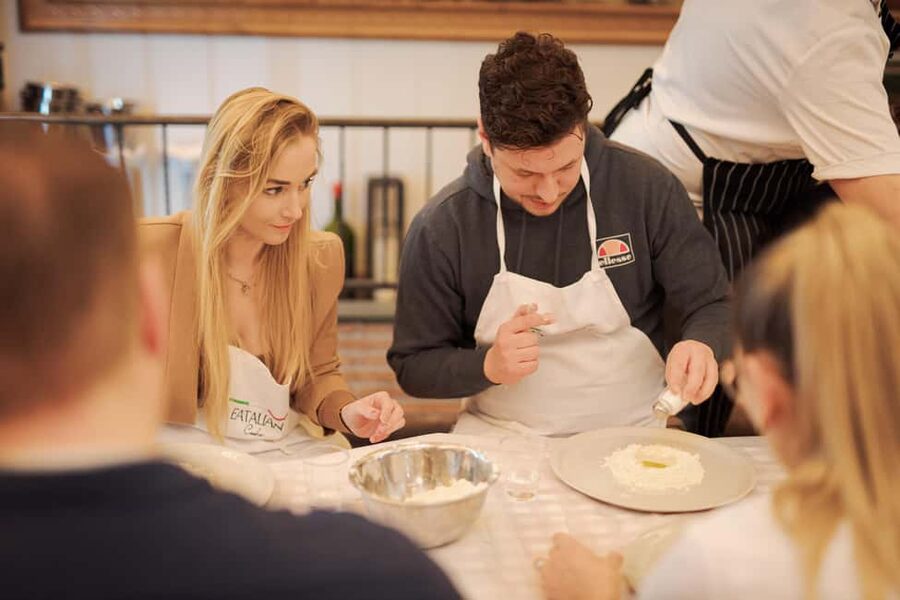
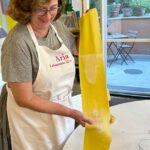
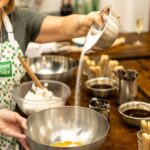
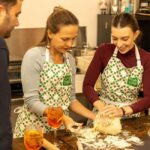
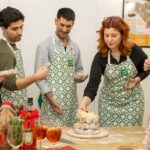
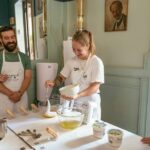
The main event is the pizza-making process. The class is taught by a professional instructor in English, and it’s designed to be interactive. You’re not just building a pizza in a step-ordering game—you’re learning how the different parts work together so you can recreate it later.
You’ll follow along through the classic sequence:
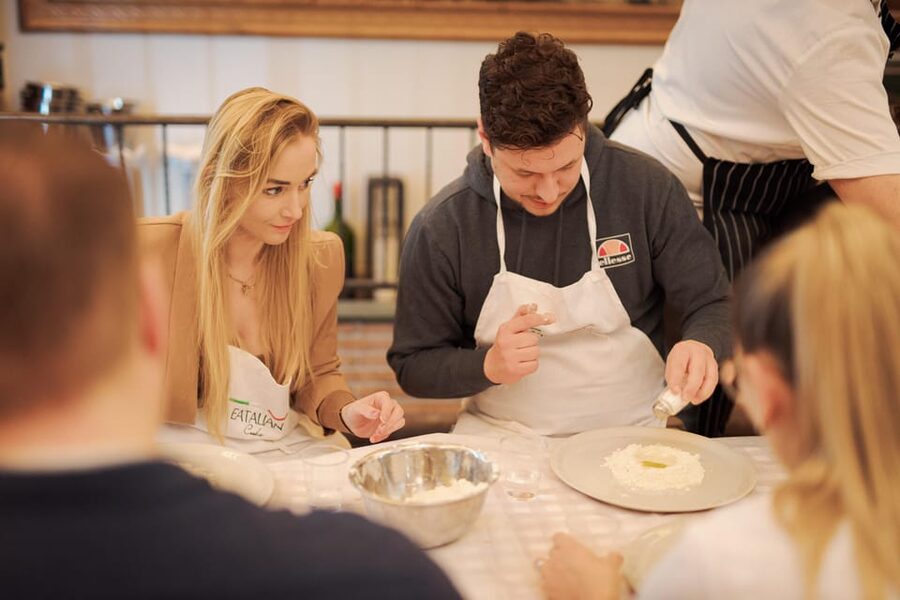
- understanding the dough process,
- handling sauce and toppings,
- then assembling your pizza,
- and (as part of the experience) you see pizzas go into the oven.
This part is the most valuable because it’s where most people normally struggle at home. Cooking classes that only teach assembly don’t help much. Here, you’re getting the reasoning behind the technique—like how to keep the pizza balanced, how to manage toppings, and what to watch during baking so your crust doesn’t turn into a sad, flat compromise.
Choosing toppings makes it feel personal
One of the most fun parts is that you can choose your toppings. That sounds simple, but it’s a big deal: it turns the pizza from a product you’re handed into something you designed. It also helps you learn by doing, because you’ll notice how toppings affect flavor and bake results.
If you’re traveling with teens or friends who normally say cooking classes are boring, this is often the moment they relax. You’re engaged, laughing, and working with real steps.
Bruschetta first, then pizza: how the meal is paced
Before you focus entirely on your pizza, you’ll taste bruschetta. This is a smart lead-in. Bruschetta gives you a quick hit of tomato, herbs, and olive oil flavor—so when your pizza sauce and toppings show up later, your palate already knows what to look for.
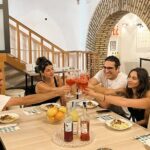
After the pizza-making, you’re seated at the osteria and served water and additional drinks. You can have a glass of wine, beer, or soda, depending on what you prefer. Then you taste your own pizza.
This pacing makes the meal feel like one continuous experience instead of separate parts stitched together. You’re cooking, eating, drinking, and finishing without the class turning into an awkward “now go find dessert somewhere else” routine.
The quality you’re hoping for (and usually get)
From what’s consistently described, the pizza you make is actually delicious—not just edible. The class style seems to emphasize getting your pizza to a good end result, which is what you want when you’re paying for two hours of hands-on time.
Drinks and the traditional finish: Prosecco to limoncello (or coffee)
This class isn’t shy about refreshments. You start with a glass of Prosecco, then enjoy your meal with a wine, beer, or soda option. After you finish eating, you end with limoncello or coffee.
That final step matters more than it sounds. Pizza is filling, but limoncello (or coffee) gives you a clean, Roman-style finish that helps you feel like you ended on purpose—not just because the timing reached an arbitrary stop.
And if you like pairing food with drinks, this is one of the easier ways to do it in Rome without committing to a full restaurant meal plan on day one.
Small group size: why it changes the whole class
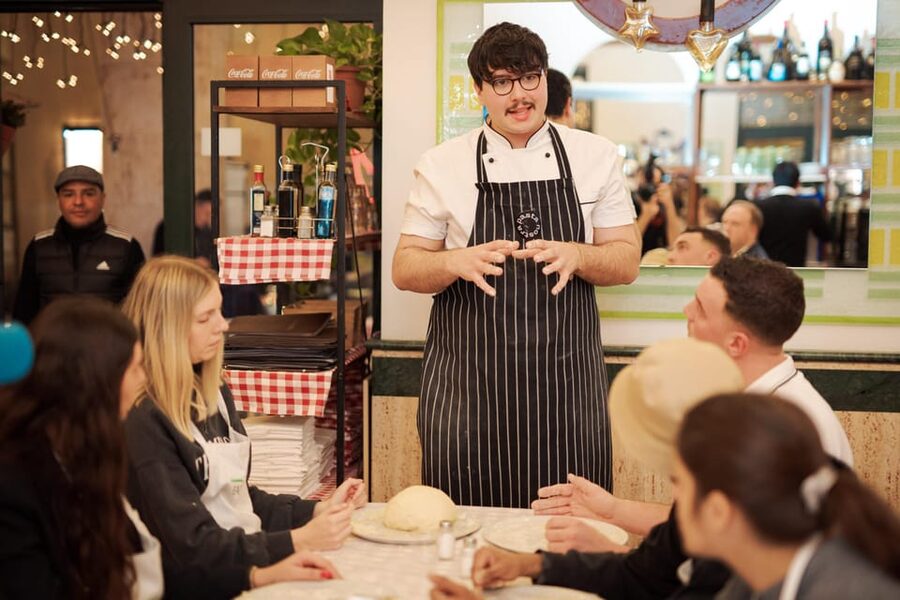
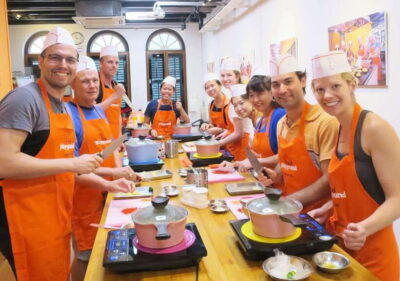
The class is limited to 10 participants. That number is small enough that you can actually talk to your instructor while working, not just listen while they repeat directions for the back row.
This is also why people tend to mention how patient and attentive the chefs/instructors are. When the group is small, questions get answered in time and mistakes become part of the learning rather than something you hide.
If you’re traveling solo, this also helps. You’ll be in the same cooking space with other people, but without the feeling that you’re joining a chaotic crowd.
What to bring (and what to skip)
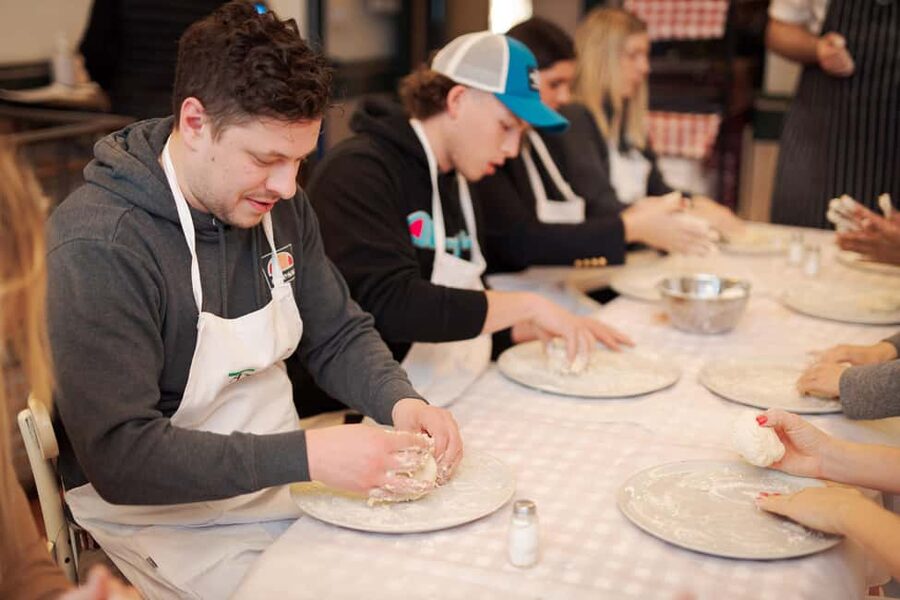
This experience is straightforward, but a few small choices make it smoother.
Bring:
- comfortable shoes (you’re in an active piazza area),
- a ready attitude for hands-on work,
- and curiosity about classic Italian pizza technique.
Skip:
- trying to bring gluten-free expectations (it’s not suitable for gluten intolerance),
- bringing very young kids (it’s not suitable for children under 7).
If you’re gluten-free for medical reasons, the key thing is that you should look for a different kind of class or restaurant option where gluten-free is specifically accommodated.
Getting value out of the class after you leave
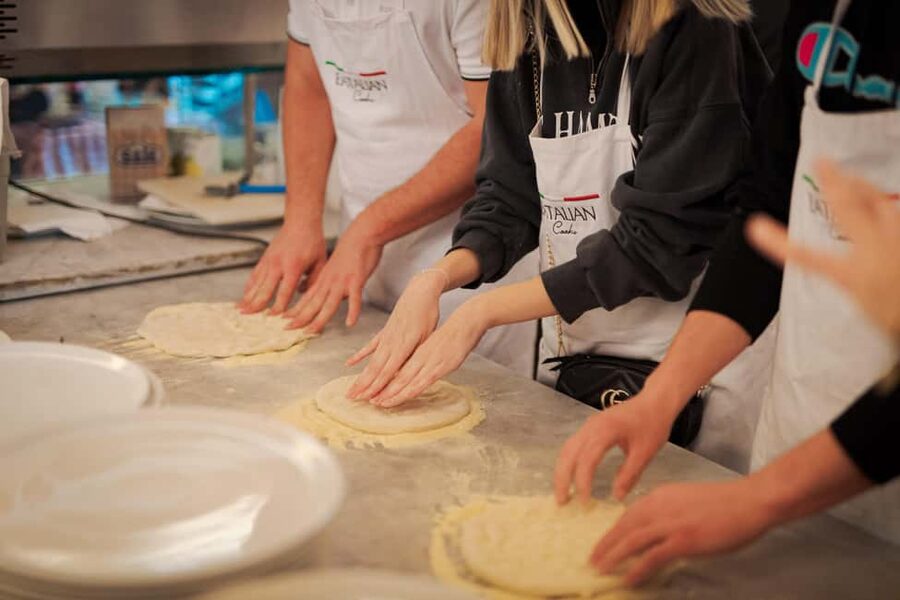
A good cooking class leaves you with more than memories. This one tends to include a way to recreate what you learned: many participants note getting a recipe to take home, and that’s what turns the experience into something you can use later.
Here’s how to get the most out of that recipe:
- Use it soon after you get home, while the steps are still fresh.
- Treat the toppings and technique as the main lesson, not just the ingredient list.
- Don’t copy it word-for-word if you don’t have the exact same supplies—aim for the method and proportions you practiced.
If you’ve ever cooked pasta at home and thought, I know the ingredients, why doesn’t it taste like Italy? This is the same idea, just applied to pizza. You’re learning the process that makes the difference.
Who should book this pizza class in Piazza Navona?
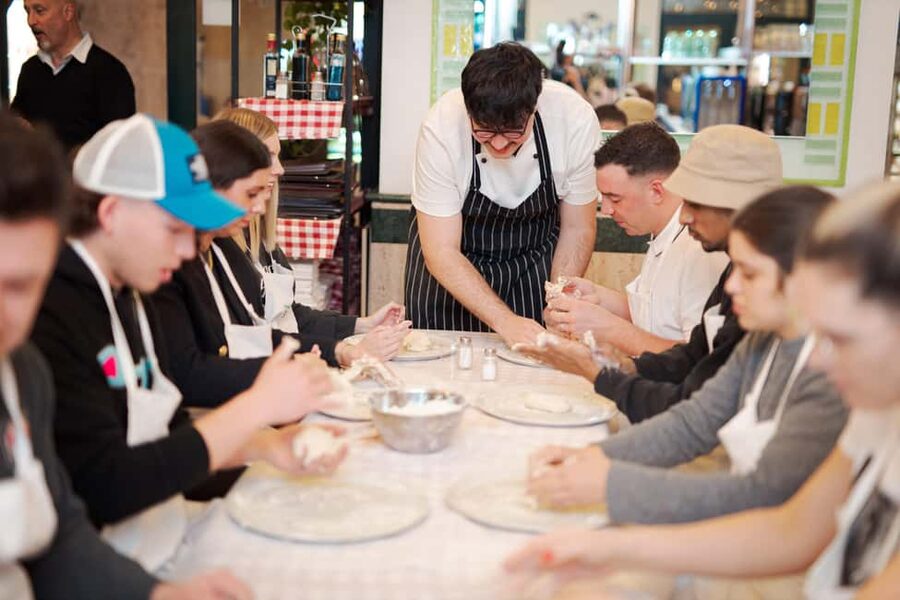
Book it if:
- you want a practical cooking experience in central Rome,
- you like learning from a real instructor rather than a quick demo,
- you enjoy food-and-drink pairings (Prosecco, wine/beer/soda, and a limoncello/coffee finish),
- you’d value a small group size for better attention.
Consider skipping if:
- you need a gluten-free option,
- you’re traveling with children under 7,
- or you only want a passive walking-around Rome activity and don’t care to cook.
Should you book?
Yes, if your goal is a memorable Roman food experience that’s more than “eat and move on.” The combination of Piazza Navona location, a small group format, hands-on pizza technique, and a full meal flow (bruschetta, your pizza, and a traditional finish with limoncello or coffee) is exactly the kind of trip value that’s hard to fake with a standard restaurant stop.
If you want one last practical test before booking: picture yourself cooking, chatting with an instructor in English, then sitting down to eat the pizza you made. If that sounds like your kind of travel day, this class is a strong pick.
FAQ
Where is the pizza class meeting point?
Meet inside Antica Trattoria Agonale, on the corner of Corsia Agonale and Corso del Rinascimento.
How long is the pizza cooking class?
The duration is 2 hours.
Is the class taught in English?
Yes. The instructor provides the class in English.
What’s the group size?
It’s a small group limited to 10 participants.
What’s included in the price?
You get an instructor, pizza ingredients, bruschetta, a glass of prosecco, and a glass of wine, beer, or soda.
Do you get drinks during and after the class?
Yes. You start with prosecco, have additional drinks with the meal, and end with limoncello or coffee.
Is it suitable for gluten intolerance or young children?
No. It is not suitable for people with gluten intolerance, and it is not suitable for children under 7.
Can I cancel for a refund?
Yes. Free cancellation is available up to 24 hours in advance for a full refund.