REVIEW · RETHYMNO
Rethymno: Authentic Cooking Class with a Local
Book on GetYourGuide →Operated by Eco Events · Bookable on GetYourGuide
Fire up your appetite in a Cretan garden. This hands-on cooking class near Rethymno takes you to the village of Pigi, where a family’s outdoor space and a wood-fired oven set the tone for learning real Cretan food. You’ll cook, bake in the heat of the oven, and then sit down outdoors with what you made, while the host shares the rhythms of island life.
I love the local, step-by-step guidance from Maria and Rebecca. They explain ingredients and origins as you go, and the pace feels friendly instead of rushed. I also love the meal part: you’re not just tasting, you’re building a full lunch around your own dishes, with lots of raki and Cretan wine.
One consideration: hotel pickup and drop-off aren’t included, so you’ll want to plan how you’ll reach Pigi on time. Also, this is a food-first event with plenty of alcohol, so keep that in mind if you prefer to go easy.
In This Review
- Key things worth knowing before you go
- Entering the family garden near Rethymno
- Your hosts: warm welcomes from Maria and Rebecca
- The cooking flow: from aprons to the wood oven
- What you’ll cook: cheese, ntakos, tzatziki, and more
- Lunch outdoors: raki, Cretan wine, and your own dishes
- Price and value: why $123 makes sense here
- Who should book this Cretan cooking class
- Quick practical tips that make the day smoother
- Should you book the Rethymno authentic cooking class?
- FAQ
- Where does the cooking class take place?
- How long is the experience?
- What does the price include?
- Are there vegetarian options?
- What kinds of dishes will I cook?
- Is hotel pickup and drop-off included?
- What languages are offered?
- Is the activity wheelchair accessible?
Key things worth knowing before you go
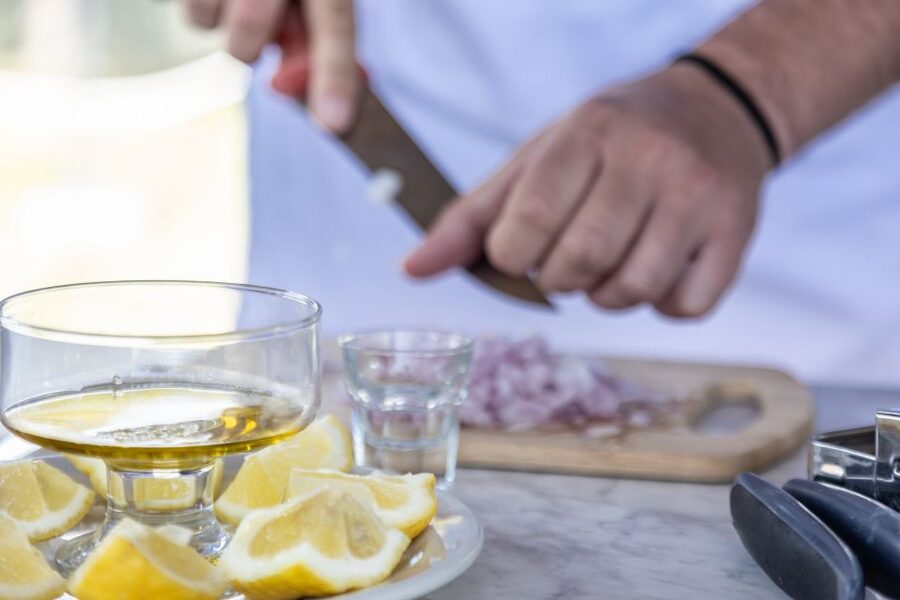
- Meet at Pigi and cook in a spacious family garden with views over the day’s work
- Wood-fired oven action: your food finishes in the heat of a traditional oven
- Guided by Maria and Rebecca with clear explanations about products and where they come from
- You’ll taste everything you cook outdoors with raki and Cretan wine
- Vegetarian options are included alongside meat dishes, so the table stays balanced
- Private or small groups can make the experience feel more personal
Entering the family garden near Rethymno
The experience starts in the village of Pigi, and the first thing you notice is the setting. A spacious garden becomes your classroom, and the day feels more like visiting locals than taking a scheduled activity. There’s a pool area nearby, plus the sort of outdoor calm that makes it easy to switch into cooking mode quickly.
You also get an early taste of what you’ll be eating. As you settle in, you can visit the vegetable and herb garden, and you’ll see how the day’s flavors come from plants grown close to home. Even if you’re not the most confident cook, that context helps. It turns the meal from a list of dishes into something you can actually understand.
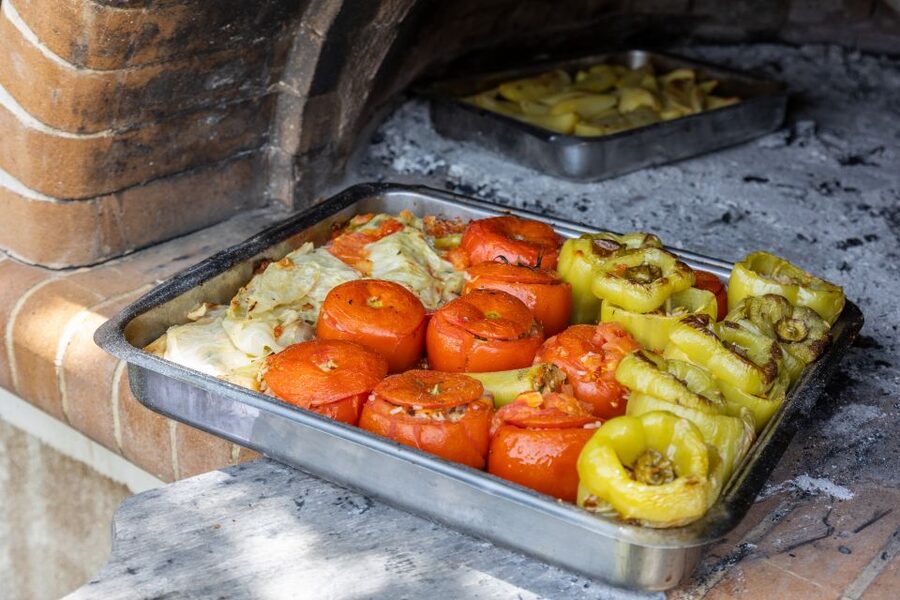
The practical side: the wood oven is hot and waiting, so expect a hands-on, active flow. You’ll spend real time chopping, mixing, assembling, and then watching your food finish in a traditional way. That’s where this class earns its money. It’s not just cooking “in theory.” It’s cooking.
You can also read our reviews of more tours and experiences in Rethymno.
Your hosts: warm welcomes from Maria and Rebecca
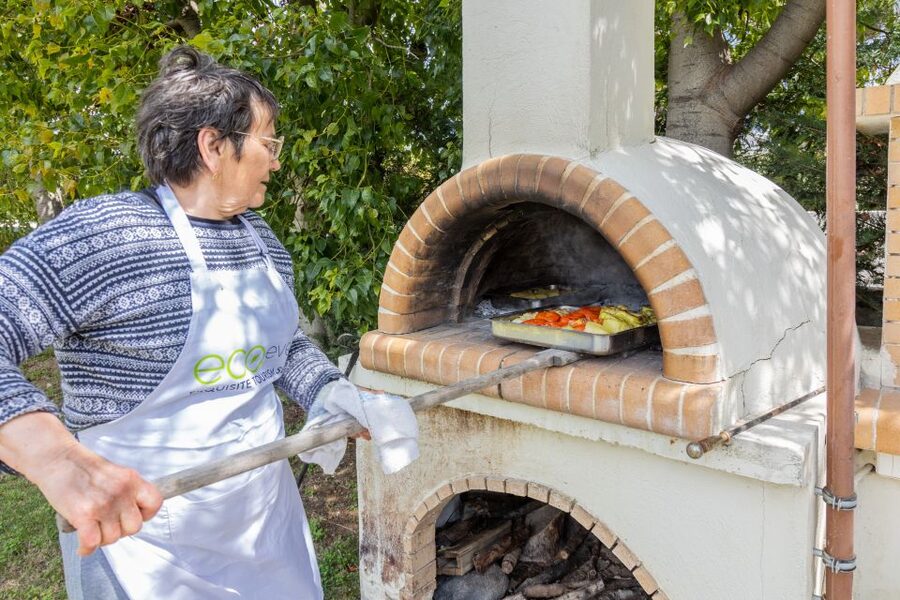
The best part of this class is the people. Maria and Rebecca come across as genuinely welcoming, and you’ll feel comfortable fast. They dress you with an apron once you’re ready, which is a small detail, but it signals that you’re here to participate, not just watch.
From the way the hosts explain the food, you get more than technique. Maria, in particular, is known for explaining products and where they come from, which makes the ingredients feel grounded in Crete rather than generic Greek food. Rebecca also stands out for clear communication, so the steps stay easy to follow even if you’re doing it for the first time.
This also matters for conversation. Because the group is small or private, you’re more likely to swap stories instead of sitting in silence. One reason people talk about the atmosphere is that it stays relaxed while still being structured. You get guided instruction, but you aren’t micromanaged.
And yes, raki shows up often enough to keep the social side lively. If you like your cultural experiences to have a strong human element, this one delivers.
The cooking flow: from aprons to the wood oven
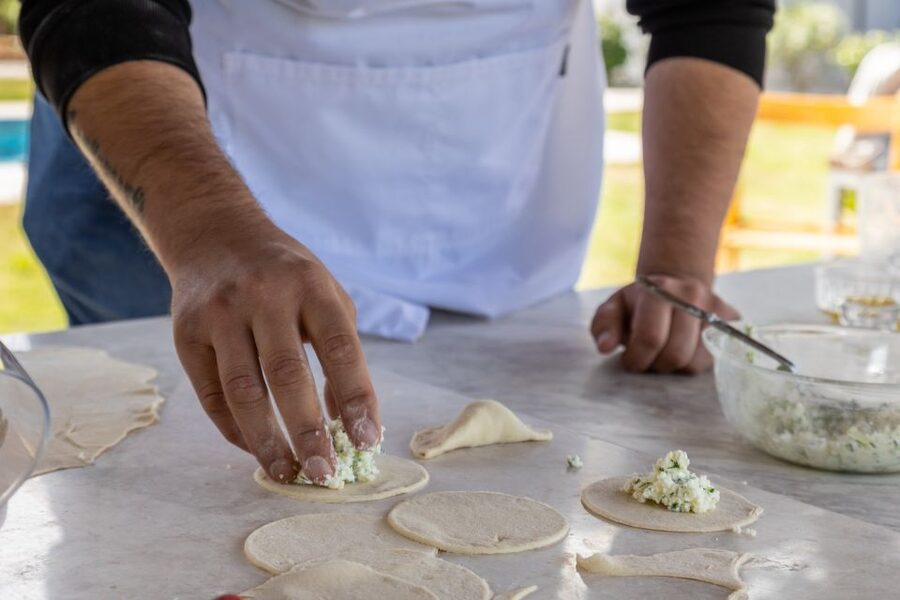
Once you meet and settle in, the cooking follows a simple pattern: learn the recipe, work with your hands, and then move on once your dish is ready to rest or bake. When you’re ready for the next step, the host guides you through each recipe and helps you avoid the common rookie mistakes, like mixing things too long or getting the proportions off.
You’ll cook multiple dishes rather than just one “signature plate.” That’s a big deal for your value. Many cooking classes feel like a demo with a token taste. Here, you’re producing a real set of dishes for a real meal.
The wood-fired oven is a key part of the schedule. When you bake creations there, it changes the whole experience. You get that unmistakable oven heat that can’t be faked with an electric setting. You’ll also see how food transforms when it hits that kind of direct, hot environment.
Even the order of what you cook helps. You start with things that build flavor quickly, like creams and salads, then you move into dishes that need assembly and baking. By the time you sit down, you’re not waiting around. You’re part of the meal making process.
What you’ll cook: cheese, ntakos, tzatziki, and more
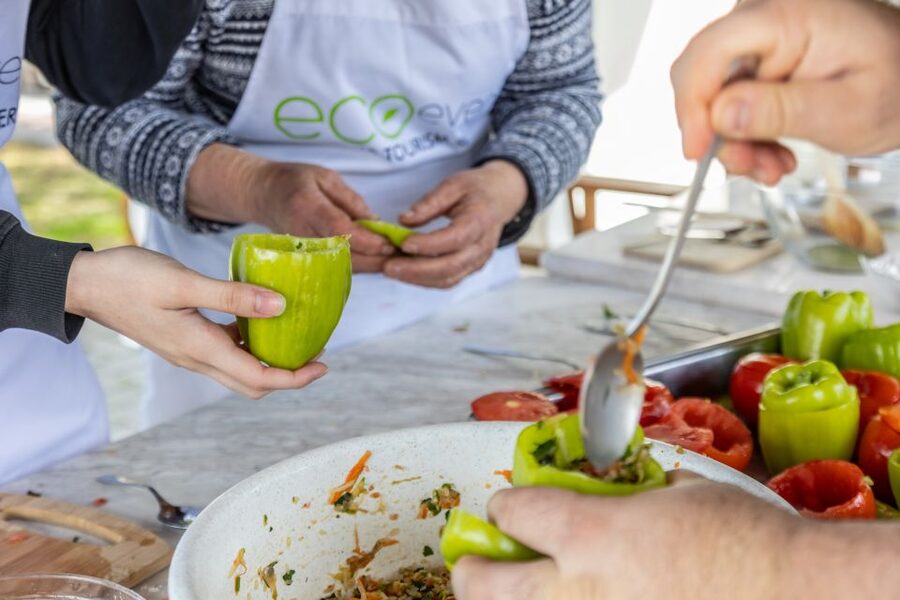
You’ll learn a lineup of Cretan dishes that together create the kind of lunch locals would actually serve. Expect a mix of creamy, crunchy, and baked elements.
Home-made cheese is one of the first highlights. It sets the stage because you’re not just eating something imported from a grocery shelf. You learn what makes it work in a Cretan table context.
Then comes ntakos, which is one of those dishes that feels simple until you’re actually making it. It’s tied closely to Cretan eating habits, and the process helps you understand how island meals balance bread, toppings, and flavor.
Next, you’ll make tzatziki. For most people, this is familiar food, but cooking it yourself makes it feel new. You learn how to get the texture right and how the flavors should come together. It’s also the kind of dish that works well alongside richer items.
You’ll also prepare stuffed vegetables. This is where hand skills matter. Stuffed dishes take time and patience, and the host’s guidance helps you assemble neatly instead of rushing through it. It’s a great way to learn something you can actually reproduce later at home.
On the finishing side, you’ll make Greek salad as part of the meal you share. It’s not there as filler. It brings brightness and acidity to balance the heavier, more filling items.
And importantly, the meal includes both meat and vegetarian options. So you’re not forced into a separate experience depending on your dietary needs. The vegetarian route is part of the plan.
Lunch outdoors: raki, Cretan wine, and your own dishes
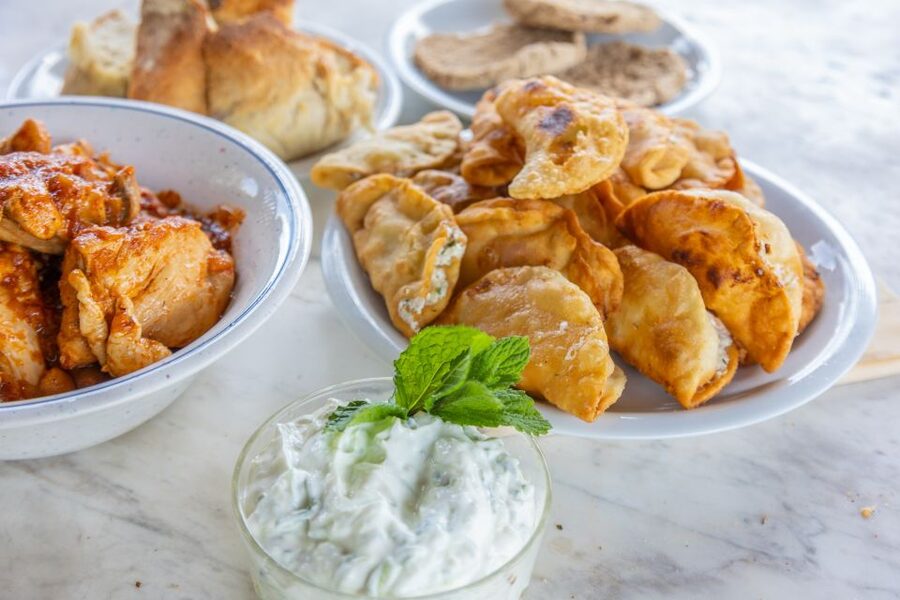
After you finish cooking, you eat outdoors with what you made. This is the moment the class clicks into place. You’re tasting with a story attached, because you can trace each bite back to the steps you did with the host.
The setting is idyllic in the practical sense. You’re not crammed into a room. You’re outside in the garden, and you can actually relax between bites. For me, that matters because it makes the meal feel like a shared occasion rather than the end of a task list.
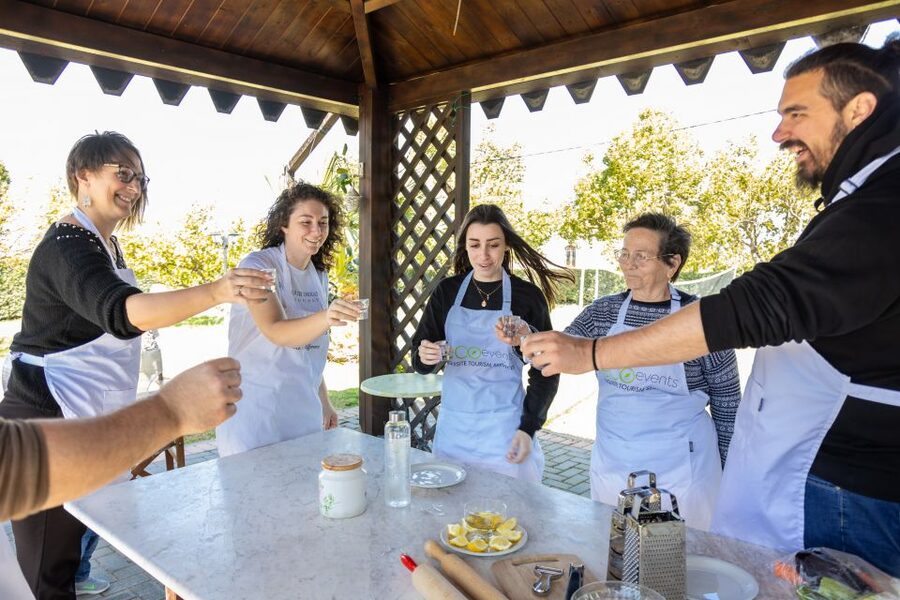
You’ll have a glass of raki and Cretan wine with lunch. Many people highlight that raki is served through the process, not only at the end. The alcohol is part of the social culture here, so if you’re sensitive to spirits or you’re driving later, plan accordingly.
The table also includes the human side: you’ll hear stories about Crete and you’ll have a chance to talk with your host. Because the group is small or private, you can ask questions without feeling like you’re interrupting a flow.
If you’re traveling with kids, this format can work well. One family noted their kids joined actively, not just as passive helpers. The day is structured enough that young people can participate, but relaxed enough that it doesn’t feel like school.
Price and value: why $123 makes sense here
At $123 per person for about 4 hours, you’re paying for several things at once: the host’s time, ingredients, equipment, and the full meal that results from your own cooking. On paper, that might sound like a standard “class” price. In practice, the value comes from the meal quantity and the fact that you produce multiple dishes, not just one appetizer.
You also get alcohol included with lunch, plus a wood-fired oven experience. Those details aren’t just extras. They’re part of what changes the cooking from a simple workshop into a full cultural meal.
There’s also a hidden cost many classes forget: when there’s no pickup included, you need to get yourself to Pigi. If you’re staying far from the village, that can add transport time or expense. On the flip side, if you’re already near Rethymno and you can reach Pigi without stress, the price starts to look fair.
For me, the strongest value argument is this: you leave with skills and context. You learn recipes tied to the island’s ingredients and rhythms, and you eat what you made in the same setting you cooked it.
Who should book this Cretan cooking class
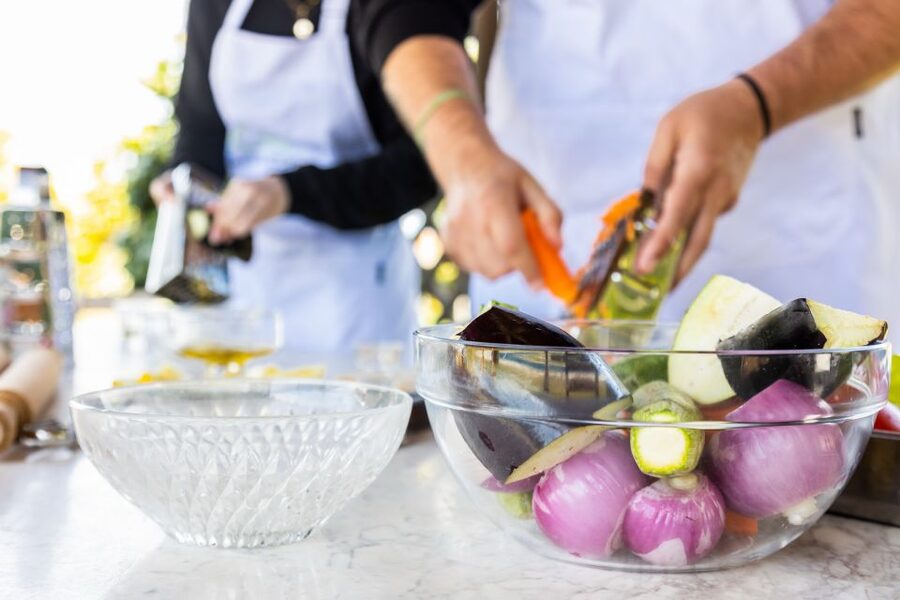
This class fits best if you want food as a way to understand place. If you like learning how locals actually eat, and you enjoy hands-on cooking more than watching chefs perform, you’ll likely have a great time.
It’s also a good pick if you enjoy small-group energy. The chance to chat with the host, share stories, and ask questions without crowd pressure makes a difference. And since it’s available as private or small groups, it can work for couples, small friend groups, or families who don’t want to spend the day feeling like they’re part of a bus tour.
You’ll also appreciate it if you’re curious about specific Cretan dishes like ntakos and stuffed vegetables, and if you want your meal to include both vegetarian and meat options without stress.
If you dislike strong alcohol or you plan to drink and then go straight back to driving, you might want to pace yourself. Raki and wine are part of the social flow here, so choose accordingly.
Finally, if you’re someone who likes practical skills you can repeat later, this is one of the better formats. It’s built around making real dishes with guidance.
Quick practical tips that make the day smoother
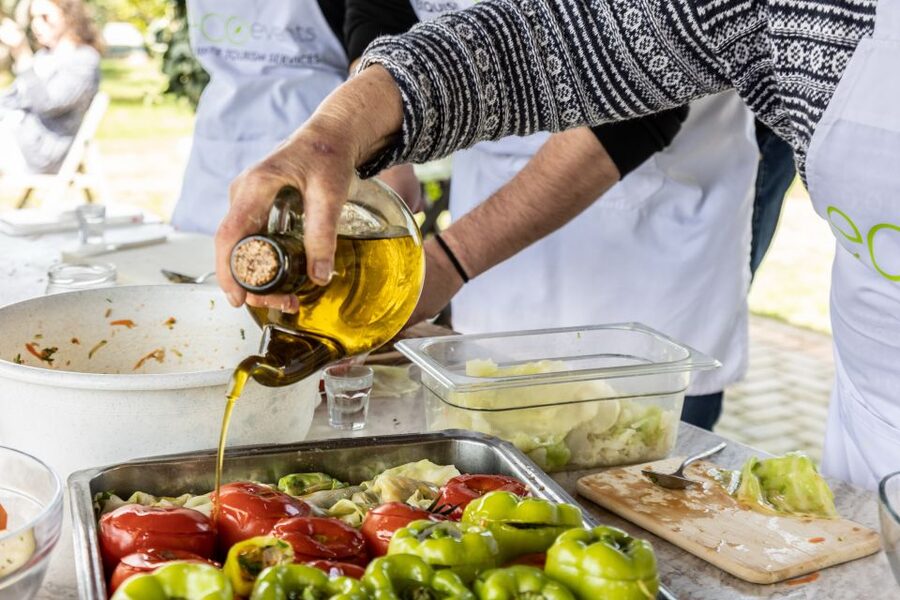
To get the most from the experience, plan like a cook, not like a spectator. Wear comfortable clothing you can move in. You’re handling food and working near heat sources, including the wood oven area.
Bring your appetite. You’ll cook multiple dishes, and the meal is a full lunch with meat and vegetarian options plus drinks.
If you’re vegetarian, you’re covered. The meal includes vegetarian options, so you won’t be stuck with a separate plan.
If you’re attending in hot months, keep water in mind. It’s an outdoor garden experience, and cooking takes energy even when you’re not doing heavy lifting.
And because there’s no hotel pickup included, show up to Pigi on time. The group works as a rhythm, and arriving late can throw off when you join the cooking steps.
Should you book the Rethymno authentic cooking class?
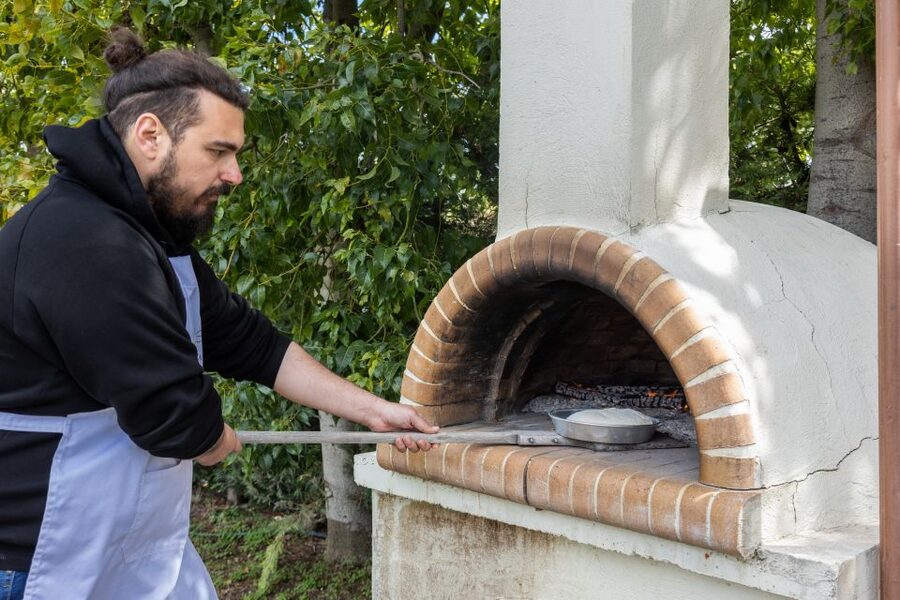
Book it if you want a real Cretan lunch day, not a quick tasting. The combination of hands-on cooking, guidance from Maria and Rebecca, and an outdoor meal with raki and wine is a winning mix. The garden setting and wood-fired oven make it feel connected to Crete instead of like a generic Greek food lesson.
Skip or think twice if getting to Pigi is a hassle for you, or if you prefer activities without alcohol. The experience is food-forward and socially warm, so it’s best when you’re ready to relax, cook, and share the table.
If you like your travel days grounded in everyday life, this is an easy yes.
FAQ
Where does the cooking class take place?
You meet in the village of Pigi. The cooking happens in a spacious family garden, with an outdoor meal after you finish preparing the dishes.
How long is the experience?
The class lasts about 4 hours.
What does the price include?
The price covers the cooking class with a local, all equipment and ingredients, and a full meal with meat and vegetarian options. Raki and Cretan wine are included.
Are there vegetarian options?
Yes. The meal includes vegetarian options.
What kinds of dishes will I cook?
You’ll learn dishes such as home-made cheese, ntakos, tzatziki, stuffed vegetables, and Greek salad, plus more based on the recipes planned for the class.
Is hotel pickup and drop-off included?
No. Hotel pick-up and drop-off are not included and may cost extra.
What languages are offered?
The instructor speaks English and French.
Is the activity wheelchair accessible?
Yes, the experience is listed as wheelchair accessible.