REVIEW · RETHYMNO
Rethymno: Traditional Cooking Class in a Cretan Village
Book on GetYourGuide →Operated by Chrysoula's traditional cretan home cooking lessons · Bookable on GetYourGuide
Rethymno’s wood-oven cooking feels like home. In a Cretan village setting, Chrysoula teaches you to build a full meal—starter, main, dessert—using ingredients from her family farm and local producers, then bakes it in a traditional oven. I like the hands-on cooking, and you’ll like the wood-oven bake-and-eat payoff.
The main thing to plan for: this is not a light snack. You get local wine and raki, and you’ll likely eat more than you planned, so keep your evening open and don’t schedule something fancy right after.
In This Review
- Key things to know
- A Cretan village kitchen, where the welcome starts strong
- Meet Chrysoula and learn Cretan cooking the practical way
- Starters you’ll actually make: dakos, tzatziki, and Greek salad
- Gemista and mousaka: the main course built for sharing
- Dessert in Crete: tyropitakia, honey, cinnamon, ice cream, and fruit
- Wine, raki, and the best reason to keep your evening free
- Price and value: what $110 really buys you
- Who should book this cooking class in Rethymno
- Should you book it? My honest call
- FAQ
- How much does the Rethymno cooking class cost?
- How long is the cooking class?
- What dishes will I cook during the class?
- Can the menu be adapted for vegetarian or allergies?
- Is the class in English, and is it wheelchair accessible?
- Are drinks included, and is there alcohol?
- Can I cancel, and can I pay later?
Key things to know
- Starter-to-dessert meal: you cook and then sit down to eat what you make
- Traditional wood oven: your dishes get baked in the same cozy home setting
- Farm-fed ingredients: many products come from the cook’s family farm or local village
- Warm Cretan welcome: Greek coffee or herbal tea, homemade lemonade, ladokouloura, and loukoumakia
- English instruction with real humor: led by Chrysoula, with help from hosts like Dee and Kostas
- Vegetarian and allergy options: the menu can be adapted when you have dietary needs
A Cretan village kitchen, where the welcome starts strong
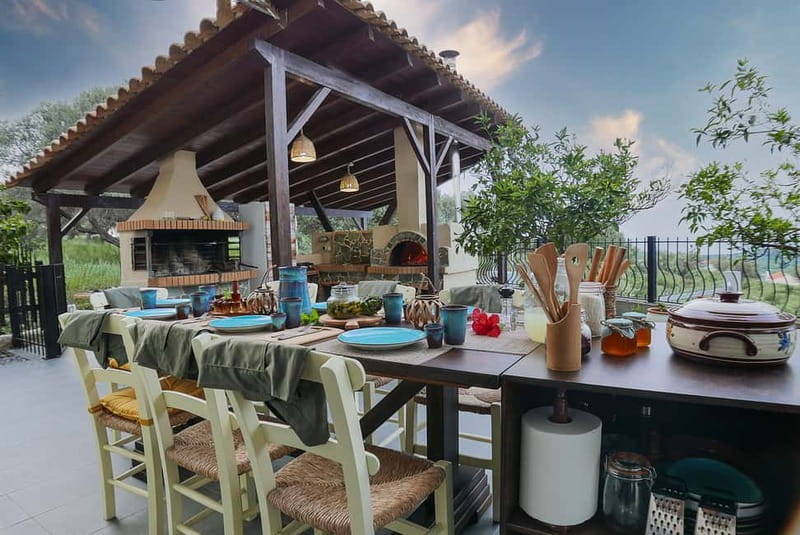
This class feels more like getting invited into someone’s home than attending a formal cooking demo. You start with the kind of hospitality that Crete is known for: Greek coffee or herbal tea, plus homemade lemonade. Then the table fills with small local treats like ladokouloura (olive-oil rolls) and loukoumakia. It’s a smooth way to settle in, meet the group, and get comfortable before the cutting board comes out.
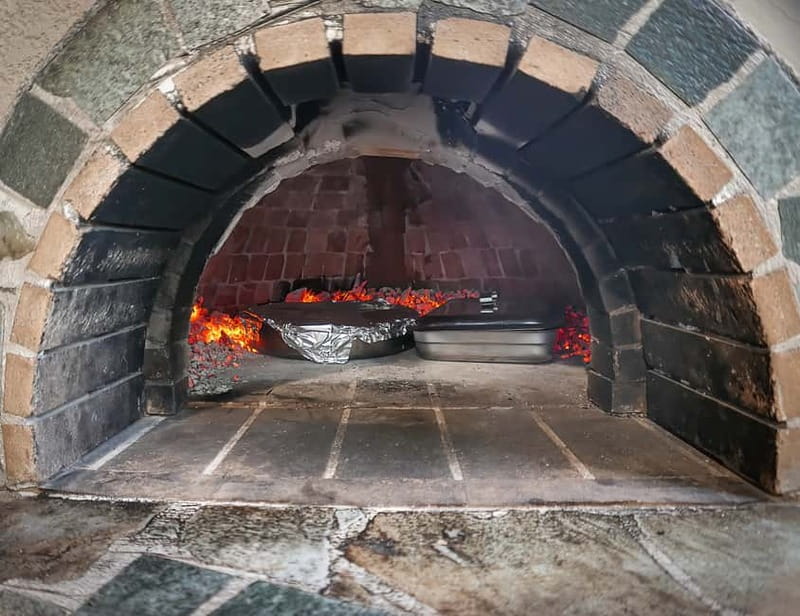
I also like that the setting is part of the experience. You’re not hidden in a classroom. You’re in the cook’s world—cozy garden views, family-home atmosphere, and the big working feature: the traditional wood oven. That oven matters. It changes the vibe from recipe-telling to real food-making, and it keeps the class moving toward a meal you can actually enjoy right away.
One more practical point: the class runs about 3.5 hours, so it’s long enough to learn a lot and still feel like an evening plan, not an all-day commitment.
Meet Chrysoula and learn Cretan cooking the practical way
Chrysoula’s teaching style is friendly and interactive. You’re not just watching and taking notes. You’re chatting, cooking, asking questions, and picking up the small techniques that make Mediterranean food taste like it’s supposed to.
A few things you should expect as you cook:
- Fresh ingredients are a core theme. You’ll work with items sourced from her family farm or local farmers, not generic “tourist grocery store” supplies.
- The kitchen rhythm is relaxed but purposeful. You’ll make multiple dishes during the session, and the pace keeps you engaged.
- You’ll learn the recipes the way they’re passed down—through everyday practice, not complicated culinary theory.
In the reviews and the way the experience is described, you’ll also see that Chrysoula isn’t the only warm presence. Helpers like Dee and Kostas often support the flow, which helps explain why the class can feel fun and social instead of strict. And yes, there’s humor. It’s the kind of energy that makes people stop worrying about doing it perfectly and just focus on learning and eating.
If you’re someone who wants a cooking class to be more than food prep, this is a good fit. The conversation about Cretan life and food traditions is part of the meal, not an add-on.
Starters you’ll actually make: dakos, tzatziki, and Greek salad
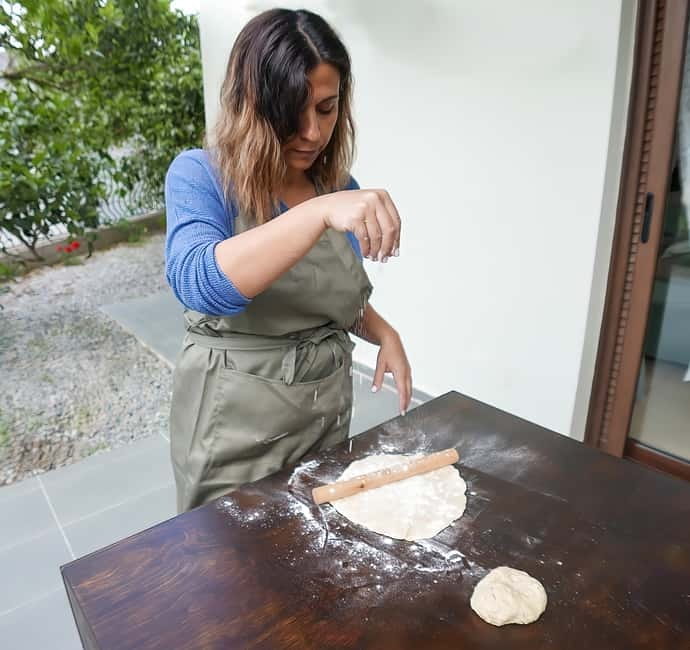
Your first real win is that the starter course isn’t just a single dish. You’ll build a small trio of bright, salty, herb-forward plates—very Cretan in spirit.
Here’s what you can expect to cook:
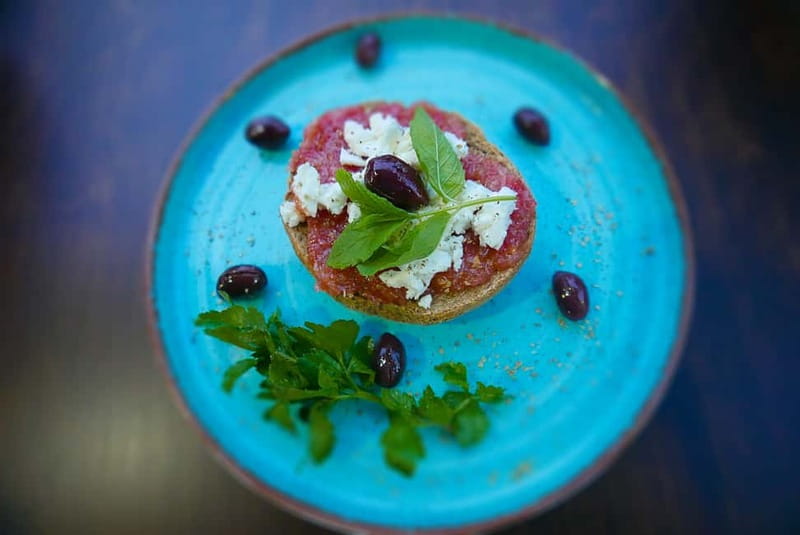
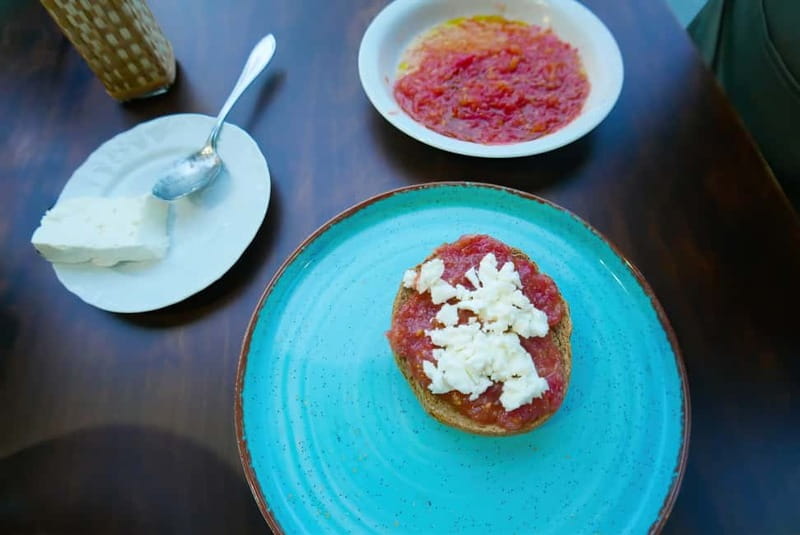
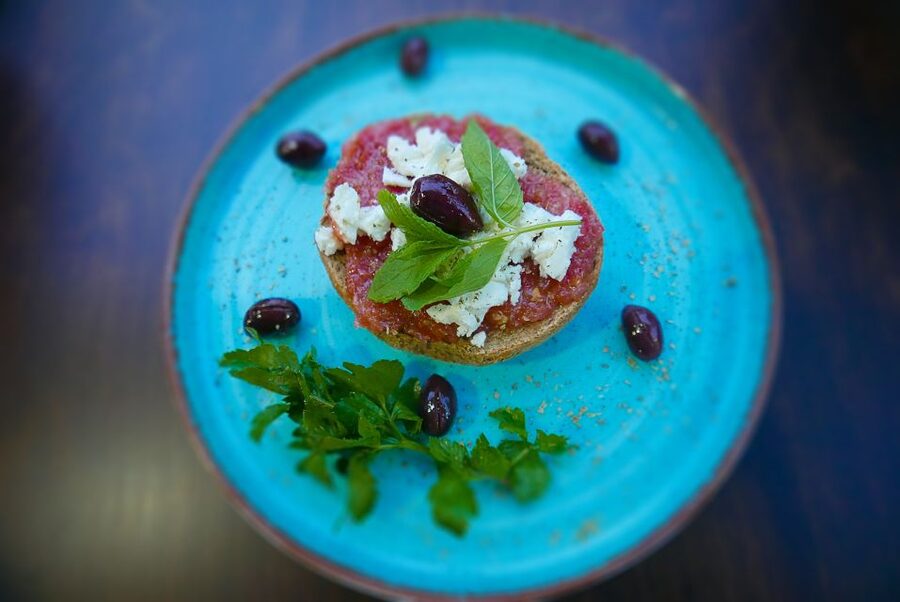
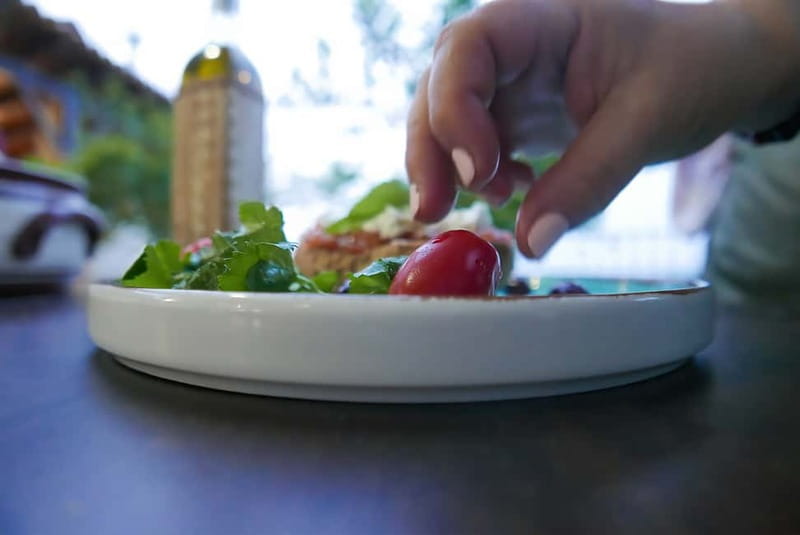
- Dakos: a Cretan salad built on tomato, cheese, olive oil, and herbs. It’s simple, but it’s all about balance and quality. You learn how the toppings come together and how olive oil and herbs change the whole flavor.
- Tzatziki: the famous Greek dip. This is where you get hands-on with cooling, tangy yogurt-based flavor and how seasoning makes it taste “right” instead of bland.
- Greek salad: fresh, straightforward, and a strong reminder that good ingredients do a lot of work.
What makes these starters valuable is that they teach you the Cretan approach to food: bold flavors from olive oil, herbs, dairy, and tomatoes rather than heavy sauces. After these dishes, you’ll feel more confident tackling mains, because you’ll understand the flavor logic.
Also, because the class can be adapted for vegetarians and for allergies, the starter course is a place where the host can adjust without throwing the whole experience off balance. If you have a dietary requirement, this is one of the best times to mention it—so the starter plates work for you from the beginning.
Gemista and mousaka: the main course built for sharing
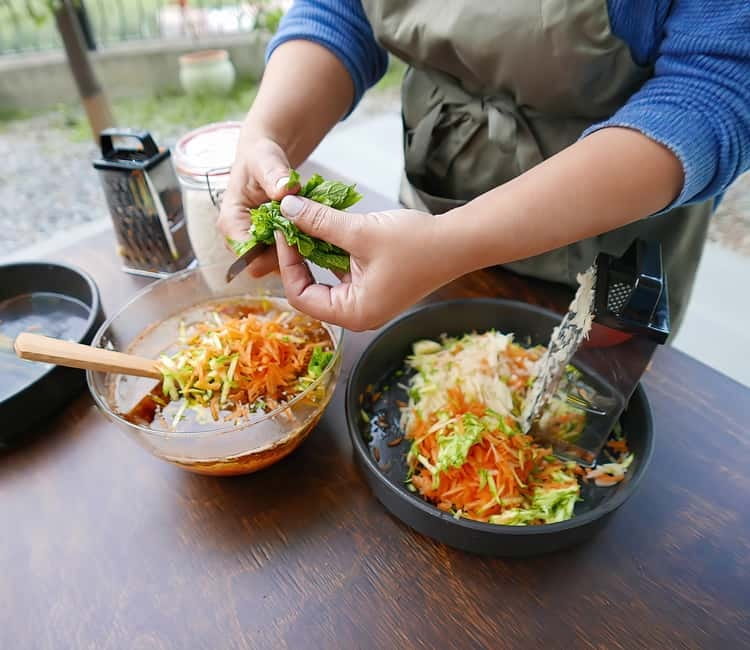
This is where the class becomes more than “snack cooking.” The mains are hearty, Cretan comfort food that fills your plate and teaches you techniques you can use later.
The experience includes learning and cooking:
- Gemista: stuffed vine leaves, zucchini flowers, tomatoes, zucchini, and pepper. That’s a lot of variety in one dish, and it’s exactly the kind of recipe that feels like family tradition. You’ll learn how the components fit together into one cohesive meal.
- Moussaka: classic Greek layered comfort. Even if you’ve had moussaka before, cooking it in a Cretan home setting gives you a better feel for how it’s assembled and seasoned.
If you like cooking that feels practical—chopping, stuffing, layering, tasting as you go—these mains deliver. They’re also a great choice if you want to bring back more than just one recipe card. You’ll walk away with a better understanding of how Cretan home cooking thinks: balanced, filling, and meant for company.
There’s also a scheduling advantage. Since the main is included and cooked on-site, you’re not spending extra time finding a restaurant afterward. You’re simply switching from cooking mode to eating mode, with wine and raki built into the meal.
Dessert in Crete: tyropitakia, honey, cinnamon, ice cream, and fruit
Desert is where the class gets genuinely fun. You’ll end with traditional sweets that match the savory comfort of the mains.
Included desserts can include:
- Tyropitakia: traditional pies with homemade cheese
- Homemade ice cream
- Seasonal fruit
- Local honey and cinnamon sprinkled over the top
Tyropitakia is a big deal for people who love pastry-forward Greek desserts. The cheese flavor and the way the honey/cinnamon add warmth make it feel both rich and grounded. Then the ice cream and fruit bring it back to something lighter at the finish.
If you’re not a sweets person, don’t panic—you might be more full than you expect by this point, especially since the class includes wine and raki. But the dessert course is part of what makes this a true meal experience, not just a cooking workshop.
Wine, raki, and the best reason to keep your evening free
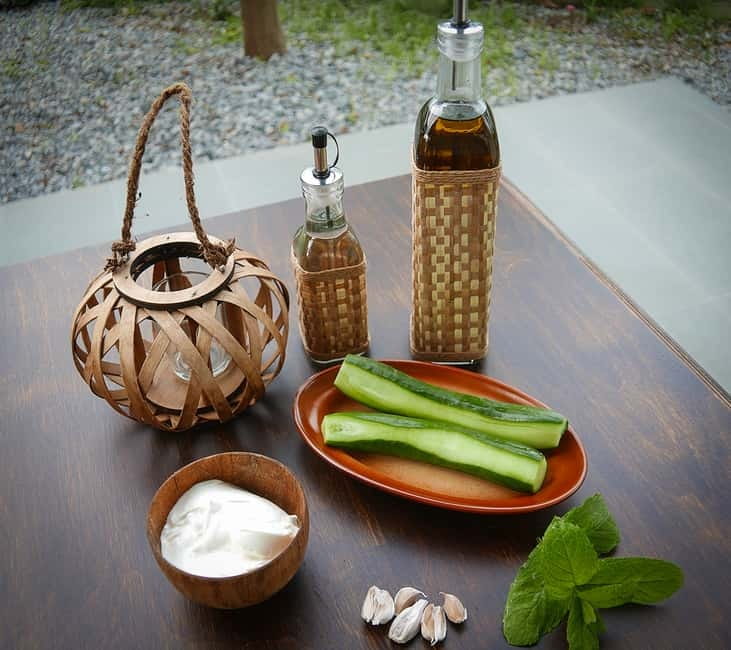
Yes, alcohol is included. You’ll have local wine and raki alongside your meal. The raki part is often treated like a final toast moment, and it’s worth taking seriously if you’re the type who gets sleepy or tipsy quickly.
This is one of the most repeated pieces of advice from the experience itself: come hungry, and don’t plan a big dinner right after. You’re getting a full starter, a main, and dessert, plus welcome snacks. Even if you pace yourself, you’ll probably still leave satisfied.
Practical tip: if you’re booking this while visiting Rethymno, treat it like the main food anchor of your day. Plan to relax afterward. The class takes about 3.5 hours, and once you add social chatting and the tasting portion, the experience can feel like a proper evening out.
Price and value: what $110 really buys you
At $110 per person for roughly 3.5 hours, you should look at value in two buckets: what you eat and what you learn.
What you get for the price:
- Cooking lessons (not just watching)
- A starter, a main, and a dessert
- Local wine and raki
- Welcome drinks and snacks (coffee/tea, homemade lemonade, and treats like ladokouloura and loukoumakia)
That’s the big value driver. Many paid “food experiences” charge you for the privilege of tasting a few bites. Here, you’re building a meal and then eating it. And because many ingredients come from family farm or local farmers, the flavors tend to be noticeably better than what you’d make at home from random shelf-stable substitutes.
Another value point: the setting. Learning to cook in a home kitchen and baking in a traditional wood oven is harder to replicate than a standard cooking studio. If the goal is authentic Cretan food and a memorable evening, the cost lines up well with what you receive.
Who should book this cooking class in Rethymno
This experience is ideal if you:
- Want hands-on learning of traditional Cretan dishes
- Like the idea of cooking starter-to-dessert in one sitting
- Prefer a local-home setting over a restaurant cooking show
- Appreciate food that tastes like olive oil, herbs, dairy, and seasonal produce
It’s also a solid choice if you have vegetarian preferences or allergies, since the menu can be adapted. Just make sure you communicate your needs ahead of time so the host can adjust properly.
Logistically, it checks a couple of important boxes: the class is in English, and it’s wheelchair accessible. If mobility is a concern for you, that matters more than people expect.
One last fit note: if you travel with kids, the home setting and warm hospitality can work well. The class energy tends to be relaxed and social rather than rigid.
Should you book it? My honest call
Book it if you want an authentic Cretan meal that you actively cook, not just one you observe. The combination of farm-sourced ingredients, a traditional wood oven, and a full menu (starter, main, dessert) is exactly the kind of experience that sticks with you. Plus, the hospitality—Greek coffee or herbal tea at the start, homemade lemonade, and the final glass of local raki—turns it into a night you’ll remember.
Skip it or think twice if you’re searching for a quick class, a light tasting, or a strict alcohol-free plan. This is a full dinner experience, and the raki at the end is not a “tiny sip” kind of moment.
If you can keep your evening flexible and you like hands-on food learning, this is an easy yes.
FAQ
How much does the Rethymno cooking class cost?
It costs $110 per person.
How long is the cooking class?
The class lasts about 3.5 hours. Starting times vary, so you’ll want to check available time slots.
What dishes will I cook during the class?
You’ll cook a starter, a main, and a dessert. Examples include dakos, tzatziki, Greek salad, gemista, moussaka, and traditional sweets like tyropitakia, plus options such as honey, cinnamon, ice cream, and seasonal fruit.
Can the menu be adapted for vegetarian or allergies?
Yes. The menu can be adapted for vegetarian friends and for guests with allergies.
Is the class in English, and is it wheelchair accessible?
The host/guidance is in English, and the experience is listed as wheelchair accessible.
Are drinks included, and is there alcohol?
Yes. The experience includes local wine and raki, and you’re also offered welcome drinks such as Greek coffee or herbal tea and homemade lemonade.
Can I cancel, and can I pay later?
You can cancel up to 24 hours in advance for a full refund, and you can reserve now & pay later.