REVIEW · SYRACUSE
Siracusa: Pasta & Tiramisu Cooking Class at a Local’s Home
Book on GetYourGuide →Operated by Cesarine · Bookable on GetYourGuide
Two Sicilian icons share one kitchen. I love that you roll sfoglia by hand and learn pasta from scratch in a real home setting.
In a 3-hour session in Siracusa, you also cook alongside other food lovers, guided by an English-speaking home cook through each step.
You’ll also make and taste classic tiramisu, turning the class into a proper meal, not a quick demo. The day’s rhythm is simple: aperitivo first, then pasta and dessert together, with drinks as you cook.
One practical catch: the full address is only sent after booking for privacy, so you’ll want to plan a little time to find the house neatly.
In This Review
- Key things you’ll remember
- A Dinner-Quality Class in a Siracusa Home
- What the 3 Hours Actually Feel Like
- Rolling Sfoglia by Hand (and Why It Helps at Home)
- Two pasta recipes from scratch
- Tiramisu Lessons That End in Real Tasting
- Aperitivo, Wine, and Coffee: The Meal Is Part of the Teaching
- How Cesarine Home Cooks Work (and What to Expect from Your Host)
- The name you might hear
- Price and Value: Is $152.93 Worth It?
- Logistics That Matter in Siracusa (Privacy Address Included)
- Who This Cooking Class Suits Best
- Should You Book This Pasta and Tiramisu Class?
- FAQ
- FAQ
- How long is the cooking class?
- What dishes will I learn to make?
- Is food and drink included?
- Will I get the full address before I book?
- What if I have food intolerance or allergies?
- Is it wheelchair accessible?
Key things you’ll remember
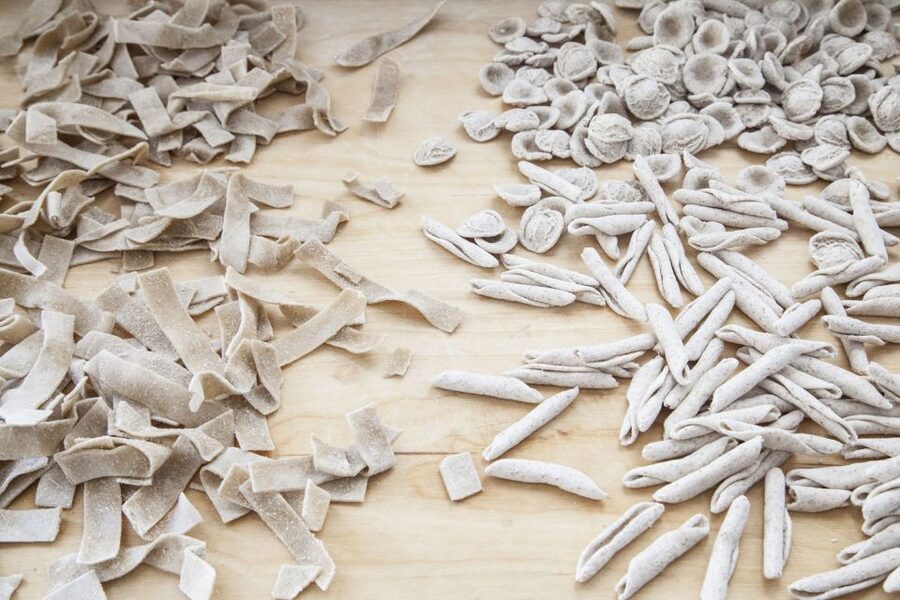
- Hand-rolled sfoglia: you get real practice shaping fresh pasta dough at home-cook pace.
- Two pasta recipes plus tiramisu: you’re not just learning theory—you eat what you make.
- Cesarine hosts in local homes: the goal is regional, family-style cooking habits, not restaurant tricks.
- Aperitivo included: prosecco and nibbles kick off the evening with a Sicilian social vibe.
- Instruction designed for home cooks: you’ll pick up tips meant to help you recreate the dishes later.
A Dinner-Quality Class in a Siracusa Home
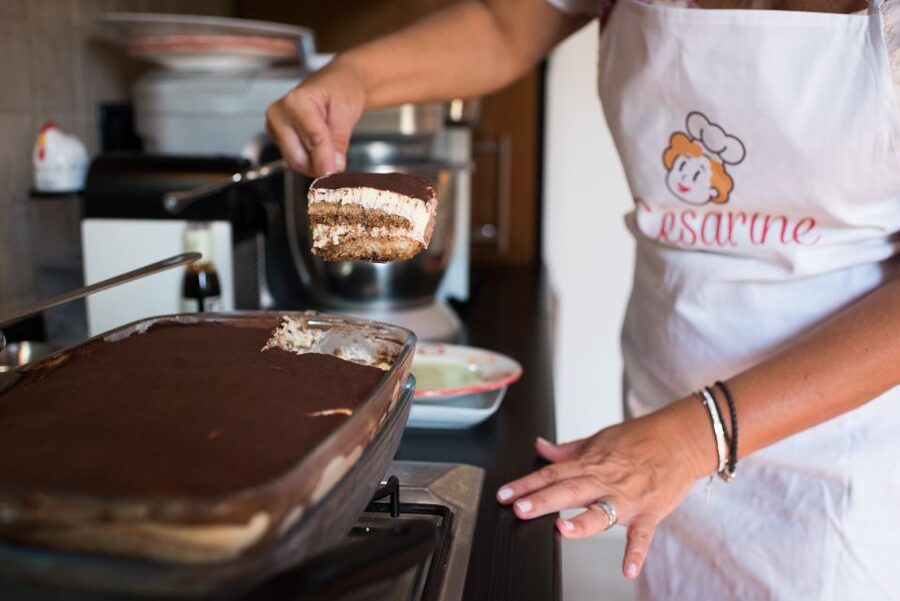
This is one of those food experiences where the “class” feels like dinner with a lesson attached. You’re in Siracusa, in someone’s actual home, and the focus stays on two icons: fresh pasta and tiramisu. That home setting matters because you cook at kitchen speed, with the kind of small practical know-how that doesn’t happen in a crowded show kitchen.
Cesarine is the network behind it, and it’s built around the idea of “home cook” experiences. They link travelers with hosts across Italy (500+ cities are mentioned), and the pitch is consistent: you learn from family cookbooks and local specialty habits. For you, that translates into a class that feels less like performance and more like learning how people really cook where they live.
The session runs about 3 hours, with you meeting at a local point and then moving to the host home. The included meal timing is designed so you can eat the pasta and tiramisu you make during the class, not just taste a tiny sample at the end.
You can also read our reviews of more tours and experiences in Syracuse.
What the 3 Hours Actually Feel Like
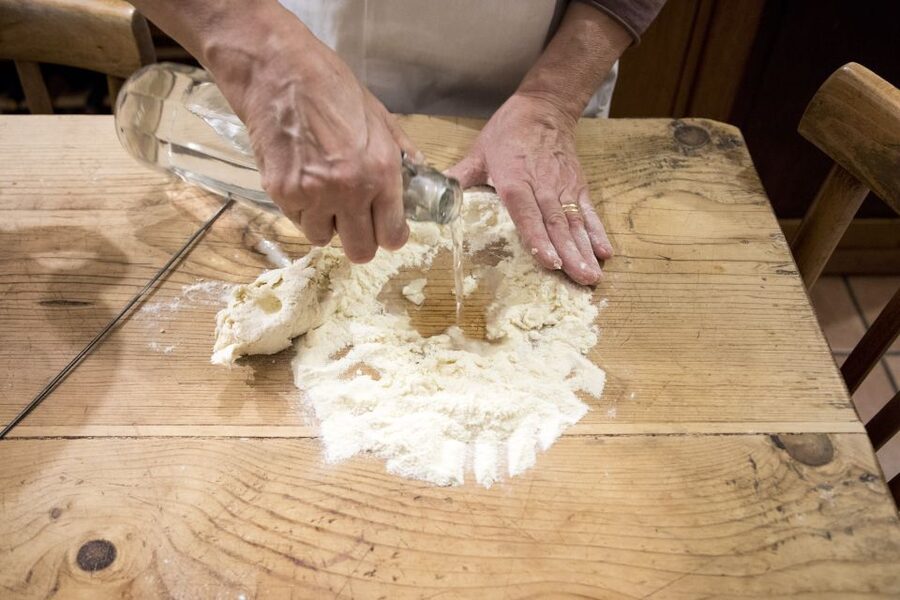
The experience is structured around a clear flow: start together, cook together, eat together. While the exact sequencing depends on the host and timing, you can expect the same core phases.
First comes an Italian aperitivo. You’ll have prosecco plus nibbles—think of this as the warm-up. It’s also a moment to settle in, learn what you’re making, and get comfortable with the kitchen rhythm.
Then the hands-on work starts. You’ll learn how to roll sfoglia (fresh pasta dough) by hand and how to prepare two simple pasta recipes from scratch. You’re not just watching; you’re participating. That’s the big advantage of doing pasta this way: once your hands understand the dough texture, you stop feeling like pasta is complicated.
After the pasta, you’ll make tiramisu. You’ll learn how it’s put together so you can recreate it later, and you’ll taste what you prepare as part of the shared meal.
Finally, the class ends back at the meeting point. It’s not a “stay and wander” activity; it’s a focused block of time where you leave with food skills and a full stomach.
Rolling Sfoglia by Hand (and Why It Helps at Home)
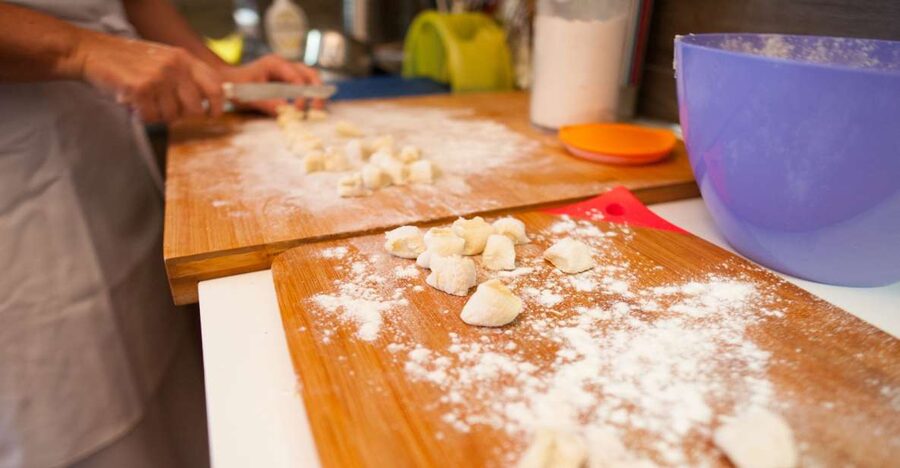
If you’ve ever tried fresh pasta at home and felt like the dough was either too sticky or too dry, sfoglia is where everything clicks. Here, you learn to roll it by hand, which is the difference between getting a recipe and actually understanding the feel.
You’ll be taught by an expert home cook (the instructor is listed as Italian and English), so explanations are practical. You’re learning things like how the dough behaves as you work it, and what adjustments you can make mid-process. Even if you don’t remember every detail, you’ll leave knowing what a workable dough feels like.
This is also why the class is valuable even if you’re not a confident cook. Pasta dough is one of those areas where small technique shifts make a big result. Fresh pasta isn’t just about ingredients—it’s about handling. This is your chance to build that handling skill in a supportive kitchen.
Two pasta recipes from scratch
After sfoglia, you prepare two different pasta recipes from scratch. The activity doesn’t list specific pasta shapes for you, but it does clearly promise two pasta types and direct practice. Expect to work through:
- preparing the pasta from dough stage,
- following the host’s approach for finishing,
- and eating what you make.
That meal component is key: you get instant feedback. When you taste your own pasta, you quickly learn what worked and what you’d tweak next time.
Tiramisu Lessons That End in Real Tasting
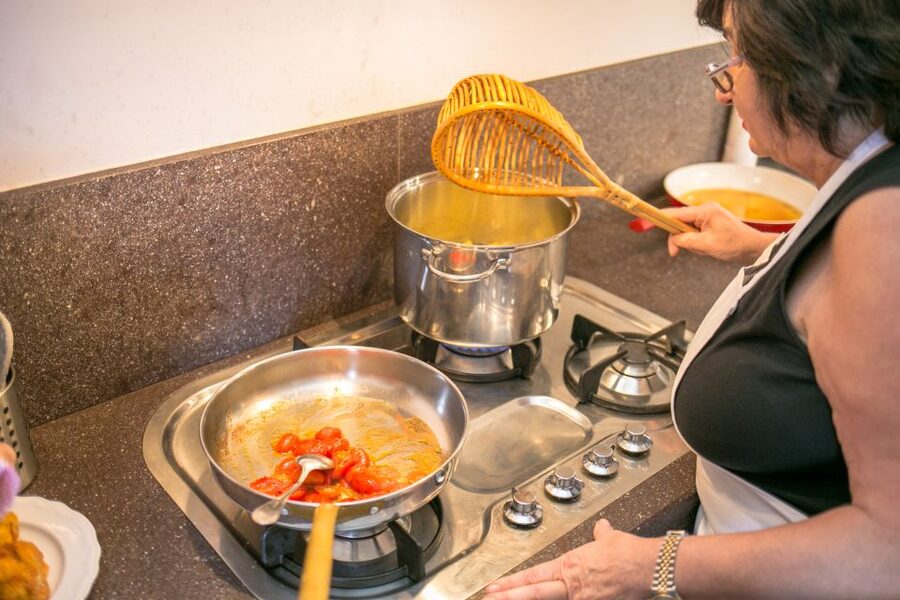
Tiramisu is the other headline for a reason: it’s famous, but it can also go wrong when you follow it blindly. The good news here is that you don’t just receive the dessert concept—you learn to prepare it as part of the same 3-hour class.
You’ll make the tiramisu and taste it as part of the included meal. That means you get to experience texture and balance as the final reward, not after the fact. It also helps you understand how the host approaches the dessert in a home-kitchen style—what to prioritize, and what not to overcomplicate.
One of the quieter benefits of this setup: you’ll often learn the timing logic. Even without you being handed a cookbook timeline, making tiramisu in one sitting helps you understand how to move from prep to assembly without panicking.
And because the class is guided by a home cook connected to Cesarine, the style is meant to be reproducible. The highlight explicitly mentions tips for recreating the dishes at home, and the tiramisu section is where those tips matter most, because dessert needs consistency.
Aperitivo, Wine, and Coffee: The Meal Is Part of the Teaching
In many food tours, you snack and move on. Here, the meal is part of the experience—and it’s included.
You’ll have:
- Prosecco and nibbles at aperitivo time
- beverages with the meal, including water, wines, and coffee
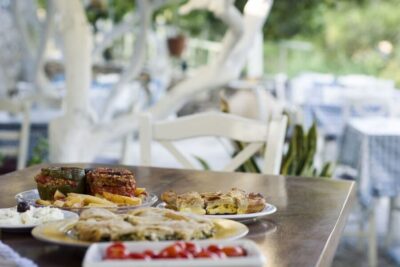
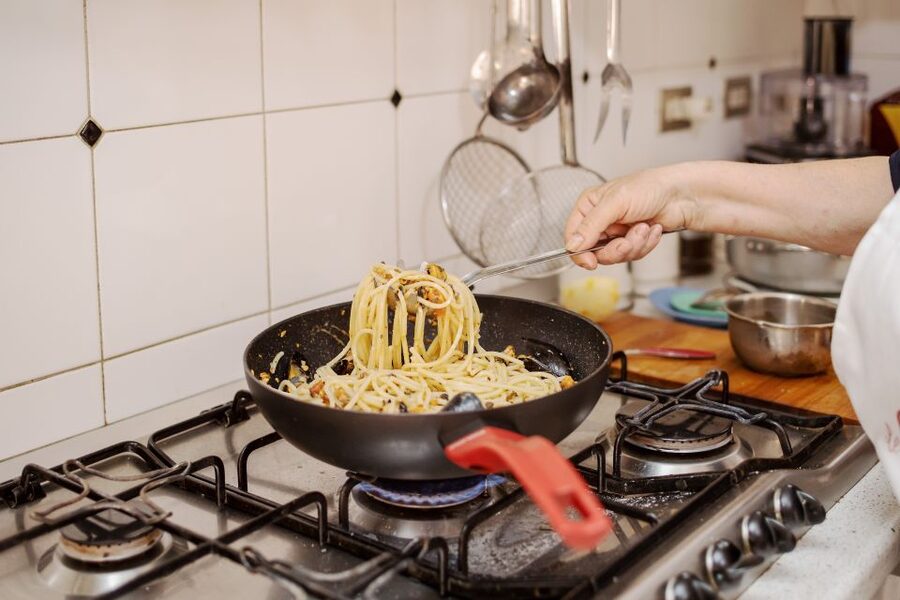
The pasta and tiramisu are served as the shared lunch/dinner of the two pasta recipes plus tiramisu you prepared. That’s a major value point. You’re paying for instruction and time, but you’re also paying for the ingredients, the full sit-down meal, and the drinks that go with it.
It’s also a smart way to understand Italian dining culture. Pasta and dessert are treated as a complete sequence, not separate “activities.” You’ll likely find you cook with less rushing because the pacing is designed for shared eating.
How Cesarine Home Cooks Work (and What to Expect from Your Host)
This isn’t a commercial kitchen tour. Cesarine’s model is to match you with a local host who cooks regional favorites from their family cookbook tradition. You’re in a private home for privacy reasons, which is why the address is not given immediately.
Cesarine also asks for matching information that matters for a food-focused experience:
- food intolerance and allergies,
- the neighborhood you’re staying in,
- and how you plan to travel to the host home.
That matching is not a throwaway detail. If you share dietary needs up front, your host can plan more safely, and the class can stay comfortable for you and everyone else.
Language is another factor: the instructor is listed as Italian and English. That usually means you’ll have clear guidance without needing to rely on gestures and guesswork.
The name you might hear
One detail that stands out from past sessions: the instruction can be delivered with warmth and clear technique. For example, one host named Maria was specifically praised for teaching lots of interesting cooking skills in a friendly, open way. Even if your host is someone else, the pattern you should look for is that the teaching is practical, not just performative.
Price and Value: Is $152.93 Worth It?
At $152.93 per person for around 3 hours, the honest way to think about value is this: you’re paying for a full hands-on cooking experience plus a meal.
You’re not only learning how to roll pasta and assemble dessert. You’re also getting:
- the ingredients and instruction to cook two pasta types and tiramisu,
- an aperitivo with prosecco and nibbles,
- lunch/dinner of what you made,
- beverages including wines, water, and coffee.
So the price isn’t just “class cost.” It’s a package that includes the part most visitors otherwise pay separately in restaurants: a sit-down food experience with drinks.
If you compare it to paying for dinner plus a cooking activity, this format tends to feel more practical. You leave with two dishes you can actually recreate, because you made them in a guided kitchen and tasted the result.
Logistics That Matter in Siracusa (Privacy Address Included)
Because the class is in a private home, you only receive the full address after booking. That’s normal for this kind of experience, but it can cause stress if you arrive without a buffer.
Here’s the move I’d recommend: once you get your host details, save them immediately:
- full address,
- host telephone number,
- and any neighborhood guidance sent with the instructions.
Also, plan to arrive a bit early, not because you’ll be waiting forever, but because finding a local home location can take a few extra minutes when you’re in unfamiliar streets.
Support is listed as available 7 days a week, but one practical lesson from past coordination hiccups is that timely address and contact details really matter. If you’re booking close to your start time, double-check that you’ve received the correct address info before you leave your lodging.
Who This Cooking Class Suits Best
This is a strong fit if you want:
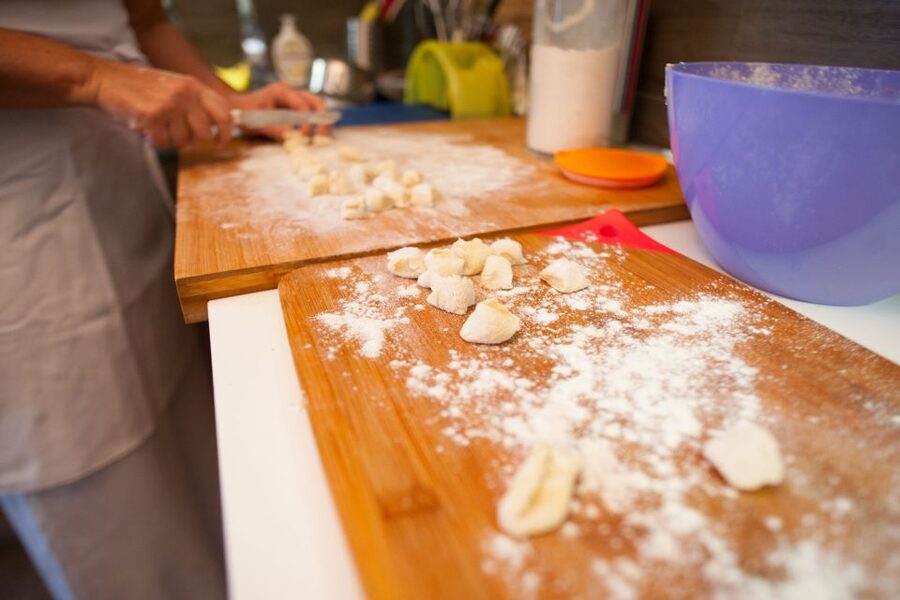
- hands-on pasta technique, especially fresh pasta and sfoglia,
- a structured, friendly cooking session in a local home,
- a full meal experience with wines and coffee included.
It’s also a good choice if you’re traveling with food questions you’d like answered in real time. Having a host in front of you makes it easier to fix mistakes fast, rather than waiting until you’re back in your kitchen.
That said, it’s not ideal if you need wheelchair access; the activity is explicitly listed as not suitable for wheelchair users.
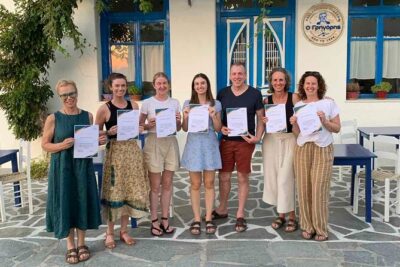
If you’re a solo traveler, you’ll still get the shared-table energy because the class is designed around cooking and eating with other participants.
Should You Book This Pasta and Tiramisu Class?
If you want a genuine food memory from Siracusa that includes more than photos, I’d book it. The biggest reasons: you roll sfoglia by hand, you cook two pasta recipes plus tiramisu, and you eat the results in the same session with prosecco and wine.
Book it if you:
- enjoy learning by doing,
- want technique you can repeat at home,
- and like dining that feels personal rather than staged.
I’d pause if you hate any uncertainty around meeting logistics. The private home setup means the address is sent after booking, so you need to be organized with your host details and arrive ready to find the right door.
FAQ
FAQ
How long is the cooking class?
The class lasts 3 hours.
What dishes will I learn to make?
You will learn to roll fresh pasta dough (sfoglia) by hand, make two pasta recipes from scratch, and prepare tiramisu.
Is food and drink included?
Yes. You’ll have Italian aperitivo (prosecco and nibbles), plus a lunch/dinner featuring the two pasta recipes and tiramisu. Beverages include water, wines, and coffee.
Will I get the full address before I book?
For privacy reasons, you only receive the full address of the host after you have booked. You’ll receive the host details with the full address after the experience matches you with a host.
What if I have food intolerance or allergies?
You’re asked to provide food intolerance and allergy information when booking. Cesarine also requests the neighborhood you’re staying in and how you plan to travel, so your host can better prepare.
Is it wheelchair accessible?
No. The experience is listed as not suitable for wheelchair users.